
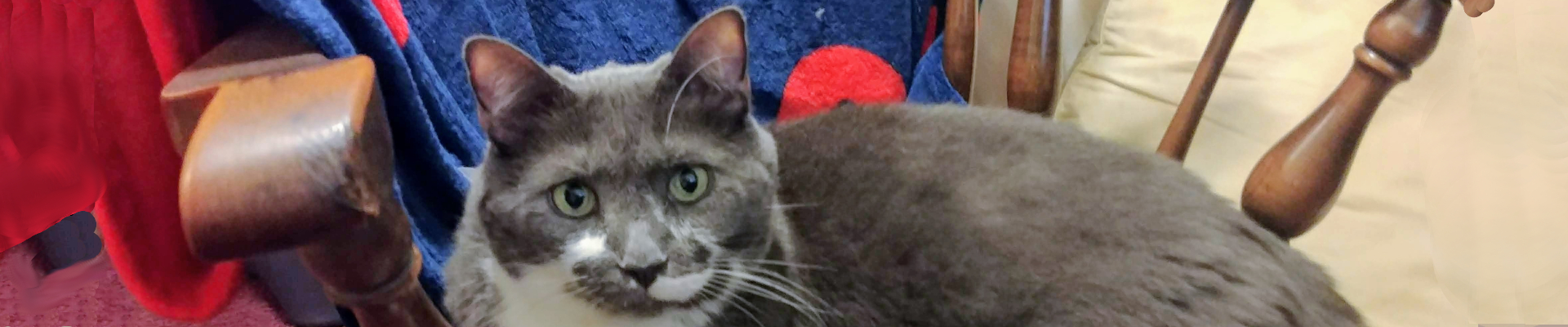
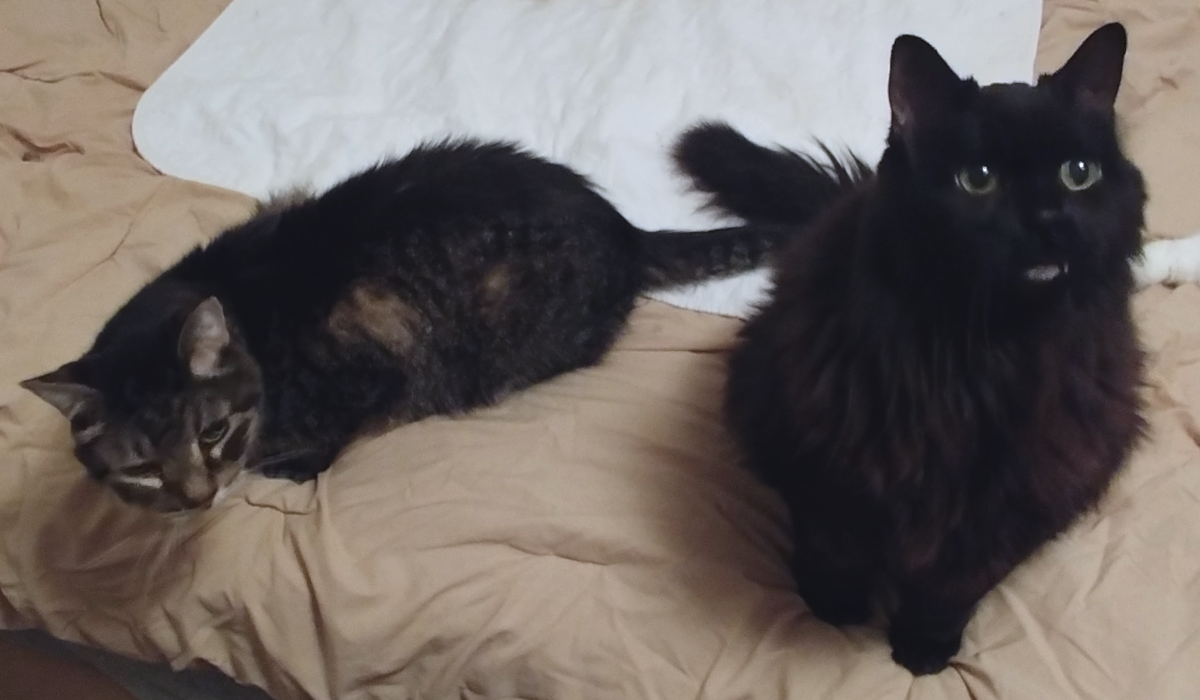
Joint pain has a quiet way of moving into a pet’s life. It does not always arrive as a limp, a cry, or a dramatic refusal to walk. More often, it shows up as a cat who no longer jumps to the windowsill, a dog who pauses before climbing the stairs, or a once-social senior who starts sleeping in a different room because getting up has become harder.
As pet parents, we tend to explain these things away. We say, “She’s just getting older,” or “He’s slowing down.” I have said those things too. After living with and caring for many senior cats and dogs, I have learned that aging itself is not the problem. Pain is the problem. Stiffness is the problem. Losing confidence in the body is the problem.
I am not a veterinarian, and joint pain should always be discussed with one. But I am a pet parent who has watched seniors change inch by inch, sometimes so slowly that the signs were easy to miss until I looked back and realized they had been talking to me all along.
Joint Pain Rarely Looks the Same in Every Pet
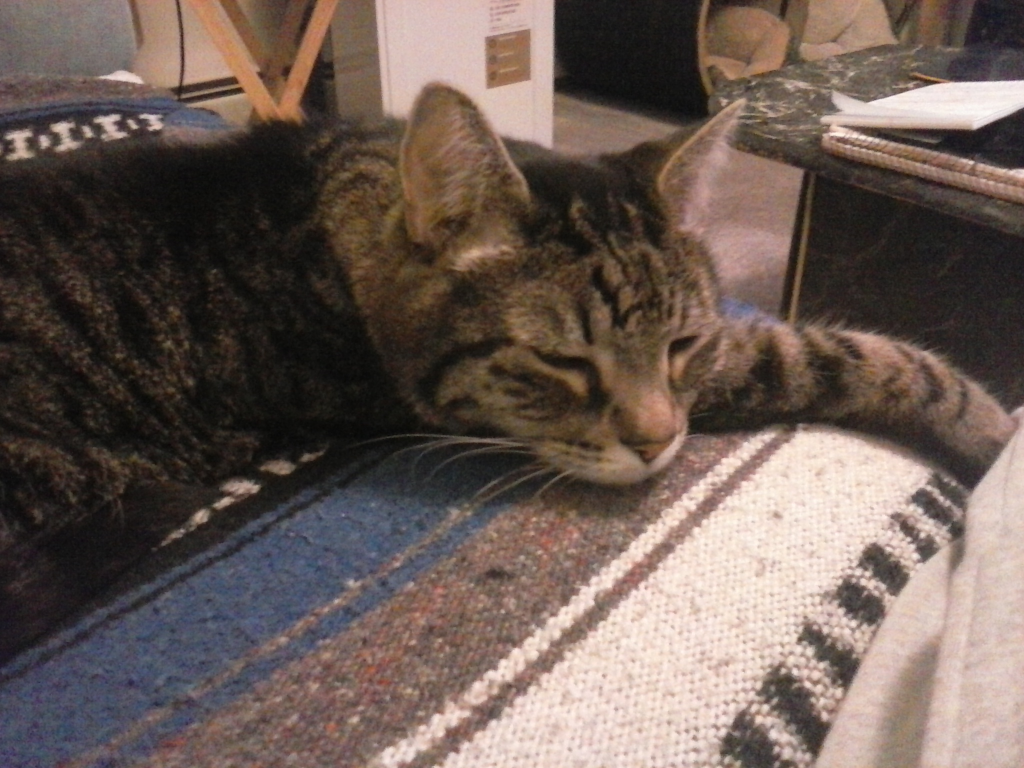
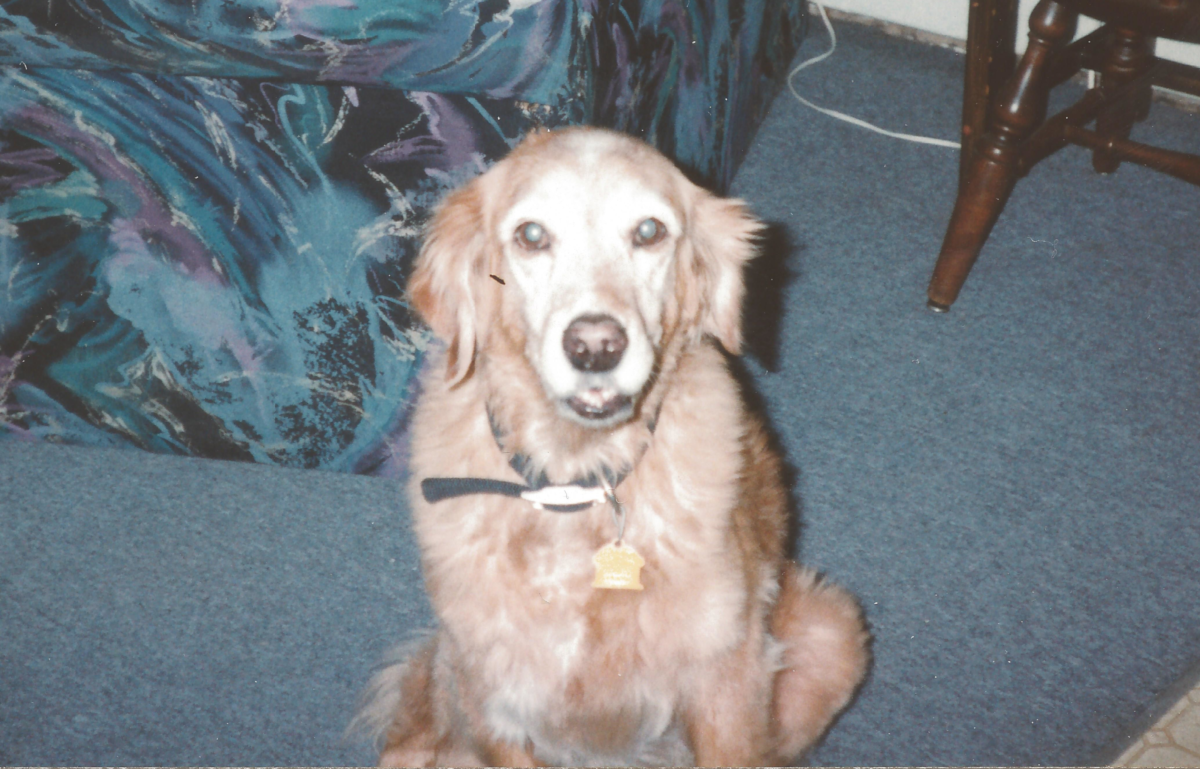 Dogs and cats show pain differently. Dogs may limp, hesitate, pant, or act clingy. Cats are usually quieter about it. They may simply stop doing the things they used to do. A cat who once jumped onto the bed may start sleeping on the floor. A dog who loved the couch may begin lying beside it instead of climbing up.
The American Animal Hospital Association’s pain management guidelines explain that chronic pain in dogs and cats often needs to be judged through behavior, movement, posture, daily habits, and caregiver observations, not just a single exam-room moment. That matches real life. Many pets act differently at the vet than they do at home, especially cats. Home is where the little changes show themselves.
Joint pain can come from osteoarthritis, old injuries, hip or elbow issues, spinal discomfort, weight strain, muscle weakness, or age-related wear. Some pets have more than one problem happening at once. Senior pets especially can have a mix of conditions, so the goal is not to guess the exact diagnosis from the living room. The goal is to notice patterns early enough to get help.
The “Slowing Down” Trap
The biggest mistake many of us make is treating pain as normal aging. Senior pets do sleep more. They may play less. They may become more selective with activity. But a pet should not have to live with untreated discomfort just because they have gray whiskers or a white muzzle.
Aging may explain why a joint problem is more likely, but it does not excuse pain. A fourteen-year-old cat who avoids jumping is not being lazy. A twelve-year-old dog who struggles to rise from the floor is not being stubborn. Their body may be asking for softer bedding, easier access, veterinary care, weight support, medication, physical therapy, or changes around the home.
Cornell’s Feline Health Center points out that cats with joint trouble can show very quiet signs, including becoming slower or more withdrawn. That is one reason cat arthritis is so easy to overlook. A dog might make discomfort obvious by limping through the kitchen. A cat may just stop visiting the favorite sunny spot.
Changes in Jumping, Climbing, and Stairs
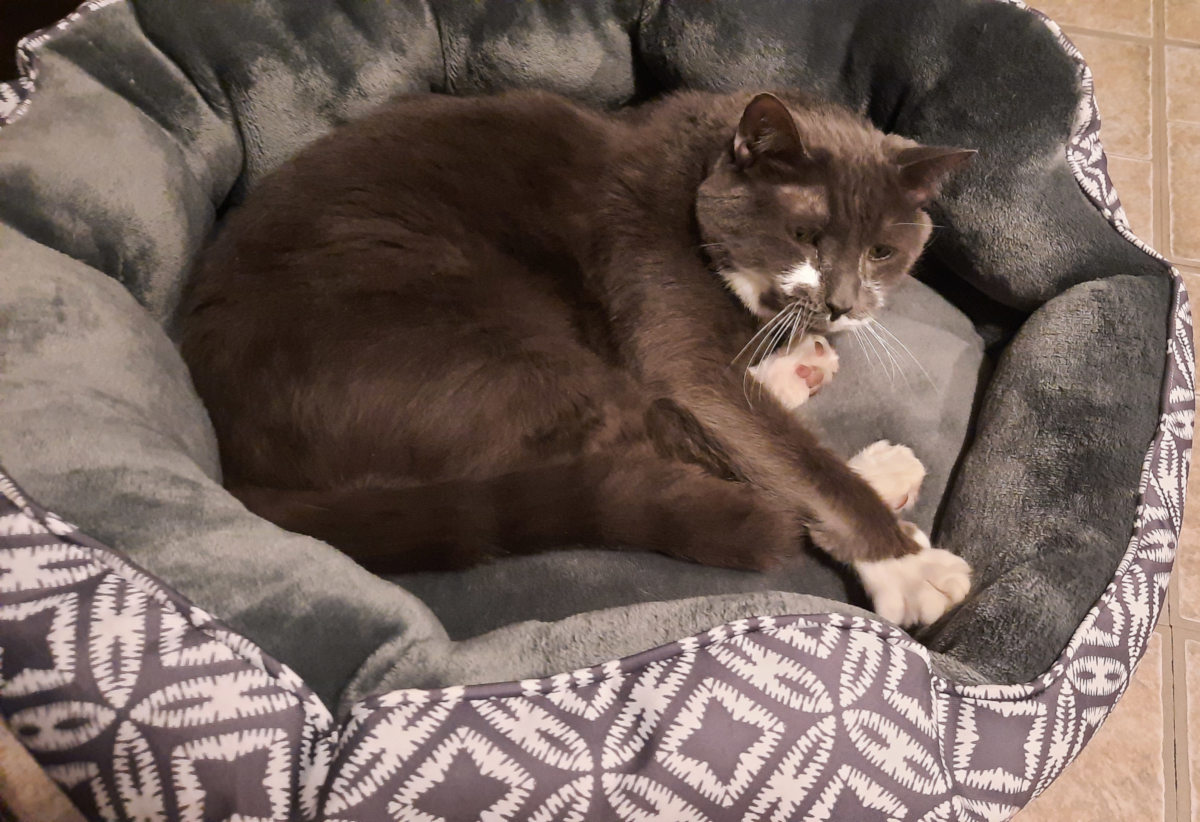 One of the clearest signs of joint pain is a change in how a pet handles height. Cats may stop jumping onto counters, beds, cat trees, windowsills, or favorite chairs. They may still jump down, because gravity does half the work, but they hesitate before jumping up. Some cats start using a chair as a middle step. Others miss jumps they used to make easily.
Dogs may avoid stairs, move slowly on steps, or take them one at a time. Some dogs start waiting at the bottom of the stairs for help. Others climb up fine but struggle coming down, especially if the hips, knees, elbows, or spine are sore.
This is where small home changes can make a big difference. Ramps, pet stairs, rugs on slippery floors, lower beds, and easy-access resting spots can give pets their confidence back. These changes do not replace veterinary care, but they reduce daily strain. For cats, even a lower-sided litter box can be a mercy. For dogs, a harness with a handle can help them rise or move safely without pulling on the neck.
Stiffness After Rest
A pet with joint pain may look worse after sleeping. Dogs may rise slowly, stretch more than usual, or take a few stiff steps before loosening up. Cats may step carefully after waking, then seem more normal a few minutes later. This start-up stiffness is one of those signs that can look minor, but it often means the joints are not happy.
Cold weather can make stiffness more visible. Damp days can too. Hard floors, long naps, and overdoing activity the day before may all make the next morning rough. If your pet looks like they need time to “warm up” before moving comfortably, that is worth tracking.
For diabetic pets, careful observation matters even more because appetite, activity, weight, and comfort all affect daily routines. A sore dog may not want the usual walk. A sore cat may hide more or eat in a different spot. If you are already tracking blood glucose, meals, and behavior, adding a quick note about mobility can help you see patterns. BellenPaws offers a free online pet diabetes tracker with printable charts for vet visits, and that kind of record can make conversations with your veterinarian much more productive.
Grooming Changes in Cats
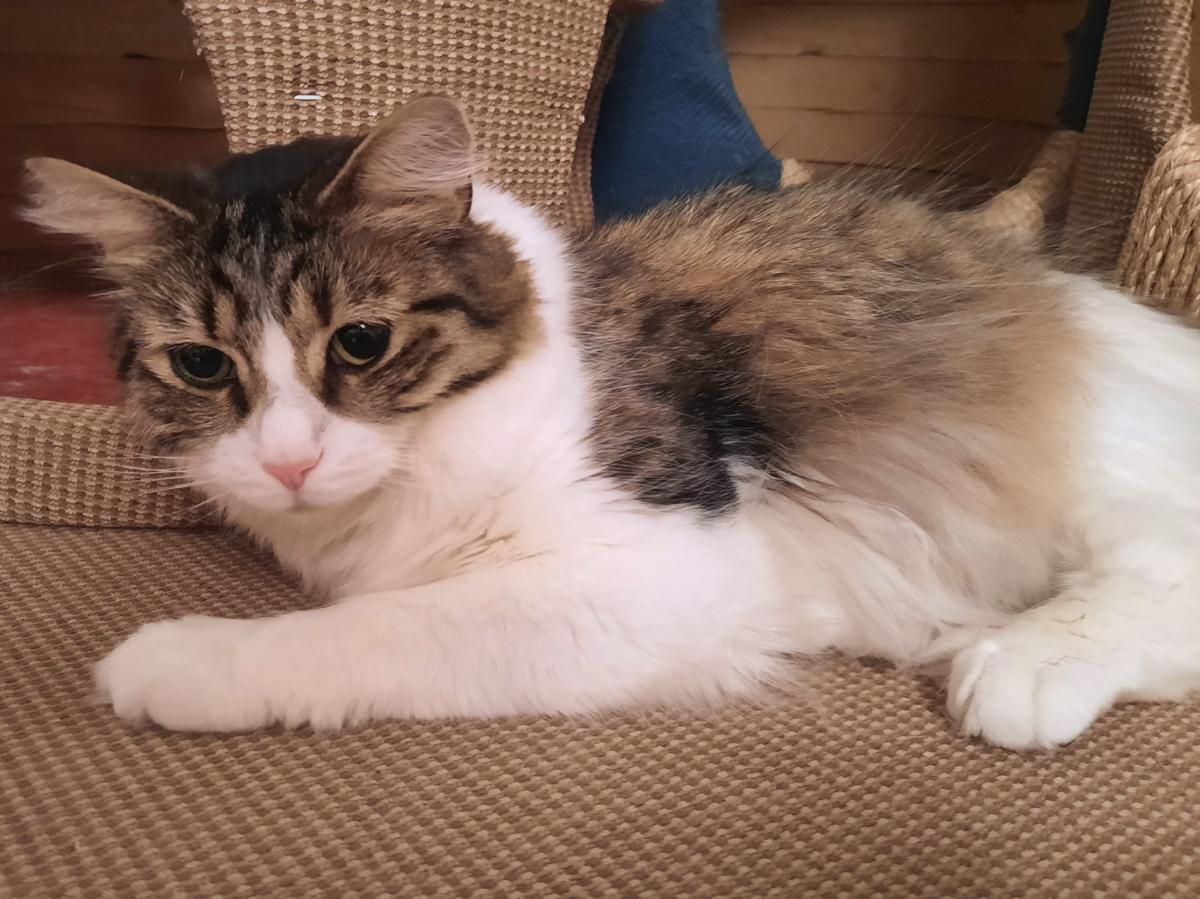 Cats are proud little maintenance machines until pain makes grooming harder. A cat with sore hips, knees, back, or shoulders may stop twisting comfortably to clean certain areas. You may notice mats near the lower back, greasy fur near the tail base, dandruff, or a generally unkempt coat.
This is easy to misread. People often assume the cat has stopped caring or is “just old.” In reality, bending may hurt. Balancing may feel risky. Reaching the back end may be too much effort.
Some cats go the other direction and overgroom a painful area. They may lick a joint, paw, hip, or belly because discomfort draws their attention there. Belle had psychogenic alopecia without losing her fur, and experiences like that taught me not to assume every grooming change has one simple cause. Skin, stress, pain, allergies, and illness can overlap. A veterinarian can help sort out what is happening.
Mood and Personality Shifts
Pain changes personality. A sweet pet may become irritable. A playful pet may become serious. A social pet may avoid busy rooms. Cats may hide under beds, choose quiet corners, or stop greeting you at the door. Dogs may become clingier, restless, or less patient with handling.
This does not mean the pet has become “mean.” Pain lowers tolerance. A dog with sore hips may snap if a child leans on the back end. A cat with tender elbows may swat when picked up. These pets are not betraying their nature. They are protecting themselves.
Senior pets deserve extra grace here. Many of them are still affectionate, still present, still deeply bonded to us, but their body has made the world feel less predictable. A jump might hurt. A slippery floor might scare them. A hug that used to feel nice might press on a sore place.
Changes in Sleep and Resting Places
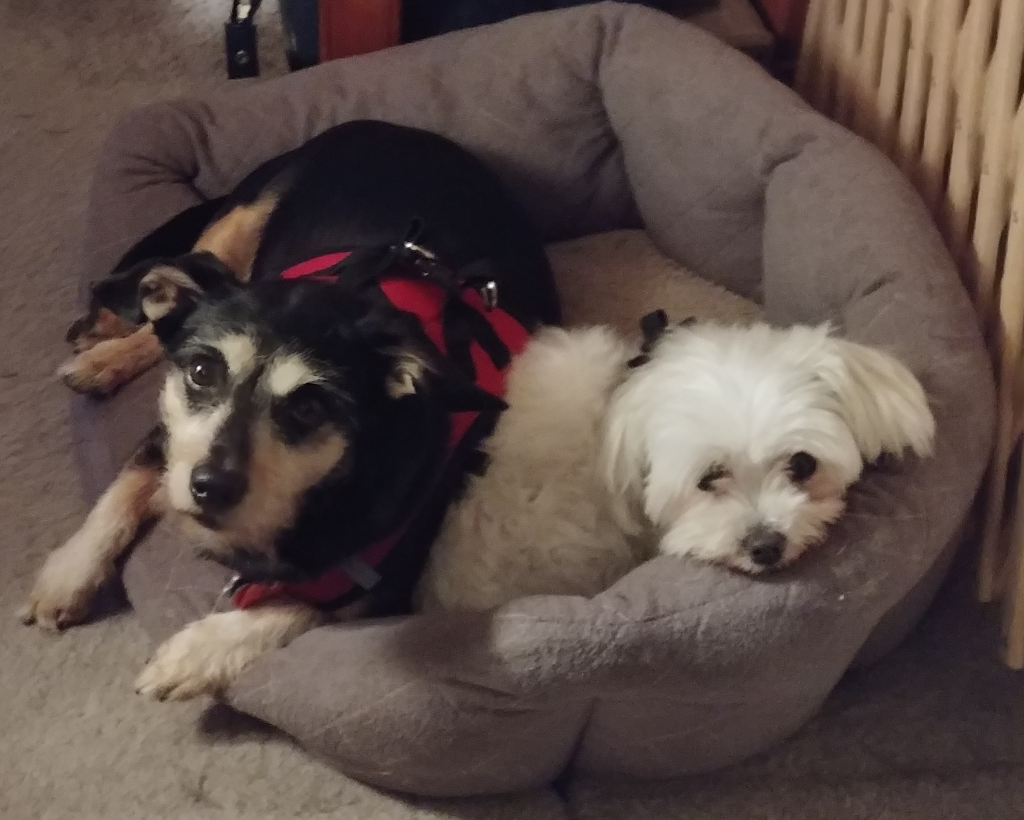 Pets in pain often change where they sleep. A cat may leave the bed because jumping up is too hard. A dog may stop using a favorite chair because climbing into it hurts. Some pets seek warmer spots because warmth feels good on stiff joints. Others choose firmer ground because soft beds are harder to rise from.
A senior dog who sleeps near the door instead of in the bedroom may not be distant. The hallway may simply be easier. A cat who sleeps downstairs may not be avoiding the family. The stairs may have become a mountain.
Good bedding helps, but the right bed depends on the pet. Some need thick orthopedic support. Some need a low edge. Some cats like heated beds, as long as they can move away from the warmth when they choose. Dogs may need several resting stations throughout the house so they do not have to follow the family from room to room just to stay close.
Litter Box and Bathroom Clues
Joint pain can turn bathroom habits into warning signs. Cats may avoid high-sided litter boxes because stepping in and out hurts. They may eliminate near the box, not out of spite, but because the box became physically difficult. A sore cat may also struggle to squat, balance, or turn around inside a covered box.
Dogs may have accidents because getting up takes longer. They may delay asking to go out because standing hurts, then suddenly cannot hold it. They may also struggle with certain outdoor surfaces, like icy steps, steep yards, gravel, or slick decks.
Bathroom changes always deserve veterinary attention because urinary, kidney, digestive, diabetic, and mobility issues can look similar from the outside. With cats especially, changes in urination can become urgent fast. Joint pain may be part of the story, but it should not be assumed to be the whole story.
Appetite, Weight, and Movement Feed Each Other
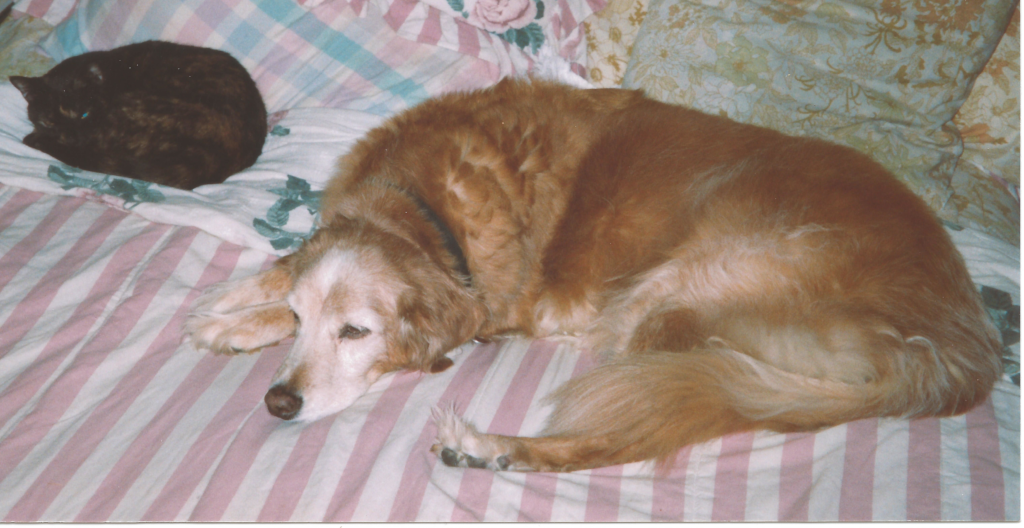 Joint pain can reduce activity, and reduced activity can lead to weight gain. Extra weight then adds more stress to sore joints. It becomes a rough little loop. Bonnie and Blackie both dealt with obesity, and caring for overweight pets made one thing very clear to me. Weight is not about blame. It is about comfort, mobility, and giving the body less to carry.
The American College of Veterinary Surgeons notes that obesity has been linked with worsening osteoarthritis, and weight control is often part of joint care for dogs. A clinical study of obese dogs with hip or elbow osteoarthritis found that weight reduction was linked with decreased lameness, with measurable improvement beginning after modest weight loss.
For cats, weight loss must be handled carefully, especially if they are older, diabetic, or dealing with other health issues. Crash dieting is dangerous. Any weight plan should be guided by a veterinarian. Slow, safe progress is the goal.
The Little Pain Signals People Miss
Some pain signs are so small that they blend into the background of daily life. A dog may stop shaking toys. A cat may stop scratching vertically because stretching hurts. A pet may lick their lips, pant at odd times, shift positions often, or resist nail trims. A dog may walk with a shorter stride. A cat may stop using the top level of a cat tree.
You may notice sound changes too. Nails may scrape more because the pet is not lifting the feet as well. A dog may groan when lying down. A cat may make a small noise when picked up, then act like nothing happened.
Pain can also show as less curiosity. This one hurts to see. The pet is still there, still loving you, but the world gets smaller. Less window watching. Less following. Less sniffing around the yard. Less interest in the small rituals that used to make them happy.
Tracking Changes Without Obsessing
A simple mobility journal can help. You do not need a complicated system. Write down the date, what you noticed, and what was happening around it. Stiff after naps. Slipped on kitchen floor. Avoided stairs. Missed jump. Needed help into car. Growled when hips touched. Used litter box normally but struggled stepping out.
Photos and short videos can be even better. A video of your dog walking from the side or your cat attempting a jump may show your veterinarian what your pet hides during the appointment. Take videos on normal days too, not only bad days. Comparison is powerful.
For BellenPaws readers managing diabetes, this is similar to glucose tracking. One number does not tell the whole story. Patterns do. A glucose curve helps reveal what is happening across the day. A mobility record can do the same for pain, stiffness, and activity.
What Your Veterinarian May Discuss
 A veterinarian may examine gait, joints, spine, muscle condition, weight, paws, nails, and range of motion. They may suggest X-rays, bloodwork, pain scoring, weight planning, medication, supplements, physical rehab, laser therapy, acupuncture, or home changes. The right plan depends on the pet, the diagnosis, age, other illnesses, and daily comfort.
Pain management has changed a lot over the years. There are veterinary-approved medications for many pets, including options for osteoarthritis pain, but they need proper screening and monitoring. Cats are not small dogs. Dogs are not small people. Senior pets with kidney disease, liver concerns, heart disease, diabetes, or high blood pressure need extra care when medications are considered.
Human pain medicines are dangerous for pets unless a veterinarian specifically directs their use. The FDA warns that acetaminophen should never be given to cats and can be unsafe for dogs without veterinary direction. The AVMA also warns pet owners not to give human medications to pets without professional guidance.
Home Comfort Is Not “Spoiling”
Comfort care is love with tools. Rugs on slick floors, ramps, raised food bowls for some pets, low-entry litter boxes, trimmed nails, supportive beds, and easy access to favorite places can all reduce strain. These changes are not dramatic, but senior care is often built from small mercies.
For cats, think in steps. A footstool near the bed. A lower perch by the window. A litter box with a cut-down entrance. Food and water placed where they do not have to climb. For dogs, think traction and support. Yoga mats, runners, paw-safe nail care, harness assistance, and shorter walks can help protect confidence.
Activity still matters. Most sore pets do better with gentle, regular movement than with long periods of doing nothing, but the activity has to fit the pet. A slow sniff walk may be better than a long march. A few short play sessions may be better than one big burst. The goal is movement without punishment.
Trust the Small Changes
The early signs of joint pain are not always loud. They are often written into tiny choices. The chair no longer used. The stairs avoided. The litter box missed by six inches. The walk cut short. The toy ignored. The old greeting replaced by a tired look from across the room. Our pets spend their lives studying us. Senior care asks us to return the favor.