
Essential oils make a home feel calm, clean, cozy, or spa-like. I get the appeal. A little lavender in the air, a citrus scent near the kitchen, a minty oil in a diffuser during cold season, and suddenly the house feels fresher. For people, that can seem harmless. For pets, especially cats, senior dogs, diabetic pets, birds, and animals with breathing issues, essential oils deserve a lot more caution.
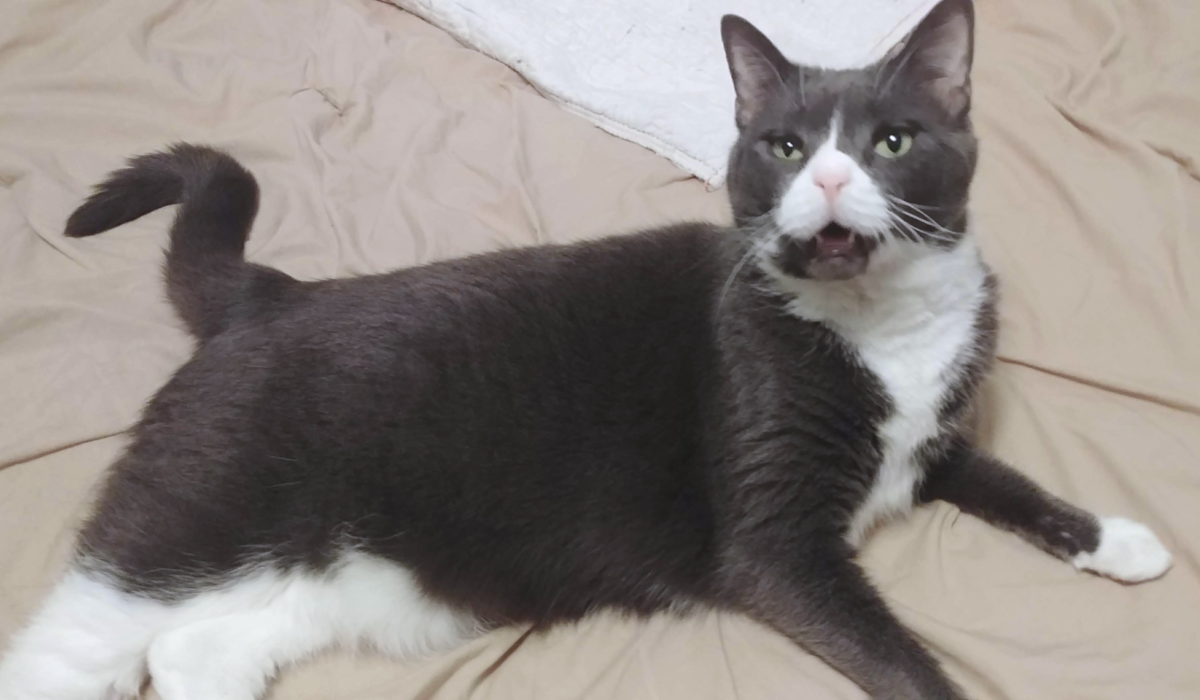
I am writing this as a longtime pet parent, not as a veterinarian. After caring for senior cats like Belle, Paws, Bubbles, Pebbles, Bam Bam, Clyde, Blackie, and our diabetic cats Zippy and Bentley, I have learned to be very suspicious of anything scented, concentrated, oily, or “natural” that gets used around animals. Natural does not always mean gentle. Sometimes natural just means the danger came from a plant.
Essential oils are highly concentrated plant extracts. A drop or two may not seem like much to us, but to a cat, a small dog, or an older pet with kidney, liver, breathing, or thyroid problems, that little drop can be a serious exposure. Pets can inhale oils from diffusers, lick oils from their fur, walk through residue on floors, or get exposed when we rub oils onto our own skin and then cuddle them. The ASPCA warns that essential oils can be risky for pets, especially if oils are applied directly, swallowed, or used around animals with health problems.
My House Rule Is Simple
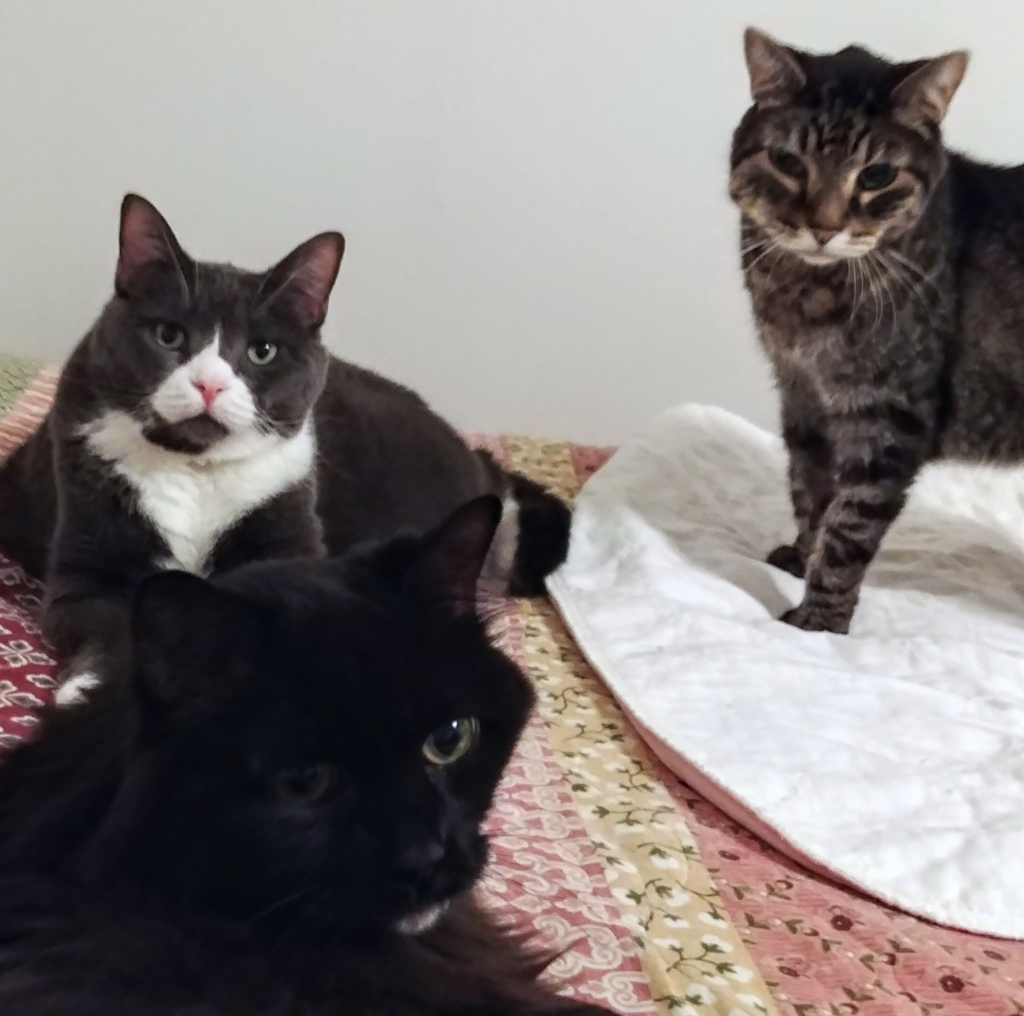 In a home with cats, senior pets, diabetic pets, or animals with chronic illness, I would rather skip essential oils than take the risk. That may sound strict, but I have lived with too many fragile pets to pretend this is a casual choice. Belle had kidney disease, dehydration, high blood pressure, hyperthyroidism, and skin stress. Paws had hyperthyroidism and high blood pressure. Blackie had obesity, hyperthyroidism, kidney disease, and high blood pressure. Bentley gets insulin twice a day. These are not animals I would want breathing in a strong oil mist just because I enjoy the scent.
Senior pets already work harder to stay balanced. Their bodies may not clear substances as easily. Their noses are more sensitive than ours. Their breathing can be more delicate. A fragrance that feels “light” to us can be overwhelming to them. That is why my answer to “Which essential oils are safe?” is careful. Some oils may be lower-risk in certain situations, especially around healthy dogs, but “safe” is not the same as “safe for every pet, in every home, in every amount.”
Cats Are the Highest Risk
Cats are the pets I worry about most with essential oils. Cats groom constantly. If oil particles settle on their fur, they may lick them off and swallow them. Cats are also known to have trouble processing certain compounds compared with humans and many other animals, which is one reason many veterinary sources urge extra caution with oils around them. VCA Hospitals warns that many essential oils and liquid potpourri products are poisonous to cats, including cinnamon, citrus, pennyroyal, peppermint, pine, sweet birch, tea tree, wintergreen, and ylang ylang.
That means the risk is not only from a bottle spilling. A diffuser can also be a problem. Tiny oil particles can float in the air, land on bedding, settle on furniture, or irritate the lungs. A cat does not need to drink from the bottle to be affected. Kittens, seniors, cats with asthma, cats with kidney disease, cats with liver trouble, and cats already taking medications deserve even stricter protection. For a cat household, my personal preference is no essential oil diffusers at all.
Dogs Are Not Immune
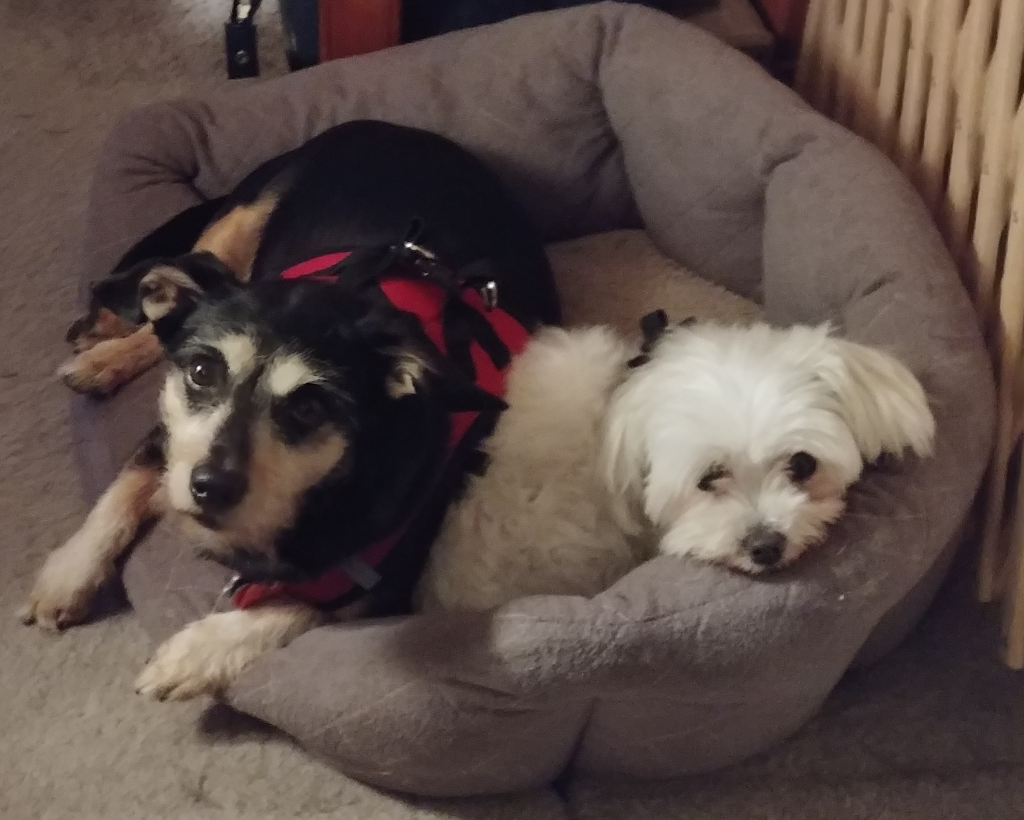 Dogs often tolerate more things than cats, but that does not make essential oils automatically safe for them. Dogs can be poisoned by essential oils through skin contact, licking, inhaling, or swallowing. VCA lists several oils as poisonous to dogs, including cinnamon, citrus, pennyroyal, peppermint, pine, sweet birch, tea tree, wintergreen, and ylang ylang. Both skin exposure and ingestion can be toxic.
Small dogs are at higher risk because their bodies are smaller. Senior dogs are at higher risk because age can bring slower recovery, weaker organs, arthritis medications, heart medications, or breathing concerns. Dogs with seizures, liver disease, kidney disease, diabetes, heart disease, allergies, or respiratory trouble should not be used as test subjects for “just a little oil.”
I would also be very careful with oils used for flea control. Pennyroyal and tea tree oil are sometimes promoted online as natural pest options, but both can be dangerous. Natural flea care can turn ugly fast when concentrated oils are involved.
Oils I Would Avoid Around Cats and Dogs
Some oils come up again and again in poison control and veterinary safety guidance. These are the ones I would keep out of a pet home or store with extreme care where no pet can reach them. Tea tree oil, also called melaleuca, is one of the big ones. It has a reputation for being “clean” or “healing,” but concentrated tea tree oil can cause serious poisoning in pets. Symptoms may include drooling, weakness, vomiting, tremors, wobbliness, low body temperature, or worse.
Wintergreen and sweet birch are also high-risk oils. Wintergreen contains methyl salicylate, which is related to aspirin-like compounds. That can be dangerous for pets, especially cats and small dogs. Pennyroyal is another oil I would not play with. It has been used in pest products, but it can cause severe poisoning and liver injury.
Cinnamon, clove, peppermint, pine, eucalyptus, citrus oils, ylang ylang, and oregano are also oils I would avoid using around pets. Pet Poison Helpline lists wintergreen, sweet birch, citrus, pine, ylang ylang, peppermint, cinnamon, pennyroyal, clove, eucalyptus, and tea tree among oils known to cause poisoning in cats. It also lists wintergreen, sweet birch, pine, cinnamon, pennyroyal, eucalyptus, and tea tree among oils known to cause poisoning in dogs. That does not mean every exposure ends in tragedy. It means the risk is real enough that I would not make these oils part of daily home life with pets.
Oils People Often Think Are Safe
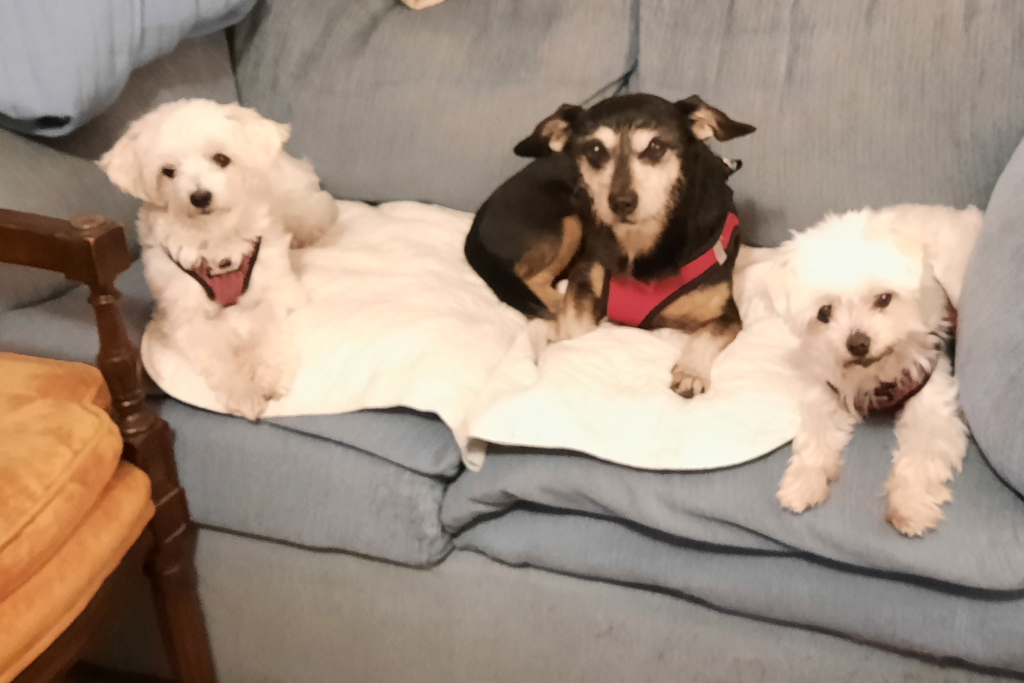 Lavender is probably the most common oil people ask about. Chamomile and frankincense are also often described as gentler oils. Some pet-focused sources and holistic practices may use certain diluted oils under professional guidance, often with dogs rather than cats. I still would not call them universally safe.
A healthy 70-pound dog briefly walking through a well-ventilated room where a tiny amount of lavender was diffused is not the same situation as a 7-pound senior cat sleeping next to an active diffuser for hours. A young dog with no health problems is not the same as a diabetic senior pet, a coughing dog, or a cat with kidney disease.
If someone wants to use an oil that is often described as lower-risk, I would put strict limits on it. No direct application unless a veterinarian says so. No use on cats. No use around birds. No use in small closed rooms. No use near litter boxes, food bowls, water bowls, crates, beds, or favorite sleeping spots. The pet must be able to leave the area freely. The scent should be faint, not heavy. Short exposure is safer than hours of mist in the air. Even then, I would rather use fresh air.
Diffusers Are Not Automatically Safer
A lot of pet parents think the main danger is a pet knocking over the bottle. That is a danger, but diffusers deserve their own warning. Active diffusers, such as ultrasonic diffusers and nebulizers, can send tiny oil particles into the air. Pets breathe those particles. Those particles can also land on fur and be swallowed during grooming. VCA warns that inhaling diffused oils can harm dogs and cats, especially with long exposure or poor airflow.
Passive diffusers, such as reed diffusers, may seem gentler, but they still contain concentrated oils. They can spill. A curious cat can brush against them. A dog can chew the reeds. A senior pet can sleep beside one without us realizing how strong the scent is at floor level.
Candles and wax melts with essential oils are not risk-free either. They can release scent into the air, and some pets are sensitive to smoke, soot, or fragrance compounds. For pets with asthma, coughing, heart disease, or flat-faced breeds with airway issues, even “pleasant” scent can be a problem.
Signs of Essential Oil Poisoning
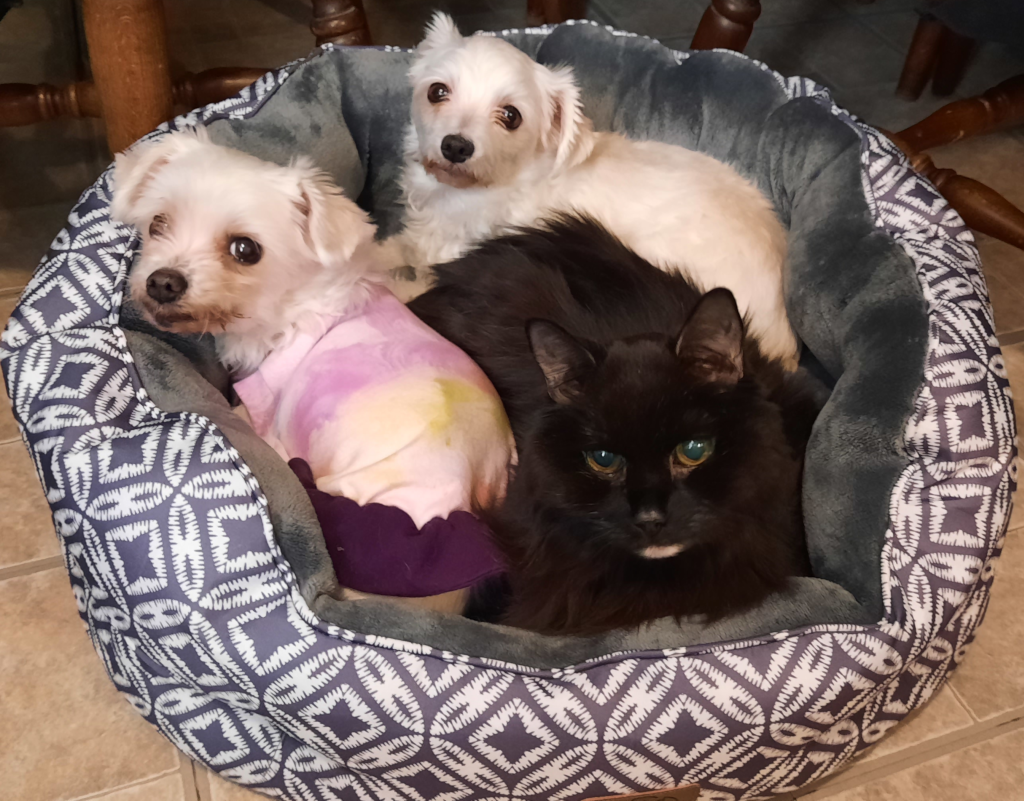 Essential oil poisoning can look different depending on the oil, the amount, and how the pet was exposed. Some signs appear mild at first. That is part of what makes this scary. Watch for drooling, pawing at the mouth, vomiting, diarrhea, coughing, sneezing, watery eyes, trouble breathing, weakness, low energy, shaking, tremors, stumbling, wobbliness, low body temperature, skin redness, burns, or acting drunk. Cats may hide, refuse food, breathe with effort, or seem strangely quiet. Dogs may lick their lips, pace, cough, vomit, or seem weak.
Pet Poison Helpline notes that symptoms from toxic essential oil exposure can include drooling, vomiting, tremors, wobbliness, breathing distress, low heart rate, low body temperature, and liver failure. Do not wait around to see if it passes if a pet has swallowed oil, had oil applied to the skin, walked through a spill, or is showing breathing or neurologic signs. Call your veterinarian, an emergency vet, ASPCA Animal Poison Control, or Pet Poison Helpline. Keep the product bottle nearby so you can tell them the exact oil, brand, ingredients, and concentration.
What To Do After Exposure
Move the pet away from the scent or spill right away. Get them into fresh air if they were breathing fumes. If oil is on the fur or skin, call a vet or poison control before bathing unless you are given clear instructions. Some products can spread more during washing, and a panicked bath can add stress to a pet that is already sick. Do not make your pet vomit unless a veterinarian or poison control expert tells you to do it. Do not give home remedies. Do not give milk, oil, activated charcoal, peroxide, or human medication unless instructed by a professional.
For a spill, block access immediately. Clean the area well. Wash bedding if oil got on it. Check paws, tails, chest fur, and belly fur, especially with cats and small dogs that may have walked through residue. If a diffuser caused symptoms, turn it off, move the pet to fresh air, and ventilate the room. I would also clean nearby surfaces because oil mist can settle where pets sleep and groom.
Safer Ways To Keep a Pet Home Fresh
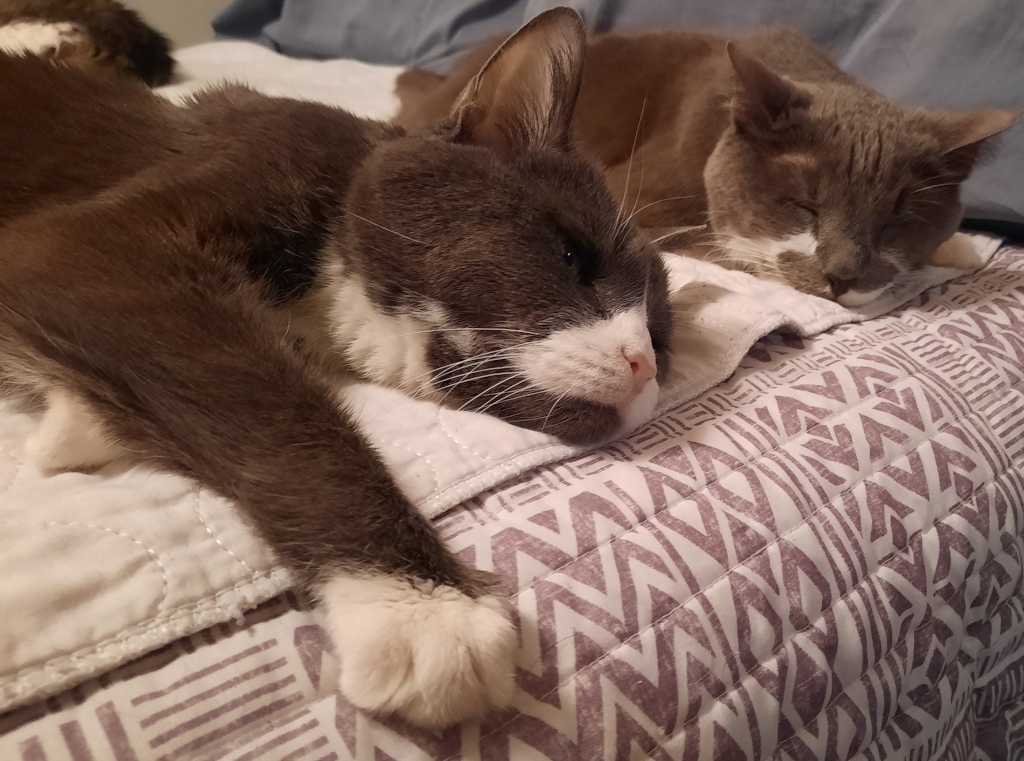 A pet-safe home does not have to smell stale. It just needs a different plan. Good ventilation helps more than fragrance. Open windows when weather allows. Use exhaust fans. Wash pet bedding often with unscented detergent. Clean litter boxes daily. Use washable throws on favorite sleeping spots. Vacuum carpets and furniture. Use baking soda carefully on carpets only when pets are kept away until it is fully vacuumed up.
For odor control, I prefer boring products. Unscented cleaners. Enzyme cleaners for urine or accidents. Plain soap and water where appropriate. HEPA air purifiers can help with dander and general air quality without adding scent to the room.
This matters even more for diabetic pets. With Bentley, routine is everything. Food, insulin, water intake, litter box habits, appetite, and mood all tell us something. Strong fragrances can muddy the waters because they may affect appetite, breathing, or comfort. For diabetic cats, we already watch enough variables. We do not need a diffuser adding one more.
For families managing pet diabetes, BellenPaws has free tools like an online pet diabetes tracker with printable charts for vets, along with blank glucose curve forms. Those tools are made for practical tracking, and practical tracking works best when the home environment stays steady.
Storage Matters More Than People Think
Essential oil bottles should be treated like medication. Keep them in a closed cabinet, not on a counter, shelf, nightstand, or bathroom ledge. Cats climb. Dogs chew. A bottle can roll off a table. A reed diffuser can tip over. A cotton ball with oil on it can become a toy. A trash can with oily tissues can become a snack hunt.
Also watch purses, gym bags, massage oils, homemade cleaners, laundry scent boosters, flea products, candles, plug-ins, and bath products. Essential oils hide in more products than people realize. If a pet sitter, houseguest, cleaner, or family member uses oils, be direct. Tell them not to diffuse oils, apply oils to your pets, spray scented products near them, or leave oil products where pets can reach them. This is not being dramatic. This is basic pet safety.
Birds, Rabbits, and Small Pets Need Extra Protection
Birds are extremely sensitive to airborne substances. ASPCA guidance says not to use essential oil diffusers in homes with birds. Rabbits, guinea pigs, hamsters, ferrets, and other small animals may also be more vulnerable because they are small, close to the ground, and often housed in enclosed spaces. A scent that spreads through one room may surround their cage or pen for hours. I would not use essential oils near them.
My Honest Safe List Is Very Short
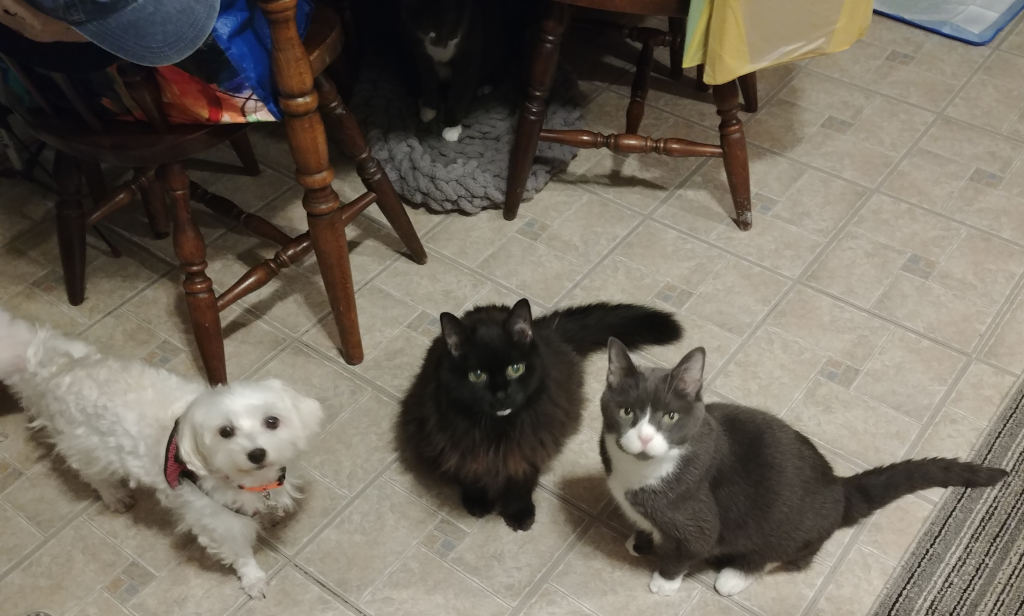 For cats, my safe list is basically empty. I would not diffuse oils around cats, apply oils to cats, add oils to cleaning products used near cats, or use oil-based flea ideas from social media. For dogs, I would still avoid direct use unless a veterinarian specifically approves it for that individual dog. Some oils may be less risky in tiny, diluted, well-ventilated, short-term use around healthy dogs, but that is not the same as calling them safe. Senior dogs, puppies, pregnant dogs, dogs with seizures, dogs with liver or kidney disease, and dogs with breathing problems should get the same careful treatment as cats.
The highly toxic list is much clearer than the safe list. Tea tree, wintergreen, sweet birch, pennyroyal, cinnamon, clove, peppermint, pine, eucalyptus, citrus, ylang ylang, oregano, thyme, sage, rosemary, camphor, and nutmeg are oils I would not use around my pets. Some lists vary, but these show up often enough in veterinary and poison-control warnings that I see no reason to gamble.
The “Natural” Label Does Not Earn My Trust
I love gentle care. I love simple living. I love finding low-stress ways to help senior pets feel secure. But the word natural has fooled a lot of good pet parents. A senior cat does not care that a scent came from a plant. A diabetic dog does not care that a bottle says pure. A pet with kidney disease does not care that an oil is expensive, organic, or popular in wellness groups.
Their bodies only care about exposure, dose, and whether they can process what they just breathed in, licked, or absorbed. That is the standard I use in my own home. If an oil adds pleasure for me but adds risk for the pets, the oil loses.