
Food is one of the easiest ways to connect with a pet. A treat gets attention fast. A little snack can turn a nervous moment into a cooperative one. For many of us, giving food feels like giving love. But there comes a point in many pet homes where food cannot be the center of every sweet moment.
Senior pets may have sensitive stomachs. Diabetic pets need consistency. Overweight cats and dogs may be working on safer weight loss. Some pets are on prescription diets, kidney-friendly meals, low-fat plans, allergy diets, or feeding schedules that do not leave room for “just one little bite.” That can feel unfair at first, especially when those big eyes are staring at you like you personally banned joy from the house.
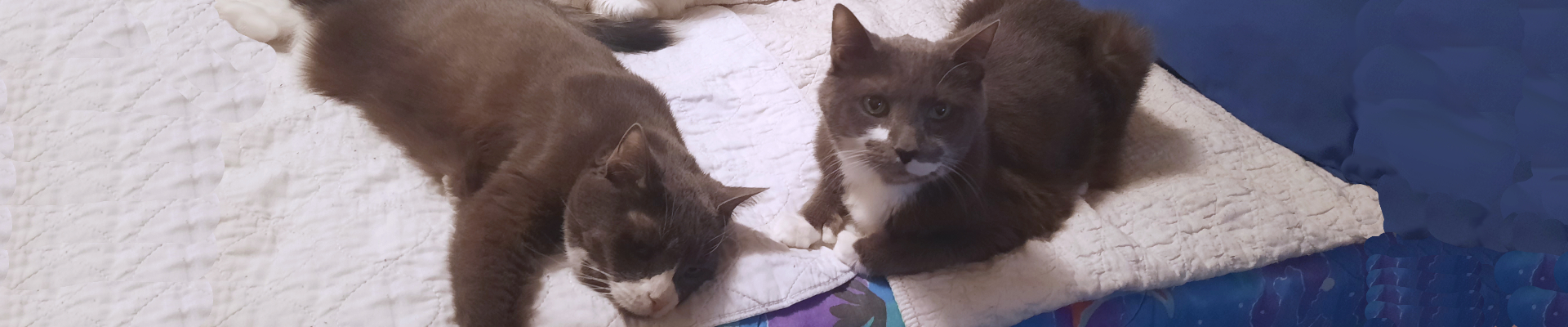
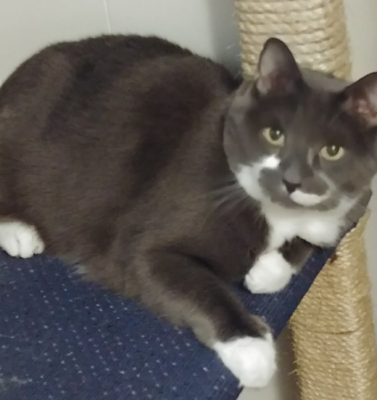
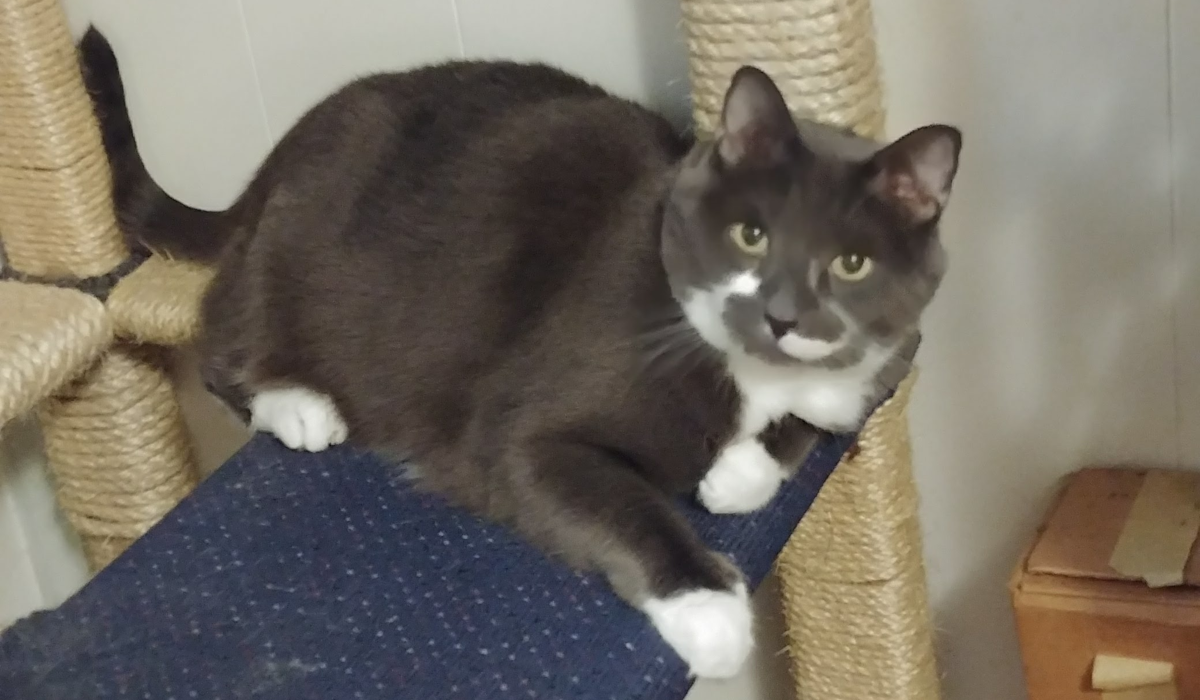
I get it. We have loved pets through diabetes, hyperthyroidism, kidney disease, high blood pressure, cancer, blindness, obesity, and the plain old creaky stiffness that comes with age. With Zippy, who reached diabetic remission through tight regulation, and Bentley, who still receives insulin twice a day, we learned that love cannot always look like snacks. Sometimes love looks like routine, patience, safe touch, and quiet time together. The good news is simple. Pets do not only bond through food. They bond through attention, safety, repetition, scent, voice, play, touch, and shared rituals. Treats are only one tiny piece of the relationship.
Food Is Not the Only Love Language
Many pet parents feel guilty when they cut back on treats. That guilt can hit hard with senior pets because we know time is precious. We want to spoil them. We want them to feel adored. We want every day to have something special in it.
But food-based affection can become tricky, especially with diabetic pets. A few extra bites here and there may seem harmless, but they can interfere with blood sugar patterns, weight control, appetite tracking, and medication timing. For diabetic cats and dogs, consistency is not boring. Consistency is protection.
That does not mean your pet’s life has to become sterile or joyless. Far from it. A pet can feel deeply loved without a treat jar being opened all day long. In fact, some of the strongest bonds are built during the quiet moments when nothing is being handed over. You sit beside them. You talk to them. You brush them gently. You notice how they like their blanket folded. You learn their signals. That is real love. Not flashy. Not loud. Real.
The Power of a Daily Greeting Ritual
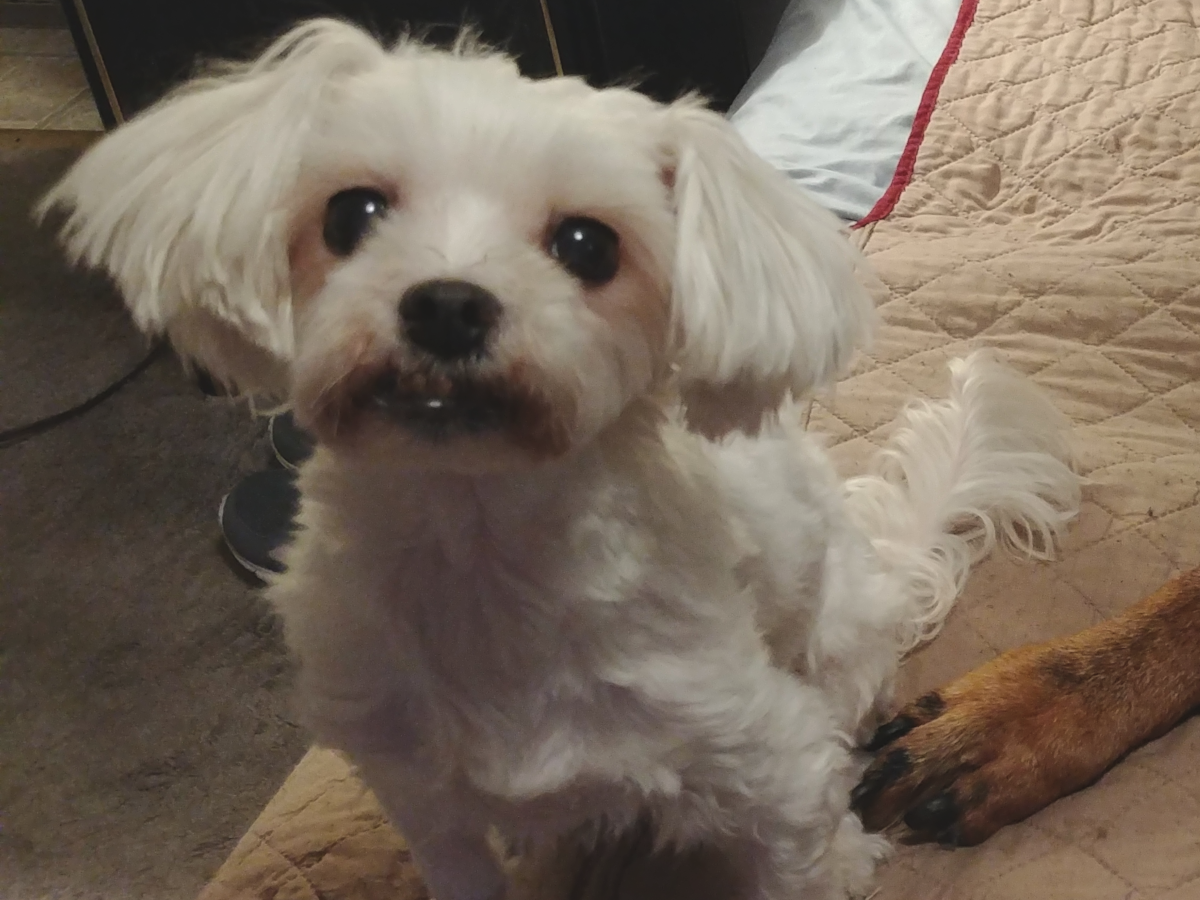 A greeting ritual is one of the simplest bonding habits you can build. Pets love predictable attention. They notice patterns. They learn the rhythm of your voice, your footsteps, your morning routine, and the way you say their name. For a dog, this might mean kneeling down when you come home, speaking softly, and giving them a calm rub behind the ears before the excitement gets too wild. For a cat, it may mean offering your hand for a sniff, blinking slowly, and letting them choose whether they want cheek scratches or just your company.
The key is making the greeting about connection instead of food. No treat required. No snack trade. Just, “I see you. I missed you. You matter.” Senior pets especially benefit from this kind of predictable affection. Older animals can become more sensitive to household changes, noise, and routine shifts. A simple greeting can anchor them. It tells them the world is still familiar.
With a pet like Bentley, who has regular shot times and meal routines, I would rather keep the emotional comfort separate from food as much as possible. He does not need every loving interaction tied to a feeding event. He needs to know that my attention is available even when the food bowl is not involved.
Brush Time Can Become Bonding Time
Grooming is one of the best non-food bonding activities, but only if the pet enjoys it or can slowly learn to tolerate it. Some cats melt into a brush. Some dogs lean their whole body into it like they have been waiting all day. Others act like you brought home a medieval torture device. Go slow. Start with short sessions. A few strokes may be enough. Let your pet sniff the brush first. Use gentle pressure. Watch for tail flicks, skin twitching, pinned ears, lip licking, pulling away, or sudden restlessness. Those are signs to pause.
For senior pets, grooming is more than vanity. It can help you notice lumps, sore spots, mats, flaky skin, weight changes, and tenderness. Long-haired cats, arthritic dogs, and pets who no longer groom themselves well may need extra help staying comfortable. But the bonding part comes from respect. You are not forcing a beauty routine. You are offering care.
Belle had health challenges, including hyperthyroidism, dehydration, kidney disease, high blood pressure, and psychogenic alopecia without losing her fur. Pets like that teach you to pay attention with your hands. You learn what “normal” feels like for them. You learn where they like touch and where they do not. That kind of knowledge is intimate in the best way. A brush, a soft voice, and five peaceful minutes can say more than a biscuit ever could.
Quiet Sitting Counts
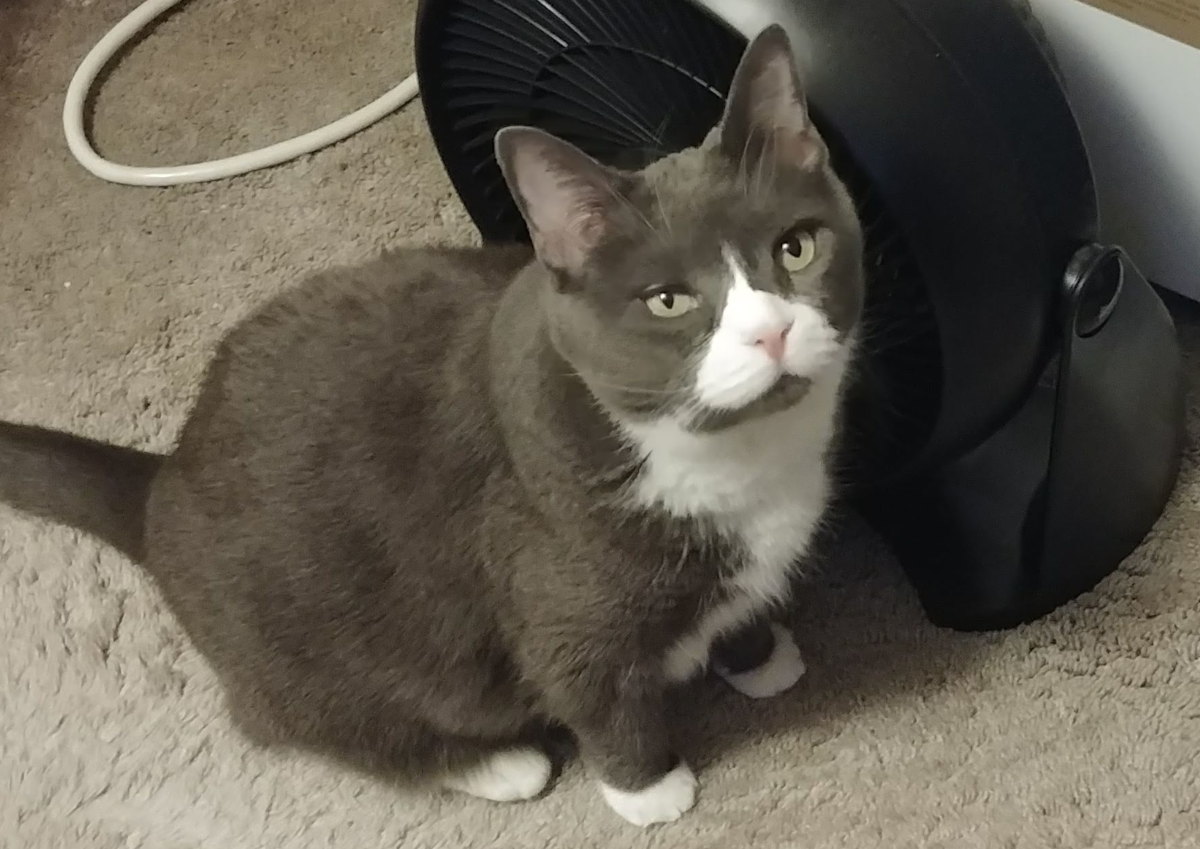 Some pets do not want constant activity. This is especially true for older cats, tired dogs, and animals dealing with illness. They may not want a game. They may not want grooming. They may not even want much petting. They may just want you nearby. Quiet sitting is underrated. Sit beside your pet while they rest. Read. Work on your laptop. Watch TV with the volume low. Let them lean against your leg or sleep near your feet. If they want contact, offer it. If they prefer space, respect it.
This kind of companionship matters because animals are social in their own ways. Not every pet wants to be held or fussed over. Some simply want access to their person. For a senior pet, your calm presence can be deeply reassuring.
This is also a wonderful option for diabetic pets around shot routines. After an injection or glucose check, you do not always need to follow with food, especially if the meal schedule does not allow it. A gentle chin rub, a calm voice, or a few minutes of sitting together can help the moment feel safe without disrupting the plan.
At BellenPaws, we talk a lot about tracking diabetic care because patterns matter. Our free online pet diabetes tracker and printable charts can help keep the medical side organized, but the emotional side matters too. The chart helps the numbers make sense. Your presence helps your pet feel secure.
Voice Is a Bonding Tool
Pets know our voices. They may not understand every word, but they understand tone, rhythm, and emotion. A soft voice can settle a nervous dog. A familiar phrase can bring a cat running from another room. A gentle bedtime routine can help an older pet relax.
Talk to your pet without making every conversation about commands. Narrate small things. Tell them they are doing well. Use their name warmly. Read aloud if you want to. Sing badly. They do not care if you are off-key. Frankly, some of our pets have heard enough questionable human singing to deserve medals.
Voice bonding is especially helpful for blind pets or pets with limited mobility. Cybil, who had blindness and hernias, is the kind of pet who reminds you that sound can be comfort. A pet who cannot see well may rely on your voice to understand where you are and what is happening. A calm voice before touch can prevent startling them.
For dogs, verbal praise can replace treat-based praise in many daily situations. For cats, soft talking can become part of the trust routine. The trick is consistency. Use the same warm phrases often enough and they become emotional landmarks.
Gentle Massage and Comfort Touch
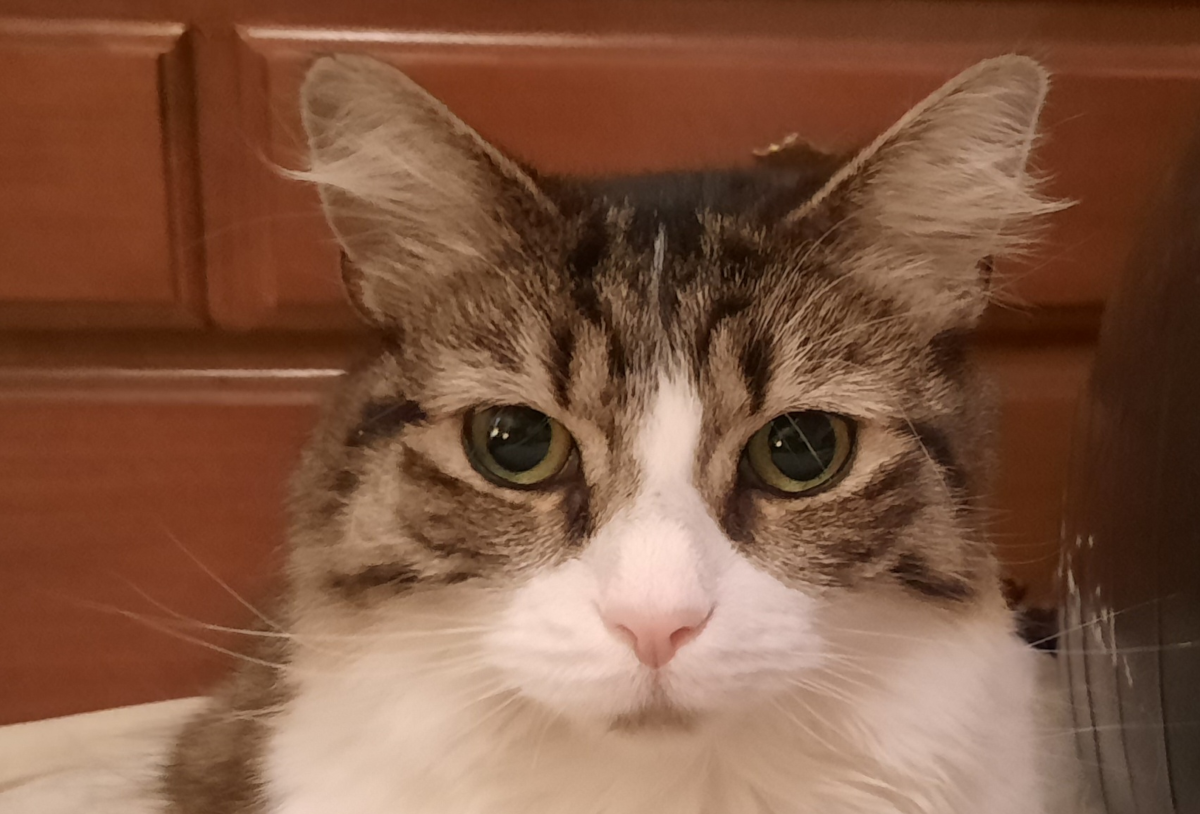 Touch can be healing for the relationship, even when it is not medical treatment. Gentle massage can help a pet relax, but it should never be rough, deep, or forced. Senior bodies can be sore. Arthritic joints, thin skin, tender hips, and old injuries need respect. Start with the areas your pet already likes. Many cats enjoy cheeks, chin, neck, and the base of the ears. Many dogs enjoy shoulders, chest, and gentle strokes along the back. Avoid pressing directly on the spine, belly, painful joints, or any area your pet guards. Comfort touch is not about fixing the body. It is about telling the pet, “You are safe with me.”
This is also a good time to learn your pet’s changing preferences. Older pets may not enjoy being touched the way they did years ago. A dog who once loved rough play may now prefer slow strokes. A cat who once loved being picked up may now prefer lap time without lifting. Respecting those changes is part of loving a senior pet well. Small adjustments matter. Softer hands. Shorter sessions. Warmer blankets. Less pressure. More patience.
Play Without Food Rewards
Play is one of the clearest ways to bond without snacks. The style just needs to match the pet’s age, health, and personality. For cats, wand toys are usually better than tossing treats or using food puzzles if food needs to be limited. A feather wand, ribbon-style toy, or soft kicker toy can bring out natural hunting behavior without adding calories. Keep sessions short for seniors. A few minutes of batting, stalking, and pouncing may be plenty.
For dogs, gentle tug, soft fetch, scent games without food, and “find the toy” games can all work. Some older dogs still love a slow hallway fetch with a plush toy. Others prefer carrying a favorite stuffed animal around like it is their emotional support potato.
Play should not exhaust an older pet. Stop before they are worn out. Watch breathing, stiffness, limping, coughing, and enthusiasm. A pet who quits the game is communicating clearly. For diabetic pets, play can also support healthy routines, but it should be predictable and safe. Intense activity may affect blood sugar in some animals, so consistency matters. If your pet is diabetic and you are changing activity levels, it is worth discussing that with your veterinarian, especially if you are also adjusting food or insulin.
Training With Praise Instead of Treats
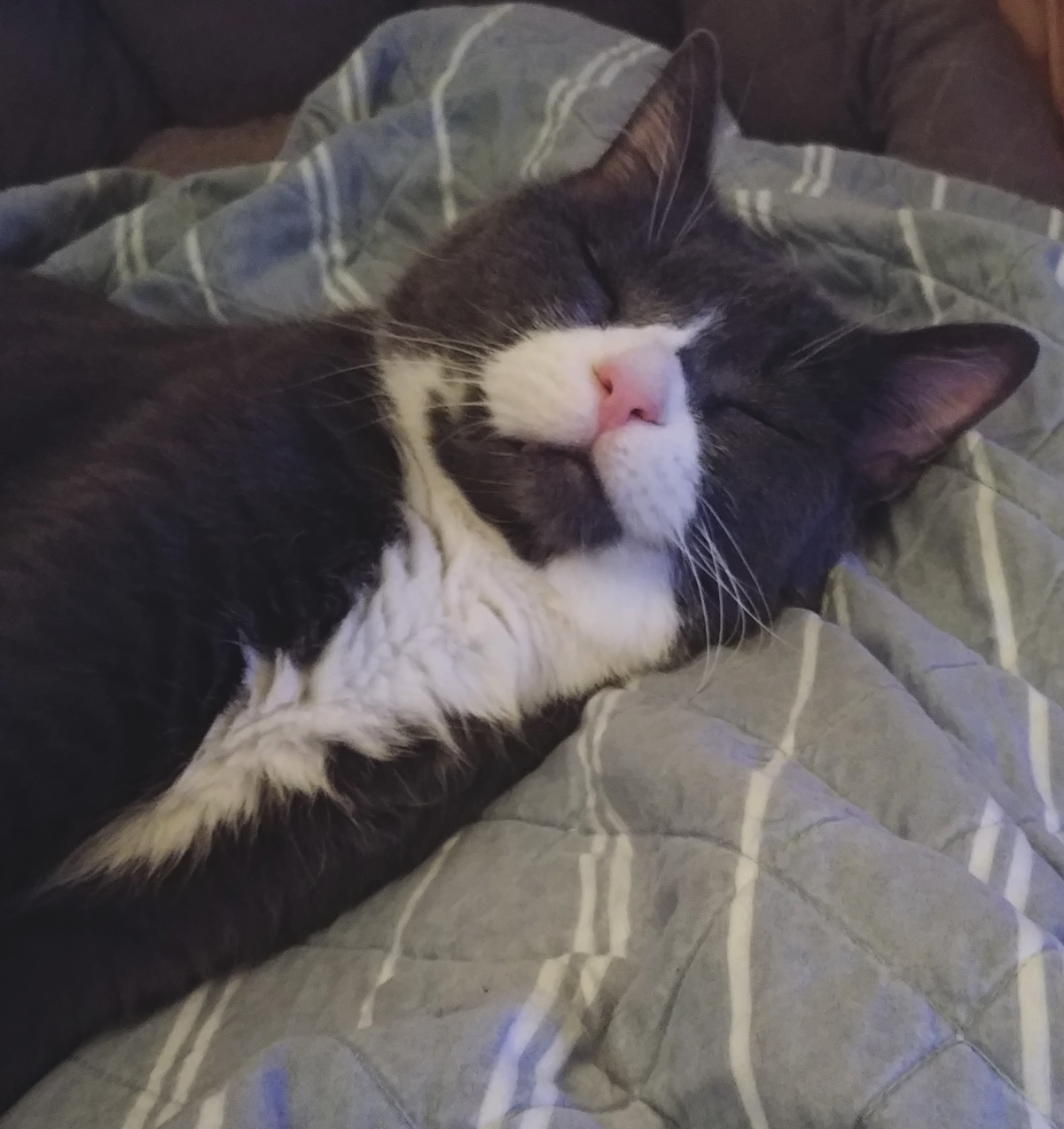 Training does not have to rely on food every time. Treats can be powerful, but they are not the only reward. Praise, petting, toys, access to a favorite spot, a short walk, or a cheerful “good job” can all reward behavior, depending on what your pet values. For dogs, practice simple cues like sit, stay, touch, come, and look at me using praise and affection. Keep sessions brief and upbeat. A senior dog may only want two or three minutes. That still counts.
For cats, training is possible too, though cats enjoy reminding us that they are unpaid consultants. You can reward a cat with praise, a favorite toy, a brushing session, or access to a sunny window perch. Some cats enjoy clicker training, but the reward does not always have to be edible. The reward can be play.
The goal is not obedience for its own sake. The goal is communication. Training gives you and your pet a shared language. That shared language builds confidence on both sides. For senior and special-needs pets, simple cue practice can also make daily care easier. A pet who understands “paw,” “wait,” or “come here” may be easier to help with grooming, medication routines, glucose checks, or mobility support.
Walks for Sniffing, Not Just Exercise
Dogs do not need every walk to be a fitness mission. Sniff walks are bonding gold. Let your dog smell the mailbox, the grass, the fence line, the mysterious leaf that apparently contains breaking news. Sniffing gives dogs mental stimulation and helps them engage with the world.
For older dogs, a slow sniff walk may be far better than a long march. The walk becomes less about distance and more about shared time. You are not dragging them through your schedule. You are letting them enjoy being a dog.
Cats can have safe outdoor time too, but only if they are comfortable and protected. Some cats enjoy enclosed patios, window boxes, catios, or harness time. Others want absolutely no part of that nonsense. That is fine. A window perch can be its own adventure. Senior pets benefit from mental enrichment. New smells, fresh air, sunlight, and a change of scenery can brighten their day without a single treat.
Create Comfort Stations Around the Home
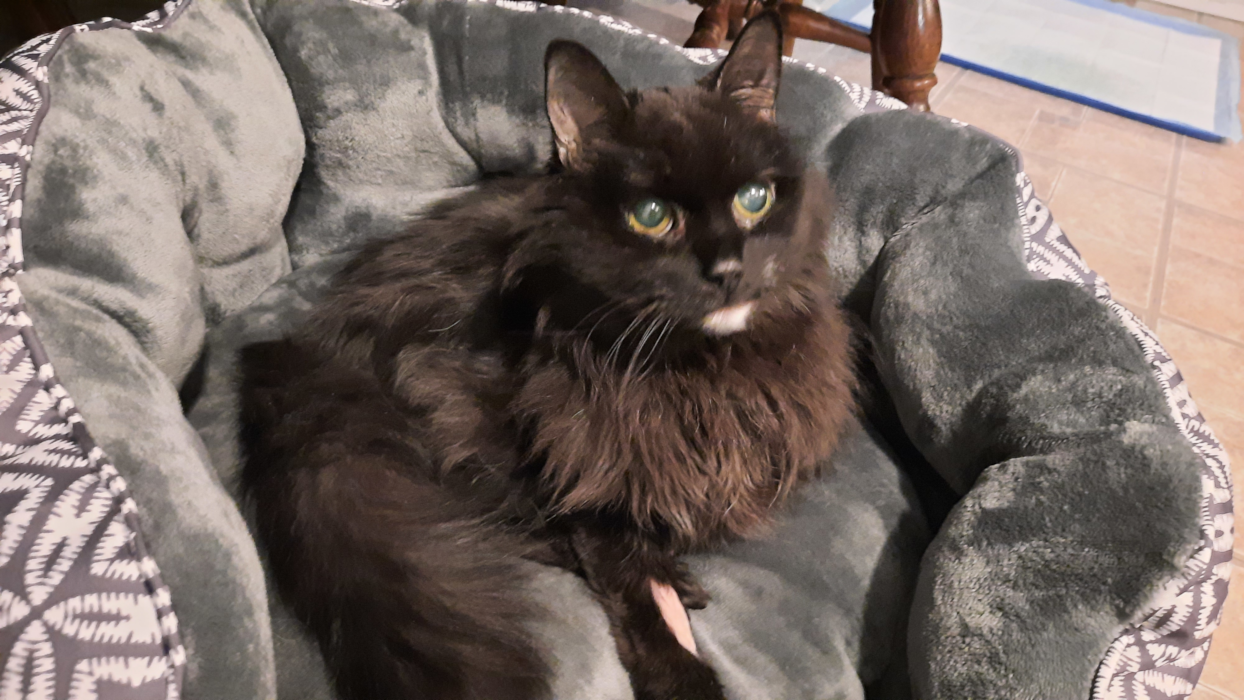 Bonding is not always an activity. Sometimes it is the environment you create. A senior pet may bond more deeply with you when you make daily life easier. Add soft beds in quiet corners. Use ramps or pet stairs where needed. Keep water accessible. Place litter boxes where an older cat does not have to climb stairs every time. Give dogs non-slip rugs if slick floors make them nervous. These changes tell your pet that you are paying attention.
A comfort station can be simple. A folded blanket near your desk. A heated pet-safe bed in winter. A low-sided litter box for an older cat. A favorite toy kept near the couch. A water bowl placed where a kidney pet can reach it easily.
For diabetic pets, organized care areas can reduce stress. Keep testing supplies calm and tidy. Our printable blank glucose curve forms and online tracker can help pet parents keep records clean for vet visits, but the setup around the pet matters too. A familiar testing spot with a soft blanket and gentle handling can become less scary over time. Bonding grows when the pet learns, “My person makes life easier.”
Window Time and Shared Observation
Cats are famous for loving window time, but dogs enjoy it too. A window with birds, squirrels, passing cars, waving grass, or neighborhood drama can become a daily event. Sit with your pet near the window. Talk softly. Let them watch. Do not turn it into a high-energy moment if they are calm. Just share the view.
For cats, a stable perch is key. Senior cats may not jump as well, so a lower perch, ramp, or nearby step can help. For dogs, a bed near a safe window may be enough. Some pets love watching the world. Others prefer napping in the sunbeam and pretending they are solar-powered. This kind of bonding sounds almost too simple, but it works because it is shared routine. The pet is doing something they enjoy, and you are part of the scene.
Scent-Based Games Without Food
Food is not the only scent worth finding. Pets can search for toys, blankets, or even you. For dogs, hide a favorite toy in an easy spot and encourage them to find it. Start simple. Place it partly visible. Celebrate with praise when they discover it. As they understand the game, make it a little harder.
For cats, hide a toy mouse under a blanket edge or behind a chair leg. Drag a wand toy around a corner and let them stalk it. Rotate toys so old toys smell fresh again after a break. You can also use scent comfort. Leave a worn T-shirt near a pet who likes your smell. This can be soothing for pets who rest while you work or sleep in another room. Make sure there are no loose strings, buttons, or anything they might chew off. Scent games give pets mental exercise without calories. That is a big win for overweight pets, diabetic pets, and seniors who need gentle activity.
Photo Time Without Stress
Many of us love taking pictures of our pets. The trick is not turning the pet into a frustrated little model. Bonding should not feel like a forced photoshoot. Use natural moments. A nap in the sun. A paw over the edge of the bed. A dog sniffing flowers. A cat looking judgmental from a cardboard box. Keep the camera quiet and the session short. Avoid costumes or poses that annoy the pet unless your pet truly enjoys that kind of attention.
Photos can become part of how we honor senior pets. We know time moves fast. Capturing ordinary moments helps us appreciate the daily sweetness, not just the big milestones. But the pet’s comfort comes first. Always. If they turn away, let them. If they get up and leave, the photoshoot is over. Respect builds trust.
Rotate Toys Instead of Adding Treats
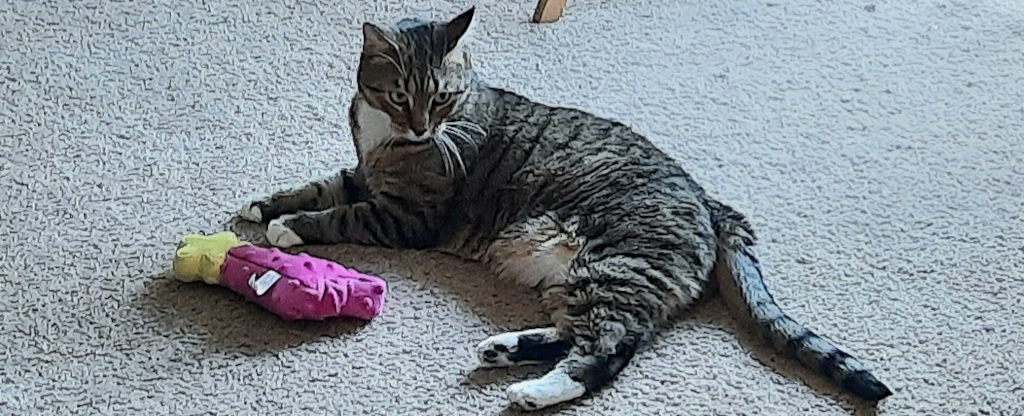 A toy rotation can make life more interesting without adding food. Instead of leaving every toy out all the time, keep a few stored away and swap them every few days. Old toys can feel new again after a break. For cats, rotate wand toys, crinkle balls, soft mice, tunnels, and scratchers. For dogs, rotate plush toys, ropes, balls, chew-safe toys, and puzzle toys that do not require food. Always check toys for damage, loose pieces, or choking risks.
This is especially helpful for pets who beg out of boredom. Sometimes the pet is not hungry. Sometimes they want interaction. A fresh toy and ten minutes of your attention may solve the problem better than a snack. For cats, scratching can also be bonding if you join the routine. Use a wand near the scratching post. Praise them when they scratch appropriate surfaces. If you build DIY scratching posts, BellenPaws has a rope length calculator that can help estimate how much rope you need. That is one of those oddly specific pet-parent tools that makes a project less annoying.
Respecting the Pet’s Choice Builds Trust
The strongest non-food bond comes from consent. That may sound formal, but it is really just common sense. Let the pet have a say. A cat who does not want to be picked up should not be picked up for fun. A dog who moves away from petting is allowed to be done. A senior pet who is tired does not need to perform excitement to prove they love you. Respect is not rejection. It is relationship maintenance.
This matters even more with pets who need medical care. Diabetic pets may already deal with injections, glucose checks, food timing, and vet visits. Senior pets may deal with pills, fluids, blood pressure checks, nail trims, or frequent handling. Giving them choice during non-medical moments helps balance the relationship. Not every touch should be a task. Let your pet approach sometimes. Let them initiate. Let them leave. The more they trust that you will listen, the safer they feel coming back.
Making Medical Routines Feel Less Transactional
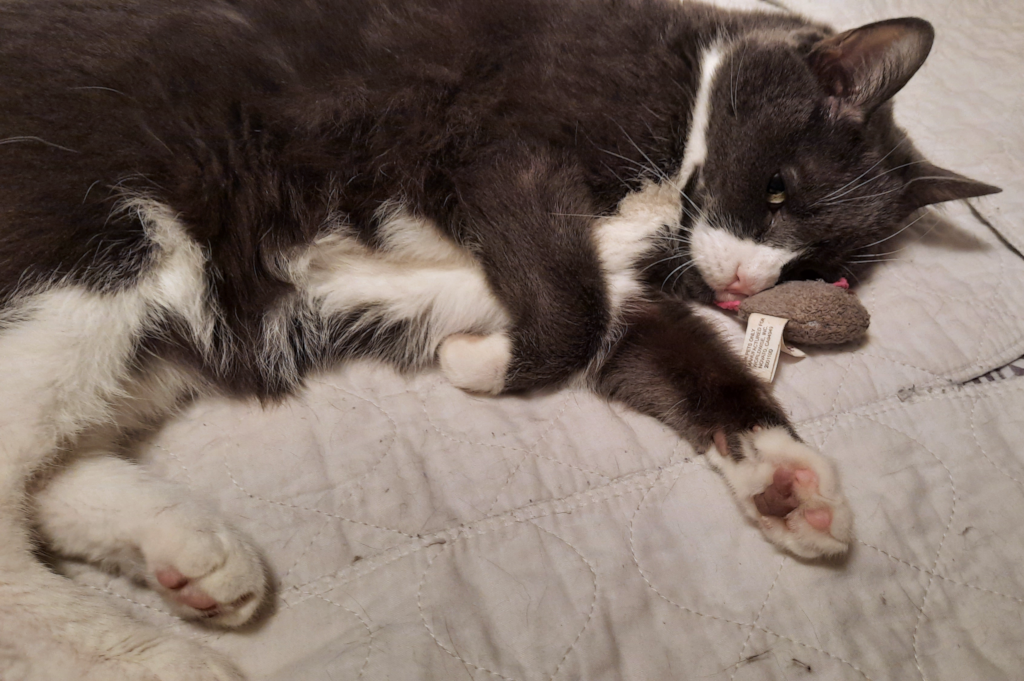 Pets with chronic illness can start to associate us with care tasks. Shots. Pills. Ear pokes. Eye drops. Fluids. Vet carriers. None of that means they stop loving us, but it does mean we need to protect the relationship. Build little pockets of affection that have no medical purpose. Sit on the floor for no reason. Brush them without following it with medication. Talk to them when you are not about to test blood sugar. Invite them onto a blanket just to rest.
With Bentley, the twice-daily insulin routine is part of life, but I never want him to feel like our whole relationship is a schedule of pokes and meals. The soft moments around the routine matter. The voice matters. The calm hands matter. The normal affection matters.
For pet parents practicing tight regulation, the records, numbers, curves, and patterns can become a huge part of daily life. They matter. They can save lives. But your pet is not a spreadsheet. Your pet is still the same soul who wants comfort, play, warmth, and familiar love. Use the tools. Track the data. Bring clean charts to your vet. Then close the notebook and sit with your pet.
Small Rituals Beat Grand Gestures
Pets do not need elaborate entertainment to feel loved. They need consistency and attention. A five-minute brushing session every evening may mean more than a fancy new bed. A slow morning walk may mean more than a bag of treats. A quiet lap routine may become the best part of a cat’s day. Small rituals work because they repeat. Pets learn them. They expect them. They relax into them.
Try a bedtime phrase. A morning window visit. A daily toy game. A post-medication cuddle that does not involve food. A gentle ear rub before you start work. A Sunday grooming routine. A slow sniff walk after dinner. These moments become part of the household language. Your pet may not know the calendar, but they know what love feels like when it shows up again and again in ways their body can handle.