
There is a quiet kind of heartbreak that comes with watching an aging pet slow down. One day they are hopping onto the couch without a thought, trotting to the food bowl, stretching in the morning sun, and following you from room to room. Then, little by little, you notice a pause before the jump. A shorter walk. A hesitation at the stairs. A back leg that seems a little stiff after a nap.
For many pet parents, mobility changes are not sudden. They creep in so gradually that we sometimes explain them away as “just getting older.” And yes, age does change the body. Senior dogs and cats may sleep more, move slower, and become more selective about where they spend their energy. But there is a difference between normal aging and discomfort that deserves attention. The tricky part is that our pets are often experts at hiding pain.
That is where a simple daily mobility journal can become one of the most loving tools we have. It does not need to be complicated, fancy, or clinical. It can be a notebook on the kitchen counter, a spreadsheet, a printed form, or a few notes in your phone. The purpose is not to diagnose. That is your veterinarian’s job. The purpose is to notice patterns before they become emergencies and to give your vet a clearer picture of what life looks like at home.
When we cared for Belle in her senior years, I learned how easy it is to miss small changes when you are living inside the routine every day. Some days she seemed like herself. Other days, something felt a little off, but it was hard to explain exactly what had changed. A journal gives those “something feels different” moments a place to land.
Why Mobility Changes Deserve Gentle Attention
 Mobility is more than walking. It is confidence, comfort, access, independence, and quality of life. When a pet starts moving differently, it can affect everything from eating and drinking to litter box habits, grooming, play, sleep, and mood. A cat who avoids jumping may stop visiting a favorite window perch. A dog who struggles to stand may drink less water because the bowl feels too far away. A pet with stiff hips may become less social simply because getting up takes effort.
Senior pets may deal with arthritis, muscle loss, old injuries, nerve changes, vision problems, obesity, weakness, or illness that affects energy. Diabetic pets may also have mobility concerns connected to overall regulation, weight, neuropathy, or muscle condition. That does not mean every slow step is a crisis, but it does mean we should pay attention with kindness instead of brushing it off.
One of the most helpful things a journal does is separate memory from evidence. Without notes, we may find ourselves saying, “I think he has been limping more lately,” or “She might be sleeping downstairs more often.” With notes, we can say, “Three days this week, he hesitated before climbing the porch steps,” or “She has avoided the upstairs bedroom for ten days.” That kind of detail can help your vet understand what is happening outside the exam room.
Pets often behave differently at the vet’s office. Some perk up from nerves or excitement. Some freeze and hide their usual behavior. Others move stiffly because the floor is slippery or the environment is stressful. Your daily observations at home add another layer of truth.
What to Notice Without Overthinking It
 A mobility journal works best when it is simple enough to keep using. If it feels like homework, it will eventually get abandoned. The goal is to create a quick rhythm that takes only a minute or two a day. You are not trying to write a medical report. You are capturing real life.
Start with the basics: how your pet gets up, walks, turns, jumps, climbs, lies down, and settles. Notice whether they seem stiff after sleeping or more comfortable once they warm up. Watch how they handle stairs, rugs, hardwood floors, litter boxes, ramps, beds, couches, and car rides. Pay attention to whether they still choose their usual favorite spots or have quietly changed their habits.
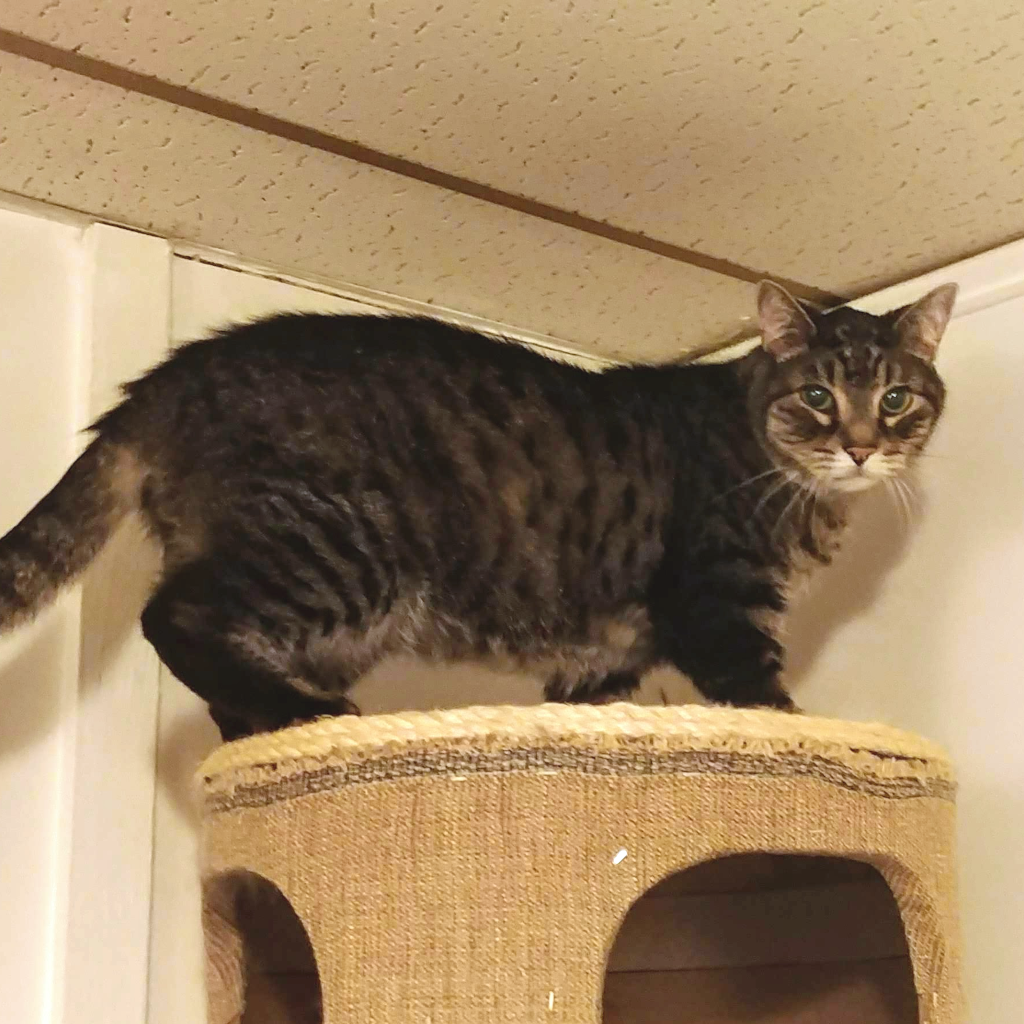
For cats, mobility changes can be especially subtle. A cat may stop jumping to a high perch, avoid climbing into a tall litter box, sleep in easier-to-reach places, or groom less along the back and hips. You may notice more mats, less play, or a reluctance to be touched in certain areas. A cat who used to leap gracefully may begin climbing in stages, using chairs, boxes, or furniture like stepping stones.
For dogs, you may see shorter walks, slower rising, bunny-hopping in the back legs, stiffness after rest, slipping on floors, reluctance to jump into the car, or hesitation on stairs. Some dogs pant more when uncomfortable. Others become clingier, grumpier, or less interested in play. Sometimes the change is not dramatic. It is simply that the dog who once led the walk now lags behind.
Your journal can also include mood and energy. Mobility is not only physical movement. It is tied to how your pet feels about moving. A senior pet who wants to follow you but stops halfway across the room may be telling you something. A diabetic pet who is usually active but suddenly seems weak, wobbly, or withdrawn deserves prompt attention, especially if appetite, thirst, urination, or blood glucose behavior is also changing.
Building a Daily Journal That You Will Actually Use
 The best journal is the one you will keep. Some people love detailed tracking. Others need something very plain. Both approaches can work. A daily entry might include the date, your pet’s overall mobility, appetite, bathroom habits, energy level, and any specific moments that stood out. You can also note weather, activity, medication timing, supplements approved by your vet, glucose readings for diabetic pets, or anything else that seems relevant.
A simple entry might look like this: “Tuesday evening. Bentley walked slowly after his nap but improved after a few minutes. Hesitated before jumping onto the chair. Appetite normal. Used litter box normally. Blood glucose logged.” That kind of note is short, but it paints a useful picture.
For diabetic pets, mobility journaling can pair beautifully with glucose tracking. When we managed Zippy through feline diabetes and worked hard toward tight regulation, patterns mattered. Numbers mattered, but so did behavior. Was he walking normally? Was he bright-eyed? Was he hungry? Was he resting comfortably? A glucose chart tells one part of the story, while daily observations tell another.
That is why tools can be so helpful. On BellenPaws, we offer a free online pet diabetes tracker with printable charts and tables you can bring to your vet, along with printable blank glucose curve forms. For a diabetic senior pet, combining those records with a mobility journal can give you a more complete picture of comfort, regulation, and day-to-day quality of life.
The key is consistency, not perfection. You do not have to write a beautiful paragraph every day. Even a few words can help. “Slipped twice in kitchen.” “No stairs today.” “Jumped onto couch without help.” “Needed lift into car.” “Restless overnight.” Over time, these small notes become a map.
Patterns That May Be Worth Discussing With Your Vet
A journal can help you recognize when a change is not just a bad day. One stiff morning may happen. But repeated stiffness, worsening limping, falling, dragging paws, sudden weakness, trembling, crying, hiding, or avoiding normal activities should be discussed with your veterinarian. Any sudden inability to stand, severe pain, collapse, major behavior change, or loss of bladder or bowel control should be treated as urgent.
It is also worth noting when your pet changes their relationship with important resources. Are they avoiding the water bowl because it is downstairs? Are they missing the litter box because the sides are too high? Are they skipping meals because the food station is uncomfortable to reach? These are not “bad behavior” moments. They may be access problems.
A daily journal can help you bring better questions to the vet. Instead of asking, “Is this just old age?” you can ask, “Could this stiffness after naps be arthritis?” or “Would a lower litter box help?” or “Could pain management, weight support, physical therapy, or home changes improve comfort?” You can also ask whether certain symptoms could be related to diabetes, kidney disease, thyroid disease, heart concerns, or another underlying issue.
Please do not start over-the-counter pain medicines without veterinary guidance. Many human medications are dangerous for pets, and cats in particular are extremely sensitive to many common drugs. Even supplements should be discussed with your vet, especially if your pet has chronic conditions or takes medication.
Turning Observations Into Comfort at Home
 The beautiful thing about tracking mobility is that it often points to practical changes. A journal may reveal that your dog slips mostly in the hallway, so rugs or runners may help. It may show that your cat avoids one litter box but uses another with lower sides. It may reveal that your pet moves better after a gentle routine or struggles more after too much activity.
Small adjustments can make a senior pet’s world feel safer. Non-slip rugs, ramps, lower beds, raised or lowered bowls depending on comfort, easier litter boxes, warm resting places, and shorter but more frequent walks can all make daily life gentler. For cats, creating stepping routes to favorite spots can preserve independence. For dogs, harnesses with support handles may help during stairs or potty breaks.
Your journal can also protect you from doing too much too fast. When we love them, we want to fix everything immediately. But senior pets often respond best to thoughtful, gradual changes. Try one adjustment, observe, and write down whether it helped. Did the rug reduce slipping? Did the ramp get used? Did a lower bed improve sleep? Did shorter walks lead to better evenings?
There is a lot of hope in these small changes. Mobility tracking is not about focusing on decline. It is about staying awake to your pet’s needs and meeting them with compassion. It is about saying, “I see you. I notice. I am going to help.”
A Loving Record of the Days That Matter
A mobility journal may begin as a practical tool, but it often becomes something more meaningful. It becomes a record of care. It shows the effort you made to understand your pet’s comfort, protect their dignity, and support their independence. It reminds you that senior care is not only about big medical decisions. It is also about the daily acts of love that happen quietly at home.
There will be days when the notes are encouraging. Your pet may move better, play longer, climb more confidently, or rest more peacefully. There may also be days when the journal shows a change you were hoping not to see. Even then, the information is a gift. It helps you respond sooner, ask better questions, and advocate more clearly.
Our senior pets give us years of loyalty, humor, patience, and companionship. As their bodies change, they deserve our attention in return. A daily mobility journal is one gentle way to honor that bond. It does not require medical training. It only asks that we watch closely, write honestly, and love them enough to notice the little things. And sometimes, those little things are exactly what help them feel safe, comfortable, and deeply loved in the years when they need us most.