
Some pets see a brush and melt into a puddle of happiness. Others see that same brush and suddenly remember an urgent appointment under the bed, behind the couch, or in the farthest corner of the house where no human arm can reach. If you have a senior cat or dog who hates being brushed, you are not alone. Some pets tolerate grooming beautifully when they are young, then become more sensitive as they age. Others have always treated brushing like a personal betrayal.
At BellenPaws, we have lived with both types. We have known pets who enjoyed being fussed over, and we have known pets who acted as if a soft grooming tool was a medieval torture device. Belle, one of our founding senior cats, taught us that grooming is not just about fur. It is about trust, patience, timing, and learning how to work with the pet in front of you instead of the imaginary pet who calmly sits still for a full brushing session.
For senior pets especially, grooming can become more complicated. A cat who once kept herself spotless may not twist and reach the way she used to. A dog with sore hips may not enjoy standing long enough for a full brushing. A diabetic pet may have days where they feel more tired, more sensitive, or simply less patient. Brushing is still important, but forcing the issue can turn a small grooming task into a daily battle.
The goal is not to “win” against your pet. The goal is to make grooming feel safe enough that your pet stops preparing for war every time the brush comes out.
Start Smaller Than You Think You Need To
 One of the biggest mistakes we make as loving pet parents is trying to complete the whole job in one session. We see loose fur, tangles, dandruff, or little mats forming, and we naturally want to fix it all right away. The problem is that pets who hate brushing often do not measure grooming success the way we do. We might think, “I only brushed for five minutes.” They might think, “That was five whole minutes of nonsense.”
For brush-hating pets, the first goal is not a perfectly groomed coat. The first goal is a calm experience. That may mean brushing only three strokes and stopping. It may mean touching the brush to their shoulder, giving praise, then putting the brush away. It may even mean leaving the brush nearby for a few days so it becomes part of the environment instead of a suspicious object that appears only before something unpleasant happens.
This is especially helpful with senior pets because older animals often need more control over their world. Aging can bring vision changes, hearing changes, joint discomfort, fragile skin, and less tolerance for surprises. A quick, gentle session that ends before your pet gets upset teaches them that grooming does not always become a struggle. Over time, that matters more than getting one perfect brushing session.
Think of it like building credit in a trust bank. Every calm, short session makes a little deposit. Every forced, stressful session makes a withdrawal. Once that trust account grows, many pets become more willing to cooperate because they no longer expect brushing to be endless or uncomfortable.
Choose the Tool Your Pet Can Actually Tolerate
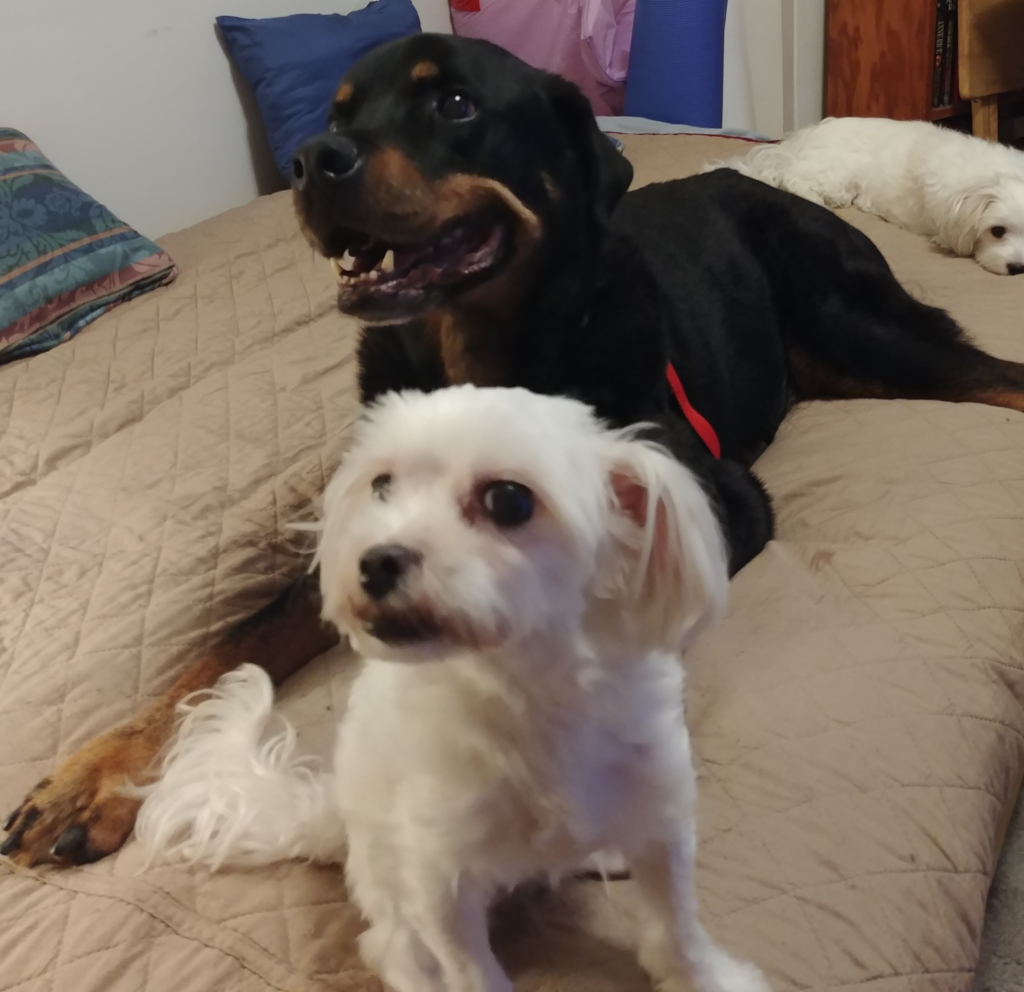 Not all brushes feel the same. A tool that works beautifully for one pet can feel scratchy, grabby, or overwhelming to another. Some slicker brushes are excellent for certain coats, but they can be too intense for pets with sensitive skin. Some combs are useful for checking small tangles, but they may pull if used too aggressively. Rubber grooming mitts can feel more like petting than brushing, which makes them a great starting point for many reluctant cats and dogs.
For pets who absolutely hate being brushed, I like to think in terms of “least offensive tool first.” A soft bristle brush, grooming glove, rubber curry brush, or even a slightly damp washcloth can help remove loose hair without creating the same panic response. Once your pet accepts that, you may be able to gradually introduce a comb or de-shedding tool for short areas that need more attention.
The coat type matters too. Long-haired pets may need more serious tools to prevent mats, but that does not mean you have to begin with the most intimidating option. You can start with a gentle surface brush, then carefully work on one tiny tangle with your fingers or a comb. Short-haired pets often do well with rubber tools that loosen hair while feeling like a massage. Dogs with thick undercoats may need more structured grooming, but even then, short sessions are usually better than one marathon.
Always watch your pet’s body language. If the ears flatten, the tail flicks, the skin twitches, the mouth tightens, or the body shifts away, that is information. Your pet is telling you the pressure, tool, location, or timing is not working. Listening early prevents the bigger reaction later.
Turn Grooming Into a Routine, Not an Ambush
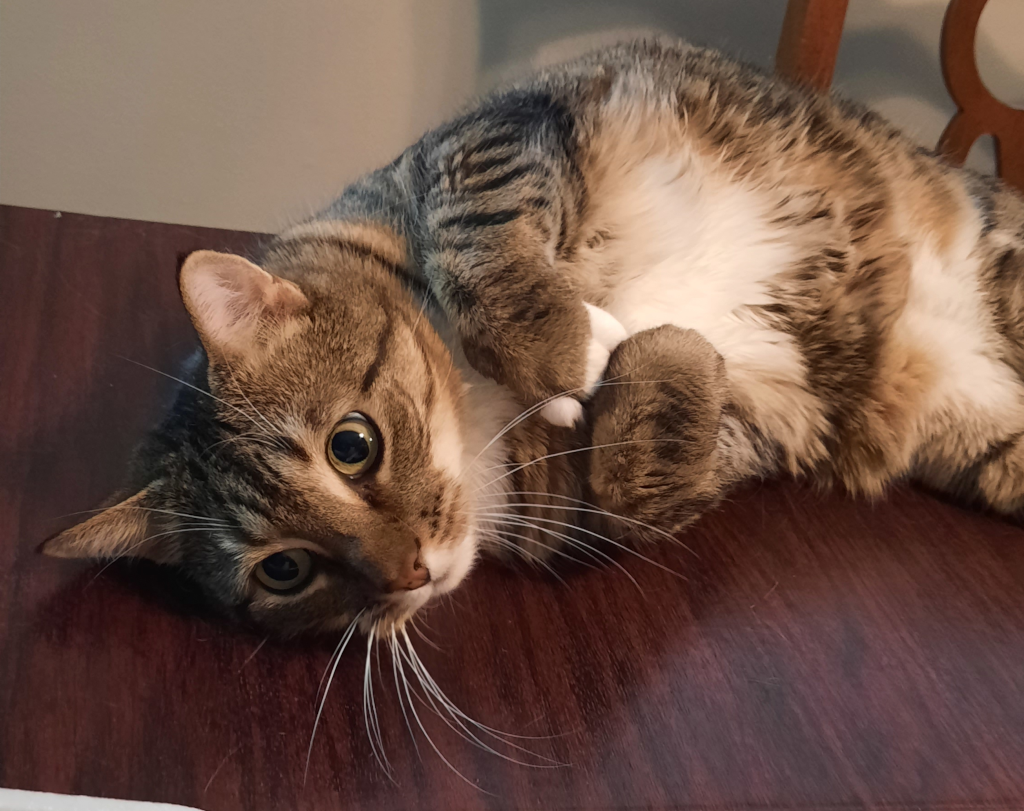 A lot of pets hate brushing because brushing only happens when there is already a problem. The brush appears when mats are forming, shedding is everywhere, or company is coming over. From the pet’s point of view, the brush becomes a warning sign that something annoying is about to happen.
Instead, try making grooming part of a predictable routine. Pick a calm time of day when your pet is already relaxed. For many cats, that might be after a meal or during a favorite lounging time. For dogs, it might be after a walk when they have burned off energy and are ready to settle. The setting matters. A quiet room, soft voice, steady hands, and no rushing can change the whole mood.
This is where treats can be useful, but they should be used thoughtfully. For non-diabetic pets, a tiny treat after a few brush strokes can create a positive association. For diabetic pets, treats need to fit the care plan you already use. That might mean using a small piece of an approved low-carb treat, a bit of their regular food, praise, or another reward that does not interfere with blood sugar management. With Bentley, who receives insulin twice a day, we are always mindful that little extras are not really “little” when you are managing diabetes closely.
For diabetic cats and dogs, routine is already a big part of life. Meals, insulin, glucose checks, and observation often happen on a schedule. Grooming can gently fit around that rhythm, but it should not pile more stress onto already important care moments. If your pet dislikes testing or injections, avoid attaching brushing to those moments at first. Let grooming have its own calm identity.
The more predictable grooming becomes, the less dramatic it feels. A few gentle strokes every day can be far easier than one big brushing battle once a week.
Use Your Hands Before You Use the Brush
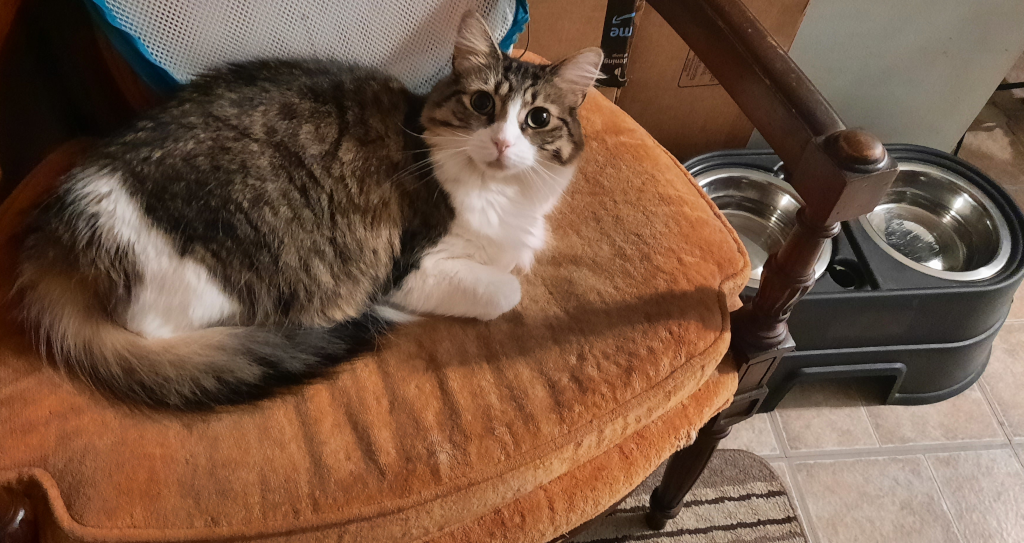 For many pets, hands are less threatening than tools. Before brushing, spend a minute petting your pet the way they already enjoy. Notice where they relax and where they tense. Some pets love their cheeks and shoulders touched but hate anything near the belly, hips, tail, or back legs. Senior pets may have arthritis or tender spots that make certain areas uncomfortable, even if they never complained before.
Using your hands first also helps you find trouble spots. You may feel a small mat before it becomes a big mat. You may notice flaky skin, a lump, a sore area, or a place your pet reacts to. Grooming should never be so forceful that it ignores pain. If your pet suddenly hates being touched in an area they used to tolerate, that is worth paying attention to. Sometimes the problem is not attitude. Sometimes it is discomfort.
Finger-combing can also work wonders. For long-haired cats and dogs, gently separating fur with your fingers may loosen small tangles without the pulling sensation of a comb. You can follow with one or two light brush strokes, then stop. The stop is important. Ending while your pet is still calm teaches them they do not need to escalate to make grooming end.
A damp washcloth is another underrated trick. It can pick up loose hair, smooth the coat, and freshen the surface without the feeling of bristles. For cats who dislike brushes, wiping along the back and sides with a warm, slightly damp cloth can mimic some of the feel of being groomed by another cat. For dogs, a grooming mitt or damp towel after outdoor time can become part of the normal routine.
Know When a Mat Is Not a DIY Project
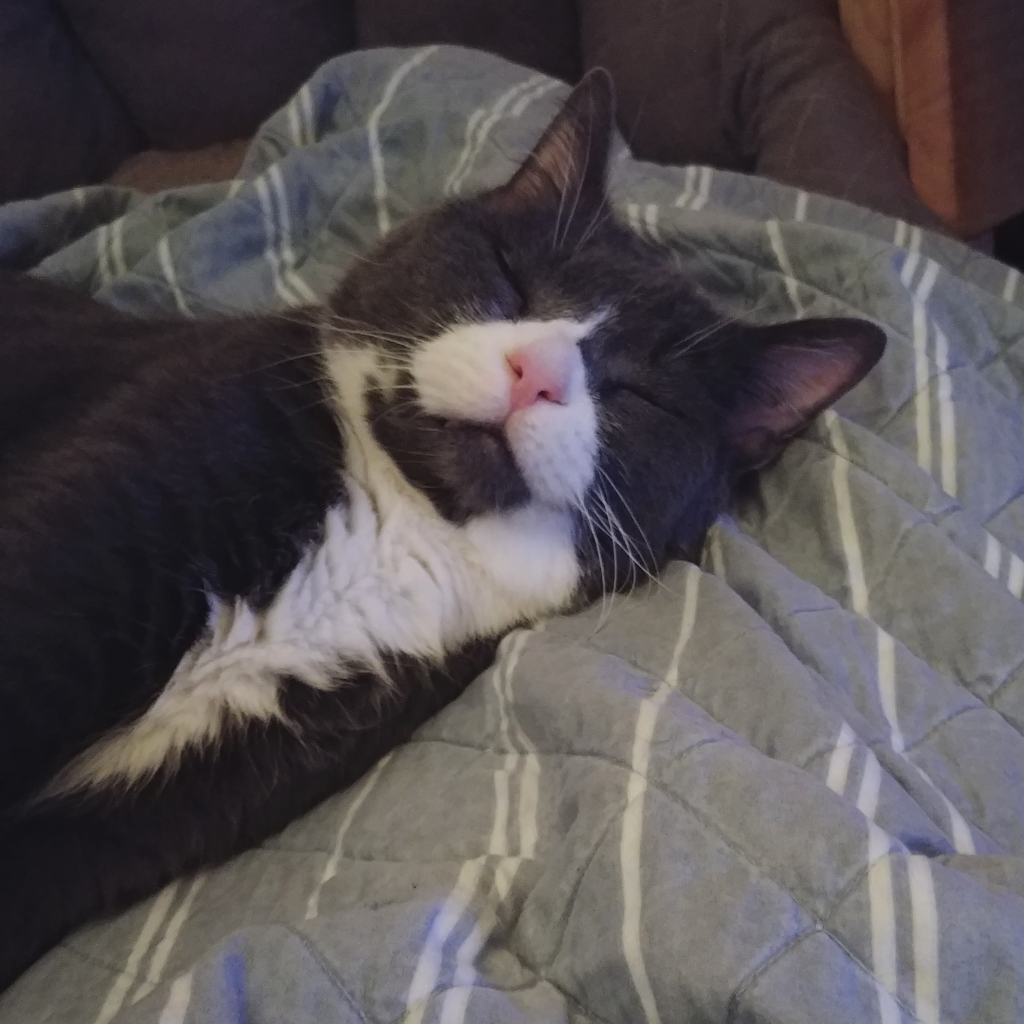 Mats are more than messy fur. They can pull on the skin, trap moisture, hide sores, and become painful. Senior pets with thinner skin can be especially vulnerable. It is tempting to grab scissors and snip out a mat, but that can be dangerous because skin can get pulled up into the mat. What looks like a safe bit of fur may be much closer to the skin than you realize.
Small, loose tangles may be gently worked apart with fingers, a little pet-safe detangling spray, or a comb used carefully from the end of the hair toward the body. Tight mats, mats close to the skin, mats near sensitive areas, or mats on a pet who is already distressed are better handled by a professional groomer or veterinarian. This is not a failure. It is good judgment.
If your pet has severe matting, sudden coat changes, greasy fur, dandruff, bald patches, sores, or a strong odor, it is wise to involve your veterinarian. Older pets can develop health issues that affect grooming and coat condition. Cats with arthritis may stop grooming because it hurts to twist. Pets with kidney disease, thyroid issues, diabetes, or other chronic conditions may show coat changes over time. As pet parents, we can notice these changes early and ask for help.
The same goes for nails, ears, and sanitary trims. Some grooming tasks are easy at home for one pet and impossible for another. There is no shame in getting support. The real win is keeping the pet comfortable and safe.
Make Peace With Imperfect Grooming
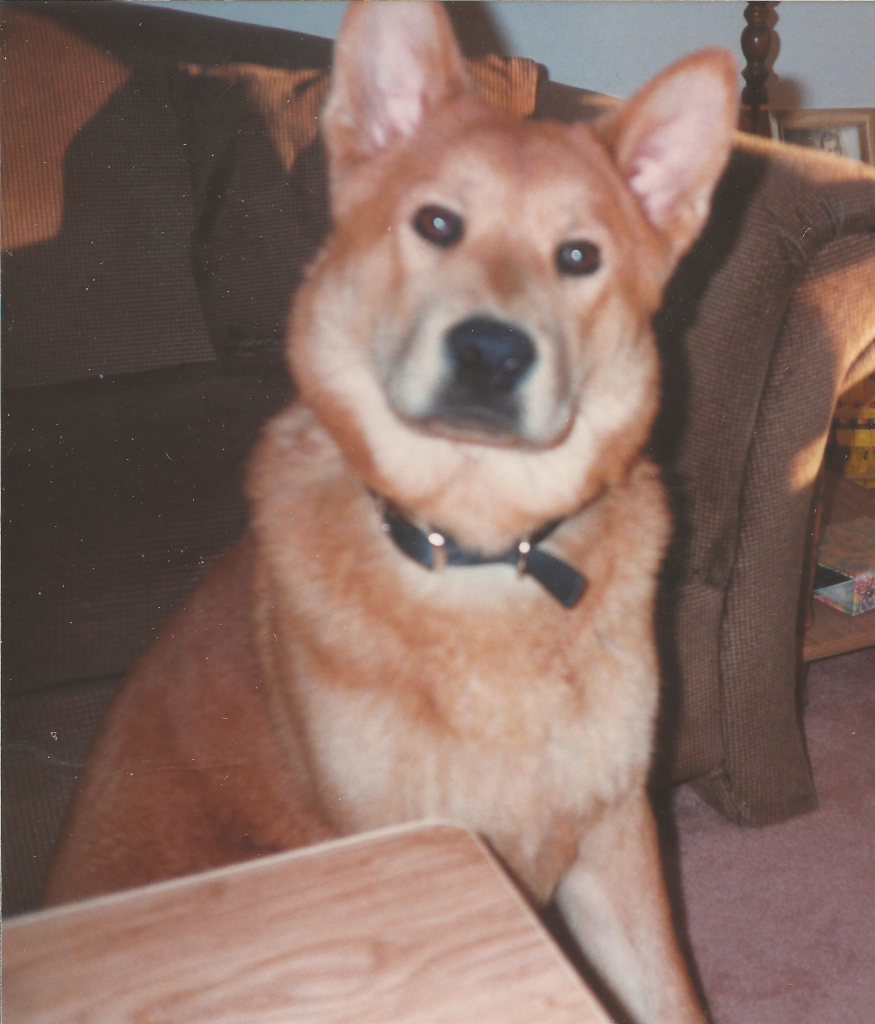 One of the kindest grooming hacks is accepting that “good enough and peaceful” may be better than “perfect and stressful.” A senior pet does not need to look show-ring ready to be loved and cared for. They need clean, comfortable skin, fewer tangles, trimmed nails when needed, and a routine that does not make them afraid.
This mindset can be hard when we care deeply. We want to do everything right. We notice every tuft of loose hair and every little knot. But pets live in the emotional tone of the moment. If grooming becomes a fight every time, they remember the fight more than the fur. If grooming becomes a series of tiny, manageable moments, they may slowly soften toward it.
Try keeping a small grooming basket in the room where your pet already relaxes. Include the gentlest tool, a comb for tiny touch-ups, a soft cloth, and any approved reward you use. When your pet is calm, do a few seconds. Then stop. Over days and weeks, those seconds add up. More importantly, they add up without damaging trust.
For pet parents managing diabetes, routines and records can make life feel more grounded. On BellenPaws, we offer free tools like our online pet diabetes tracker with printable charts, blank glucose curve forms, and other practical resources because we know how much easier care becomes when the little details are organized. Grooming can be treated the same way. Notice what works, what does not, what time of day is best, and which areas your pet tolerates.
At the heart of it, grooming a brush-hating pet is not about control. It is about partnership. It is about saying, “I know you do not love this, so I am going to make it as gentle as I can.” That kind of patience is not small. It is one of the quiet ways we show our senior pets that they are safe with us.
And sometimes, three peaceful brush strokes really are a victory.