

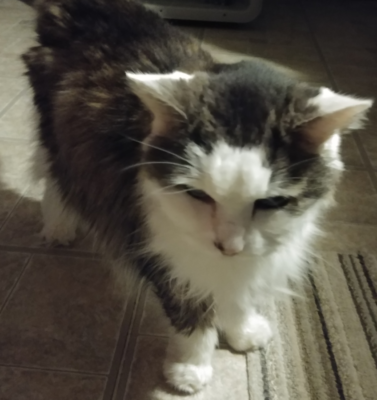
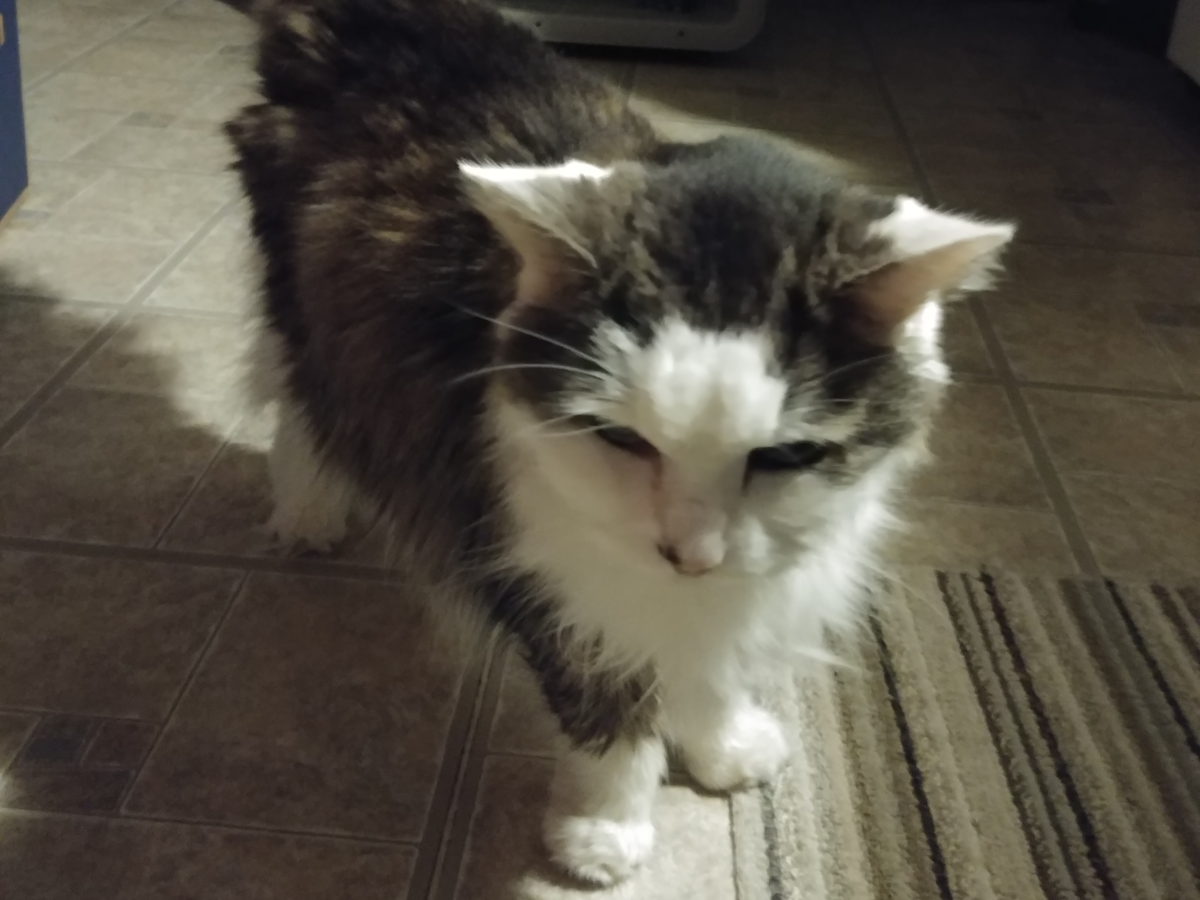
There is a quiet kind of worry that comes with loving an aging pet. It does not always arrive as a dramatic emergency. Sometimes it shows up in little moments, like a senior dog pausing in the hallway as if the house suddenly looks unfamiliar, or an older cat calling out at night with a voice that sounds confused instead of demanding. Those moments can tug hard at a pet parent’s heart because we know our pets so well. We notice when the sparkle changes, when the routines slip, and when the mind behind those beloved eyes seems a little less settled than it used to be.
As pet parents, we cannot stop time. I wish we could. I would have asked for many more years with Belle and Paws if life worked that way. What we can do is support the body and brain with steady, thoughtful care. For some aging cats and dogs, omega-3 fatty acids may become one small but meaningful part of that support plan. They are not a miracle cure, and they should never replace veterinary care, but they can be a useful tool when chosen carefully and used as part of a broader senior-pet routine.
Omega-3 fatty acids are healthy fats that play a role in inflammation, skin and coat health, joint comfort, heart support, kidney support, and brain health. For aging pets, the brain is where many of us become especially interested. The senior years can bring cognitive changes, sometimes called cognitive dysfunction. In everyday language, that means the brain may not process memory, sleep cycles, awareness, and familiar routines as smoothly as it once did. Omega-3s, especially EPA and DHA from marine sources, may help support the aging brain because DHA is an important structural fat in nervous tissue, while EPA is often discussed for its inflammation-supporting role.
Why the Aging Brain Needs Gentle Support
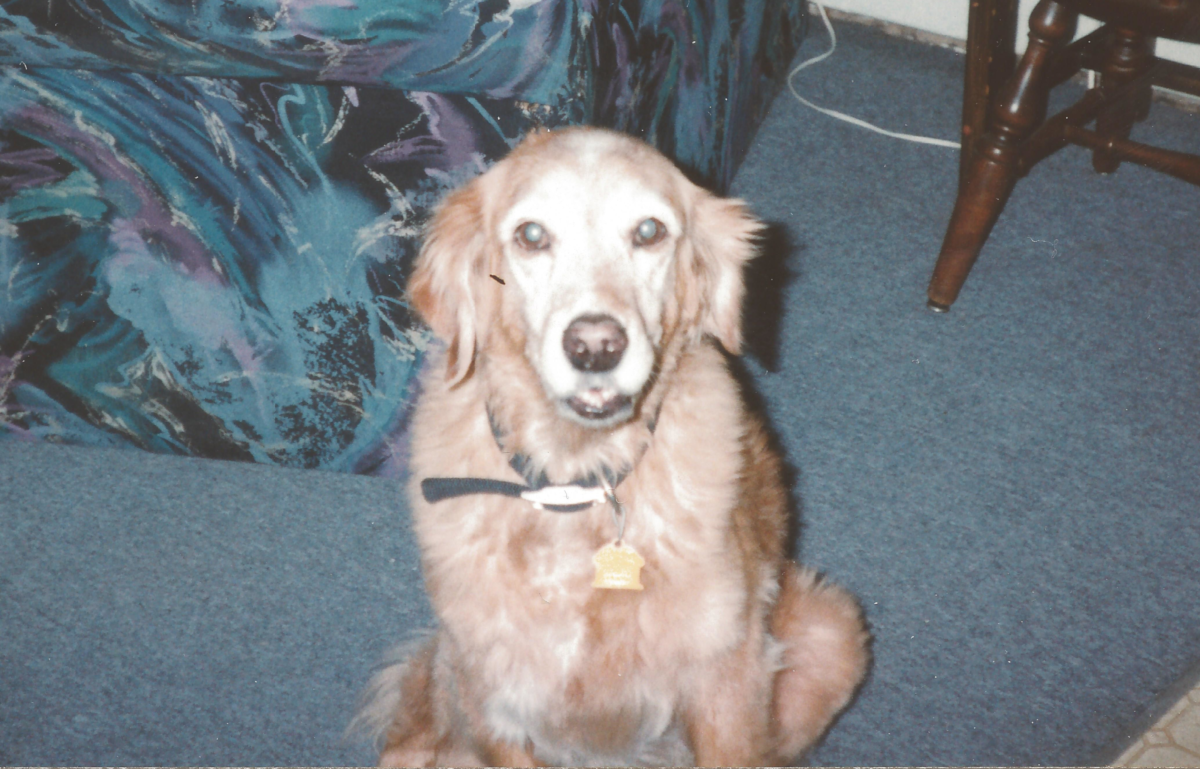 When a pet grows older, the brain changes along with the rest of the body. Some pets sleep more during the day and wander more at night. Some become clingier, while others withdraw. A dog may stare at a wall, get stuck behind furniture, or seem unsure about a door they have walked through for years. A cat may vocalize at odd hours, forget normal litter box habits, or seem less interested in play. These changes can be caused by many things, including pain, vision loss, hearing loss, kidney disease, thyroid disease, high blood pressure, or true cognitive decline. That is why a vet visit matters before assuming it is “just old age.”
We learned this lesson many times through our own crew. With Belle, health changes rarely came as one neat problem with one neat answer. Hyperthyroidism, kidney disease, blood pressure issues, hydration, comfort, behavior, appetite, and stress all seemed connected in some way. Senior care often feels like solving a puzzle where every piece matters. Brain support is no different. Before starting any supplement, it is wise to ask what else could be affecting your pet’s behavior.
Omega-3s fit into this picture because they may help support healthier aging from several angles. A senior pet with stiff joints may move less, and a pet who moves less may become less mentally engaged. A cat who feels uncomfortable may stop climbing to the window perch. A dog who aches may stop exploring the yard. If omega-3s help support joint comfort and reduce inflammatory burden, they may indirectly support brain health by helping the pet stay more active, curious, and connected to daily life.
That is the part I think many pet parents understand instinctively. We are not only trying to add months to life. We are trying to protect the texture of their days. A senior pet who still sniffs the morning air, watches birds, recognizes dinner time, and settles peacefully at night is experiencing quality of life. Omega-3s may be one small support for that larger goal.
Where Omega-3s Come From and What to Look For
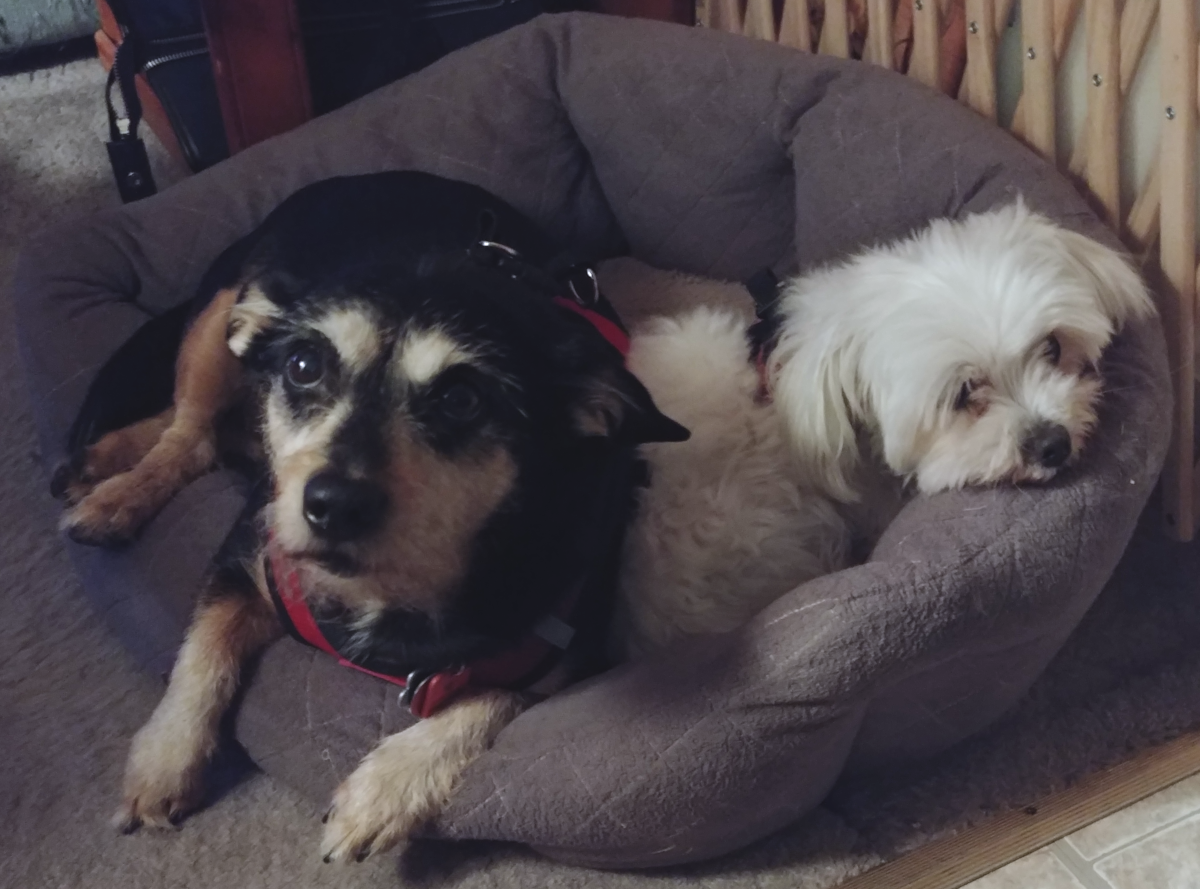 Not all omega-3 sources are equal for cats and dogs. The omega-3s most often discussed for pets are EPA and DHA, which come from marine sources such as fish oil, salmon oil, sardine oil, anchovy oil, krill oil, and some algae-based products. Plant sources like flaxseed oil contain ALA, another omega-3, but dogs and especially cats do not convert ALA into EPA and DHA very efficiently. That does not make plant oils useless, but it does mean they are not usually the strongest choice when the goal is senior brain support.
For most pet parents, the practical options are a veterinary diet that already contains omega-3s, a pet-specific fish oil, or a separate supplement recommended by the veterinarian. I prefer pet-specific products because dosing is usually easier and the label is written with dogs or cats in mind. Human fish oil products can sometimes be used under veterinary guidance, but they may contain flavorings, added vitamins, or concentrations that make dosing tricky. Fish liver oils, such as cod liver oil, deserve extra caution because they may contain vitamins A and D, which can become unsafe in excessive amounts.
The label matters. Many bottles advertise “1,000 mg fish oil,” but what you really want to know is how much EPA and DHA are in each serving. The total oil amount and the useful omega-3 amount are not always the same. A good product should clearly state EPA, DHA, serving size, storage directions, and whether it has quality testing. Fish oil can also go rancid, so smell matters. If the oil smells sharply rotten instead of simply fishy, or your pet suddenly refuses it, do not ignore that. Store it as directed, often in a cool, dark place or refrigerator after opening.
Food sources can help too, but they need to be pet-safe. Plain cooked salmon or sardines packed in water may be appropriate for some pets in small amounts, depending on their health needs. Avoid seasoned fish, smoked fish, fried fish, onions, garlic, heavy salt, sauces, and bones. For diabetic pets, kidney pets, heart pets, pancreatitis-prone pets, or pets on prescription diets, food additions should be discussed with a veterinarian first. A helpful idea can become a problem if it disrupts the bigger medical plan.
Using Omega-3s as Part of a Treatment Conversation
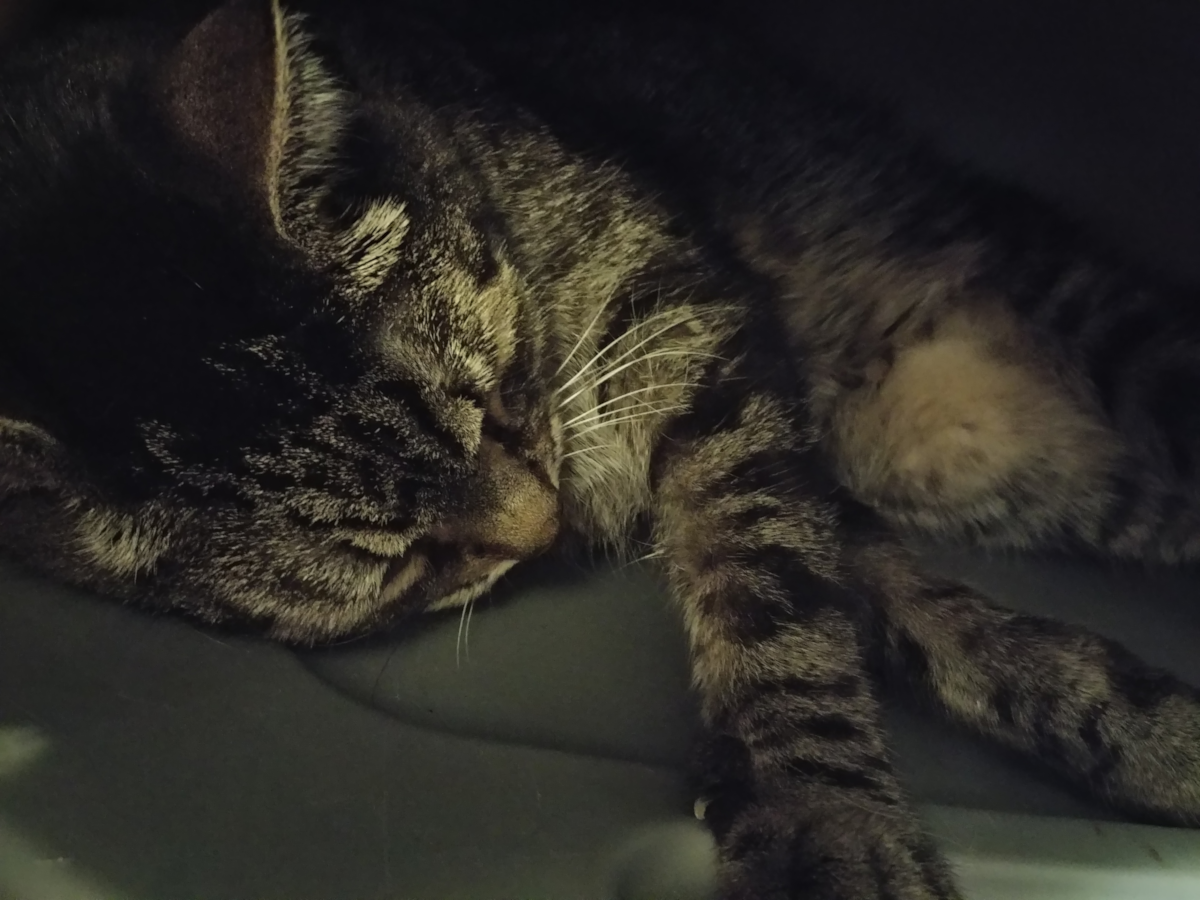 When we talk about “treatments” for an aging brain, it is important to think in layers. Omega-3s are not a stand-alone treatment for cognitive dysfunction. They are better viewed as one supportive piece in a plan that may also include a senior exam, blood pressure check, bloodwork, thyroid testing, pain control, dental care, diet changes, environmental adjustments, sleep support, and sometimes medication or other supplements. The right plan depends on the pet in front of you.
For dogs with cognitive dysfunction, veterinarians may discuss prescription medications, therapeutic diets, antioxidants, medium-chain triglycerides, SAMe, or other targeted supports. For cats, the conversation may include ruling out hyperthyroidism, kidney disease, arthritis, high blood pressure, pain, and sensory loss. Cats are masters at hiding discomfort, so a behavior change can be the first clue that something physical is going on. Omega-3s may still be part of the plan, but they should not be the only plan.
Safety is the other reason to involve your vet. Fish oil is generally considered safe for many pets when dosed correctly, but too much can cause loose stool, vomiting, weight gain from extra calories, or a greasy coat. In higher amounts, omega-3s may affect clotting, so extra caution is needed for pets with bleeding disorders, pets on blood thinners, pets facing surgery, or pets with complex medical conditions. Pets with a history of pancreatitis or sensitive digestion may need a slower introduction or may not be good candidates at all.
A reasonable routine usually starts low and slow. Instead of pouring a full dose onto dinner on day one, many pet parents do better by starting with a small amount and watching the stool, appetite, energy, and comfort level. If all goes well, the dose can be adjusted according to the veterinarian’s recommendation. This is especially important with cats, who may reject a meal if the smell changes too suddenly. With some cats, a tiny amount mixed into a favorite wet food works better than a dramatic new addition.
A Gentle Daily Routine for Brain Support
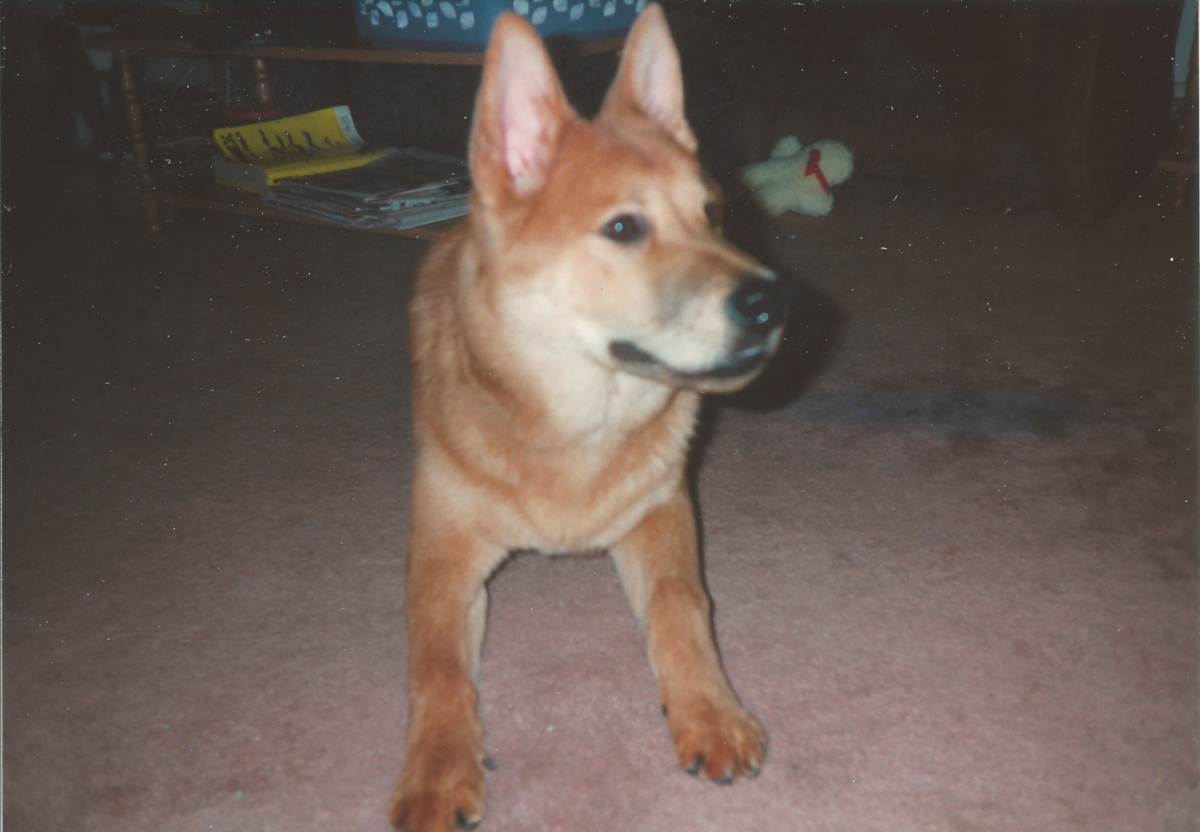 The most helpful senior routines are rarely complicated. They are steady. They give the pet’s body nutrition, comfort, predictability, and enrichment without overwhelming them. If omega-3s are part of your pet’s plan, try pairing them with the same meal each day so it becomes easy to remember and easier to observe. Morning can work well because you can watch for digestive changes through the day, but evening may be better for some households. The best routine is the one you can follow consistently.
Alongside omega-3s, keep the senior brain engaged in kind, manageable ways. For dogs, that may mean short sniff walks instead of long exhausting walks, gentle puzzle feeders, familiar routes, and calm training refreshers using cues they already know. For cats, it may mean low climbing options, window watching, soft play sessions, food puzzles, warm resting spots, and easy access to litter boxes. The goal is not to force them into younger behavior. The goal is to invite the brain to stay connected.
For diabetic pets, routine becomes even more important. With Bentley receiving insulin twice a day, consistency is not just convenient, it is part of safety. Meals, injections, glucose checks, appetite notes, and behavior observations all work together. If you add a supplement like omega-3, it helps to track it just like you would track food changes or medication changes. On BellenPaws, our free pet diabetes tracker and printable glucose curve forms can help pet parents keep those patterns organized for vet visits, especially when a small change seems to affect appetite, energy, or numbers.
Tracking is not only for diabetes, though. Senior brain changes can be subtle, and notes help. Write down nighttime waking, confusion, appetite, litter box accidents, mobility, playfulness, vocalizing, and any new supplement or diet change. A simple notebook is enough. Over time, those notes can show whether a pet is improving, declining, or reacting poorly to something new. They also help your veterinarian see the full story instead of relying on one rushed memory during an appointment.
Hope Without Hype
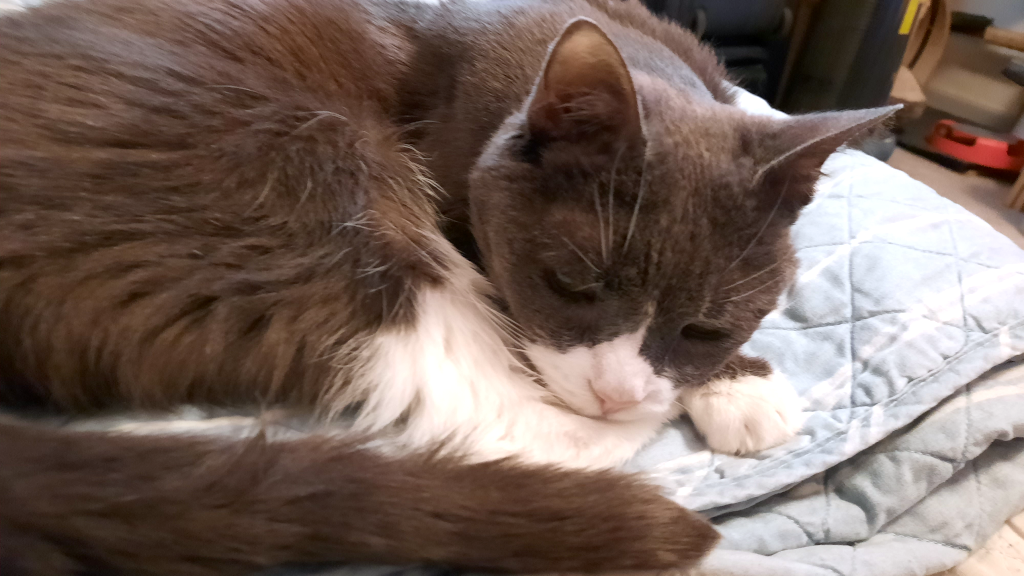 The hardest part of senior pet care is balancing hope with honesty. We want to believe every new supplement will give us more time, more clarity, more tail wags, more purrs, and more peaceful nights. Omega-3 fatty acids can be genuinely helpful for many aging pets, especially when they are part of a thoughtful care routine. But they are not magic. They are support, not a cure.
That distinction matters because our pets deserve more than hype. They deserve careful choices, safe dosing, veterinary guidance, and patient observation. They deserve us noticing the small things, like whether they still greet us, whether they seem less stiff, whether they sleep more peacefully, whether they seem more comfortable moving through the house. Sometimes success in senior care is not dramatic. Sometimes it is simply a calmer night, a brighter morning, or an older pet choosing to sit near us again.
If you are considering omega-3s for your aging cat or dog, start with a conversation with your veterinarian. Ask whether your pet’s current diet already includes enough EPA and DHA. Ask whether fish oil is safe with your pet’s medical history and medications. Ask what dose makes sense, what side effects to watch for, and how long to try it before judging results. Then build it into a routine that includes nutrition, comfort, gentle movement, enrichment, and tracking.
Aging brains need compassion as much as chemistry. Our senior pets are not trying to be difficult when they forget, wander, vocalize, or change. They are asking us, in the only ways they can, to help them feel safe in a body and mind that may not work the way it once did. Omega-3s may be one way to answer that call. Love, routine, observation, and good veterinary care are the rest of the answer.