
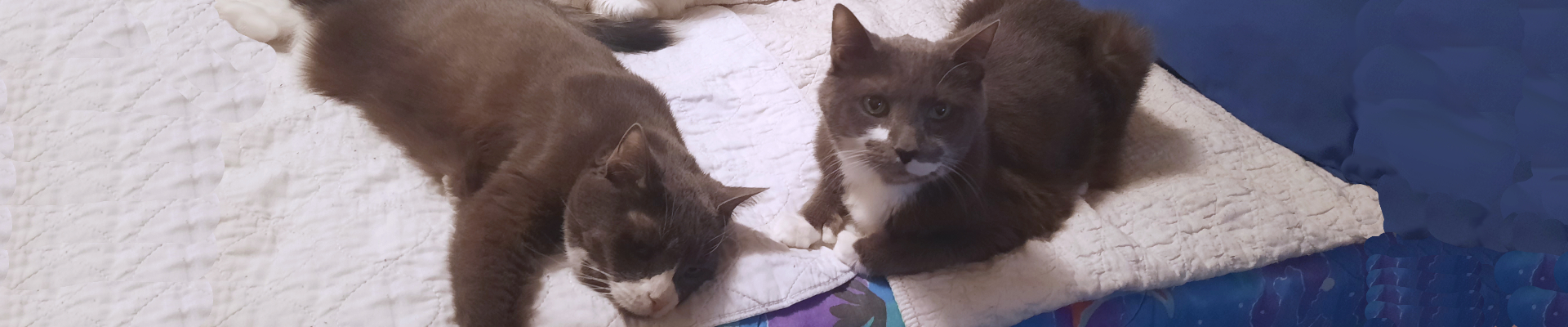
Grief is not only a human experience. Anyone who has loved animals for a long time eventually sees it in a quiet room, an empty bed, a food bowl left untouched, or a pet staring toward the door as if they are waiting for someone who is not coming back. It is one of the most heartbreaking parts of sharing a home with senior pets. We are grieving, too, but then we realize one of our surviving pets is grieving right beside us.
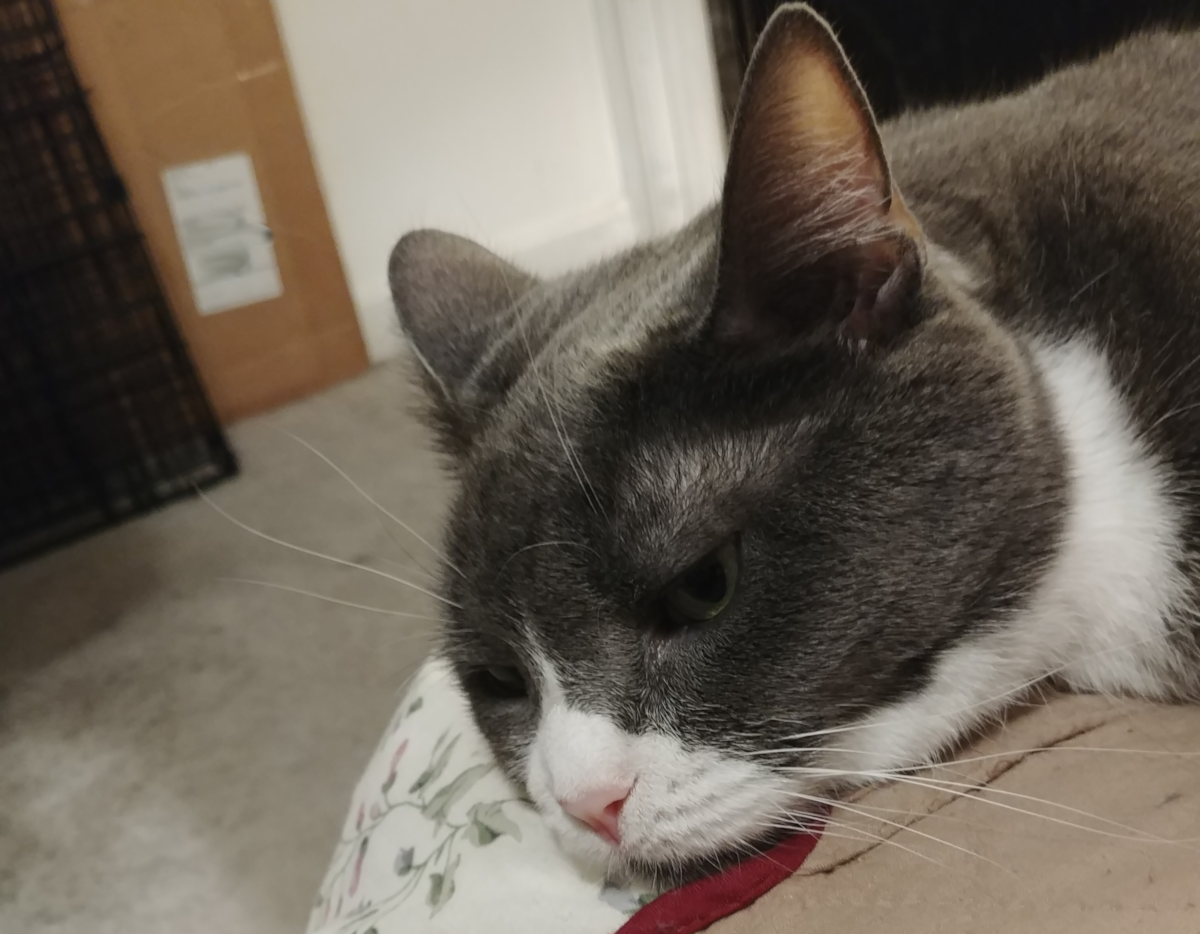
When Paws passed away, Belle felt that loss deeply. They were siblings and a bonded pair, and their connection had been part of the rhythm of our home for so long that his absence changed everything. Belle did not need words to show us she knew something was different. Her energy shifted. Her routines changed. The spark that usually lived in her face seemed dimmer for a while. It was not dramatic in the way people sometimes expect grief to look. It was quiet, heavy, and unmistakably real.
That is the thing about depression in grieving pets. It can be subtle. It may not look like crying or obvious distress. It may look like sleeping more, eating less, withdrawing from favorite places, or losing interest in little habits they once enjoyed. For senior pets especially, these changes can be easy to mistake for “just getting older.” But when they happen after the loss of a companion, they deserve our attention, patience, and compassion.
When the House Feels Different to Them
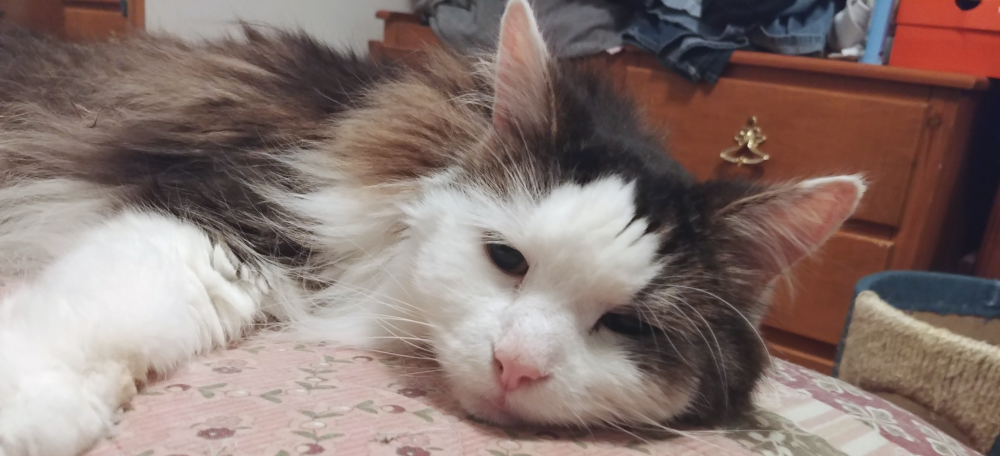 Pets are deeply tuned into routine. They know who sleeps where, who eats first, who walks past the window, who curls up beside them, and who shares the sunny spot on the floor. A bonded animal companion is not just another pet in the house. They can be a source of comfort, confidence, play, warmth, and emotional security.
When that companion is gone, the surviving pet may experience the home as a changed place. The smells are different. The movement is different. The sounds are different. Even our own grief changes the emotional temperature of the house. Animals may not understand death the way we do, but many absolutely notice absence.
Some pets seem to search. They may walk from room to room, check favorite sleeping areas, sniff blankets, or pause near food bowls. Others become clingier and want to stay close to their person. Some do the opposite and pull away, choosing quiet corners or hidden spaces. None of these reactions are “wrong.” Grief has a wide shape, and pets, like people, move through it in their own way.
With Belle, the sadness after losing Paws was obvious because we knew her normal. That matters so much. Recognizing depression in a grieving pet starts with knowing what is normal for that individual animal. A naturally lazy senior cat may already sleep most of the day, while a social dog may usually follow you everywhere. The warning sign is not always the behavior itself. It is the change from their usual pattern.
Signs That a Grieving Pet May Be Depressed
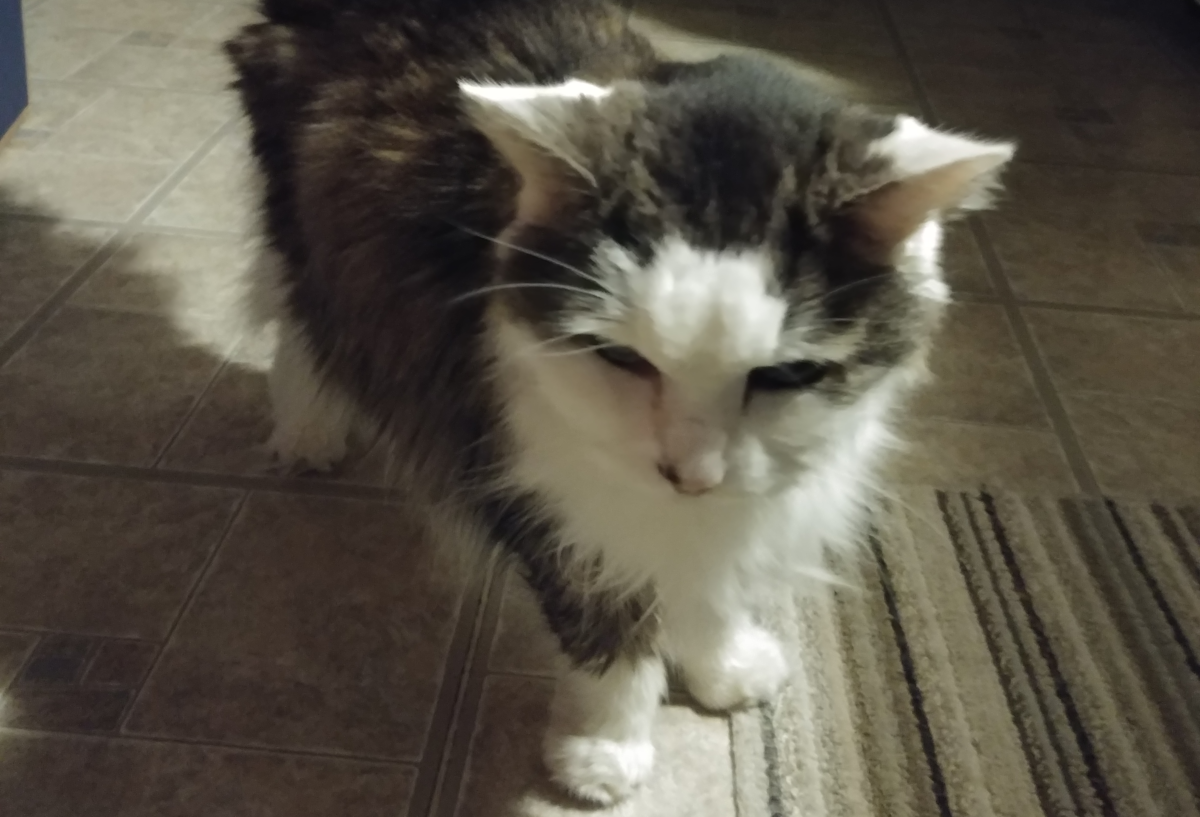 A grieving pet may become quieter than usual. They might stop greeting you the same way, show less interest in toys, or seem disconnected from family activity. A cat who normally sits in the kitchen during meal prep may stay in another room. A dog who usually perks up for a walk may hesitate at the door or move through the routine without enthusiasm.
Appetite changes are one of the most important signs to watch. Some grieving pets eat less or become picky. Others may still approach the bowl but walk away after a few bites. In cats especially, not eating can become medically serious quickly, so a sudden appetite drop should never be brushed aside. If a cat goes without eating or eats very little, it is worth calling the vet promptly. With diabetic pets, appetite changes are even more important because food intake, insulin, and blood glucose are closely connected.
Sleep changes can also be part of grief. A pet may sleep more than usual, sleep in a different place, or seem restless at night. Some animals vocalize more, especially cats who call out in the hallway or dogs who whine in places where their companion used to rest. Others become unusually silent. A quiet pet is not always a peaceful pet. Sometimes silence is their way of withdrawing.
You may also notice changes in grooming or self-care. Cats may groom less and look a little unkempt, or in some cases overgroom because stress is spilling out through repetitive behavior. Dogs may seem less interested in being brushed, touched, or handled. Bathroom habits can shift, too. A grieving animal may have accidents, avoid the litter box, or need more encouragement to go outside. These changes can be emotional, but they can also point to pain, illness, urinary problems, kidney issues, constipation, or other concerns, so they should be watched carefully.
The hardest part is that depression and illness can look very similar in senior pets. A pet who seems sad may also be dealing with arthritis pain, thyroid disease, kidney disease, dental pain, nausea, high blood pressure, or another medical issue. That is why grief should be treated with compassion, but not used as the only explanation. When in doubt, a vet check is the safer path.
Comfort Without Forcing Them to “Move On”
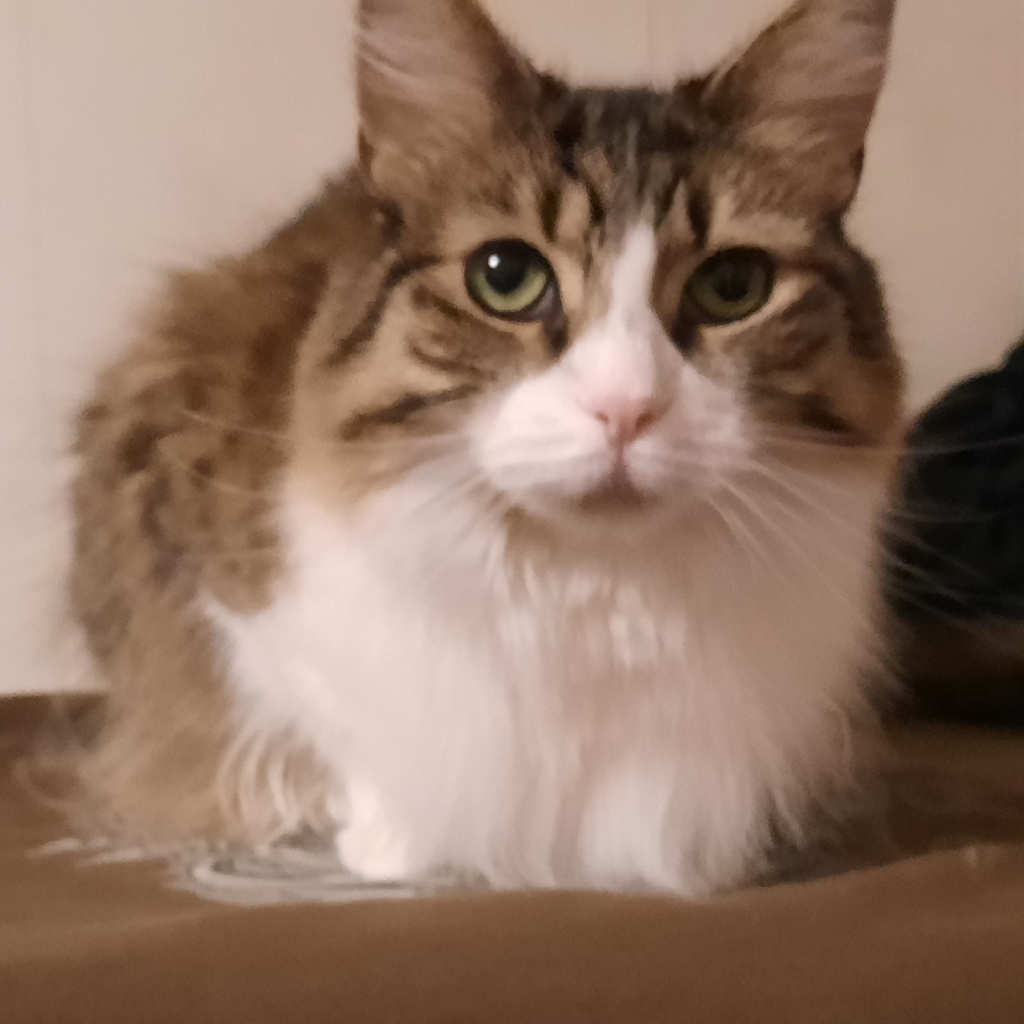 One of the kindest things we can do for a grieving pet is keep life steady. Routine becomes an anchor. Meals at familiar times, gentle greetings, favorite blankets, normal bedtime habits, and calm daily rituals can help them feel the world is still safe. They do not need us to rush them out of grief. They need us to make the ground feel solid under their paws again.
It can be tempting to overcompensate with constant attention, new toys, new beds, new foods, and big changes. Sometimes those things help, but too much change at once can overwhelm a grieving animal. A better approach is gentle invitation. Sit near them without demanding interaction. Offer a favorite treat if it is safe for their diet. Bring out a familiar toy, but do not force play. Open the curtain for their usual window watching. Let them decide how much they can handle.
Scent can be comforting, too. Some pets benefit from keeping a blanket, bed, or soft item that belonged to the companion they lost. Others may avoid those items, and that is okay. Watch their response. If they rest on it, knead it, sniff it, or sleep nearby, it may be helping. If it seems to distress them, you can move it away gradually.
For cats, quiet enrichment can make a difference. A warm resting spot, a cardboard box, gentle brushing, soft conversation, or a short wand toy session may help them reconnect with the day. For dogs, slow sniff walks can be comforting because sniffing gives them information and lets them process the world without pressure. Senior pets may not want intense play, but they still need meaningful moments.
If the grieving pet is diabetic, this is where careful tracking becomes especially helpful. Stress, appetite changes, and routine disruptions can affect blood glucose. Keeping notes on food, insulin, behavior, and glucose readings can give you and your vet a clearer picture. On BellenPaws, we offer a free online pet diabetes tracker with printable charts and tables for vet visits, along with printable blank glucose curve forms for pet parents who prefer paper. Tools like that cannot remove grief, but they can help you stay grounded when emotions are already heavy.
Knowing When Grief Needs Extra Help
Some sadness after losing a companion is normal. The concern grows when a pet stops eating, loses weight, hides constantly, seems weak, shows signs of pain, has bathroom changes, becomes confused, or does not begin to improve with time and support. A grieving pet who is also elderly or medically fragile deserves extra caution. Their emotional health and physical health are woven together.
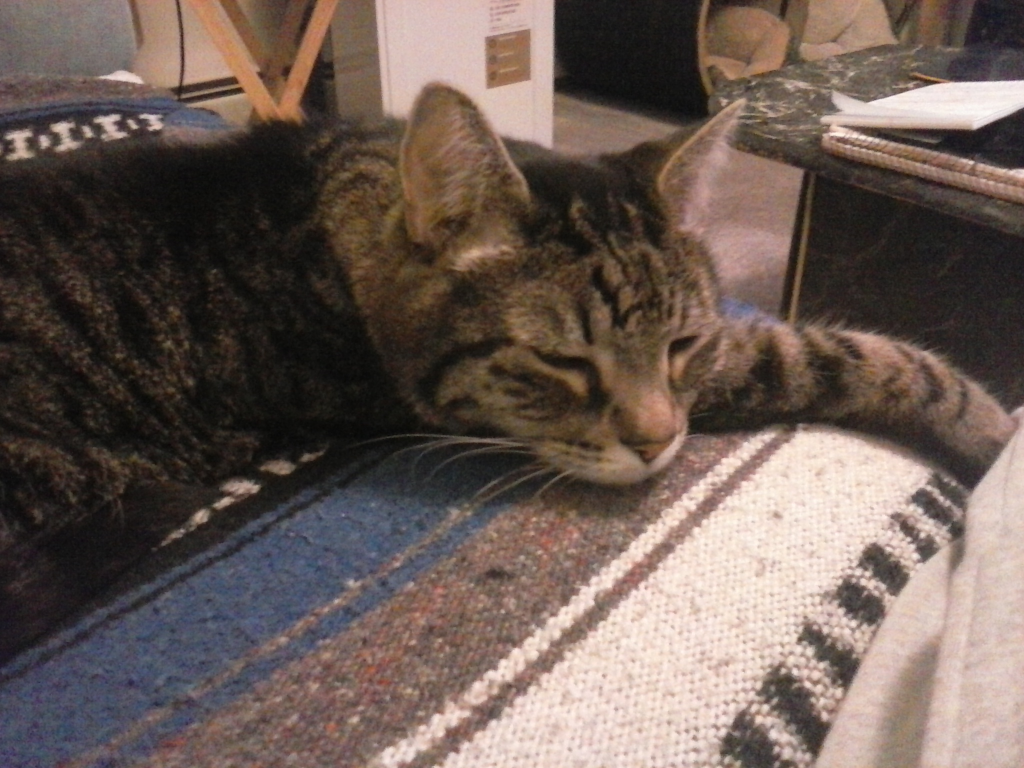 A vet can help rule out medical problems and may suggest supportive care if depression or anxiety is affecting the pet’s quality of life. This might include appetite support, pain management, nausea treatment, environmental changes, or in some cases medication for anxiety or mood. There is no shame in needing help. Grief can be heavy on a small body, especially when age or illness is already part of the picture.
It is also important not to rush into getting another pet as a “replacement.” Sometimes a new companion eventually helps, but timing matters. A grieving senior pet may not want a young, energetic animal in their space right away. They may need stability more than novelty. If you do consider bringing in another pet, think carefully about temperament, age, energy level, and how your surviving pet handles change. Introductions should be slow and respectful.
What helped us most with Belle was patience. We did not expect her to become her old self overnight after losing Paws. We simply kept showing up for her. We watched her, talked to her, offered comfort, and let her grief be real. Over time, little signs of her personality returned. Not all at once, and not in a neat straight line, but enough to remind us that healing can happen quietly.
Grieving pets teach us something tender and painful about love. They remind us that the bonds inside a home are not invisible just because animals cannot explain them in human language. They feel absence. They remember routines. They miss their companions. And when they hurt, they need the same things we do: safety, patience, gentleness, and someone willing to sit with them in the sadness.
If your pet is grieving, you are not imagining it. Watch closely. Keep routines steady. Offer comfort without pressure. Call your vet when eating, drinking, bathroom habits, mobility, or energy changes worry you. Most of all, give them time. A grieving pet is not being difficult or dramatic. They are loving in the only way they know how, by missing someone who mattered.