
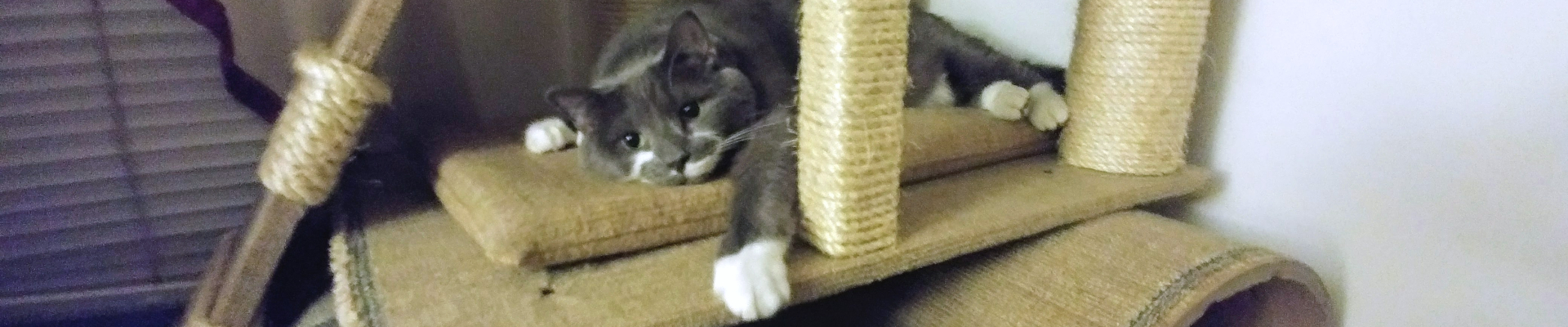
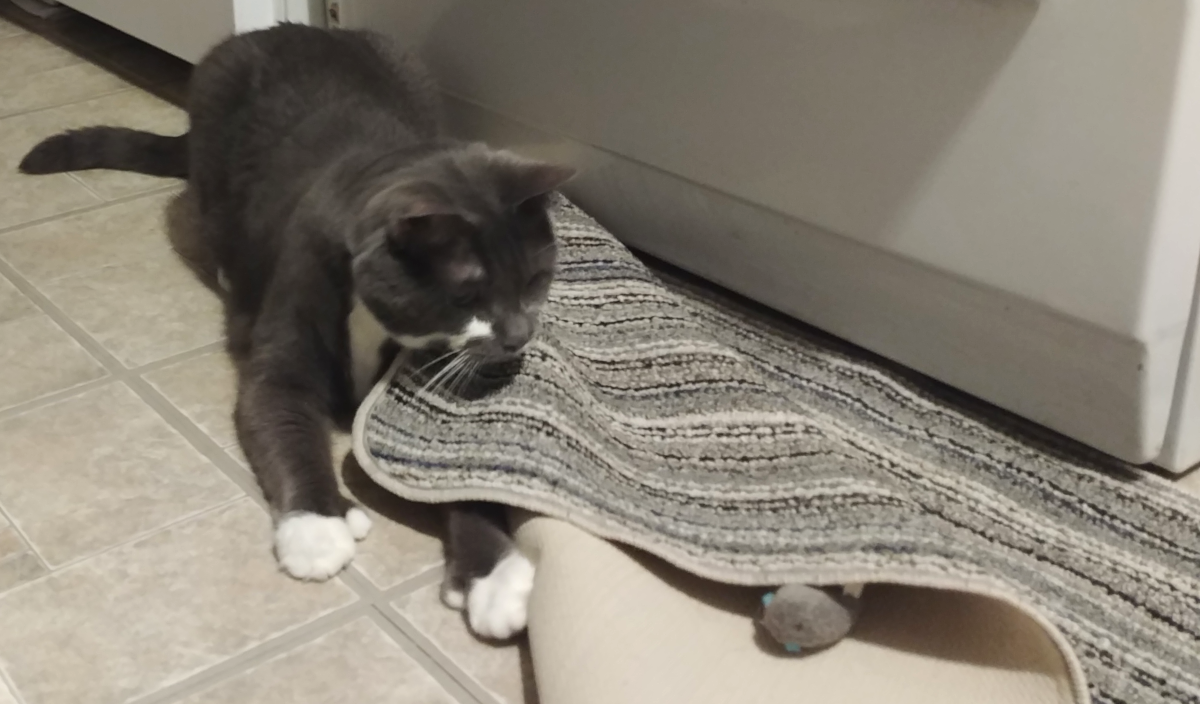
There is a certain kind of quiet that settles over a home when an older cat starts slowing down. At first, it can feel peaceful. They nap in the sun more often, choose the softest blanket in the house, and seem content watching the world from a favorite window. But then, as devoted pet parents, we start to notice the little changes. The toy mouse that used to get batted across the room sits untouched. The feather wand gets only a glance. The zoomies that once sounded like tiny thunder across the hallway become rare memories.
When a cat becomes lethargic or bored, it can tug at our hearts because we know there is still a spark in there. Sometimes they are tired because they are older. Sometimes they are managing arthritis, diabetes, kidney disease, thyroid trouble, weight changes, or just the natural slowing that comes with age. And sometimes, honestly, they are bored because life has become too predictable. The good news is that interactive play does not have to mean wild jumping, hard running, or high-energy chaos. For senior cats, diabetic cats, or cats who simply seem uninterested, play can be gentle, thoughtful, and deeply comforting.
At BellenPaws, we have always believed that senior pets still have love to give, and they also still have curiosity to share. Even when their bodies slow down, their minds often still want connection. Our job is not to force them back into kittenhood. Our job is to meet them where they are, with patience, creativity, and respect.
Start by Listening to the Cat in Front of You
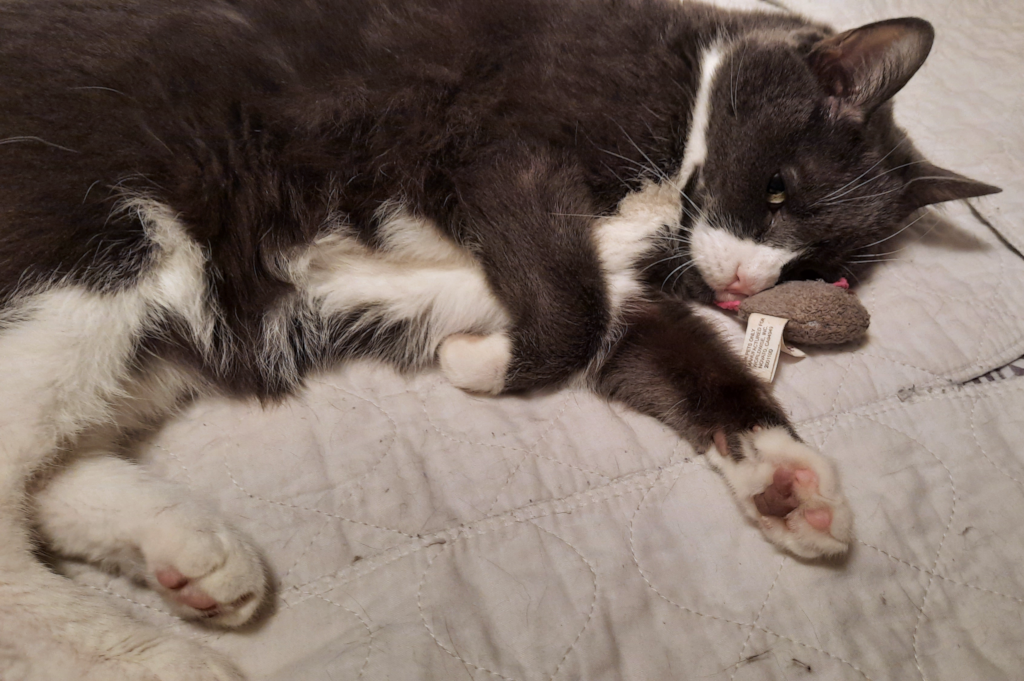 Before we talk about toys, games, or clever tricks, it is important to say this clearly: a suddenly lethargic cat should not simply be labeled lazy or bored. Cats are masters at hiding discomfort, and a change in energy can be one of the first signs that something needs attention. If your cat is sleeping far more than usual, hiding, not eating, losing weight, drinking more, avoiding the litter box, breathing oddly, or acting painful when touched, it is time to call your veterinarian.
That said, many cats who have been medically checked still need more enrichment than we realize. Senior cats can fall into a routine where every day looks exactly the same. Breakfast, nap, window, dinner, nap again. Routine can be comforting, especially for older pets, but too much sameness can make the world feel small. Play brings back a little discovery.
I remember watching Belle, one of the senior cats who helped inspire BellenPaws, become more selective as she aged. She was not interested in wasting energy on nonsense. If a toy was too fast, too loud, or too demanding, she simply declined with the dignity only a cat can manage. But if we slowed the game down and made it feel like a real little hunt, her eyes would sharpen. That tiny shift mattered. It reminded me that play is not always about athleticism. Sometimes play is about waking up the part of the cat that still wants to participate.
The key is to stop judging play by kitten standards. A successful play session for a lethargic or older cat might last two minutes. It might involve one paw reach, one focused stare, or one gentle bite on a toy. That counts. In fact, for some cats, that is a beautiful win.
The Gentle Hunt: Slow Toys for Slow Bodies
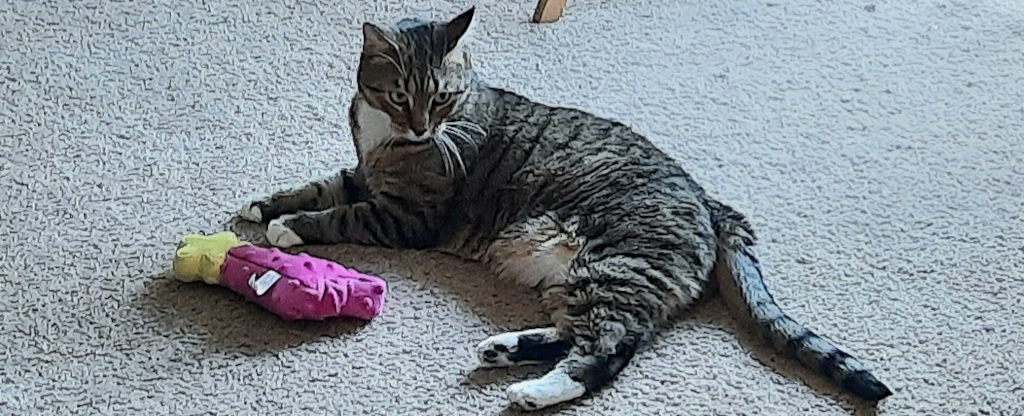 Many cats lose interest in toys because the play style does not match their current comfort level. A feather wand whipped through the air may excite a young cat, but an older or sore cat may watch it and think, “Absolutely not.” Instead of making the toy move faster, try making it move smarter.
Cats are hunters by instinct, but hunting is not constant running. Much of hunting is watching, waiting, listening, and choosing the perfect moment. This is wonderful news for lethargic cats because it means we can create play that honors their natural instincts without demanding too much movement.
A wand toy can become much more inviting when it creeps along the floor like a bug. Let it disappear behind a chair leg, under a towel, or around the corner of a cardboard box. Pause often. Let your cat track it with their eyes. If they only lean forward or tap it once, that is still engagement. The goal is not to exhaust them. The goal is to invite them.
For cats who do not want to chase, try “close range hunting.” Sit near them with a soft toy, ribbon wand, or crinkle ball and move it just within reach. Drag it slowly past their paws. Hide part of it under a blanket. Let them feel like they are catching something without having to cross the room. This can be especially helpful for cats with arthritis, weakness, obesity, or diabetic fatigue.
For diabetic cats, gentle play can also support daily routine, but it should be done thoughtfully. Avoid intense activity during times when blood glucose may be dropping, and never use exercise as a substitute for proper monitoring or veterinary guidance. With Bentley, who receives insulin twice a day, we pay close attention to timing, food, energy, and behavior. That kind of awareness helps keep play safe and positive rather than stressful. For families managing feline diabetes, tools like the BellenPaws online pet diabetes tracker and printable glucose curve forms can help organize patterns to discuss with a vet.
Play should leave a cat feeling satisfied, not overwhelmed. If your cat pants, walks away, growls, hides, or seems irritated, the session has gone too far. Let them stop while they still feel good. In senior pet care, ending on a calm success is often better than pushing for one more round.
Turn the Home Into a Softer Adventure
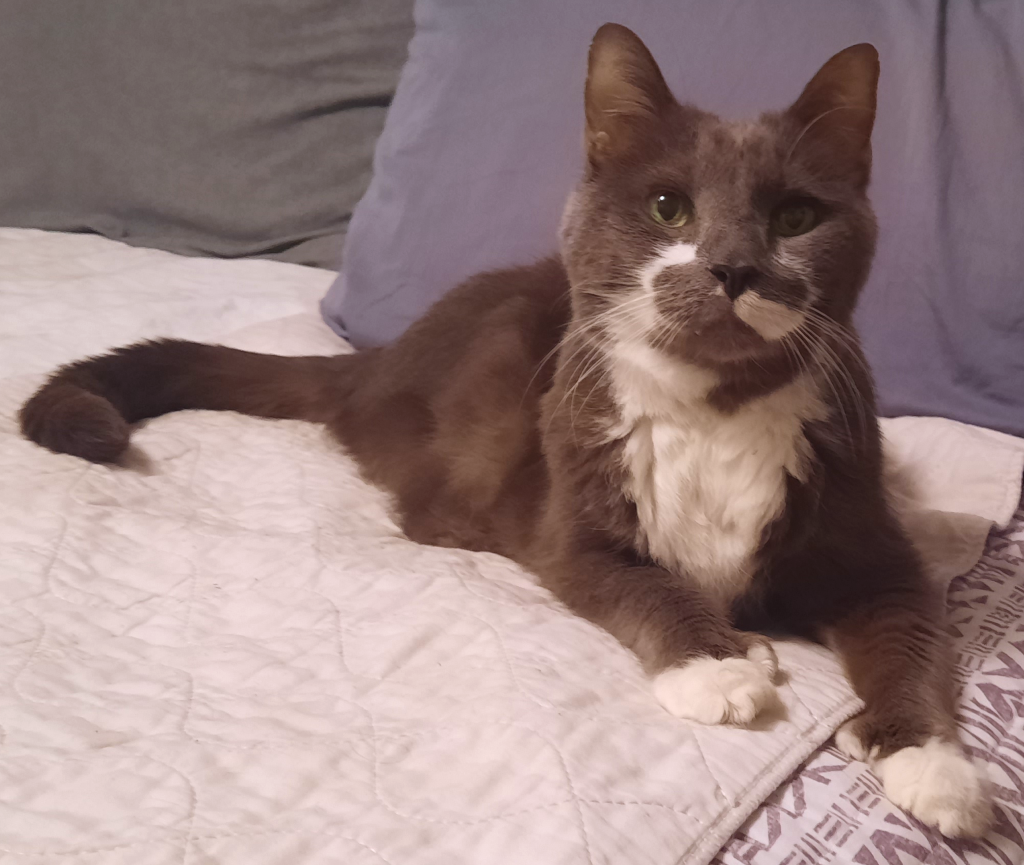 Interactive play does not always require a toy in your hand. Sometimes the best enrichment comes from changing the environment in small, safe ways. Cats love novelty, but older cats usually prefer novelty that does not feel threatening. A new cardboard box, a paper bag with the handles removed, a towel tent, or a low-sided basket can become an adventure without requiring much physical effort.
One of the easiest games is the “new object investigation.” Place a box or soft tunnel near your cat’s usual area and let them explore at their own pace. Do not push them inside. Do not hover too much. Let curiosity do the work. You can sprinkle a little catnip or silvervine nearby if your cat responds well to it, or place a favorite toy partly inside the box. For some cats, simply sniffing and stepping around the object is enrichment.
Window watching is another underrated form of interactive engagement. A comfortable perch near a window can provide hours of mental stimulation, especially if there are birds, squirrels, leaves, or neighborhood activity. For cats who cannot jump safely anymore, use pet stairs, a sturdy low bench, or a padded surface at a reachable height. The goal is to bring the world to them without making them climb beyond their comfort.
Food puzzles can also be useful, but they must be chosen carefully. A complicated puzzle may frustrate a tired cat, while a simple treat mat or shallow puzzle tray can encourage gentle problem-solving. For diabetic cats, treats and food rewards should fit the feeding plan you have worked out with your veterinarian. You can also use a portion of their regular meal instead of extra treats. The game then becomes part of mealtime rather than an added calorie surprise.
Even scent can be a form of play. A blanket that spent a little time near a sunny window, a safe cat herb toy, or a cardboard scratcher sprinkled lightly with catnip can give a bored feline something new to investigate. Some cats love catnip, some prefer silvervine, and some could not care less about either. As always, the cat gets the final vote.
Make Play Social, Not Demanding
For many lethargic or bored cats, the real magic is not the toy. It is you. Cats may act independent, but they often crave shared routines. A few minutes of your focused attention can mean more than a basket full of expensive toys.
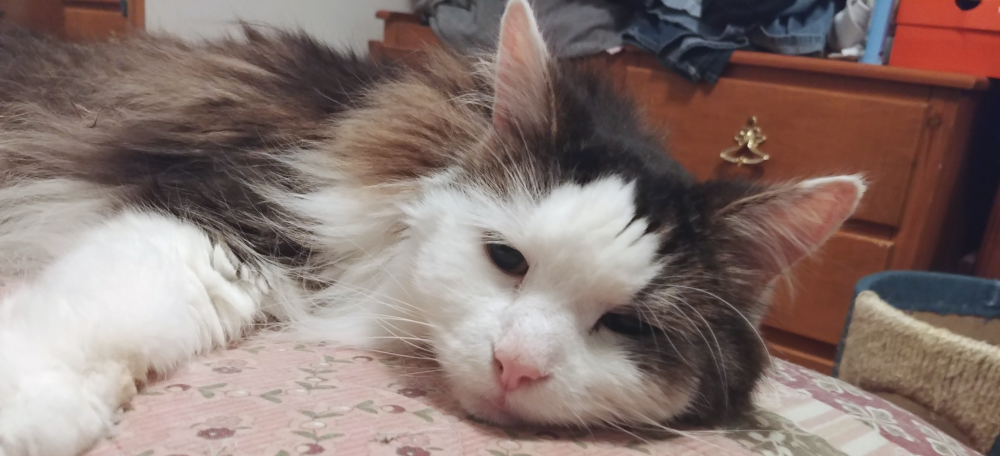 Try creating a predictable “play invitation” once or twice a day. This does not need to be dramatic. Sit on the floor or near their favorite resting place, bring out one gentle toy, and invite them into the moment. Use a soft voice. Move slowly. Give them time to respond. If they only watch, that is still participation. Watching is part of the hunt.
Some cats enjoy being spoken to during play. Others prefer silence. Some want the toy near their paws. Others want it several feet away so they can observe first. The more you pay attention to these preferences, the more your cat learns that playtime is safe and respectful.
Touch can also become part of the routine, as long as the cat welcomes it. A few gentle strokes, a brush session, or a warm lap can transition into light play. For cats who are bored but not physically energetic, this kind of connection can be deeply satisfying. It says, “I see you. I am here with you. We can still have little moments together.”
It also helps to rotate toys rather than leaving everything out all the time. A toy that is always on the floor becomes furniture. A toy that disappears for a week and returns can feel new again. Keep a small group available, then swap them out. This keeps the environment interesting without cluttering the cat’s space.
When a cat is truly reluctant, resist the urge to perform. We have all done it, standing there waving a toy like a desperate magician while the cat stares through us. Instead, slow down. Make the toy behave like prey. Hide it. Pause it. Let it barely move. Cats often become more interested when we stop trying so hard.
Celebrate Tiny Wins and Protect Their Dignity
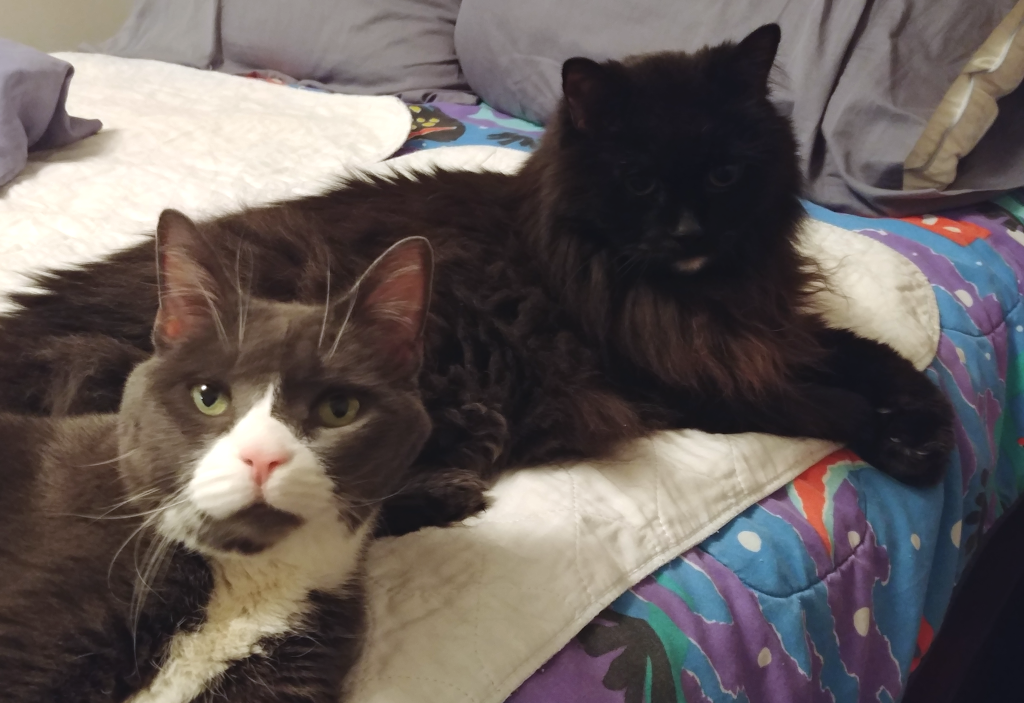 One of the most important lessons senior cats teach us is that quality of life is made of small things. A paw tap. A curious sniff. A slow blink after a short game. A cat who lifts their head when the toy appears. These moments may not look impressive to anyone else, but to a loving pet parent, they are everything.
Interactive play for lethargic or bored felines is not about forcing energy. It is about offering opportunity. It is about saying, “Your life can still have interest, comfort, and joy.” For older cats, overweight cats, diabetic cats, or cats living with chronic conditions, play should feel like an invitation, never a demand.
There will be days when your cat is not interested. That is okay. There will be days when they surprise you and suddenly bat a toy across the rug like they are young again. That is wonderful, but it does not have to be the standard. Let each day be what it is.
If you are caring for a senior cat, it can be helpful to keep notes on energy, appetite, litter box habits, play interest, and mood. Patterns often tell a story. For diabetic pets, tracking blood glucose, insulin timing, meals, and behavior can be especially valuable when talking with your veterinarian. That is why we offer free tools like our pet diabetes tracker with printable charts, along with blank glucose curve forms for families who want a clearer picture of what is happening at home.
Most of all, remember that your cat does not need a perfect entertainment program. They need patience. They need safety. They need a home that adapts as they age. A bored or lethargic cat may not be asking for excitement in the loud, busy way we imagine it. They may simply be asking for a new reason to look up, reach out, and feel connected again.
And when they do, even for just a few seconds, that little spark is worth celebrating.