
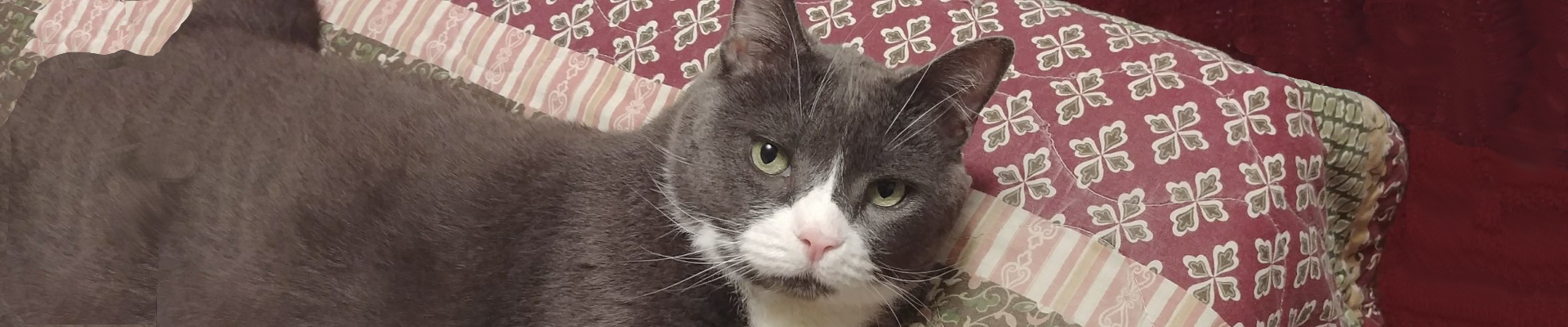
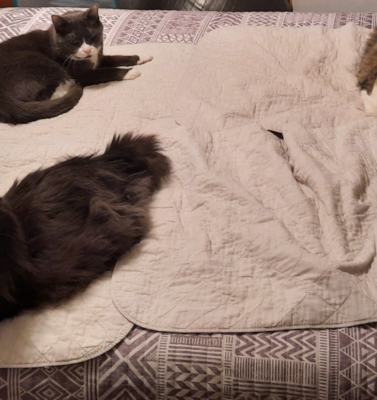
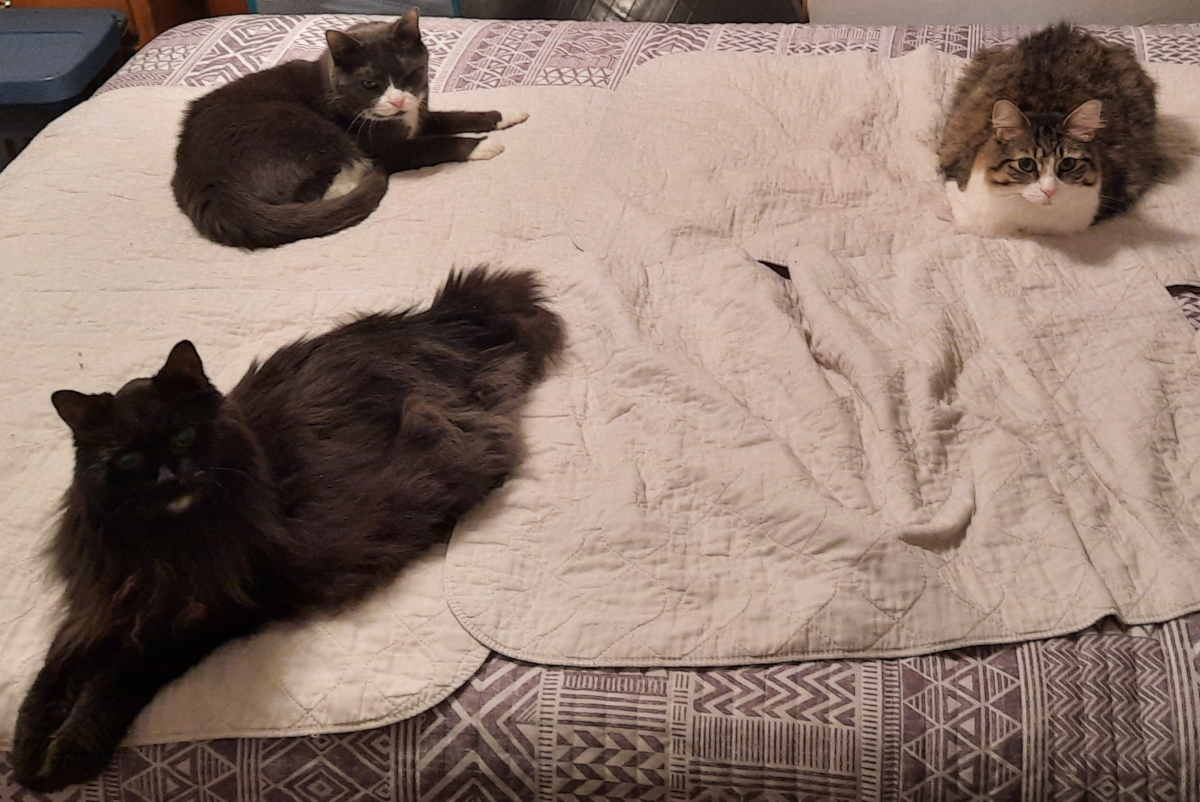
Living with more than one cat can feel like running a tiny, furry apartment complex where every resident has strong opinions about the furniture, the food, the windows, and each other. Some days, the house feels peaceful and sweet, with cats napping in sunbeams like they signed a roommate agreement. Other days, someone is guarding the hallway, someone else is hissing under the table, and you are standing there wondering how a ten-pound animal somehow gained control of the entire living room.
If you have a multi-cat household, please know this first: a little tension does not mean you have failed. Cats are deeply territorial creatures. They care about space, scent, routine, access, and choice. When we bring several cats into one home, especially as they age or develop medical needs, we are asking them to share resources that their instincts tell them to protect.
At BellenPaws, we have loved many cats through different ages, personalities, and health challenges. Belle and Paws taught us a lot about senior cat comfort, routine, and dignity. Later, managing diabetic cats like Zippy and Bentley reminded us that harmony is not just about who likes whom. It is also about food timing, medication schedules, safe resting places, and reducing stress wherever we can. A peaceful multi-cat home is not built by forcing everyone to “get along.” It is built by helping every cat feel secure enough that they do not need to compete.
The Real Reason Cats Create Household Drama
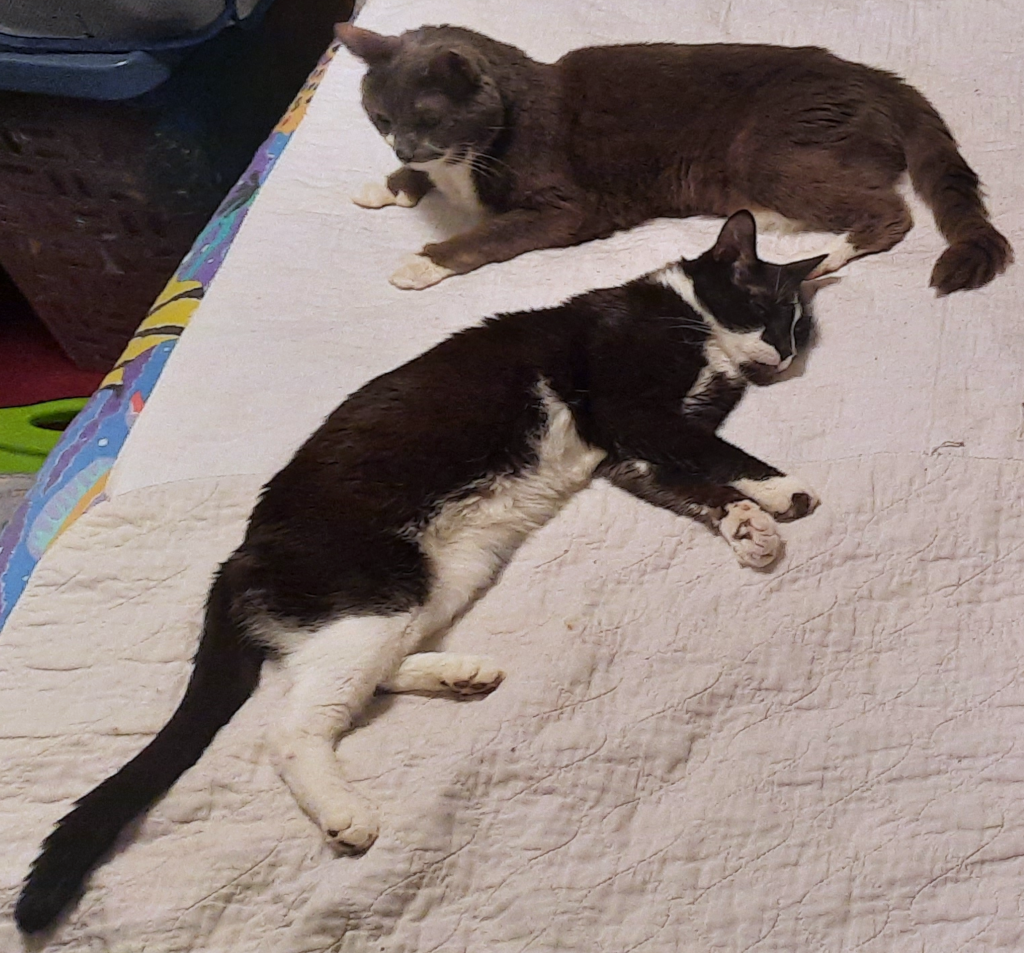 When people talk about cat drama, they often describe the obvious stuff: chasing, swatting, hissing, blocking doorways, stealing food, or ambushing another cat near the litter box. Those things matter, but they are usually symptoms of something deeper. In many homes, the real problem is not that the cats are “mean.” It is that one or more cats feel crowded, threatened, bored, sick, or unsure of where they stand.
Cats do not always fight loudly. Sometimes the tension is quiet. One cat may stare at another from across the room. One may sit in a hallway and prevent another from passing. A timid cat may stop using a favorite bed because another cat claimed the area. A senior cat may withdraw because jumping to a high perch is harder now. A diabetic cat may become anxious around mealtime because food has turned into a high-value resource.
This is why watching body language matters so much. Flattened ears, a tucked posture, slow creeping movement, tail flicking, growling, or one cat constantly avoiding another are all clues. Even repeated “play fights” can become a problem if one cat always seems to be escaping and the other keeps pursuing. True play usually looks balanced. Both cats take turns chasing, both pause, and neither seems trapped.
Medical issues can also change household dynamics. A cat in pain may become crankier. A cat with hyperthyroidism may seem restless or irritable. A diabetic cat may act differently when their blood sugar is off. A senior cat with arthritis may not want another cat bumping into them or chasing them around the house. Whenever a normally peaceful cat suddenly becomes aggressive, hides more, stops eating, or changes litter box habits, it is wise to check in with your veterinarian.
Space Is Not Just Square Footage
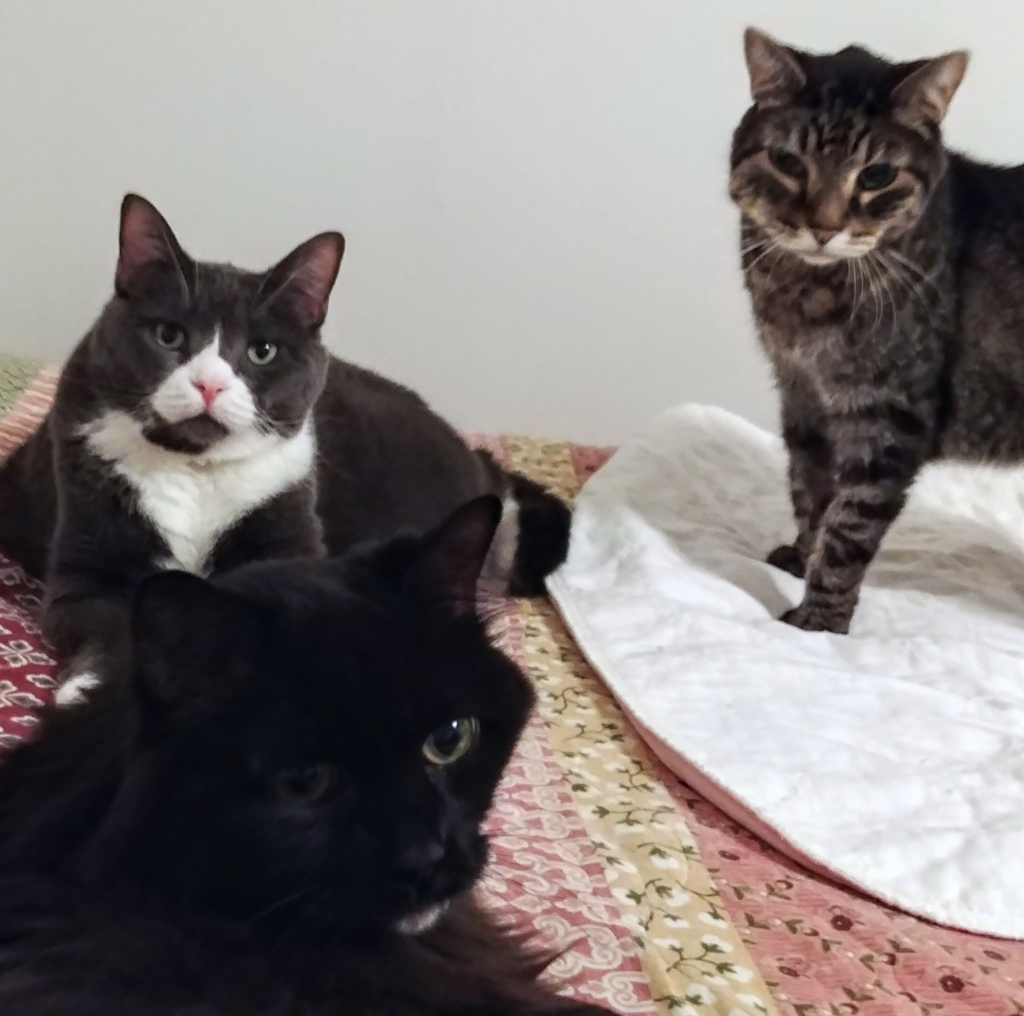 A common mistake in multi-cat homes is thinking, “My house is big enough, so they should be fine.” But cats do not measure space the way we do. To a cat, useful space includes vertical space, escape routes, quiet corners, window spots, feeding areas, litter box access, and safe sleeping zones. A large house can still feel cramped if one bold cat controls the main pathways.
The goal is to create options. Cats are calmer when they can choose where to go without being cornered. Cat trees, shelves, window perches, sturdy furniture, and cozy beds in different rooms can all help. Vertical space is especially powerful because it lets cats share a room without being nose-to-nose. One cat can rest high, another can nap low, and both can pretend the other does not exist. That kind of polite ignoring is a victory in cat language.
Think about traffic flow, too. If a cat must pass another cat to reach the litter box, food bowl, water, or your bedroom, tension can build fast. Hallways, doorways, and stair landings are common trouble spots because they create bottlenecks. If one cat likes to guard those areas, the more timid cat may start avoiding important resources.
This is especially important for senior cats. Older cats may not move as quickly, jump as easily, or defend their space as confidently. A younger or more energetic cat may not mean harm, but constant chasing can wear a senior cat down. For older cats, comfort often means having low-entry beds, easy litter box access, quiet rooms, and resting places where they are not constantly interrupted.
Food, Water, and Litter Boxes Can Make or Break the Peace
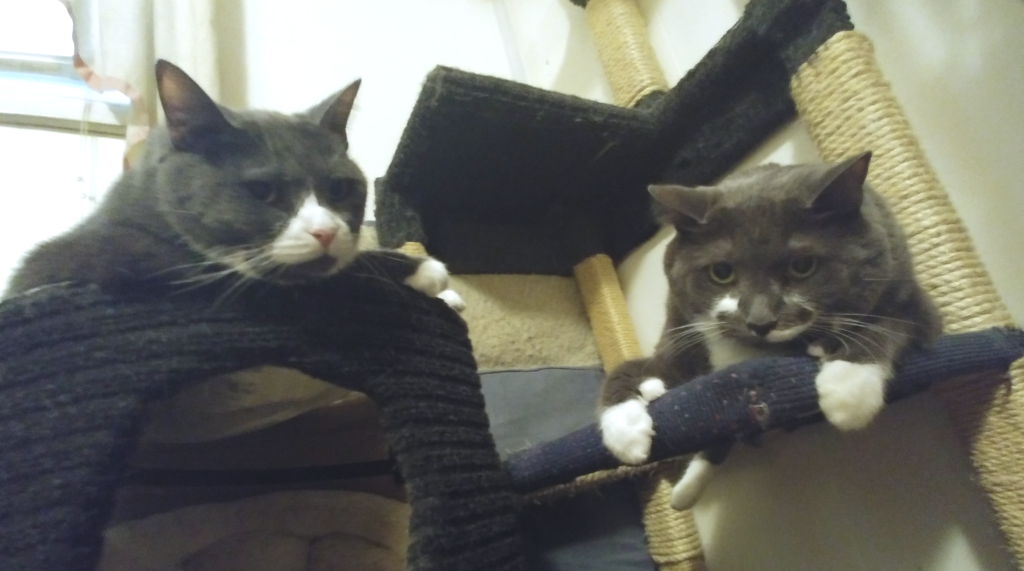 In a multi-cat household, resources are everything. Food bowls, water bowls, litter boxes, scratching posts, and favorite sleeping areas can become points of conflict. Sometimes the solution is not discipline. It is simply adding more resources and spreading them out.
Food is one of the biggest sources of tension. Feeding every cat from bowls lined up in one row may look tidy to us, but it can feel stressful to them. Some cats eat quickly and push others away. Some cats need prescription food. Some seniors eat slowly. Diabetic cats often need meals timed around insulin, and that can make the feeding routine even more sensitive.
When we managed Zippy through diabetes and later cared for Bentley with twice-daily shots, routine became everything. In a multi-cat home, that kind of schedule works best when each cat has a predictable place to eat. Separate feeding stations, supervised meals, or feeding in different rooms can prevent stealing, reduce stress, and help you notice changes in appetite. For diabetic pets, tracking meals, glucose numbers, and insulin timing can also give you a clearer picture of what is happening day to day. That is one reason we offer a free pet diabetes tracker on BellenPaws, along with printable charts and blank glucose curve forms that can be shared with your vet.
Litter boxes deserve the same attention. The old guideline is one box per cat, plus one extra. But placement matters as much as number. Boxes should not all be clustered in one basement corner if one cat can block access. Spread them across different areas when possible. Choose low-entry boxes for seniors, keep them clean, and avoid covered boxes if they make a timid cat feel trapped.
Water stations can also reduce tension. Some cats prefer fountains, some prefer bowls, and some will only drink from a quiet location away from food. Offering multiple water spots is especially helpful for senior cats and cats with kidney concerns. It also prevents one cat from quietly controlling access.
Introductions, Reintroductions, and the Art of Slowing Down
 Many multi-cat problems begin with introductions that moved too fast. It is understandable. We get excited. We want the new cat to feel included. We want everyone to see that the newcomer is safe. But cats often need time to adjust through scent before they are ready for face-to-face interaction.
A good introduction is usually slow, boring, and controlled. The new cat starts in a separate room with their own food, water, litter box, bed, and scratching surface. The resident cats smell them under the door. Bedding can be swapped so everyone gets used to each other’s scent. Short visual contact can happen later through a cracked door, gate, or screen. Meals on opposite sides of a barrier can help cats associate each other with something good.
The same method can help with reintroductions. Cats may need to be reintroduced after a vet visit, illness, surgery, boarding, or a scary household event. One cat may return smelling unfamiliar, and the others may react as if a stranger walked in. This is common, and it can be heartbreaking when cats who were friends suddenly hiss or swat. Giving the returning cat a quiet room and allowing scent to normalize can prevent a temporary upset from becoming a long-term feud.
The hardest part is patience. If hissing starts, we want to fix it immediately. But forcing cats together rarely helps. It can make them feel trapped, which increases fear and defensiveness. Instead, slow down. Go back a step. Reward calm behavior. Let them build confidence through repeated safe experiences.
When One Cat Becomes the Household Bully
Sometimes one cat seems to control the whole home. They block stairs, chase another cat away from food, swat at a senior, or claim every favorite bed. It is easy to label that cat as “bad,” but many pushy cats are acting out of insecurity, excess energy, or learned behavior. They discovered that intimidation works, so they keep using it.
The answer is not punishment. Yelling, spraying water, or chasing a cat away can increase stress and may even make the bullied cat seem more associated with bad things. Instead, interrupt calmly and redirect. Use toys, treats, puzzle feeders, or a cheerful call to move the pushy cat away before the situation escalates. Give that cat appropriate outlets for energy, especially interactive play with wand toys or chase games.
At the same time, protect the more vulnerable cat. Give them safe rooms, high perches if they can use them, cozy hiding places, and private access to food and litter. A timid cat should not have to “stand up for themselves” to get basic needs met. Our job is to arrange the home so every cat can succeed.
There are also times when cats simply should not be left together unsupervised. If fights are intense, if one cat is being injured, or if a cat is hiding constantly, separation may be necessary while you work on a plan. A veterinarian or qualified cat behavior professional can be a huge help, especially when aggression is severe or sudden.
Peace Is Built Through Routine
 Cats are routine-loving little creatures. Predictable days help reduce conflict because everyone learns what to expect. Feeding around the same times, keeping litter boxes clean, offering regular play, and maintaining quiet resting periods can make the whole home feel safer.
Routine matters even more for senior and diabetic pets. A household with insulin schedules, glucose checks, special diets, or medications needs calm structure. That does not mean the home must be perfect. It means creating habits that reduce surprises. When cats know when food is coming, where they can rest, and how to avoid conflict, the emotional temperature of the house drops.
Pay attention to small improvements. Maybe two cats can now eat in the same room with space between them. Maybe the timid cat starts coming out in the evening again. Maybe the hallway guard loses interest because you added a second route to the litter box. These are not tiny wins. They are the building blocks of trust.
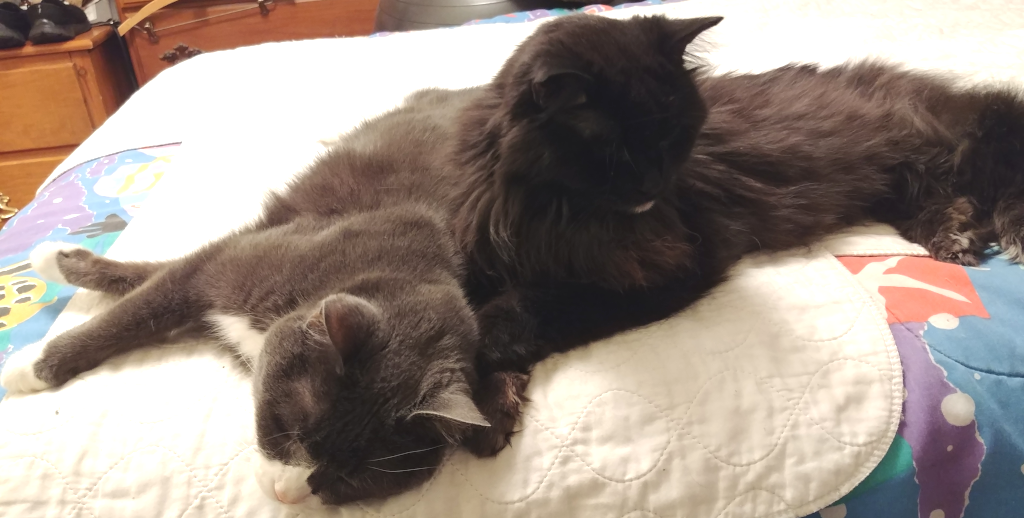
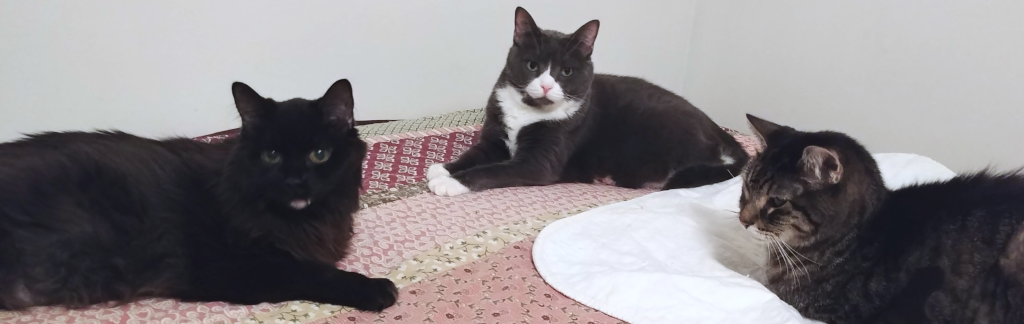
And remember, harmony does not always look like cuddling. Some cats become best friends, but many simply become respectful roommates. That is okay. A peaceful multi-cat household may look like cats sharing space without fear, choosing different nap spots, and moving through the home without constant tension.
Managing a multi-cat household without drama is really about listening to what each cat is telling you. More space, more choice, more routine, more patience, and fewer forced interactions can change the entire feeling of a home. When every cat has a safe place to eat, sleep, drink, scratch, and retreat, they do not have to fight so hard to be heard.
For those of us who love senior pets, that peace is worth the effort. Our older cats deserve comfort. Our diabetic cats deserve calm routines. Our shy cats deserve protection. Even our bossy little hallway goblins deserve understanding. With time and thoughtful care, a multi-cat home can become less like a battlefield and more like what we always hoped it would be: a shared home full of personality, warmth, and quiet little moments of trust.