
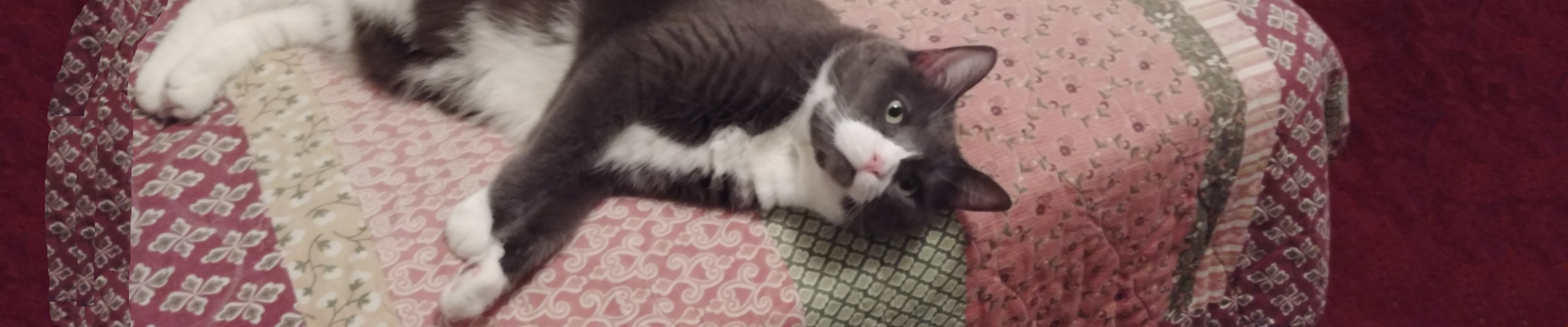
Every home with pets has its own rhythm. There are the quiet morning stretches, the food bowl negotiations, the window-watching shifts, the hallway zoomies, and the familiar sound of paws finding their favorite sleeping spot. But for an anxious animal, even a loving home can sometimes feel unpredictable. A doorbell rings, a thunderstorm rolls in, visitors arrive, fireworks crackle outside, or another pet gets too close at the wrong moment. Suddenly, the house they know so well can feel too loud, too busy, or too exposed.
That is where a safe zone retreat can make such a difference. A safe zone is not a punishment place, and it is not a place where we send a pet away because their fear is inconvenient. It is the opposite. It is a small, predictable, comforting space where an anxious animal can retreat, decompress, and feel some control over their surroundings. For senior pets, diabetic pets, rescue animals, and pets living with chronic illness, that sense of control can be incredibly important.
I have learned over the years that animals often tell us what they need long before we understand it. Some hide under beds. Some squeeze into closets. Some curl up behind furniture. Some want to be near us but not touched. Others want a dark, quiet spot where nobody asks anything of them. Instead of seeing those behaviors as strange, we can see them as clues. Our pets are showing us where they feel protected. Our job is to make that protection safer, softer, and easier for them to access.
Why Anxious Pets Need a Place That Belongs to Them
 Anxiety in animals does not always look dramatic. Sometimes it is obvious, like trembling, panting, pacing, whining, hiding, or trying to escape. Other times it shows up quietly. A cat may stop coming into the main room when guests are over. A dog may refuse to settle during storms. A senior pet may become clingier as vision, hearing, mobility, or confidence changes. A diabetic pet may feel more vulnerable during routine changes, especially when meals, testing, or insulin times are involved.
A safe zone gives them a place where the rules stay the same. That matters more than people sometimes realize. Many anxious animals are not trying to be difficult. They are trying to predict what happens next. When their world feels too big, a familiar retreat makes it smaller in a good way. It gives them a place where they can rest without being stepped over, startled, chased, handled, or forced to interact.
For senior pets especially, safety and comfort become deeply connected. An older cat with sore joints may not want to jump onto a high perch anymore, even if that used to be their favorite escape. A dog with hearing loss may startle more easily when someone approaches from behind. A pet with vision changes may avoid busy rooms because movement feels confusing. Their safe zone should meet them where they are now, not where they were five years ago.
I think about Belle, one of the founding cats behind BellenPaws. As she aged and dealt with health issues, comfort became less about fancy pet beds and more about predictability. She liked knowing where her soft places were. She liked calm routines. That kind of experience teaches you that a retreat is not just a corner with a blanket. It is an act of respect.
Choosing the Right Spot Without Overcomplicating It
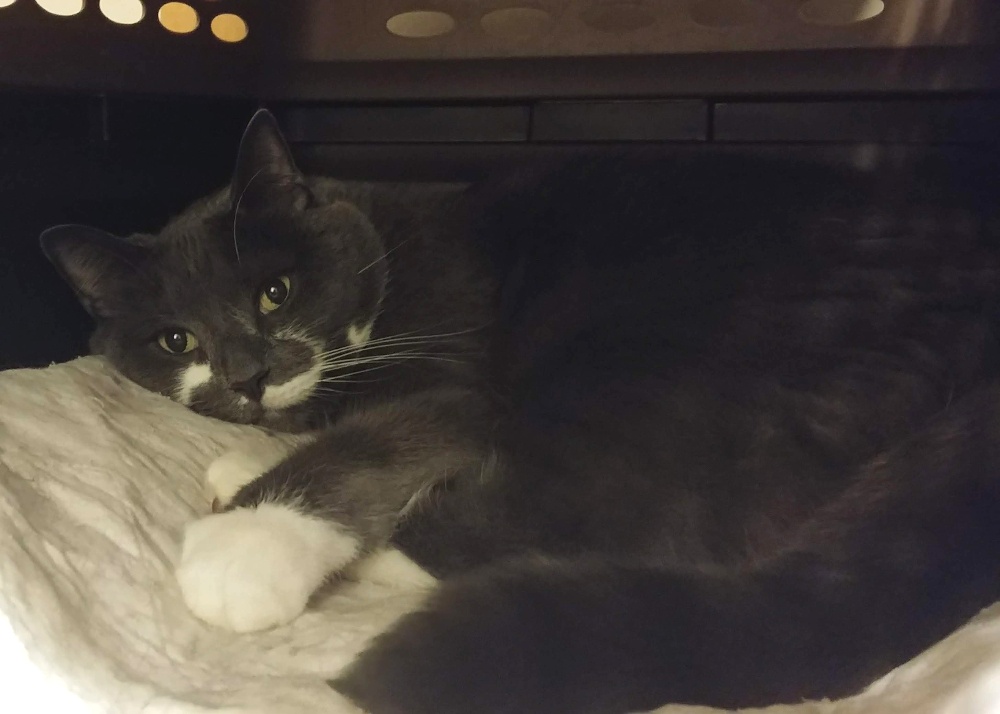 The best safe zone is usually not the spot we would pick first. It is often the place our pet has already chosen. If your cat always disappears into a certain bedroom during company, that room may be telling you something. If your dog settles near your desk when the house is quiet, that area may already feel emotionally safe. The goal is not to force a new location just because it looks nice. The goal is to improve a place your pet can actually trust.
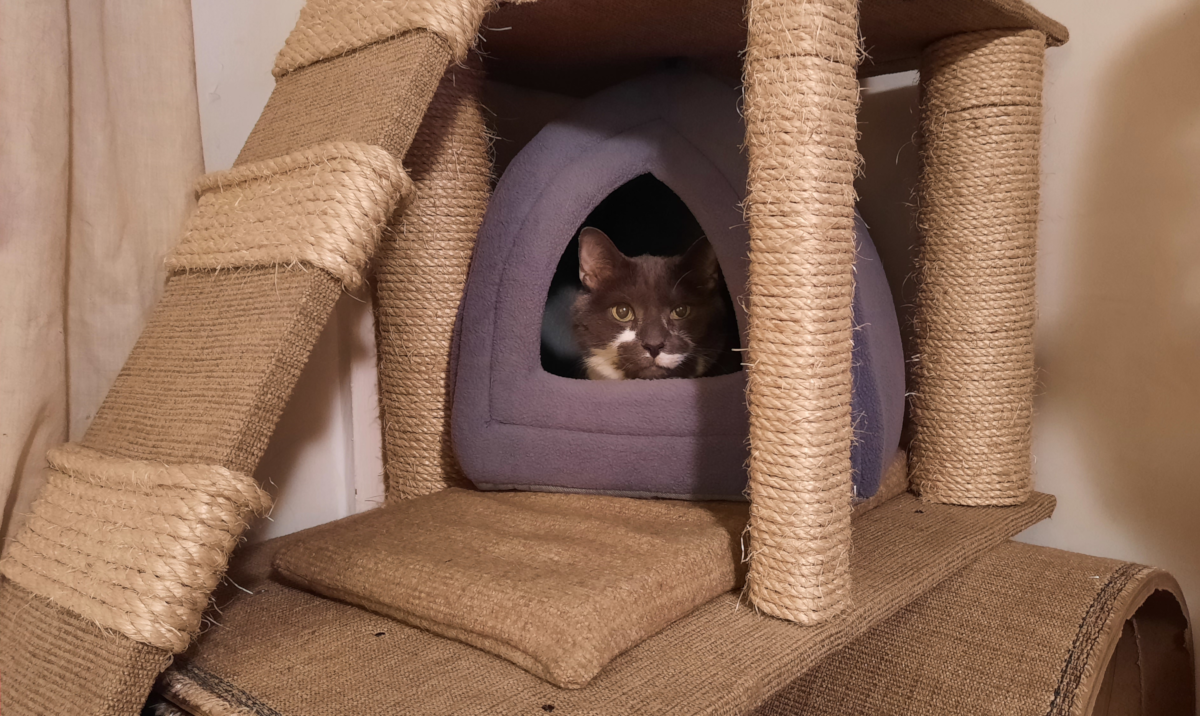
A good safe zone should be away from heavy foot traffic, loud appliances, and sudden activity. Laundry rooms can work for some pets, but not if the washer shakes, buzzes, or startles them. A bedroom corner, office nook, quiet hallway alcove, open crate, covered cat bed, or low-access closet can all work depending on the animal. For cats, vertical space can help, but only if they can reach it safely. For dogs, a den-like space may feel comforting, especially if they already enjoy a crate or covered bed.
The entrance matters too. An anxious pet should be able to enter and leave without feeling trapped. This is especially important in multi-pet homes. If another animal can block the doorway, stare them down, or corner them, the retreat stops feeling safe. Cats often do well when there is more than one exit route, or when the space is protected by a baby gate, pet gate, or furniture layout that prevents ambushes. Dogs may need a quiet room where children and visitors understand that the space is off limits.
For older pets, accessibility is everything. A retreat that requires jumping, climbing, slippery floors, or squeezing through tight spaces may not be useful anymore. Add a non-slip mat, a low-sided bed, a ramp, or a clear path if needed. If your pet has arthritis, weakness, blindness, kidney disease, diabetes, or any condition that changes mobility or comfort, think like they think. Can they get there easily when they are tired? Can they leave without bumping into things? Can they rest without being disturbed?
What to Put Inside the Retreat
A safe zone does not need to be expensive. In fact, simple is often better. Start with soft bedding that is easy to wash. Anxious animals can drool, shed, have accidents, or bring stress smells into bedding, so washable layers are helpful. For senior pets, cushioning matters. A thin towel on a hard floor may not be enough for old hips, elbows, or shoulders. A supportive bed, folded fleece, or orthopedic-style cushion can make the space more inviting.
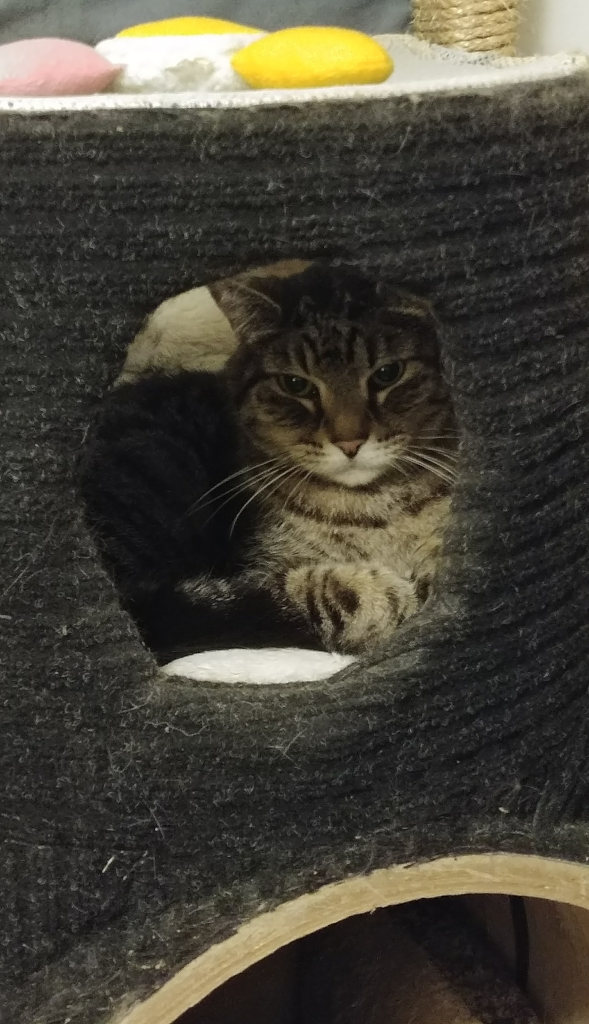 Scent is another powerful comfort tool. A blanket that already smells like home may be more reassuring than something brand new. Some pets like a shirt that smells like their person, as long as they do not chew or ingest fabric. Avoid overwhelming the area with strong perfumes, essential oils, or scented sprays. Many animals have sensitive noses, and some products that seem calming to people can be irritating or unsafe for pets. When in doubt, keep the air clean and the scents familiar.
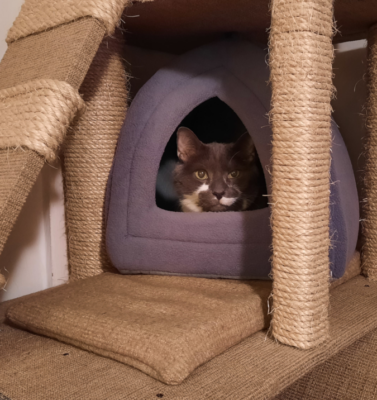
For cats, consider adding a covered bed, cardboard box, soft cave, or partially enclosed space. Many cats feel safer when they are hidden but can still peek out. For dogs, an open crate with the door left open can be wonderful if the dog already has positive feelings about crates. The key is choice. A safe zone should invite, not confine.
Food and water depend on the pet and the situation. For some anxious animals, a water bowl nearby is helpful, especially during storms or fireworks when they may not want to cross the house. For diabetic pets, food placement should be handled carefully because meals, insulin, and blood glucose routines need consistency. If you have a diabetic cat or dog, avoid leaving random snacks in the retreat unless that fits your management plan. With Bentley, who receives insulin twice a day, routine is not just a preference. It is part of his care. That is why any comfort setup for a diabetic pet should support the schedule, not accidentally disrupt it.
Toys can help, but they should be calming rather than overstimulating. A favorite stuffed toy, gentle chew, lick mat used safely, or quiet puzzle may help some dogs settle. A cat may prefer a soft kicker toy, a familiar blanket, or simply an empty box. The retreat should not feel like a carnival. It should feel like a deep breath.
Teaching the Family to Respect the Safe Zone
The hardest part of creating a safe zone is often not setting it up. It is teaching the humans to leave it alone. When a pet retreats, our first instinct may be to follow, comfort, coax, or check on them repeatedly. That comes from love, but it can accidentally remove the very thing the pet is trying to find: space.
A safe zone works best when everyone in the household understands that the pet is not to be bothered there. Children should learn that when the dog is on that bed or the cat is in that nook, we wave from a distance and let them rest. Visitors should be told kindly but clearly that the retreat is off limits. Other pets may need management too, especially if one animal tends to follow, pester, or bully.
This does not mean ignoring your pet. It means observing respectfully. You can glance over, speak softly from a distance, and make sure they are safe without hovering. If your pet wants comfort, they may come to you. If they stay tucked away, that is information too. They are using the tool you gave them.
Never drag a pet out of their safe zone for casual reasons. If there is a medical need, an emergency, or a necessary appointment, that is different. But for everyday life, the retreat should remain trustworthy. If every visit to the safe zone ends with being pulled out, medicated, brushed, scolded, or put in a carrier, the space may lose its meaning. For pets who need frequent care, try to keep medical handling in a separate predictable location when possible, or balance necessary care with many calm, positive moments.
For diabetic pets, this can be a little tricky because testing and insulin are part of daily life. At BellenPaws, we strongly believe in tracking and routine, which is why tools like our free online pet diabetes tracker and printable glucose curve forms can be so helpful. But even with a strong routine, it helps to preserve at least one space where the pet can simply rest. A pet living with diabetes still needs to feel like more than a patient.
When the Safe Zone Becomes Part of Healing
A safe zone is not a magic fix for anxiety, but it can become part of a larger healing rhythm. It can help during thunderstorms, fireworks, holiday gatherings, construction noise, new pet introductions, recovery from illness, or stressful changes in the home. It can also help senior pets who are adjusting to a body that no longer feels as predictable as it once did.
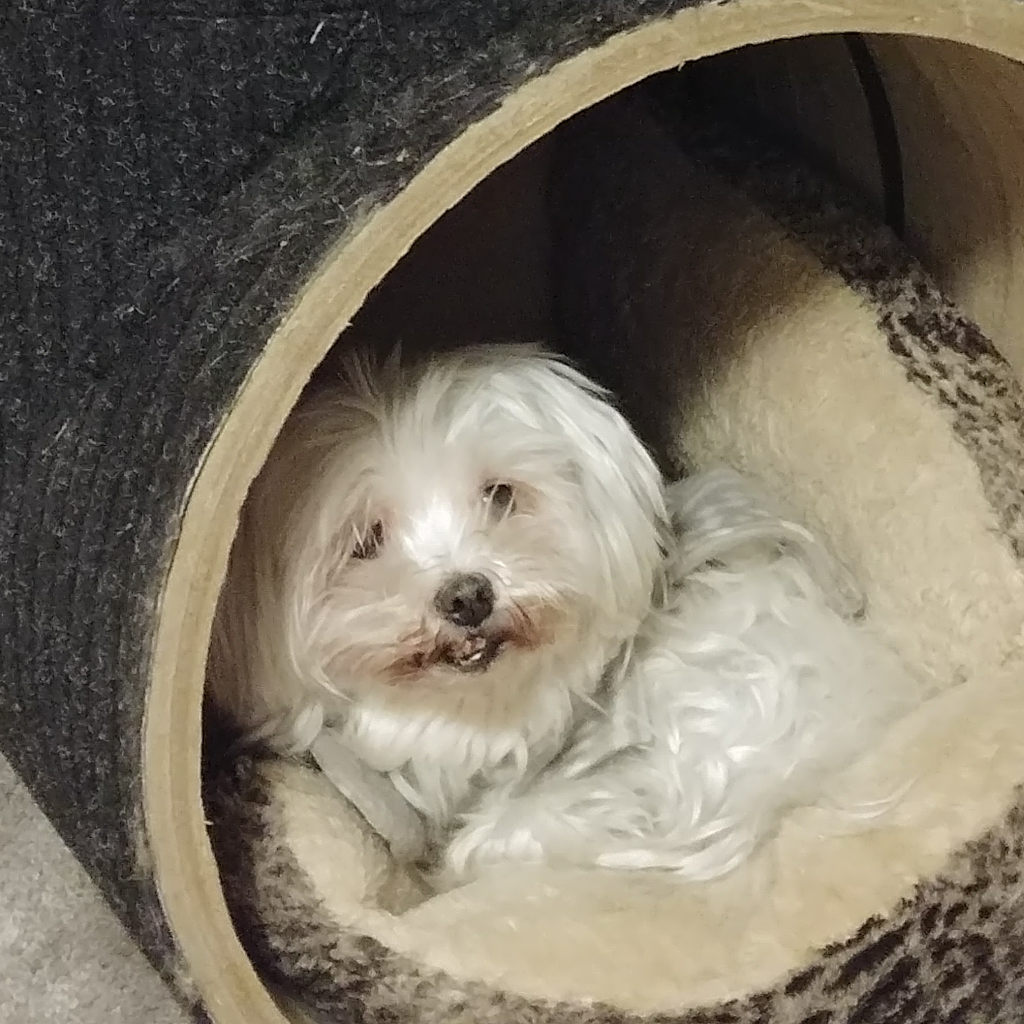 The more consistently the space is respected, the more powerful it becomes. Over time, your pet learns, “When I go here, I am safe.” That belief can lower stress before it becomes panic. It can help prevent conflict in multi-pet households. It can give nervous animals a place to choose calm instead of feeling forced to defend themselves.
It is also important to know when anxiety needs extra help. If your pet is injuring themselves, refusing food, having accidents from fear, hiding constantly, acting aggressively out of panic, or showing sudden behavior changes, it is time to speak with a veterinarian. Pain, thyroid disease, cognitive changes, urinary issues, vision loss, hearing loss, and other health problems can all affect behavior. As pet parents, we can provide comfort and careful observation, but we should not assume every anxious behavior is purely emotional.
Still, there is so much we can do at home. We can soften the environment. We can reduce chaos. We can protect rest. We can stop taking fear personally. We can give our animals a place where they are not required to perform, socialize, or be brave.
That may be the greatest gift of a safe zone. It tells our pets, in a language they understand, “You have a place here. You can step away. You are allowed to feel unsure, and we will still protect you.”
For senior pets and anxious animals, that kind of quiet reassurance matters. It is not dramatic. It is not complicated. It is a soft bed in the right corner, a lowered voice, a closed door during fireworks, a family that understands boundaries, and a pet who finally exhales. Sometimes love looks like cuddling close. Sometimes love looks like giving them room.