
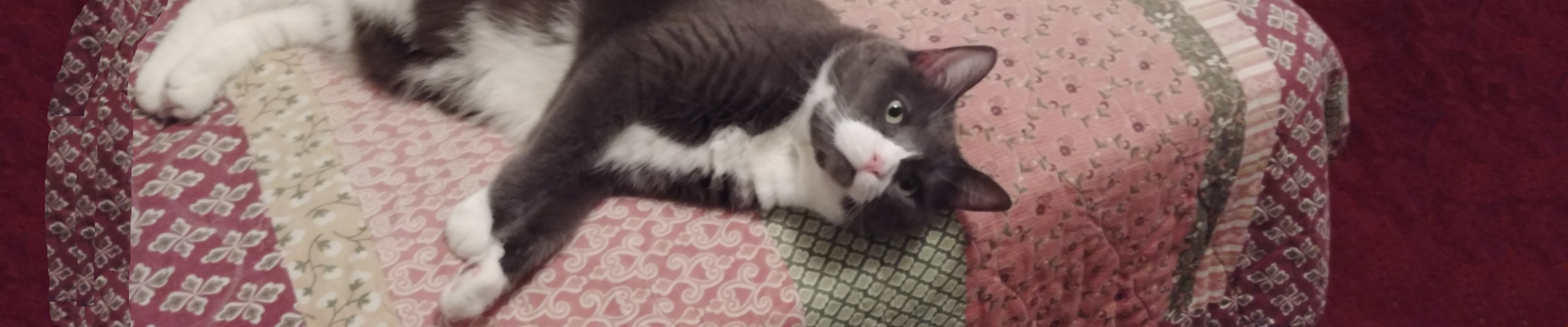
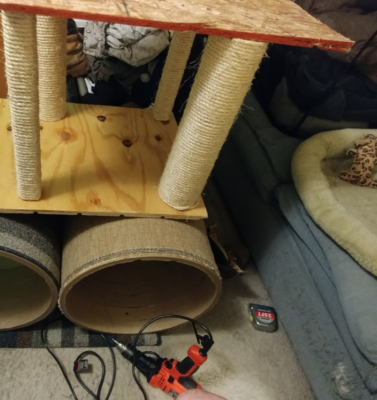
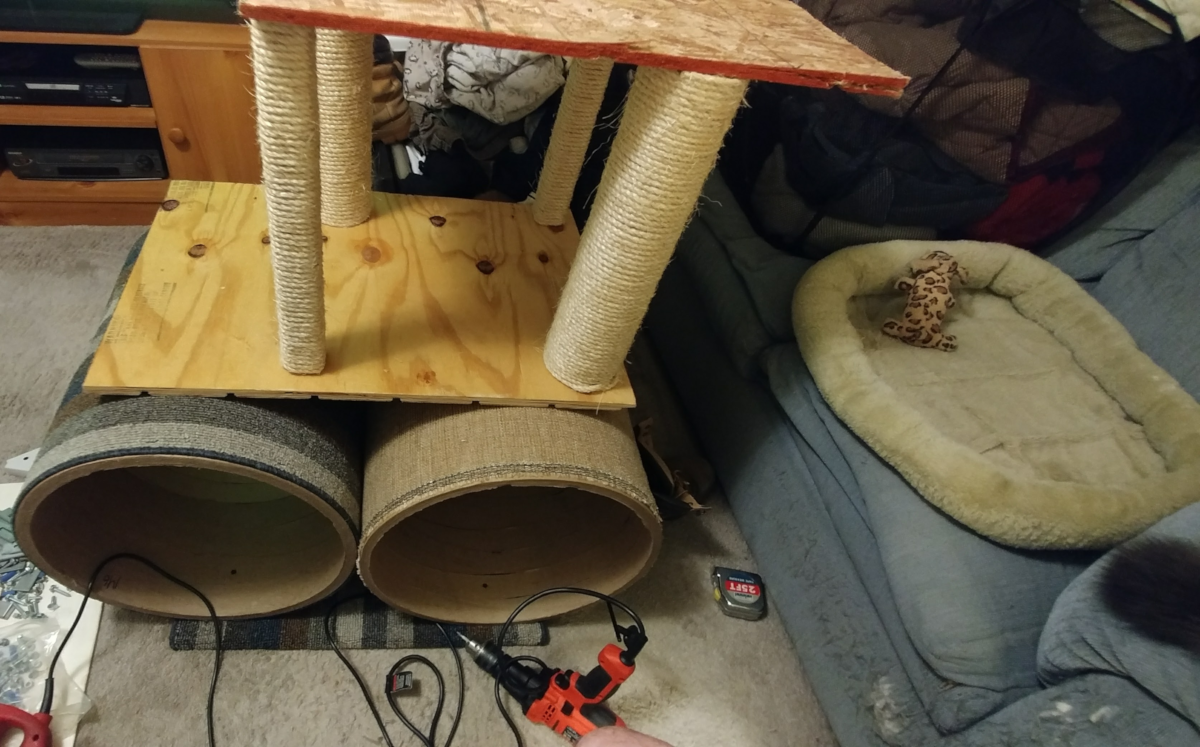
There is something quietly comforting about making something for an aging pet with your own hands. It does not have to be fancy. It does not have to look like it came from a catalog or a polished product photo. Sometimes the best thing we can give a senior cat or dog is something simple, thoughtful, and tailored exactly to the way they live now.
As pets get older, their needs become more personal. A young pet may happily leap onto a couch, chase a store-bought toy, or curl up anywhere that looks remotely soft. A senior pet often becomes more particular, not because they are being difficult, but because their body is changing. Their joints may ache. Their eyesight may fade. Their balance may not be what it used to be. A diabetic pet may need routines that make feeding, testing, injections, and rest less stressful. That is where DIY care can shine.
Store-bought pet products absolutely have their place. Many are helpful, safe, convenient, and worth every penny. But there are also times when a homemade solution is better because it is built around one specific animal, in one specific home, with one specific set of habits. When we stop asking, “What product should I buy?” and start asking, “What does my pet actually need?” we often find the answer is something we can create ourselves.
The Beauty of Making It Fit Your Pet
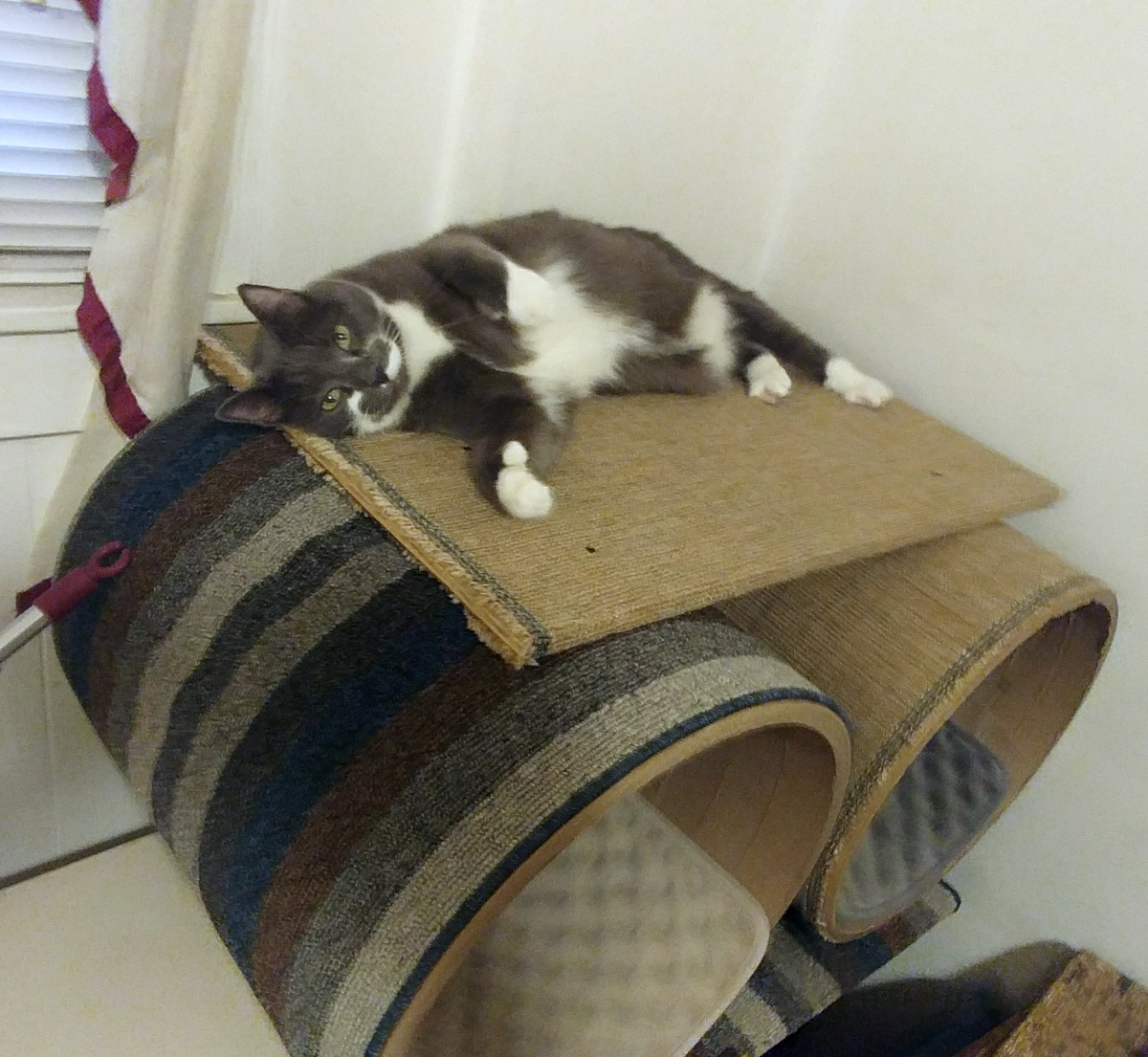 One of the biggest advantages of DIY pet care is customization. Senior pets rarely follow a neat little product description. A bed that works beautifully for one dog may be too high for another. A cat scratcher that looks perfect online may be ignored because the angle feels wrong, the texture is off, or it sits in the wrong corner of the room.
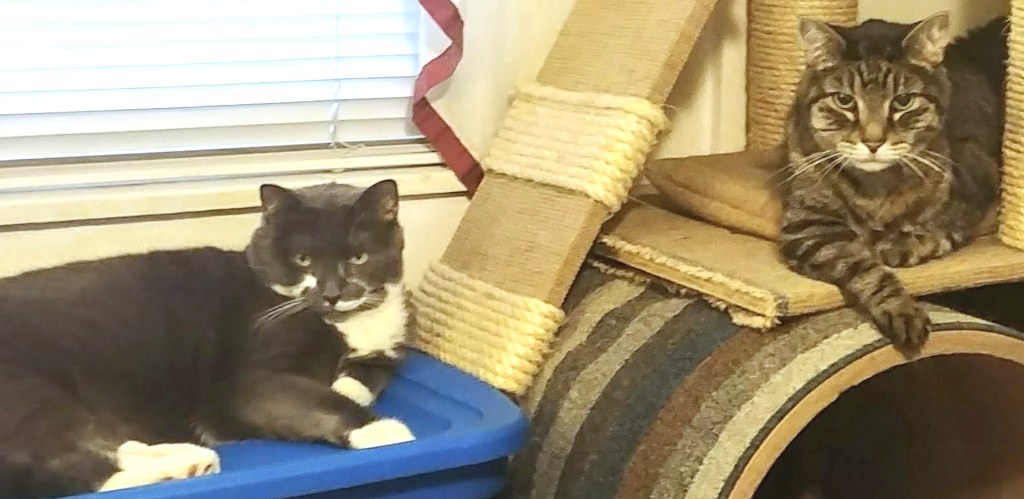
We learned that lesson over and over with our own cats. Belle, one of the founding hearts behind BellenPaws, had health challenges that made comfort and routine incredibly important. As she aged, the small details mattered more. A resting place near warmth, a familiar blanket, an easy path to food and water, and a peaceful place to settle could make the day feel safer for her. Those were not things we could always solve with one item from a store shelf.
DIY does not mean building something complicated. It might mean folding a towel in a certain way to make a lower step. It might mean turning a cardboard box into a cozy hideaway with a soft blanket inside. It might mean moving a feeding station to a quieter spot and adding a washable mat underneath. These little changes can look almost too simple from the outside, but to an older pet, they can feel like kindness made visible.
Store-bought products are designed for the average pet. DIY solutions are designed for your pet. That difference matters when you are caring for a senior animal who has preferences, limitations, and routines that only you truly understand.
Comfort Often Starts With What You Already Have
 Many pet parents feel pressure to buy more when their pet gets older. New beds, new bowls, new ramps, new toys, new gadgets, and new accessories can quickly fill an online cart. Some of those things may help, but not every need requires a purchase. Often, the first step is simply looking around your home with your pet’s aging body in mind.
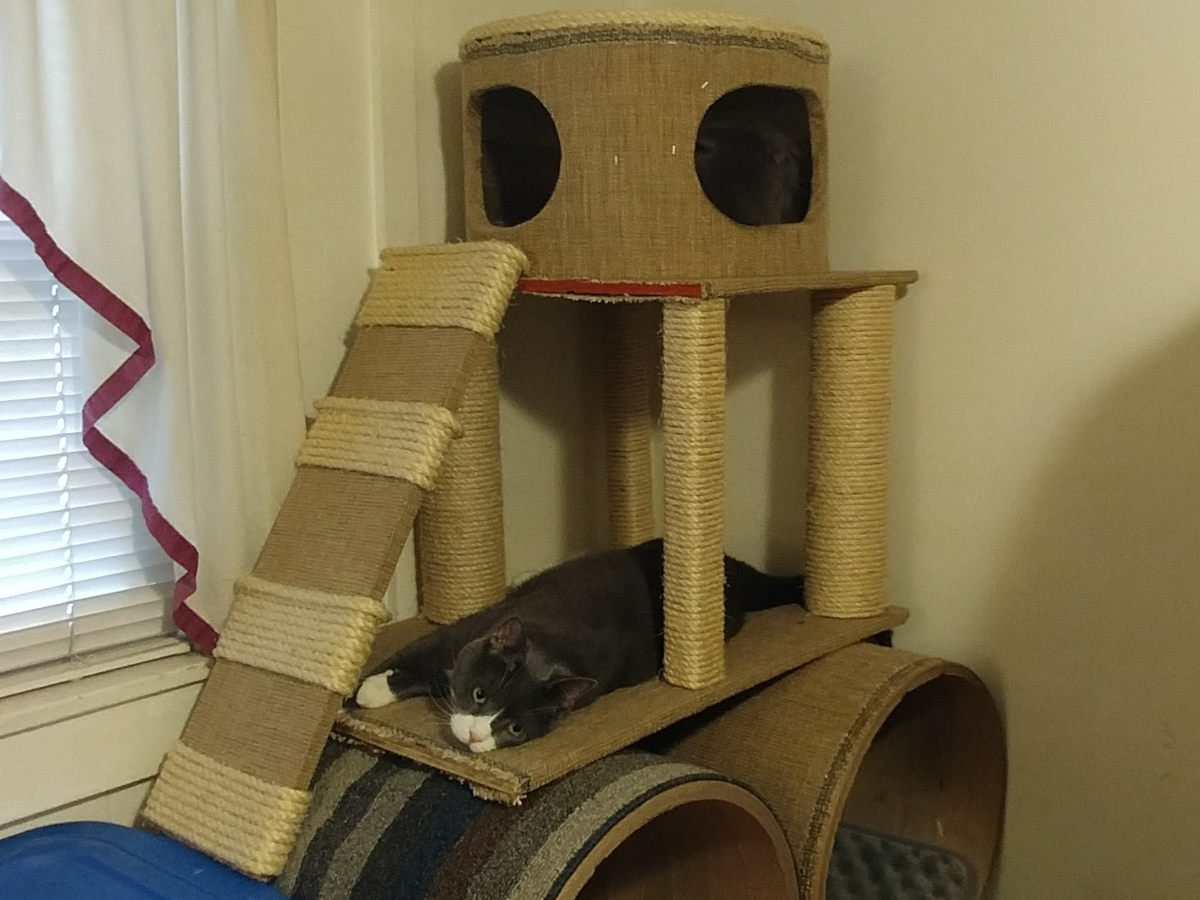
A folded quilt can become a soft landing spot beside the couch. A low-sided storage bin can become a senior-friendly litter box alternative for a cat who struggles to climb over tall edges, as long as it is safe, stable, and easy to clean. A non-slip rug can help an older dog cross a slick floor with more confidence. A cardboard scratcher can be modified, widened, or secured so it does not slide away from a senior cat who still enjoys scratching but has less strength in their back legs.
This kind of DIY care is not about being cheap, though saving money is certainly helpful. It is about being observant. Our pets tell us what is working through their behavior. If a cat stops using a favorite perch, the perch may now be too high. If a dog hesitates at a doorway, the floor may feel slippery. If a diabetic cat resists testing, the testing area may feel too exposed, too noisy, or too uncomfortable.
For diabetic pets especially, DIY adjustments can support a calmer routine. A small testing station with a familiar towel, good lighting, treats nearby, and supplies kept in one place can make glucose checks feel less chaotic. At BellenPaws, we are big believers in tracking patterns, especially for diabetic pets. Our free online pet diabetes tracker and printable glucose curve forms can help organize readings for vet discussions, but the physical routine at home matters too. A comfortable setup can make the numbers easier to gather and the experience gentler for everyone involved.
When Store-Bought Misses the Mark
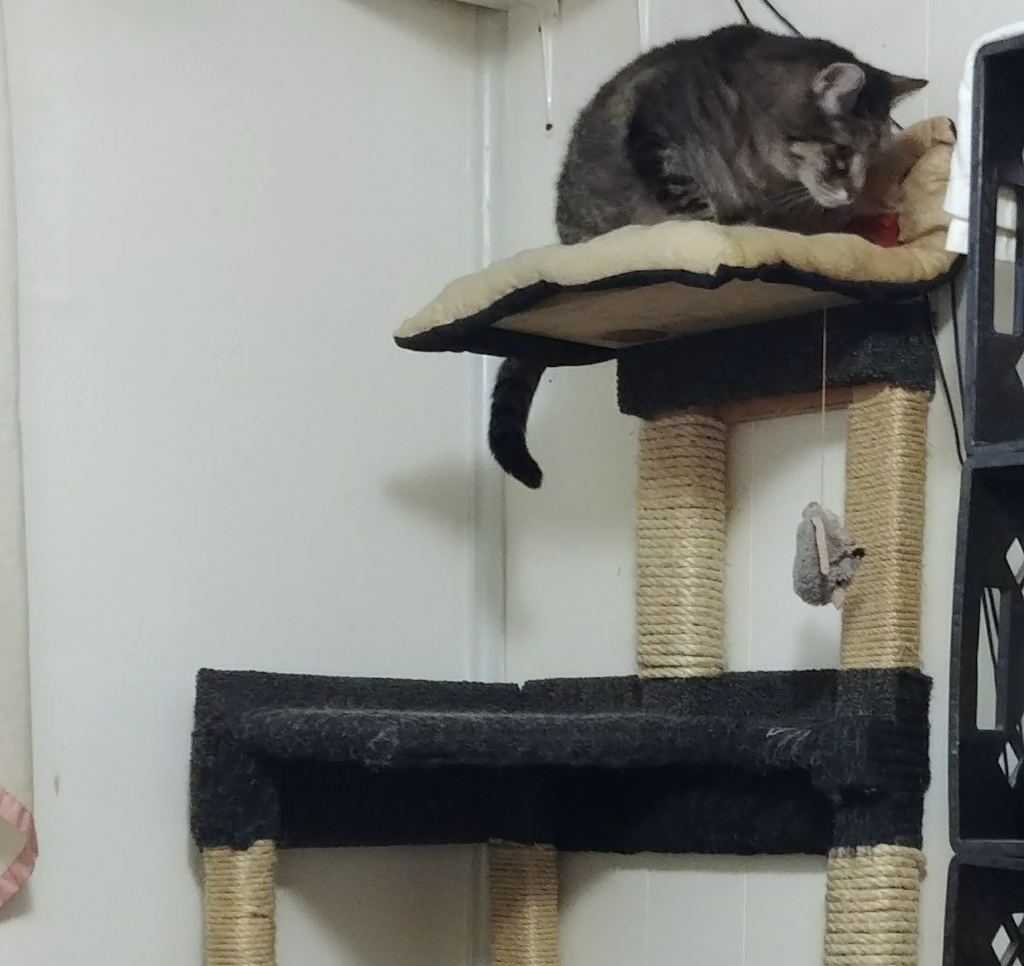
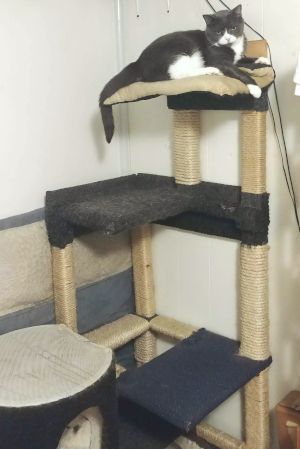 There are times when store-bought items are close, but not quite right. A ramp may be too steep. A pet bed may be too plush for a dog who needs firmer support. A toy may be marketed for seniors but still require too much jumping, twisting, or speed. A scratching post may be attractive to humans but too unstable for an older cat who needs confidence under their paws.
That is when DIY modifications can turn a disappointing purchase into something useful. A ramp can be made safer with added traction. A bed can be improved with an extra washable layer or a lower entry point. A toy can be adapted for slower play on the floor instead of wild leaps through the air. A scratching post can be secured or paired with a horizontal scratcher for a cat who no longer wants to stretch upward.
I often think of DIY as translation. The store-bought product says, “This is what pets generally like.” Your DIY adjustment says, “This is what my pet can actually use.” That translation becomes more important as pets age, because aging is not one single experience. One senior cat may still climb like a champion. Another may need every step lowered. One older dog may want gentle walks. Another may prefer short sniffing sessions in the yard and a warm nap afterward.
DIY also helps us avoid forcing a pet into a product that does not suit them. If something is not working, it does not mean your pet is stubborn or ungrateful. It may mean the shape, height, texture, smell, sound, or location is wrong. Senior pets can be wonderfully honest that way. They will show us what they trust.
Safe DIY Means Thoughtful DIY
 Of course, not every homemade idea is automatically safe. Good DIY pet care should be practical, sturdy, cleanable, and appropriate for your pet’s health. Anything that wobbles, splinters, tips, traps paws, or uses unsafe materials should be avoided. Senior pets are already working with reduced strength or flexibility, so stability is not optional.
For cats, be careful with strings, ribbons, small loose parts, staples, sharp edges, and anything that could be chewed or swallowed. For dogs, avoid materials that can break into dangerous pieces, especially if your dog is a determined chewer. For diabetic pets, be cautious with homemade treats unless the ingredients fit your pet’s medical plan and your veterinarian has approved the general diet approach.
DIY should also respect medical boundaries. A homemade ramp, feeding station, or comfort area can be wonderful. A homemade treatment plan for diabetes, kidney disease, hyperthyroidism, cancer, or heart disease is not the same thing. We can be experienced and devoted pet parents, but we still need veterinary guidance for diagnosis, medication, dosing, and major diet changes.
The best DIY lives alongside good veterinary care. It fills in the daily comfort gaps that medical care does not always address. Your vet may help manage the condition, while you shape the home environment that makes living with that condition easier.
The Emotional Side of Making Something Yourself
 There is also an emotional piece to DIY care that does not get talked about enough. When a pet is aging or sick, we can feel helpless. We cannot always reverse the disease. We cannot always stop time. We cannot always fix the diagnosis. But we can make the step lower. We can make the blanket warmer. We can make the testing area calmer. We can make the path to the water bowl easier.
Those acts matter.
Caring for Bentley, who still receives insulin twice a day, has reminded us that routines are built from small choices. The supplies, the timing, the quiet reassurance, the records, the familiar spaces, and the patience all become part of care. None of that needs to be glamorous. It just needs to be consistent and kind.
DIY can also help us feel more connected to our pets. When you make something based on how your cat sleeps or how your dog walks, you are paying attention in a very loving way. You are saying, “I see you. I see what is harder now. I am going to adjust with you.” That message may be more important than the object itself.
And sometimes, DIY becomes a memory. A favorite blanket folded beside the window. A homemade step that helped a senior cat reach the couch again. A quiet corner where glucose testing became less scary. These are not just household hacks. They become part of the story of how we loved them well.
Knowing When to Buy and When to Build
 The goal is not to reject store-bought products. Sometimes buying the right item is the safest and easiest choice. A well-made orthopedic bed, a secure pet ramp, a quality glucose meter, a sturdy carrier, or veterinarian-recommended supplies can be extremely valuable. DIY is not about doing everything yourself. It is about knowing when homemade care gives your pet something better than a general product can.
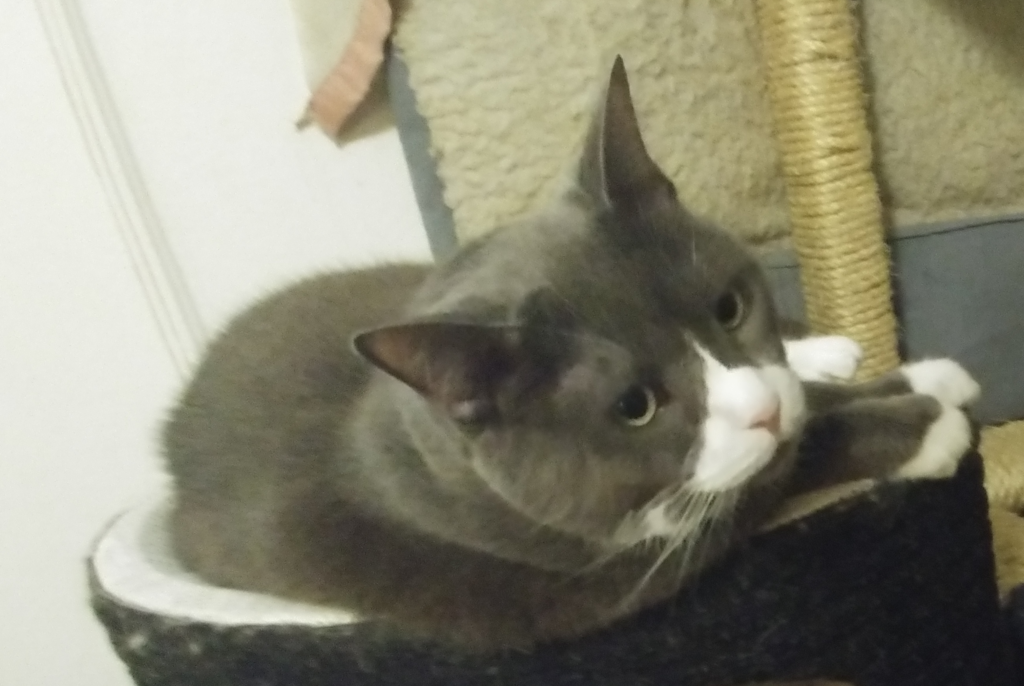
A good rule of thumb is to buy when safety, precision, or durability matters most, and DIY when comfort, fit, layout, or routine needs a personal touch. You might buy the bed but add your pet’s favorite blanket. You might buy the scratching post but use our rope length calculator to plan a DIY repair or custom scratching project. You might buy medical supplies but create your own calm testing station around them.
The sweet spot is often a blend of both. Store-bought gives you structure. DIY gives you personalization. Together, they can create a home that supports your pet through aging, illness, and all the little changes in between.
At the heart of it, DIY pet care is not about crafting skills. It is about compassion. It is about noticing that your senior dog needs more traction near the door, or your older cat wants a lower place to rest, or your diabetic pet does better when the routine feels predictable. It is about using what you know, what you have, and what your pet is showing you.
Sometimes the best thing for your pet does not come in a box. Sometimes it comes from a towel, a cardboard panel, a quiet corner, a little patience, and a whole lot of love.