
There is something incredibly sweet about an aging dog. The gray around the muzzle, the slower walk to the door, the way they look at you like they have memorized every corner of your heart. Senior pups may not bounce across the yard the way they once did, but that does not mean their world has to shrink. In many ways, this stage of life asks us to become more creative, more patient, and more tuned in to the small joys that still mean everything to them.
Low-impact activity is not about pushing an older dog to “stay young.” It is about helping them stay comfortable, mobile, engaged, and included. As pet parents, we want to protect aging joints, support muscle tone, encourage circulation, and keep their minds bright without asking too much of bodies that have already carried them through so many good years. The goal is not exhaustion. The goal is gentle movement, happy sniffing, quiet confidence, and that soft look they give us when they feel loved.
Before starting or changing an activity routine, it is always wise to talk with your veterinarian, especially if your pup has arthritis, heart concerns, breathing issues, diabetes, vision loss, balance problems, or unexplained pain. Senior dogs can be wonderfully capable, but they can also hide discomfort until they are really struggling. A vet can help you understand what kind of movement is safe for your dog’s specific body, weight, diagnosis, and energy level.
Gentle Walks Still Count More Than We Realize
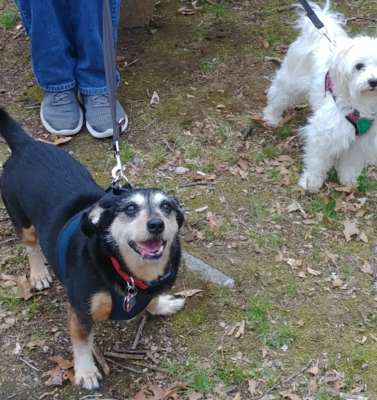
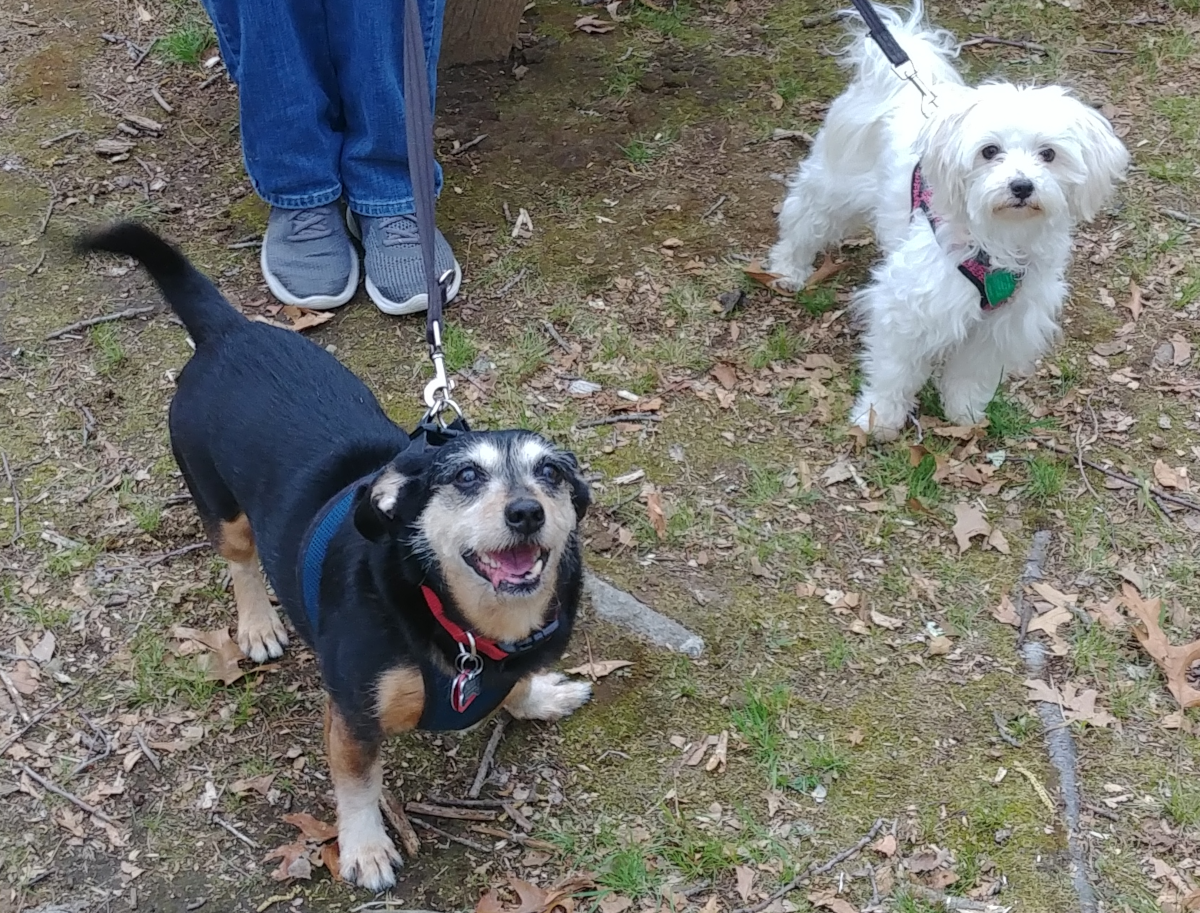
 For many senior dogs, the best activity is still the simplest one: a slow, gentle walk. Not the power-walk version from their younger years, but a softer kind of outing where sniffing is part of the point. Senior dogs gather so much information through their noses, and a short walk filled with interesting smells can be just as satisfying as a longer, faster walk was years ago.
I like to think of senior walks as “sniff walks” rather than exercise missions. Let them pause at the mailbox. Let them investigate the same patch of grass like it contains ancient secrets. Let them choose the pace when it is safe to do so. These moments are not wasted time. They are mental enrichment, emotional comfort, and physical movement all wrapped together.
The trick is to watch the dog in front of you, not the dog they used to be. A senior pup who once loved a mile around the neighborhood may now do better with five or ten minutes at a time. Two or three small walks spread through the day can be easier on stiff joints than one longer trip. Softer surfaces like grass or packed dirt may also be kinder than hot pavement or slick sidewalks.
Weather matters more with age, too. Heat can tire an older dog quickly, and cold can make stiff joints feel worse. If the ground is hot, icy, slippery, or rough, even a short outing can become uncomfortable. Senior care often comes down to small adjustments, like choosing the cooler part of the day, using a supportive harness, or shortening the walk before your pup gets tired.
Indoor Movement Can Be a Lifesaver on Hard Days
Some days, the weather is awful, the stairs are too much, or your senior pup simply wakes up moving like their joints need extra kindness. That does not mean activity has to disappear. Indoor movement can be a wonderful way to keep an older dog engaged without overdoing it.
 A slow stroll from room to room can help loosen the body. You can encourage your dog to follow you gently through the house, stopping for praise or a small treat along the way if treats are appropriate for their health needs. For diabetic pets or dogs on restricted diets, rewards do not always have to be food. Warm praise, a favorite toy, or a soft ear rub can be just as meaningful.
Simple “find it” games are another beautiful option. You can hide a favorite toy in an easy-to-reach place, or scatter a few approved treats in a small area where your dog does not have to twist, jump, or strain. The goal is not to create a puzzle so hard that they get frustrated. The goal is to let them use their nose and brain in a way that feels rewarding.
For dogs with vision or hearing changes, consistency helps. Keep the play area familiar, avoid rearranging furniture too often, and make sure floors are not slippery. Rugs, yoga mats, or non-slip runners can give senior pups better footing, especially if they are starting to hesitate on hardwood or tile. Confidence is part of mobility, and a dog who feels secure under their paws is more likely to keep moving.
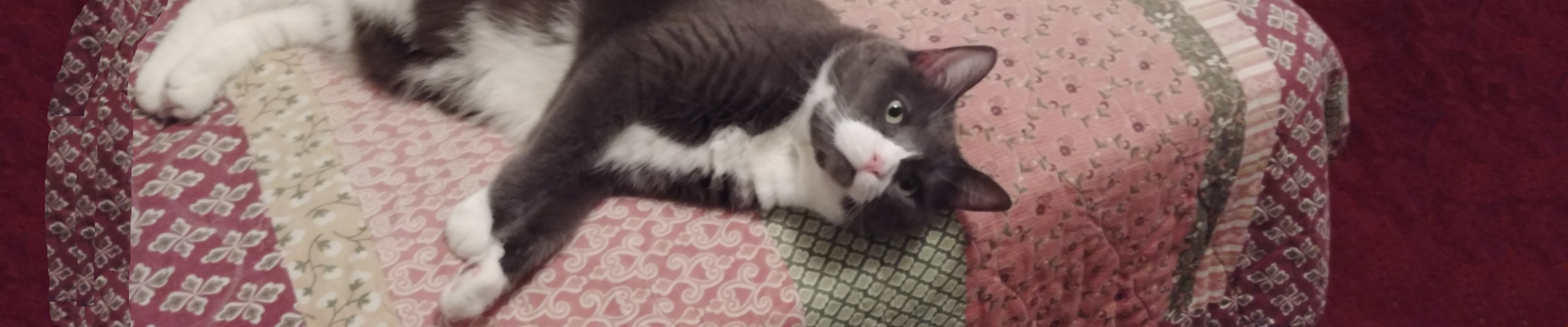
This is where I think about our senior pets and how much dignity matters. Whether it was one of our old cats needing a little help getting comfortable or one of our dogs slowing down with age, the lesson has always been the same: we are not just caring for bodies. We are protecting their sense of safety, routine, and belonging.
Water, Stretching, and Strength Without the Strain
For some senior pups, water-based movement can be a fantastic low-impact activity. Swimming or supervised water walking may reduce stress on joints while still encouraging muscle use. This is especially helpful for some dogs with arthritis or weight challenges, but it is not right for every dog. Some dogs dislike water, some tire quickly, and some medical conditions make swimming unsafe without professional guidance.
 If your veterinarian approves, a canine rehabilitation center with underwater treadmills or guided swim sessions can be a great option. These settings are usually safer than simply putting a senior dog into a pool or lake and hoping for the best. A trained professional can watch posture, endurance, and signs of fatigue. They can also help prevent the “weekend warrior” problem where a dog feels excited in the moment but pays for it later.
Gentle stretching and range-of-motion exercises may also help some senior dogs, but these should be learned from a vet, rehab therapist, or qualified professional. It is easy to accidentally move a joint in a way that feels uncomfortable or unsafe. What looks simple from the outside may not be simple for a dog with arthritis, spinal problems, past injuries, or muscle weakness.
Strength can also be supported through everyday life, not just formal exercise. Standing up from a bed, walking across a room, stepping over a very low object, or moving slowly on a safe surface can all use muscles. The key is moderation. Senior dogs do not need boot camp. They need steady, gentle opportunities to keep using the body they have.
A supportive bed, raised food and water bowls when appropriate, ramps instead of jumps, and trimmed nails can all make movement easier. Sometimes the best “activity plan” starts with making the home less painful to navigate. When a dog is not afraid of slipping, jumping down, or struggling to get up, they are more likely to move naturally throughout the day.
Mental Enrichment Is Activity, Too
We often think of activity as walking, swimming, or playing, but mental enrichment matters deeply for senior pups. A dog who cannot walk far may still enjoy problem-solving, scent work, companionship, and routine. In fact, mental activity can help brighten the day for dogs who are physically limited.
 Food puzzles, lick mats, snuffle mats, and treat-dispensing toys can be useful, but they need to match your dog’s health and ability. For diabetic dogs, overweight dogs, or dogs with digestive restrictions, ask your vet what treats or foods are safe to use. You can also use part of their regular meal instead of adding extra calories. The enrichment is not about spoiling them with snacks. It is about giving them something interesting to do.
Training can also be adapted for senior dogs. They may enjoy practicing easy cues like “touch,” “look,” “sit” if comfortable, or “wait.” Keep sessions short and upbeat, and stop before they lose interest. Even one or two minutes of kind interaction can be valuable. Older dogs often love feeling like they still have a job, especially when the job earns them praise and closeness.
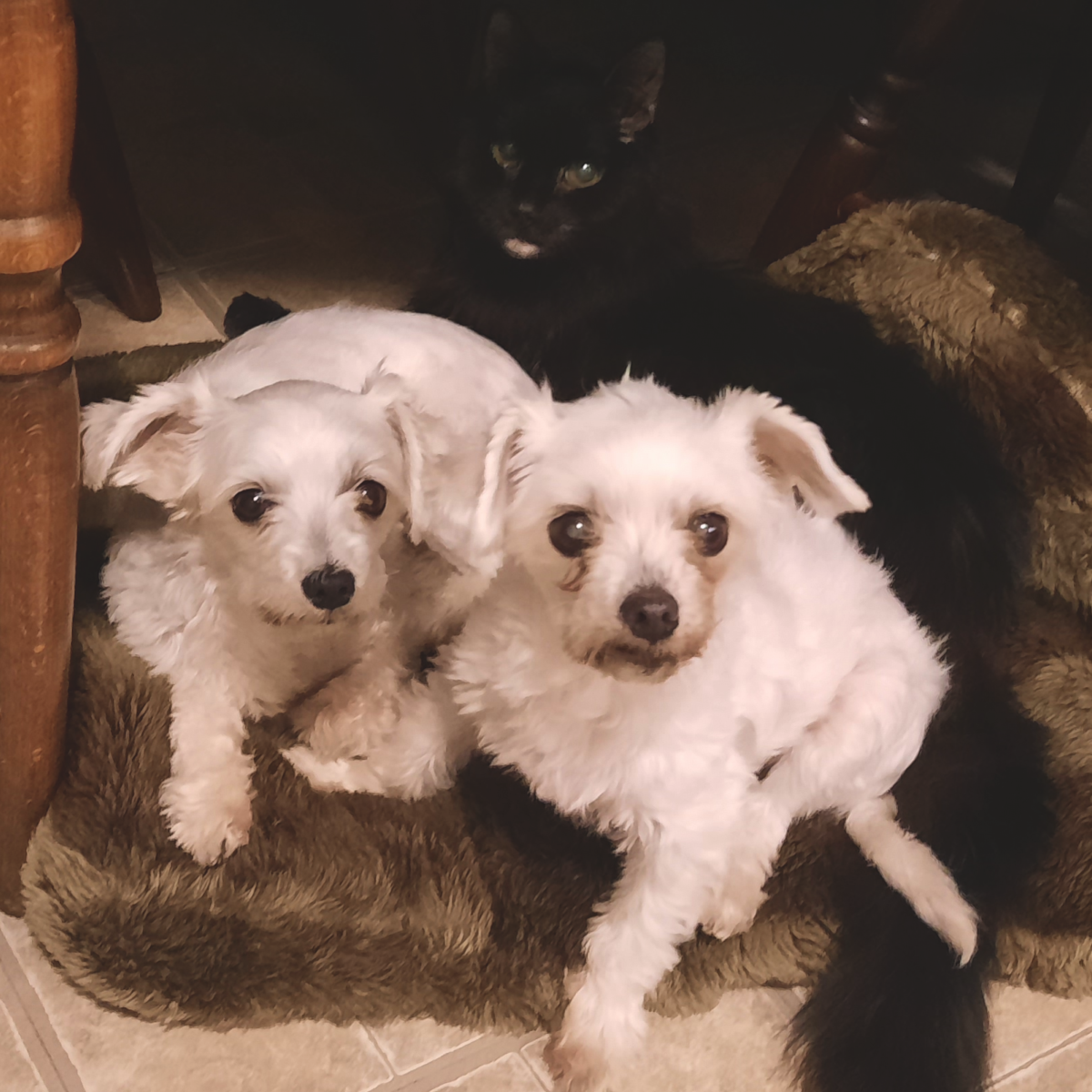
For dogs who enjoy social time, calm visits with familiar people or gentle dogs can be enriching too. The key word is calm. Senior pups may not appreciate rough greetings, rowdy puppies, or chaotic environments. A peaceful visit in the yard, a quiet car ride, or sitting beside you while you work outside can be enough. Being included is its own kind of medicine.
At BellenPaws, we talk a lot about senior pets still having love to give, and this is one of the places where that truth really shows. A dog does not need to run hard or play like a puppy to enjoy life. Sometimes joy looks like a slow walk, a soft bed near your chair, a puzzle toy after breakfast, and a hand resting gently on their shoulder.
Reading Your Senior Pup’s Signals
 The best low-impact activity is the one your dog can enjoy without paying for it afterward. That means we have to become careful observers. Watch how your pup moves before, during, and after activity. Limping, lagging behind, heavy panting, trembling, stiffness after rest, reluctance to stand, or unusual irritability can all be signs that the activity was too much.
Senior dogs may also have good days and hard days. That can be frustrating for us because we want a clear routine, but aging bodies are not always predictable. One day your dog may happily stroll around the block, and the next day they may only want the yard. Meeting them where they are is not failure. It is good caregiving.
It can help to keep simple notes about activity, appetite, mood, stiffness, and bathroom habits. Patterns are easier to notice when they are written down. For diabetic pets, tracking becomes even more important because food, activity, insulin timing, and glucose patterns can all connect. BellenPaws offers a free online pet diabetes tracker with printable charts and tables for vet visits, along with blank glucose curve forms for pet parents managing diabetic care at home. Tools like that can make conversations with your vet clearer and less stressful.
For senior dogs who are not diabetic, a small notebook or printable care sheet can still help. You might notice that your pup does better with morning walks than evening walks, or that a certain path causes more stiffness. These little clues can guide better choices. Senior care is often built from small observations repeated with love.
Keeping the Golden Years Moving Gently
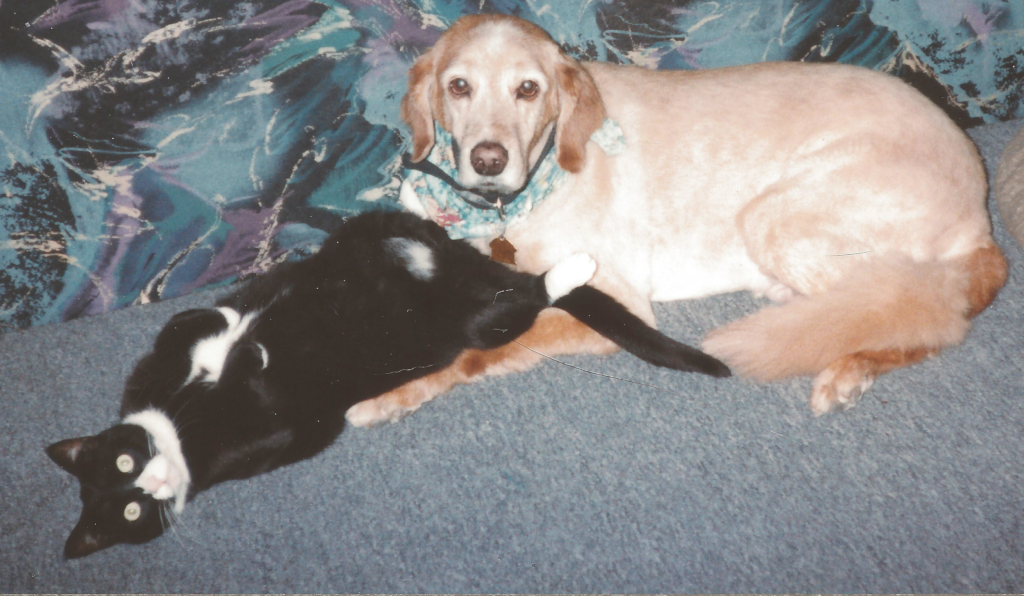 Low-impact activities are not second-best activities. For senior pups, they are often the best and most loving choice. Gentle walks, indoor games, sniffing, calm training, water therapy when appropriate, and safe home movement can all help an older dog stay engaged with life.
The golden years ask us to slow down with them. Not to stop living, not to stop playing, and not to treat them like they are already gone, but to honor the pace their body needs now. There is a lot of beauty in that slower pace. You notice the way they sniff the breeze. You notice how proud they look after finding a hidden toy. You notice how much they still want to be part of the family rhythm.
Our senior dogs do not need us to recreate their puppyhood. They need us to make today comfortable, meaningful, and safe. They need patience when the walk is short, encouragement when the stairs are harder, and celebration when they still wag at the leash. Most of all, they need to know that slowing down does not make them less loved.
A senior pup may not chase the world the way they once did, but with the right low-impact activities, the world can still come alive for them. One gentle walk, one sniff, one game, one quiet moment at a time.