
There is a funny little phrase in the rescue world that sounds like a mistake but often turns into one of the sweetest chapters of a pet parent’s life: “foster fail.” On the surface, it means someone agreed to temporarily care for a pet, only to realize they could not let that pet go. The plan was to provide a safe landing spot, a soft bed, some meals, a little healing, and then say goodbye when the right forever home came along.
But pets have a way of walking into our homes and rearranging more than furniture. They rearrange our routines, our priorities, and sometimes the quiet corners of our hearts we thought were already full. A foster fail is not really a failure at all. In many cases, it is the moment a temporary promise becomes a lifelong one.
For those of us who love senior pets, special needs pets, and animals who need a little extra patience, foster failing can feel especially understandable. When you have helped a cat recover from fear, watched an old dog finally sleep without worry, or learned the daily rhythm of a diabetic pet’s care, it is hard not to become attached. Care builds connection. Routine builds trust. Before long, the pet you were “just helping for a while” is the one you are checking on before bed, talking to during chores, and planning your day around.
When Temporary Care Starts Feeling Like Home
 Fostering begins with good intentions. A rescue, shelter, friend, or community member needs help, and you open your home. Maybe the pet needs a quiet place away from the noise of a shelter. Maybe they are recovering from surgery, learning to trust people again, or waiting for a family that understands their age, temperament, or medical needs. You tell yourself it is temporary because, technically, it is. Then the little moments begin.
The shy cat who hid under the bed starts peeking out at dinner time. The senior dog who seemed stiff and unsure begins wagging their tail when you reach for the leash. The pet who looked at you with worried eyes on day one now curls up near your feet like they have always belonged there. Those moments are powerful because they are not dramatic. They are quiet, earned, and deeply personal.
This is where foster failing becomes complicated in the best possible way. You may start by thinking, “They need me right now.” Then one morning you realize the feeling has changed into, “We need each other.” That realization can sneak up on even the most experienced foster parent.
There is also something sacred about being present for a vulnerable pet’s turning point. When you have seen the before and after, it changes how you see them. You remember the first time they ate a full meal, the first time they purred, the first time they trusted your hand, or the first time they relaxed enough to sleep deeply. Those memories are not just milestones. They become part of your shared history.
At BellenPaws, we understand how quickly care becomes love. Our own lives have been shaped by senior pets and medically needy pets who asked more from us, but gave far more in return. When Zippy was diabetic, the daily care was not always easy, but the bond formed through that routine was unforgettable. His remission was a gift, but the deeper gift was learning how much trust can grow when you show up for a pet every single day.
The Emotional Reality Nobody Warns You About
 People sometimes joke about foster fails as if they are simply the result of being too soft-hearted. There may be a little truth in that, but the reality is much deeper. Fostering asks you to love with an open hand. It asks you to care fully while knowing goodbye may be part of the deal. That is not easy, especially for people who bond strongly with animals.
The emotional weight can be even heavier when the foster pet is older, frightened, chronically ill, or overlooked. You may worry that adopters will not see what you see. You may wonder if someone else will understand the pet’s medication schedule, food sensitivities, litter box habits, mobility needs, or quirky little preferences. Sometimes, the fear is not that the pet cannot be adopted. It is that they will not be understood.
That fear is not selfish. It often comes from love and experience. Anyone who has cared for a senior cat with thyroid disease, a dog with arthritis, or a diabetic pet who needs consistency knows that “just finding a home” is not always enough. The right home matters. For some pets, especially those with special needs, the foster home may slowly become the right home because the trust, routine, and understanding are already there.
Still, it is important to be honest with ourselves. Foster failing should come from a place of readiness, not guilt. Love is essential, but so are time, finances, space, and emotional capacity. A pet may feel like family, but we still have to ask whether we can give them the care they deserve for the long haul. That includes vet visits, medication if needed, daily routines, safe housing, and the ability to manage emergencies.
For diabetic pets, that commitment can be especially real. A pet parent may need to track blood glucose, give insulin, manage food timing, and watch for changes in appetite or behavior. That is why tools like our free pet diabetes tracker and printable glucose curve forms can be so helpful. They give everyday caregivers a way to stay organized and bring clearer information to their veterinarian. Foster or forever, good records can make care feel less overwhelming.
Why Foster Fails Can Be a Beautiful Success
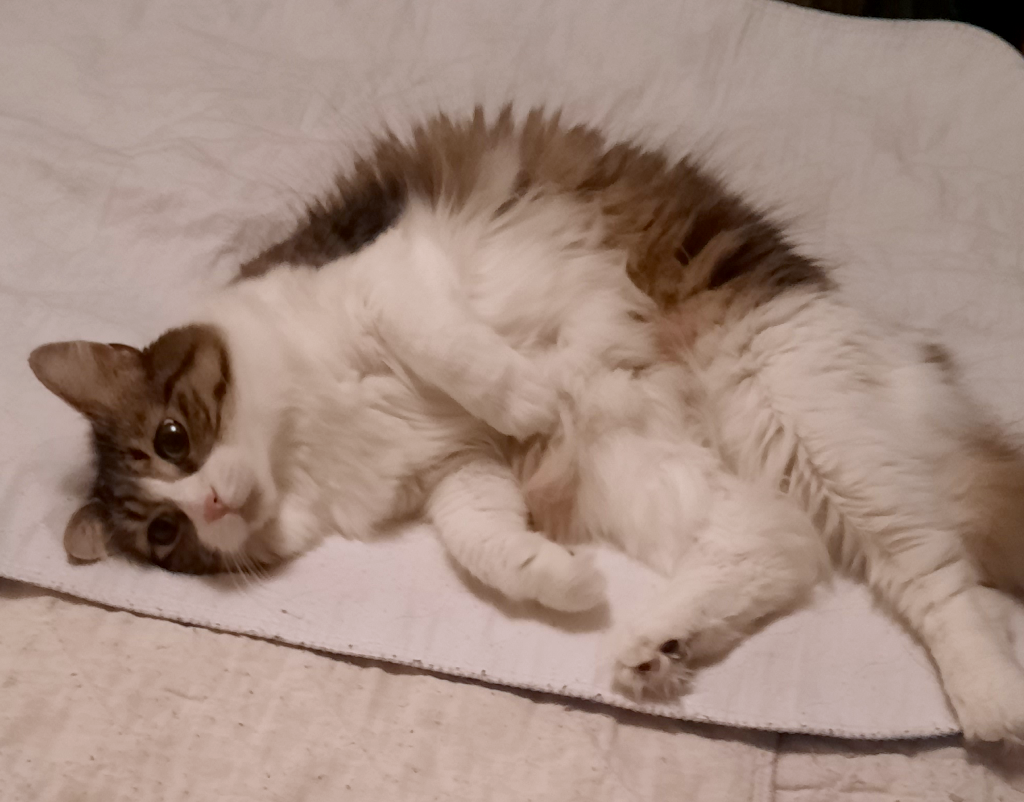 The word “fail” makes it sound like something went wrong, but in many cases, everything went right. The pet found safety. The caregiver learned the pet’s needs. Trust grew. A bond formed. Instead of moving on to another home, the pet stayed exactly where they had already begun to heal.
For some animals, that continuity is priceless. Older pets, anxious pets, and pets with medical routines often thrive on predictability. A familiar voice, a familiar feeding schedule, and a familiar sleeping spot can bring comfort that is hard to measure. When a foster home becomes permanent, the pet does not have to start over. They do not have to learn a new house, new people, new smells, and new rules. They simply keep building on the life they have already started.
There is also a special kind of love that grows from choosing the pet after you know the reality. Foster parents often see the messy parts first. They see the fear, the accidents, the picky eating, the medication struggles, the sleepless nights, or the slow adjustment period. When they adopt anyway, that love is not based on an ideal version of the pet. It is based on the real pet. That kind of love is steady.
It says, “I know your needs, and I choose you.” It says, “You are not too old, too complicated, too shy, too slow, or too much.” For senior pets especially, that message matters. Many older animals have already lost homes, people, routines, or confidence. A foster fail can be the moment their story stops feeling uncertain.
I think of pets like Belle, one of the founding hearts behind BellenPaws. She had her share of senior health struggles, including hyperthyroidism, kidney disease, dehydration, and high blood pressure. Caring for a pet like Belle teaches you that love is not only found in playful moments or perfect health. Sometimes love is found in pill routines, warm blankets, water bowls placed closer to resting spots, and learning the tiny signs that say, “I need help today.” That is the heart of many foster fails. They are not about convenience. They are about recognition. You recognize that this pet has become part of your life, and you are willing to keep showing up.
Knowing When to Keep and When to Let Go
 Of course, not every foster should become a foster fail. Sometimes the most loving thing a foster parent can do is help a pet prepare for another wonderful home. Letting go can make room to save another animal. It can also give the pet a family that may be an even better fit for their needs, energy level, or personality.
This is where honest reflection matters. A foster parent should consider whether the pet fits safely with the household, including other animals, children, schedules, and available space. They should also consider whether they can afford ongoing care, especially for senior pets or pets with chronic conditions. Love can motivate us, but practical stability protects the pet.
A good foster parent also learns to separate grief from certainty. Saying goodbye hurts, even when the adoption is right. Missing a pet does not always mean you were supposed to keep them. Sometimes it means you did your job with your whole heart. That sadness is part of fostering, and it deserves respect.
On the other hand, there are times when the answer becomes quietly obvious. The pet has settled. The household has adjusted. The routines are working. Your other pets accept them, or at least tolerate them with reasonable peace. The thought of them leaving does not feel like normal goodbye sadness. It feels like removing someone who has already become family.
When that happens, foster failing can be a beautiful act of commitment. It should be discussed openly with the rescue or organization involved, and the adoption should be completed properly. Paperwork, medical records, microchip information, and veterinary history all matter. A loving decision still deserves a responsible process.
The Love Story Hidden Inside the “Fail”
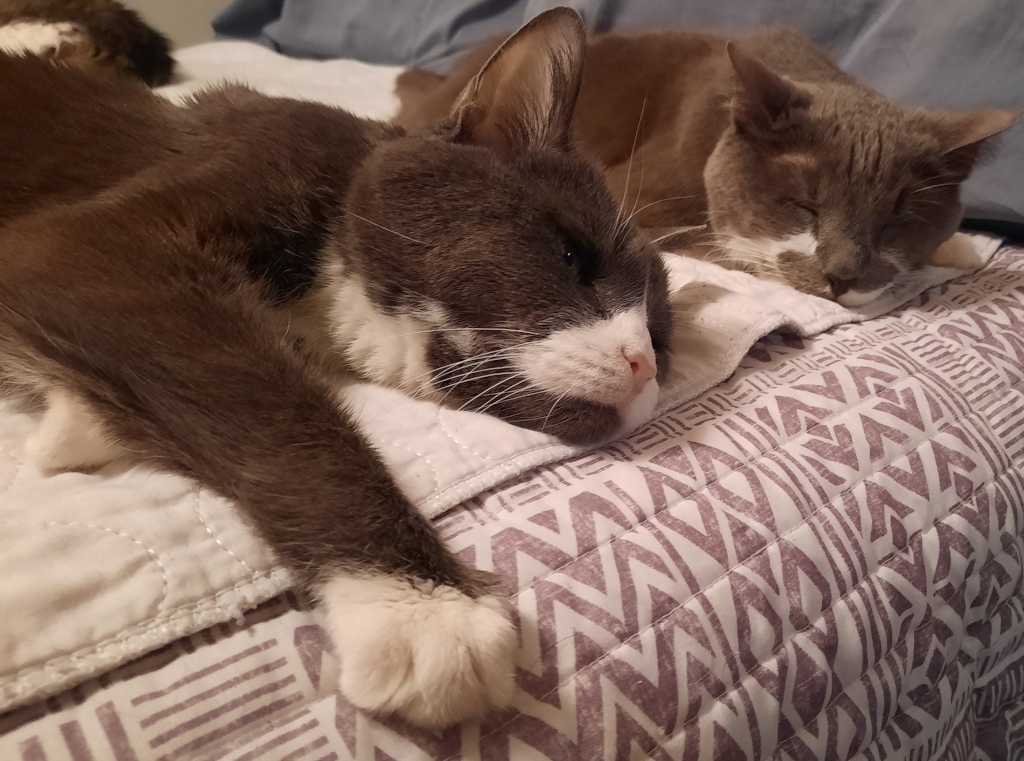 At its best, a foster fail is a love story with muddy paw prints, scattered toys, medication reminders, and fur on the couch. It is the story of a pet who needed a place to land and a person who discovered they were not just providing shelter. They were building family.
These stories matter because they remind us that rescue is not always neat. It is emotional, imperfect, and deeply human. We may begin with a plan, but animals often teach us that love does not always follow the calendar. Sometimes the pet who was supposed to stay for two weeks becomes the one who stays for the rest of their life.
For senior pets, that can be especially meaningful. A foster fail may give an older animal the peace of never having to move again. It may give a diabetic cat the consistency needed to feel safe. It may give a shy dog the confidence to finally exhale. And it gives the pet parent something too: the privilege of being chosen back.
So yes, we call them foster fails. We laugh about it, we tease each other, and we know the phrase well. But anyone who has lived it understands the truth. When a pet finds love, safety, and permanence, that is not failure. That is one of the best kinds of success.