
When you love senior cats, you learn that aging rarely arrives as one neat little problem. It often comes in layers. One blood test leads to another. One symptom explains part of the story, then the next visit reveals something else hiding underneath. For many cat parents, two of the most confusing conditions to understand together are hyperthyroidism and kidney disease.
At first glance, they may seem like separate issues. Hyperthyroidism is a hormone problem, usually caused by an overactive thyroid gland. Kidney disease is a filtering problem, where the kidneys are no longer doing their job as well as they once did. But in older cats, these two conditions often walk into the room together, and that can make diagnosis, treatment, and day-to-day care feel overwhelming.
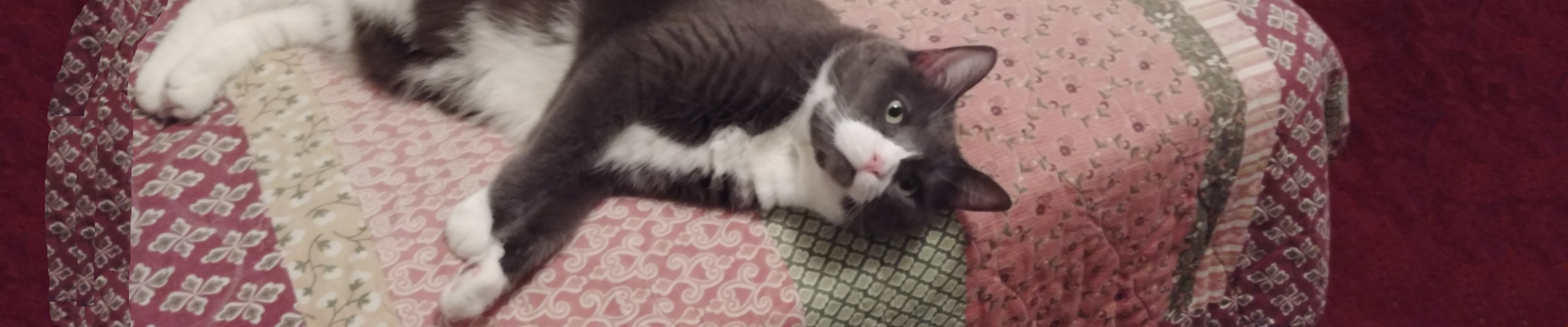
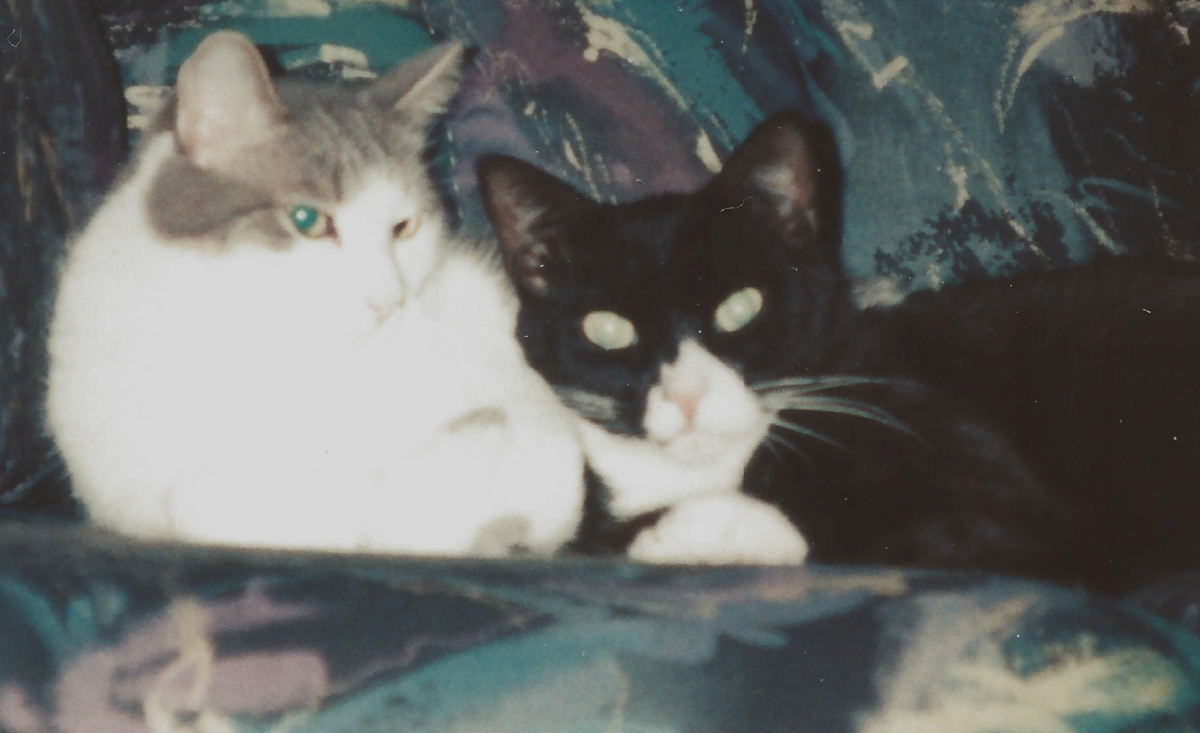
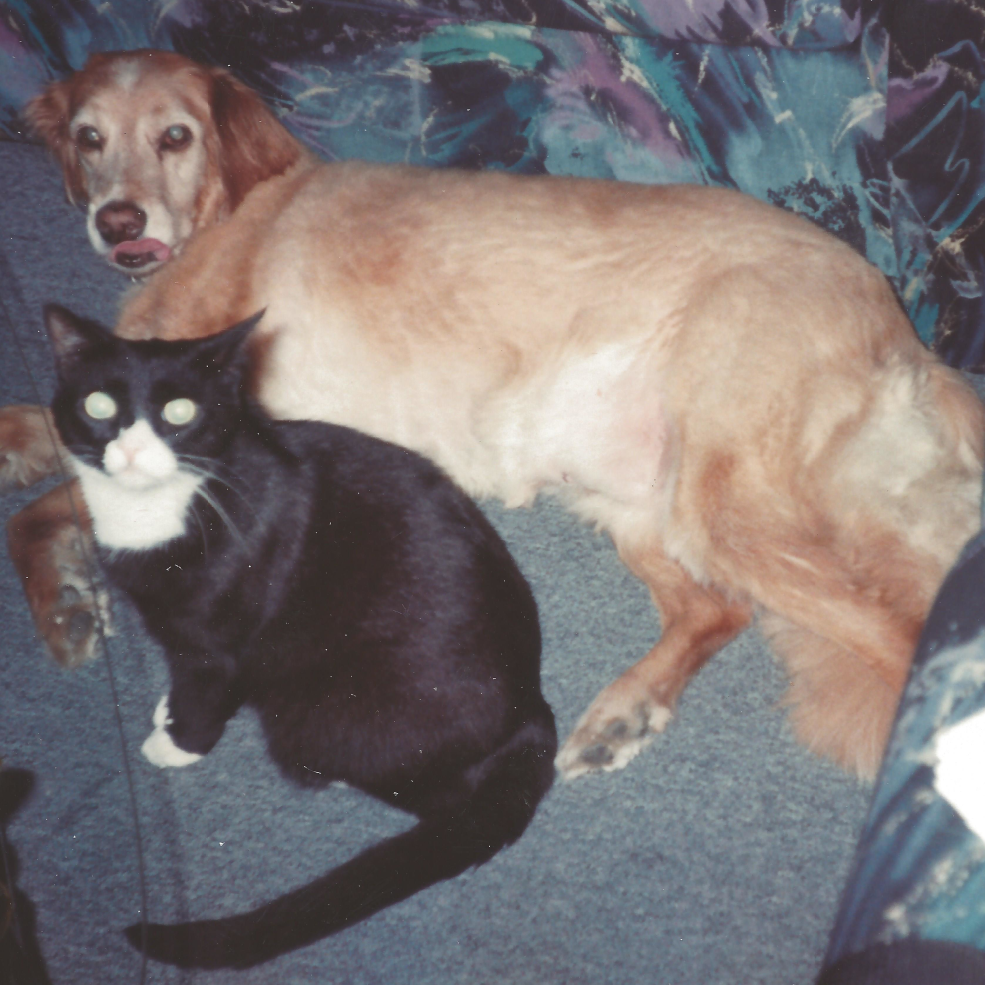
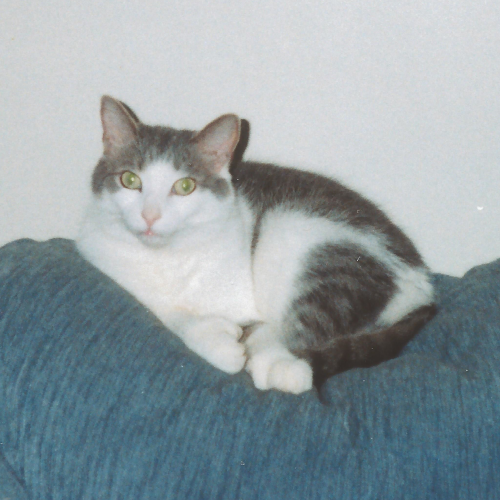
I have lived with senior cats long enough to know that those lab reports can feel cold when your heart is anything but. When Belle dealt with hyperthyroidism along with other senior health struggles, and later when other beloved cats in our home faced kidney concerns, I learned that the numbers matter, but so does the cat sitting in front of you. Appetite, energy, hydration, comfort, and that familiar little spark in their eyes all tell part of the story.
Why Hyperthyroidism Can Hide Kidney Trouble
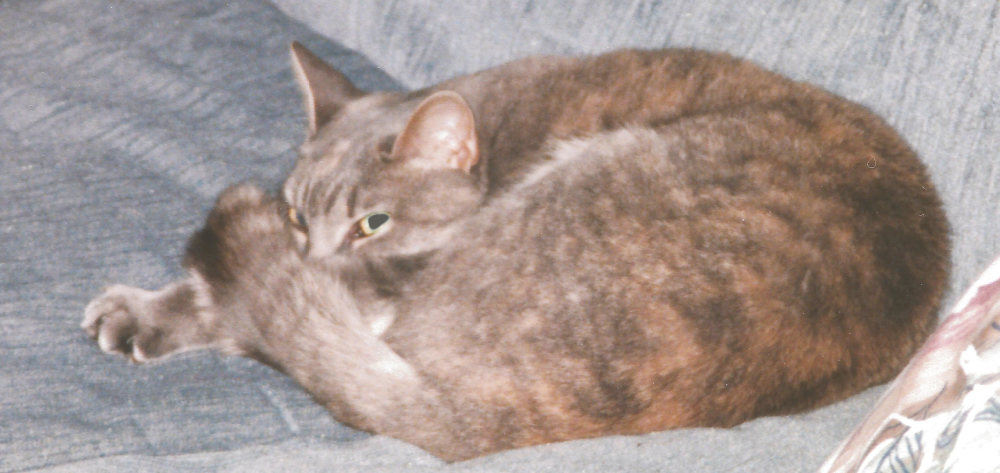 Hyperthyroidism is common in older cats, and it can make a cat seem almost strangely energized at first. A cat may eat more than usual but still lose weight. They may seem restless, vocal, hungry, thirsty, or a little more anxious than they used to be. Some cats develop a scruffy coat, vomiting, diarrhea, rapid heart rate, or high blood pressure. To a pet parent, it can look like aging suddenly sped up overnight.
The tricky part is that hyperthyroidism can also change how the kidneys appear to be functioning. When thyroid hormone levels are too high, the body runs in a revved-up state. Blood may move through the kidneys faster, which can make kidney function look better on bloodwork than it truly is. In simple terms, the overactive thyroid can push the kidneys harder and temporarily disguise weakness that was already there.
That does not mean hyperthyroidism directly “causes” kidney disease in every cat. It is more accurate to say that both conditions are common in senior cats, and hyperthyroidism can sometimes cover up kidney disease until the thyroid is brought under control. Once treatment lowers the thyroid level toward normal, the kidneys are no longer being pushed in the same way. At that point, kidney values may rise, and a hidden kidney issue may become easier to see.
This can be scary for owners because it may feel like the thyroid treatment made the kidneys worse. In many cases, the treatment did not damage the kidneys. It simply revealed what the thyroid condition had been masking. That distinction matters because guilt can creep in fast when we are caring for an older pet. The truth is that you are not failing your cat by treating one condition and discovering another. You are uncovering the full picture.
The Balancing Act After Diagnosis
 When a cat is diagnosed with hyperthyroidism, many veterinarians will check kidney values, urine concentration, blood pressure, and sometimes protein in the urine. These pieces help show how the thyroid, kidneys, and circulation are interacting. Even then, the first bloodwork may not tell the whole story. Your veterinarian may want to treat the thyroid gradually, then recheck blood and urine after the cat’s body has had time to adjust.
This is where patience becomes part of care. As pet parents, we want clean answers. We want to know exactly what is wrong and exactly what to do. But with hyperthyroidism and kidney disease, the early stage often involves careful monitoring rather than instant certainty. Your veterinarian may adjust medication, repeat lab work, watch weight changes, and evaluate hydration before deciding the long-term plan.
Treatment options for hyperthyroidism may include daily medication, radioactive iodine therapy, surgery, or a prescription iodine-restricted diet. Each option has benefits and drawbacks, and the “best” choice depends on the cat’s age, kidney status, heart health, temperament, finances, and what the household can realistically manage. A treatment that works beautifully for one cat may not be practical for another.
For cats with possible kidney disease, many vets prefer to see how the cat responds before making permanent decisions. For example, medication can sometimes be used in a controlled way while monitoring kidney values. This lets the veterinary team see what happens as thyroid levels improve. It may feel like slow progress, but slow and careful can be a kindness when the body is fragile.
Kidney disease also has its own care path. Depending on the stage and the cat’s symptoms, care may include hydration support, diet changes, blood pressure medication, anti-nausea medication, appetite support, potassium support, phosphorus control, or other treatments. Not every cat needs every tool. The goal is not to throw everything at the problem at once. The goal is to support the cat in front of you with thoughtful care.
What Pet Parents Can Watch at Home
 Home observations are incredibly valuable because you know your cat’s normal better than anyone. A blood test gives a snapshot, but daily life tells the longer story. If your cat is eating differently, drinking more, urinating larger amounts, losing weight, hiding, pacing, vomiting, crying at night, or seeming uncomfortable, those details matter.
One of the most helpful things you can do is write things down. It does not have to be fancy. A simple notebook with dates, appetite notes, weight checks, medication times, water intake observations, and litter box changes can help you see patterns that are easy to miss in the rush of daily life. When a vet asks, “How long has this been happening?” you will not have to rely on a tired memory.
Weight is especially important with hyperthyroid cats. Because these cats may eat well but still lose weight, the food bowl can trick us into thinking things are stable. A baby scale or regular weigh-ins at the vet can help catch changes sooner. Even small weight shifts can matter in an older cat.
Hydration is another big one. Cats with kidney disease often drink more because their kidneys are not concentrating urine as well as they used to. Some cats benefit from wet food, water fountains, extra water mixed into meals, or other vet-approved hydration support. If a cat becomes dehydrated, nauseated, or stops eating, that is not a “wait and see for a week” situation. Senior cats can decline quickly when they are not taking in enough food or fluids.
Blood pressure deserves attention too. Hyperthyroidism and kidney disease can both be associated with high blood pressure, and high blood pressure can affect the eyes, kidneys, heart, and brain. Many cats show very few obvious signs until there is a serious problem, so routine checks can be worth asking about. If your cat has sudden vision changes, dilated pupils, stumbling, weakness, or unusual behavior, call your veterinarian promptly.
Feeding, Comfort, and Quality of Life
 Food can become emotional when a cat has both thyroid and kidney concerns. One condition may seem to demand one type of diet, while the other seems to pull in a different direction. A hyperthyroid cat may be ravenous and losing weight. A kidney cat may be picky, nauseated, or sensitive to certain nutrient levels. It can make every meal feel like a negotiation.
This is where I believe strongly in practical compassion. Prescription diets can be very helpful for many kidney cats, but a food only helps if the cat will actually eat it. A senior cat who refuses every “perfect” option may need a different plan. Sometimes the immediate priority is keeping calories going, controlling nausea, and preventing weight loss while you and your vet work toward the best long-term feeding strategy.
Comfort matters just as much as numbers. Warm resting spots, easy-access litter boxes, low-sided pans, quiet feeding areas, raised dishes if they help, and gentle routines can make daily life easier for an older cat. These little adjustments may not look medical, but they are part of care. Senior pets need us to notice where life has become harder and quietly remove as many obstacles as we can.
Medication routines also need to fit real life. Some cats take pills easily. Others act like you have betrayed the entire household bloodline. Transdermal thyroid medication, flavored liquids, pill pockets, compounded options, or different timing may be worth discussing with your vet if dosing has become a battle. A plan that no one can maintain is not really a plan.
At BellenPaws, we often talk about tracking because it can turn fear into something more manageable. For diabetic pets, our online pet diabetes tracker and printable charts are built around that same idea: the more clearly you can see patterns, the better conversations you can have with your veterinarian. Even though hyperthyroidism and kidney disease are different from diabetes, the habit of gentle tracking can still be a powerful tool for senior pet care.
Hope in the Middle of Complicated Care
 A diagnosis of hyperthyroidism plus kidney disease can feel like standing at the bottom of a hill you did not expect to climb. There may be repeat bloodwork, medication changes, diet questions, and moments where you wonder whether you are doing enough. I want you to know that complicated does not mean hopeless.
Many cats live meaningful, comfortable lives with one or both of these conditions when they are monitored and supported. The goal is not perfection. The goal is steadiness. It is helping your cat eat, rest, hydrate, move comfortably, and enjoy the parts of life they still love, whether that is a sunny window, a warm blanket, a favorite treat, or your hand resting beside them.
It also helps to remember that senior cat care is not just medicine. It is relationship. It is noticing the small changes, asking questions, following up, adjusting when something stops working, and refusing to reduce your cat to a lab value. Numbers guide decisions, but love keeps you paying attention.
If your cat has been diagnosed with hyperthyroidism, kidney disease, or both, take a breath. Ask your veterinarian what the current thyroid level shows, what the kidney values suggest, whether blood pressure has been checked, whether urine testing is needed, and when rechecks should happen. Keep notes at home, watch your cat’s appetite and weight, and speak up when something feels off.
Our senior cats give us years of quiet companionship, stubborn opinions, and unconditional presence. When their bodies become more complicated, they deserve care that is patient, observant, and kind. Hyperthyroidism and kidney disease may be connected in confusing ways, but with good veterinary guidance and a loving home routine, you can help your cat feel supported through the uncertainty.
And sometimes, that is the most important promise we can make: not that we can fix everything, but that we will keep showing up.