

The Little Number That Can Explain a Lot
A T4 blood test can feel like one of those mystery vet terms that gets tossed around while you are still trying to process everything else. Your pet is losing weight. Or gaining weight. Or acting restless. Or sleeping more. Maybe your senior cat is suddenly eating like a tiny lion but getting thinner. Maybe your older dog seems tired, cold, and a little dull around the edges.
Then the vet says, “We should check the thyroid.” That is where T4 usually enters the conversation. T4 is one of the main hormones made by the thyroid gland. The thyroid is a small gland in the neck, but it has a big job. It helps control the body’s speed. Not running speed, but internal speed. It affects metabolism, appetite, weight, energy, heart rate, skin, coat, digestion, and even personality in some pets.
I always think of the thyroid like a thermostat mixed with a gas pedal. If it is set too high, the body can run too hot and too fast. If it is set too low, the body can slow down and feel stuck in mud. The T4 test gives your vet a snapshot of how much thyroid hormone is floating around in the blood. It is not the whole story by itself, but it is often one of the first clues.
What T4 Actually Means
T4 stands for thyroxine. That sounds fancy, but the basic idea is simple. T4 is a thyroid hormone that travels through the bloodstream and helps tell the body how fast to burn energy. Pets need thyroid hormone. They cannot run well without it. Too much or too little can cause real problems, especially in senior pets. In cats, the big thyroid problem we usually hear about is hyperthyroidism. That means the thyroid is making too much hormone. The body is being pushed too hard.
In dogs, the more common issue is hypothyroidism. That means the thyroid is not making enough hormone. The body slows down. There are exceptions, because pets enjoy making us humble, but that basic cat and dog pattern is a good starting point for pet parents.
Why Senior Cats So Often Get T4 Tests
 Senior cats and thyroid bloodwork go together for a reason. Hyperthyroidism is common in older cats, and many of the signs can sneak up slowly. A cat with high T4 may lose weight even while eating well. Some cats eat constantly and still look thinner every month. They may seem restless, vocal, needy, cranky, anxious, or unusually active for their age. Some drink and pee more. Some vomit. Some have loose stool. Some look scruffy no matter how much they groom.
That was the kind of thing we learned to watch for after living with so many senior cats. Belle and Paws both dealt with hyperthyroidism, and once you have lived through that a few times, you stop brushing off weight loss as “just old age.” Old age can change a pet, yes, but it should not be used as a junk drawer explanation for everything. A T4 test helps separate normal aging from a treatable medical issue. That matters, because untreated hyperthyroidism can put strain on the heart, blood pressure, kidneys, and the whole body.
What a High T4 Usually Means in Cats
A high T4 in a cat often points toward hyperthyroidism, especially if the cat also has matching signs like weight loss, hunger, restlessness, fast heart rate, or high blood pressure. This does not mean a pet parent should panic. It means the vet has a strong lead. Many cats with hyperthyroidism can be treated, and treatment can make a huge difference in comfort and quality of life.
Treatment may include medication, prescription diet in certain cases, radioactive iodine therapy, or less commonly surgery. Each choice has pros and cons. Some families need the most affordable option. Some want the most permanent option. Some have cats who are easy to pill, and some have cats who act like you just offered them a live grenade. There is no shame in being honest with your vet about what you can manage. A plan only works if it fits the pet and the household.
A Normal T4 Does Not Always End the Conversation
 This part trips up a lot of pet parents. A cat can have signs of hyperthyroidism and still show a T4 number that lands inside the lab’s normal range. That does not mean anyone is imagining things. Early thyroid disease can be sneaky. T4 can move up and down. Other illnesses can also push thyroid values lower and muddy the picture. A senior cat with kidney disease, infection, inflammation, or another health issue may not read as clearly on a simple screening test.
This is why your vet may suggest repeating the T4 later or adding more thyroid testing. That might include free T4, T3, TSH, or other follow-up tests depending on the case. From the pet parent side, this can feel frustrating. You see the weight loss. You see the behavior change. Then the bloodwork says “normal,” and everyone is left squinting at the page. That is exactly why patterns matter. One number is helpful, but your pet’s body, behavior, history, and exam all count.
Total T4 Versus Free T4
Total T4 is the common screening test. It measures the total amount of T4 in the blood, including hormone that is attached to proteins and hormone that is floating more freely. Free T4 measures the portion that is not bound to proteins. This can help in cases where the total T4 is not giving a clean answer. For cats, free T4 may help uncover hyperthyroidism when total T4 is high-normal but the cat looks and acts hyperthyroid. That said, free T4 can sometimes be high in cats with other illnesses too, so it still has to be read carefully.
For dogs, free T4 is often part of a deeper look when hypothyroidism is suspected. A low total T4 alone does not always mean a dog is truly hypothyroid. Other illnesses and medications can lower T4. That is one reason vets often look at free T4, TSH, symptoms, and other bloodwork together. The plain-English version is this. Total T4 is a good first look. Free T4 can add more detail. Neither one should be treated like a magic answer machine.
What Low T4 Can Mean in Dogs
Dogs are different from cats. A dog with low thyroid function may seem slowed down. They may gain weight without a clear reason. Their coat may thin. Their skin may get flaky or greasy. They may seem cold, tired, less playful, or mentally dull. Some dogs get repeat skin or ear problems.
A low T4 can support the idea of hypothyroidism, but dogs are tricky. Illness elsewhere in the body can make thyroid numbers look low even when the thyroid gland is not the main problem. Certain medications can also affect results.
That is why a vet may not want to diagnose a dog based on one low T4 result. They may want a thyroid panel, including free T4 and TSH, plus a look at cholesterol, anemia, symptoms, and the dog’s full health picture. This can be annoying when you just want an answer. I get that. But it is better than putting a dog on lifelong thyroid medication for the wrong reason.
Why T4 Matters for Diabetic Pets
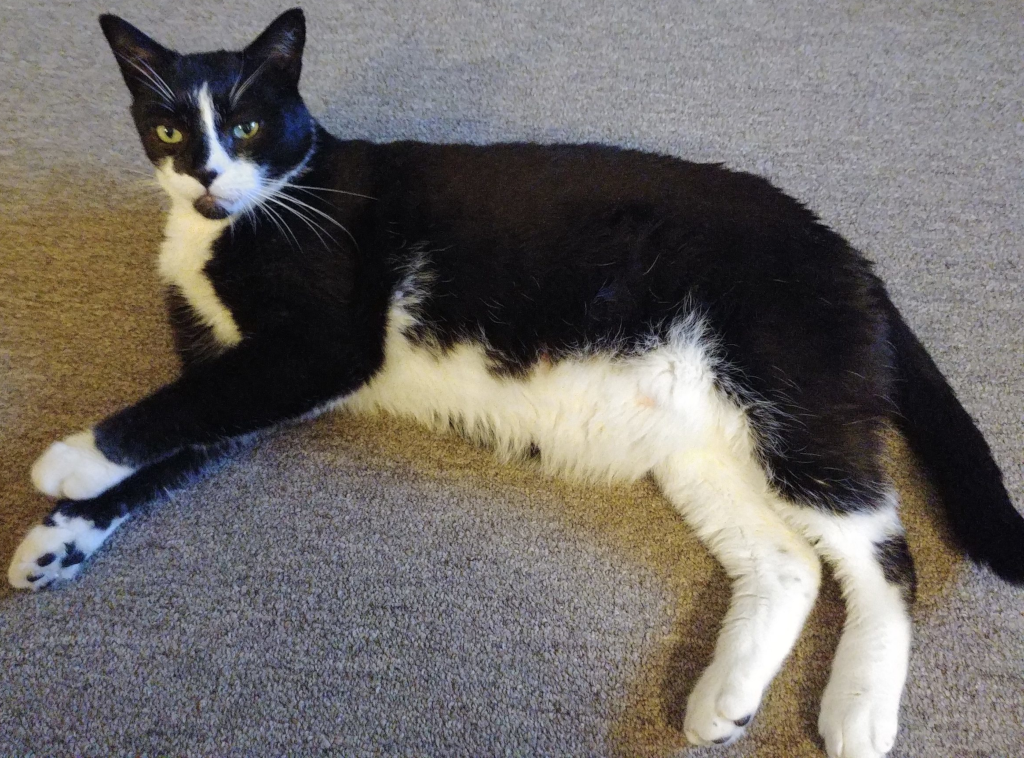 For diabetic pets, thyroid testing can become part of the bigger puzzle. Diabetes already asks a lot from the body, and anything that changes metabolism can make regulation harder. A hyperthyroid cat may burn through energy quickly, lose weight, and have changes in appetite. That can complicate feeding routines and blood glucose patterns. A dog or cat with another endocrine issue may have numbers that feel harder to predict.
We learned with Zippy and Bentley that patterns matter. A single glucose reading tells you what happened at that moment. A curve, a log, and the pet’s behavior tell you much more. Thyroid testing is similar. One T4 number is useful, but the full story is stronger.
That is why I love tracking tools for diabetic pets. On BellenPaws, we offer a free online pet diabetes tracker with printable charts and tables for vet visits, along with printable blank glucose curve forms. Those records can help you walk into an appointment with more than “something feels off.” You can bring dates, numbers, appetite notes, weight changes, insulin timing, and behavior changes. Vets love useful information. Not a chaotic notebook full of panic scribbles, although many of us have been there. Useful patterns help.
Kidney Values and Thyroid Treatment in Cats
One of the scarier parts of feline hyperthyroidism is the kidney conversation. Hyperthyroidism can increase blood flow through the kidneys, which may make kidney numbers look better than they really are. After treatment brings thyroid levels down, kidney disease may become more visible. This does not mean treating the thyroid caused kidney disease. It may mean the thyroid condition was partly hiding it.
That can be hard to hear. Many senior cats already have kidney concerns, and adding thyroid disease to the mix feels unfair. We saw kidney disease in several of our cats, including Belle, Pebbles, Clyde, and Blackie, so I do not say this lightly. Senior pet care can feel like balancing plates in a windstorm.
Still, knowing the truth is better than guessing. Your vet may monitor kidney values, blood pressure, urine, weight, appetite, and T4 after treatment begins. The goal is not just to make the lab number pretty. The goal is to help the whole pet feel better and stay stable.
Blood Pressure Deserves Attention Too
High thyroid levels can affect the heart and blood pressure, especially in cats. Many pet parents do not think about blood pressure in cats, but they should. High blood pressure can damage organs and threaten vision.
Belle and Paws both dealt with high blood pressure, and once you have a senior pet with pressure problems, you start respecting that little cuff at the vet’s office. It is not just extra testing for the sake of testing. It can catch something that your eyes cannot see yet. If your senior cat has hyperthyroidism, asking about blood pressure is reasonable. Not pushy. Not dramatic. Reasonable.
What Pet Parents Should Track at Home
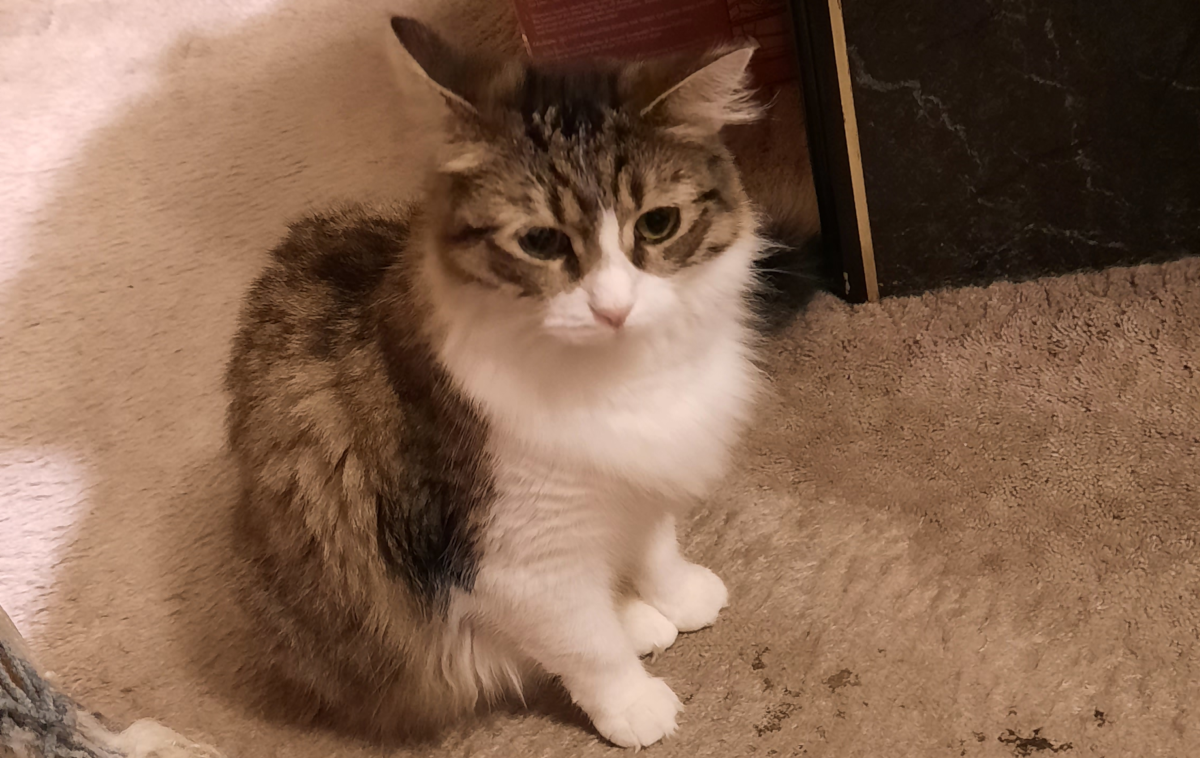 You do not need to become a lab technician to help your pet. You just need to watch the right things and write them down. Track weight if your pet allows it. For cats, even a small change can matter. Track appetite, thirst, litter box habits, vomiting, stool changes, energy, coat quality, and behavior. For dogs, note changes in stamina, skin, coat, weight, cold-seeking or heat-seeking behavior, and mood.
For diabetic pets, keep glucose data organized. If your pet is also being checked for thyroid disease, your vet may want to see whether appetite, weight, and glucose patterns changed around the same time.
This is also where senior pet tools can help. Human-age calculators on BellenPaws can give pet parents a clearer sense of life stage, especially when a “nine-year-old cat” or “ten-year-old dog” does not sound old until you see the comparison. Senior pets deserve that extra attention before small issues become big ones.
Reading the Lab Report Without Spiraling
Lab reports can make normal people feel like they accidentally enrolled in medical school. There are numbers, ranges, flags, abbreviations, and sometimes a bold H or L that makes your stomach drop. Take a breath before deciding what it means.
A T4 result is usually shown with a reference range. If the number is above range, it may be flagged high. If it is below range, it may be flagged low. But reference ranges are not the same as a diagnosis. They are guide rails.
A high T4 in a skinny, hungry senior cat is very different from a mild change in a pet with other illness. A low T4 in a tired, overweight dog with skin problems may matter, but a low T4 in a dog fighting another illness may need more checking before calling it hypothyroidism. Ask your vet to explain the number in relation to your pet, not just the lab range. That one sentence can save a lot of confusion.
Medication Monitoring and Repeat Testing
Pets being treated for thyroid disease usually need repeat bloodwork. This is not busywork. Doses may need adjustment, and both under-treatment and over-treatment can cause problems. For cats on methimazole, vets often recheck T4, kidney values, liver values, and blood counts at intervals. Some cats respond quickly. Some need dose changes. Some have side effects. Some do better with pills, others with a transdermal form, depending on the vet’s advice and the cat’s situation.
For dogs on thyroid replacement, timing of the blood draw can matter because levels change after the pill is given. Your vet may tell you exactly when to come in after a dose. Follow that instruction as closely as possible, because timing can affect how the result is read.
This is one of those places where guessing creates mess. Write down medication times. Bring the bottle. Tell the vet about missed doses. Nobody is helped by pretending everything went perfectly if your cat spit out three pills behind the couch.
The Pet Parent’s Role in Thyroid Care
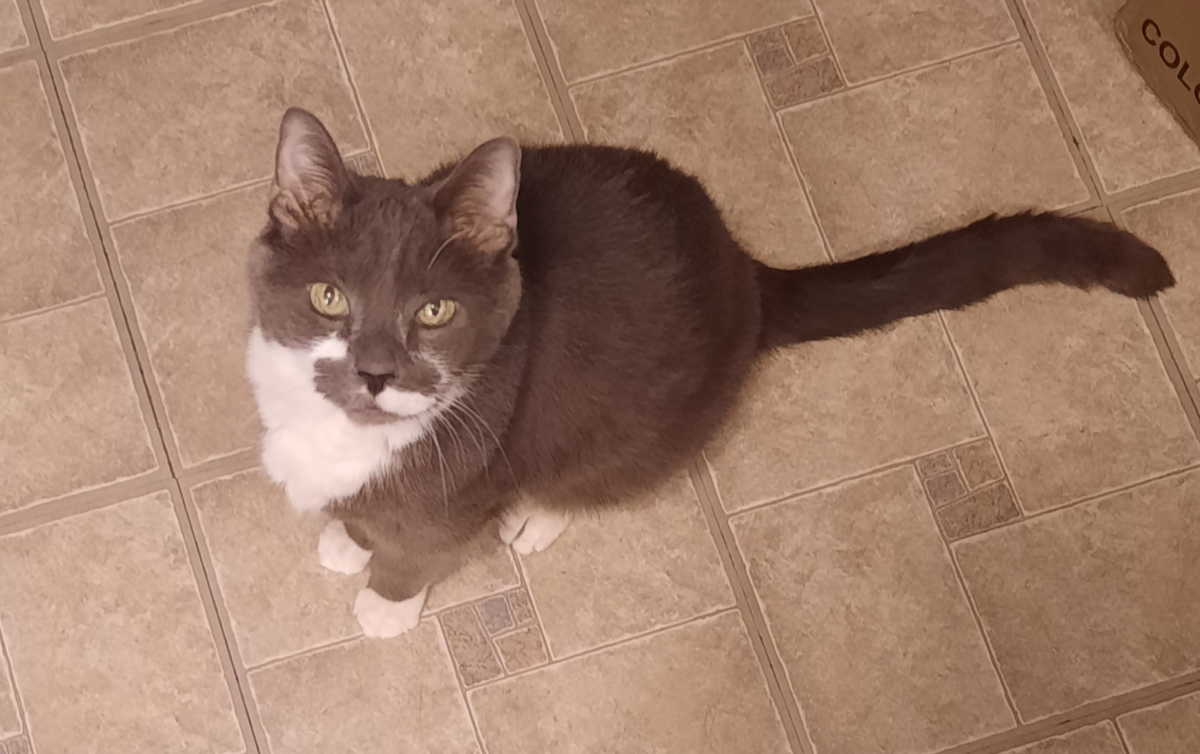 A T4 test is not something to fear. It is a tool. For senior cats, it can reveal hyperthyroidism before the body gets worn down. For dogs, it can be one piece of a larger thyroid check when hypothyroidism is suspected. For diabetic pets, it can help explain changes that do not make sense on glucose data alone.
Pet parents bring the part no machine can measure. We know who our pets are at home. We know the difference between “old and cozy” and “something is wrong.” We know when the food bowl is empty too fast, when the litter box is wetter than usual, when the dog who loved walks now stops at the driveway, and when the cat who always slept peacefully starts pacing at 3 a.m. That home knowledge matters.
A good thyroid conversation with your vet includes the T4 number, the symptoms, the exam, the other bloodwork, the pet’s age, the medication list, and the changes you have seen at home. That is how a simple blood test becomes useful care instead of just another confusing line on a lab report.