
The First Few Days Can Feel Bigger Than They Are
Bringing a new dog into a home with cats can feel like dropping a drum set into a quiet library. One day the cats are stretched across the furniture, owning every sunny spot, and the next day there is a tail-wagging stranger sniffing the air like the whole house belongs to him. For many cats, that first reaction is not curiosity. It is fear.
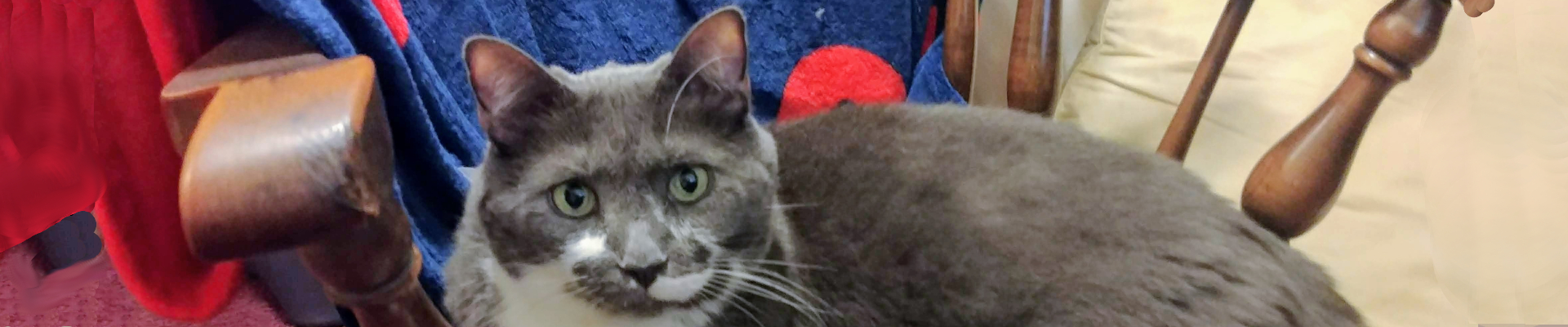
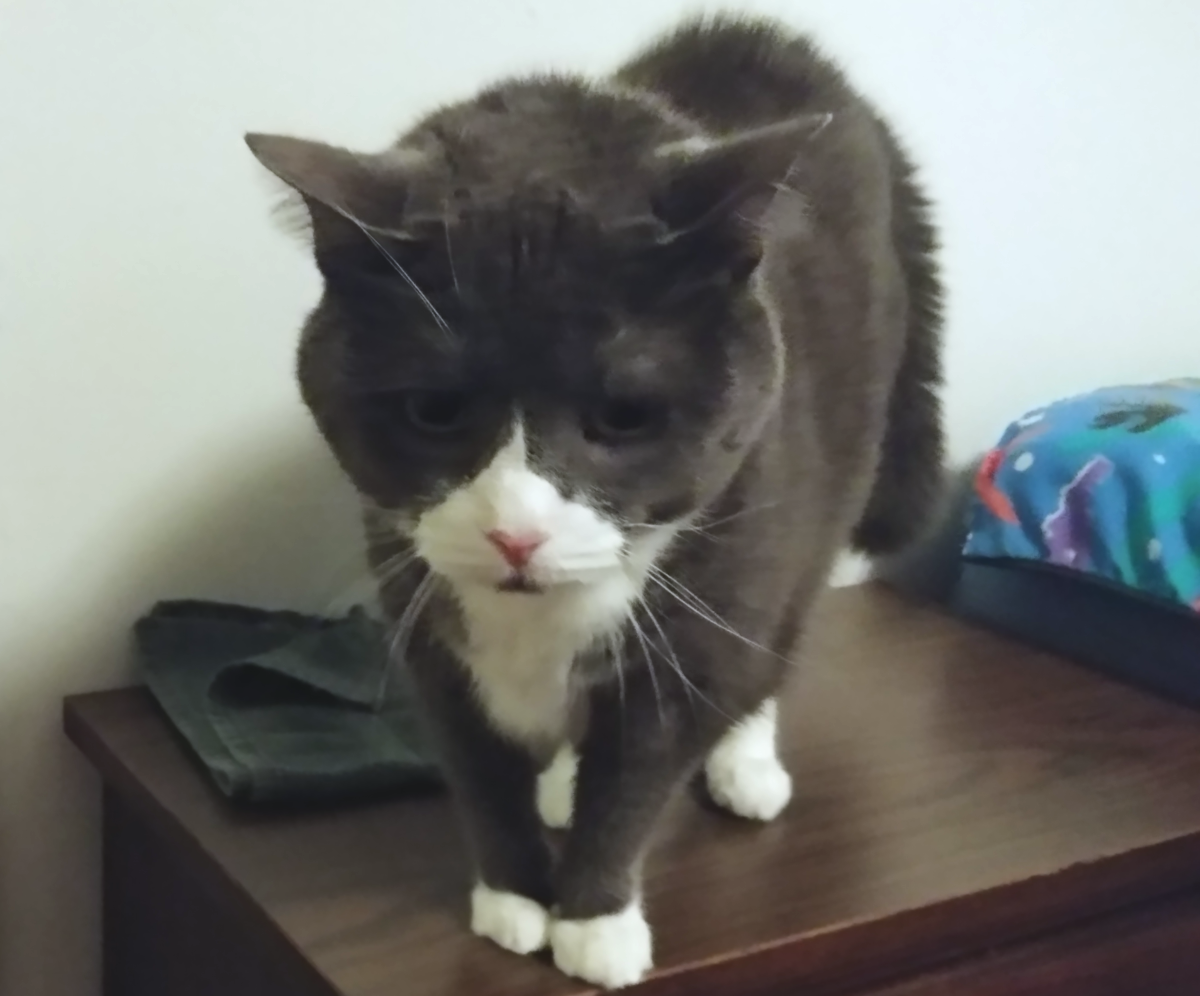
That fear can look dramatic. A cat may vanish under the bed, flatten their ears, hiss from across the room, refuse to walk through the hallway, or stare at the new dog like he just arrived from another planet. Some cats act offended. Some act betrayed. Some act like they are packing their emotional bags and moving into the closet.
As pet parents, we can take that personally. We want everyone to love each other right away. We picture the cat and dog curled up together by the window, peaceful and sweet. Sometimes that happens, but it usually does not happen on day one. Cats need time to decide whether the new dog is a threat, a nuisance, or just another weird family member they will eventually tolerate.
In our house, with years of cats and dogs coming through our lives, I have learned that the first reaction is not the final relationship. A scared cat can become a relaxed cat. A hissing cat can become a cat who walks past the dog without a care. The key is patience, space, and not rushing the introduction just because the humans are excited.
Cats Are Not Being Difficult, They Are Being Cats
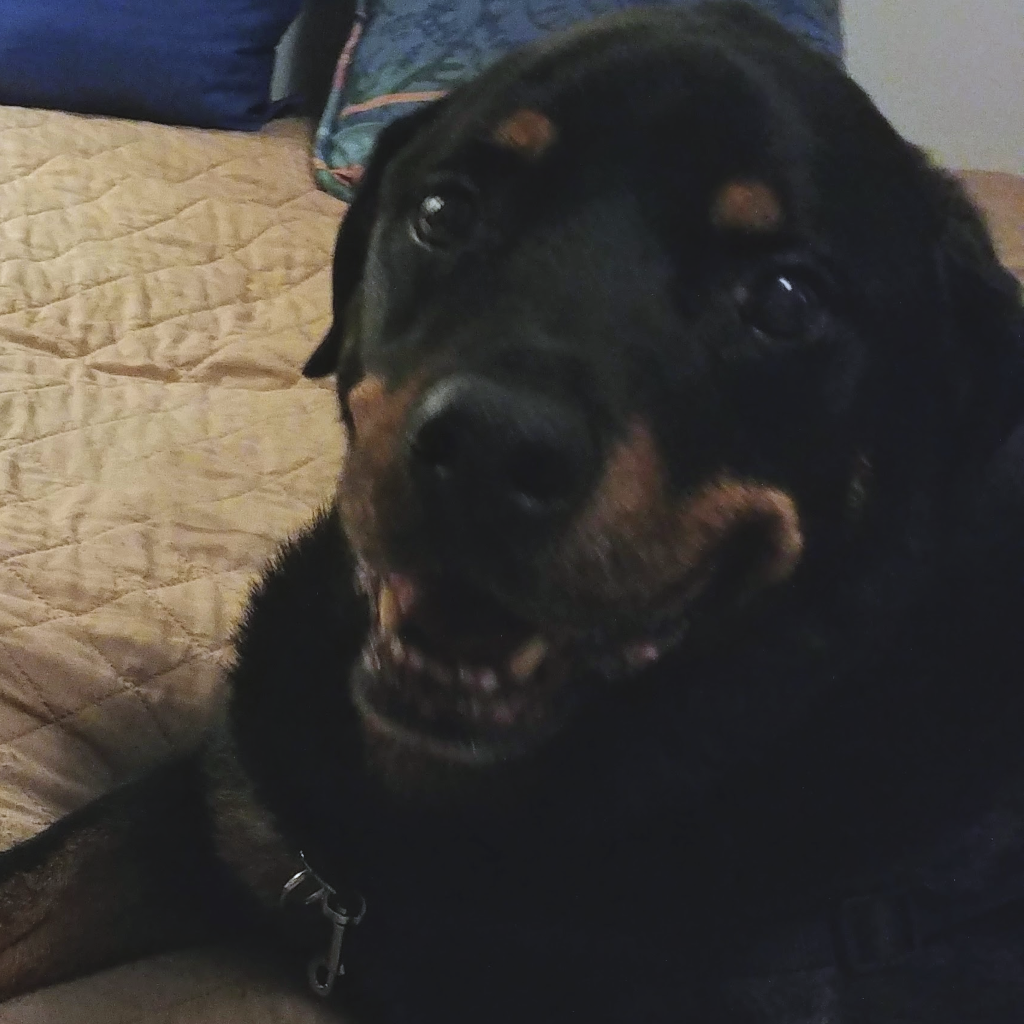 Cats do not usually appreciate sudden change. They are deeply attached to their territory, their routines, their safe paths, and their quiet corners. A new dog changes the smell of the house, the sound of the house, and the movement of the house. That is a lot for a cat to take in. A dog may think, “New friend!” A cat may think, “Security breach.”
That difference matters. Most dogs are more direct. They sniff, bounce, stare, follow, and sometimes bark. Even a sweet dog can overwhelm a cat without meaning any harm. A cat reads body language differently. A dog leaning forward with interest may look threatening. A wagging tail does not always translate as friendly to a cat. A happy bark can sound like danger.
This is why I do not believe in the “just let them work it out” approach. That might work once in a while, but it can also create fear that lasts much longer than it needed to. A cat who gets chased on the first day may remember that hallway as unsafe for weeks. A dog who gets scratched because he rushed too close may become nervous around the cat. Nobody wins. Cats need to feel that they still have control over their own home. That means they need escape routes, high places, closed doors, and time to observe before they are expected to interact.
The Safe Room Is Not Spoiling Them
A safe room is one of the best gifts you can give a cat during a dog introduction. It does not have to be fancy. A bedroom, office, or spare room can work well. The room should have food, water, a litter box, bedding, scratching options, and familiar smells. The dog should not have access to this room. Some people feel bad separating the cat, as if the cat is being locked away. I see it differently. The safe room gives the cat a headquarters. It tells them, “You still have a place that belongs to you.”
This is especially helpful for senior cats. Older cats may have arthritis, weaker hearing, vision changes, thyroid issues, kidney disease, or just a lower tolerance for nonsense. A younger cat may leap onto a shelf and watch the dog from above. A senior cat may need an easier escape plan. They may need baby gates with cat openings, pet stairs, or a room where they can rest without being bothered.
On BellenPaws, we talk a lot about honoring senior pets as they age, and this is one of those everyday situations where that mindset matters. A senior cat is not “grumpy” for needing quiet. They are asking for peace in the only way they know how.
Let Them Learn Each Other Through Scent First
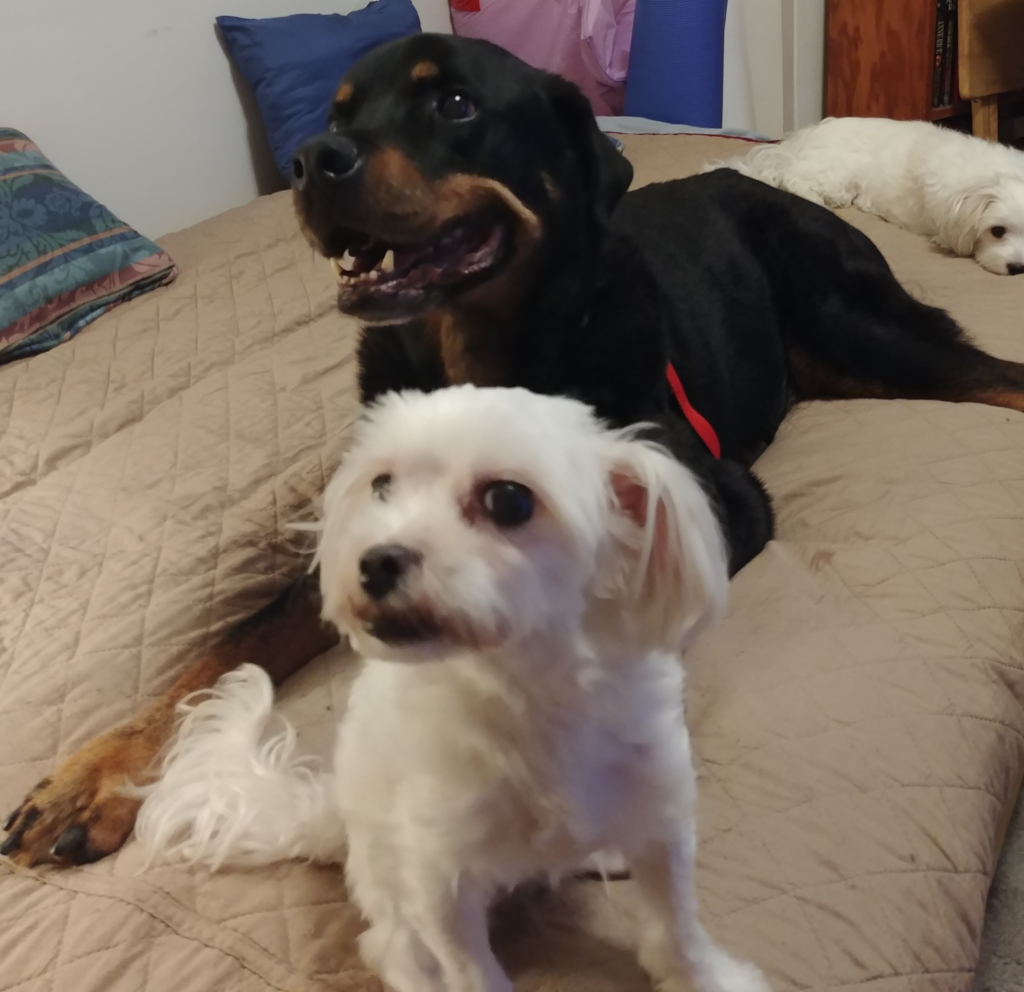 Before face-to-face meetings, scent can do a lot of the early work. Cats live in a world of smell. The new dog’s scent is information. It tells them who has entered the home, where they have been, and whether they seem familiar over time.
A simple way to start is by swapping bedding or soft cloths. Let the dog sleep on a blanket, then place that blanket near the cat’s safe room, not right in their face. Let the cat investigate it when they choose. You can also rub a soft cloth gently along the dog’s side, then place it near the cat’s area. Do the same with the cat’s scent for the dog.
Do not force the cat to smell the item. Do not push it under their nose. Cats hate that kind of pressure. Leave it nearby and act casual. The goal is boring exposure. Boring is good. Boring means the new smell becomes part of the house instead of a shocking event.
Feeding on opposite sides of a closed door can also help if both pets are comfortable. The cat eats on one side, the dog eats on the other, and they begin to connect each other’s presence with normal life. The dog should not be scratching, barking, or pressing hard at the door. If that happens, back up and make the setup calmer.
First Visual Contact Should Be Controlled
The first time the cat and dog see each other, there should be a barrier. A baby gate, screen door, crate, or leash can make a big difference. The dog should be under control, and the cat should be able to leave.
This part matters. The cat must not feel trapped. If the cat wants to look for three seconds and walk away, that is progress. If the cat hisses once and retreats, that is not failure. Hissing is communication. It means the cat is setting a boundary.
The dog needs guidance too. A calm dog should be praised. A dog who locks eyes, lunges, whines, barks, or tries to chase should be redirected. Not punished, redirected. Punishment can raise excitement and confusion. Calm direction works better.
Short sessions are best. A few peaceful minutes are worth more than a long session that ends badly. Stop while things are still calm. That can feel too slow, but slow is often what gets you there faster.
Chasing Must Be Stopped Every Time
 A dog chasing a cat is not cute during introductions. Even if the dog thinks it is play, the cat may experience it as danger. Once chasing becomes a habit, it can be hard to undo. The dog should be leashed during early meetings. This is not about being harsh. It is about preventing bad patterns. If the dog gets excited when the cat moves, use distance, treats, and calm commands to teach that the cat is not something to chase.
Some dogs have a high prey drive. That does not make them bad dogs, but it does mean the pet parent needs to be honest. A dog who fixates on a cat, stalks, stiffens, or cannot be redirected needs extra management. In some cases, a professional trainer with cat-safe experience is worth calling. I would rather ask for help early than wait until a cat feels hunted in their own home.
Cats also need vertical space. Cat trees, shelves, window perches, and furniture paths can help them move without crossing the dog’s path. If the cat can go high, they often feel safer. If the only escape route is running across the floor, the dog may get excited, and the whole thing can spiral.
The Relaxing Stage Often Arrives Quietly
The shift from scared to relaxed is not always dramatic. One day the cat stays in the room a little longer. Then they walk across the hallway while the dog is nearby. Then they eat while the dog is in another part of the room. Then they nap on the couch while the dog sleeps on the floor. That is the good stuff.
Relaxed does not always mean best friends. Some cats and dogs become cuddle buddies. Others become polite roommates. Both outcomes are fine. The goal is safety and peace, not a greeting-card photo.
A cat who stops hiding all day is making progress. A cat who grooms in the same room as the dog is showing comfort. A cat who turns their back on the dog is showing trust. Cats do not waste relaxed body language on situations they believe are dangerous.
The dog may relax too. The first days may be full of sniffing, whining, and interest. Over time, the cat becomes old news. That is exactly what we want. The dog learns that the cat is part of the home, not a toy, not a target, and not a mystery to solve every five minutes.
Senior Cats Need Extra Respect
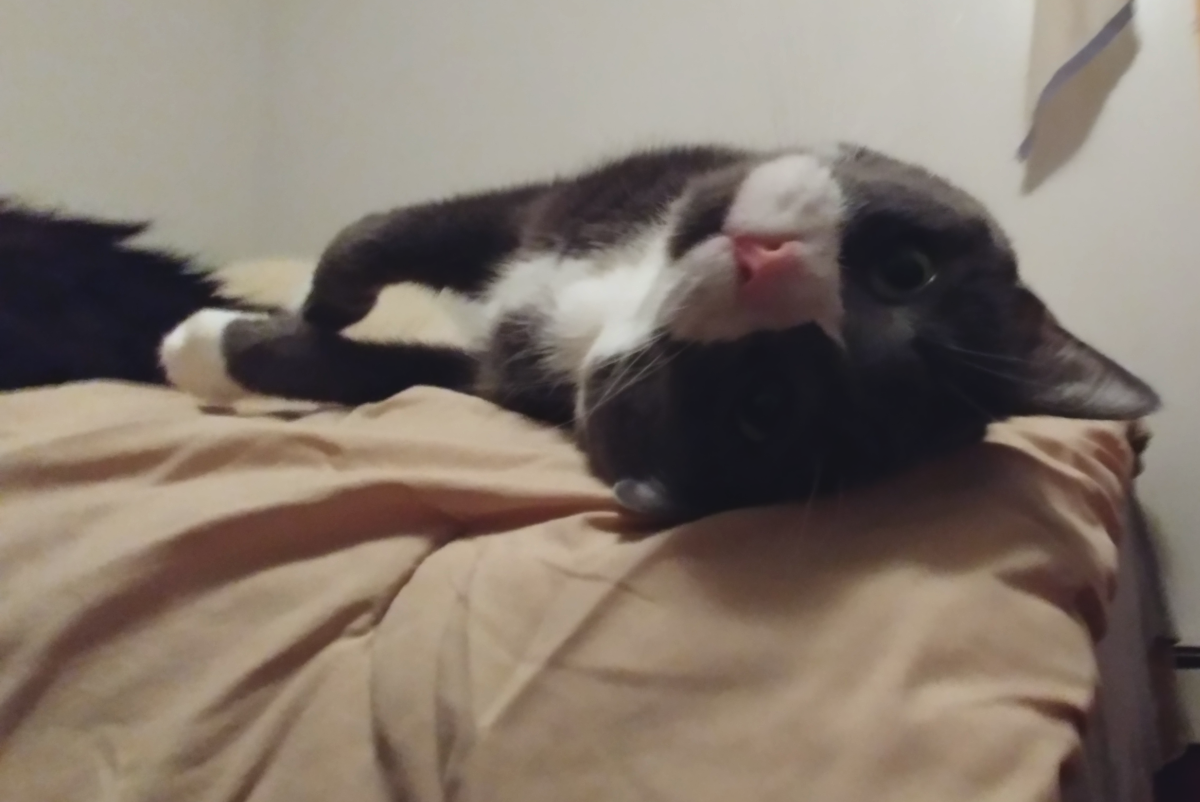 Senior cats deserve a slower pace. Their joints may ache. Their patience may be thinner. Their hearing or vision may not be what it used to be. A fast-moving dog can startle them more easily than it would have years ago.
We saw many versions of aging in our own cats over the years. Belle and Paws, the founding hearts behind BellenPaws, taught us that older pets carry their own rhythms. Belle had her share of health struggles, including hyperthyroidism, kidney disease, dehydration, high blood pressure, and stress-related overgrooming. Paws had hyperthyroidism and high blood pressure too. Those experiences shaped how we look at senior pets. Comfort matters. Predictability matters. A peaceful home matters.
If a senior cat is adjusting to a new dog, I want them to have easy access to food, water, litter, and resting places without having to pass the dog. I want night lights if vision is fading. I want low-entry litter boxes if mobility is harder. I want the dog blocked from the cat’s main resting spaces.
This is also a good time to think about age and health in general. Our cat and dog human-age calculators on BellenPaws can help pet parents put their pet’s life stage into perspective. A cat who seems “only twelve” may actually be deep into senior territory. That does not mean fragile. It means worthy of thoughtful adjustments.
Watch the Cat’s Eating, Litter Box Habits, and Mood
Stress can show up in the body. A cat adjusting to a new dog may eat less, hide more, overgroom, swat, vocalize, or avoid the litter box. Some stress signs are mild and pass as the cat adjusts. Others deserve a call to the vet.
A cat who stops eating needs attention quickly. Cats are not built to go long without food. A cat who is urinating outside the box may be stressed, but they may also have a urinary issue. A cat who suddenly seems painful, weak, or withdrawn should not be brushed off as “just upset about the dog.”
For diabetic cats, routine changes can be even more serious. Stress can affect appetite and blood sugar patterns. With our diabetic cats, including Zippy, who achieved remission through tight regulation, and Bentley, who still receives insulin twice a day, we learned to watch patterns closely. Food, stress, timing, and behavior all matter.
That is one reason we offer a free online pet diabetes tracker on BellenPaws, along with printable charts and blank glucose curve forms. During household changes, written records can help you see what is actually happening instead of guessing from memory. That kind of tracking can also give your vet clearer information if something seems off.
The Dog Needs Training, Not Just Hope
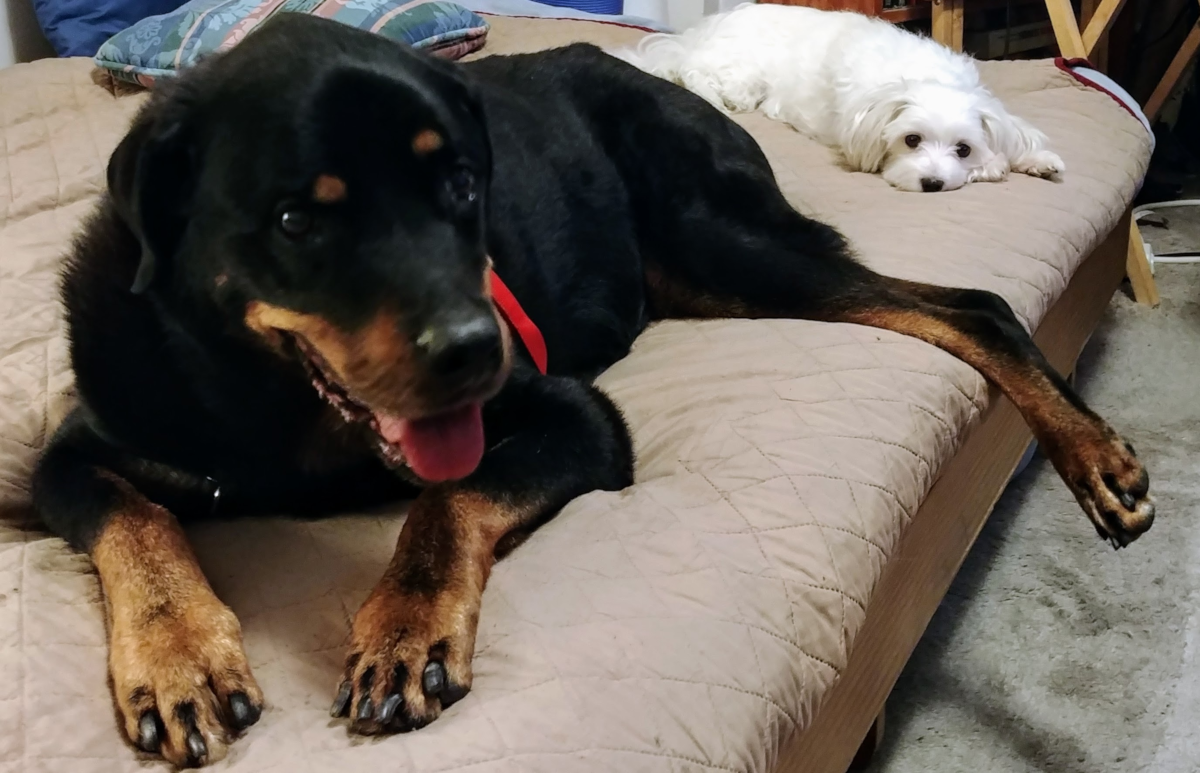 A peaceful cat-dog home does not happen only because the cat adjusts. The dog has work to do too. Basic commands like sit, stay, leave it, and come can make the whole introduction safer. A dog who can settle on a bed while the cat walks through the room is a dog who is learning house manners.
The dog should be rewarded for calm behavior around the cat. Quiet looking, relaxed body posture, and choosing not to follow the cat are all worth praise. Many people only correct the dog when they do something wrong, but the better habit is rewarding the dog when they get it right.
Exercise helps too. A dog with too much pent-up energy may treat the cat like entertainment. Walks, play sessions, puzzle toys, and training games can lower that pressure. A tired dog is not always a perfect dog, but a mentally satisfied dog is usually easier to guide.
The cat should never be used as a training prop. If the dog cannot stay calm, increase distance. Put up a gate. Use a leash. Try again later. The cat’s safety comes first.
Some Cats Need Weeks, Not Days
A confident cat may adjust quickly. A shy cat may need weeks. A senior cat may need even longer. That does not mean anything is wrong. It means the cat is processing change at their own speed. I like to think in layers. First, the cat accepts the dog’s smell. Then the cat accepts the dog’s sounds. Then the cat accepts seeing the dog. Then the cat accepts sharing space at a distance. Then, maybe, closer contact happens. Skipping layers can create setbacks.
Setbacks are normal. A bark may send the cat back under the bed. A sudden movement may trigger a hiss. A guest visiting the house may raise everyone’s stress level. Progress is rarely a straight line. The goal is not perfection every day. The goal is a steady trend toward calmer behavior.
Pet parents should also resist comparing animals. The cat you had years ago may have loved dogs. This cat may not. The dog you had before may have ignored cats. This dog may be fascinated by them. Each pet brings their own personality, history, and comfort level.
A Relaxed Home Has Clear Boundaries
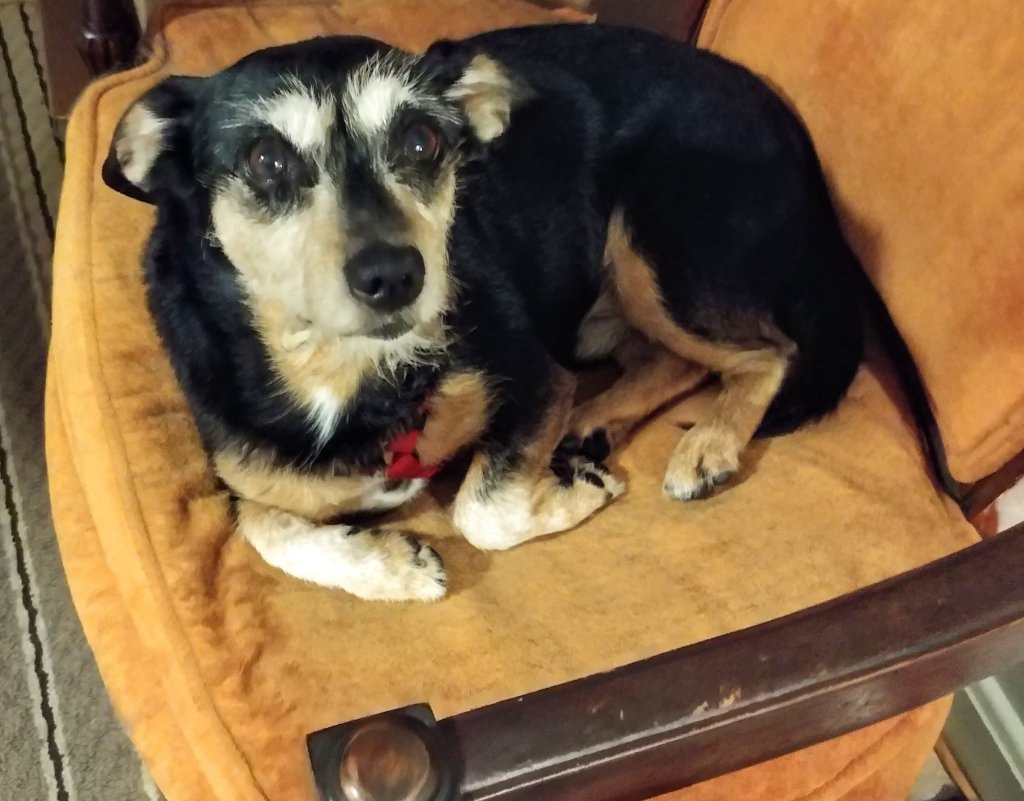 The best cat-dog households I have seen are not lawless free-for-alls. They have boundaries. The cat has places the dog cannot go. The dog has rules around chasing and food. The humans pay attention instead of assuming everything is fine forever.
Food bowls should usually be separated. Dogs love cat food, and cats do not enjoy being crowded while eating. Litter boxes should be dog-proofed too, because some dogs develop a disgusting interest in them. Covered boxes, gates, door straps, or rooms with cat-sized entries can help.
Resting spaces matter just as much. A cat should be able to nap without a dog nose poking into their bed. A dog should also have a place to settle where the cat is not swatting from above. Peace grows when everyone knows where they can relax.
Over time, the house starts to soften. The cat walks through with more confidence. The dog stops reacting to every movement. The humans stop holding their breath every time both animals enter the same room. That is usually the moment you realize the fear has faded into routine, and routine is often where pets feel safest.