

Caring for a sick pet can become one of the most loving and exhausting chapters of your life. Sick pet care can mean alarms before sunrise, medicine schedules, appetite tracking, cleaning accidents, checking gums, counting breaths, watching litter boxes, worrying over every quiet hour, and trying to act normal while your heart feels like it is sitting outside your body with fur on it.
I am not a veterinarian. I am a pet parent who has spent years caring for senior cats, diabetic cats, and animals with chronic problems that did not care what time it was or how tired I felt. Zippy taught me that diabetic care can be intense, but also full of hope. Bentley still reminds us that twice-daily shots, testing, feeding, and observation become part of life, not because it is easy, but because they are worth it. Caregiver burnout does not mean you love your pet less. It means the load has gotten heavy.
The Guilt No One Talks About Enough
The hardest part of caring for a sick pet is not always the treatment itself. It is the guilt that creeps in around the edges. You feel guilty for being tired. Guilty for feeling irritated. Guilty for wanting one uninterrupted night of sleep. Guilty for thinking about money. Guilty for wondering how long you can keep going like this.
That guilt can be brutal because pets are innocent. They are not choosing to need insulin, fluids, pills, special food, mobility help, wound care, or extra vet visits. They are just trying to get through the day with the body they have. So when frustration shows up, many pet parents panic and think, “What kind of person am I?” You are probably a worn-out person. That is different from being a bad person.
There were times with our pets when I had to step away for a minute, breathe, and reset my face before walking back into the room. Every skipped meal felt like failure. Every bad number on a glucose meter felt like the universe had picked a fight with me before breakfast.
Sick Pet Care Changes Your Whole Routine
 A sick pet does not only need care during the convenient parts of the day. That is where burnout starts to sneak in. Your routine bends around theirs. Meals happen on a schedule. Medicine has to be timed. Sleep gets lighter. Plans become conditional. Leaving the house starts to feel like a math problem.
For diabetic pets, especially those being managed closely, the day can revolve around food, insulin, glucose checks, signs of lows, signs of highs, and whether your pet is acting like themselves. With senior pets, the care may be less technical but still demanding. You may be helping them stand, cleaning bedding, tempting them to eat, monitoring water intake, or watching for pain that they try to hide.
The outside world does not always understand this. People may say, “It’s just a cat,” or “It’s just a dog,” which is the fastest way to make a devoted pet parent stop sharing how they feel. For many of us, these animals are family. We know their sounds, habits, favorite nap spots, and tiny expressions. Their suffering lands directly in our chest.
Recognizing the Signs of Burnout
Burnout often starts quietly. You may not notice it right away because you are too busy doing the next thing. Feed. Medicate. Clean. Call the vet. Refill supplies. Check symptoms. Repeat. Common signs include feeling constantly tired, becoming short-tempered, crying more easily, avoiding friends, losing interest in things you normally enjoy, feeling trapped by the care schedule, or struggling to make decisions. Some people feel numb instead of sad. Others feel angry and then ashamed of being angry.
Physical signs matter too. Headaches, poor sleep, muscle tension, stomach upset, and appetite changes can all show up when stress has been running the show for too long. Your body keeps score even when your mind says, “I’m fine.”
A big warning sign is when every task starts to feel like proof that you are failing. The litter box accident becomes a personal defeat. A missed dose by ten minutes feels unforgivable. A bad appetite day convinces you that you are doing everything wrong. Sick pet care requires attention, but perfection is not possible. Pets are living beings, not machines, and chronic illness rarely moves in a straight line.
Build a Care Routine That Does Not Depend on Memory Alone
Caregiver burnout gets worse when every detail lives in your head. A tired brain is not a reliable filing cabinet. Write things down. Use alarms. Keep a simple notebook. Tape a medication chart inside a cabinet. Put supplies in one easy place. Make the routine visible so you do not have to mentally carry it all day.
For diabetic pets, tracking can be a lifeline. Numbers, food, insulin doses, symptoms, and behavior notes are much easier to understand when they are recorded in one place. That is one reason we built free tools on BellenPaws, including our online pet diabetes tracker with printable charts and tables for vets, along with blank glucose curve forms. A record does not remove the worry, but it gives the worry somewhere useful to go.
Senior pet care benefits from tracking too. A simple daily note can show whether appetite, mobility, bathroom habits, or comfort are changing. Your vet cannot see what happens at 2 a.m. in your kitchen, but your notes can help tell that story. Good records also protect you from the mental spiral. Instead of relying on fear, you can look back and see patterns. Maybe the bad day was one bad day, not a collapse.
Ask Your Vet for a Realistic Home Care Plan
 Some vet instructions sound simple in the exam room and feel overwhelming once you get home. Ask for specifics. Ask what matters most. Ask what can wait until morning and what needs urgent care. Ask which symptoms are expected and which ones are red flags. Ask what to do if your pet refuses food, vomits after medication, hides, pants, stumbles, or seems painful.
A good home care plan should not leave you guessing at every turn. You are allowed to say, “I need this explained in plain language.” You are allowed to ask the same question twice. You are allowed to ask for written instructions. You are allowed to admit that a treatment plan is too expensive, too physically difficult, or too stressful to manage as written.
Pet parents sometimes stay silent because they are afraid of being judged. The vet team cannot adjust the plan if they do not know what is happening at home. A treatment that looks perfect on paper may not work for your household, your budget, your schedule, or your pet’s temperament.
Share the Load, Even in Small Ways
Many pet parents become the default nurse because they know the routine best. That can work for a while, but it can also trap you. Even if another person cannot handle injections, testing, or medication, they may be able to wash bowls, pick up prescriptions, sit with your pet while you shower, clean bedding, drive to appointments, or prepare food.
Help does not have to be dramatic to matter. A fifteen-minute break can reset your nervous system. One errand taken off your plate can keep the day from tipping over. One person listening without judging can make you feel less alone.
If you live alone, build a small backup plan anyway. Write down your pet’s medications, feeding instructions, vet contact, emergency clinic information, and where supplies are kept. Choose one trusted person who could step in if you got sick or had to leave suddenly. Even if you never need that plan, knowing it exists can lower the pressure.
Protect Sleep Like It Belongs on the Treatment Plan
Sleep deprivation makes everything harder. It makes patience thinner, fear louder, and decisions foggier. Sick pets often disrupt sleep, especially seniors who pace at night, cats with thyroid issues who vocalize, diabetic pets who need monitoring, or pets with pain who cannot settle.
The goal is not perfect sleep. The goal is protecting whatever sleep you can get. Prepare supplies before bed. Keep cleanup items nearby. Use night lights for senior pets. Ask your vet whether pain, anxiety, nausea, blood pressure, thyroid disease, or cognitive changes could be contributing to nighttime restlessness. A nap is not laziness. Your pet does not benefit from you becoming so exhausted that you cannot think clearly.
Make Room for Feelings That Are Not Pretty
Love is not always soft. Sometimes love is cleaning urine at 3 a.m. while muttering under your breath. Sometimes love is crying in the car after a vet appointment. Sometimes love is feeling resentful for five minutes, then feeling horrified that resentment showed up at all. Those feelings do not define the relationship. They are signals that the pressure is high.
Pet parents caring for chronically ill animals often carry anticipatory grief, which is the grief that begins before a loss happens. You may still have your pet beside you, purring or wagging, while part of your heart is already grieving the changes. That can feel confusing. You are grateful they are still here, but you are also mourning the version of life before the diagnosis.
Talking helps. A trusted friend, a pet loss group, a counselor, or a veterinary social worker can give those feelings somewhere safe to land. Some specialty hospitals and universities have pet support services, and more clinics are recognizing that the human side of pet care needs attention too.
Watch Your Pet’s Quality of Life Without Ignoring Yours
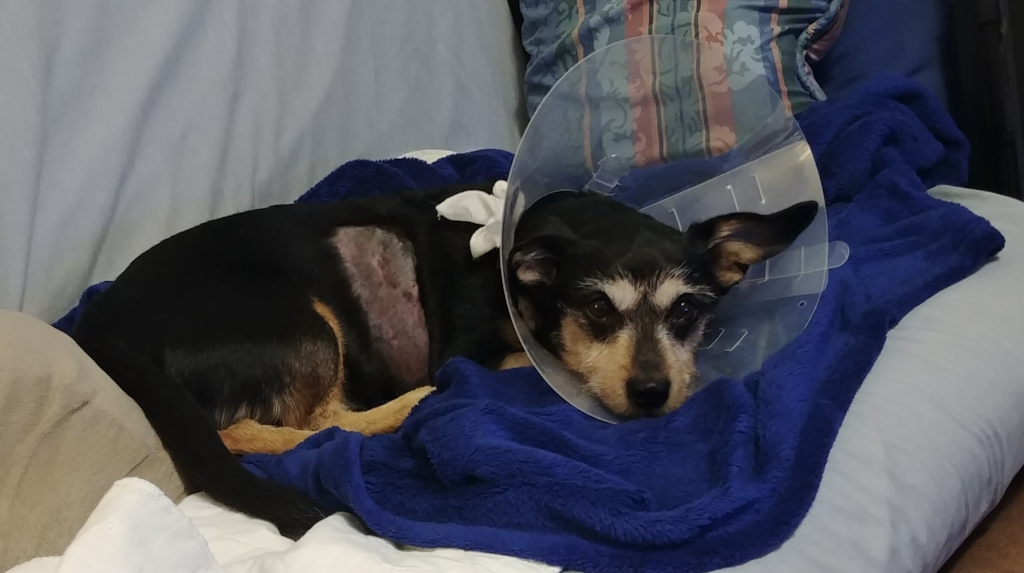 Quality of life is usually discussed for the pet, and that is right. We need to watch pain, appetite, hydration, mobility, breathing, bathroom habits, interest in family, and whether they still enjoy parts of their day. A senior pet who still loves sunbeams, snacks, brushing, porch smells, lap time, or a favorite toy may still have meaningful comfort.
The caregiver’s life matters too. If the care routine becomes so intense that you are breaking down, your vet needs to know. That does not mean giving up. It may mean changing the plan, adding comfort care, simplifying medication schedules, adjusting goals, or discussing palliative care.
With diabetic pets, tight regulation can offer real hope, as we saw with Zippy’s remission and as we continue with Bentley’s care. It also requires honesty. If the plan is becoming too much, the answer is not shame. The answer is a conversation with your vet about safe adjustments and realistic next steps.
Money Stress Is Real Caregiver Stress
Financial strain can add a heavy layer to sick pet care. Vet visits, lab work, prescriptions, special diets, glucose supplies, mobility aids, fluids, imaging, and emergency care can pile up fast. People often do not talk about this because money and love get tangled together. They should not be measured against each other. A person can love their pet deeply and still have limits. That is not cold. That is reality.
Ask your vet to separate the ideal plan from the good plan and the minimum safe plan. Ask what gives the most comfort or information for the cost. Ask whether generic medications, written prescriptions, staged testing, payment options, or home monitoring could help. You are allowed to have that conversation.
Create Tiny Moments That Are Not Medical
Illness can turn your whole relationship into tasks. Pills. Needles. Wipes. Tests. Baths. Appointments. Measurements. Your pet can start to feel like a patient first and a companion second, even though that is the last thing you want.
Build in tiny moments that have nothing to do with treatment. Sit in the sun together. Brush them if they like it. Offer a vet-approved treat. Talk to them in your normal voice. Let your dog sniff a favorite patch of grass. Let your cat enjoy a warm blanket. Take a picture on an ordinary day.
Belle was never just her illnesses. Paws was not a blood pressure reading. Zippy was not a glucose curve. Bentley is not a shot schedule. These animals are souls we share our homes with. The medical work matters, but the bond is the reason for the work.
Set Boundaries With Outside Opinions
Everyone seems to have an opinion once a pet gets sick. Some people think you are doing too much. Some think you are not doing enough. Some suggest miracle products. Some compare your pet to one they had years ago. Some say things that land like a brick, even if they meant well. You do not have to defend every choice to every person.
Your vet team, your household, and the people who truly understand your bond deserve the most space in the decision-making circle. Online groups can help, but advice still needs to be filtered through your vet and your pet’s actual situation.
The Hard Days Need a Plan Too
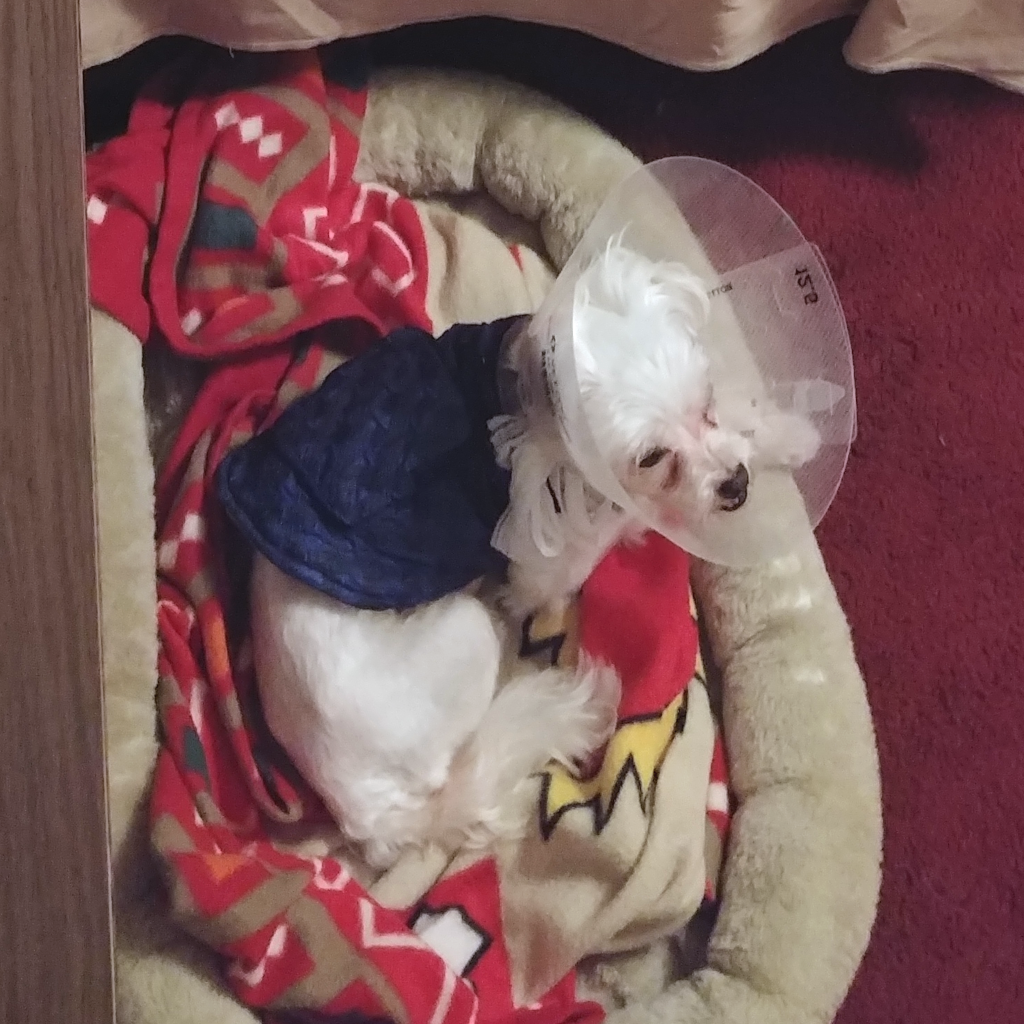 Bad days hit differently when you are already tired. A flare, a seizure, a crash, a sudden refusal to eat, a scary glucose number, labored breathing, or a painful cry can make your brain freeze. Planning for bad days before they happen can make you steadier.
Keep your vet’s number and the emergency clinic number easy to find. Know the route. Know your pet carrier situation. Keep a small go-bag with medications, records, towels, treats, and a recent list of doses. For diabetic pets, keep your hypo supplies where you can grab them. Ask your vet what signs mean “call now” and what signs mean “go now.” This is preparation. A plan will not remove fear, but it can reduce chaos. That matters when emotions are already running hot.
Caregiver Burnout Deserves Respect
Pet caregiver burnout is not weakness. It is the cost of sustained love under pressure. The answer is not to care less. The answer is to care in a way that does not destroy you in the process.
That may mean asking for help, simplifying routines, tracking symptoms, resting when you can, having more honest vet conversations, accepting emotional support, and admitting that some days are ugly. It may mean changing the goal from “fix everything” to “keep them comfortable and loved today.” Some days, that is enough.