
Hydration can quietly become one of the biggest daily battles in senior pet care. It rarely announces itself in a dramatic way at first. A cat visits the water bowl a little less. A dog sleeps through the afternoon and barely touches the dish. A diabetic pet drinks more than usual, then suddenly drinks less, and that change sends your brain into full alarm mode.
I have lived with enough senior cats and dogs to know that water is not just water once age, kidney issues, diabetes, thyroid disease, medications, and appetite changes enter the picture. It becomes part of the routine. Part of the monitoring. Part of that quiet little checklist we carry around in our heads every day.
For us, hydration has mattered with pets like Belle, Paws, Pebbles, Bubbles, Bentley, Blackie, and others who each had their own health quirks. Kidney disease, hyperthyroidism, high blood pressure, diabetes, urinary trouble, and old-age pickiness all taught us the same lesson in different ways. Sometimes the goal is not to force a pet to drink more from a plain bowl. Sometimes the goal is to make moisture easier, tastier, fresher, and more natural for that individual pet.
I am not a veterinarian, and hydration problems can become serious fast. Dry gums, weakness, sunken eyes, poor appetite, vomiting, diarrhea, collapse, or sudden changes in drinking and urination deserve a vet call. But for the everyday pet parent trying to help a senior cat or dog take in more fluids safely, there are a few practical tricks that can make a real difference.
Hydration Is Not Just About the Water Bowl
Many of us grew up thinking hydration meant one thing, a bowl of water in the kitchen. That works for some pets. It absolutely does not work for all of them. Cats especially can be odd little royalty about their water. Some hate stale water. Some hate bowls near food. Some hate deep bowls that touch their whiskers. Some will ignore a full dish and then lick the bathtub faucet like they discovered a sacred spring.
Dogs can be picky too, especially seniors. A dog with dental pain, nausea, mobility issues, or low appetite may not make extra trips to the bowl. A dog who once drank like a champ may slow down simply because getting up hurts.
Moisture can come from several places. Wet food, added water, low-sodium broth, pet-safe flavored liquids, hydration supplements, and water fountains can all help. The trick is matching the method to the pet, the medical situation, and the daily routine you can actually maintain.
Bone Broth Can Help, But It Has to Be Pet-Safe
 Bone broth gets tossed around as a miracle fix online, and I do not see it that way. I see it as a useful tool when made or chosen carefully. A little warm broth can make food smell better, soften texture, and add moisture without turning mealtime into a wrestling match. For senior pets who are bored with food or not thrilled with plain water, that aroma can help.
The safety part matters. A pet-friendly broth should not contain onion, garlic, heavy salt, chives, leeks, rich seasoning, or mystery flavor packets. Those ingredients may be fine in human soup, but they do not belong in a senior pet’s bowl. I also avoid greasy broth. Too much fat can upset the stomach, and some dogs are sensitive to rich foods.
Homemade broth gives you the most control. You can simmer plain bones or meat, strain everything carefully, chill it, skim off the hardened fat, and serve only the liquid. Never give cooked bones. Cooked bones can splinter, and that risk is not worth it. The broth is the useful part, not the bone.
For cats, I use tiny amounts at first. Cats are suspicious little food critics, and a sudden flavor change can cause them to walk away from a meal completely. A teaspoon mixed into wet food may be plenty to test acceptance. For dogs, the amount can be larger depending on size, but I still start small because senior stomachs can be dramatic.
Pets with kidney disease, heart disease, high blood pressure, or special sodium restrictions need extra caution. Broth can be a problem if it is salty or mineral-heavy. This is one of those areas where your vet’s guidance matters, especially for pets already on a prescription diet.
Tuna Water Is a Trick, Not a Meal Plan
Tuna water can be a lifesaver on a stubborn day. I have used it the way many cat parents have used it, as a little “please drink something” bribe when plain water was getting ignored. The smell is strong, familiar, and hard for many cats to resist.
The key is using tuna packed in water, not oil, and choosing no-salt-added when possible. The liquid can be diluted with plain water and offered in a separate dish or mixed into food. You can also freeze small portions in an ice cube tray so you are not opening a whole can every time.
This should stay occasional. Tuna is not a complete diet, and tuna water can still carry sodium, fish compounds, and flavor intensity that may not be ideal every day. Some cats get hooked on strong flavors and then become even pickier about regular food. That is not a fun bargain.
I also get cautious with cats who have kidney disease, urinary issues, food sensitivities, or a history of pancreatitis or digestive upset. Fish can be a trigger for some pets. Not always, but enough that I do not treat it casually. For a pet like Pebbles with kidney disease, or a cat with several overlapping senior issues like Blackie had, I would rather ask the vet before making fish water a daily habit.
For diabetic cats, tuna water can be useful because it usually does not add a pile of carbohydrates. Still, the bigger goal is stable eating, steady hydration, and good glucose records. On BellenPaws, that is exactly why we offer our free pet diabetes tracker with printable charts for vet visits, along with blank glucose curve forms. Hydration, appetite, insulin timing, and glucose numbers all tell a story together.
HydraCare Can Be Handy for Cats Who Like It
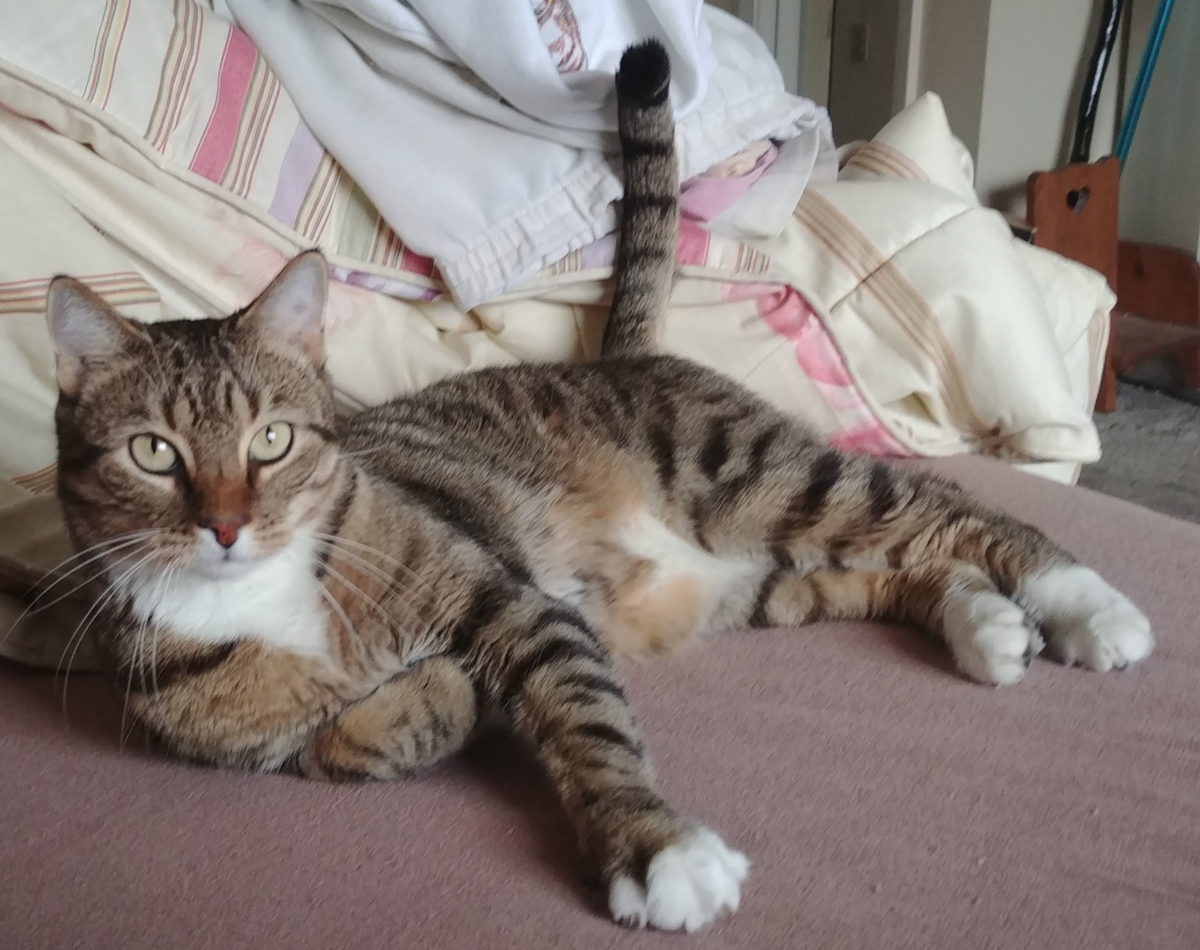 Purina Pro Plan Veterinary Supplements Hydra Care is made for cats, and many pet parents use it as a flavored hydration supplement. It is not the same as pouring plain water into a bowl. It is a nutrient-enriched liquid designed to encourage cats to take in more fluid. Some cats love it. Some sniff it and act offended. That is cats.
I like the idea of HydraCare for the right cat because it fits a real-world problem. Many cats do not drink enough from bowls, especially if they eat mostly dry food. A pouch of something tasty can feel more like a treat than a medical chore. That alone can reduce stress around hydration.
Still, I would not treat it like magic. I would treat it like one tool. Read the label. Introduce it gradually. Watch the litter box. Watch appetite. Watch stool quality. Watch blood glucose if your cat is diabetic. If your cat is on a kidney, urinary, heart, or prescription diet plan, ask your vet whether it fits.
With Bentley, because he is diabetic and gets insulin twice a day, I am always careful about anything new that might change his eating pattern. A product does not have to be “bad” to require attention. Even a helpful supplement can change the rhythm of the day, and diabetic care depends heavily on rhythm.
HydraCare may work best when offered separately from the main meal at first. That way you know whether your cat likes it, and you are not risking the whole meal if they reject the smell. Once you know the reaction, you can decide whether it belongs near meals, between meals, or not at all.
Fountains Can Turn Drinking Into a Habit
A good pet fountain can make a surprising difference, especially for cats who prefer moving water. Some cats seem to trust flowing water more than still water. Others like the sound. Some just enjoy being weird, which is fair, because cats built an entire personality around being weird.
The best fountain is not always the fanciest one. It is the one you will keep clean. That matters more than lights, apps, shapes, or cute marketing. A dirty fountain is worse than a simple clean bowl. Slime can build up in the pump, corners, spout, and filter area. If you have ever taken apart a fountain that looked fine from the outside and found gunk inside the pump housing, you already know the horror.
Stainless steel and ceramic are often easier to keep fresh than cheap plastic. Plastic can scratch, and scratches can hold grime. Some pets also get chin irritation from plastic bowls or fountains. Whatever material you choose, the cleaning routine has to be realistic. If it takes twenty minutes and three tools to clean, it may become one more thing you dread.
Placement matters too. Many cats dislike water right next to food. Some dislike water near the litter box. Some hate loud motors. Some senior pets need water stations on multiple floors because stairs become a barrier. For older dogs, a raised bowl may help if bending is uncomfortable, but that depends on the dog and their medical history.
The fountain should not replace observation. If the water level drops, that may mean your pet is drinking more, but evaporation and splashing can fool you. If you need accuracy, measure how much you add each day. For diabetic pets, sudden thirst changes can mean blood sugar is running high, insulin needs review, or another health issue is brewing.
Wet Food Is the Quiet Hydration Hack
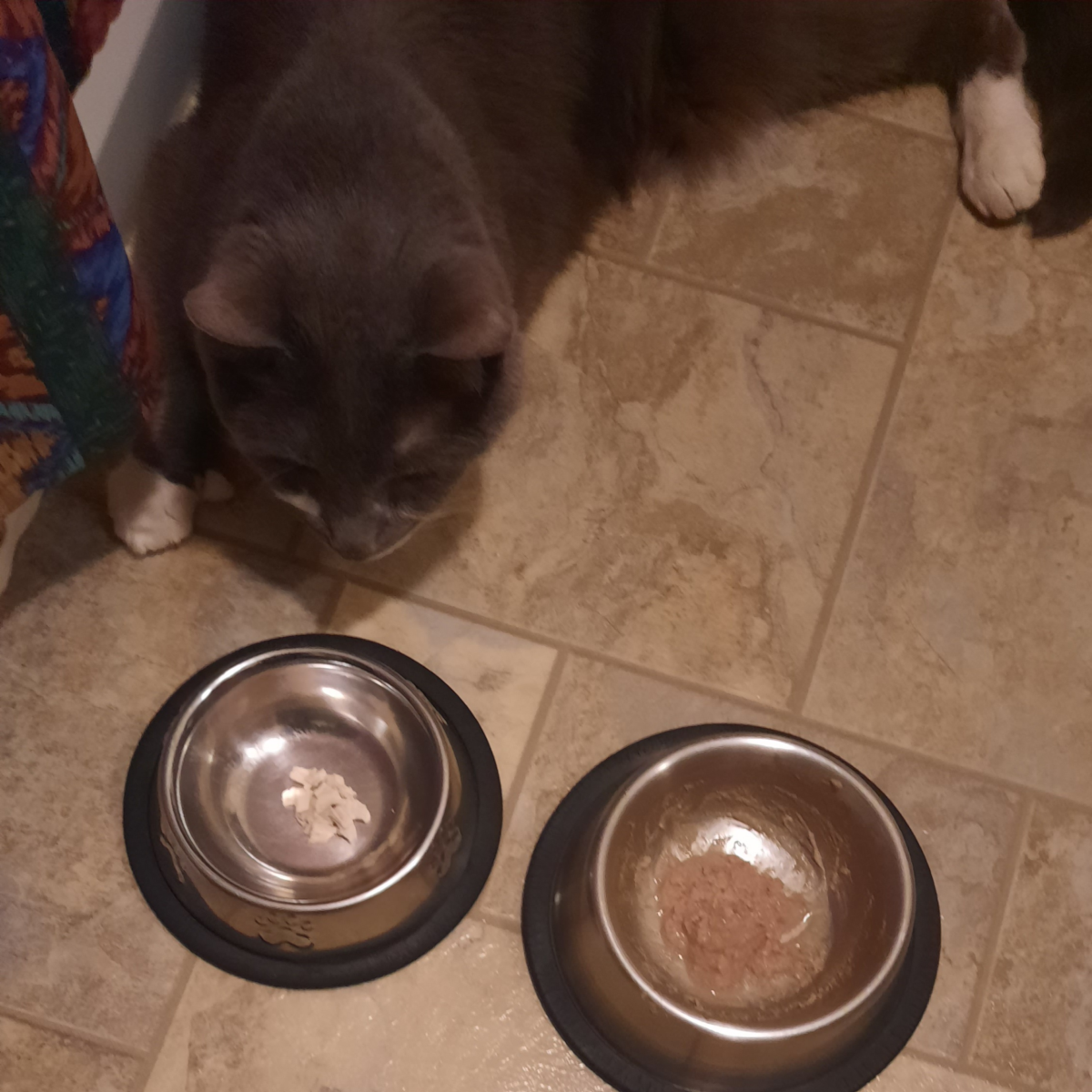 Wet food is not flashy, but it is one of the easiest ways to increase moisture. Cats who eat canned food take in more water through food than cats eating only dry kibble. Dogs can benefit from moisture-rich meals too, especially seniors who need softer textures.
Adding warm water to wet food can turn it into a stew. Some cats love that. Some cats want the exact same texture every time and will file a formal complaint by walking away. Start small. A spoonful of warm water mixed well is less offensive than flooding the bowl.
For diabetic cats, low-carbohydrate wet food is often part of tight regulation discussions. Every cat is different, and diet changes should be handled carefully with glucose monitoring because insulin needs can shift when food changes. This is where home tracking becomes powerful. Numbers protect the pet. Guessing does not.
For senior dogs, adding water to food can help with chewing and swallowing, but it can also change how quickly they eat. If your dog gulps wet meals too fast, a slow feeder or smaller portions may be safer. Hydration should not create a choking or vomiting problem.
Ice Cubes, Broth Cubes, and Tiny Flavor Boosts
Some pets enjoy licking ice cubes. Others look at you like you have lost your mind. For dogs, plain ice cubes or diluted broth cubes can be a fun warm-weather treat. For cats, tiny frozen tuna-water chips or broth chips may work, but many cats prefer liquids closer to room temperature.
The freezer trick is useful because it keeps portions small. You can make a tray of diluted pet-safe broth, pop the cubes into a freezer bag, and use one when needed. Small portions reduce waste and help prevent overdoing it.
Flavor boosts should stay simple. A little water from plain cooked chicken, a spoonful of low-sodium broth, or the liquid from water-packed tuna can encourage interest. Avoid sweeteners, spices, onion, garlic, and salty human leftovers. Senior pets do not need complicated. They need safe and consistent.
Hydration and Diabetes Need Extra Attention
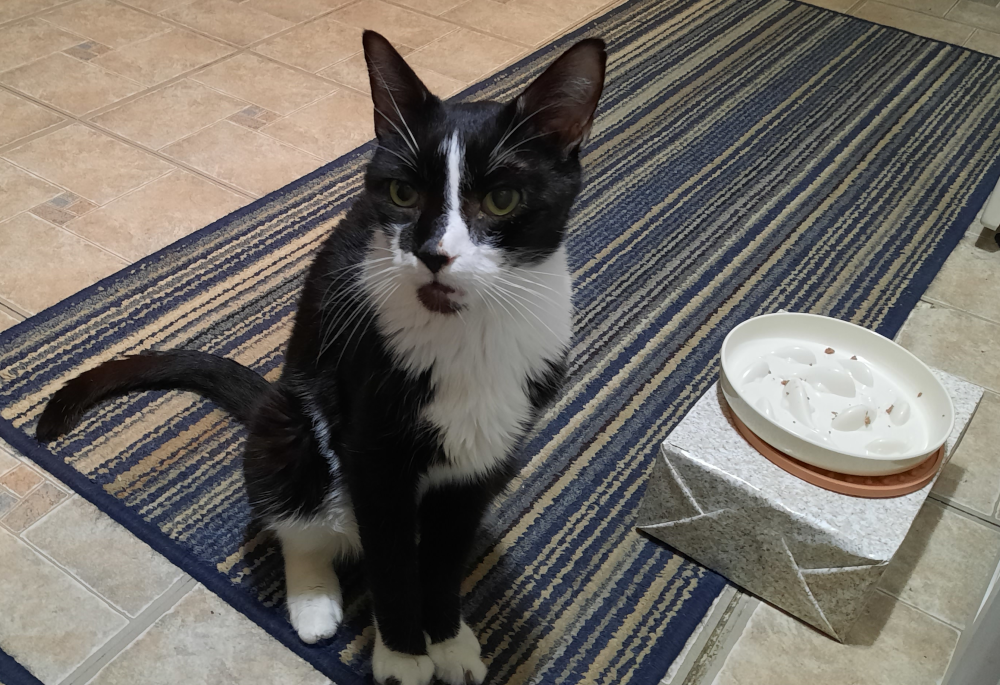 Diabetes changes the hydration conversation. Excessive thirst and urination are classic signs that something may be off. In a diabetic pet, increased drinking can mean blood glucose is running too high. Reduced drinking can also be concerning, especially if appetite drops or the pet seems weak.
With Zippy, tight regulation and careful tracking helped us get him into remission. With Bentley, who still gets shots twice daily, hydration is one of the things I keep in the mental dashboard. Water intake, litter box output, appetite, behavior, glucose readings, and insulin timing all connect.
A hydration hack should never be used to hide a bigger problem. If a diabetic cat or dog suddenly drinks much more, urinates more, stops eating, vomits, seems wobbly, or acts “not right,” that is not a broth problem. That is a vet problem. Diabetic pets can slide into danger quickly, and waiting too long can make things harder.
For BellenPaws readers managing diabetes at home, our free online pet diabetes tracker can help organize glucose numbers, insulin doses, food notes, and printable charts for vet appointments. The blank glucose curve forms are also handy for old-school paper tracking. I like both, because panic hates paperwork and good records calm the room.
Senior Pets Often Need More Than One Water Station
Older pets are not lazy. They are older. That distinction matters. A senior cat with arthritis may not want to walk across the house for water. A dog with weak hips may skip a drink because standing up hurts. A blind pet may need bowls placed in predictable areas. A pet with kidney disease may need easy access all day and night.
Multiple water stations can help. One near the main resting area. One near the food area, but not so close that a picky cat rejects it. One upstairs if your pet still uses multiple floors. For dogs, outdoor water matters too, but outdoor bowls need frequent cleaning because dirt, bugs, heat, and algae move in fast.
Bowl shape can make a difference. Wide shallow bowls help cats avoid whisker stress. Heavy bowls help pets who bump or tip things. Non-slip mats help seniors who are less steady on slick floors. These little details are not silly. They are often the difference between “my pet refuses water” and “my pet finally drinks without drama.”
The Litter Box and Pee Pads Tell the Truth
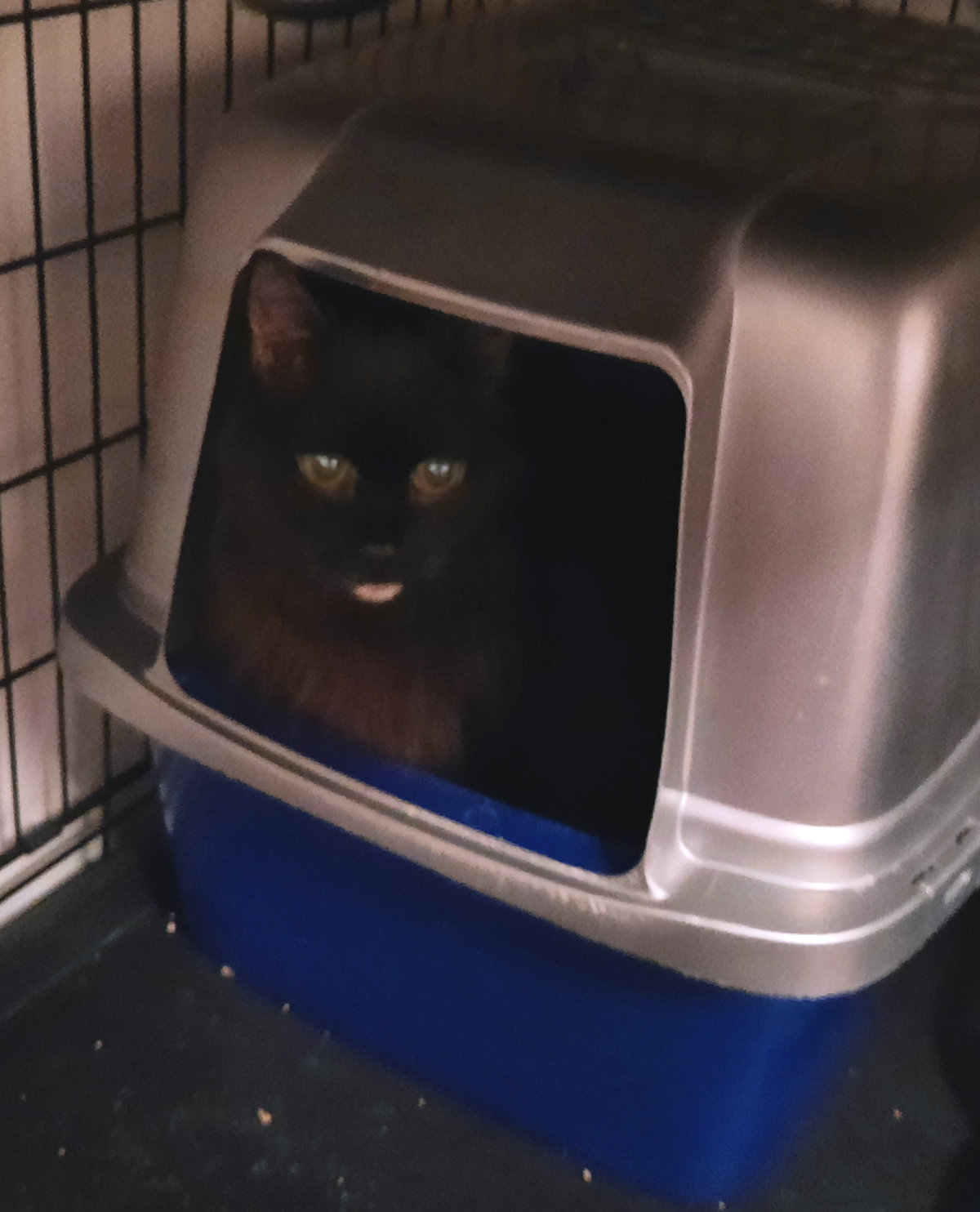 Hydration is not only about what goes in. It is also about what comes out. Litter clumps, pee pad volume, urine color, accident patterns, and outdoor potty habits all tell you something.
For cats, tiny clumps or fewer clumps can mean less urine. Huge clumps can mean more drinking and more urination. In diabetic cats, large clumps may be a sign that glucose is not controlled well enough. In kidney cats, urine may be larger and more diluted. With urinary problems, you may see frequent trips with little output, straining, crying, or licking. That can become an emergency, especially in male cats.
For dogs, changes can show up as accidents, asking to go out more, drinking from odd places, or waking at night to pee. Senior dogs may also leak urine, and that can be mistaken for “bad behavior” when it is really medical or age-related.
I like tracking these changes because memory gets fuzzy. You think you will remember when the big clumps started, then three days later everything blends together. A simple note on the fridge, a phone note, or a tracker can help you give your vet better information.
Cleaning Matters More Than Fancy Gear
Every hydration trick fails if the bowl, fountain, or feeder gets gross. Pets smell better than we do. If water smells stale, metallic, soapy, slimy, or strange, they may refuse it. I cannot blame them.
Wash bowls daily if you can. Rinse fountains often and deep clean them on a schedule. Change filters as directed, but do not assume a filter means the fountain is clean. The pump still needs attention. The corners still need scrubbing. The spout still gets buildup.
Use gentle dish soap and rinse well. Some pets hate the scent of soap residue. Stainless steel bowls can go through the dishwasher if the manufacturer allows it. Ceramic bowls should be checked for cracks. Plastic bowls should be replaced if scratched or cloudy.
Fresh water is a small kindness. It is also one of the easiest senior-care wins.
Vet Help Belongs in the Plan
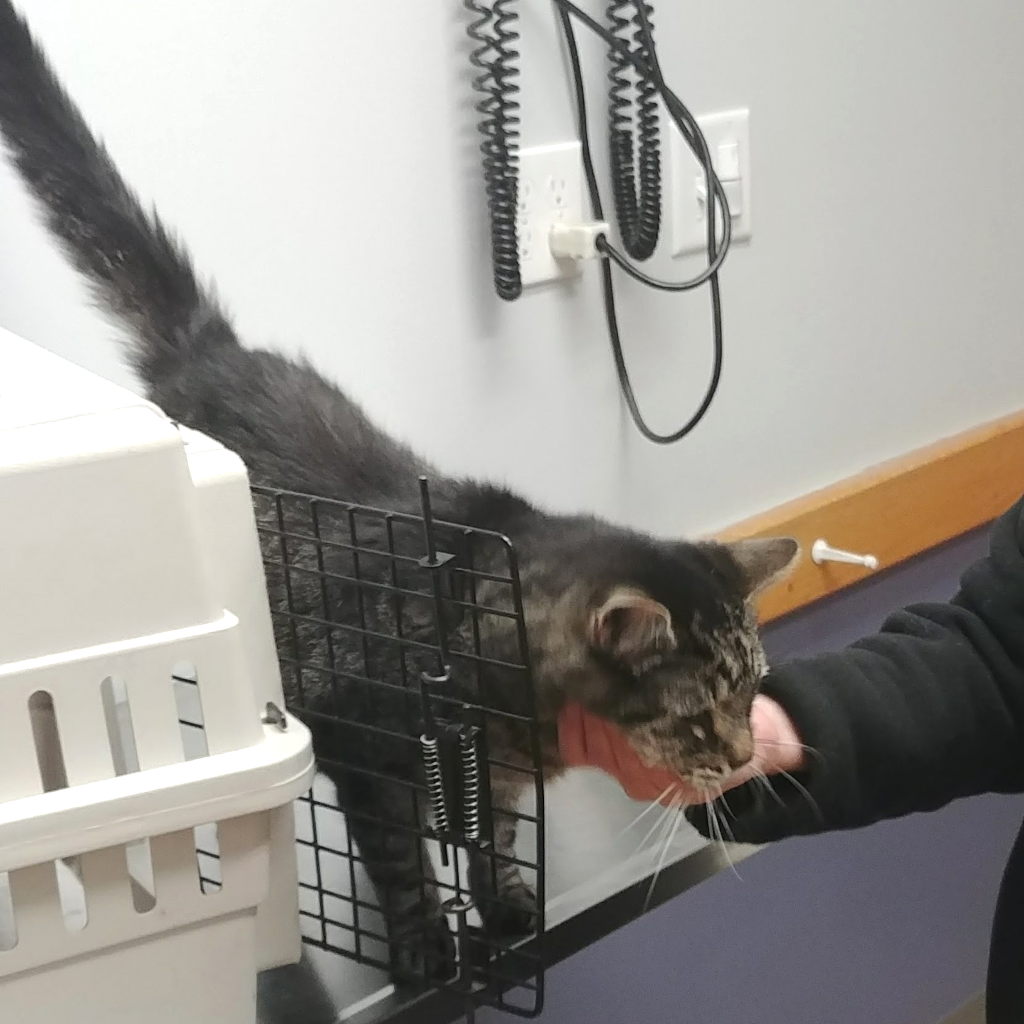 Hydration hacks are support tools. They are not treatment for dehydration, kidney disease, diabetes, urinary blockage, vomiting, diarrhea, heat stress, or refusing food. A pet who is truly dehydrated may need fluids from a vet. Some cats with kidney disease receive subcutaneous fluids at home under veterinary guidance. Some diabetic pets need urgent care when thirst, appetite, and behavior shift in the wrong direction.
Pet parents should trust their eyes. If your pet seems weak, dull, painful, confused, unable to keep fluids down, or suddenly different, do not try five more flavor tricks before calling the vet. Senior pets can be fragile, and they often hide problems until they are already tired from carrying them.
Bone broth, tuna water, HydraCare, fountains, wet food, and extra water stations can all have a place. The best choice is the one your pet accepts, your vet is comfortable with, and your daily routine can support without turning care into chaos.