
A dog rarely becomes a senior overnight. The changes usually arrive quietly. Your companion may pause before climbing the stairs, sleep a little longer after breakfast, or walk past the toy that once inspired an immediate game of tug. They may still race to greet you at the door, only now the race looks more like a determined trot.
These changes do not mean your dog has stopped enjoying life. They mean the routine that served them well for years may need a thoughtful update. Older dogs still need movement, attention, structure, play, and time with the people they love. The difference is that their bodies may ask for these things in smaller portions, at a gentler pace, and with more recovery time between activities.
Senior Status Depends on the Dog
 There is no single birthday that turns every dog into a senior. Large and giant breeds often show age-related changes earlier than smaller dogs. Health history, body condition, genetics, past injuries, and daily activity also affect how a dog ages. The calendar matters less than the dog standing in front of you.
Watch how your dog rises after resting. Notice whether they hesitate before jumping into the car, tire sooner during walks, or seem sore later in the day. Changes in appetite, thirst, bathroom habits, sleep, behavior, hearing, vision, and social interest also deserve attention.
Some pet parents excuse every change as normal aging. That can delay needed care. Arthritis, dental pain, thyroid problems, heart disease, kidney disease, diabetes, vision loss, hearing loss, and cognitive changes may first appear as small shifts in routine.
A veterinary examination can help separate ordinary aging from pain or illness. Senior dogs often benefit from more frequent wellness visits because health changes may develop faster during this stage of life. The American Veterinary Medical Association also encourages regular examinations, appropriate activity, weight management, and attention to behavioral changes in older pets.
Replace Long Adventures With Manageable Movement
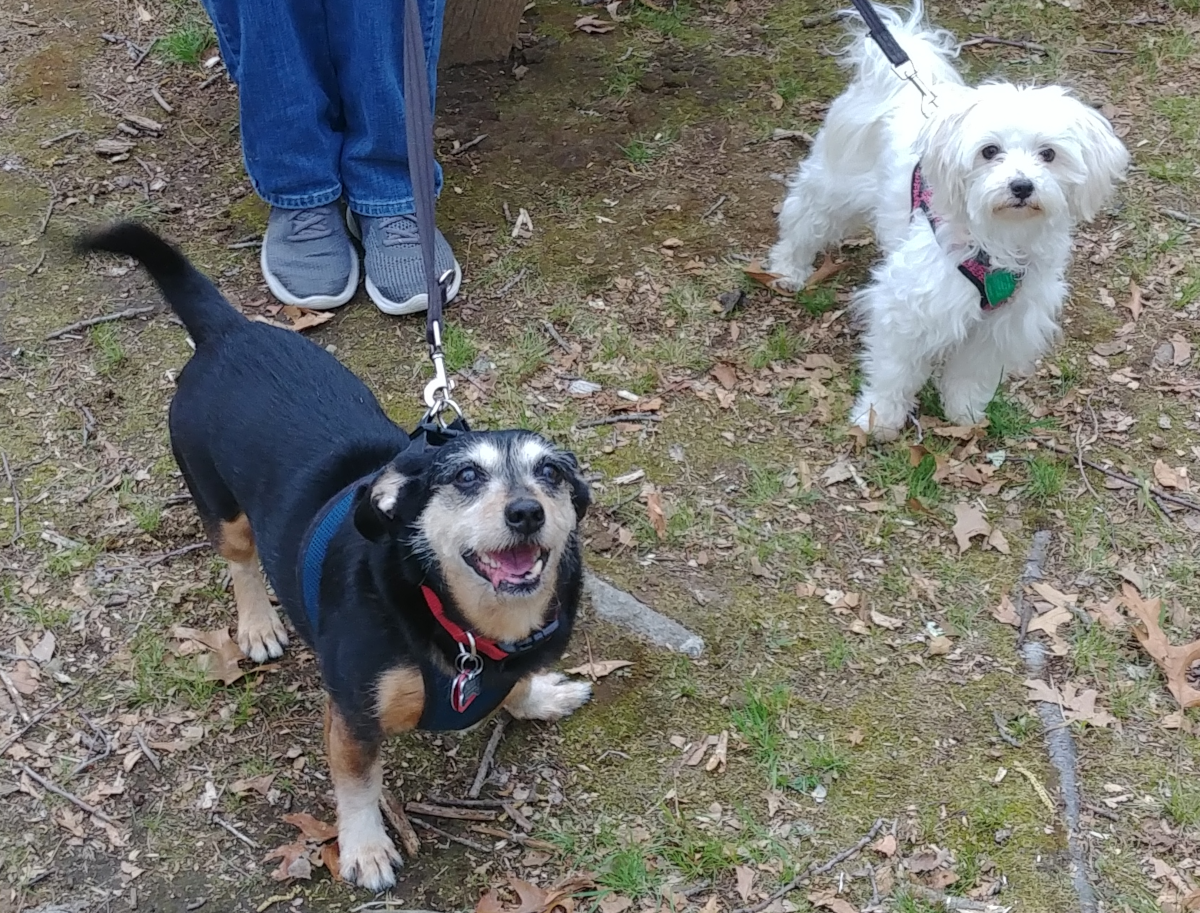 Aging dogs still need exercise. Taking away too much activity can allow muscles to weaken, weight to increase, and joints to become stiffer. The answer is not complete rest. It is better pacing. A dog who once handled a brisk forty-minute walk may do better with two or three shorter walks spread across the day. Short outings allow the dog to move, sniff, use the bathroom, and enjoy the neighborhood without reaching the point of exhaustion.
Let your dog help set the pace. Sniffing is not wasted time. For an older dog, a slow walk filled with interesting smells may provide more enjoyment than marching quickly around the block. Watch for signs that the outing has become too demanding. These may include lagging behind, heavy panting that lasts longer than expected, repeated stopping, dragging the feet, stumbling, stiffness, limping, or reluctance to continue. A dog may also appear comfortable during the walk but struggle later that evening or the next morning.
That delayed soreness matters. It often means the activity was too long, too fast, or performed on a surface that was too difficult. Regular low-impact exercise can help maintain muscle strength and joint movement when it is matched to the dog’s health and physical ability.
Build the Day Around Predictability
Many senior dogs become more comfortable when meals, walks, medication, bedtime, and bathroom breaks happen at familiar times. A predictable routine can reduce stress, especially for dogs experiencing hearing loss, vision changes, anxiety, or early cognitive decline. They know what happens next, even when their senses are not as sharp as they once were.
Try to keep wake-up time, breakfast, medication, walks, and bedtime reasonably consistent. The schedule does not need to run like a military operation. Life happens. Still, large and frequent changes can be confusing for some older dogs.
Dogs with bladder weakness, kidney problems, diabetes, digestive concerns, or reduced mobility may need more bathroom opportunities than they did when they were younger. A late-night trip outside and an early morning break can prevent discomfort and accidents.
Accidents should never be treated as defiance. A senior dog who suddenly urinates or defecates indoors may be experiencing pain, infection, increased thirst, reduced bladder control, digestive trouble, anxiety, or cognitive changes. Contact the veterinarian rather than assuming the dog has forgotten their training.
Make the Home Easier to Move Through
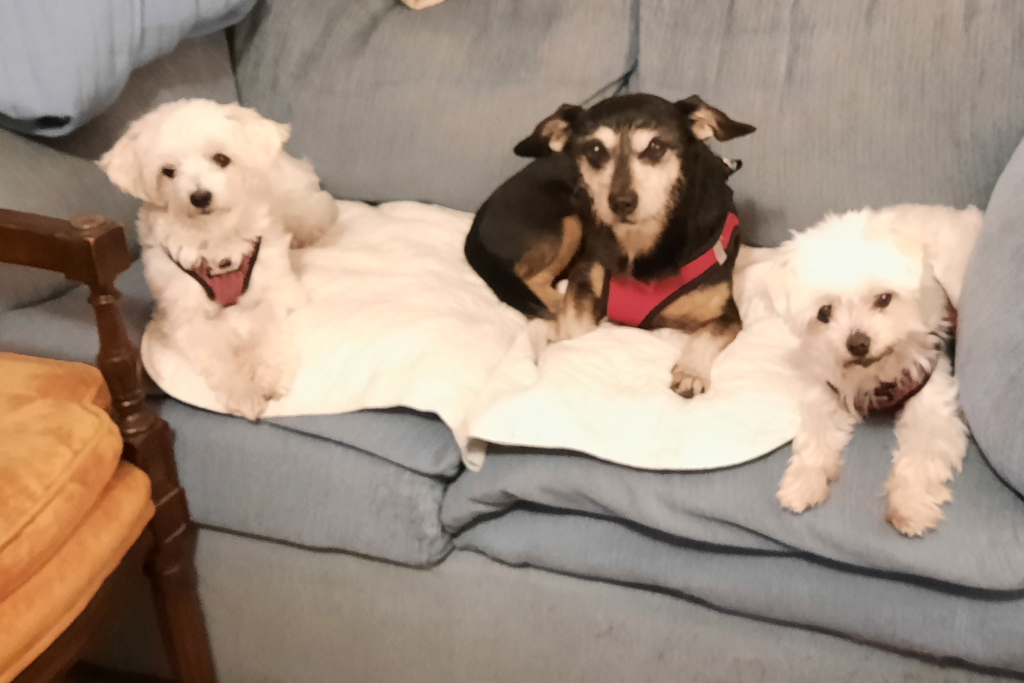 A familiar house can become surprisingly difficult for an aging dog. Smooth flooring is one of the biggest problems. Hardwood, laminate, vinyl, and tile may cause an older dog’s legs to slide outward. Once a dog slips and becomes frightened, they may resist walking through that area again.
Secure runners, rubber-backed rugs, foam mats, or carpet squares can create safer pathways between the bed, food bowls, doors, and favorite resting places. Rugs should lie flat and stay firmly in position. A loose rug can become another hazard.
Keep nails trimmed and check the hair between the paw pads. Long nails and excess paw hair can reduce traction. VCA notes that nail and paw maintenance can make a meaningful difference for dogs with limited mobility.
Stairs may require supervision, a gate, or a support harness. Ramps or stable pet steps can help some dogs reach the car, couch, or bed, although not every dog feels safe using them. Introduce mobility aids slowly with treats and encouragement. Do not force a frightened dog up a steep ramp. The equipment is supposed to make life easier, not create another battle.
Upgrade Their Resting Areas
Senior dogs often sleep more, but they may have a harder time getting comfortable. A supportive bed can cushion sore joints and provide insulation from cold flooring. The bed should be large enough for the dog to stretch out and low enough that they can step onto it without climbing.
Some dogs prefer a thick orthopedic-style bed. Others struggle to rise from deep, soft cushioning and do better on a firmer surface. Pay attention to where your dog chooses to rest and how easily they stand afterward. Place beds in more than one part of the home when possible. An older dog should not have to choose between resting comfortably and staying near the family.
Wash bedding regularly and check the skin underneath your dog, especially if they spend long periods lying down. Redness, dampness, hair loss, swelling, sores, or strong odors should be addressed. Dogs with very limited mobility may need help changing positions and taking short bathroom breaks more often.
Adjust Meals Without Guessing
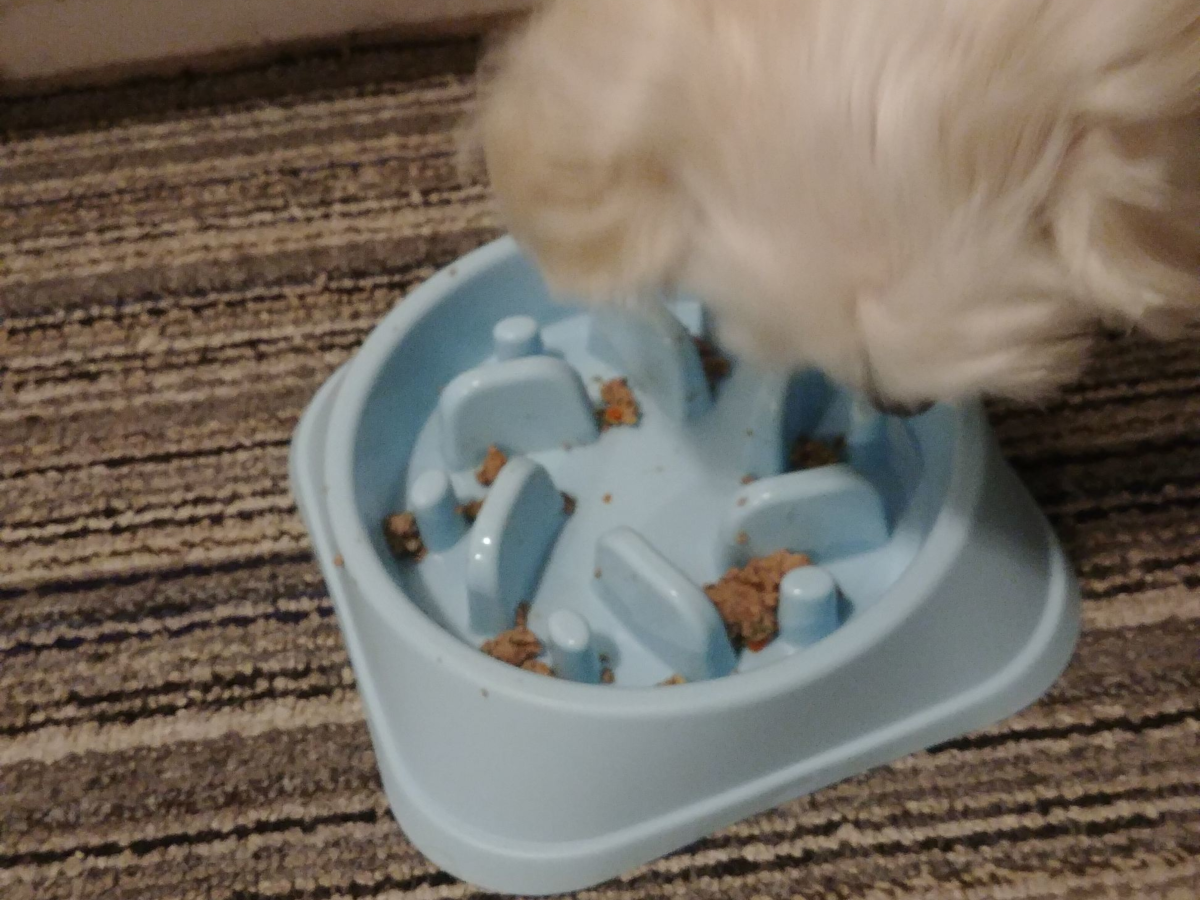 Aging can change a dog’s calorie needs, digestion, muscle mass, dental comfort, and ability to maintain a healthy weight. That does not mean every older dog needs food labeled “senior.” There is no single senior diet that works for every dog. A less active dog may gain weight on the same portions they ate during younger years. Another senior may lose weight because of dental pain, illness, poor appetite, reduced sense of smell, or loss of muscle. Both situations deserve attention.
Measure meals rather than estimating. Treats, table scraps, chews, and food used for medication also count toward daily intake. Body condition matters more than a number on the scale alone. You should usually be able to feel the ribs under a light layer of tissue, and the dog should have some visible waist when viewed from above. Your veterinarian can show you how to assess body condition and muscle loss.
Do not sharply cut food simply because your dog looks heavy. Weight changes should be gradual and based on the dog’s health, medications, current diet, and activity. Senior dogs with kidney disease, diabetes, heart conditions, food sensitivities, pancreatitis, or other medical concerns may need a carefully selected diet.
Changes in appetite should also be taken seriously. A dog who suddenly refuses food, drops food while chewing, favors one side of the mouth, develops strong breath odor, or approaches the bowl and walks away may be experiencing pain or nausea.
Keep the Brain Involved
Physical slowing does not erase a dog’s need for interest and purpose. Older dogs can still enjoy training, food puzzles, scent games, gentle play, and small household rituals. The activity simply needs to fit their comfort level.
Hide a few treats around one room and let your dog search for them. Practice familiar cues such as sit, touch, wait, or find it. Offer a puzzle that is easy enough to prevent frustration. Let your dog inspect a new cardboard box, sniff items from outdoors, or choose the direction of a slow walk. Mental activities do not need to be complicated. Five calm minutes can be enough. Keep sessions positive and stop while the dog is still interested. Older dogs may tire mentally as well as physically.
Changes such as staring at walls, becoming trapped behind furniture, pacing at night, forgetting familiar routines, appearing lost in the home, reversing sleep patterns, or becoming unusually anxious may be connected to canine cognitive dysfunction or another health problem. Cornell notes that early support involving veterinary care, enrichment, diet, and medication may help some dogs experiencing cognitive decline.
Respect Changes in Hearing and Vision
 Hearing and vision loss can alter how a dog responds to the world. A dog who no longer comes when called may not be ignoring you. A dog who startles when touched may not have heard you approach. A dog who hesitates in dim hallways may be struggling to see. Approach from the front when possible. Tap the floor gently so the dog can feel the vibration, or switch a light on before entering a dark room. Avoid waking a sleeping senior by suddenly grabbing them.
Keep furniture, food bowls, water, and beds in familiar positions. Dogs with reduced sight often memorize the home’s layout. Constantly rearranging their path can make movement harder. Use gates around stairs, pools, decks, and other dangerous areas. Outdoors, a leash or securely fenced yard becomes even more valuable for a dog who cannot hear traffic, voices, or other animals approaching.
Groom With Comfort in Mind
Senior grooming should be gentle, regular, and practical. Brush the coat in shorter sessions if standing becomes tiring. Check for lumps, irritated skin, parasites, mats, scabs, and tender areas. Keep the fur around the rear clean, particularly when the dog has loose stools, weakness, or bladder leakage. Nail care becomes even more necessary as activity decreases. Dogs who walk less may not naturally wear their nails down.
Dental care also deserves steady attention. Mouth pain can affect appetite, sleep, behavior, and willingness to play. Watch for drooling, bleeding gums, loose teeth, facial swelling, chewing changes, or sudden resistance to having the head touched. Never give a dog human pain medication unless a veterinarian specifically instructs you to do so. Common household medications can be dangerous or fatal to dogs.
Protect Their Social Comfort
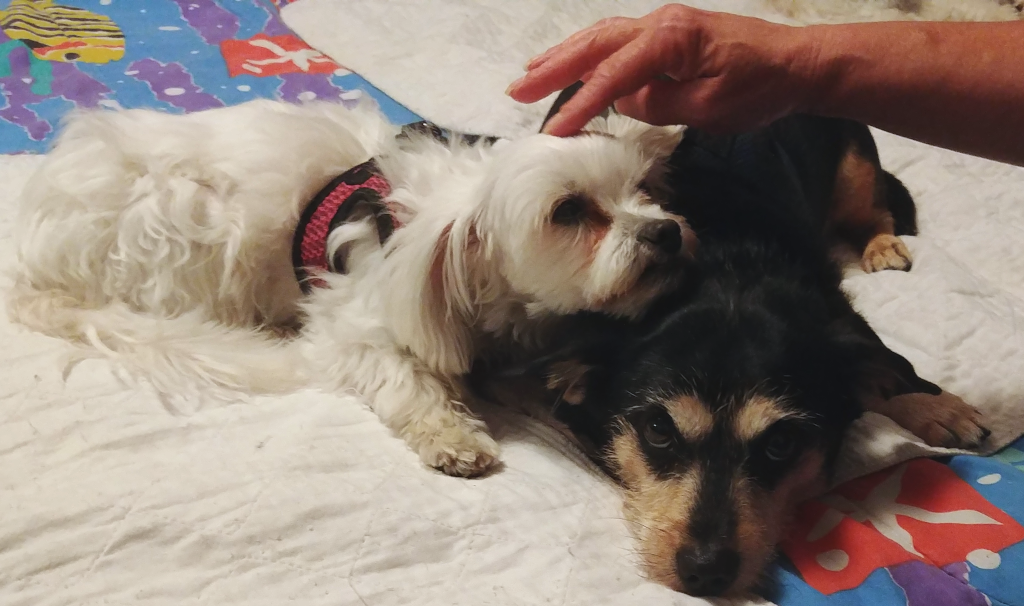 Some senior dogs still love visitors, children, dog parks, and busy family gatherings. Others become less tolerant of noise, rough play, or unfamiliar animals. Respect that change. An older dog with sore joints may feel threatened when a young dog crashes into them. A dog with hearing loss may startle when a child hugs them from behind. A dog experiencing cognitive changes may become overwhelmed in situations they once enjoyed.
Give your senior a quiet place where nobody bothers them. Teach children to let sleeping dogs rest and to avoid climbing, pulling, or leaning on them. Supervise interactions with younger pets and step in before the senior feels forced to defend their space. This is not spoiling the dog. It is protecting them.
Start Tracking the Small Changes
 Memory becomes unreliable when changes happen slowly. A pet parent may not realize that a dog has been drinking more, sleeping longer, skipping meals, or shortening walks until the pattern becomes obvious. Write down meaningful changes. Record appetite, water intake, bathroom habits, medication, mobility, sleep, unusual behavior, and good days or difficult days. Short videos of your dog walking, climbing steps, rising from bed, or pacing at night can also help the veterinarian see what happens at home.
Bring these notes to appointments. A five-second limp in the kitchen may disappear in the excitement of the veterinary office. You can also use a simple calendar to mark medication doses, grooming, weight checks, and veterinary visits. The goal is not to turn your relationship into a medical chart. The goal is to notice patterns early enough to help.
For diabetic dogs, consistent meals, insulin timing, glucose monitoring, and careful recordkeeping become part of the daily rhythm. BellenPaws offers a free online pet diabetes tracker with printable charts and tables, along with printable blank glucose curve forms that can be shared with your veterinarian.
Let Affection Follow Their Lead
Aging may change how a dog asks for love. Some senior dogs want more physical closeness. Others become sensitive to being picked up, hugged tightly, or touched near painful joints. Many simply want to lie beside their person and feel included.
Sit with them. Speak gently. Offer slow brushing if they enjoy it. Take the shorter walk. Bring a bed into the room where everyone gathers. Help them into the car instead of leaving them behind.
A slower dog is still your dog. Their routine may contain fewer miles, fewer stairs, and longer naps, but it can still be filled with familiar voices, interesting smells, comfortable places, gentle adventures, and the steady presence of the people they trust.