


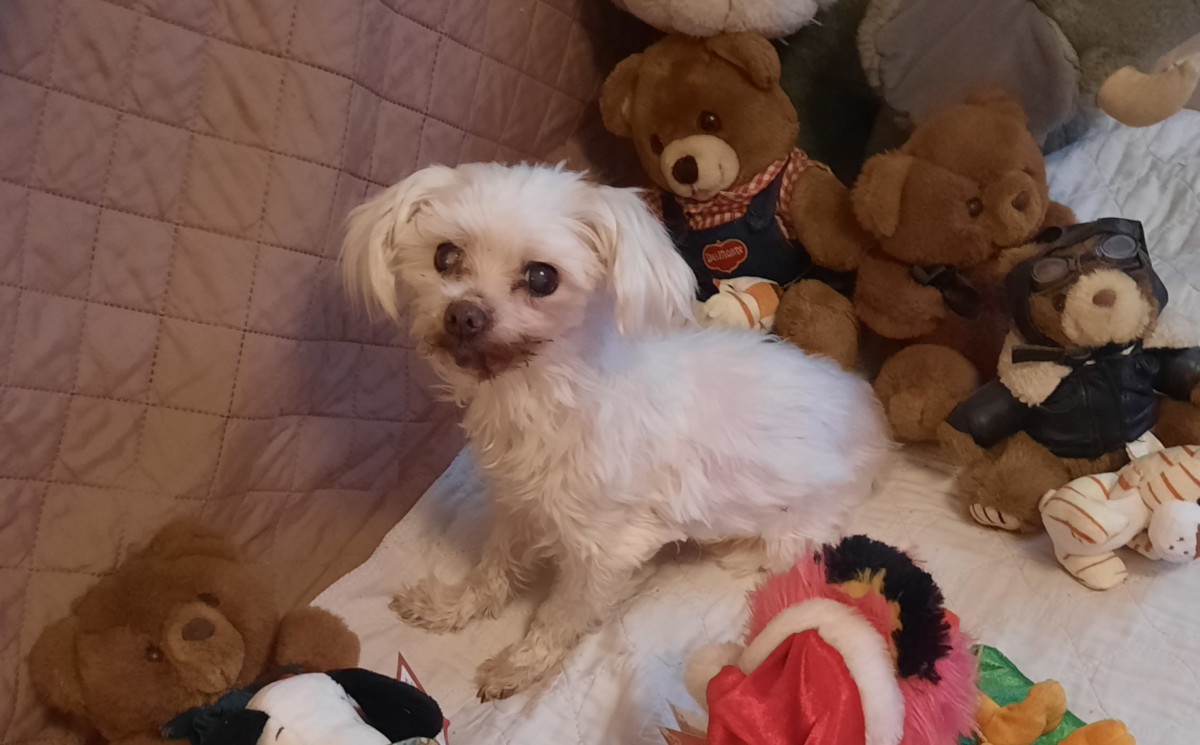
Bringing home a rescue dog can fill a house with hope. You prepare a soft bed, buy a few toys, stock the kitchen with treats, and picture the moment your new companion realizes they are finally safe. Then the dog arrives and disappears.
They may press themselves into the back of a crate, hide beneath a table, refuse food, avoid eye contact, or freeze when anyone enters the room. Some dogs barely move unless the house is completely quiet. Others tolerate a leash but walk with their body low, tail tucked, and every muscle braced. This behavior can be heartbreaking to witness. It can also leave a caring pet parent wondering whether they are doing something wrong.
A shut-down dog is not rejecting you. They are protecting themselves with the only strategy that currently feels safe. Your first job is not to make them affectionate, playful, or social. Your first job is to show them, through hundreds of quiet moments, that nothing bad happens in your home.
What “Shut Down” Really Looks Like
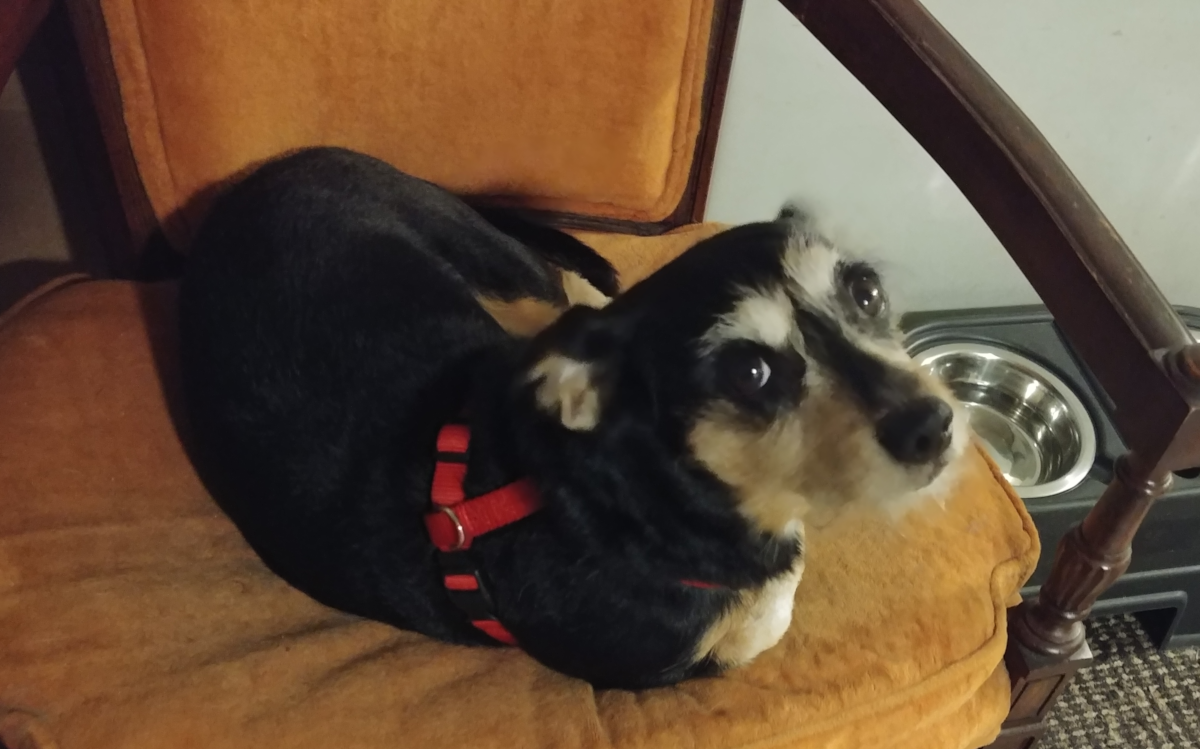 Fear does not always look dramatic. A frightened dog may bark, growl, pace, or attempt to escape, but another dog may become almost motionless. That stillness can be mistaken for calmness or obedience.
A dog who is shut down may remain curled tightly in one spot, move slowly, turn their head away, tuck their tail, flatten their ears, tremble, lick their lips, pant without being hot, refuse treats, or avoid relieving themselves while people are nearby. Some dogs roll onto their backs when approached, not because they want a belly rub, but because they are trying to prevent conflict.
Veterinary behavior resources identify tucked posture, trembling, avoidance, lip licking, hiding, and looking away as common signs of fear. A dog who feels trapped or repeatedly has their quieter warnings ignored may eventually growl, snap, or bite.
That is why a motionless dog should not automatically be touched, hugged, picked up, or surrounded by excited family members. Freezing is communication. Listen to it.
Begin With a Smaller World
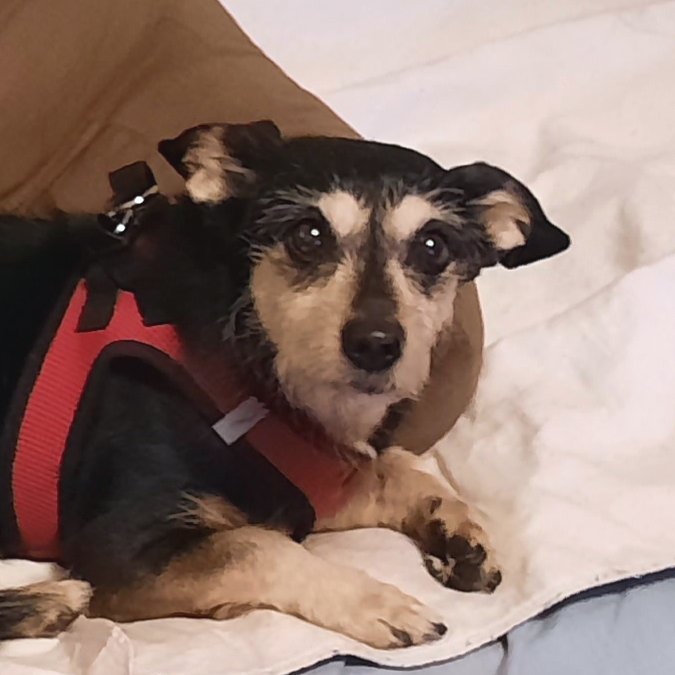 Many newly adopted dogs do better when their world starts small. An entire house can be overwhelming, especially if it contains unfamiliar flooring, appliances, voices, children, other animals, stairways, doors, and windows facing a busy street.
Choose one quiet room or a calm section of the home as the dog’s starting area. Provide a comfortable bed, water, food, and a safe hiding place. An open crate covered on three sides can work well for a dog who already views crates as secure. A covered corner, small pen, or space beneath a table may feel better for another dog.
The safe area should not become a place where people reach in and pull the dog out. It needs to belong to the dog. Children and visitors should understand that this space is off-limits.
Keep the environment simple. Avoid loud television, booming music, vacuuming nearby, crowded introductions, and repeated attempts to coax the dog into activity. Let the dog watch the household from a distance without becoming the center of attention. A quiet routine can do more than a pile of new toys.
Stop Trying So Hard to Be Friends
Kind people naturally want to comfort a frightened animal. We sit close, speak sweetly, extend a hand, offer treats, and reach forward for a gentle pet. To a shut-down dog, all that attention may feel like pressure.
Try spending time in the same room without asking for interaction. Sit sideways rather than facing the dog directly. Read a book, work on a laptop, fold laundry, or watch something quietly. Avoid leaning over the dog or staring into their eyes. Your presence should become boring in the best possible way.
Occasionally toss a treat past the dog rather than asking them to approach your hand. Tossing it slightly behind them allows them to move away from you while receiving something pleasant. This can help the dog learn that being near you does not mean becoming trapped. Veterinary behavior guidance also recommends allowing fearful dogs to choose whether to approach and giving them room to retreat rather than drawing them too close with food.
If the dog will not eat while you are present, place the food down and leave. Appetite often returns as the dog begins to feel safer. A dog who refuses all food, seems weak, vomits, has diarrhea, or goes an unusual length of time without eating should be checked by a veterinarian.
Build a Life They Can Predict
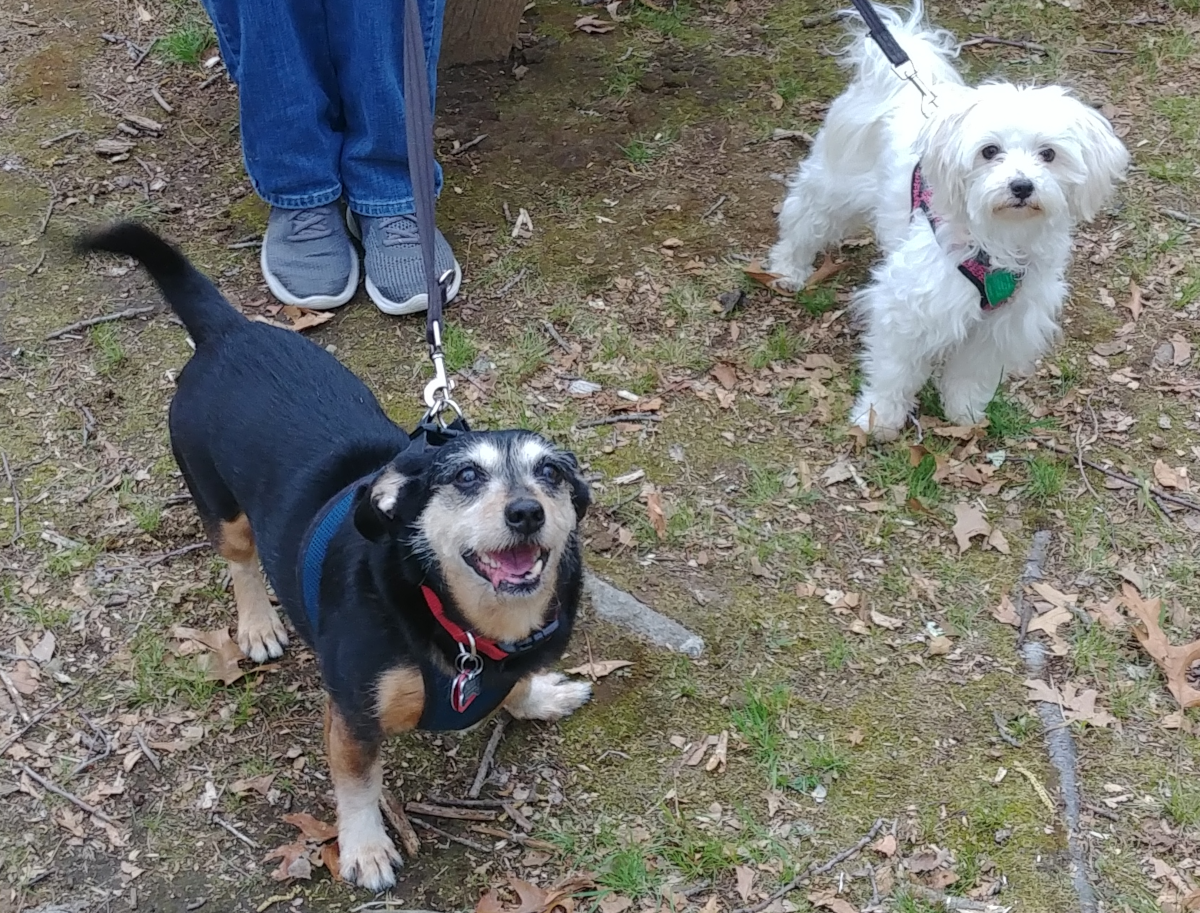 Predictability is deeply comforting to frightened dogs. Feed meals around the same times each day. Keep potty trips calm and consistent. Use the same door. Walk the same short route. Limit surprises.
A simple daily rhythm might include a quiet morning potty break, breakfast, several hours of rest, another outdoor trip, a calm evening meal, and one last potty break before bed. This is not the time for a packed social calendar.
Avoid taking the dog to pet stores, outdoor restaurants, family gatherings, dog parks, festivals, or busy walking trails simply to “socialize” them. Exposure is only helpful when the dog feels safe enough to process what is happening. Overwhelming exposure can make fear worse. Veterinary guidance warns that social experiences are not beneficial when they cause a strong fear response. Start with ordinary life. Let ordinary life become safe.
Give the Dog Real Choices
Choice is one of the most powerful gifts you can give a frightened rescue dog. Let them decide whether to approach. Let them step away. Let them sniff the doorway before walking through it. Let them choose between resting in a bed and resting in an open crate. Let them watch a family member from across the room without being called closer. Small choices teach the dog that they have some control over what happens to their body.
You can even make petting optional. When the dog begins approaching with loose, relaxed body language, gently touch the chest or shoulder for two or three seconds, then stop. Keep your hands still. If the dog leans closer or nudges you, continue briefly. If they look away, stiffen, lower their body, lick their lips, or step back, give them space.
This simple pause helps prevent affection from becoming something the dog must endure. Many shut-down dogs have learned that people do not listen until they growl or snap. Respecting the earliest signs of discomfort shows them that quiet communication works.
Food Can Help, but It Should Not Become a Trap
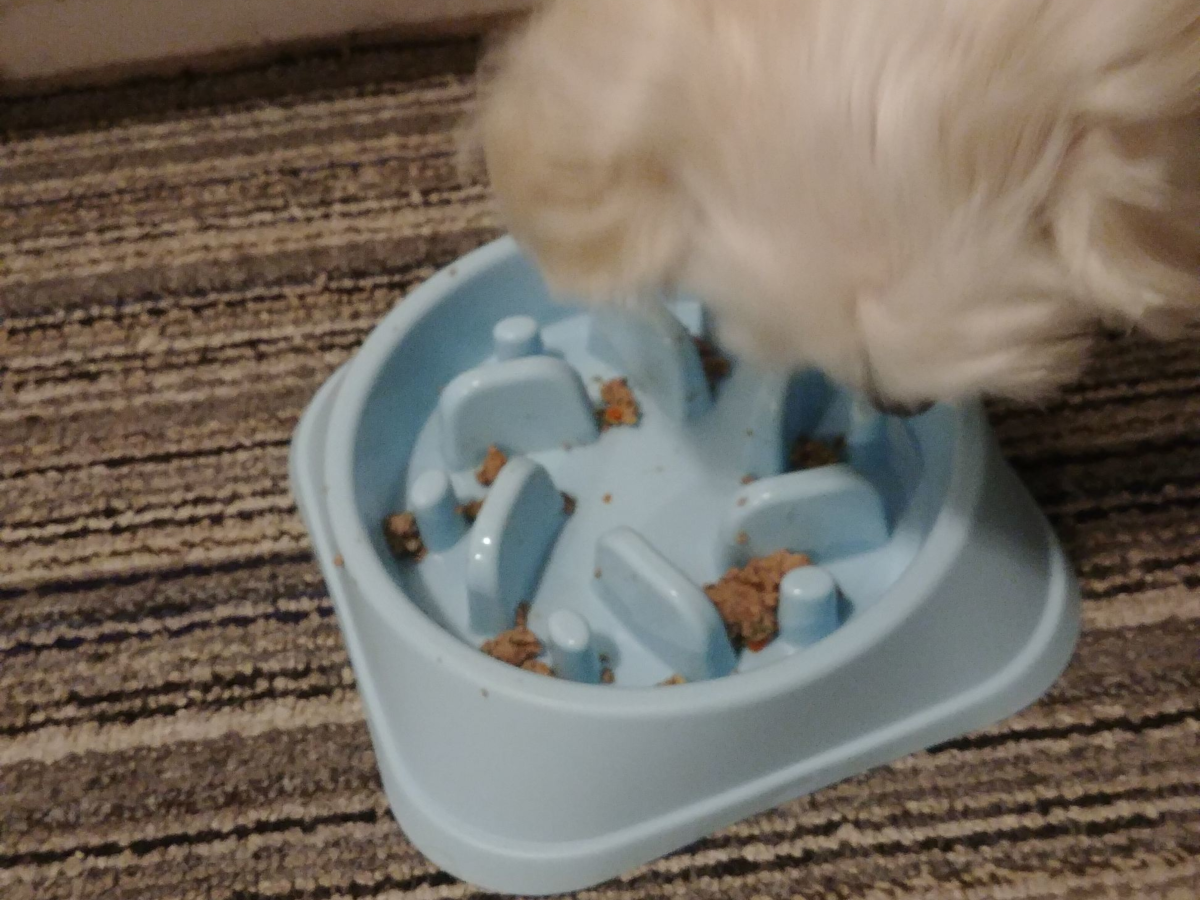 High-value treats can create positive associations with people, sounds, rooms, leashes, and new experiences. Tiny pieces of plain cooked meat or another veterinarian-approved favorite may work better than regular kibble.
The dog should remain relaxed enough to eat. If they suddenly stop taking treats, grab them roughly, freeze, retreat, or stare intensely at the trigger, the situation is probably too difficult. Increase the distance. Lower the sound. Shorten the session.
Gradual exposure paired with something enjoyable is commonly called desensitization and counterconditioning. The process begins at a level where the dog notices a trigger without becoming overwhelmed. Over time, and only while the dog remains comfortable, the trigger can become slightly closer, louder, or more noticeable.
For example, a dog afraid of the leash may first receive treats when the leash is lying across the room. Later, the leash may rest several feet away. After that, a person might pick it up briefly, put it down, and toss another treat.
The leash does not need to be clipped on during the first session. Progress should be measured by the dog’s comfort, not by how quickly a person completes the task.
Count the Tiny Wins
Progress with a shut-down dog is often easy to miss because it rarely arrives as one dramatic breakthrough. The first victory may be eating while you sit across the room. Then the dog stretches instead of remaining curled tightly. A few days later, they may sniff a toy, drink water while you are nearby, or follow you with their eyes.
Perhaps they walk through a doorway without flattening themselves to the floor. Perhaps their tail rises slightly during a quiet potty trip. Perhaps they sleep on their side instead of remaining ready to flee. Write these moments down.
A simple notebook can help you notice patterns. Record which foods the dog accepts, which noises cause concern, how close they willingly approach, where they sleep, and what time of day they seem most relaxed. The record can also help your veterinarian or behavior professional understand what is changing.
Do not compare your rescue dog with a previous pet, a neighbor’s dog, or a heartwarming video online. Each dog has their own history, genetics, temperament, health, and ability to recover.
Avoid Punishment and “Tough Love”
 A fearful dog does not need to be corrected for hiding, freezing, growling, refusing to walk, having an accident, or backing away from a stranger. Punishment may suppress visible behavior without changing the fear underneath it. The dog may stop growling yet still feel terrified. That can make the situation less predictable because the warning disappears while the emotional distress remains.
The American Veterinary Society of Animal Behavior supports reward-based training and advises against methods that rely on pain, fear, intimidation, leash corrections, electronic collars, prong collars, choke chains, yelling, or physical punishment.
A growl is valuable information. Thank the dog by creating more space and figuring out what made them uncomfortable. Training should never become a contest of wills. A shut-down dog is not being stubborn or trying to control the household. They are struggling to feel secure.
Keep Escape Prevention at the Top of the List
Fearful rescue dogs can be serious flight risks. A slammed door, dropped pan, barking dog, passing truck, or unfamiliar visitor may trigger a sudden escape attempt. Check fences carefully. Do not assume a frightened dog will remain in a yard simply because you are standing nearby. Use a secure leash for outdoor trips, and consider a properly fitted harness along with a backup connection to the collar. Identification tags and a registered microchip provide added protection if the dog slips away.
Open exterior doors cautiously. Ask visitors to wait until the dog is secured behind another door or gate. Avoid retractable leashes, which can be difficult to control when a frightened dog bolts. Management will not resolve fear by itself, but it prevents dangerous situations while the dog is learning. Safety measures are a necessary part of caring for a fearful dog.
Be Careful With Other Pets
 A calm, socially skilled dog can sometimes help a frightened rescue learn household routines. The new dog may watch the resident dog approach people, walk through doorways, play with toys, or settle comfortably in the room. That does not mean every fearful dog needs a canine companion.
Introductions should be slow and closely supervised. Food, beds, toys, and attention can create tension, even between friendly dogs. Resident cats also need protected areas, high resting spots, and escape routes that the new dog cannot access.
Never place another animal in the role of therapist. Their comfort matters too. If the rescue dog shows stalking, intense fixation, lunging, guarding, or unsafe behavior toward another pet, separate them and seek qualified help before attempting further contact.
Rule Out Pain and Illness
Behavior and physical health are closely connected. A dog who freezes when touched may be frightened, painful, or both. Dental disease, arthritis, ear infections, skin problems, digestive illness, injuries, impaired hearing, and poor vision can all affect behavior.
A veterinary examination gives you a medical starting point. Tell the veterinary team that the dog is fearful before the appointment. Ask whether you can wait in the car, enter through a quieter door, schedule the first appointment of the day, or use medication prescribed in advance to reduce distress.
Some dogs are too frightened to learn well without medical support. A veterinarian or veterinary behaviorist may recommend medication alongside a carefully planned behavior program. Medication is not a failure, and it does not replace patient training. For certain dogs, it lowers the intensity of fear enough for learning to begin.
Choose Professional Help Carefully
Seek professional support if the dog is not eating normally, cannot rest, panics when left alone, attempts to escape, guards resources, threatens family members, bites, becomes increasingly withdrawn, or seems unable to function during ordinary daily activities.
Look for a trainer or behavior consultant with specific experience helping fearful dogs through reward-based methods. A veterinary behaviorist is especially helpful when fear is severe, aggression is present, or medication may be needed.
Ask directly what happens when a dog refuses, freezes, growls, or makes a mistake. Avoid anyone who talks about dominance, alpha status, forcing submission, flooding the dog with feared situations, or correcting fear through pain and intimidation. Good help should make the dog feel safer, not quieter through fear.
Let Their Personality Arrive in Its Own Time
 Some rescue dogs begin showing curiosity within days. Others need weeks or months before they play, seek affection, bark, explore the house, or sleep deeply in the open. The first personality you see may not be the dog’s full personality. A silent dog may eventually become talkative. A dog who ignores toys may later carry one from room to room. A dog who hides from touch may one day rest a chin on your knee.
There may also be setbacks. A visitor, storm, veterinary appointment, household repair, or change in routine can temporarily bring old fears back. That does not erase previous growth. Reduce the pressure, return to familiar routines, and give the dog time to settle again. Your relationship is built during the quiet days, long before the dog feels brave enough to show it.