
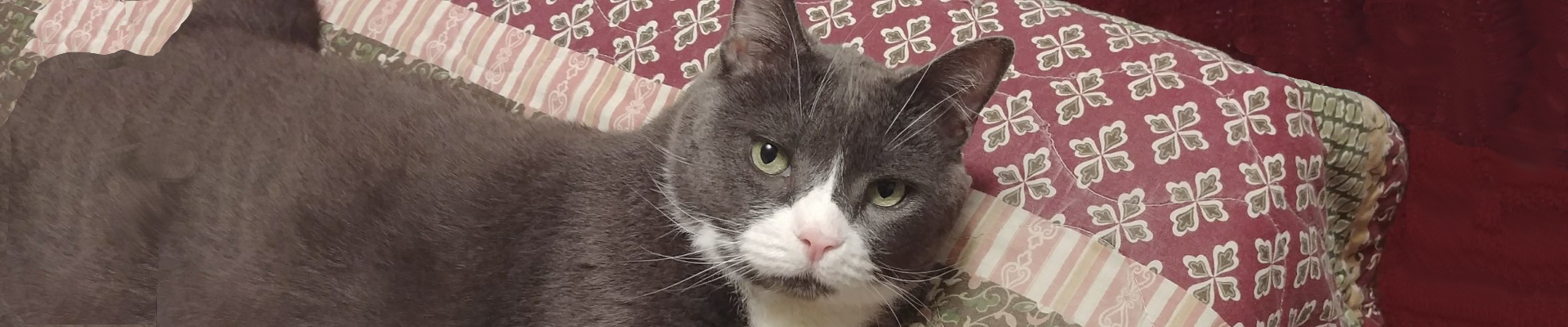
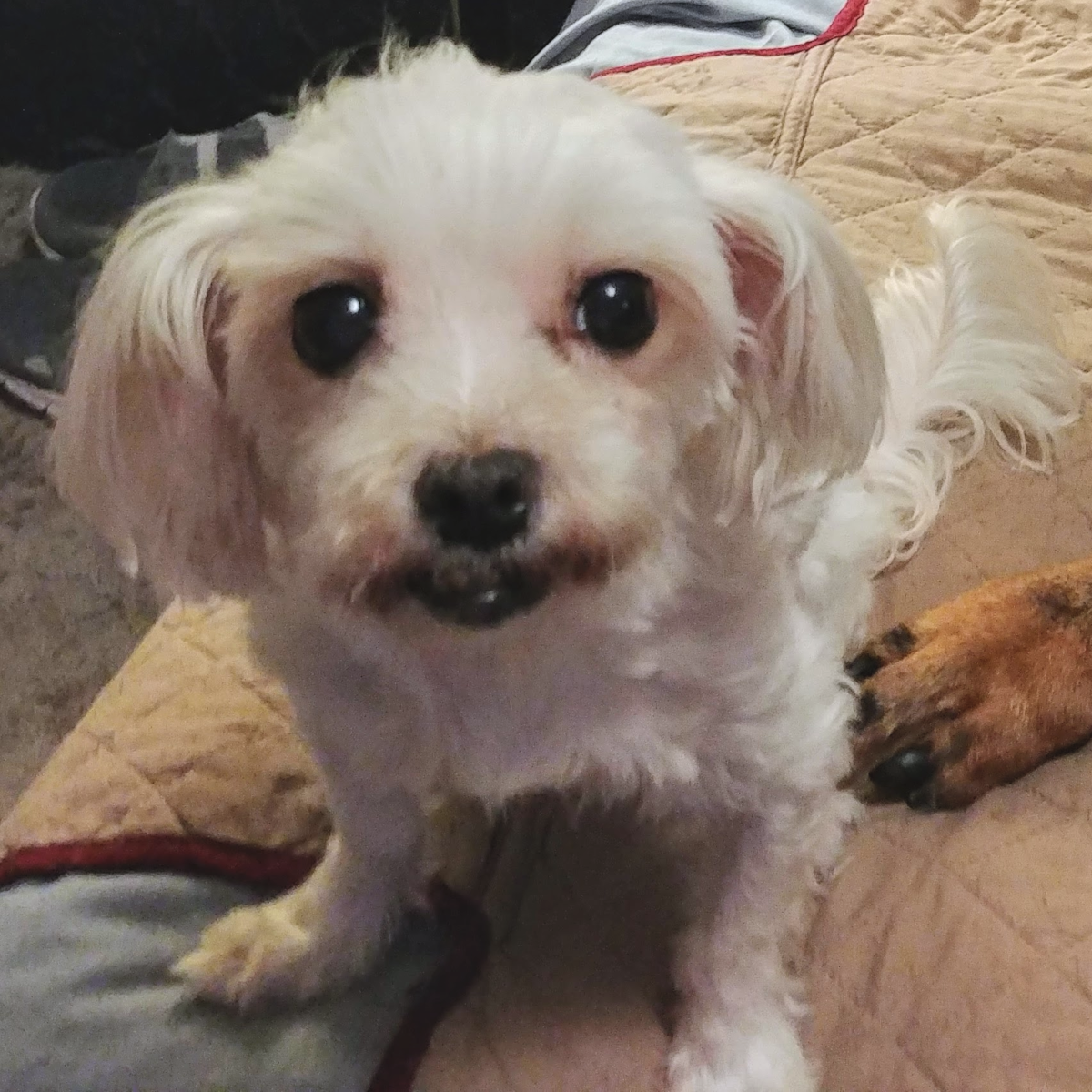
An older dog walks toward the wrong side of the door and waits to be let outside. A senior cat begins wandering the hallway at two in the morning, calling loudly even though nothing obvious has changed. Another pet seems to forget a familiar routine, starts having accidents, or stands quietly in a corner as though unsure how to get back out.
Changes like these are easy to blame on old age, especially when they appear slowly. Sometimes aging really is part of the explanation, but persistent changes in awareness, memory, sleep, social behavior, and learned habits can also be associated with cognitive dysfunction syndrome, usually shortened to CDS. In dogs it is often called canine cognitive dysfunction syndrome, and a similar condition occurs in cats. Veterinary researchers describe CDS as a progressive, age-associated disorder involving changes in the brain that affect cognition and behavior.
People commonly call CDS “pet dementia,” which is a useful shorthand, but it should not be taken to mean that canine or feline CDS is identical to Alzheimer’s disease in people. There are similarities in age-related brain changes, including changes involving amyloid proteins, but there are also important differences. What matters most at home is recognizing that significant cognitive changes deserve veterinary attention rather than automatically being accepted as something an old pet simply has to live with.
Cognitive Decline Usually Appears as Changes in Everyday Behavior
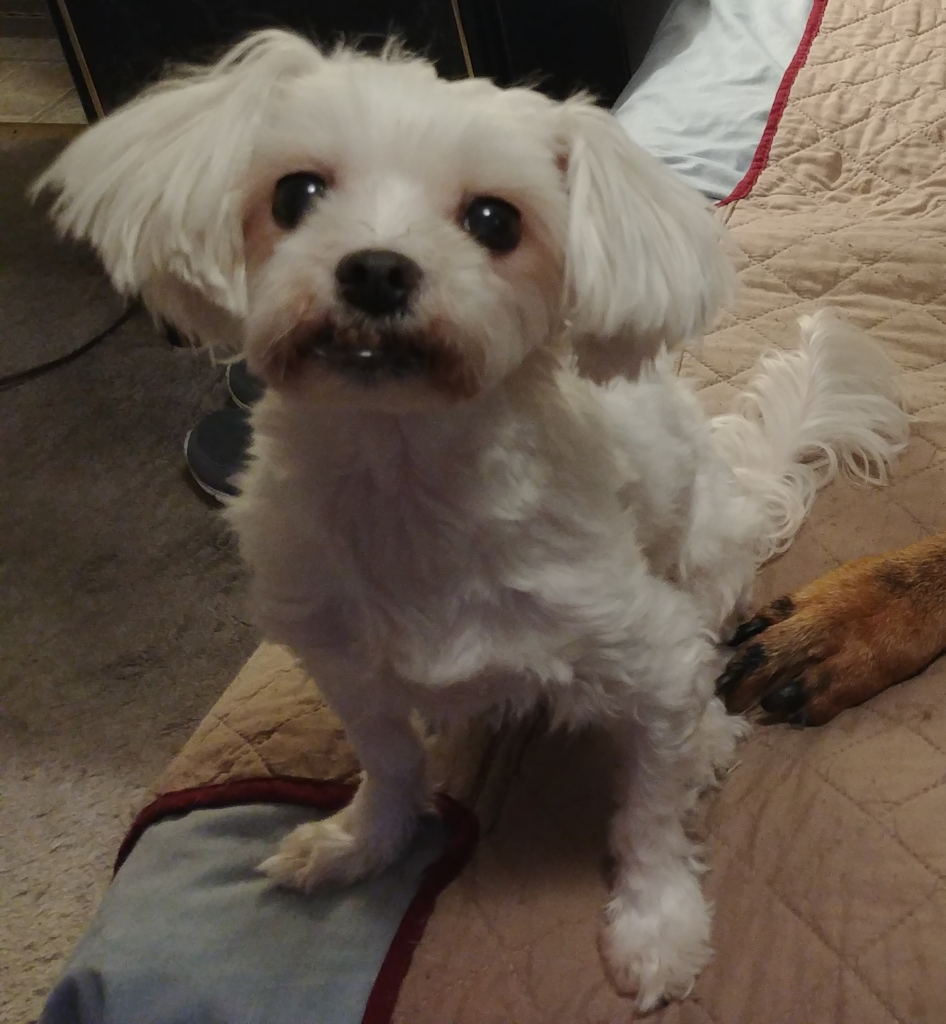 One reason CDS can go unnoticed is that it rarely announces itself with one dramatic event. An animal may simply begin behaving a little differently. A dog that always waited by the back door may occasionally wander into another room instead. A cat that slept through the night may begin waking the household several times.
Over months, those little changes may become more frequent. Because the person living with the animal sees thousands of ordinary moments that a veterinarian cannot observe during an appointment, our observations at home become especially valuable.
Veterinary medicine commonly organizes canine CDS signs with the acronym DISHAA. In cats, the expanded term VISHDAAL is sometimes used because increased vocalization can be particularly noticeable. The signs overlap substantially between the two species.
- Disorientation: Getting stuck behind furniture, staring at walls, going to the wrong side of a door, wandering without an apparent purpose, or seeming confused in familiar surroundings.
- Interaction changes: Becoming unusually withdrawn, more dependent, less interested in greeting familiar people, irritable, or different in interactions with other animals.
- Sleep and wake changes: Sleeping more during the day, waking repeatedly at night, pacing after bedtime, or becoming active at unusual hours.
- House-soiling or loss of learned habits: A previously house-trained dog begins eliminating indoors, or a cat starts urinating or defecating outside the litter box despite previously reliable habits.
- Activity changes: Reduced interest in play and exploration, repetitive pacing, wandering, restlessness, or difficulty settling.
- Anxiety: New fearfulness, distress when separated, sensitivity to noises, agitation, or difficulty coping with changes in routine.
- Learning and memory changes: Forgetting familiar cues, appearing unable to complete previously familiar routines, or having more difficulty learning something new.
- Vocalization, particularly in cats: Increased meowing, crying, or calling, sometimes most noticeably during the evening or overnight.
A single behavior does not establish CDS. What makes the pattern more meaningful is the gradual appearance of several changes, increasing frequency, or a clear difference from that animal’s previous behavior.
Cognitive Dysfunction Is a Diagnosis of Exclusion
 This is the part of CDS that pet owners should understand particularly well. Many medical conditions can look remarkably similar to cognitive decline.
A dog that stops greeting people may be painful rather than confused. A cat that suddenly urinates outside the litter box may have urinary disease, arthritis that makes climbing into the box uncomfortable, kidney disease, diabetes, or another medical problem. Hearing loss can make a pet seem less responsive. Vision loss can cause hesitation, disorientation, and nighttime anxiety.
In older cats, hyperthyroidism, hypertension, kidney disease, pain, sensory loss, and neurologic disease can all produce behavioral changes that resemble cognitive dysfunction. Dogs can also develop pain, metabolic disease, sensory problems, seizure disorders, brain disease, and other conditions that alter behavior. Merck Veterinary Manual and AAHA guidance both emphasize ruling out medical causes before attributing behavioral changes to CDS.
This is also why a senior pet that suddenly seems confused should not simply be labeled as having dementia at home. CDS tends to develop progressively. Abrupt disorientation, seizures, collapse, inability to stand, sudden weakness, severe loss of balance, rapid involuntary eye movements, a pronounced head tilt, or sudden blindness can point toward other neurologic or medical problems and deserve prompt veterinary attention.
A veterinary evaluation may include a detailed history, physical examination, neurologic and orthopedic evaluation, blood tests, and urinalysis. Depending on the animal and the findings, a veterinarian may recommend blood pressure measurement, thyroid testing, additional laboratory work, imaging, or other testing. The 2026 Canine Cognitive Dysfunction Syndrome Working Group guidelines specifically emphasize a progressive history together with examination and investigation of alternative causes before a dog is classified as having CDS.
The Small Changes Are Worth Writing Down
We have learned through years of caring for senior and chronically ill animals that memory is surprisingly unreliable when changes happen gradually. After several weeks of interrupted sleep, it can become difficult to remember whether the nighttime wandering happened twice this week or six times. The same problem occurs with accidents, unusual vocalization, appetite changes, pacing, and confusion.
A simple behavior log can make those patterns much easier to see. Record the date and time of unusual behavior, what happened immediately beforehand, how long it lasted, whether the animal could be redirected, and anything else that changed that day. Eating, drinking, elimination, mobility, medication, and sleep are worth noting because a change that initially appears behavioral may eventually reveal a medical pattern.
Short phone videos can be even more useful. A veterinarian cannot watch your dog wander the hallway at 3 a.m. during a daytime examination, but a thirty-second video may show movement, awareness, pacing, balance, or responsiveness that would otherwise be difficult to describe. AAHA senior-care guidance specifically encourages photographs and videos as tools for following changes in older animals over time.
Behavior questionnaires can also provide a baseline. Repeating the same CDS questionnaire periodically is often more informative than trying to decide whether a pet simply “seems worse.” Veterinary guidelines increasingly support structured tools such as DISHAA-based questionnaires for identifying and following cognitive changes.
Daily Routine Can Become Part of Cognitive Support
 There is no single home intervention that stops CDS, and there is currently no cure. Management is usually built from several pieces, including treating other health problems, environmental changes, mental stimulation, appropriate physical activity, nutrition, and sometimes medication.
Predictability often helps older animals. Meals, medication, bathroom trips, walks, play sessions, and bedtime occurring at roughly consistent times reduce the number of decisions a confused animal has to make. That does not mean a home must run according to a rigid schedule, but familiar patterns can give an aging pet useful environmental cues.
Furniture placement is another surprisingly practical consideration. A cognitively impaired dog may have more difficulty forming a new mental map after furniture is rearranged. Keeping food, water, beds, litter boxes, and commonly used pathways consistent can make the home easier to understand.
Nightlights can help animals whose vision is declining, particularly around hallways, stairs, litter boxes, water bowls, and sleeping areas. Gates can block stairs or other places where a wandering animal could become trapped or injured. Nonslip runners and rugs may help a pet with both cognitive and mobility problems move more confidently through familiar areas.
Mental Stimulation Should Challenge Without Frustrating
Environmental enrichment is one of the better-supported non-drug approaches for maintaining cognitive function in aging dogs. Research in senior dogs has found benefits associated with combinations of cognitive activity, social interaction, physical activity, and nutritionally supported brain health, although some foundational studies were conducted in research dogs rather than household pets.
For a senior pet, enrichment does not need to mean complicated puzzle toys or intensive training. A slow sniffing walk, searching for a few pieces of food, practicing familiar cues, exploring a safe new scent, gentle interactive play, or changing which simple toy appears that day can provide mental activity.
The difficulty level matters. A pet with cognitive decline should not spend ten minutes struggling with a puzzle that used to take thirty seconds. The goal is engagement, not testing whether the animal can still perform at a younger level.
Cats can benefit from gentle play, accessible window views, food-searching activities, predictable social interaction, and opportunities to explore without demanding difficult climbing or jumping. Research specifically examining treatment of feline CDS remains much thinner than the canine evidence, so recommendations for cats rely partly on broader senior-cat care principles and findings extrapolated from dogs.
Physical Comfort and Brain Health Are Closely Connected
Cognitive support becomes much harder if an animal is also uncomfortable. Arthritis, dental pain, gastrointestinal problems, urinary disease, reduced vision, hearing loss, and other conditions can change sleep, social interaction, activity, and toileting.
Consider the older dog who wakes repeatedly at night. Cognitive dysfunction is one possibility, but so are pain, needing to urinate more frequently, gastrointestinal discomfort, anxiety, or medication effects. More than one problem can also be present at the same time.
Gentle physical activity can help maintain mobility, routine, social interaction, and sensory stimulation. The appropriate amount depends on the animal’s health and physical ability. Several short walks may work better for an older dog than one long outing, while an arthritic cat may benefit more from floor-level play and easy access to favorite resting areas.
Nutrition May Be Part of a Veterinary Management Plan
 Nutrition is one area where canine CDS research has produced some encouraging results. Studies have investigated therapeutic diets containing combinations of medium-chain triglycerides, omega-3 fatty acids, antioxidants, B vitamins, and other nutrients intended to support aging brain function. A randomized clinical study involving client-owned dogs with signs of CDS found improvement in several behavioral categories with one such nutritional formulation.
That does not mean adding large amounts of individual oils or supplements to a pet’s existing diet will produce the same result. Therapeutic diets are formulated as complete nutritional packages, and supplements can interact with medications or be inappropriate for animals with other diseases.
For a dog showing cognitive changes, asking the veterinarian whether a cognitive-support diet makes sense is reasonable. The answer may depend on kidney disease, gastrointestinal problems, weight, allergies, pancreatitis history, other medications, and the animal’s willingness to eat the food.
Evidence for nutritional treatment of feline CDS is considerably more limited. Older cats also commonly have several health conditions at once, which can make maintaining adequate calories, protein, hydration, and acceptance of food more pressing than pursuing a specialized cognitive diet. Dietary changes in a senior cat should therefore be considered in the context of the whole animal rather than dementia alone.
Medication Can Help Some Dogs, but It Is Only One Part of Care
Selegiline is the medication specifically labeled for canine cognitive dysfunction in North America. Veterinarians may also address anxiety, sleep disruption, pain, or other problems depending on the individual dog’s medical history and symptoms.
Medication decisions deserve veterinary oversight because older animals are often taking several drugs and may have kidney, liver, cardiovascular, endocrine, or neurologic conditions that affect what is appropriate. Owners should also make sure their veterinarian knows about supplements and nonprescription products being given at home.
Treatment choices for cats are less established. There is no comparable North American drug specifically approved for feline cognitive dysfunction, and evidence supporting many proposed therapies remains limited. That does not mean nothing can be done, but it does mean that treatment needs to be individualized rather than copied from a canine CDS plan.
A Familiar Life Can Still Be a Good Life
 Cognitive dysfunction changes how an older animal experiences parts of the day, but the diagnosis by itself does not tell us that the animal has lost all enjoyment or that poor quality of life is inevitable. Many pets continue enjoying food, resting beside familiar people, sniffing outside, gentle play, affection, sunshine, comfortable beds, and predictable routines even while some cognitive abilities decline.
The household may need to change around them. A dog that once slept downstairs may eventually need a bed closer to the family. A cat that previously used one litter box may do better with several easy-to-enter boxes placed near the areas where time is spent. Night wandering may require lights, gates, washable bedding, and a different bedtime routine.
Those adaptations are not failures. They are the same kind of practical adjustments we make for arthritis, reduced vision, kidney disease, diabetes, or any other condition that changes what daily life looks like.
Watching cognitive decline can be tiring because it affects the caregiver’s sleep and routine as well as the pet’s. Keeping records, getting veterinary help early, treating medical problems that may be contributing, and making the environment easier to understand can turn an increasingly confusing situation into something much more manageable.
The most useful time to begin paying attention is before the behavior becomes severe. A dog occasionally standing at the wrong door or a cat beginning to call at unfamiliar hours may be showing nothing more than a temporary change, but repeated patterns deserve to be recorded and discussed. Cognitive dysfunction develops gradually, and recognizing those early changes gives the veterinary team and the person caring for the animal more opportunities to protect comfort, preserve familiar routines, and support the abilities that senior pet still has.