

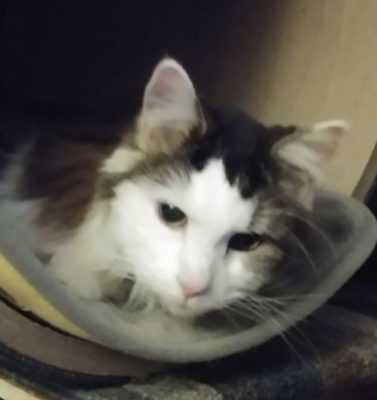
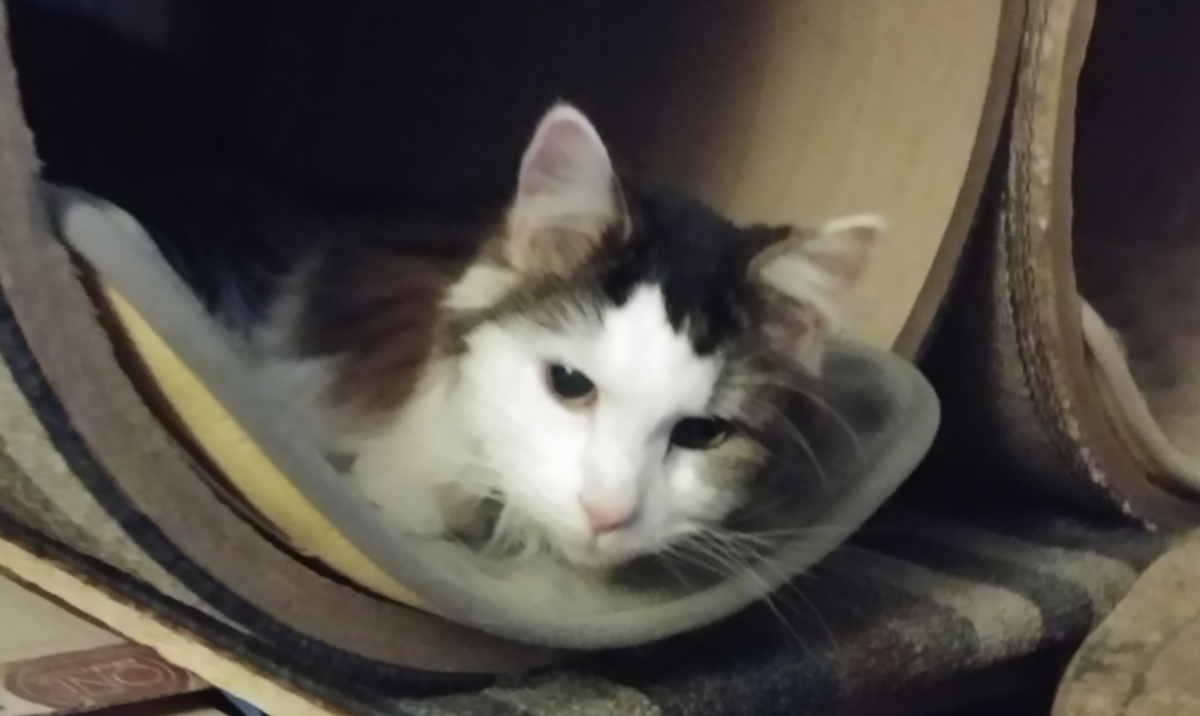
Pain in pets is not always loud. A dog with significant joint discomfort may still wag at the door, and a cat with a painful problem may simply spend more time under the bed, stop jumping to a favorite perch, or hold the eyes partly closed. Veterinary pain guidance places heavy weight on changes in behavior, posture, movement, appetite, and normal routines because obvious crying or limping is only part of the picture.
After decades of caring for animals, one of the most useful lessons we have learned is to pay attention to what a pet stops doing, not only to what the pet starts doing. A change that looks small on its own can matter more when it is part of a pattern. The cat who no longer greets you in the kitchen, the dog who pauses before stepping into the car, or the pet who suddenly dislikes being picked up may be giving you information that is easy to dismiss.
Pain Often Looks Like a Change in Normal Behavior
Pain can be acute, meaning it develops suddenly after an injury, illness, procedure, or other event, or chronic, meaning it persists over time. Chronic pain is especially easy to miss because the changes may develop so slowly that the household adjusts along with the pet. AAHA notes that owners sometimes interpret reduced mobility or other changes in senior animals as ordinary aging even when chronic pain may be contributing.
That distinction matters because “slowing down” is a description, not a diagnosis. An older dog may move less because of osteoarthritis, weakness, heart or lung disease, neurologic problems, fatigue from another illness, or several issues occurring together. A cat that withdraws may be painful, frightened, nauseated, ill, or stressed. The observation is valuable, but the cause still needs veterinary evaluation.
The best reference point is the individual pet’s usual behavior. Veterinary guidelines specifically recognize owner observations as an important part of pain assessment, particularly for chronic pain, because the person living with the animal sees movements and routines that may never appear during a short clinic visit. Photos and short videos from home can also help a veterinarian see how a dog rises from the floor or how a cat approaches a jump in a familiar environment.
Cats Often Become Quieter Instead of More Obvious
 Cats can be remarkably understated when they hurt. Withdrawal, hiding, reduced interaction, decreased grooming, reluctance to jump, changes in litter box habits, and sensitivity to touch are all recognized signs that may accompany pain. A cat may not cry, limp dramatically, or seek attention. The change may simply be that the cat spends more time alone or chooses lower, easier resting places.
Withdrawal is easy to misread because many cats already enjoy private time. The detail that matters is whether the behavior has changed from that cat’s baseline. A social cat who suddenly avoids the couch, a bedroom cat who stops sleeping on the bed, or a cat who begins hiding during times when the household is normally quiet deserves closer observation.
Mobility changes in cats can be even more subtle than a limp. Instead of refusing to move, a cat may hesitate before jumping, pull upward with the front legs rather than springing smoothly, use furniture as intermediate steps, or stop visiting a high perch altogether. A painful cat may also have trouble entering a high-sided litter box or positioning comfortably to urinate or defecate, so a new litter box problem should not automatically be treated as a behavior issue.
Grooming can change in either direction. Some painful pets lick or chew repeatedly at a specific area, while others groom less because twisting, bending, or reaching hurts. A coat that becomes greasy, clumped, or less tidy over the back and hindquarters can sometimes be part of a larger mobility or comfort problem, especially in a senior cat.
Squinting Is a Small Facial Change Worth Taking Seriously
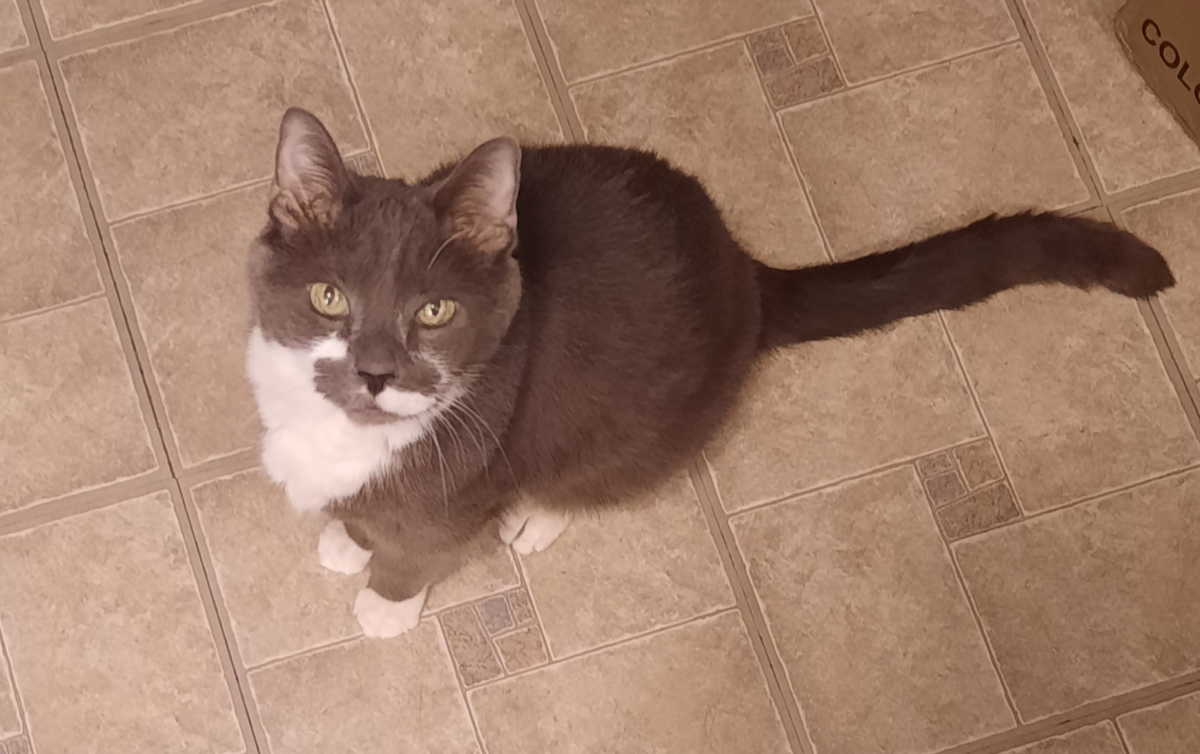 A cat holding the eyes partly closed may look sleepy, annoyed, or simply relaxed, but persistent squinting can be associated with pain. The validated Feline Grimace Scale includes “orbital tightening,” which ranges from partially closed eyes to more obvious squinting, along with changes in ear position, muzzle tension, whiskers, and head position. Research has shown that these facial features can help identify acute pain in cats when assessed together rather than relying on one facial feature alone.
Squinting also deserves attention because the discomfort may be coming from the eye itself. Eye inflammation, corneal injury, glaucoma, and other ocular problems can be painful, and some eye conditions need fast treatment to protect vision. A cat with new squinting plus redness, cloudiness, discharge, a noticeably different pupil, or obvious eye trauma should be evaluated promptly rather than watched for several days.
A facial pain scale can be a useful observation aid, but it is not a home diagnosis. The Feline Grimace Scale was validated for acute pain assessment, and caregiver research suggests owners can use the overall scale with useful reliability after learning the features. It still works best as information to bring into a veterinary conversation, especially if the score or facial expression changes over time.
Dogs Often Show Pain by Doing Less
Dogs frequently hide chronic discomfort in plain sight because they continue participating in family life. A dog may still eat, greet people, ask to go outside, and wag the tail while moving more carefully than before. Merck notes that normal-looking social behavior does not rule out pain, and Cornell lists slower walking, reluctance to exercise, trouble rising, stiffness, difficulty with stairs, altered posture, and changes in resting behavior among signs that can accompany pain.
The phrase “he’s just getting old” can hide a lot of detail. A dog who once trotted through a walk may begin trailing behind. Another may stand at the bottom of the stairs for several seconds before climbing, circle repeatedly before lying down, shift weight away from one leg, or stop jumping onto a favorite chair. None of those observations identifies the cause, but together they give the veterinarian a much clearer picture than simply saying the dog seems slower.
Small changes in enthusiasm also matter. Dogs with discomfort may hesitate before getting into the car, stop bringing toys, shorten play sessions, or seem less interested in following people from room to room. Some become unusually clingy, while others pull away from touch or become irritable when handled. Changes in social behavior can occur with pain, but they can also occur with anxiety, cognitive changes, sensory decline, and medical illness, which is another reason patterns matter more than a single sign.
Panting Can Be Pain, but Context Matters
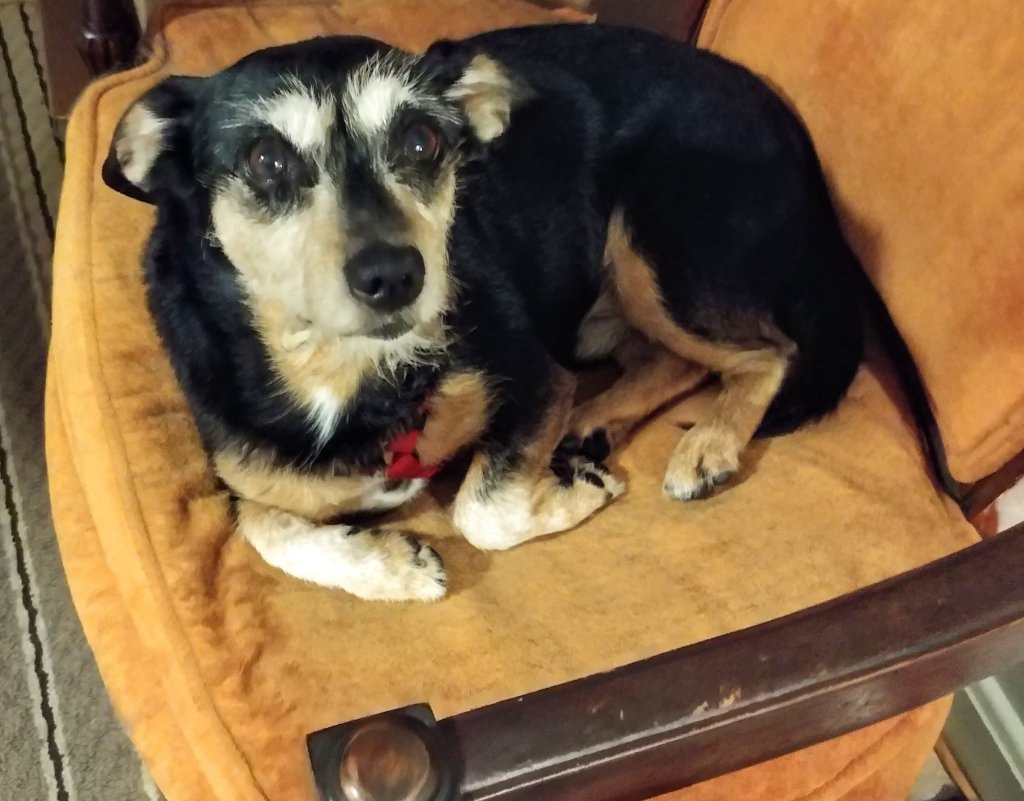 Panting is one of the dog pain signs that pet owners often notice without knowing what to make of it. Panting after exercise, excitement, or heat can be normal. Excessive panting at rest, especially when the environment is cool and the dog has not been active, can occur with pain and deserves attention when it is new or unexplained.
Panting is not specific to pain. Stress, fever, overheating, medications, heart disease, respiratory disease, and other medical problems can also change breathing. A dog that is panting while pacing and repeatedly changing positions may be uncomfortable, but a dog that is breathing with obvious effort may have a problem that is more urgent than pain alone.
Labored breathing, open-mouth breathing with distress, abnormal gum or tongue color, collapse, or a marked change in breathing effort calls for immediate veterinary attention. AAHA specifically advises immediate evaluation for labored breathing because heart and lung problems can progress rapidly, and emergency veterinary guidance treats obvious respiratory distress as a high-priority problem.
Look for Clusters Instead of Waiting for a Dramatic Sign
Hidden pain often becomes easier to recognize when several small changes are viewed together. A cat that is sleeping more may simply be having a quiet week, but sleeping more plus reduced grooming, lower jumping, withdrawal, and squinting creates a different picture. A dog that walks slowly on one hot afternoon is not the same as a dog who has been slower for three weeks, pants at night, avoids stairs, and struggles to settle.
A simple observation record can help separate impressions from patterns. It does not need to be complicated. Record the date, what changed, when it happens, how long it lasts, whether activity makes it worse, whether eating and drinking are normal, and whether elimination habits have changed.
There are several types of observations that are especially useful to record. They give your veterinarian a chance to see the behavior in context rather than relying only on a description from memory.
- A short video of the dog getting up after resting and walking away.
- A video of the cat approaching a normal jump or using the litter box area.
- Notes about appetite, grooming, sleep, interaction, and activity.
- Photos of posture or facial expression when the pet seems uncomfortable.
- A record of panting episodes, including whether the pet was resting, active, warm, anxious, or recently medicated.
- Any new sensitivity to touch, lifting, brushing, nail trimming, or handling.
These observations can be much more helpful than trying to assign a pain score based on memory at the end of the week. AAHA recommends owner input and home videos as useful parts of chronic pain assessment, especially because movement in a familiar setting may look different from movement in a clinic.
Do Not Test Pain by Pushing, Stretching, or Provoking a Reaction
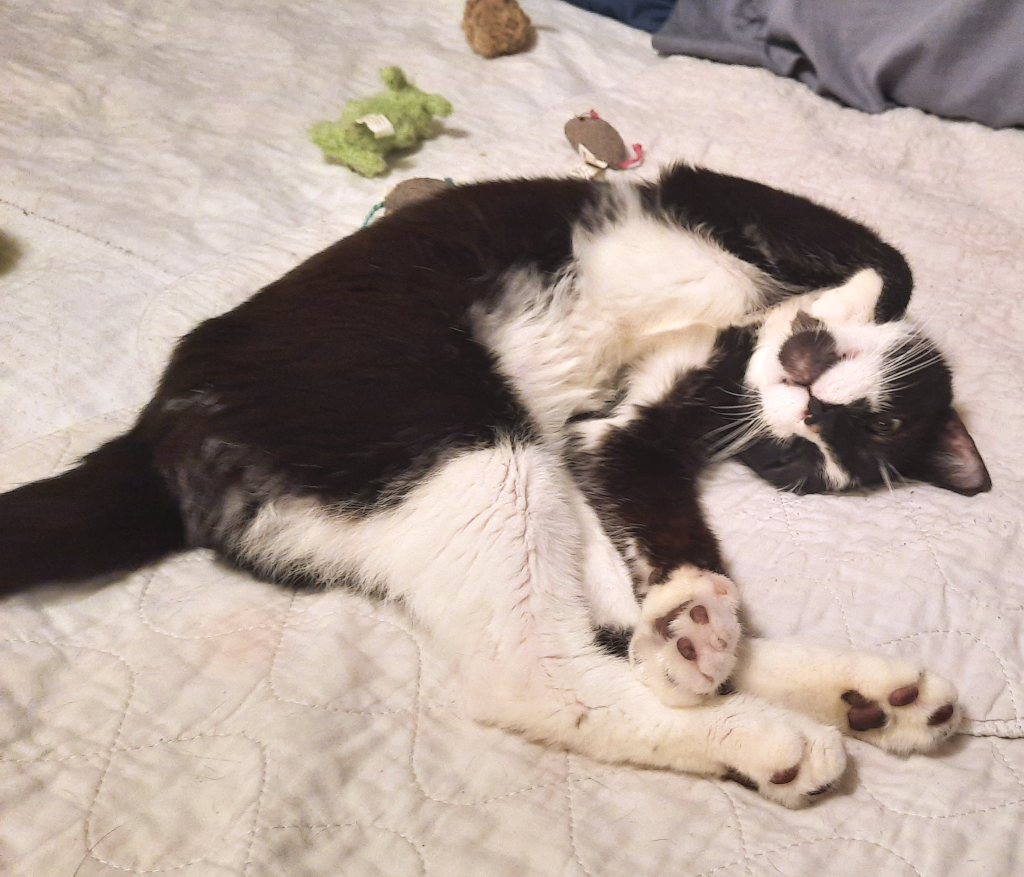 Once an owner suspects pain, there can be a temptation to press on joints, bend a limb, squeeze the abdomen, or repeatedly touch a sensitive area to “see if it hurts.” That can increase discomfort, frighten the animal, or provoke a bite or scratch. Gentle observation is safer and often gives the veterinarian better information than trying to reproduce pain at home.
The same caution applies to medication. Do not give a dog or cat human pain relievers from the medicine cabinet unless a veterinarian has specifically directed their use for that animal. The FDA warns that common human products such as ibuprofen and naproxen can cause serious toxic effects in pets, and acetaminophen can be fatal to cats.
If a pet is already receiving prescription pain medication, new signs of discomfort still deserve a veterinary call. They may reflect a change in the underlying condition, a new problem, a medication issue, or something unrelated to the original diagnosis. Changing doses or combining medications without veterinary guidance can create avoidable risks.
The Most Useful Question Is Often, “What Has Changed?”
Long-term pet care teaches you that pain rarely announces itself in a tidy, unmistakable way. More often, the evidence is scattered across ordinary moments: the cat who pauses before jumping, the dog who chooses the floor instead of the sofa, the pet who does not want to be brushed in the usual place, or the familiar face that suddenly looks tense.
Those changes do not prove pain, but they are worth taking seriously. Veterinary pain assessment depends heavily on behavior, movement, posture, facial expression, and the owner’s knowledge of what is normal for that particular animal. Bringing a veterinarian specific examples, short videos, and a timeline of changes can turn a vague concern into useful clinical information.
The goal at home is not to identify the exact diagnosis. It is to notice changes early enough that a veterinarian can investigate why they are happening and help the pet stay comfortable. Sometimes the first sign is not a cry or a limp at all, but a small piece of daily life that quietly disappears.