
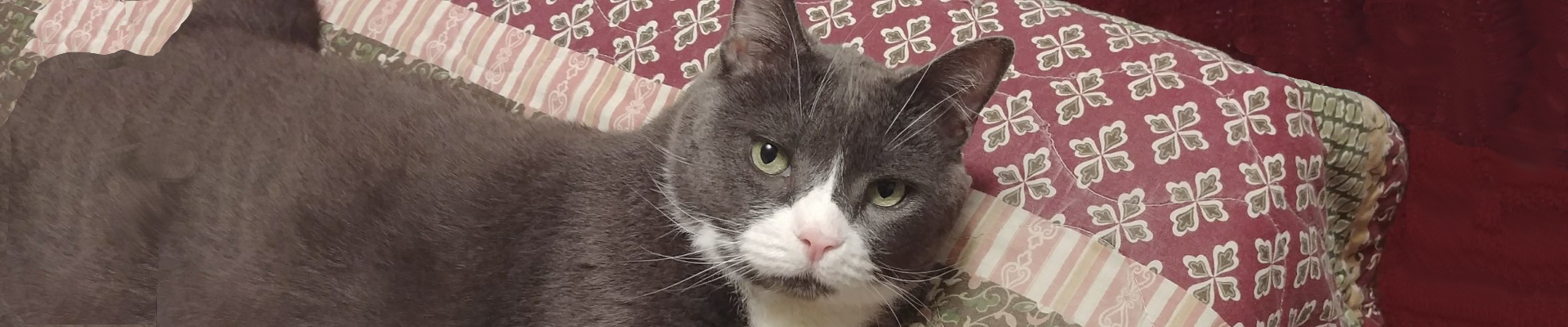


Put catnip in front of one cat and you may get rolling, cheek rubbing, bunny kicks, zooming, licking, and a few minutes of complete feline silliness. Put the same catnip in front of another cat and you may get one polite sniff followed by a walk toward the food bowl. Both reactions are normal, and so is almost everything in between.
That difference is one reason plant-based scent enrichment is more interesting than the familiar idea that “catnip makes cats crazy.” Cats can become energetic, playful, relaxed, intensely focused on rubbing, or apparently unimpressed. Research also shows that catnip is only one of several plants capable of producing this characteristic response, and a cat that ignores catnip may respond strongly to silver vine, Tatarian honeysuckle, or valerian root.
The Catnip Response Is Not One Single Behavior
Catnip, or Nepeta cataria, contains nepetalactone, a volatile plant compound that many cats can detect through smell. Responsive cats may sniff, lick, chew, rub their face and head against the material, roll, paw at it, or become more active for a short period. Other cats become noticeably calmer instead. VCA describes responses ranging from relaxation to marked agitation, while the ASPCA notes that some cats appear stimulated and others sedated.
This matters because stimulation does not always look like running around the house. A cat lying on its side and rubbing its cheeks repeatedly into a toy may be responding just as clearly as a cat that starts racing from room to room. The response can be largely about scent, contact, and self-rubbing rather than conventional play.
Scientists have also learned that some of these plant compounds interact with systems in the cat’s body that help explain the distinctive rubbing behavior. A 2021 study of catnip and silver vine compounds found that the iridoid nepetalactol increased beta-endorphin levels and that blocking mu-opioid receptors reduced the rubbing response. The same research found that rubbing transferred the plant compound onto the cat’s fur and reduced mosquito landings, suggesting that this curious behavior may have a biological function beyond simple pleasure.
Some Cats Simply Do Not Care About Catnip
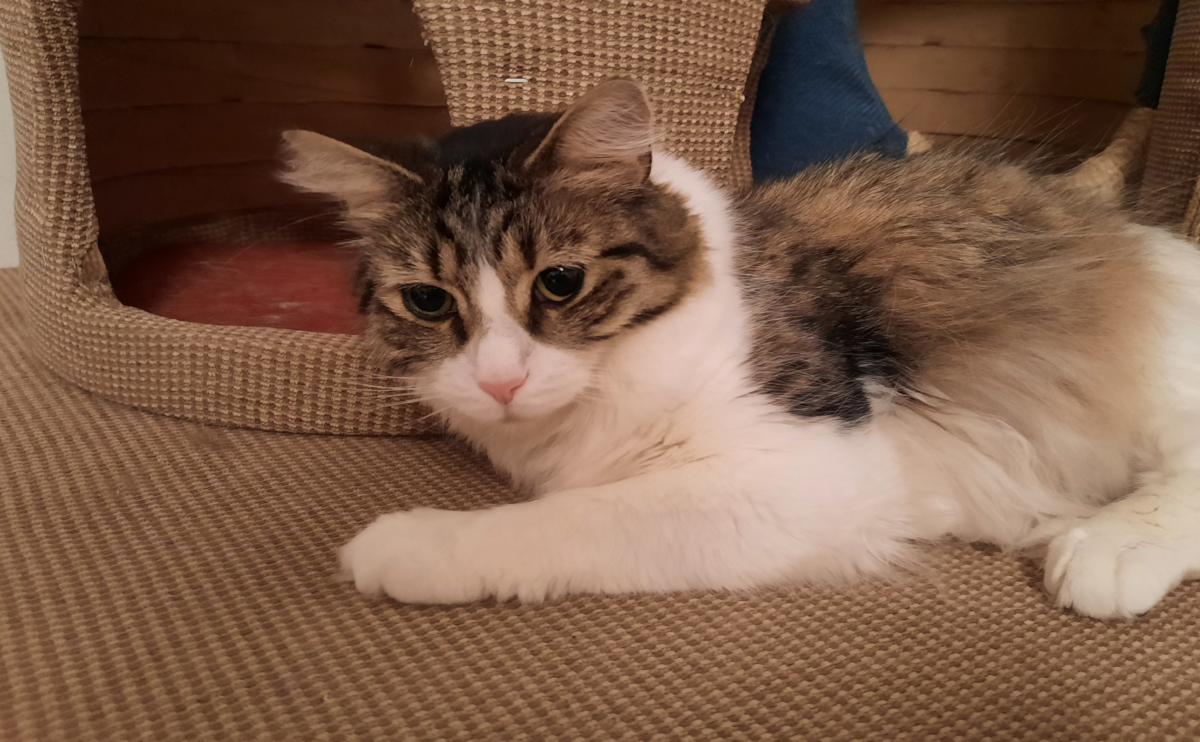 A cat that ignores catnip is not bored, defective, or somehow missing a normal feline instinct. In a study of 100 domestic cats, roughly one in three did not show the expected response to catnip. VCA similarly notes that a substantial portion of cats do not respond, and young kittens often show little interest until they are older, with responsiveness commonly appearing around six months of age.
Why one cat responds and another does not is still being worked out. Genetics appear to be part of the picture, and newer research suggests that variation in odor receptors, along with individual behavioral traits, may help explain why cats differ in their preferences and response intensity. A 2022 study found large differences among individual cats in both the duration and character of their reactions, even when several plant materials and isolated compounds were tested.
That is worth remembering at home. We have lived with enough cats over the years to know how easy it is to expect the same reaction from the next animal because the previous one loved a certain toy or scent. Cats have their own sensory preferences, and plant enrichment is another place where those preferences show up clearly.
Silver Vine May Reach Cats That Catnip Misses
Silver vine, Actinidia polygama, has been used with cats in parts of East Asia for a long time, and it has become much easier to find in commercial cat products elsewhere. It contains several compounds associated with the feline rubbing response, including nepetalactol and actinidine. Unlike catnip, which is strongly associated with nepetalactone, silver vine presents cats with a more complex mixture of active plant chemicals.
The difference can be meaningful. In the 100-cat study, close to 80 percent of domestic cats responded to silver vine, and nearly three quarters of the cats that did not respond to catnip did respond to silver vine. About half responded to Tatarian honeysuckle or valerian root. Those numbers do not predict what any individual cat will do, but they make silver vine a reasonable option for a cat that gives catnip nothing more than a bored sniff.
Research published in 2026 added an interesting twist. Under free-choice conditions, where cats could approach or ignore the material, silver vine produced self-rubbing behavior more reliably than catnip in both free-roaming cats and captive cats offered the two scents. The researchers were careful not to claim that catnip lacks biological activity. Instead, their work suggests that the form of the plant, the chemical mixture, and the setting in which a cat encounters it can influence whether the cat actually chooses to engage.
Silver vine is sold as dried leaf, powder, fruit-gall material, and chewable wood sticks. A 2023 study examining repeated exposure found no signs of dependence or increased stress and no increase in the liver or kidney injury markers the researchers measured. That is reassuring, but it does not mean every commercial product, preparation, or amount should be treated as interchangeable, so I still prefer products made specifically for cats and supervised first exposures.
Tatarian Honeysuckle and Valerian Are Other Possibilities
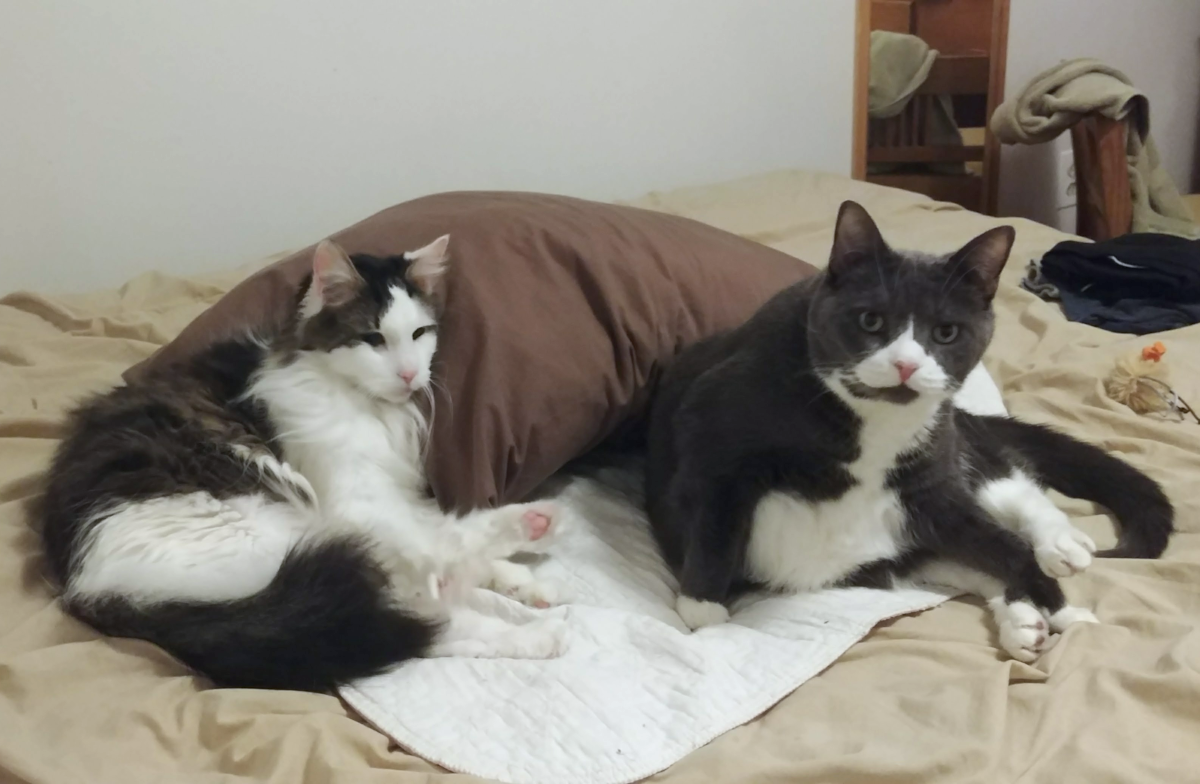 Tatarian honeysuckle, Lonicera tatarica, is another plant that can attract some cats, particularly in the form of wood. In the 2017 study, about half of the cats responded to it, and some cats that ignored catnip still reacted to honeysuckle. Researchers have detected actinidine in Tatarian honeysuckle, although the exact chemical story appears to be more complicated than simply matching one compound to one behavior.
The plant part matters here. The published cat research involved Tatarian honeysuckle wood, not free access to berries or an entire ornamental shrub. The 2017 researchers reported that the berries may cause mild gastrointestinal irritation, so a commercial honeysuckle cat toy made from the appropriate wood is a very different proposition from letting a cat chew whatever is growing in the yard.
Valerian root, Valeriana officinalis, also attracts a portion of cats. People usually recognize valerian as an herbal product associated with relaxation, but cats can show the familiar rubbing, rolling, and excited plant response to the root. In the same 100-cat study, about half responded to valerian, which makes it another possible experiment for a cat that seems indifferent to catnip.
Valerian deserves a little more care around quantity. The ASPCA describes valerian root as having a wide margin of safety, but excessive ingestion can cause sedation, poor coordination, decreased body temperature, vomiting, and sometimes agitation. I would treat it as a scent enrichment material rather than something a cat needs to eat, and I would keep human valerian supplements out of reach unless a veterinarian has specifically advised their use.
“Natural” Does Not Mean Every Fragrant Plant Is Cat-Safe
Once people see a cat respond to one herb, it is tempting to start experimenting with strongly scented plants or essential oils. That is where a fun enrichment idea can turn into a safety problem. Catnip, silver vine, valerian, and Tatarian honeysuckle have been specifically studied in cats, but that does not make unrelated aromatic plants or concentrated extracts appropriate substitutes.
Essential oils deserve particular caution. Pet Poison Helpline warns that concentrated essential oils can be toxic to cats through ingestion, skin exposure, and, in some situations, inhalation. Oils associated with poisoning include tea tree, wintergreen, citrus, pine, peppermint, cinnamon, clove, eucalyptus, and others, so a bottle of concentrated “natural” fragrance should never be treated like dried catnip.
Even catnip itself is a good example of why dose and form matter. VCA describes catnip as non-addictive and a useful enrichment option for responsive cats, while the ASPCA plant database classifies it as toxic because enough ingestion can cause vomiting and diarrhea. Those statements are not as contradictory as they first sound. A small amount offered for supervised scent enrichment is different from a cat eating a large quantity of plant material.
Let the Cat Decide How Much Fun This Is
 The simplest way to try one of these plants is to offer a small amount in a controlled setting and watch what the cat actually does. A pinch of dried catnip or silver vine can be placed on a scratcher, mat, or sturdy toy, while wood-based products should be checked for damage or splintering. The cat should be able to approach, investigate, and leave without being held near the scent.
I also prefer to introduce only one new plant material at a time. If a cat becomes playful, relaxed, intensely rubby, overstimulated, or completely indifferent, you know which item produced the response. If several new products are scattered around at once, it becomes much harder to learn what the cat actually prefers.
Supervision is especially sensible for senior cats or cats with mobility problems. A sudden burst of rolling and twisting on a slippery floor may be perfectly harmless for a young agile cat but less comfortable for an older cat with stiffness or weakness. Offering the material on a rug, low bed, or other stable surface lets the cat enjoy the scent without adding an unnecessary fall risk.
A strong reaction is not automatically a better reaction. Some cats become agitated or rough during catnip sessions, and VCA recommends avoiding catnip products when they repeatedly trigger agitation. In a multi-cat household, I would also give cats enough space that one excited cat does not turn a scent session into a dispute over a toy.
No Reaction Is Still Useful Information
A cat may ignore catnip today, react to silver vine tomorrow, and prefer a completely different form of play the rest of the week. Plant-based scent enrichment is an option, not a requirement for feline well-being. Food puzzles, hunting-style play, climbing, scratching, hiding places, window watching, and social interaction can all provide stimulation without relying on a particular odor response.
The more useful goal is variety paired with observation. If catnip gets no reaction, silver vine has good research behind it as the next plant I would try, followed by cat-safe products made with Tatarian honeysuckle wood or valerian root. If none of them interest the cat, there is no need to keep escalating the scent or searching for something stronger.
A sudden loss of interest in all play, favorite treats, social contact, or normal activities is different from a lifelong lack of interest in catnip. If that change appears alongside reduced appetite, hiding, weakness, pain behaviors, vomiting, breathing changes, or other signs of illness, it is worth discussing with a veterinarian rather than assuming the cat simply became bored with an herb. What matters most is the change from that individual cat’s usual behavior, because a cat that has never cared about catnip may be completely normal, while a cat that stops engaging with everything may be telling us something much more useful.