

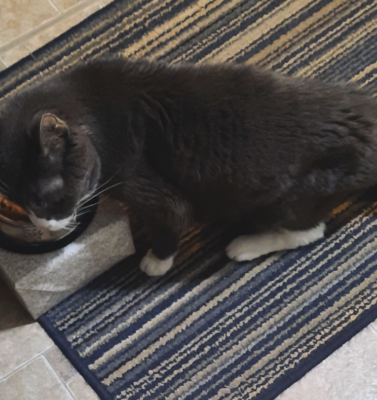
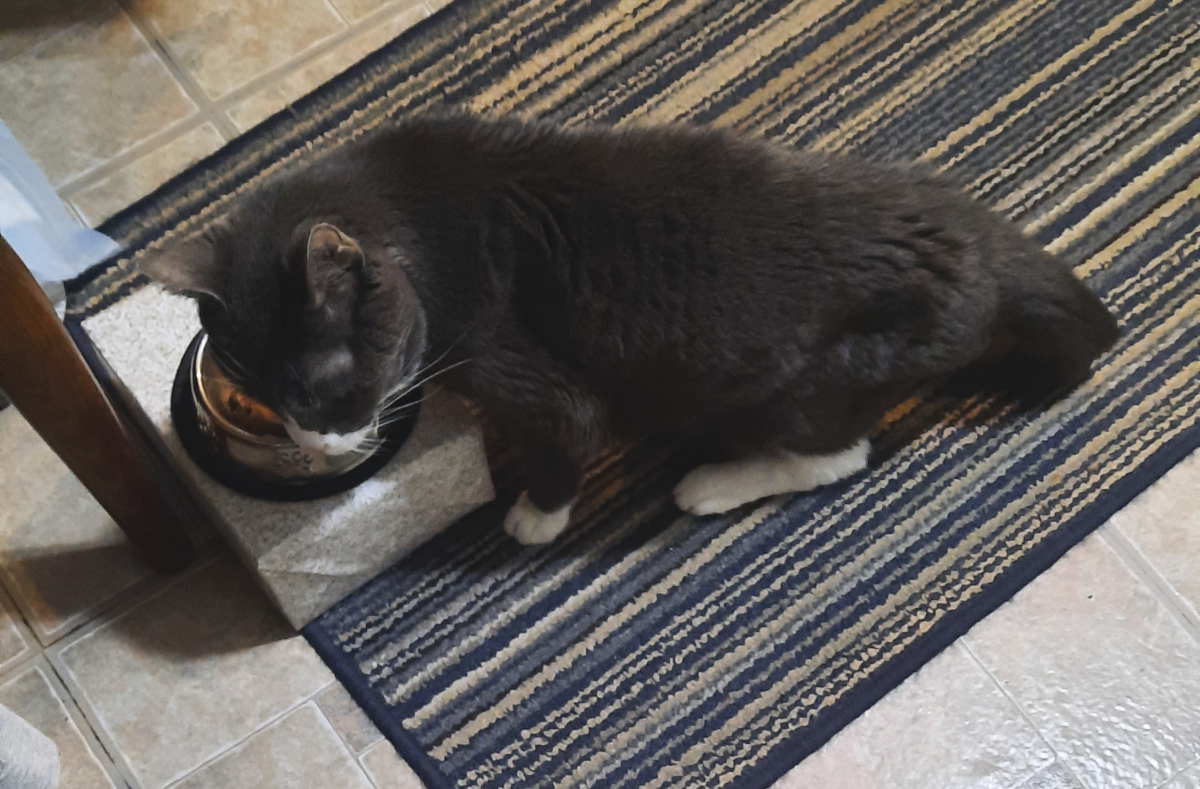
A food trial is not simply a switch to a different bag of food to see whether a pet seems better. Done properly, it is a controlled diagnostic test that can help a veterinarian determine whether food is contributing to itching, recurring ear problems, skin inflammation, vomiting, diarrhea, or other compatible signs. For owners, the hard part is that the test takes place almost entirely at home, which means its accuracy depends heavily on what actually reaches the pet’s mouth every day.
That can feel deceptively simple at first. Then someone remembers the dental chew, the flavored heartworm preventive, the bite of cheese used to hide a pill, the cat stealing from another bowl, or the dog finding crumbs under the table. Those small details matter because even a carefully selected trial diet can become difficult to interpret if other food proteins are slipping in.
Veterinary references still consider a strict elimination diet followed by a controlled food challenge the most reliable way to diagnose a food allergy in dogs and cats. Blood tests, saliva tests, skin tests, and hair-based tests have not shown consistent accuracy for diagnosing food allergy, so a food trial remains the standard approach when food is a reasonable suspect.
Food Allergy, Food Intolerance, and Food-Responsive Disease Are Not Exactly the Same
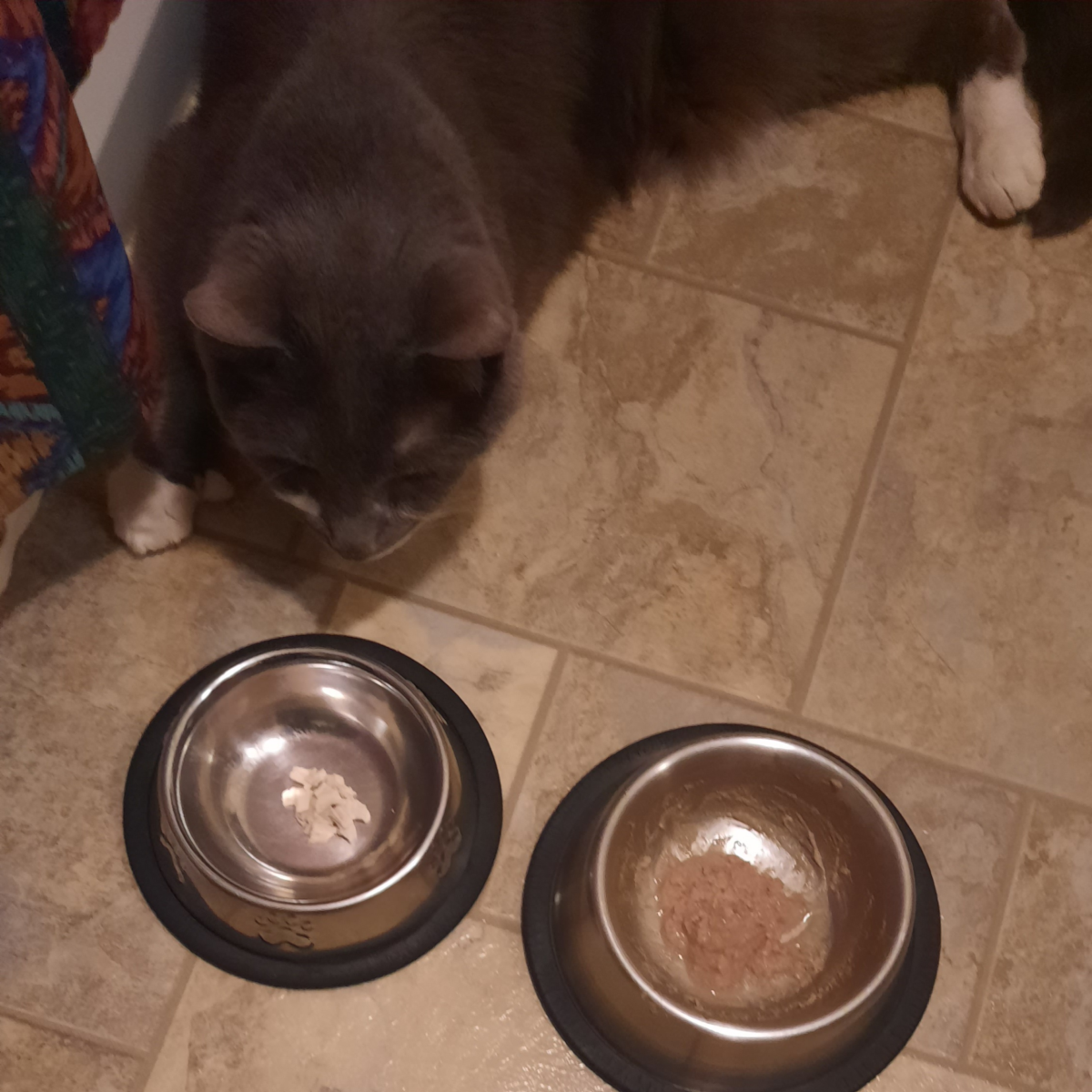 The phrase “food allergy” is often used loosely, but veterinarians may be trying to sort out several related problems. A true food allergy involves an immune response to something in the diet, usually a protein. A food intolerance can also cause digestive or other signs, but it does not involve the same immune mechanism.
From the owner’s side of the food bowl, those problems can look very similar. A dog may itch, lick its feet, develop recurring ear inflammation, vomit, or have loose stool, while a cat may develop itching around the head and neck, skin lesions, vomiting, diarrhea, or other digestive signs. A food trial can show that the pet’s condition is food-responsive, but the trial alone does not always tell us whether the underlying reaction is a true immune-mediated allergy or another type of adverse food reaction.
That distinction is one reason a veterinarian should be involved before the trial begins. Parasites, infections, environmental allergies, inflammatory bowel disease, endocrine problems, and several other conditions can overlap with signs blamed on food. Starting with a veterinary examination also gives the owner a clearer baseline for deciding whether the trial is actually helping.
The Trial Diet Has to Be Different Enough to Test the Question
The basic idea is straightforward. The pet is fed a diet that avoids the food proteins it has previously eaten, or the pet is given a veterinary hydrolyzed diet in which proteins have been broken into much smaller fragments. Some veterinary diets use very extensively hydrolyzed proteins or amino acids to reduce the chance that the immune system will recognize a dietary protein in the usual way.
A novel-protein trial sounds easy until the feeding history is examined closely. A dog that has eaten chicken kibble, beef treats, salmon chews, lamb training rewards, peanut butter, cheese, eggs, and flavored medications may have already encountered many of the ingredients commonly found in commercial foods. Cats can have the same problem, especially when several canned flavors, treats, supplements, and foods from other pets have rotated through the household.
This is why the veterinarian may spend more time discussing the pet’s diet history than an owner expects. The label on the current food is only part of the story. Previous diets, treats, table foods, chew products, supplements, flavored medications, and anything the pet regularly steals all help determine which trial diet makes sense.
Veterinary therapeutic diets are often preferred for a true elimination trial because manufacturing controls reduce the risk of undeclared proteins or cross-contact that could interfere with the test. AAHA guidance specifically warns that over-the-counter limited-ingredient foods may contain undeclared protein sources, which can make a strict diagnostic trial less dependable. Cost matters, though, and owners should tell their veterinarian if a prescription diet is financially difficult so the plan can be adjusted openly rather than becoming an impossible routine at home.
“Only This Food” Really Does Mean Only This Food
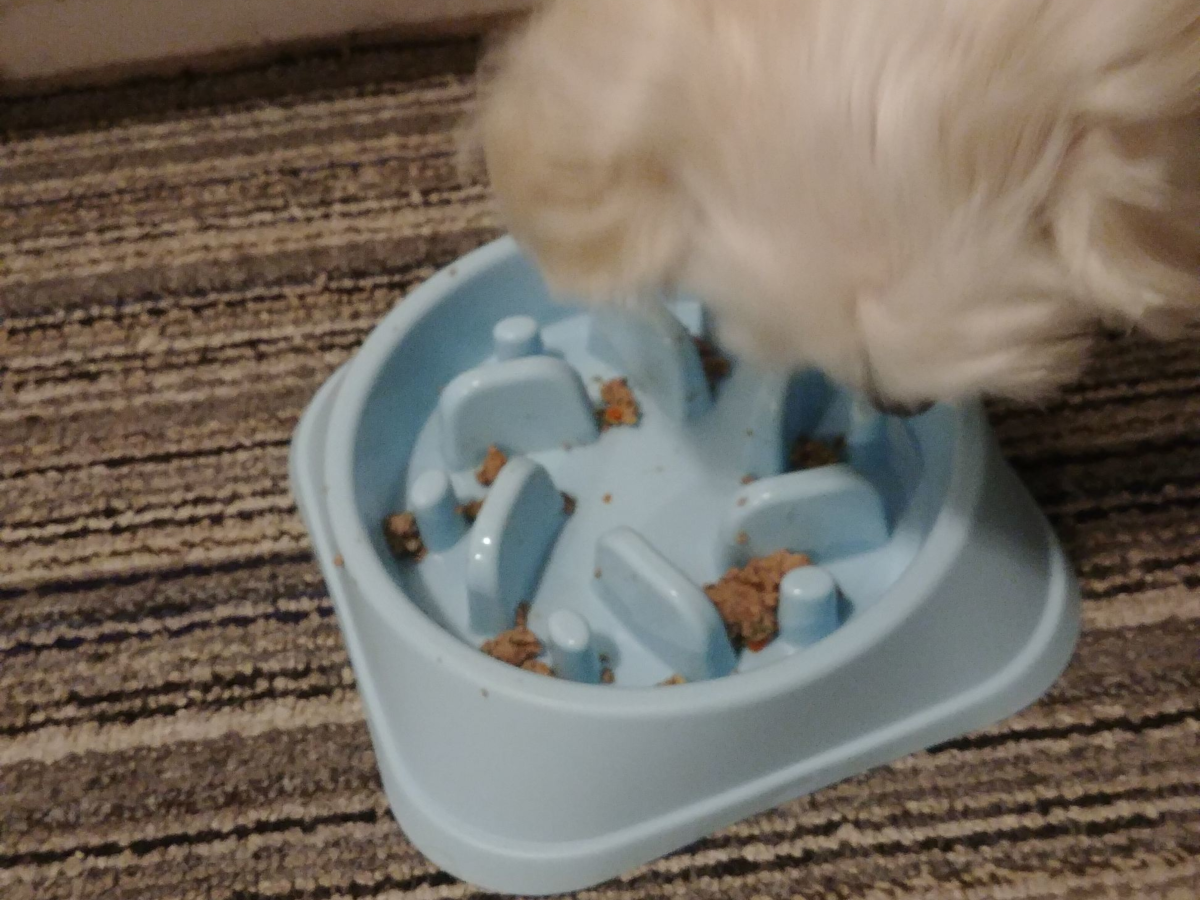 The most common weak point in a food trial is not the idea behind it. It is the daily execution. During the trial, the selected food generally needs to be the only food source unless the veterinarian has approved something else that fits the same dietary restrictions.
That means treats, table scraps, rawhide, flavored dental products, pill pockets, flavored vitamins, some supplements, and flavored medications may all need to be reviewed. Even toys or chews containing food proteins can matter. Merck also notes practical sources of accidental exposure such as sharing food bowls, stealing another pet’s food, and in some situations even eating another animal’s feces.
This is one of those areas where household routine matters as much as medical theory. If several animals live together, feeding behind closed doors may be easier than trying to supervise every bite. Food bowls can be picked up after meals, treats can be stored separately, and everyone in the household should know that “just one” bite can complicate the test.
Medications deserve special attention because owners should not stop a prescribed medication simply because it is flavored. Instead, ask the veterinarian whether the product could interfere with the trial and whether an appropriate alternative form exists. The goal is to protect both the pet’s treatment plan and the integrity of the food trial.
A Proper Trial Takes Longer Than a Weekend
Skin and ear signs often take weeks to improve, which is why elimination trials for suspected dietary skin reactions are commonly measured in weeks rather than days. AAHA describes trials lasting roughly 8 to 12 weeks, while Merck notes that published evidence suggests a longer trial may be needed to identify most food-allergic patients with skin disease. The exact duration should be set by the veterinarian based on the pet’s signs, response, other treatments, and the type of diet being used.
Digestive signs may change sooner in some animals, but an early improvement does not automatically prove the diagnosis. Stool quality can vary for many reasons, vomiting can be intermittent, and skin disease can improve temporarily because of changes in flea exposure, environmental allergens, bathing, antibiotics, anti-itch medication, or secondary infection.
This is where patience becomes part of the diagnostic process. A trial that is stopped after ten days because nothing dramatic happened may not answer the question it was designed to answer. A trial that is changed repeatedly because the pet seems bored with the food can become equally hard to interpret.
Improvement During the Trial Is Only Half of the Test
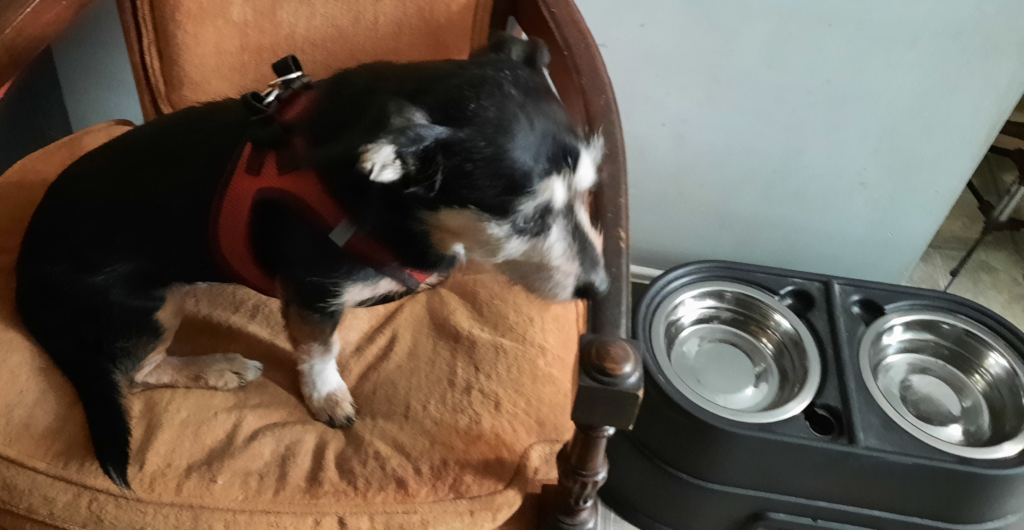 One of the most useful things an owner can do is record what is changing rather than relying on memory. Notes do not need to be elaborate. A weekly record of itching, ear redness, paw licking, skin lesions, stool quality, vomiting, appetite, body weight, and medications can give the veterinarian a much clearer picture than a general impression that the pet is “better.”
Photos can help with visible skin changes, especially if they are taken in similar lighting and from the same angle. For digestive problems, recording the number and consistency of bowel movements may reveal a pattern that is hard to remember after several weeks. If the pet has both skin and gastrointestinal signs, track both because they may not improve at the same speed.
A strong response to the trial makes food involvement more likely, but it still does not confirm a food allergy by itself. Seasonal allergies may have eased at the same time, a secondary skin infection may have been treated, flea control may have improved, or another part of the care plan may be responsible for some of the change. Veterinary guidance therefore uses the next step, a controlled food challenge, to test whether the original diet actually brings the signs back.
The Food Challenge Is What Makes the Result Much More Convincing
After a successful elimination period, the veterinarian may recommend reintroducing the previous diet or selected ingredients in a controlled way. If the pet improves on the elimination diet and then the compatible signs return after the old food is reintroduced, the evidence for a food reaction becomes much stronger. Merck describes this elimination-and-rechallenge sequence as the reliable method for confirming food allergy.
A reaction after rechallenge can occur quickly, but it does not always happen the same day. Veterinary references report that signs may return within hours or may take roughly 10 to 14 days, depending on the animal and the reaction being observed. That is one reason ingredient challenges are generally spaced out rather than introducing several foods at once.
Owners should plan the challenge with their veterinarian rather than improvising it. A pet with a history of severe reactions, significant gastrointestinal disease, poor body condition, or other medical problems may need a more individualized approach. If a dog or cat develops facial swelling, difficulty breathing, collapse, repeated vomiting, bloody or black stool, marked weakness, or other rapidly worsening signs, that calls for prompt veterinary care rather than continuing the challenge at home.
No Improvement Can Be Useful Information Too
A well-run food trial that produces no meaningful improvement can make a dietary cause less likely. That can save months of repeatedly changing foods and can help the veterinarian put more attention on other possibilities, such as environmental allergy, parasites, infection, or another gastrointestinal or skin disorder.
The words “well-run” matter. A negative trial is much less informative if the pet was receiving unapproved treats, if another animal’s food was accessible, if the diet was changed halfway through, if the trial was too short, or if the selected food contained proteins the pet had already eaten. In those situations, the result may be inconclusive rather than truly negative.
Concurrent disease can also muddy the picture. A dog might have both a dietary reaction and environmental allergy, or a cat might have food-responsive digestive signs plus another condition affecting the skin. Merck notes that partial improvement followed by a flare during rechallenge can still support food allergy even when the pet never becomes completely symptom-free on the trial diet.
A Food Trial Works Best as a Household Project
 From years of caring for animals with chronic problems, one lesson comes up repeatedly: a plan that looks simple in the exam room can become much harder once it meets real life. Someone drops food while cooking, a visitor gives a treat, a child shares a snack, a clever cat opens a cabinet, or a dog finds the other pet’s bowl before anyone notices.
The practical answer is not perfection through willpower. It is setting up the house so fewer mistakes are possible. Keep the approved food and any veterinarian-approved trial treats in one place, put nonapproved treats out of reach, use a written reminder near the feeding area, and make sure everyone knows why the diet is restricted.
It also helps to write down the start date, the exact food being fed, medications and supplements, accidental exposures, and the veterinarian’s planned reassessment date. If an accidental exposure happens, report it rather than hiding it out of embarrassment. That information may explain a flare or may lead the veterinarian to extend the trial so the result remains useful.
The Real Goal Is an Answer You Can Trust
Food trials can feel tedious because they ask owners to do the same careful thing every day for weeks while waiting for a pattern to emerge. But when they are planned well, followed strictly, and completed with an appropriate challenge, they can answer a question that blood, saliva, skin, and hair tests cannot answer reliably: whether food is actually contributing to the pet’s clinical signs.
That answer matters even when it is negative. If the pet improves and then reacts again during challenge, the veterinarian has useful evidence that diet belongs in the long-term management plan. If a carefully performed trial produces no meaningful change, attention can move toward other causes instead of cycling through food after food without a clear test.
For the owner, the most valuable part of the process is not finding a fashionable ingredient or the most unusual protein on a label. It is creating a controlled period in which one variable, the diet, is changed carefully enough that the pet’s response means something. That takes time, consistency, good records, and veterinary guidance, but it can replace a great deal of guessing with information that is much easier to act on.