

The first insulin injection can feel completely out of proportion to what you are actually being asked to do. The syringe is tiny, the injection takes only a few seconds, and the insulin is placed under the skin rather than deep into muscle, yet holding that needle over your dog or cat can make your hands shake. For many people, the hardest part is not the injection itself. It is the fear of hurting the animal, giving the wrong amount, missing the skin, or making a mistake with a medication that has real consequences.
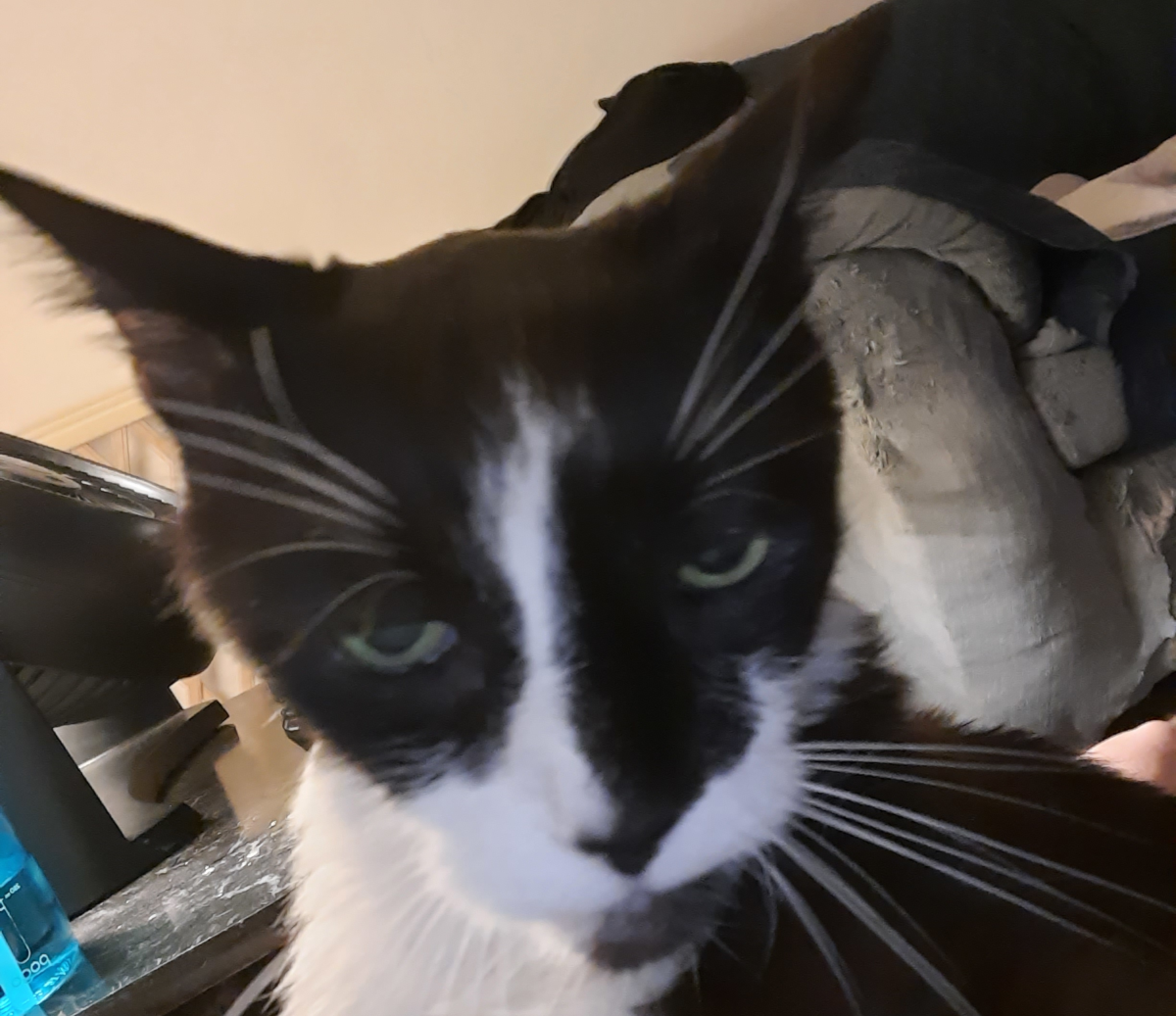
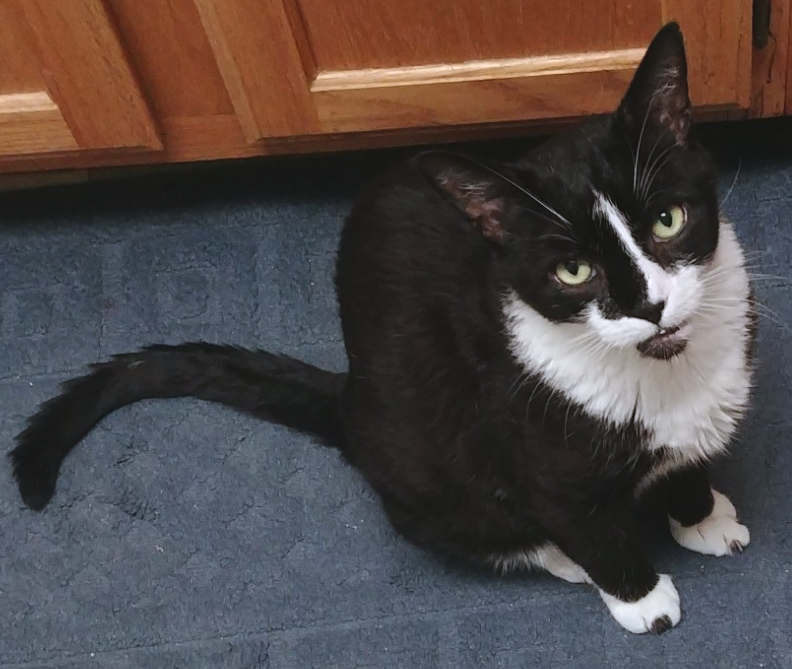
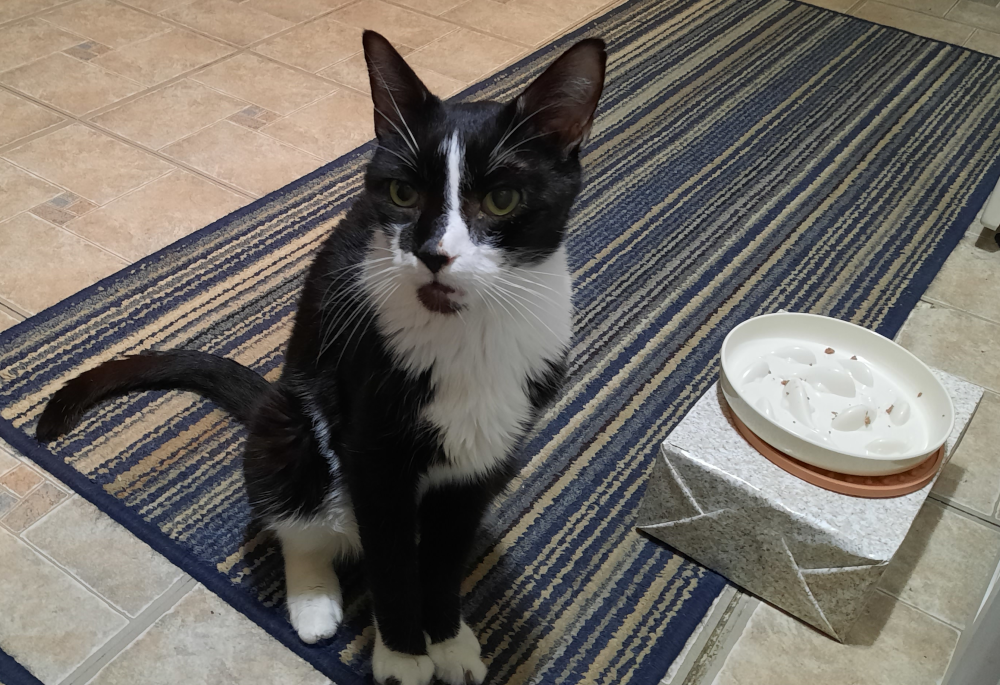
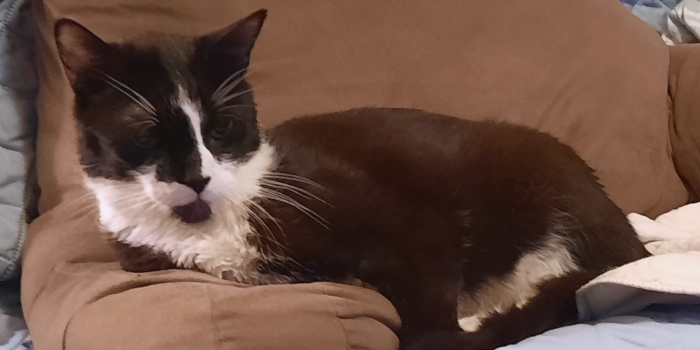
We know that feeling from living with feline diabetes in our own home. Bentley currently receives insulin twice daily as part of his diabetes management, so the routine is not theoretical for us. Repetition helps, but what really reduces fear is having a clear method, knowing what each step is supposed to accomplish, and having a plan for the occasional imperfect injection.
The Injection Is Usually Simpler Than the Anticipation
Insulin for diabetic dogs and cats is commonly given subcutaneously, meaning into the layer of tissue just beneath the skin. Veterinary insulin syringes use very fine needles, and many pets tolerate these injections surprisingly well once the routine becomes familiar. Cornell’s Feline Health Center notes that the small needle size used for feline insulin injections is generally well tolerated, while veterinary injection guidance for dogs also describes insulin-type injections as going into loose tissue beneath the skin rather than into muscle.
That does not mean every animal will stand perfectly still from the first day. Some pets object to restraint, some dislike having their skin handled, and some become suspicious when a new routine suddenly appears around meals. The goal is not to overpower them. A predictable setup, a comfortable location, calm handling, and a reward or distraction your pet already enjoys can make the whole process easier for both of you.
Fear also drops when you stop thinking of the syringe as something you are “stabbing” into your pet. You are placing a very small needle through the skin into the loose tissue underneath it, delivering the prescribed insulin, and removing it. Once you have watched the technique closely and performed it correctly a few times, the physical act often becomes the easiest part of diabetes care.
Have the Veterinary Team Watch You Give One
 A good insulin lesson should involve more than someone handing you a vial and a box of syringes. Ask the veterinary team to demonstrate the injection, then have them watch you prepare and give one before you are expected to do it alone at home. The 2026 AAHA feline diabetes guidelines specifically recommend demonstrating dose measurement and administration and allowing owners to practice with sterile saline until they feel comfortable.
This is also the best time to settle details that can otherwise create anxiety later. Ask where your veterinarian wants injections given, how they want you to rotate sites, how your particular insulin should be stored and mixed, what your pet’s feeding and injection schedule should look like, and exactly what they want you to do if your pet does not eat, vomits, or receives an incomplete injection. Those instructions can differ depending on the insulin, species, medical history, and treatment plan, so written directions are worth having.
Bring the actual insulin and syringes you will use at home if the clinic allows it. Seeing the same equipment during the lesson removes one more layer of uncertainty when you are standing in your kitchen that evening.
Make Sure the Syringe Matches the Insulin
One of the least dramatic details is also one of the most serious. Insulin comes in different concentrations, most commonly U-40 and U-100 in veterinary diabetes care, and the syringe must match the concentration. A U-40 insulin should be measured with a U-40 syringe, and a U-100 insulin with a U-100 syringe unless a veterinarian has provided very specific alternative instructions. Current AAHA guidance emphasizes this matching because using the wrong syringe can result in the wrong dose being delivered.
Make checking the label part of the routine instead of relying on memory. The insulin name, concentration, prescribed amount, and syringe type should all agree with the instructions from your veterinarian. If a pharmacy, clinic, or supplier gives you a different-looking box of syringes or a different insulin product than usual, stop and verify it before giving the injection.
Insulin handling also depends on the product. AAHA’s current guidance notes that some insulin suspensions need to be mixed differently from others. For example, Vetsulin is shaken to create a uniform suspension, while several other commonly used insulins are handled more gently according to their product instructions. Follow the directions for the exact insulin your veterinarian prescribed rather than applying one mixing rule to every vial.
Build the Same Small Routine Every Time
 A repeatable sequence keeps nervousness from turning into rushed mistakes. Before bringing your pet into position, gather the insulin, correct syringe or pen, any food or reward you normally use, and a sharps container. Check the prescription and prepare the exact prescribed dose while you are still able to concentrate on the markings.
For a syringe, inspect the dose before approaching your pet. Tiny air bubbles can interfere with accurate measurement, and a clear view of the plunger makes it easier to confirm that you drew the amount your veterinarian prescribed. If you use an insulin pen, follow the manufacturer’s preparation, priming, and injection-time instructions for that specific device. Current AAHA feline guidance notes that pen needles should be primed and that some pens need to remain in place for a specified number of seconds so the full dose is delivered.
Once your pet is settled, gently lift a fold of loose skin to create the area your veterinarian showed you. Hold the syringe in your dominant hand, insert the needle into the subcutaneous space at the angle you were taught, depress the plunger fully, then withdraw the needle. Do not let the desire to be fast make you careless, but do not hover with the needle for a long time either. A smooth, confident motion is usually easier on the animal than repeated starts and stops.
Dispose of the used syringe immediately in an appropriate sharps container. AAHA recommends single use for insulin syringes, and local rules for sharps disposal vary, so your veterinary clinic, pharmacy, or municipal waste authority can tell you how used needles should be handled where you live.
Keep Restraint to the Minimum Your Pet Needs
Many injections become harder because the pet reacts to the setup rather than the needle. If insulin time always begins with chasing the cat, cornering the dog, wrapping the animal tightly, and having two people brace for a struggle, the routine can become unpleasant before the syringe even appears.
Whenever possible, use a place your pet already accepts. Some cats are easiest to inject while eating or while focused on a small approved treat. Some dogs cooperate best while standing beside the person they trust most. A second person can help in the beginning, but that person’s job should be to steady or distract the pet calmly, not to turn every injection into a wrestling match.
Your veterinarian can also help you adjust the physical technique if your pet is difficult to inject. Thick fur, very loose skin, obesity, thin body condition, arthritis, sensitivity in a particular area, or a pet that moves suddenly can all affect which position works best. The safest technique is the one your veterinary team has demonstrated for your animal and that you can repeat reliably at home.
A “Fur Shot” Is a Mistake, Not a Disaster
 Sooner or later, many people who give insulin will have an injection that does not feel right. The needle may pass through the skin tent and out the other side, your pet may move as the plunger goes down, or you may feel moisture on the fur afterward. It is frustrating, especially when you have been working hard to keep diabetes tightly managed.
The safest response is not to guess how much insulin entered the body and then try to replace the missing amount. Veterinary guidance advises against giving additional insulin when you are unsure whether the full injection was delivered. Contact your veterinary team for instructions, and never give a second full dose simply because the first injection may have been incomplete.
This is one of those situations where having a written plan from your veterinarian is calming. You do not have to make a medication decision while annoyed with yourself and worried about the glucose number. You follow the plan, record what happened, and continue monitoring as instructed.
Record the Injection So Nobody Has to Guess
The more routine insulin becomes, the easier it is for two people in the same household to assume the other person gave it. Even a single caregiver can have that moment of doubt after a busy morning: “Did I already do the shot?”
A simple record prevents that uncertainty. Write down the time, prescribed dose given, food intake if your veterinary plan tracks it, glucose information when applicable, and anything unusual about the injection. The BellenPaws pet diabetes tracker or a printed diabetes chart can be useful for keeping those details in one place, especially when you need to share patterns with your veterinarian.
Documentation also takes some pressure off your memory. You do not need to remember whether Tuesday evening’s injection was late or whether Thursday morning was the day your cat barely ate. You can look. That becomes especially helpful when glucose readings, appetite, water intake, weight, and insulin timing are being evaluated together.
Know What Low Blood Sugar Can Look Like
 Fear becomes more manageable when it is attached to a specific response plan instead of a vague sense that something bad might happen. Hypoglycemia, or blood glucose that falls too low, is one of the complications insulin-treated pet owners need to recognize. Current AAHA guidance lists signs that can include unusual sleepiness or lethargy, abnormal behavior, weakness, an unsteady gait, tremors, collapse, and seizures.
Ask your veterinarian to give you written instructions for suspected hypoglycemia before you ever need them. AAHA’s feline guidance advises offering food to a conscious cat showing signs of hypoglycemia and describes placing corn syrup on the gums of a poorly responsive cat while seeking veterinary care, with care taken not to put fingers into the mouth or force food into an animal that cannot swallow safely. Because emergency instructions can depend on the pet and treatment plan, your own veterinarian’s directions should be the plan you keep beside the insulin supplies.
If your pet collapses, has a seizure, is poorly responsive, or develops other serious signs that could indicate hypoglycemia, seek prompt veterinary attention. If you discover that the wrong insulin amount may have been given, contact your veterinarian or an emergency veterinary service rather than waiting for symptoms to appear.
Confidence Comes From a System, Not From Being Fearless
You do not need to become someone who loves needles. You need to become someone who can follow the same safe process even when you would rather not be holding one. That means using the correct equipment, preparing the exact prescribed amount, handling the insulin properly, giving the injection the way your veterinary team demonstrated, recording it, and knowing who to call when something does not go as planned.
With Bentley, insulin is part of an ongoing twice-daily routine rather than a single dramatic medical event. That kind of routine is where confidence usually grows. The first few injections may require full concentration, but repetition turns a frightening task into a familiar piece of care, while careful monitoring and communication with the veterinary team keep familiarity from becoming carelessness.