

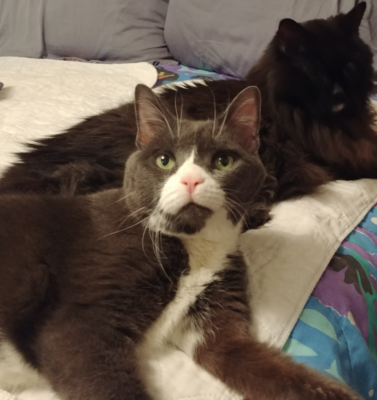
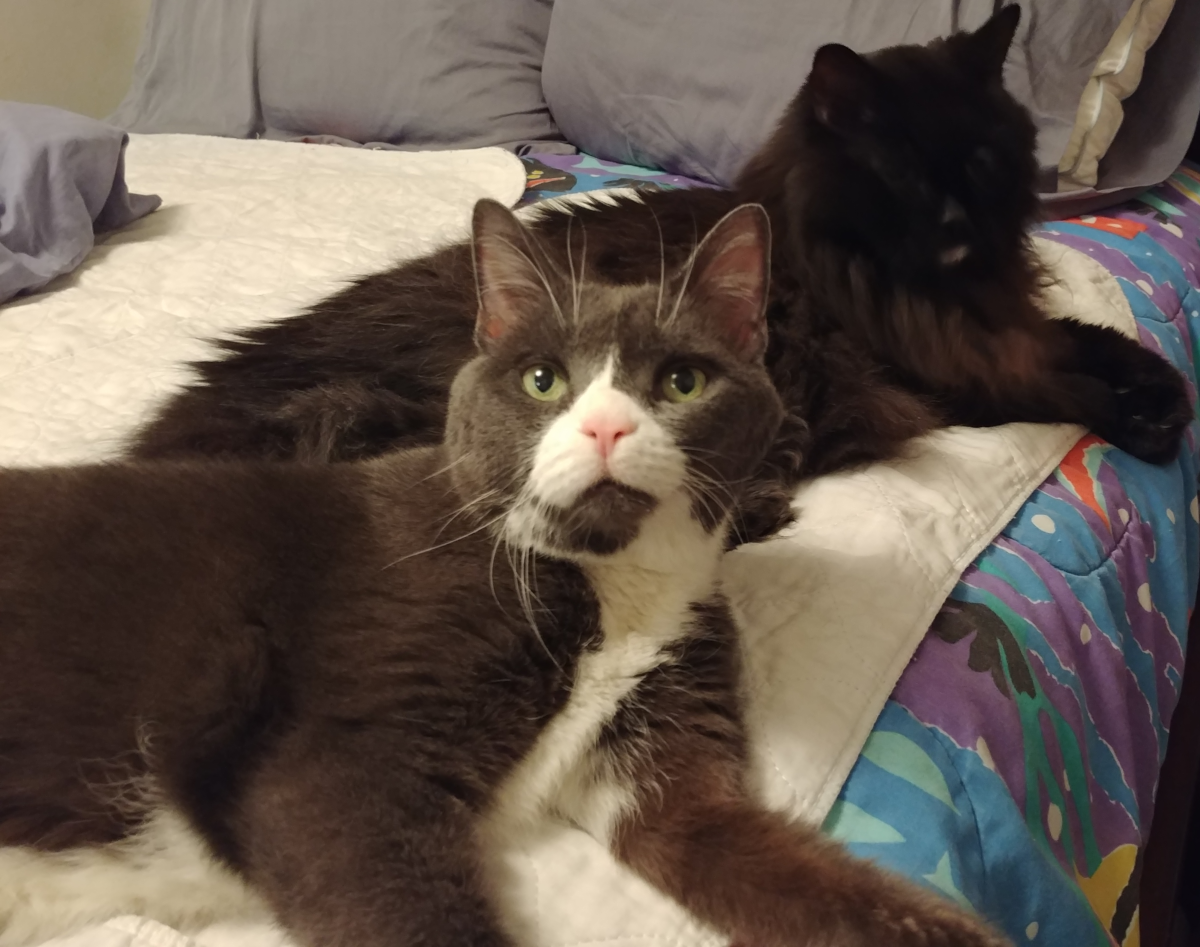
Arthritis rarely announces itself with one dramatic symptom. More often, it shows up in the small parts of the day: a dog takes longer to stand after sleeping, a cat stops jumping to a favorite window, stairs become less appealing, grooming changes, or a pet begins choosing the easiest route through the house. Those changes can be easy to dismiss as normal aging, but osteoarthritis is a painful, progressive joint disease, and treating the pain early can help preserve movement and daily function.
We have spent enough years caring for aging animals to know that arthritis management is not just about what happens during a veterinary appointment. The real test is whether a pet can get up comfortably, reach food and water, use the litter box or go outside, move without slipping, rest well, and still take part in the routines they enjoy. Veterinary pain guidelines now favor a multimodal approach that combines medication, activity, weight management, rehabilitation, and changes to the home rather than expecting one treatment to do everything.
Arthritis Can Look Different in Dogs and Cats
Dogs often make mobility problems easier to notice. They may limp, hesitate before climbing stairs, shorten their walks, struggle to get into a vehicle, take longer to rise, or shift their weight away from a painful limb. Some dogs also become less willing to play or may seem unusually tired after activity that once caused no problem.
Cats can be much less obvious. A cat with arthritis may stop jumping onto a bed in one motion, use intermediate furniture as a step, avoid high perches, groom less thoroughly, sleep in lower places, or have trouble entering a high-sided litter box. Changes in movement, grooming, elimination habits, and willingness to jump can provide useful clues, which is one reason owner observations are so valuable during a veterinary evaluation.
Arthritis should still be diagnosed rather than assumed. A sudden inability to bear weight, rapid loss of coordination, a swollen joint, severe weakness, collapse, or a major change in behavior can have causes other than ordinary osteoarthritis and deserves prompt veterinary attention. Even gradual stiffness may be complicated by spinal disease, injury, neurologic problems, cancer, or another painful condition.
Prescription Pain Management Often Provides the Medical Foundation
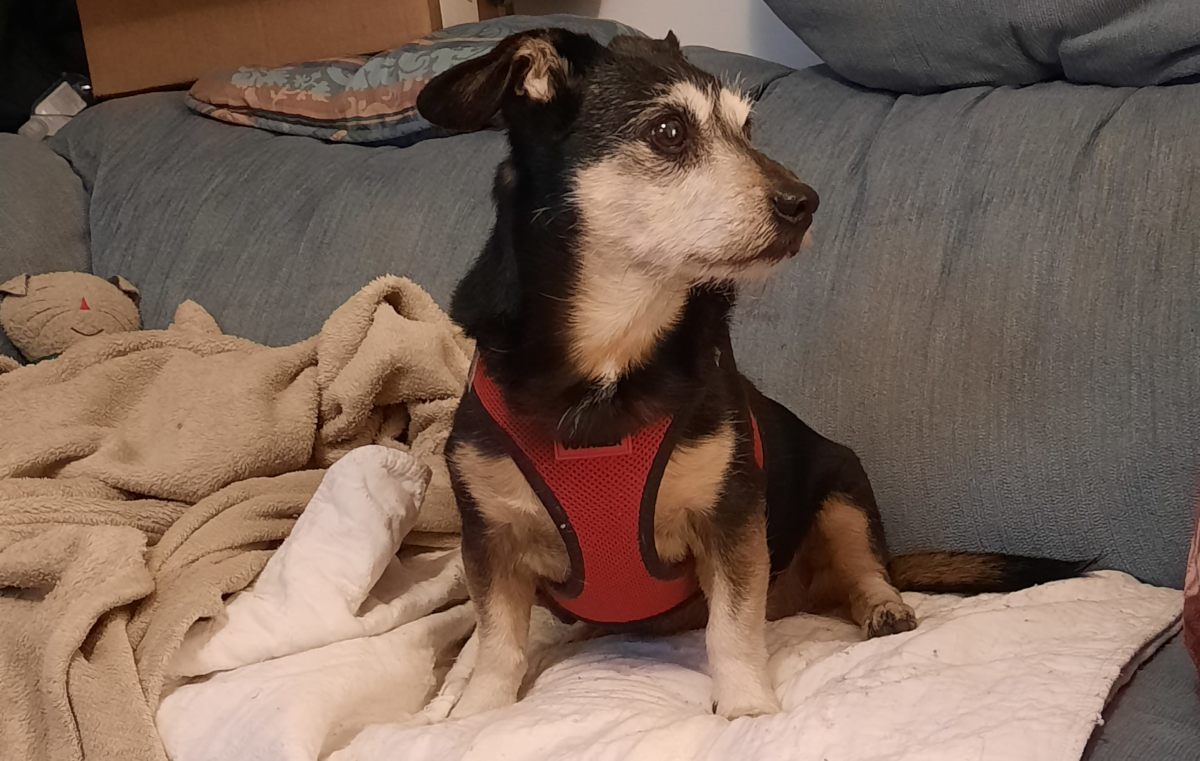 For many dogs with osteoarthritis, nonsteroidal anti-inflammatory drugs, or NSAIDs, remain a major part of prescription pain management. They reduce inflammation and pain, and several veterinary NSAIDs are approved for canine osteoarthritis. These drugs can also affect the gastrointestinal tract, kidneys, or liver, so a veterinarian may recommend examination, medical history review, and laboratory testing before treatment and during long-term use, especially in older dogs or pets with other medical conditions.
Cats require a different discussion. In the United States, there is no NSAID approved for long-term treatment of feline osteoarthritis, although veterinarians may make case-specific decisions about pain medications when appropriate. Cats process many drugs differently from dogs, which is one reason human pain relievers and leftover dog medications should never be given to a cat without veterinary direction.
Monoclonal antibody drugs have added another prescription option. Solensia, or frunevetmab, is FDA-approved for controlling pain associated with osteoarthritis in cats, while Librela, or bedinvetmab, is approved for osteoarthritis pain in dogs. Both target nerve growth factor, a protein involved in pain signaling, and both are given by injection on a recurring schedule under veterinary supervision.
Librela deserves an especially current conversation with the veterinarian. In 2025, the FDA added post-approval safety information to the label and directed veterinarians to review a Client Information Sheet before each injection. Reported adverse events have included neurologic, urinary, gastrointestinal, and mobility-related signs, and the FDA also advises planning a gradual return to activity because a dog that suddenly feels better may try to do more than its deconditioned muscles and joints are ready to handle. Post-approval reports do not by themselves prove that a drug caused every reported event, but they are still part of an informed benefit-and-risk discussion.
Other prescription drugs may sometimes be added when pain is not adequately controlled or when first-line options are not suitable. Drugs such as amantadine or gabapentin may be considered in selected cases, but their role depends on the animal, the source of pain, other diseases, and the rest of the treatment plan. The safest approach is to let the veterinarian build the medication plan and then give feedback based on what is actually changing at home.
Rehabilitation Can Turn Pain Relief Into Better Movement
Pain relief matters, but reducing pain does not automatically rebuild lost muscle, improve balance, or restore confidence on slippery floors. Veterinary rehabilitation addresses those problems more directly. Depending on the patient, a rehabilitation plan may include controlled exercise, strength work, balance exercises, massage, joint mobilization, hydrotherapy, or other techniques.
This is the part of arthritis care where our own experience strongly favors what can be carried into the home. A professionally designed plan can be valuable, but the exercises and environmental changes that happen every day are often the pieces we can keep consistent. A short exercise done safely several times a week, a rug that prevents slipping every single morning, or a ramp that removes one painful jump can affect far more hours of the pet’s life than an occasional appointment.
For a dog, home rehabilitation may be as simple as several shorter leash walks instead of one long outing, controlled movement on level ground, and veterinarian-approved strengthening exercises. Some dogs benefit from carefully taught sit-to-stand work, weight shifting, or other exercises, but these should be demonstrated first because the wrong movement can aggravate a painful joint or another orthopedic problem. Repetition should build function without leaving the dog markedly more sore later that day or the next morning.
Cats need a different style of activity. Gentle play, food puzzles that encourage a little movement, low steps to favorite locations, and strategically placed resources can keep a cat moving without demanding long exercise sessions. A cat that will not participate in a formal exercise routine may still move more throughout the day if getting to a window, bed, water source, or scratching surface becomes easier.
The Home Itself Can Become Part of the Treatment Plan
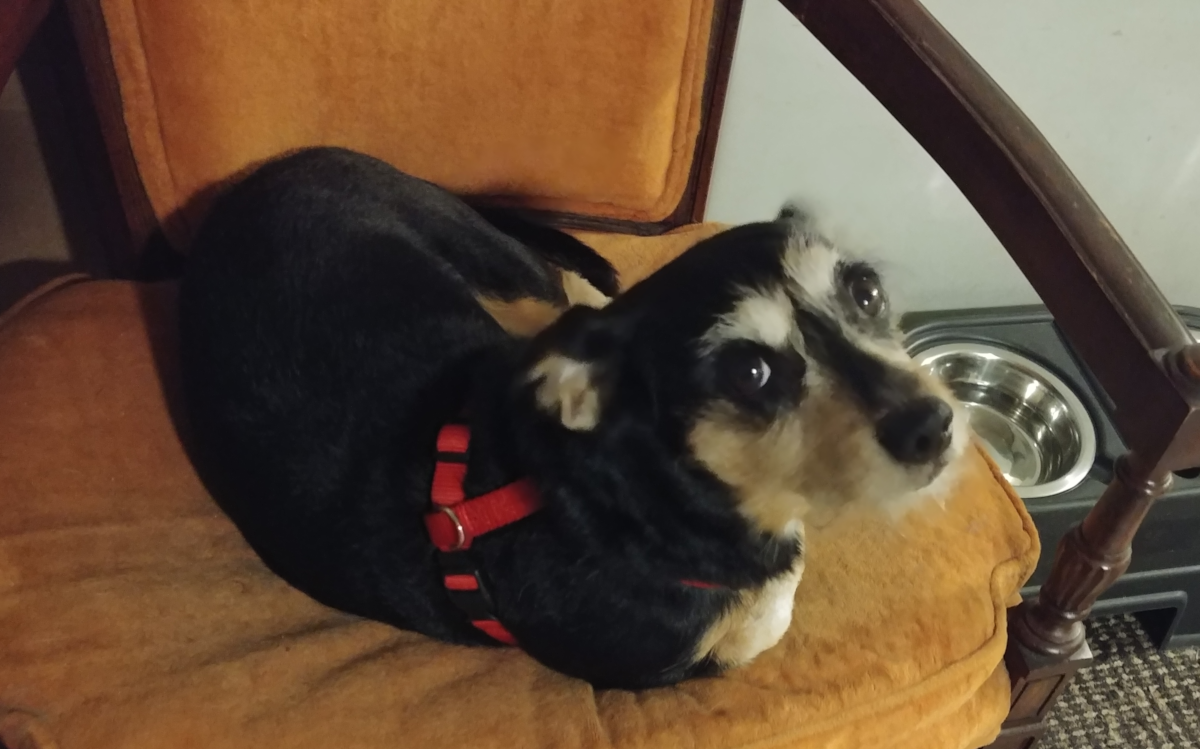 Simple environmental changes are among the most practical arthritis tools because they work around the clock. Nonslip runners or yoga mats can create safe paths across hard floors, ramps or pet steps can reduce jumping, and supportive bedding can make resting and rising easier. Dogs that need help getting up may benefit from a properly fitted support harness, while cats often benefit from low-entry litter boxes and resources placed on the floors where they spend the most time.
Food and water should be easy to reach without requiring stairs or repeated jumping. Cats that still value elevated resting places can often keep them if sturdy steps or ramps provide access. The goal is not to eliminate movement, because muscle loss can make mobility worse, but to remove unnecessary strain while preserving safe activity.
Body weight also matters. Extra weight increases mechanical load on painful joints, while severe muscle loss can make movement harder even when a pet is not overweight. A veterinarian can help distinguish fat loss from muscle loss and set a realistic nutritional target, particularly in senior animals that may have kidney disease, endocrine disease, digestive problems, or other conditions that affect feeding decisions.
Laser Therapy Is an Option, Not a Requirement
Therapeutic laser treatment, also called photobiomodulation, uses specific wavelengths of light and is offered by many veterinary hospitals and rehabilitation practices. Some studies in dogs with osteoarthritis have reported improvements in pain or function, including a randomized controlled trial involving dogs with hip osteoarthritis. At the same time, treatment protocols vary widely, and the broader veterinary evidence is still much smaller than the evidence base for established medical pain control.
AAHA includes laser therapy among physical modalities that may be considered as an adjunct for chronic pain, while also noting that relatively little work has been done to define the benefit of physical modalities in chronic veterinary pain. That makes laser reasonable to discuss when a pet is not comfortable enough with the existing plan, when a rehabilitation professional recommends it, or when an owner wants another non-drug option. It does not mean a pet is missing an essential part of arthritis care if laser is not available, affordable, practical, or well tolerated.
Our own preference has generally been to put more effort into the things we can repeat consistently at home before adding frequent laser visits. That is a practical preference, not proof that laser cannot help another animal. A pet that clearly benefits from treatment and handles the appointments well may make laser worth continuing, while another pet may gain more from a simpler home program that can be maintained every day.
Acupuncture Can Also Be Considered as an Adjunct
Acupuncture is another option sometimes offered for chronic musculoskeletal pain. Veterinary acupuncture usually involves placing very thin needles at selected points, sometimes with electrical stimulation. Some owners report that their pets appear more comfortable afterward, but veterinary research on acupuncture for osteoarthritis remains limited and inconsistent.
AAHA’s pain guidelines state that there is not an abundance of strong veterinary evidence supporting acupuncture, and they cite research in which acupuncture did not improve osteoarthritis pain in dogs. That does not mean no individual animal can appear to benefit, but it does make acupuncture better suited to the role of an optional add-on rather than a replacement for diagnosis, prescription pain management, weight control, rehabilitation, or home modification.
Tolerance matters too. A relaxed dog that enjoys handling may accept acupuncture easily, while a fearful cat that finds travel and restraint highly stressful may not gain enough from the session to justify the experience. The value of any therapy has to include what it costs the animal in stress, travel, time, and recovery as well as what it may provide in pain relief.
Measure Function, Not Just Whether a Pet Seems Better
 Chronic pain changes slowly, and memory is surprisingly poor at tracking slow changes. We have found it much more useful to watch specific activities than to rely on a general impression that a pet seems better or worse. Veterinary pain guidelines also emphasize owner observations and repeat assessment because the changes seen at home are part of judging whether treatment is working.
Choose a few ordinary activities that matter to that animal and record them. For a dog, that might be time needed to stand, willingness to take a normal walk, ability to manage three porch steps, or how stiff the dog looks the morning after activity. For a cat, it might be jumping onto a favorite chair, entering the litter box, grooming the lower back, climbing stairs, or reaching a sleeping spot without hesitation.
Short videos can be especially helpful because they give the veterinarian something more concrete than a description from memory. Filming the same walk, stairway, jump, or rise from the floor every few weeks can make small improvements or declines easier to see. Notes about medication dates, appetite, vomiting, stool changes, sleep, activity, and unusual behavior can also help separate a treatment response from a new problem.
A good arthritis plan should be adjustable because the disease and the animal’s needs change over time. Medication may control pain while home therapy protects strength, and environmental changes may remove painful tasks that medication alone cannot fix. Laser therapy or acupuncture can be added if there is a reason to try them, but they do not have to displace the daily work that keeps a dog or cat moving safely in the place where they spend most of their life.