
A senior dog or cat can look surprisingly different after one bad slip. The fall itself may be over in seconds, but afterward you may notice hesitation at a doorway, refusal to cross a shiny floor, slower movement near stairs, or a sudden need for reassurance before doing something that used to be routine. Sometimes the change is physical. Sometimes fear becomes part of the problem. Often, the two overlap.
With older pets, that reaction deserves attention rather than being dismissed as simple nervousness. Age-related arthritis, muscle loss, reduced vision, neurologic disease, weakness, or pain can make a pet less steady, and a fall can expose a problem that was already developing. AAHA’s senior-care guidance recommends paying close attention to mobility, chronic pain, behavioral changes, and the home environment because changes in these areas can be closely connected in older dogs and cats.
First, Make Sure the Fall Did Not Cause an Injury
 Before focusing on confidence, make sure the pet is physically safe. A minor-looking fall can sometimes cause more than a bruise, especially in an older animal with fragile joints, reduced muscle mass, spinal disease, or other medical conditions. Falls can result in fractures, head injuries, internal injuries, and other trauma, so a pet that seems significantly different after a fall should be evaluated rather than pushed to “walk it off.”
Prompt veterinary attention is especially appropriate if your pet cannot stand normally, refuses to bear weight on a limb, cries or reacts sharply when touched, seems unusually weak, has trouble breathing, appears disoriented, collapses, has pale or bluish gums, develops obvious swelling, or shows a major change in coordination. Even without those signs, a senior pet that remains sore, withdrawn, reluctant to move, or markedly different after a fall is worth discussing with a veterinarian.
This matters because fear and pain can look similar at home. A dog that freezes before stepping onto the kitchen floor may remember the slip, but that dog may also be protecting a painful hip or knee. A cat that stops jumping onto the couch may have lost confidence, but arthritis or back pain could also be making the jump uncomfortable. VCA notes that pain in aging dogs may show up as avoidance of slippery surfaces, difficulty standing, reluctance to jump, or reluctance to use stairs.
Remove the Reason to Be Afraid
Once a serious injury has been ruled out or is being treated, the best way to rebuild confidence is to make the environment feel physically reliable again. If the same slick floor, steep step, unstable rug, or difficult jump remains unchanged, the pet has a good reason to be cautious.
Traction is one of the simplest improvements. Non-slip runners, rubber-backed mats, yoga mats, carpet tiles, or secure area rugs can create clear walking paths across hardwood, laminate, or tile. AAHA specifically recommends traction-friendly flooring and notes that mats can help senior pets feel more secure underfoot. VCA also points out that dogs with mobility problems or a history of falling may move very cautiously on hard flooring because it is difficult to grip.
The important part is making the path continuous. A single small rug in the middle of a slick hallway may not help much if the dog still has to cross several feet of bare floor to reach it. We have found that older pets often do better when the safe route is obvious from one destination to the next, such as bed to water bowl, bedroom to back door, or favorite chair to litter box.
For cats, think vertically as well as horizontally. An older cat may still want access to a favorite window, bed, or couch but no longer feel comfortable making the same jump. Cornell recommends steps or ramps for older cats that cannot safely reach favored spots and suggests making food, water, and litter boxes easier to access without requiring unnecessary stairs.
Do Not Force the Pet Through the Fear
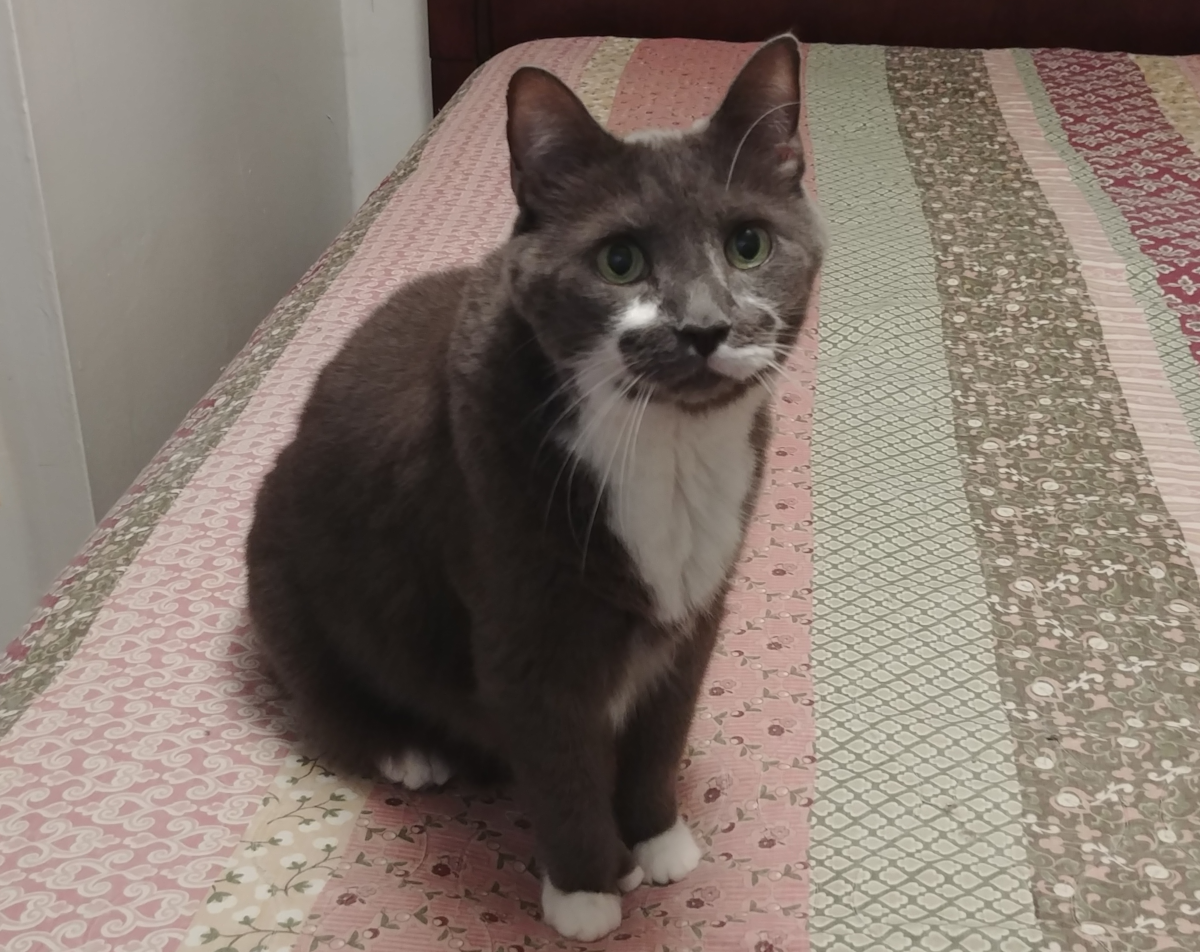 A common reaction after a fall is to encourage the pet forward because we know the floor or step is now safe. The intention is good, but pulling a dog across a slippery-looking surface or repeatedly placing a frightened cat on a location it is avoiding can make the situation worse.
Confidence usually returns more smoothly when the pet is allowed some control. AAHA’s behavior guidance emphasizes low-stress handling, moving at the animal’s pace, and using positive reinforcement rather than force. Treats, toys, and other rewards can be used for redirection and counterconditioning when they are appropriate for the individual pet.
For a dog, that may mean placing a non-slip runner over the problem area and rewarding one or two calm steps instead of trying to cross the entire room at once. The next session may involve another few steps. If the dog stops, trembles, backs away, or becomes tense, that is useful information. The goal is not to win a contest of wills. The goal is to help the dog discover that movement can feel stable again.
Cats often respond better to even less direct pressure. A favorite bed, treat, toy, or resting spot can be placed near the safer route so the cat chooses to approach it. Some cats regain confidence quickly once a better surface is available. Others need days or weeks before they stop testing every step.
Rebuild Familiar Routines in Small Pieces
Senior pets often depend heavily on predictable routines. After a fall, those routines can be used to rebuild normal movement without turning every trip across the room into a training session.
Start with activities the pet already wants to do. Walking to a food bowl, going outside, reaching a favorite sleeping area, or following you into a familiar room can all become low-pressure opportunities for successful movement. Keep the route short and safe at first. The more times the pet moves without slipping, scrambling, or being rushed, the more ordinary movement can begin to feel again.
For dogs, a harness may provide useful support if your veterinarian or rehabilitation professional feels it is appropriate. A well-fitted support harness can give an owner better control than grabbing at the collar or body if the dog loses balance. It should not be used to drag a reluctant dog forward, and the right design depends on the dog’s size, strength, and medical condition.
For cats, success may mean rearranging the environment instead of physically assisting them. A sturdy footstool between the floor and couch, a low-entry litter box, a ramp to a favorite perch, or a second water station may remove repeated challenges that are making the cat feel vulnerable.
Watch for the Difference Between Caution and Ongoing Decline
A pet can become cautious after a fall and still be physically capable of moving normally. The concern grows when the caution is accompanied by a broader decline.
Keep an eye on how your pet rises, turns, sits, lies down, climbs, jumps, and walks on different surfaces. Watch for dragging toes, crossing the back feet, stumbling, leaning to one side, repeatedly missing a step, unusually wide or narrow footing, a hunched posture, or a new reluctance to lower the head to eat or drink. Changes in appetite, elimination, grooming, sleep, or social behavior can add useful context.
Short videos are extremely helpful. AAHA specifically recommends client videos of senior pets walking, jumping, or moving in their normal home environment because they can help veterinarians assess mobility and detect changes that may not be obvious during an office visit.
Record a few ordinary movements rather than trying to make the pet perform. A ten-second clip of a dog standing up from a bed or a cat approaching the couch can sometimes show far more than a description like “he seems less confident.” If the problem is intermittent, video may also capture something the pet does not repeat at the clinic.
Check the Environment From Your Pet’s Point of View
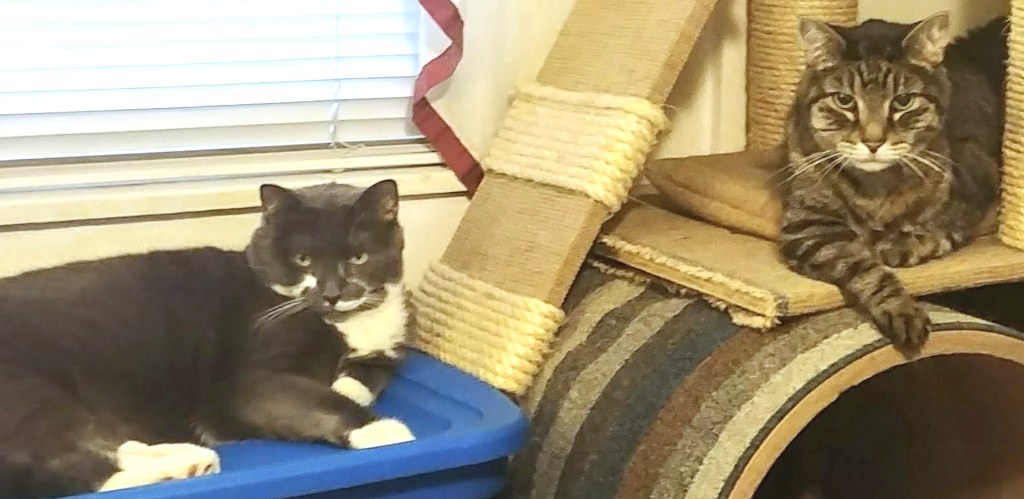 Older pets may experience the home differently than they did a few years earlier. A dark hallway may be harder to judge. A glossy floor may provide poor visual contrast. A stair edge may be difficult to see. Long nails or overgrown paw fur can reduce traction. Weak hind legs may make a turn on tile much harder than walking straight ahead.
Walk through the pet’s normal routes and look for places where stability changes suddenly. Pay attention to the first step off a rug, the area around food and water bowls, the landing at the top or bottom of stairs, the path to the litter box, and the place where a dog turns before going through a door. Those are common spots for slipping because the animal may be accelerating, slowing down, turning, or shifting weight.
Secure loose rugs so they cannot slide. Keep pathways clear of clutter. Consider night-lights where vision may be limited. Block stairs temporarily if the pet is unstable, and use ramps only if they are wide, sturdy, and covered with a surface that provides good grip. A ramp that feels slippery or steep can create another confidence problem instead of solving the first one.
Nails and paw care are worth checking too. Overgrown nails can affect how the foot contacts the ground, and thick fur between the pads may reduce traction in some dogs. If trimming is difficult or stressful, a veterinarian, groomer, or veterinary technician may be able to help.
Let Progress Be Uneven
Confidence after a fall does not always return in a straight line. A pet may cross the living room comfortably for several days and then hesitate again after one awkward step. That does not necessarily mean all progress has been lost.
Pain levels can change from day to day, especially with arthritis. Fatigue matters too. A dog may move well in the morning and become less steady later in the day. A cat may jump confidently onto a low chair but avoid a higher surface when tired. Weather, excitement, recent exercise, and changes in the household can all affect how secure an older animal feels.
This is one reason observation is so useful. Instead of judging progress by a single good or bad day, look for patterns. Is the pet crossing the floor more often without hesitation? Is recovery after a stumble faster? Are fewer routes being avoided? Is the pet returning to favorite activities?
Ask for More Help When Confidence Is Not Coming Back
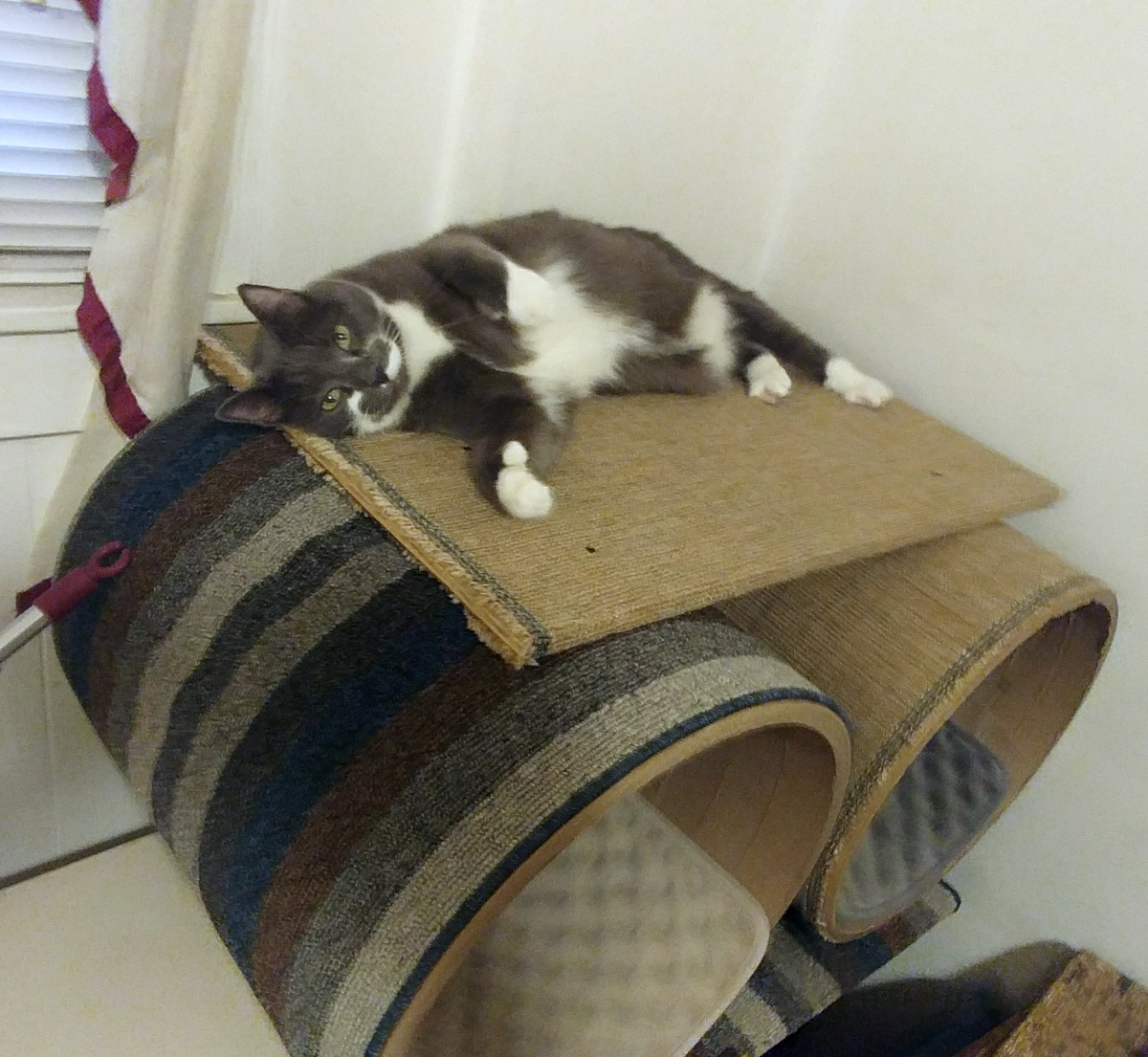 Some senior pets need more than household changes. If fear persists even after pain and mobility concerns are addressed, or if the pet becomes increasingly reluctant to move, a veterinarian may recommend additional evaluation. Depending on the situation, that could include orthopedic or neurologic assessment, pain management, rehabilitation, mobility aids, or behavior support.
Veterinary rehabilitation professionals can also help identify weak muscle groups, unsafe movement patterns, and home modifications that fit the individual animal. A veterinary behaviorist may be helpful when fear becomes severe, spreads to multiple situations, or does not improve with careful environmental changes and reward-based work. AAHA recommends referral for profound fears and emphasizes positive, low-stress approaches rather than forcing an anxious animal through the problem.
The most useful goal is not to make a senior pet move exactly the way it did years ago. It is to help that animal move safely, comfortably, and willingly within its current abilities. Sometimes rebuilding confidence means getting back to the old routine. Other times it means creating a new routine with better footing, shorter distances, easier access, and a little more support.
A senior pet that pauses after a fall is not being stubborn. That hesitation may be the animal’s way of protecting itself after something felt painful, frightening, or unstable. When we respond by checking for injury, improving the environment, slowing the pace, and rewarding successful movement, we give that pet a practical reason to trust its feet again.