
Coconut oil has become one of those household products that seems to acquire a new pet-care claim every few years. It is commonly mentioned for dry skin, coat care, hairballs, digestion, and even age-related cognitive decline. Some of those ideas have a reasonable biological explanation behind them, but that does not mean the evidence supports coconut oil as a treatment for each problem.
For pet owners, the most useful approach is to separate two very different questions. The first is whether coconut oil helps a cat move swallowed hair through the digestive tract. The second is whether the fats in coconut oil can support the aging brain. Veterinary research gives us much more confidence about some forms of medium-chain triglycerides, or MCTs, than it does about coconut oil itself.
Coconut Oil and Hairballs Are Not as Simple as “Oil Helps Hair Slide Through”
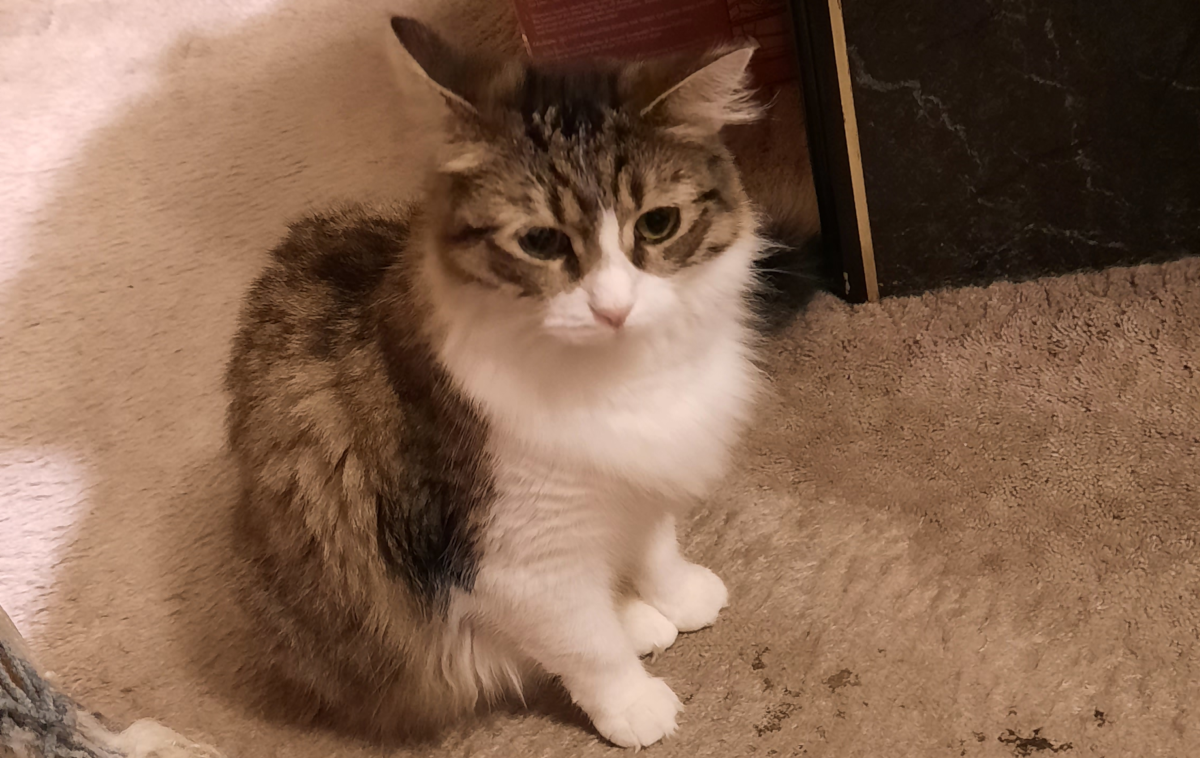 Hairballs form because cats swallow loose hair while grooming. Hair is largely made of keratin, which the digestive tract does not break down well. Much of that swallowed hair passes through the intestines and leaves in the stool, but some can collect in the stomach and form a trichobezoar, the medical term for a hairball. Cornell and the Merck Veterinary Manual both emphasize regular brushing as one of the most practical ways to reduce the amount of hair a cat swallows in the first place.
The idea behind giving coconut oil is easy to understand. Because it is slippery, owners may assume it will coat the hair and help it move through the stomach and intestines. The problem is that coconut oil is a digestible fat. It is broken down and absorbed, so it does not necessarily behave like the petroleum-based lubricants used in some veterinary hairball products. Veterinary guidance on commercial hairball gels describes them as oil-based digestive lubricants that should still be used under veterinary direction.
There is also very little published veterinary research showing that coconut oil itself prevents or treats feline hairballs. That does not mean a cat could never appear to have fewer hairballs while receiving it. It means we do not have strong evidence showing that the coconut oil caused the improvement, what amount would be effective, or which cats are most likely to benefit.
Frequent Hairballs Deserve More Attention Than a Home Remedy
An occasional hairball can be part of normal feline life, especially in long-haired cats and heavy groomers. Frequent vomiting, repeated unproductive retching, appetite loss, lethargy, or a sudden change in the pattern should not automatically be blamed on hairballs. Cornell notes that intestinal obstruction is uncommon but serious, and repeated hacking or vomiting can also be associated with gastrointestinal disease or respiratory problems such as asthma.
Excessive grooming can matter too. A cat that suddenly starts swallowing much more hair may be itchy, painful, stressed, or dealing with another medical problem. Cornell specifically notes that overgrooming severe enough to produce excess hairballs or hair loss is abnormal.
This is one reason I would rather look at the pattern than simply reach for something oily in the kitchen. How often is the cat vomiting? Is there actually a hairball in the material? Has grooming increased? Is the cat eating, drinking, passing stool, and behaving normally? Those details give a veterinarian far more useful information than the label “hairball problem.”
Why Coconut Oil Is Not the Same Thing as Veterinary MCT Oil
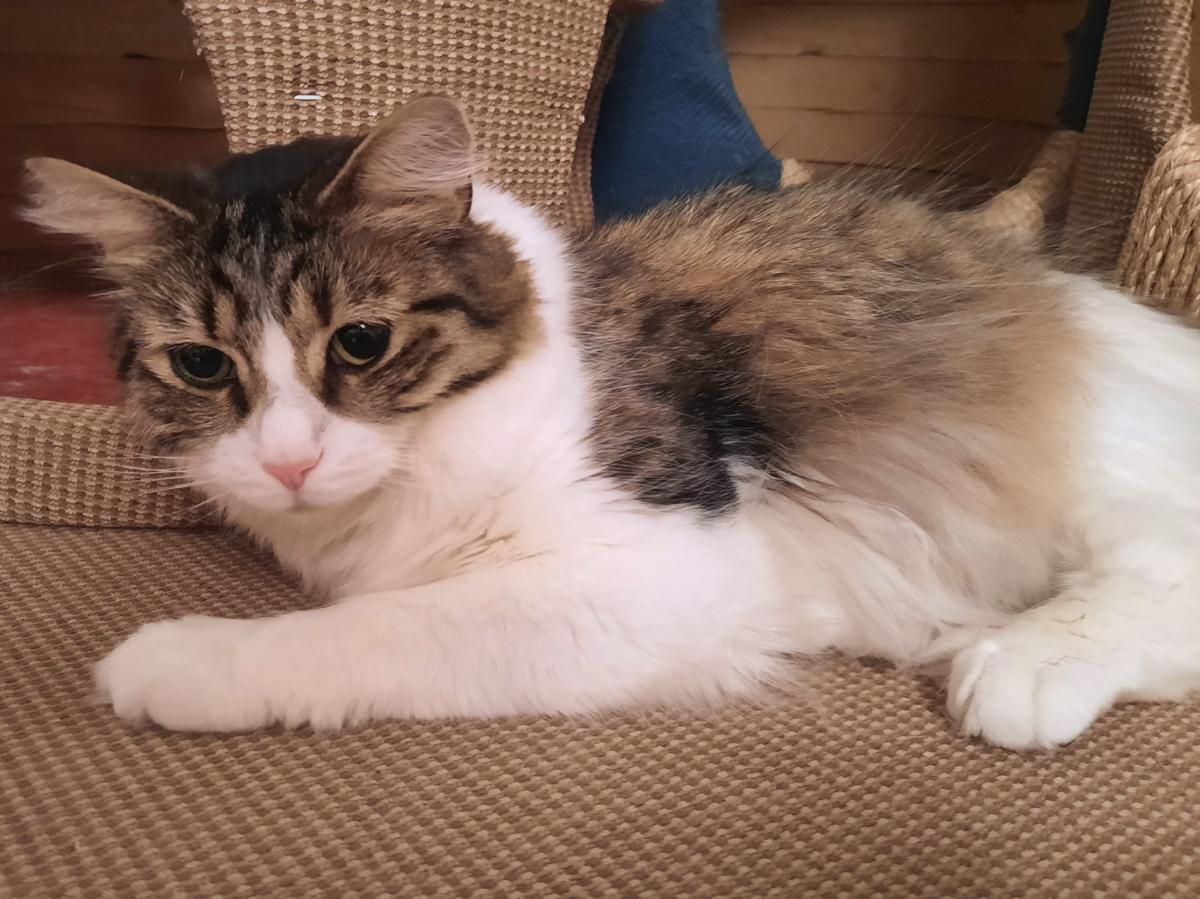 The cognitive-support claim is more interesting because there is legitimate veterinary research involving MCTs. In aging dogs, the brain may become less efficient at using glucose for energy. MCTs can be metabolized into ketones, which can serve as an alternative energy source for brain cells.
Studies in dogs have found cognitive benefits from diets containing defined amounts of MCTs. One controlled study of aged dogs found that a diet supplemented with 5.5 percent MCT improved performance on several cognitive tasks over eight months. Another clinical study involving dogs with cognitive dysfunction found improvement in several behavioral categories in dogs eating a therapeutic diet containing MCT oil along with other nutrients intended to support brain health.
That research is sometimes shortened online to “coconut oil helps dog dementia,” but that skips an important step. Coconut oil and the concentrated MCT oils used in research are not nutritionally identical. Coconut oil contains a large amount of lauric acid, while many commercial or research MCT preparations are richer in the shorter-chain caprylic and capric acids. Reviews of fat metabolism caution that evidence from purified MCT products should not simply be transferred to coconut oil because their fatty-acid composition, absorption, and metabolism differ.
So, there is a reasonable scientific basis for discussing MCT nutrition with a veterinarian caring for an aging pet. There is not the same level of evidence for assuming that a spoonful of grocery-store coconut oil will reproduce the results of a formulated cognitive diet or a measured veterinary MCT supplement.
Cognitive Changes Need a Medical Workup First
Behavior changes in an older pet can look like cognitive dysfunction while actually being caused by something else. Dogs with cognitive dysfunction may become disoriented, change their sleep patterns, forget house training, become more anxious, interact differently with people, or show altered activity. Cats can develop similar changes, including nighttime vocalization, disorientation, litter box problems, altered sleep, anxiety, reduced learning, and changes in social behavior.
Those same signs can also appear with arthritis, kidney disease, thyroid disease, high blood pressure, sensory loss, pain, neurologic disease, and other age-related conditions. Cornell and current veterinary behavior guidance stress that cognitive dysfunction is diagnosed only after other reasonable medical causes have been considered.
That distinction matters because a supplement cannot fix untreated pain, hypertension, hyperthyroidism, vision loss, or another underlying disease. If an older dog suddenly begins pacing at night, or an older cat starts crying in hallways and missing the litter box, I would want those changes documented and discussed with a veterinarian rather than treated as proof of “senility.”
MCT Support Has More Evidence in Dogs Than in Cats
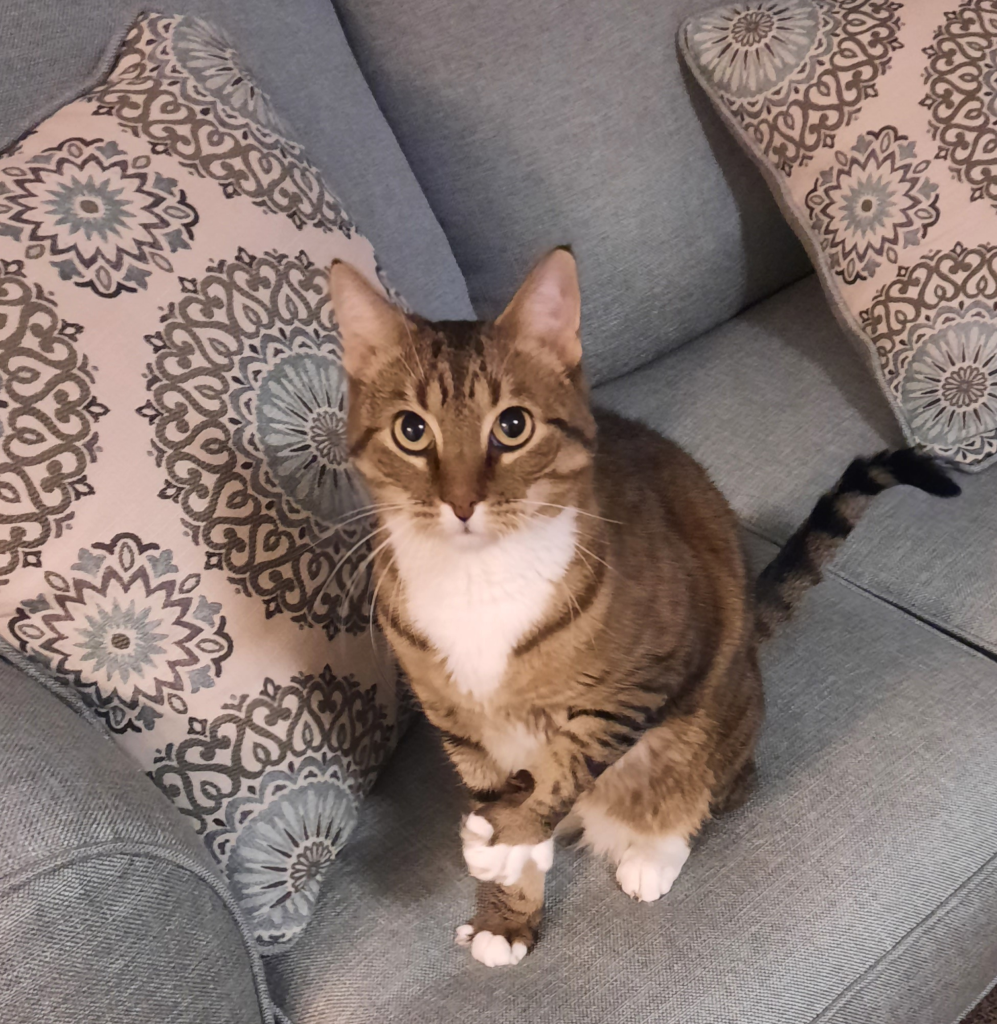 The canine research is encouraging enough that MCT-enriched therapeutic diets and MCT supplements are now part of the discussion around cognitive support. VCA notes that MCT oil has been used as supportive care for cognitive dysfunction in dogs and cats, but it also points out that supplements can cause side effects and should be considered in the context of the individual animal’s health.
The evidence in cats is thinner. Veterinary nutrition guidance recognizes feline cognitive dysfunction, but available studies are much more limited than the canine literature. That makes it especially risky to take a promising finding from dogs, substitute coconut oil for the MCT preparation that was actually studied, and then assume the same result will occur in an older cat.
Cognitive care usually works best as a broader plan anyway. Veterinary sources describe environmental enrichment, predictable routines, appropriate exercise, management of pain and other medical problems, dietary support, and in some cases medication as parts of care for cognitive dysfunction.
Coconut Oil Still Adds Fat and Calories
Coconut oil is not considered highly toxic to dogs or cats in small amounts, but that is different from saying it is harmless or beneficial. The ASPCA notes that coconut and coconut-based products can cause stomach upset, loose stool, or diarrhea.
Extra dietary fat also adds calories quickly. That can be a poor trade for an overweight pet, a pet on a carefully controlled therapeutic diet, or an animal whose veterinarian is already managing gastrointestinal or pancreatic disease. Dogs with pancreatitis are commonly managed with lower-fat nutrition, and fatty foods can contribute to digestive problems in susceptible animals.
Even concentrated MCT oil can cause bloating, gas, diarrhea, poor appetite, or other problems, and veterinary guidance lists additional cautions for pets with certain liver conditions or diabetic ketoacidosis. That is another reason not to treat “natural” as a synonym for “risk-free.”
A Better Way to Discuss Coconut Oil With Your Veterinarian
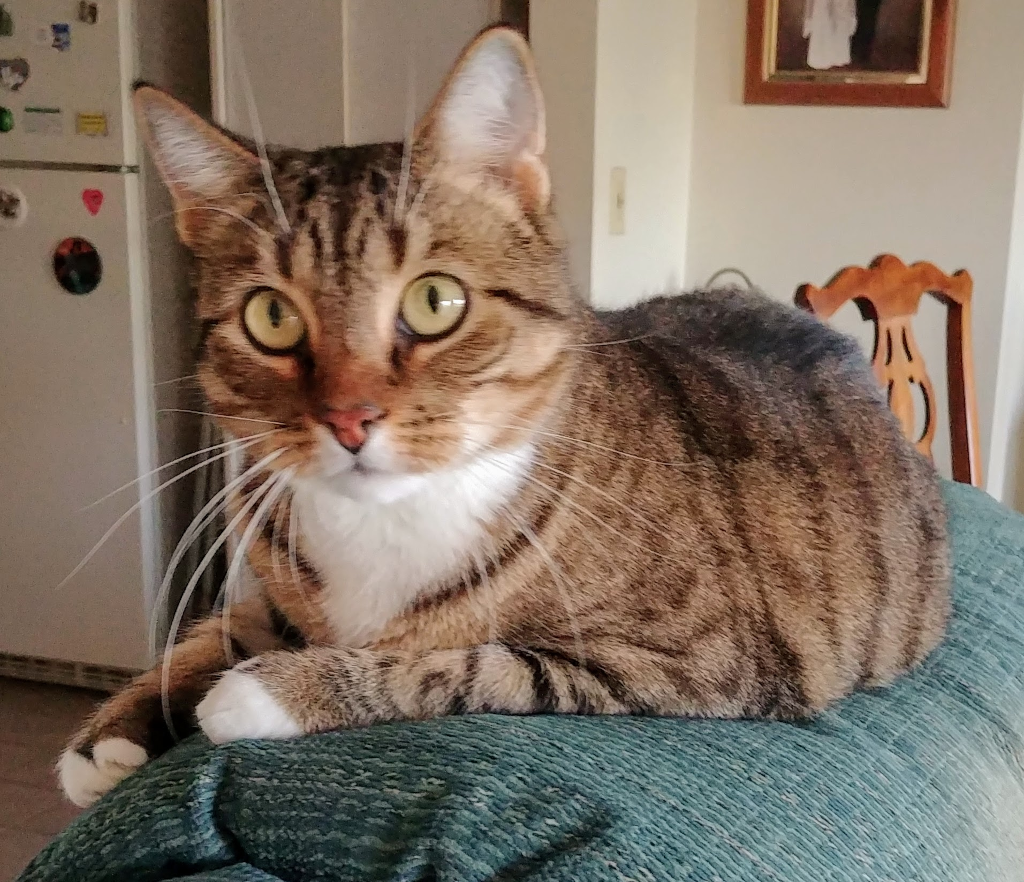 For a cat with hairballs, I would start with the basics: regular brushing, attention to excessive grooming, good hydration, normal stool habits, and a discussion about proven hairball diets or veterinary hairball products if the problem is frequent. If the cat is repeatedly vomiting or retching without producing a hairball, has stopped eating, seems weak or painful, or is not passing stool normally, that deserves veterinary attention rather than repeated attempts with oils.
For an older dog or cat showing possible cognitive changes, it helps to record what is actually happening. Note nighttime waking, pacing, staring, accidents, vocalization, anxiety, changes in social interaction, confusion around doors or furniture, and whether the behavior is getting more frequent. A short phone video of unusual behavior can also give the veterinarian useful context.
If nutritional cognitive support is being considered, ask specifically about MCTs rather than assuming coconut oil is interchangeable with them. A veterinarian can consider the pet’s weight, current diet, medications, liver and pancreatic health, diabetes status, and other medical conditions before deciding whether an MCT-containing therapeutic diet, a supplement, or another approach makes sense.
Coconut oil may have a place in some pets’ diets in small, veterinarian-approved amounts, but its two popular uses discussed here should not be treated as equally proven. For hairballs, the evidence favors reducing swallowed hair and using established veterinary strategies when needed. For cognitive support, the more meaningful research involves defined MCT formulations, particularly in dogs, and that is a much stronger starting point for a conversation about an aging pet’s care.