
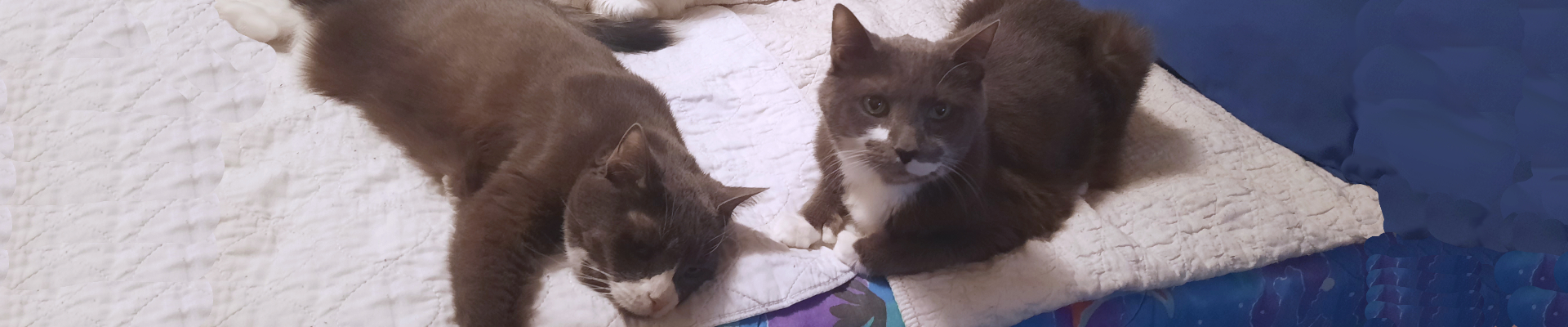
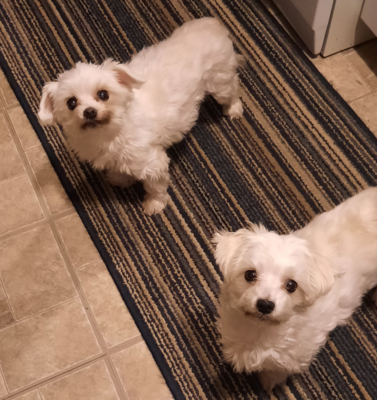

Hardwood floors can be beautiful, durable, and easy to clean, but they can become a daily obstacle for a dog or cat with arthritis. A pet that once crossed the kitchen without a second thought may begin shortening their stride, hesitating before turns, spreading their feet for balance, or avoiding a section of the house altogether. Those changes can be easy to dismiss as ordinary aging, yet the floor itself may be making already difficult movement harder.
Veterinary guidance on osteoarthritis regularly includes environmental changes because pain management is not limited to medication. Cornell University’s College of Veterinary Medicine lists non-slip rugs and ramps among lifestyle changes that can help dogs with osteoarthritis, while AAHA’s senior-care guidance includes rugs, yoga mats, ramps, boots, socks, and other stability aids as possible home modifications. The goal is simple: give sore joints a surface that lets the feet push against the floor instead of sliding across it.
Why Hardwood Becomes Harder With Arthritis
Walking requires a pet to place a foot, load weight onto it, and push against the surface to move the body forward. On a grippy surface, that happens with relatively little slipping. On polished hardwood, laminate, tile, or other smooth flooring, the foot may slide slightly during weight transfer, especially when the animal is turning, rising, accelerating, or trying to stop.
For an arthritic pet, even a small loss of footing can matter. Osteoarthritis causes pain, inflammation, stiffness, and reduced joint function, and some animals also lose muscle strength as their activity decreases. Cornell describes osteoarthritis as a progressive joint disease that can make using an affected limb more difficult, while AAHA notes that chronic musculoskeletal disease may affect mobility and balance. A slick floor can add another mechanical problem on top of those physical limitations.
We have found over the years that the most useful home changes often begin with observation rather than buying equipment. Watch how your pet moves across carpet, a rug, hardwood, and tile. If the stride becomes more confident on the textured surface, or if your pet repeatedly chooses a longer carpeted route instead of crossing a smooth floor, traction may be part of the problem.
Evaluate the Floor From Your Pet’s Point of View
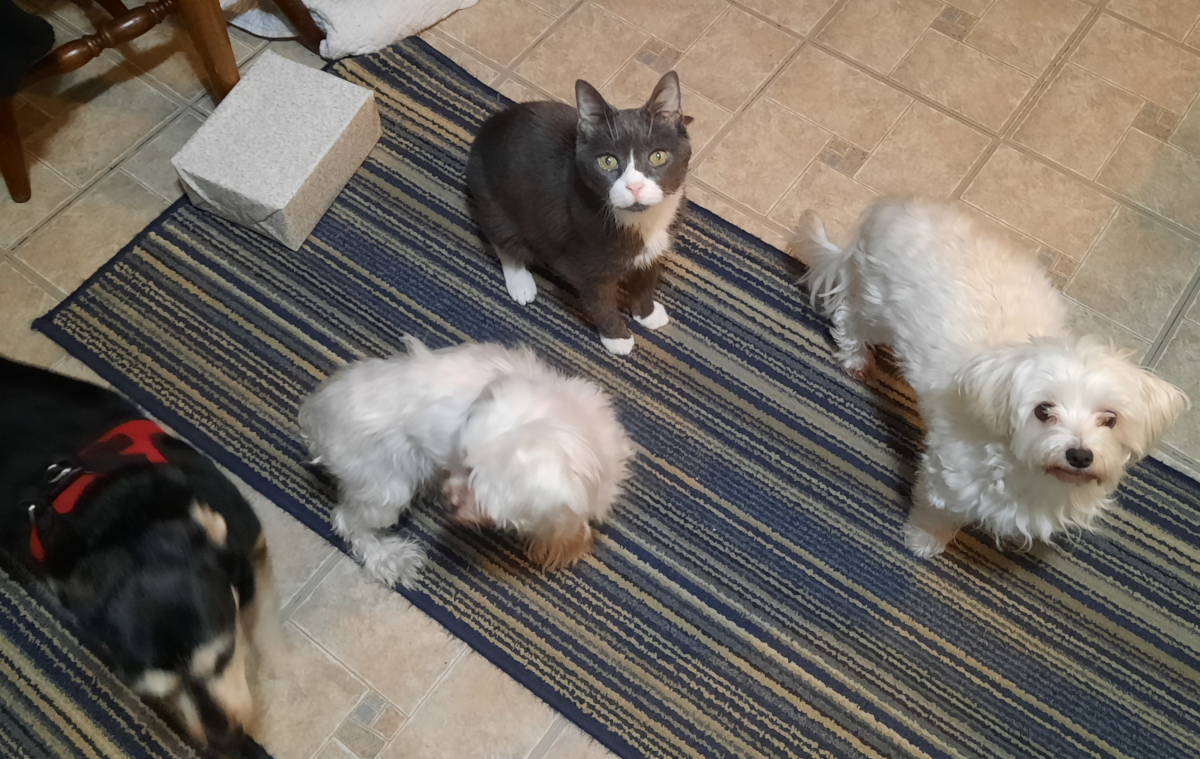 Not every hardwood floor presents the same challenge. Some finishes have more grip than others, and the same floor can behave differently depending on dust, cleaning residue, moisture, or wear. A glossy surface that feels perfectly safe under shoes may still offer poor traction to a paw.
Start by identifying the places where your pet has to do the most difficult movements. Doorways often require turning. Food and water stations involve stopping, standing, and sometimes repositioning the feet. Beds and favorite chairs may require a push from the rear legs. Hallways can become long slippery stretches, while the bottom of a staircase may combine a slick landing with a direction change.
Pay close attention to transitions between surfaces. A dog may walk comfortably on a runner and then hesitate at the six-inch gap between that runner and the next rug. A cat may jump down from furniture onto hardwood and scramble for footing during the landing. The problem is not always the entire room. Sometimes it is one exposed strip of floor in exactly the wrong place.
Build Traction Routes Instead of Covering Every Inch
One of the most practical approaches is to create reliable paths through the home. You do not necessarily need wall-to-wall carpeting. Runners and area rugs can connect the pet’s bed, food and water, litter box, door, favorite resting areas, and the rooms where the household spends the most time.
Veterinary sources specifically recommend non-skid rugs and carpet runners for pets with arthritis or chronic pain. The 2022 AAHA pain-management guidelines describe secure footing such as carpet runners as an environmental modification for arthritic, injured, or neurologic pets, and VCA recommends non-skid surfaces in the areas an arthritic dog needs to cross.
The backing matters as much as the top surface. A loose throw rug that slides across hardwood can be worse than bare flooring because the pet trusts the rug and then has the entire rug move under them. Use rugs with a genuinely non-slip backing or a separate rug pad that grips both the rug and the floor. Check the edges regularly for curling, bunching, or movement.
Long runners are especially useful in hallways because they reduce the number of surface transitions. In larger rooms, several rugs can work well if the gaps between them are small enough for the pet to step normally rather than stretch or leap from one safe patch to another.
Yoga Mats and Foam Tiles Can Solve Awkward Areas
Yoga mats are not elegant flooring, but they can be extremely useful in spots where a traditional rug does not fit. VCA includes yoga mats among its suggestions for improving traction for dogs with osteoarthritis, and AAHA also lists yoga mats as a way to provide better footing for senior pets.
They work well beside a bed, in front of food bowls, near a doorway, or along a short route where a pet tends to lose footing. They are also inexpensive enough that you can experiment with placement before buying larger rugs. If the pet suddenly moves with more confidence once the mat is down, that tells you something useful about the role the floor may be playing.
Interlocking foam tiles are another option. VCA recommends them as a customizable non-skid surface for larger areas, and they can be helpful when you need broader coverage without permanently changing the floor.
Foam tiles do require some judgment. Very soft foam may feel unstable to an animal with weak legs, while exposed edges can shift or become a chewing target for some pets. The best surface is one that stays flat, remains predictable under load, and does not create a new tripping hazard.
Put Extra Grip Where Pets Stand, Turn, and Rise
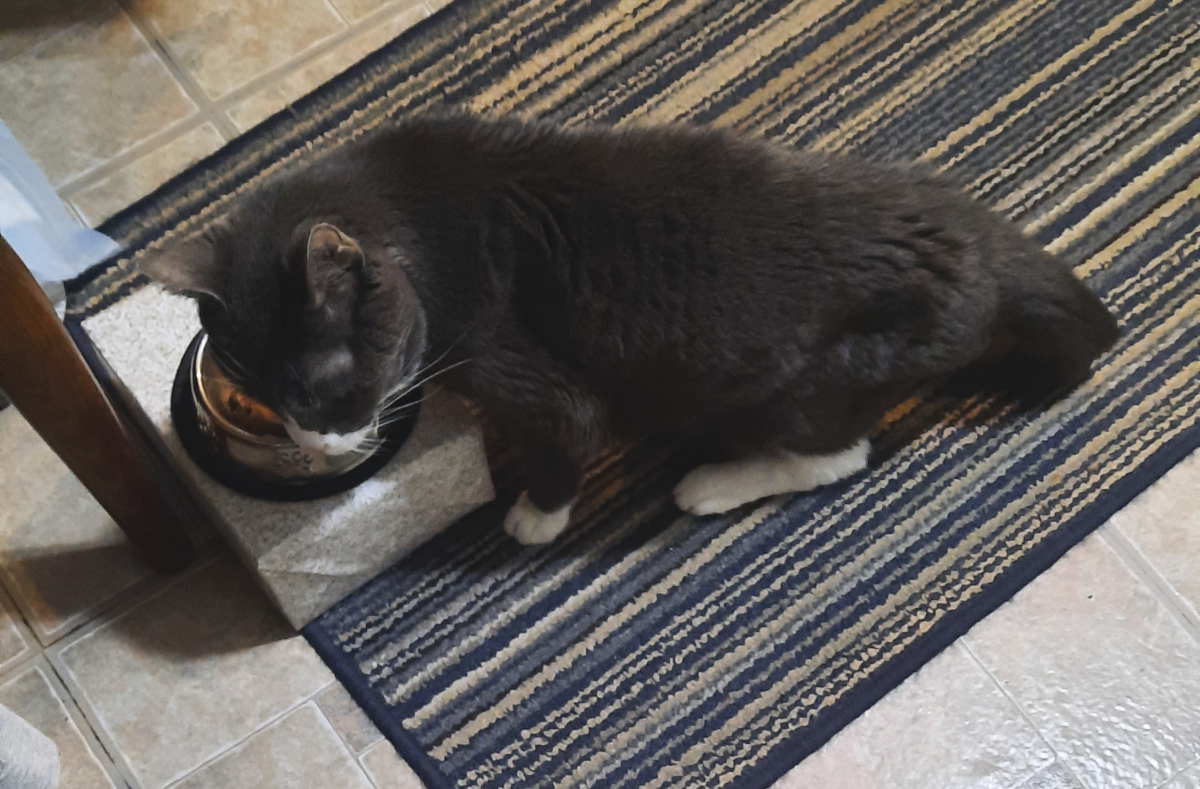 The center of a room often gets the most attention, but the hardest movements may happen at the edges. Rising from a bed requires coordinated effort from multiple joints. Eating or drinking requires the pet to stand in one place while shifting weight. Entering through a door may involve stepping over a threshold and immediately turning.
Place traction directly under these tasks. A mat that begins several feet away from the bed does not help much if the dog’s rear feet are sliding during the first push to stand. The same is true around water bowls, where a few splashes can make an already smooth floor even more slippery.
VCA advises providing non-slip surfaces around food and water bowls for dogs with degenerative joint disease. That is a good reminder to look at the whole activity rather than the walking path alone.
For cats, think vertically as well as horizontally. The landing area beneath a favorite chair, couch, windowsill, or low cat tree can benefit from grip. An older cat may still be willing to jump down even when the landing is becoming uncomfortable, so a secure mat, lower step, or ramp can reduce the demand placed on stiff joints.
Nail Length and Paw Traction Deserve Attention
Floor changes work best when the feet themselves can make effective contact with the surface. VCA specifically recommends keeping a dog’s nails short to improve traction and reduce joint strain. Overgrown nails can change how the paw meets the ground, and on a hard surface they may interfere with stable contact.
Nail trimming can be difficult with an older animal, particularly if the feet are painful or the pet has become less tolerant of handling. If routine trimming is stressful or you are unsure how short the nails can safely be taken, a veterinarian, veterinary technician, or experienced groomer can help.
Hair growing between the paw pads can also affect how some pets contact a smooth floor. Because coat type and paw anatomy vary, it is reasonable to ask your veterinarian or groomer whether trimming excess paw hair would be appropriate for your particular pet rather than assuming every animal needs it.
Boots, Socks, and Toe Grips Are Options, Not Requirements
Some pets benefit from wearable traction aids. AAHA’s senior-care guidance mentions toe grips, boots, and socks as possible ways to improve foot stability, and VCA notes that lightweight traction boots may help dogs that tolerate them.
Tolerance is the key issue. A boot or sock that twists, bunches, changes gait, or causes a dog to walk unnaturally is not solving the original problem. Fit also matters because a traction product that is too tight can cause discomfort, while one that is too loose can shift under the foot.
Introduce anything worn on the paws gradually and observe the animal while it is moving. Look for a more natural, confident stride rather than assuming the product is helping simply because it has a rubber sole or textured surface.
Hardwood Problems Can Reveal Changes Worth Discussing With a Veterinarian
 Slipping does not automatically mean arthritis. Weakness, neurologic disease, paw injuries, vision problems, muscle loss, pain, and other medical issues can also change how a dog or cat walks. A pet that suddenly begins slipping, knuckling a paw, dragging a limb, falling, showing marked weakness, or struggling to stand should be evaluated rather than treated as a flooring problem alone.
AAHA recommends discussing uncharacteristic behavior and mobility changes with a veterinarian because chronic pain can sometimes appear through subtle changes in activity or habits. Cornell likewise notes that osteoarthritis is diagnosed through veterinary examination, gait and posture assessment, and sometimes imaging.
Videos from home can be useful because animals do not always move at the clinic the same way they do in familiar surroundings. Record a short clip of the pet walking across hardwood, turning, rising, and then moving across a higher-traction surface. That comparison can give the veterinary team useful context about what you are seeing day to day.
The Best Traction Setup Is the One Your Pet Actually Uses
A good flooring plan does not have to look like a rehabilitation clinic. In many homes, a few well-placed runners, a secure mat beside the bed, traction around the bowls, and a safe route to the door can make movement noticeably easier. Veterinary guidance consistently treats these environmental changes as one part of broader arthritis and pain management, alongside veterinary assessment, weight management when appropriate, controlled activity, rehabilitation, and medication when prescribed.
Once the traction is in place, keep watching the small details. Notice whether your dog turns without scrambling, whether your cat chooses the hallway again, whether rising takes fewer attempts, or whether a pet stops pausing at a particular stretch of floor. Those observations can help you refine the setup and give your veterinarian a clearer picture of how mobility is changing at home.