

A dog with severe joint problems can reach a point where ordinary movements require physical assistance. Rising from a bed, crossing a slippery floor, or stepping outside for a bathroom break may become difficult, especially when pain and muscle weakness occur together. Some dogs can walk reasonably well once standing but struggle to lift themselves from the floor. Others have difficulty maintaining balance because several joints are affected.
A support harness can make these activities more manageable by allowing an owner to stabilize the dog’s body or provide assistance during movement. However, harnesses vary considerably in their construction, fit, and intended purpose. Choosing an unsuitable design can place pressure on painful areas, interfere with natural movement, or create additional problems for a dog already struggling with mobility.
Understanding Your Dog’s Mobility Problems Before Choosing a Harness
The location and severity of a dog’s joint problems should guide the choice of mobility equipment. A dog with advanced hip osteoarthritis may have trouble pushing upward with its hind legs, while one with painful elbows or shoulders may struggle to support weight through its front limbs. When several joints are affected, the dog may have difficulty shifting weight comfortably between its legs.
Osteoarthritis is a common cause of chronic joint pain in dogs, particularly as they age. The condition involves changes within the entire joint, including cartilage damage, inflammation, and alterations to surrounding bone and other tissues. Pain and stiffness can reduce activity, while the resulting loss of muscle strength may make standing and walking progressively harder.
The 2023 American Animal Hospital Association Senior Care Guidelines include properly fitted, padded lifting harnesses among the supportive equipment that may help older pets with mobility difficulties. These recommendations place harnesses within a broader approach involving pain management, rehabilitation, and modifications to the home environment.
Before purchasing a harness, pay attention to the movements your dog finds most difficult. Observe whether the problem occurs when standing, walking, turning, stepping over thresholds, or lowering into a bathroom position. A dog that occasionally needs help rising may require something very different from one whose hindquarters repeatedly collapse during movement.
Not every mobility problem in an older dog is caused by arthritis. Spinal disorders, neurological disease, injuries, and other orthopedic conditions can produce similar difficulties. A veterinary examination can help identify the source of weakness or pain, particularly when symptoms are new, worsening, or affecting several limbs.
Choosing Between Walking Harnesses, Rear Support Slings, and Full-Body Harnesses
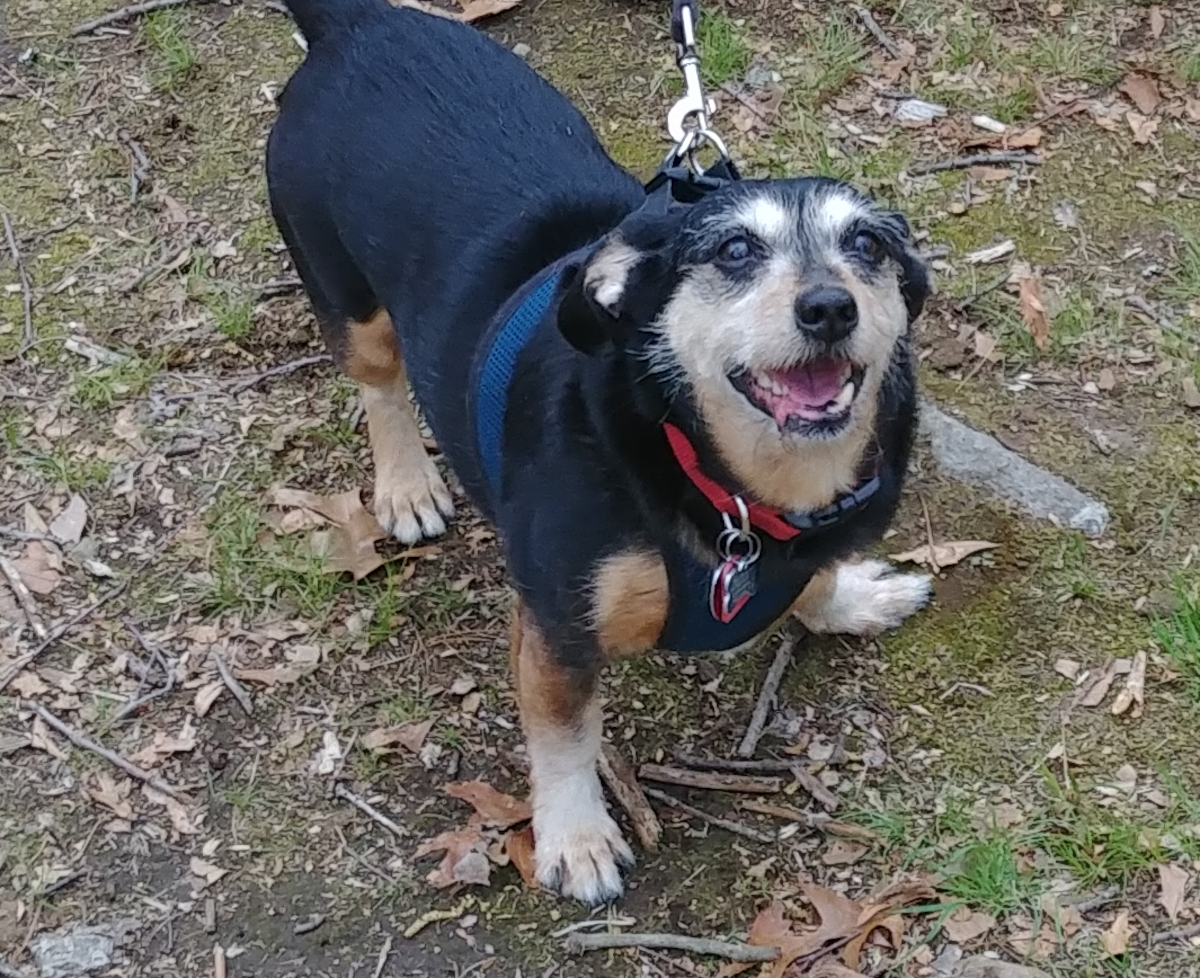 A conventional walking harness is designed primarily for leash attachment and control. It spreads leash pressure across portions of the body rather than concentrating it around the neck, but most ordinary walking harnesses are not intended to lift or support substantial body weight. A handle attached to the back may offer limited stabilization, although its presence does not establish that the harness is safe for lifting.
For dogs that still walk independently and occasionally need help maintaining balance, a supportive walking harness may be adequate. The handle and surrounding structure must be designed for the type of assistance being provided. Lightweight fabric loops and leash attachment rings should never be treated as lifting points unless the manufacturer specifically approves that use.
Rear-support slings are designed to assist dogs whose hindquarters need additional support. These devices typically fit beneath the rear portion of the body, allowing the caregiver to provide upward assistance through handles or straps. They can be useful during short movements, bathroom breaks, or recovery from certain procedures when the veterinary team has recommended their use.
Rear support requires more consideration when the dog’s front legs are also affected by arthritis. Raising the hindquarters can change how weight is distributed through the body, potentially increasing demands on painful shoulders, elbows, or front paws. The amount of assistance and the position of the sling should therefore be guided by the dog’s comfort and physical limitations.
Full-body support harnesses generally have separate front and rear sections, allowing the caregiver to assist more than one part of the body. These designs may be particularly useful for dogs with substantial weakness or painful joints affecting multiple limbs. Independent handles can provide greater control during transfers, although their effectiveness depends on proper positioning and how the device distributes pressure.
The COASTeR international consensus guidelines for canine osteoarthritis identify mobility assistance devices as an option for dogs with severe osteoarthritis. The recommendations include slings, support devices, and mobility carts, while recognizing that their suitability depends on the individual animal. These are clinical recommendations rather than proof that a particular harness design will improve mobility for every dog.
Full-body harnesses may also be useful when a dog’s needs change over time. Some designs permit assistance at the front, rear, or both, allowing support to be adjusted according to the activity. However, a larger harness may be more difficult to put on and remove, especially when handling painful limbs is itself uncomfortable.
Proper Harness Fit Is Essential for Dogs With Painful Joints
A poorly fitted harness can create problems even when its overall design is appropriate. Tight straps may press against the chest, abdomen, or sensitive areas around the limbs, while loose straps can shift during movement. A harness that slips unexpectedly may leave the dog less stable precisely when assistance is needed.
The harness should remain securely positioned without rubbing behind the elbows, restricting the shoulders, or pressing firmly against prominent bones. Padding is especially helpful where the equipment contacts the underside of the body or carries part of the dog’s weight. Its placement matters as much as its thickness, since padding that folds or bunches can create concentrated pressure.
The VCA Animal Hospitals guidance on collars and harnesses explains that some harness designs can interfere with shoulder movement and that proper fitting is necessary to avoid discomfort and accidental escape. Research has also examined how walking harnesses influence movement. A 2019 study published in Veterinary Record found changes in shoulder extension with two harness designs, although the study involved only nine dogs and did not evaluate therapeutic lifting harnesses. These findings support paying attention to movement restrictions without establishing that one style is universally superior.
Measurements should follow the manufacturer’s instructions rather than relying on the dog’s weight alone. Chest circumference, body length, and the dimensions around the abdomen can all influence the fit. Two dogs of similar weight may require different harness sizes because their bodies have different proportions.
Dogs with pronounced muscle loss may need additional fitting attention. Reduced tissue around the hips, shoulders, or rib cage can leave bony areas more exposed to pressure and rubbing. Check these areas after assisted movement, particularly during the first several days of use.
A support harness should also accommodate urination and defecation. Some designs have openings or adjustable sections that permit bathroom activities without removal, while others may interfere with normal positioning. The equipment must remain clear of urine and feces, since repeated soiling can irritate the skin and create additional cleaning demands.
Features Worth Looking for in a Support Harness
 Padding, adjustability, and secure construction deserve careful consideration when comparing harnesses. Broad contact panels may distribute pressure more comfortably than narrow straps, provided they remain properly positioned. Adjustable sections help accommodate differences in body shape and can improve fit when the dog gains or loses weight.
Handle placement affects both the dog’s stability and the caregiver’s ability to provide assistance. On a full-body harness, separate front and rear handles may make it easier to support the areas that need help without pulling the dog into an awkward position. Handles should be firmly integrated into the supporting structure, and the manufacturer should clearly explain the intended lifting or assistance method.
Check the manufacturer’s guidance on weight limits and approved uses before purchasing. A harness intended to stabilize a walking dog may not be suitable for lifting an animal that cannot bear weight. Even products marketed for lifting may have restrictions concerning full suspension, prolonged support, or use with additional lifting equipment.
The material should be comfortable against the dog’s skin and practical to maintain. Breathable fabrics may improve comfort in warm conditions, while smooth surfaces and removable components can make cleaning easier. Reinforced stitching, dependable buckles, and straps that resist loosening are particularly relevant for larger dogs requiring frequent assistance.
Consider how the harness is put on and removed. A dog with severe arthritis may find it painful to lift a front leg, extend a hip, or stand while several straps are adjusted. Designs that open around the body and require minimal limb manipulation can make fitting less uncomfortable, especially for an animal that needs assistance several times a day.
Introducing a New Harness Without Increasing Discomfort
Dogs with chronic joint pain may be sensitive to handling around affected areas. Attempting to move a painful leg into unfamiliar equipment can cause resistance, even when the dog normally tolerates grooming and routine care. Introducing a harness gradually gives the owner an opportunity to recognize discomfort before attempting assisted movement.
Begin with the harness nearby while the dog rests in a familiar, comfortable location. Brief fitting attempts can follow, using gentle handling and avoiding unnecessary joint movement. Treats may help a dog that is comfortable eating and participating, but they should not be used to encourage continued handling when the animal is clearly distressed.
Once the harness is fitted, observe how the dog stands and moves without added lifting pressure. Look for unusual postures, repeated weight shifting, reluctance to step forward, or attempts to escape the equipment. These reactions may indicate poor fit, discomfort, or unfamiliarity with the new sensation.
Initial assisted movements should take place on a level, nonslip surface with enough room for the dog to stand and turn. Provide support gradually, allowing the dog to bear whatever weight it can comfortably manage. The goal is controlled assistance, not suspending the dog unnecessarily or forcing it into movements it cannot perform.
Avoid abruptly pulling upward or dragging the dog forward by a handle. Sudden changes in support can interfere with balance and place pressure on painful areas. If the dog cries out, stiffens, struggles, or becomes more reluctant to move, stop the attempt and reassess the equipment and assistance method.
Helping Your Dog Stand, Walk, and Manage Bathroom Breaks
 Rising from a resting position can be particularly difficult for dogs with advanced joint disease. The movement requires coordinated effort through several joints, and painful hips, knees, or elbows may limit the dog’s ability to push upward. A properly positioned support harness can help the caregiver provide assistance without repeatedly reaching beneath the animal’s body.
Position yourself where you can maintain control without twisting your back or leaning awkwardly over the dog. Give the animal an opportunity to initiate the movement and provide only the support needed to assist it. If the dog cannot contribute to standing or becomes painful during the attempt, further lifting should be guided by a veterinarian or veterinary rehabilitation professional.
Walking assistance should reflect the dog’s actual abilities. Some dogs need occasional stabilization while turning, while others require support throughout a short trip outside. A harness should never be used to force an exhausted or painful dog to complete a walk simply because the owner can keep its body upright.
Bathroom breaks introduce additional challenges because dogs need to adjust their stance and lower their bodies. Some may struggle to squat, while others have difficulty maintaining balance when lifting a leg. The harness should permit these movements without obstructing elimination or requiring an uncomfortable position.
Keeping bathroom trips short and accessible can reduce unnecessary exertion. A level path with secure footing is generally easier to manage than a distant location requiring stairs or uneven ground. Allow enough time for the dog to settle into a comfortable position rather than rushing the activity.
Stairs require particular care because even a supported dog can lose its footing. A harness does not eliminate the risk of falling, especially when weakness or pain affects several limbs. Depending on the dog’s condition, a ramp, an alternative exit, or assistance from another person may be safer than attempting the stairs.
Making the Home Safer for a Dog Using a Mobility Harness
A support harness is less effective when the surrounding environment repeatedly causes a dog to slip or struggle. Hardwood floors, polished tile, and unsecured rugs can make it difficult to maintain traction while standing. Even with assistance, a dog’s paws may slide outward if the surface beneath them is too smooth.
Nonslip runners and securely positioned mats can provide more reliable footing along frequently used routes. Areas around the dog’s bed, feeding station, and nearest exit deserve particular attention. The Canine Arthritis Resources and Education guidance on lifestyle modifications discusses traction, ramps, slings, and harnesses as practical aids for dogs with osteoarthritis.
Resting areas should also accommodate assisted movement. A dog lying in a cramped corner may be difficult to approach safely with a harness, particularly when the caregiver needs access to both the front and rear handles. A supportive bed positioned on a nonslip surface with room around it can make standing assistance easier.
Whether a harness can remain on between assisted movements depends on its design and the dog’s condition. Some specialized support harnesses are intended for extended wear, while others are suitable only during supervised activities. Follow the manufacturer’s instructions, inspect the skin regularly, and avoid leaving handles or straps where they could become caught on furniture or bedding. A dog that cannot easily reposition itself requires particular attention to pressure and comfort.
Recognizing When a Harness Is Causing Problems
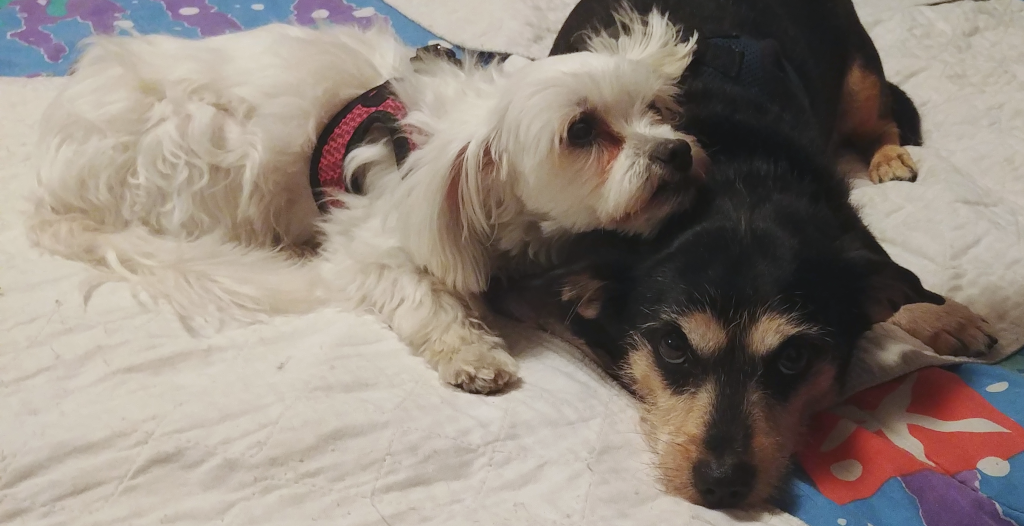 A harness that initially appears comfortable may begin causing irritation after repeated use. Redness, hair loss, tenderness, and rubbing beneath straps can indicate pressure or friction. These changes should be addressed promptly, especially in dogs with thin skin, reduced muscle mass, or limited ability to change position.
Changes in walking behavior can also suggest that the harness is interfering with movement. Shortened steps, increased stumbling, reluctance to turn, or unusual leg positioning may occur when straps restrict movement or the equipment shifts. Comparing movement with and without the harness can provide useful information, although removing it for comparison is appropriate only when the dog can stand and move safely without support.
Repeated attempts to bite the harness, painful vocalization, or sudden resistance to handling may indicate discomfort. Stop using equipment that appears to be causing pain and check for pressure points or fitting problems. Persistent discomfort may require a different design or reassessment of the underlying joint condition.
Sudden inability to stand, new paralysis, rapidly worsening weakness, or severe pain requires urgent veterinary evaluation. Loss of bladder control associated with new weakness or other neurological changes also warrants prompt attention. These symptoms should not be attributed automatically to arthritis or treated simply by providing additional lifting support.
A Support Harness Is One Part of Managing Severe Joint Disease
A harness can assist movement, but it cannot repair damaged cartilage or reverse advanced osteoarthritis. Dogs with severe joint problems often require several forms of care addressing pain, muscle function, mobility, and the underlying disease. The amount of physical assistance needed may decrease when pain is better controlled, although improvement depends on the dog’s medical condition.
The 2022 AAHA Pain Management Guidelines discuss rehabilitation, therapeutic exercise, weight management, and environmental adjustments as components of comprehensive pain care. The guidelines also acknowledge that controlled veterinary studies of some rehabilitation approaches remain limited. These treatments are selected according to clinical needs rather than following one exercise program for every dog.
Regular, appropriate movement may help some dogs maintain muscle function and mobility when their pain is adequately managed. However, excessive activity can aggravate discomfort, particularly in animals with advanced disease. A rehabilitation professional can assess the dog’s movement, demonstrate safe support techniques, and recommend exercises suited to its physical limitations.
Professional fitting assistance can be especially helpful when a dog has several painful joints or requires substantial support. A rehabilitation practitioner can observe whether the harness changes the dog’s posture or walking pattern and help determine how much assistance should be provided. This can also reduce the likelihood of a caregiver unintentionally twisting, pulling, or lifting the dog in an uncomfortable manner.
Reassessing Harness Needs as Joint Problems Progress
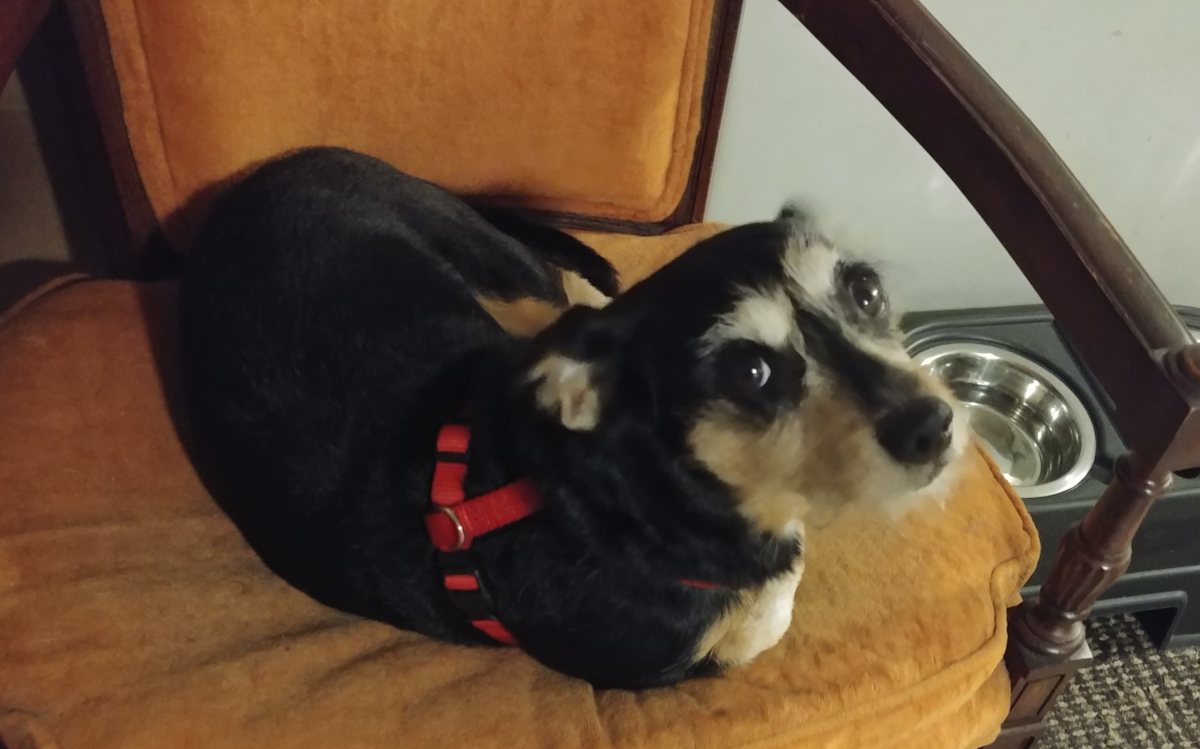 A harness that works well today may become less suitable as a dog’s condition changes. Progressive muscle loss, altered balance, changes in weight, or increasing joint discomfort can affect both the fit and the amount of support required. Checking the equipment periodically helps identify problems before they interfere with daily activities.
Simple mobility records can make gradual changes easier to recognize. Note how much help the dog requires to stand, whether it can walk without continuous support, and how frequently slipping or stumbling occurs. Short videos taken during familiar activities can also help a veterinarian compare movement patterns over time.
Caregiving demands deserve consideration alongside the dog’s physical needs. Helping a large dog stand several times daily can place considerable strain on the person’s back, shoulders, and arms. A harness that is comfortable for the animal but requires more lifting than the caregiver can safely perform may not be a practical long-term solution.
For dogs requiring increasingly extensive assistance, additional equipment may become appropriate. A different lifting system, mobility cart, or changes to the home can sometimes reduce the physical demands of daily care. These options have different purposes, and a mobility cart is not automatically suitable for a dog whose joints remain painful during supported movement.
There may eventually be circumstances in which standing or walking remains uncomfortable despite appropriate support and medical management. This calls for an assessment of pain control, physical function, and overall quality of life, including how comfortably the dog rests and manages necessary daily activities. A harness may continue to be useful for short transfers even when longer walks are no longer appropriate, provided those movements do not cause significant discomfort.
Changes in mobility can also make previously manageable routines more difficult. A dog that once needed help only getting up may eventually require assistance reaching food, changing resting positions, or getting outside. Recognizing these developing needs allows the care plan and equipment to be adjusted around what the dog can still do comfortably, rather than expecting it to continue activities that have become physically difficult.