
An older dog may hesitate before standing after a long nap. A senior cat might spend more time considering a jump that once required no thought at all. These changes often lead pet owners to think about arthritis, muscle loss, or the natural effects of aging. What receives less attention is the role that proper hydration plays in maintaining the tissues and fluids that allow joints to function.
Water is involved in nearly every biological process in a dog or cat’s body, including the maintenance of healthy cartilage and the fluid surrounding movable joints. That does not mean drinking additional water will cure arthritis or reverse joint damage. It does mean that maintaining appropriate hydration is one part of supporting the overall health of an aging animal, especially one already experiencing mobility problems.
For senior pets, the relationship between hydration and joint health is worth understanding because several changes associated with aging can affect both. Chronic illness, reduced activity, altered drinking habits, and difficulty reaching water bowls can create challenges that are easy to overlook during everyday care.
Understanding the Fluid That Protects Your Pet’s Joints
 Most of the joints responsible for walking, running, jumping, and climbing are called synovial joints. These include the hips, knees, shoulders, and elbows. Inside each joint is a small space containing synovial fluid, a specialized substance that helps the joint move smoothly.
The ends of the bones within these joints are covered by articular cartilage, a smooth, resilient tissue that cushions movement and distributes pressure. Unlike many other body tissues, articular cartilage has no direct blood supply. It receives much of its nourishment through the surrounding joint fluid and underlying bone.
Synovial fluid is produced and maintained by the synovial membrane, the thin lining inside the joint capsule. It contains water, lubricating molecules, and other substances that help support normal joint function. One of its important components is hyaluronic acid, also called hyaluronan, which contributes to the fluid’s distinctive viscosity and lubricating properties.
According to the Merck Veterinary Manual, hyaluronan contributes to the thickness and lubrication of synovial fluid. These properties help explain why healthy joint fluid is different from ordinary water. A useful way to understand synovial fluid is to think of it as a specialized biological lubricant rather than simply moisture between two bones. Its composition allows it to help reduce friction while supporting the cartilage exposed to repeated movement and pressure.
How Hydration Fits Into Joint Fluid Health
Water makes up much of synovial fluid and is also an important component of cartilage. Within cartilage, water interacts with collagen and molecules called proteoglycans, helping the tissue maintain its ability to resist compression.
These relationships make normal fluid balance important for the maintenance of healthy joint tissues. However, the body carefully regulates where water is distributed, and the connection between how much an animal drinks and the condition of its joint fluid is not straightforward. A properly hydrated animal has the water needed to support normal tissue function. A dehydrated animal, on the other hand, is dealing with a body-wide fluid deficit that can disrupt multiple physiological processes.
What veterinary research does not establish is that simply increasing water intake beyond an animal’s normal needs will improve synovial fluid quality, restore cartilage, or relieve osteoarthritis pain. The body does not necessarily send extra drinking water directly into worn joints.
This distinction matters because hydration is sometimes presented as though it were a natural treatment capable of rebuilding joint cushioning. Although adequate water intake supports normal health, arthritis involves structural changes, inflammation, and altered joint function that require a broader approach. Maintaining hydration should therefore be viewed as supporting the conditions under which joints and surrounding tissues function, not as a substitute for veterinary treatment of painful or damaged joints.
What Happens to Joint Fluid as Pets Develop Arthritis?
 Osteoarthritis is a progressive joint disorder involving the breakdown of cartilage and changes to other structures within the joint. It can affect dogs and cats of many ages, although its consequences are frequently more noticeable in senior animals.
As arthritis develops, the joint environment changes. Cartilage may become thinner or damaged, the synovial membrane can become inflamed, and the properties of synovial fluid may be altered.
The Merck Veterinary Manual’s discussion of joint disorders identifies reduced synovial fluid viscosity among the changes associated with osteoarthritis. This means that the fluid’s normal lubricating characteristics can deteriorate as part of the disease process.
Importantly, these changes are not necessarily caused by an animal drinking too little water. Inflammation, joint injury, abnormal mechanical forces, and tissue degeneration contribute to the disease.
An arthritic joint may even accumulate excess fluid because of inflammation. That fluid buildup does not mean the joint is healthier or better lubricated. This is why providing more drinking water cannot be expected to correct the biological changes associated with arthritis. Pain management, appropriate movement, weight control, environmental adjustments, and veterinary monitoring remain central parts of caring for an animal with degenerative joint disease.
Why Senior Pets May Have Difficulty Staying Hydrated
The relationship between aging and hydration becomes more complicated when an animal has other medical conditions or physical limitations. Some older pets develop chronic kidney disease, diabetes, or hormonal disorders that affect their fluid requirements. Others take medications that influence urination or fluid balance. Changes in appetite, nausea, and dental discomfort can also reduce the amount of water an animal receives through food or voluntarily drinks.
Mobility limitations introduce another problem. A dog with painful hips may be reluctant to stand and walk across the house for a drink. A cat experiencing joint stiffness may avoid jumping onto a counter where a water bowl has always been kept.
The animal may still be thirsty, but reaching water has become uncomfortable or inconvenient. These situations are particularly relevant in homes with multiple pets, where feeding and drinking stations may be concentrated in one location. An older cat with arthritis might avoid a busy water station because another animal frequently occupies the area.
Reduced activity can make changes harder to recognize. A senior pet that sleeps much of the day may visit its water bowl less frequently, but the reason should not automatically be attributed to aging. Sometimes the solution involves changing the environment. In other circumstances, reduced drinking or altered thirst is an early indication of an underlying medical problem.
The Connection Between Kidney Disease, Diabetes, and Hydration
 Hydration deserves additional attention when a senior pet has a chronic condition affecting fluid balance. Chronic kidney disease is a familiar concern among older cats. As kidney function deteriorates, the kidneys may become less effective at concentrating urine, allowing more water to leave the body. An affected cat may compensate by drinking more frequently.
The Cornell Feline Health Center emphasizes the importance of maintaining hydration in cats with kidney disease, noting that dehydration can worsen their condition. Diabetes introduces another challenge. When blood glucose is poorly controlled, excess glucose in the urine can draw additional water out of the body, increasing urination and thirst.
For pets with diabetes, changes in drinking behavior should be considered alongside appetite, urine output, glucose measurements, and other observations. Increased thirst may reflect a medical issue rather than a healthy attempt to drink more water.
Having cared for cats with kidney disease, dehydration, and diabetes, we understand how easily water intake becomes part of the daily care routine. Watching changes over time can provide useful information, particularly when those observations are shared with a veterinarian who understands the animal’s medical history.
Some pets with kidney disease may need veterinarian-prescribed fluid therapy. However, animals with certain heart conditions or other medical problems can be harmed by excessive fluid administration. Fluid therapy should never be treated as a general wellness measure that owners can adjust independently. The American Animal Hospital Association’s 2024 Fluid Therapy Guidelines emphasize individualized assessment because both dehydration and excess fluid can create serious complications.
Making Water Easier to Reach for Dogs With Mobility Problems
For an older dog experiencing stiffness or arthritis, accessibility can have a meaningful effect on everyday drinking habits. A water bowl placed on a slippery kitchen floor may require an uncomfortable combination of standing, balancing, and lowering the head. A dog with painful joints or reduced muscle strength may find this more difficult than it appears.
Positioning water on a stable, nonslip surface can help the dog stand comfortably while drinking. Placing additional bowls near favorite resting areas can reduce the distance an older animal must travel. The height of the bowl may also matter. Some dogs benefit from a modestly elevated water bowl, while others are more comfortable drinking at floor level. There is no universal bowl height that improves joint health, and elevated bowls are not appropriate for every dog.
The goal is to observe the dog’s posture and make drinking physically comfortable without introducing instability or unnecessary strain. For dogs that spend time outdoors, water should remain accessible during walks, yard activities, and warm weather. Senior animals may have less tolerance for heat or physical exertion, especially when they also have chronic medical conditions.
Water should be offered regularly, but exercise-related drinking needs vary with the dog’s size, activity level, weather, and health. An older dog with a prescribed fluid restriction needs an individualized plan rather than unrestricted attempts to increase consumption.
Helping Older Cats Maintain Healthy Water Intake
 Cats present their own hydration challenges because their drinking habits are strongly influenced by food moisture, environmental preferences, and individual behavior. Cats evolved from animals adapted to obtaining substantial moisture from prey. Modern cats eating dry food generally need to obtain more of their total water intake by drinking, while cats consuming wet food may drink visibly less.
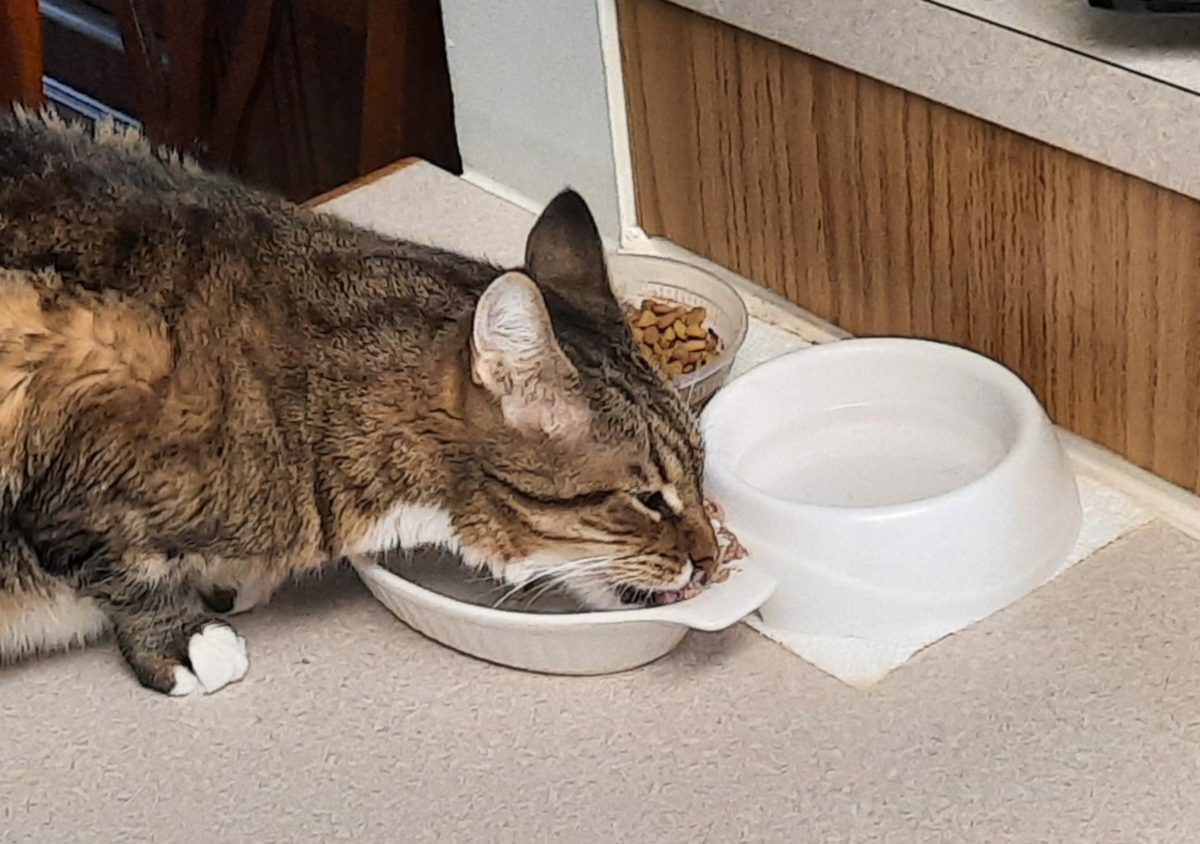
The Cornell Feline Health Center’s hydration guidance explains that canned food may contain around 80 percent water. This can make moisture-rich food an important contributor to a cat’s daily water intake. For senior cats with mobility limitations, consider where water is available throughout the home. A shallow bowl in an easily accessible location may be preferable to a deep container or a bowl positioned on an elevated surface.
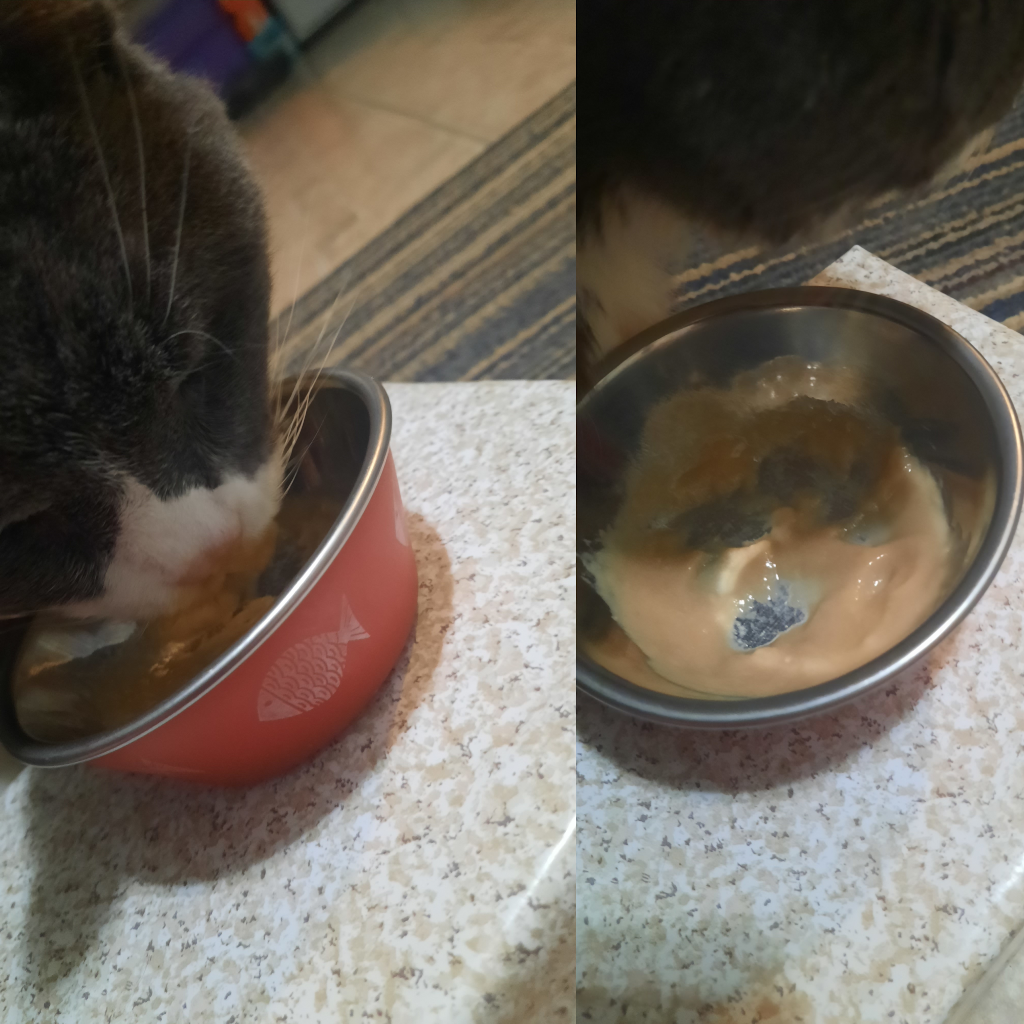
Some cats prefer ceramic or stainless-steel bowls, while others appear more interested in moving water from a fountain. Offering different options can help identify what an individual animal finds comfortable. Water stations should be kept clean, and fountains require regular maintenance to prevent buildup in pumps and tubing. In multi-cat homes, several separated drinking locations may be helpful, particularly when one cat tends to control access to a shared resource.
Adding a small amount of plain water to wet food is another option for cats that accept the change. However, dietary modifications should be discussed with a veterinarian when a cat has a prescription diet, significant illness, or an individualized fluid plan. A cat refusing moistened food should not be left without an acceptable meal in an attempt to increase water consumption.
Recognizing Changes That May Suggest Dehydration
Dehydration does not always announce itself through an obviously empty water bowl. An animal may continue drinking but still lose more fluid than it takes in because of illness. Common signs associated with dehydration include reduced energy, weakness, dry or sticky gums, decreased appetite, and, in more advanced cases, sunken-looking eyes. Vomiting, diarrhea, and increased urination can also contribute to fluid losses.
Some pet owners use a skin elasticity test, gently lifting the skin and observing how quickly it returns to its normal position. Although veterinarians consider skin elasticity during examinations, the test becomes less reliable in older animals because aging can change the skin’s normal elasticity.
An elderly pet may have loose skin without being dehydrated, while another animal can have a fluid deficit despite an apparently normal skin response. Changes in mobility can occur alongside dehydration or illness, but stiffness by itself is not evidence that joint fluid is running low. A dog struggling to rise or a cat avoiding stairs may be experiencing arthritis, weakness, injury, or another medical condition.
If a pet suddenly becomes profoundly weak, collapses, cannot stand, has difficulty breathing, or shows severe signs of illness, urgent veterinary care is needed. Persistent vomiting, an inability to keep water down, or marked lethargy also warrants prompt attention. Offering extra water at home is not an adequate response to serious dehydration or an unexplained decline in physical function.
Monitoring Water Intake Without Becoming Overwhelmed
 Tracking hydration does not require measuring every sip throughout the day. For many households, learning what normal drinking behavior looks like is a practical starting point.
A dog that usually drinks after meals and evening walks may develop a noticeably different pattern. A cat that rarely visits the water bowl while eating wet food may suddenly begin drinking frequently. Recording these changes can help distinguish an isolated observation from a developing pattern.
For pets with chronic illness, a simple daily record might include approximate water consumption, food intake, appetite changes, urination, and mobility. Body weight and medication schedules can also be useful when they are relevant to the animal’s existing care plan.
In a household with several animals sharing water bowls, measuring individual intake can be difficult. Separate feeding areas, supervised observations, or temporary individual monitoring may provide more useful information than estimating from a shared container. Total water intake also includes moisture from food, so measuring drinking water alone does not provide a complete picture of hydration.
A veterinarian can help determine whether a measured amount of drinking is appropriate for a particular animal. General water requirements are only starting estimates, especially for pets with kidney disease, diabetes, heart problems, or medications affecting fluid balance. The most useful records are often those that reveal a change from the animal’s established routine.
Why Movement and Hydration Belong in the Same Conversation
Joint health involves more than water intake alone. Maintaining appropriate movement is another part of supporting the cartilage, muscles, and surrounding structures involved in mobility. Normal joint movement helps distribute synovial fluid across joint surfaces and contributes to the exchange of nutrients within cartilage. At the same time, the muscles surrounding a joint provide support and help control movement.
When pain causes an older animal to become less active, muscle strength may gradually decline. Reduced strength can make standing, walking, climbing, and even reaching a water bowl more difficult. This can create a practical cycle in which discomfort reduces movement, and reduced movement makes everyday activities increasingly challenging. Appropriate low-impact activity may help maintain function, but exercise recommendations should reflect the pet’s diagnosis, pain level, physical condition, and veterinary treatment plan.
Short, comfortable walks may be suitable for some older dogs. Others require more limited activity, rehabilitation exercises, or additional pain management before exercise can be increased. Cats may benefit from changes that make movement easier, including low-entry litter boxes, ramps, stable steps, and resting areas that do not require jumping.
The AAHA Senior Care Guidelines emphasize individualized care that includes medical management, behavioral considerations, and changes to the home environment. These adjustments can support both mobility and hydration by making essential resources easier to reach.
What About Joint Supplements and Hydration Products?
 Many products marketed for senior pets claim to support cartilage, joint lubrication, or fluid retention. Ingredients commonly include glucosamine, chondroitin, hyaluronic acid, and various combinations of nutritional supplements.
The presence of a substance in healthy joint fluid does not automatically mean that giving it orally will improve that fluid in an arthritic animal. For example, hyaluronic acid is a natural component of synovial fluid, but the clinical benefits of commercially available hyaluronic acid products for osteoarthritis in dogs and cats remain uncertain.
Research evaluating glucosamine and chondroitin for pain associated with osteoarthritis has also produced disappointing results. The Merck Veterinary Manual reports that systematic reviews have not demonstrated convincing benefits from these supplements for managing osteoarthritis pain in dogs and cats.
Some veterinarian-directed treatments and prescription therapies have stronger evidence for particular patients, but the most appropriate approach depends on the animal’s condition. Products advertised as electrolyte supplements or hydration boosters deserve similar caution. A normally hydrated dog or cat generally does not need special electrolyte drinks simply to maintain healthy joints.
Human sports drinks, salty broths, and flavored beverages may contain inappropriate amounts of sodium, sugar, or ingredients unsafe for pets. Plain, clean water remains the standard drinking option unless a veterinarian recommends something different. Owners considering a joint supplement should discuss its ingredients, potential interactions, and realistic benefits with their veterinarian rather than assuming a product will restore joint fluid.
Building a Hydration Routine Around an Aging Pet’s Abilities
One of the most useful approaches to senior-pet care is to evaluate daily routines from the animal’s physical perspective. A water bowl that worked perfectly for ten years may no longer be in the best location. A feeding station that once encouraged activity may become inconvenient for a dog with painful hips or a cat reluctant to use stairs.
Small environmental changes can make a meaningful difference in how comfortably an animal goes about normal activities. For example, placing water near a preferred resting area reduces unnecessary travel. Keeping a nonslip mat beneath the bowl improves stability, and providing multiple drinking locations gives an older pet more choices throughout the day.
These adjustments do not treat arthritis directly. They remove some of the physical barriers that may discourage an animal from drinking when it needs water.
Regularly observing how a senior pet approaches its bowl can also reveal important changes. Hesitation before lowering the head, difficulty maintaining balance, or an unusual drinking posture may indicate discomfort worth discussing with a veterinarian.
An older animal may compensate for pain in subtle ways long before the problem becomes obvious. For pets managing several chronic conditions, hydration decisions should fit into the broader veterinary care plan. An animal with arthritis and kidney disease may have different needs from one with arthritis and heart disease, even when both have similar mobility limitations. An individualized approach allows owners to support comfortable drinking habits while avoiding unnecessary changes to medications, diets, or prescribed fluid treatments.
Providing easy access to water, recognizing changes in normal drinking behavior, and watching how comfortably an animal moves around the home are all manageable parts of daily senior-pet care. These observations also give veterinarians valuable information when evaluating mobility problems, hydration status, and the many conditions that can accompany aging.