

A cat that has used the litter box reliably for years may suddenly begin urinating beside it, leaving stool on the floor, or choosing an entirely different location. The change can be frustrating, especially when the box is clean, the litter has not changed, and nothing obvious has happened in the household. In older cats, however, one possible explanation is frequently overlooked: arthritis.
Joint pain can interfere with ordinary activities long before a cat develops an obvious limp. Entering a litter box, turning around inside it, balancing on loose litter, and maintaining a crouched position all require movement and physical stability. When those actions become uncomfortable, a previously dependable litter box routine can become difficult to maintain.
The connection deserves attention because litter box accidents are sometimes interpreted as behavioral problems before physical discomfort has been considered. Arthritis is one of several possible medical explanations, and recognizing its effects can help owners make sensible adjustments while investigating the underlying cause.
How Arthritis Interferes With Litter Box Use
 Osteoarthritis is a degenerative joint condition involving changes to cartilage and other structures within a joint. These changes can produce chronic pain, stiffness, and reduced mobility. In cats, the hips, knees, elbows, ankles, and other joints may be affected, while degenerative changes involving the spine can create additional movement difficulties.
The broader term degenerative joint disease, or DJD, includes osteoarthritis and certain degenerative conditions affecting the spine. The American Association of Feline Practitioners’ chronic pain guidance explains that these conditions are common in cats and that abnormalities visible on X-rays do not always correspond closely with the severity of pain. A cat can experience significant discomfort without showing dramatic changes in its walking pattern.
Using a litter box requires several coordinated movements. A cat must approach the box, step over the entrance, turn into position, lower its hindquarters, maintain balance while eliminating, and eventually stand and exit. Pain or reduced flexibility during any part of that sequence can interfere with normal toileting.
A cat with painful hips or knees may struggle to maintain a comfortable crouch. Another might enter the box successfully but find stepping back over a high wall uncomfortable. Some cats may continue attempting to use the box while becoming less consistent about where urine or stool ends up.
These difficulties do not necessarily involve a conscious decision to avoid the litter box. The cat may still be following its familiar routine, but physical limitations can make completing that routine more difficult than they once did.
Why Litter Box Accidents May Be an Early Warning Sign
Cats with arthritis often continue walking around the house, eating normally, and interacting with their owners. Their movements may become slower or more selective without appearing dramatically abnormal. As a result, litter box difficulties may attract attention before anyone recognizes a broader mobility problem.
The circumstances surrounding an accident can sometimes provide useful clues. Urine or stool deposited immediately beside the entrance may suggest that the cat reached the intended location but had difficulty entering or positioning itself. This pattern does not establish arthritis as the cause, since urgency, litter preferences, and other medical conditions can produce similar results.
Changes in posture deserve particular attention. A cat may hesitate before crouching, repeatedly reposition its feet, or stand more upright than usual while urinating. Some cats may place their front paws inside the box while leaving their hindquarters near the entrance, allowing waste to land outside.
There can also be differences between urination and defecation. Passing stool may require a sustained posture that becomes uncomfortable when the hips, knees, or spine are painful. Cornell University’s Feline Health Center notes in its discussion of arthritis and reduced activity in cats that severe joint problems can interfere with positioning during defecation and may contribute to constipation.
Owners should pay attention to whether accidents involve urine, stool, or both. The distinction helps establish which medical and environmental explanations require closer investigation, particularly when the cat is also showing changes in appetite, drinking, activity, or stool consistency.
Recognizing Mobility Changes Beyond the Litter Box
 Litter box problems rarely provide enough information to identify arthritis on their own. Changes in other activities can help determine whether joint discomfort deserves further evaluation, especially when those changes develop gradually.
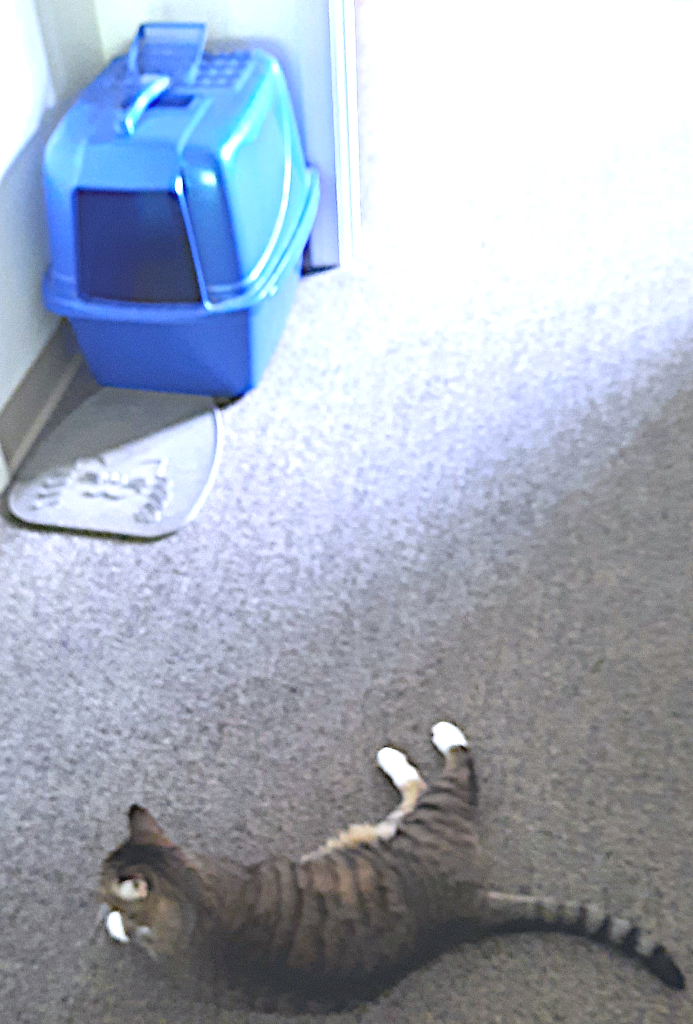
A cat that once jumped directly onto a sofa may begin using a nearby chair as an intermediate step. Another may stop visiting a favorite windowsill, hesitate before climbing stairs, or spend more time resting on lower surfaces. These adjustments can be easy to overlook because the cat may still reach many of its preferred locations.
Grooming habits may change when flexibility becomes limited. Cats with painful joints or spinal discomfort sometimes have difficulty reaching their lower back and hindquarters, leaving portions of the coat unkempt or matted. Reduced play, reluctance to stretch, and difficulty rising after rest may provide additional evidence of a mobility problem.
A short video of the cat walking, climbing stairs, or approaching the litter box can be useful during a veterinary appointment. Recordings taken in familiar surroundings may reveal movement difficulties that are less apparent during an examination. They can also provide a practical baseline for assessing whether treatment and household adjustments improve the cat’s mobility over time.
Why Arthritis Should Not Be the Automatic Explanation
Although arthritis can contribute to litter box accidents, several medical conditions produce similar changes. Urinary tract inflammation, bladder stones, and other urinary disorders can make urination painful or unusually urgent. A cat experiencing discomfort during urination may also begin avoiding a litter box associated with previous painful experiences.
Older cats may have conditions that increase urine production. Chronic kidney disease, diabetes mellitus, and hyperthyroidism can cause increased drinking and urination, making an established litter box arrangement less convenient. Reduced mobility may complicate these conditions, especially when the box is located far from the cat’s preferred resting areas.
Constipation presents another possibility when accidents involve stool. A cat experiencing difficulty passing feces may repeatedly enter and leave the box, strain, or eliminate elsewhere. Arthritis can contribute to positioning difficulties, but dehydration, intestinal disorders, and other medical problems may also be involved.
Cornell’s guidance on feline house-soiling problems explains how medical disease, litter box aversion, and environmental circumstances can affect elimination behavior. Multiple contributing factors may be present, particularly in older cats with chronic health conditions.
It is also useful to distinguish ordinary elimination outside the box from urine marking. A cat that stands and deposits a relatively small amount of urine on a vertical surface may be displaying marking behavior rather than simply failing to reach or position itself inside the box. The distinction is not always obvious, and medical problems can still contribute to either pattern.
Some urinary symptoms require immediate attention. A cat repeatedly attempting to urinate while producing little or no urine may have a urethral obstruction, a life-threatening emergency that is especially concerning in male cats. Cornell’s information on feline lower urinary tract disease identifies urinary obstruction as requiring immediate veterinary treatment. Crying during unsuccessful attempts, increasing distress, or vomiting alongside suspected urinary difficulty should never be dismissed as arthritis-related discomfort.
Choosing a Litter Box That Accommodates Painful Joints
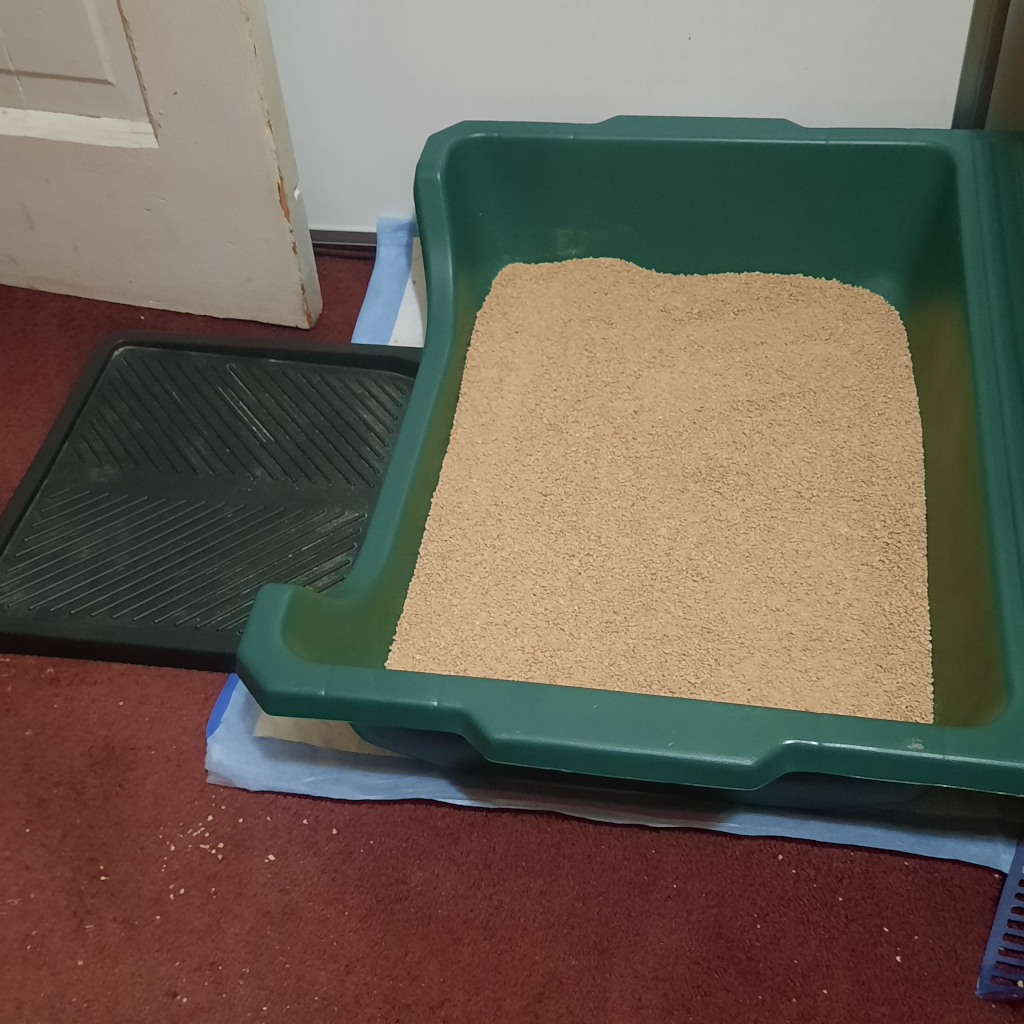 One practical way to reduce the physical demands of toileting is to reconsider the litter box itself. A design that worked well for many years may become difficult to use when a cat develops painful or stiff joints.
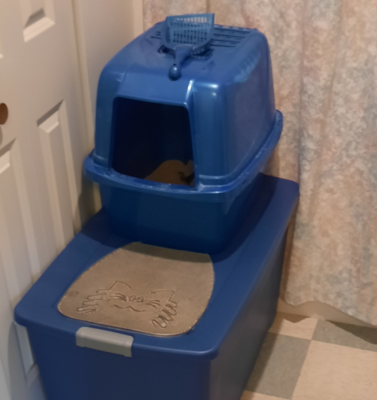
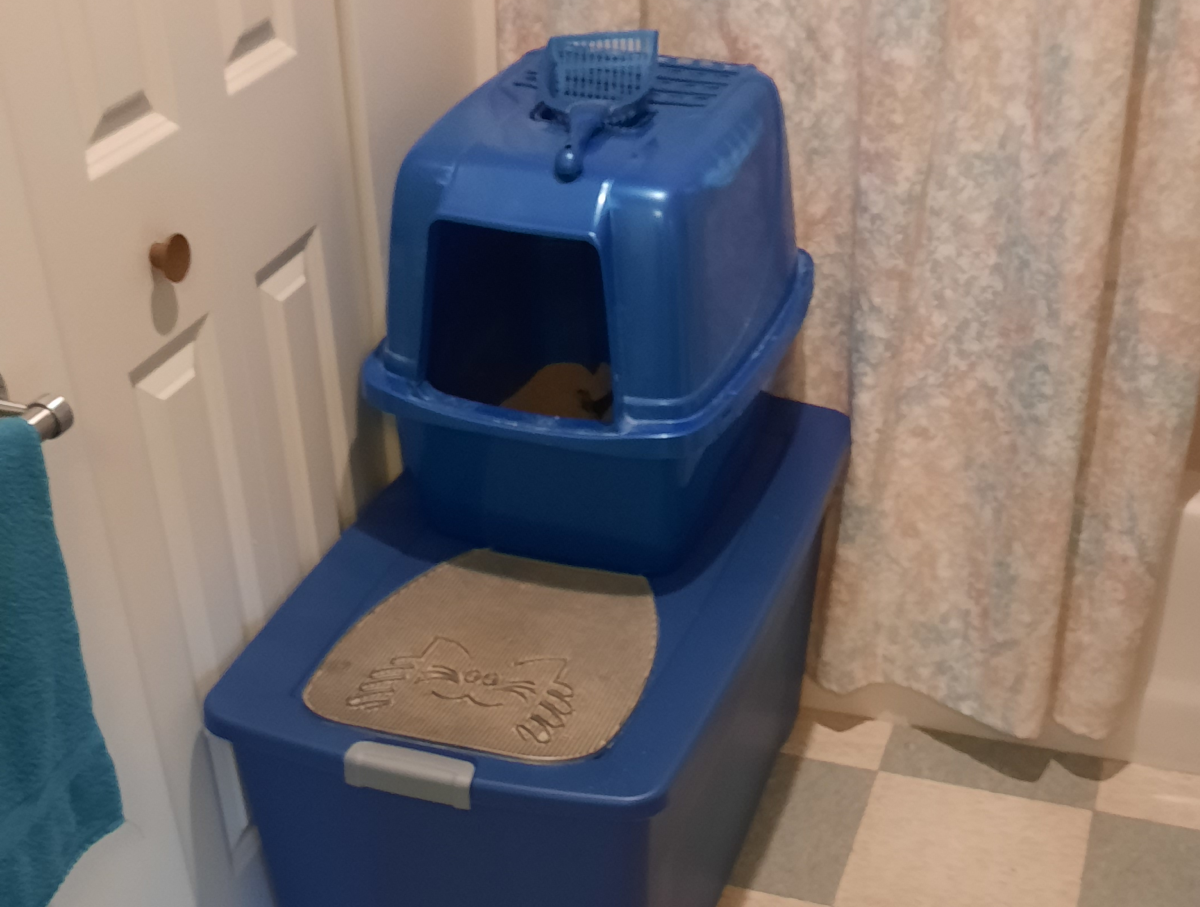
High-sided boxes can create problems because the cat must lift its legs and shift its weight to cross the entrance. Top-entry boxes may be particularly challenging because they require climbing and additional movement to enter and leave. Even a box with otherwise suitable dimensions can become uncomfortable if its entrance is too high.
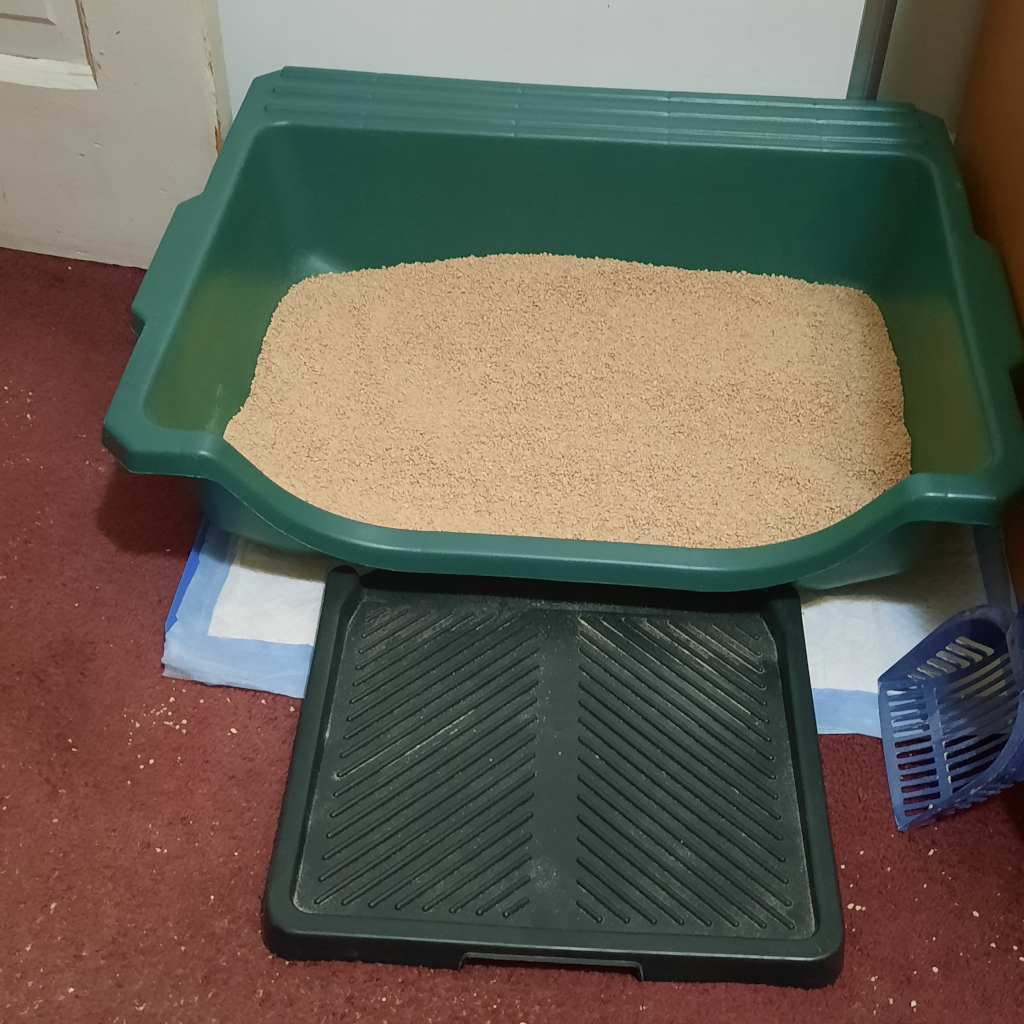
A low-entry litter box reduces the height the cat must step over. Ideally, the entrance should allow the cat to walk inside without having to raise its legs substantially higher than it would during ordinary movement. For cats that urinate near the edge, a design with a low front entrance and taller rear and side walls may help contain waste while preserving easier access.
The AAFP and ISFM Guidelines for Diagnosing and Solving House-Soiling Behavior in Cats specifically recommend shallow entrances for cats with degenerative joint disease. They also describe alternatives such as large storage containers modified to provide easier entry. These recommendations reflect practical clinical guidance, although the best arrangement still depends on the individual cat’s mobility and preferences.
A suitable box does not necessarily need to be expensive. A large, shallow plastic tray may provide adequate space, while a modified storage container can offer a low entrance with higher surrounding walls. Any modified opening must have smooth, safe edges, and the container should remain stable when the cat steps inside.
Interior space matters just as much as entry height. A narrow box may force a cat to twist or repeatedly reposition its body while trying to eliminate. A larger rectangular box generally provides more room for turning, digging, and choosing a comfortable posture without pressing against the walls.
Litter Texture and Flooring Can Affect Comfort
The material beneath a cat’s paws can influence how comfortably it stands and moves. Cats have individual preferences for litter texture, and some may find coarse materials or large pellets less appealing. However, there is limited evidence that a particular litter material consistently reduces arthritis-related pain, so texture changes should be guided by the cat’s observed preferences rather than assumptions about what feels comfortable.
Many cats prefer fine-textured, unscented litter. An older cat that has used a particular product successfully for years should not automatically be switched to something unfamiliar. Offering a second box with an alternative litter allows the cat to demonstrate a preference while retaining access to its established arrangement.
Litter depth deserves consideration as well. Cats need enough material to dig and cover waste, but individual preferences vary. Observing whether the cat digs normally, appears uncertain about its footing, or avoids particular areas of the box can help determine whether an adjustment is worth trying.
The surrounding floor may create another obstacle. Smooth tile, polished wood, and other slippery surfaces can make movement more difficult for a cat with reduced stability or painful joints. A flat, nonslip mat along the approach to the box may provide better traction, provided it does not bunch up or create a tripping hazard.
These adjustments are most useful when they address a difficulty the cat is actually experiencing. Changing several familiar features simultaneously can introduce new litter box preferences or aversions, making the original problem harder to interpret.
Litter Box Location Becomes More Important With Age
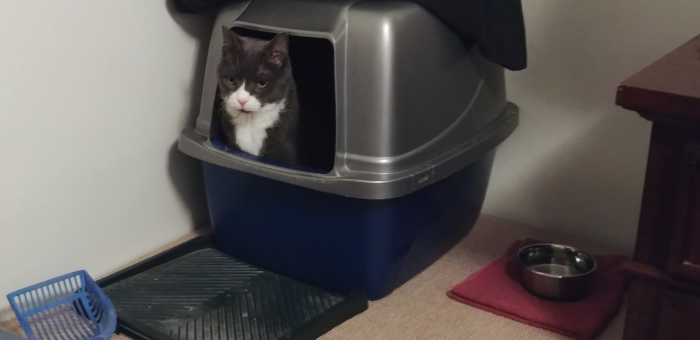 A litter box location that appears convenient to the owner may require an older cat to travel farther than is comfortable. Boxes placed in basements, distant bathrooms, or isolated laundry rooms may become difficult to reach when stairs and prolonged walking cause discomfort.
For a cat with arthritis, distance can influence access even when the animal remains capable of walking normally around the house. Stairs may require greater joint movement and muscular effort than walking across a level floor. If increased urinary urgency is also present, a distant box may become even less practical.
Providing litter boxes on each regularly used level of a multistory home can eliminate unnecessary stair climbing. A box located near a favorite resting area may also help when mobility is limited, although it should still be placed somewhere quiet and reasonably private.
The 2021 AAHA/AAFP Feline Life Stage Guidelines recommend adjusting litter box height and location for senior cats, particularly when degenerative joint disease or other mobility limitations are present. They also recommend considering medical disorders that may contribute to elimination problems rather than attributing accidents solely to physical access.
In households with multiple cats, the route to the box deserves additional attention. Another cat may regularly occupy a hallway or linger near the entrance, making an older cat reluctant to approach. Reduced mobility may leave the older animal less willing or able to move around a housemate that blocks access.
Distributing litter boxes among separate locations can offer alternative routes and reduce competition. Placing several boxes directly beside one another may provide additional capacity, but it does not resolve access problems when all the boxes remain in the same contested area.
Veterinary Evaluation and Arthritis Pain Management
A new pattern of litter box accidents deserves veterinary evaluation, even when arthritis seems like a reasonable explanation. The examination may include an assessment of gait, joint movement, muscle condition, and the cat’s response to handling. Depending on the symptoms and medical history, urine testing, bloodwork, or diagnostic imaging may also be appropriate.
Diagnosing feline arthritis can be challenging because cats may behave differently in an examination room than they do at home. X-rays can reveal structural joint changes, but those findings do not always reflect how much pain the cat experiences. A detailed history of changes in jumping, climbing, grooming, and litter box habits can therefore provide valuable information.
Veterinarians may also use structured mobility questionnaires to help assess chronic pain and monitor treatment response. These tools ask owners about familiar activities that may become difficult as joint disease progresses. They provide information that complements the physical examination rather than replacing it.
Pain management may include prescription medications, appropriate weight management, environmental adjustments, and other supportive treatments. The 2023 AAHA Senior Care Guidelines for Dogs and Cats support an individualized approach that considers chronic pain alongside the animal’s mobility and living environment. Suitable litter box design, improved footing, and easier access to household resources are among the home modifications discussed.
Older cats frequently have concurrent conditions that influence treatment decisions. Kidney disease, dehydration, gastrointestinal problems, and medications already being administered can affect which pain treatments are appropriate and what monitoring is needed. Owners should not use human pain relievers or change existing prescriptions without veterinary direction, since medications such as ibuprofen and acetaminophen can be particularly dangerous to cats.
Environmental adjustments and medical pain management serve different purposes. A low-entry box may reduce uncomfortable movements during toileting, while appropriate pain treatment addresses the discomfort associated with the underlying joint disease. Some cats require both approaches to achieve meaningful improvement in daily activity.
Tracking Accidents and Changes in Mobility
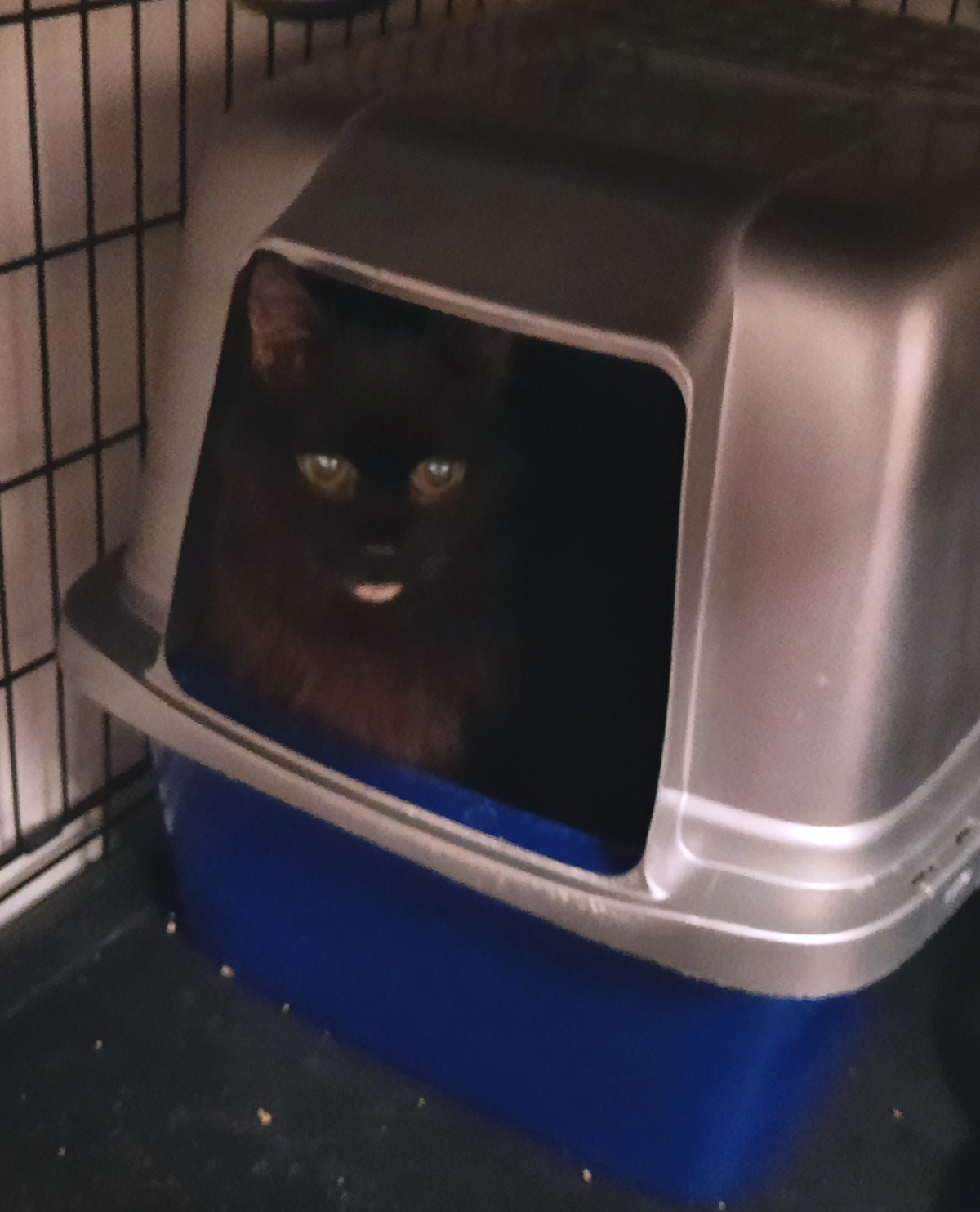 When litter box habits change, a simple written record can help reveal patterns that are difficult to recognize from memory alone. Recording the date, approximate time, location, and type of accident provides useful information without requiring complicated tracking equipment.
The circumstances surrounding each incident can be especially informative. An owner might record whether stool appeared immediately outside the entrance, whether the cat stood inside the box while urine landed beyond the edge, or whether the animal hesitated before stepping inside. Changes in drinking, appetite, stool consistency, and activity should also be documented when present.
It can be useful to note whether difficulties occur after long periods of rest or when the cat must climb stairs to reach the box. These patterns may suggest areas worth investigating, but they cannot establish that arthritis is responsible. Similar behavior may arise from urinary urgency, constipation, weakness, or other medical conditions.
Once a more accessible box is introduced, keeping track of how willingly the cat uses it may help evaluate the change. If practical, avoid changing the litter, box style, and location simultaneously, since multiple adjustments make it harder to identify what the cat accepts. Owners can then provide their veterinarian with a clearer account of the original problem and any subsequent improvement or deterioration.
Cleaning accidents thoroughly is another practical consideration. A pet-safe enzymatic cleaner suitable for the affected surface can help remove urine odors that might otherwise encourage repeated elimination in the same location. Punishment or scolding is inappropriate because it does nothing to address pain, illness, or environmental barriers and may increase the cat’s stress.
When Litter Box Adjustments Are Not Enough
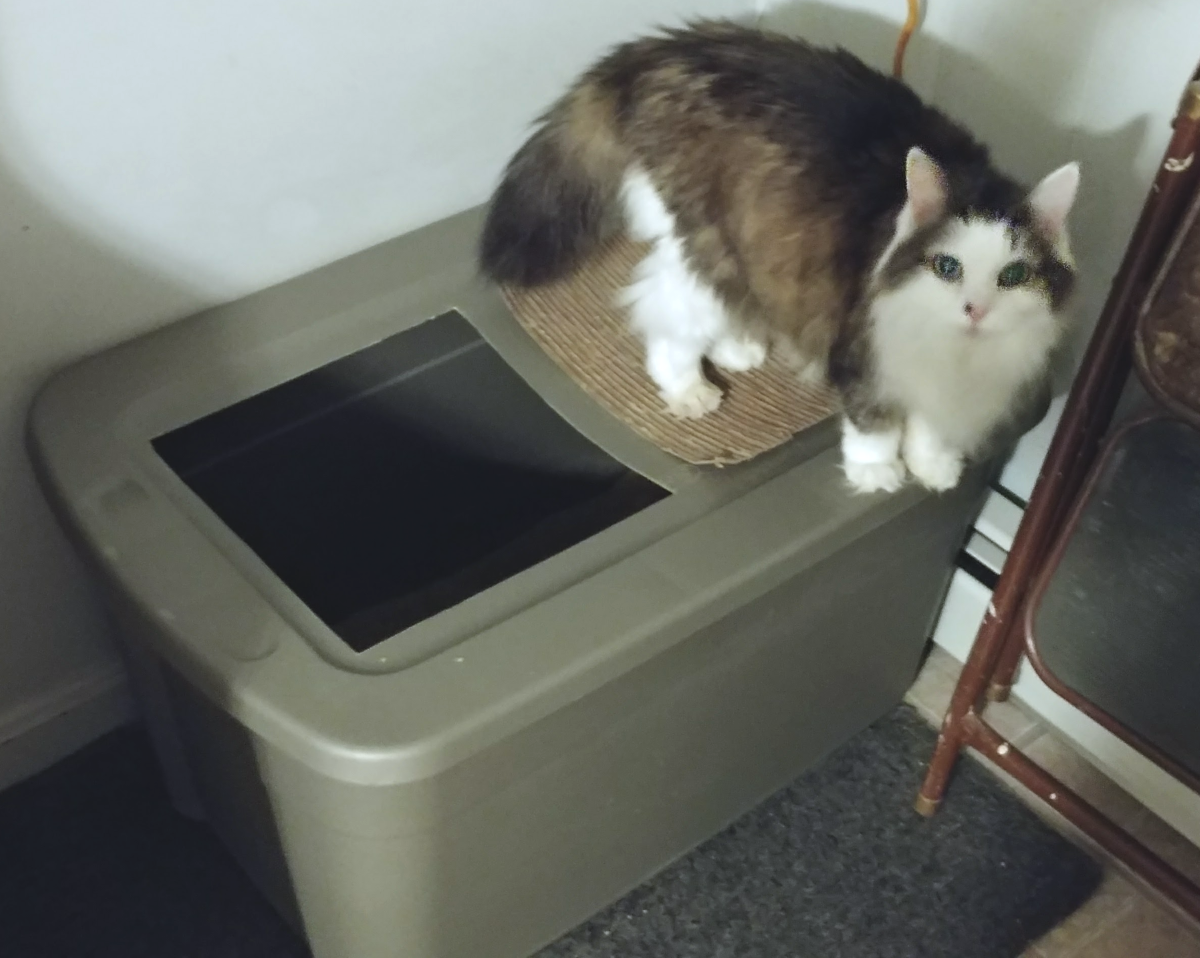 Some cats begin using the litter box more consistently after access becomes easier. Others continue having accidents despite an improved setup, particularly when arthritis coexists with urinary disease, constipation, cognitive changes, or other medical problems. Persistent difficulties require reassessing the possible causes rather than repeatedly changing litter products without a clear reason.
A cat may also develop an aversion to a particular box after repeated uncomfortable experiences. Even when physical access improves, the animal may continue avoiding the original location. Providing a comfortable alternative in a different quiet area can help determine whether the previous arrangement has become undesirable, although continuing accidents still warrant medical investigation.
Mobility can change over time, especially when arthritis progresses or additional health problems develop. A litter box that is accessible today may eventually require another adjustment. Periodically watching how the cat approaches, enters, and exits the box provides more useful information than assuming an arrangement remains suitable simply because it worked previously.
For cats with lasting mobility limitations, accessible toileting arrangements may become a permanent part of household care. That can mean keeping a low-entry box near regularly used resting areas, protecting surrounding flooring, and selecting a location where cleaning can be managed without repeatedly disrupting the cat’s routine. If the cat can enter comfortably but still struggles to squat or maintain balance, the next step may involve reassessing pain control, stability, and other physical limitations rather than changing the box again.
These arrangements can remain useful even when arthritis treatment improves comfort. Relief from pain does not necessarily restore all the flexibility, strength, or movement a cat once had, especially when several joints are affected. Maintaining an accessible environment allows the cat to continue using familiar household resources without repeatedly having to perform movements that have become physically difficult.