



A feral cat may appear at the same feeding spot every evening, eat a little, and disappear before anyone can get close. When that cat begins dropping pieces of food, chewing differently, or walking away from a familiar meal, the person providing food may have very little opportunity to determine what has changed. Dental pain is one possible explanation, but recognizing it becomes particularly challenging when an animal cannot be safely approached or examined.
People who regularly feed feral cats often become familiar with their individual habits, even when physical contact is impossible. They may recognize which cat usually eats first, how long each animal stays at the feeding station, and whether a particular cat prefers wet or dry food. That familiarity can help identify changes that warrant veterinary attention, especially when an examination requires planning, humane trapping, and a clinic experienced with unsocialized cats.
Why Dental Pain Can Be Difficult to Recognize in Feral Cats
Cats with painful mouths do not necessarily stop eating. Some continue returning to their food because they are hungry, adjusting how they chew or swallowing food with minimal chewing to avoid discomfort. Others may become hesitant around food they previously ate without difficulty. These behaviors can be particularly difficult to interpret in outdoor colonies, where competition, unfamiliar surroundings, and changes in food availability also affect feeding patterns.
Several oral conditions can produce significant pain. Periodontal disease involves inflammation and destruction of the tissues supporting the teeth, while tooth resorption causes the gradual breakdown of tooth structure. Feline chronic gingivostomatitis produces severe inflammation within the mouth, sometimes extending well beyond the gums surrounding individual teeth. Fractured teeth, oral injuries, infections involving tooth roots, and tumors can also cause difficulty eating.
The Cornell Feline Health Center’s overview of feline dental disease explains that dental conditions can produce substantial discomfort and interfere with normal eating. Unfortunately, visible symptoms do not always reflect the extent of the underlying problem. Much of a tooth lies beneath the gumline, and some painful conditions cannot be identified without dental radiographs. A cat that continues eating may still have disease requiring treatment.
Changes in Eating Behavior That May Indicate Dental Pain
 The feeding station often provides the best opportunity to recognize a developing problem. A cat may approach food enthusiastically, take several bites, and suddenly retreat from the bowl. Another may remain interested in eating but take considerably longer to finish a familiar portion. Repeated approaches to food without consuming much can be especially concerning when they represent a departure from the cat’s established routine.
Changes in chewing behavior can offer additional information. Some cats begin turning their heads while chewing, appear to favor one side of the mouth, or repeatedly drop food. Others may swallow dry food with little chewing or develop a preference for softer textures. These observations are consistent with possible oral discomfort, although none can identify a particular dental condition without an examination.
Occasionally, discomfort becomes more apparent during an individual bite. A cat might jerk its head, abruptly stop chewing, or paw at its mouth after attempting to eat. These reactions deserve attention when they happen repeatedly, particularly if the cat also shows reduced food intake or difficulty handling food. Similar behaviors can occur with oral injuries or foreign material lodged in the mouth, so the underlying cause remains uncertain.
Food preferences deserve careful interpretation. A cat that previously ate dry kibble may suddenly accept only canned food, possibly because chewing hard pieces has become uncomfortable. However, food freshness, competition, and individual preferences can produce similar changes. A preference for soft food is therefore more informative when accompanied by other signs, such as dropping food, unusual chewing movements, or a noticeable decline in body condition.
For cats living in groups, it is also necessary to distinguish difficulty eating from difficulty accessing food. A dominant animal may prevent a quieter cat from approaching the bowl, creating the appearance of reduced appetite. When practical, providing several feeding stations with adequate separation can make individual eating habits easier to observe. Watching from a distance that allows the cats to behave normally generally provides more useful information than standing beside the food.
Physical and Behavioral Changes That Deserve Attention
Dental disease may produce visible changes outside the mouth. Excessive drooling, wet fur beneath the chin, blood-tinged saliva, or swelling along the cheek or jaw can indicate a problem requiring assessment. A strong, unpleasant odor may also accompany oral disease, although detecting bad breath is rarely practical with a truly feral cat. Facial swelling can result from dental infection, trauma, or other conditions and should never be assumed to have a single cause.
Severe inflammation can affect more than the teeth and surrounding gums. The Cornell Feline Health Center’s information about feline gingivostomatitis describes excessive salivation, bleeding, weight loss, and difficulty eating among its recognized clinical signs. Affected cats may appear hungry but experience enough discomfort that eating becomes difficult. The severity of these symptoms varies, and similar signs occur with other oral diseases.
Grooming changes may provide another indication that something is wrong. Cats experiencing oral discomfort sometimes groom less frequently, leaving their coats looking unkempt or greasy. However, poor grooming is nonspecific and can also accompany arthritis, weakness, or systemic illness. In an outdoor cat, weather exposure and seasonal coat changes further complicate interpretation.
Changes in body condition are worth documenting, particularly when they develop alongside eating difficulties. A cat may gradually appear thinner through the face, hips, or spine, although thick winter coats can conceal substantial weight loss. Comparing photographs taken from similar angles may help reveal changes that are difficult to recognize during brief daily encounters. Visual estimates cannot replace an actual weight measurement, but they can provide useful context for a veterinary assessment.
Behavioral changes require similar care in interpretation. A normally predictable feral cat may begin avoiding the feeding area, retreating earlier, or becoming unusually defensive around food. Pain can contribute to changes in behavior, but fear, competing animals, environmental disturbances, and unrelated illnesses can produce comparable responses. The strongest observations are those that establish how a particular cat’s behavior has changed over time.
Documenting Dental Symptoms Without Handling the Cat
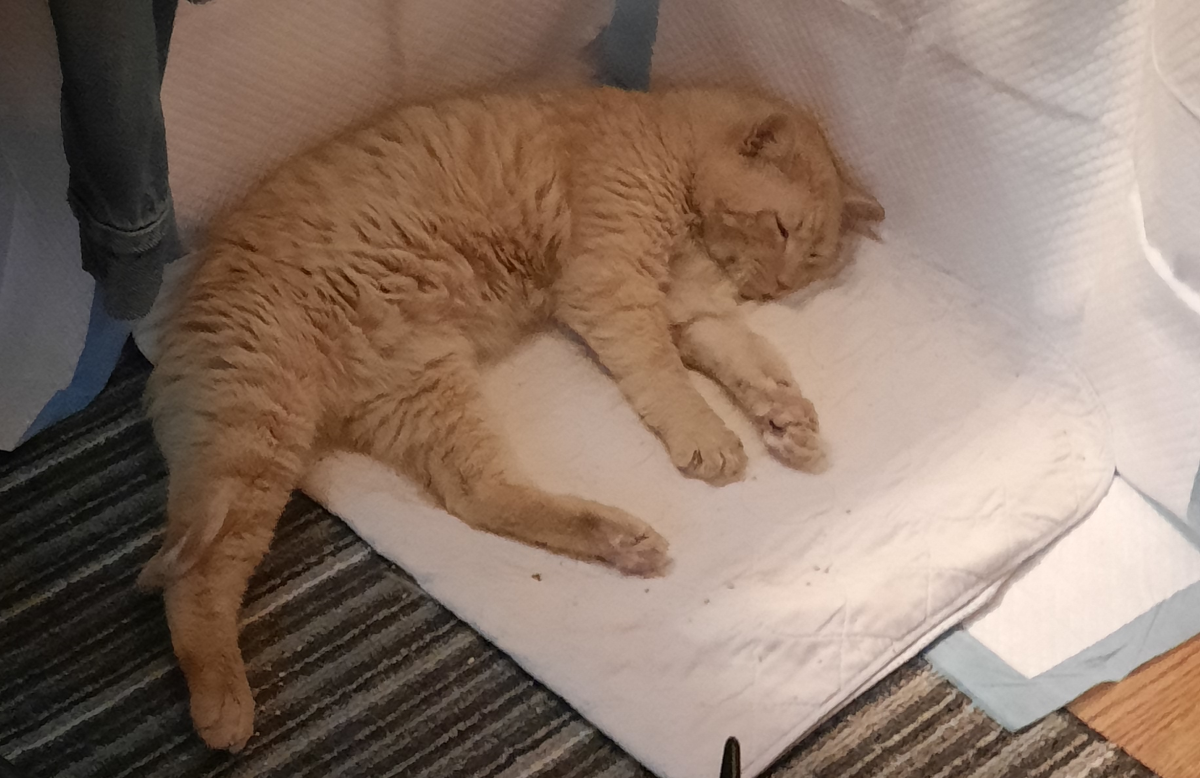 When physical examination is not possible, a simple observation record can help a veterinarian understand the situation. Record when changes first appeared, the food being offered, whether the cat approached it, and approximately how much the animal consumed. Unusual chewing movements, repeated drooling, visible swelling, and changes in body condition should also be documented. A pattern observed over several meals is generally more informative than a single unexplained incident.
Photographs and short videos can provide particularly useful evidence. Positioning a phone or camera where it does not interfere with feeding may allow a caregiver to record chewing movements, difficulty picking up food, or visible facial abnormalities. The 2023 AAHA Senior Care Guidelines’ dentistry recommendations specifically recognize that videos of unusual eating behavior can help veterinarians assess oral-health concerns. Such recordings supplement an examination rather than establishing a diagnosis.
Recording food consumption requires additional care in colonies where several animals share feeding stations. An empty dish does not establish that the suspected cat ate its normal portion, particularly when other cats or wildlife have access to the same food. Observing an individual cat during a quiet feeding period can provide a more accurate picture. If the cat appears unable to eat, however, continued observation should not delay arrangements for veterinary care.
Recognizing When Veterinary Attention Is Urgent
Repeated difficulty eating warrants timely veterinary assessment, even when a cat continues showing interest in food. An animal that approaches a meal but repeatedly retreats, struggles to chew, or consumes very little may be experiencing substantial discomfort or another medical problem. Visible facial swelling, persistent bleeding from the mouth, marked weakness, or obvious pain that prevents eating should prompt urgent veterinary contact. Difficulty breathing, collapse, or severe trauma requires emergency attention.
A cat that has stopped eating altogether should not be observed for several days while waiting for improvement. Cornell’s guidance on appetite loss in cats explains that sustained food refusal can seriously affect an adult cat’s health in as little as 24 hours. With feral cats, determining the exact duration of food refusal may be impossible because they can obtain food elsewhere. Nevertheless, repeated refusal of familiar food, particularly when accompanied by illness or discomfort, deserves prompt professional attention.
Difficulty eating does not always originate in the mouth. Nausea, respiratory illness, kidney disease, and other systemic conditions can alter appetite or feeding behavior, especially in older cats. Trying to force open a frightened animal’s mouth creates an unnecessary risk of bites and injuries while providing limited diagnostic information. Human pain relievers, leftover antibiotics, and medications intended for other animals should never be administered without veterinary direction, as some can be dangerous or fatal to cats.
Arranging Veterinary Care for a Feral Cat
 Obtaining an examination may require considerably more preparation than scheduling an appointment for a socialized house cat. Many feral cats cannot be picked up, placed into ordinary carriers, or safely handled during a routine consultation. Contacting a veterinary clinic before attempting capture allows the caregiver to explain the suspected dental problem and determine whether the clinic can accommodate an unsocialized animal. Local Trap-Neuter-Return (TNR) organizations and rescue groups may also be able to recommend veterinarians experienced with community cats.
The Alley Cat Allies guidance for helping sick or injured community cats emphasizes arranging veterinary care before trapping whenever possible. A clinic should know that the animal may arrive in a humane trap and may require professional restraint or sedation for preliminary assessment. For a cat needing urgent treatment, the caregiver and veterinary team should coordinate the earliest practical capture and examination. Trapping without a destination or treatment plan can create additional problems for an already vulnerable animal.
A properly designed humane trap is generally safer than attempting to grab an unsocialized cat. Experienced TNR volunteers can offer guidance on selecting, positioning, and monitoring traps, along with safe transportation procedures. Once captured, the cat should remain securely contained, with the trap covered as appropriate to reduce visual stimulation. Opening the trap outside a controlled environment risks escape or injury.
An examination may initially be limited by the animal’s temperament. A veterinarian can sometimes assess facial symmetry, body condition, or obvious injuries before a detailed oral examination becomes possible. Sedation may be needed to permit safe handling and preliminary evaluation, while comprehensive dental assessment and treatment require general anesthesia. The veterinary team must determine the appropriate approach based on the cat’s physical condition, behavioral responses, and suspected illness.
What a Veterinary Dental Examination May Reveal
A proper dental evaluation involves much more than looking for visible tartar or inflamed gums. The veterinarian must assess the teeth, surrounding tissues, and other structures within the mouth, including areas that cannot be safely inspected in an awake, frightened cat. Dental probing and radiographs help identify periodontal damage, tooth resorption, fractured roots, and other abnormalities that may remain hidden beneath the gumline. An examination limited to visible tooth surfaces can underestimate the extent of disease.
The 2025 FelineVMA Feline Oral Health and Dental Care Guidelines provide current, evidence-guided recommendations for evaluating and treating oral disease in cats. These guidelines emphasize the role of anesthesia, dental imaging, appropriate pain management, and individualized treatment planning. They also recognize that disease severity may not be apparent during an initial awake examination. For feral cats, this uncertainty is particularly relevant because the opportunity for preliminary inspection may be extremely limited.
Treatment depends on the diagnosis and extent of disease. Severely damaged or infected teeth may require extraction, while cats with chronic gingivostomatitis sometimes need extensive dental extractions as part of their treatment. Antibiotics alone generally cannot correct structural dental disease or replace procedures needed to address affected teeth and tissues. Pain management is an essential part of dental treatment, with medication choices based on the individual animal’s condition and the procedures performed.
Older cats may have additional medical concerns that influence anesthesia planning. Kidney disease, heart disease, dehydration, and other health problems can affect the tests and precautions a veterinarian recommends before treatment. Age alone does not automatically rule out anesthesia, but the benefits and risks must be considered in relation to the cat’s current health. Bloodwork, physical assessment, and other diagnostics may be appropriate before proceeding.
For a feral cat, the initial veterinary conversation should also address what happens if extensive disease is discovered after anesthesia begins. Dental radiographs may reveal teeth requiring treatment that could not have been anticipated from external observations. Discussing available procedures, estimated costs, financial limitations, and consent arrangements beforehand helps the clinic make decisions without unnecessary delays. In complicated cases, treatment may need to be divided into separate procedures, which creates additional trapping and recovery considerations.
Planning for Recovery After Dental Treatment
Postoperative care can be one of the most difficult parts of treating an unsocialized cat. Dental extractions and other oral procedures may require continued pain management, nutritional support, and monitoring for complications. A cat recovering from anesthesia must also be observed until it is sufficiently alert and stable for the next stage of care. The appropriate recovery arrangement depends on the procedure, the animal’s condition, and whether prescribed treatment can be administered safely.
A veterinary team experienced with community cats can help determine whether the animal needs supervised hospitalization, a secure recovery enclosure, or another controlled arrangement. Some cats require a longer recovery period than is practical in a standard holding trap, particularly following extensive oral surgery. Prolonged confinement without appropriate space, monitoring, or veterinary oversight can create additional stress and welfare concerns. Planning recovery before capture helps prevent a situation in which treatment has been completed but the caregiver has no suitable place to manage the cat afterward.
While awaiting veterinary assessment, a cat that can still eat may find familiar wet food easier to manage than hard kibble. Offering a nutritionally complete moist food can sometimes help maintain intake temporarily, although the animal may still experience pain and should not be forced to eat. Soft food does not treat an infected tooth, reverse tooth resorption, or resolve severe oral inflammation. Once a procedure is scheduled, the clinic’s instructions regarding food, fasting, and postoperative feeding should take priority.
After dental treatment, the feeding routine may provide useful information about recovery. A cat that returns to eating more comfortably may be responding well, but persistent difficulty eating, renewed drooling, swelling, or unusual behavior may indicate an unresolved problem or complication. Medication administration and follow-up examinations can be especially challenging for feral cats, so these responsibilities need to be discussed before the animal leaves veterinary care. Some treatment plans may require additional supervised recovery rather than immediate return to an outdoor location.
Stanley’s Experience and the Limits of Distant Observation
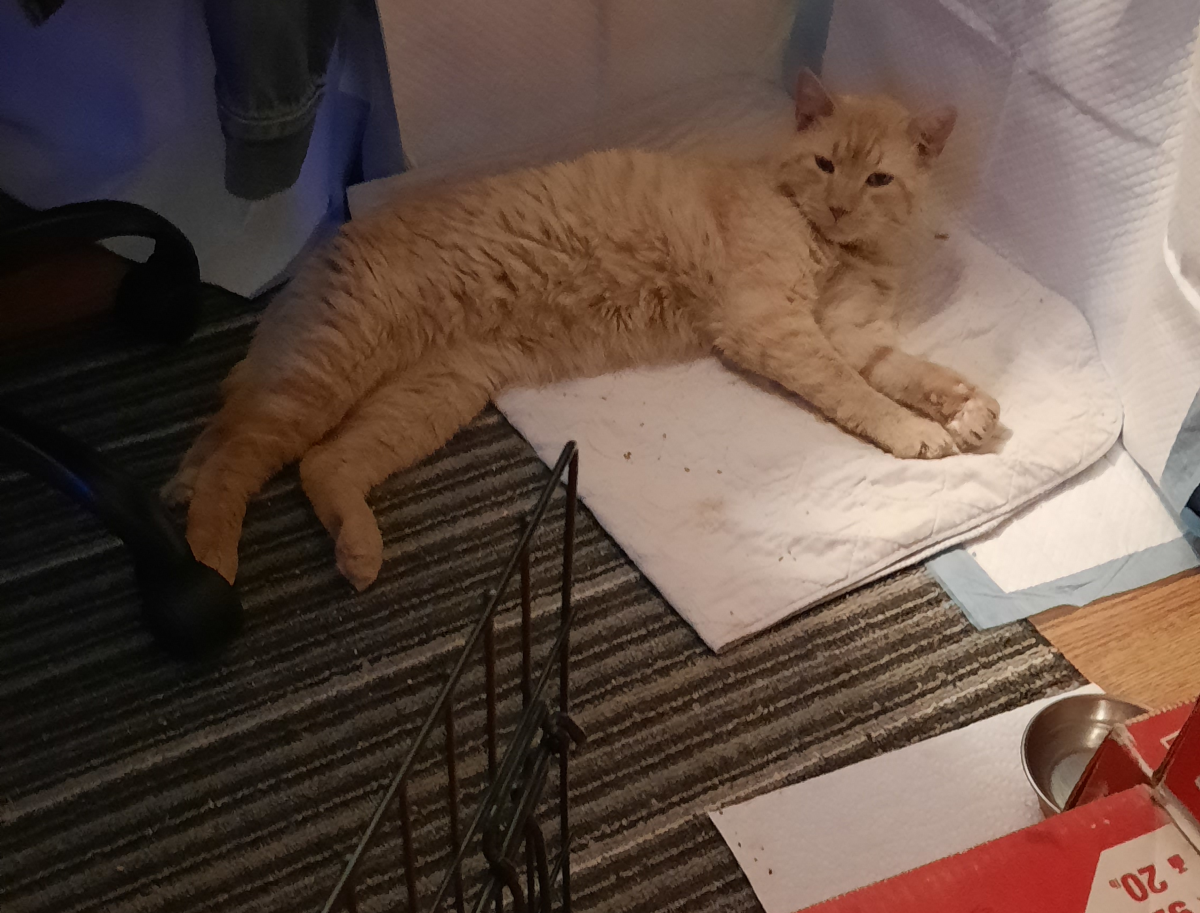 Stanley’s experience at BellenPaws provides a relevant example of why access to veterinary dental care matters for feral cats. Stanley was a feral stray who appeared at a friend’s door in need of help and was found to have a severe oral infection requiring urgent dental attention. His medical history also includes an enlarged heart with a murmur and pneumonia, illustrating how dental concerns can arise alongside other significant health problems. Stanley now lives with us in a loving home.
His experience should not be interpreted as evidence that every feral cat displaying unusual feeding behavior has a serious dental infection. It does, however, demonstrate how substantial oral disease may be present in an animal whose mouth cannot be readily inspected. External observations can help identify a concern and justify seeking care, but they cannot establish the condition of individual teeth or determine the appropriate treatment.
Making Long-Term Dental Care Practical for Community Cats
For caregivers responsible for several outdoor cats, routine dental examinations may not be realistic without substantial assistance. Veterinary expenses, transportation, limited trapping experience, and the difficulty of providing postoperative care can restrict the available options. Coordinating with community-cat organizations may help caregivers identify clinics, transportation resources, or financial assistance programs that would otherwise be difficult to locate. These arrangements are often most effective when established before an animal develops an urgent medical problem.
When a cat is already being trapped for a veterinary procedure, caregivers can ask whether an oral assessment is appropriate as part of the planned visit. A preliminary examination may identify visible abnormalities or indicate that a more complete dental evaluation should be considered. However, a normal-looking mouth during a brief inspection cannot rule out hidden dental disease, and adding procedures requires consideration of the cat’s health, available services, and recovery needs.
Long-term feeding observations remain useful after a cat has received dental treatment. Keeping track of the animal’s normal eating habits makes it easier to recognize recurring difficulty chewing, reduced intake, or changes in food preferences. If a cat requires further treatment, those records can help the veterinary team understand how symptoms have developed since the previous examination.
For cats who return to outdoor living, the most practical ongoing arrangement is one that accounts for both the animal’s medical needs and the realities of safe handling. Before release, the caregiver and veterinary team should agree on any necessary follow-up, how recovery will be assessed, and what signs would require another visit. A treatment plan that depends on repeated hands-on care may need to be reconsidered if the cat cannot safely tolerate that handling. Addressing these limitations during veterinary planning gives the animal a better opportunity to receive appropriate treatment and recover under conditions that can realistically be maintained.