

Digestive problems can become particularly frustrating when caring for an older dog or cat. A pet that has maintained a predictable bathroom routine for years may begin experiencing loose stools, constipation, excessive gas, or irregular bowel movements. These changes can affect appetite, comfort, and daily routines, especially when the animal is already managing a chronic medical condition.
Pumpkin and probiotics are frequently recommended for supporting digestive health in pets. Both are widely available and relatively easy to incorporate into feeding routines, which helps explain their popularity among pet owners. However, their benefits are sometimes overstated, and the circumstances in which they may help are not always well understood.
Pumpkin provides dietary fiber that can influence stool consistency, while probiotics contain live microorganisms intended to provide specific health benefits. They work through different mechanisms, and neither is an established treatment for every digestive problem. Understanding what these products can reasonably accomplish is particularly useful when caring for senior animals whose symptoms may be influenced by medications, hydration, existing illnesses, or dietary changes.
Understanding Digestive Changes in Older Dogs and Cats
Normal digestion depends on coordinated intestinal movement, adequate hydration, digestive secretions, and a diverse community of microorganisms. These processes allow nutrients to be absorbed while waste moves through the intestines. Changes in intestinal movement, water absorption, or the digestive environment can affect stool consistency and bowel frequency.
Older pets may have additional medical considerations that complicate digestive problems. Kidney disease can contribute to dehydration, hyperthyroidism can cause diarrhea in cats, and certain medications may produce gastrointestinal side effects. Reduced mobility can also make defecation more difficult, particularly in animals experiencing arthritis or discomfort when squatting.
An occasional soft stool in an otherwise comfortable animal may follow a dietary change or unfamiliar treat. Recurrent diarrhea, persistent constipation, or digestive symptoms accompanied by weight loss warrant greater attention. The Cornell Feline Health Center’s guidance on diarrhea explains that prolonged or recurring diarrhea in cats can sometimes reflect conditions outside the intestinal tract, including thyroid, kidney, and liver disease.
This is one reason digestive supplements should be considered in the context of the animal’s overall health. A change in stool consistency after adding pumpkin does not establish that an underlying medical problem has been resolved. When digestive symptoms repeatedly return, identifying their cause becomes more useful than continually adjusting supplements.
How Pumpkin Affects the Digestive System
 Plain pumpkin contains water, dietary fiber, and nutrients such as beta-carotene, which can be converted into vitamin A. Its potential usefulness for digestive problems comes primarily from its fiber content. Pumpkin contains soluble and insoluble fiber, both of which influence how material moves through the intestinal tract.
Soluble fiber absorbs water and may form a gel-like substance, depending on the particular fiber involved. This can influence stool consistency, although the degree of improvement depends on the animal’s digestive condition and the amount consumed. Some fermentable fibers are also broken down by intestinal microorganisms, producing short-chain fatty acids that participate in normal colon function.
Insoluble fiber contributes bulk to intestinal contents and may help stimulate intestinal movement in certain circumstances. However, increasing stool bulk can be counterproductive when an animal is dehydrated, has impaired intestinal movement, or is experiencing an obstruction. The appropriate type and amount of fiber depend on the underlying problem.
Pumpkin also contains less fiber than many owners realize. Although it is commonly described as a high-fiber food, the small servings typically added to pet meals provide relatively modest amounts. In a Tufts University discussion of pumpkin and pet nutrition, veterinary nutritionist Dr. Lisa Freeman explains that matching the fiber content of certain therapeutic diets would require impractically large amounts of pumpkin.
That limitation does not mean pumpkin can never be useful. It means the expected benefit should be realistic, particularly when an older pet has a recurring gastrointestinal problem that may require a more carefully formulated dietary approach.
Using Pumpkin for Mild Diarrhea
Pumpkin is sometimes recommended as a supportive measure for dogs experiencing mild, uncomplicated diarrhea. Its fiber may help improve stool consistency in certain animals, particularly when loose stools follow a temporary dietary disturbance. However, there is limited direct clinical research establishing how reliably ordinary canned pumpkin improves diarrhea in dogs.
Veterinary guidance from VCA Animal Hospitals on managing diarrhea in dogs includes small amounts of plain canned pumpkin among possible supportive measures after consultation with a veterinary team. The guidance also emphasizes maintaining appropriate nutrition, hydration, and observation during recovery. These measures are intended for suitable cases rather than animals experiencing severe or persistent symptoms.
Cats require somewhat different consideration because their nutritional requirements and common gastrointestinal disorders differ from those of dogs. Some cats may tolerate a small quantity of pumpkin, but its effectiveness for treating feline diarrhea has not been well established. Excessive additions can also reduce the proportion of complete, balanced food an animal consumes.
Recurring diarrhea in a senior cat deserves particular attention when accompanied by increased appetite, weight loss, vomiting, or changes in drinking habits. These symptoms can occur with several medical conditions, including hyperthyroidism and intestinal disease. Although pumpkin might influence stool consistency, it cannot address the hormonal, inflammatory, infectious, or other disorders that may be responsible.
Pumpkin and Constipation in Senior Pets
 Constipation occurs when stool becomes difficult to pass, often because excessive water has been absorbed while fecal material remains in the colon. Affected animals may produce small, hard stools, strain during defecation, or make repeated attempts without passing a normal bowel movement. Some also experience reduced appetite or discomfort as constipation becomes more severe.
Fiber can help certain forms of constipation, but its usefulness depends on hydration and normal intestinal movement. When stool is already dry and difficult to pass, increasing bulk without addressing the underlying problem may worsen discomfort. This is particularly relevant for older cats with chronic constipation or impaired colonic function.
The Cornell Feline Health Center’s discussion of constipation describes hydration, dietary modification, laxatives, and medications that influence intestinal movement as possible components of treatment. It also explains how severe, persistent constipation can progress to megacolon, a condition in which the colon becomes enlarged and loses its ability to move stool effectively.
Some constipated cats benefit from increased dietary fiber, while others may do better with different dietary formulations or medications. Pumpkin should not be viewed as a substitute for these treatments, especially when an animal has recurring difficulty passing stool. Owners should also avoid administering human laxatives or enemas without veterinary instructions, since some products can be dangerous for cats.
Understanding Probiotics and the Gut Microbiota
The gastrointestinal tract contains a complex community of bacteria and other microorganisms known as the gut microbiota. These organisms participate in digestion, interact with the intestinal immune system, and produce compounds that influence the intestinal environment. Their composition varies naturally between animals and can change in association with illness, medication, diet, and other factors.
Probiotics are live microorganisms that, when administered in adequate amounts, are intended to provide a health benefit. Certain strains may influence microbial activity or help support digestive function, although the effects depend on the organism and the condition being addressed. Probiotics do not necessarily establish permanent colonies in the intestine, and changes in bacterial populations do not automatically translate into measurable health improvements.
Veterinary probiotic products may contain organisms from groups such as Lactobacillus, Bifidobacterium, and Enterococcus. Some formulations contain a single strain, while others combine several microorganisms. The identity of the strain matters because closely related organisms may have different properties and clinical effects.
This makes probiotic selection more complicated than choosing a product with the largest number of bacteria. Evidence supporting one particular strain cannot automatically be applied to every product containing the same bacterial species. Manufacturing quality, storage conditions, and the number of viable organisms at the time of administration also influence whether a product delivers what its label promises.
What Veterinary Research Says About Probiotics
 Research into probiotics for dogs and cats has produced some encouraging findings, but the evidence remains inconsistent across different products and digestive conditions. Certain strains have demonstrated benefits in particular studies, while others have shown little meaningful effect. Much of the available research also involves relatively small numbers of animals.
A set of 2024 European veterinary guidelines examining acute diarrhea in dogs did not recommend either for or against probiotic treatment as a general practice. The supporting evidence did not demonstrate a clinically meaningful overall improvement in the duration of acute diarrhea across the studies reviewed. The authors recognized that decisions about probiotic use could still depend on clinical circumstances and owner preferences.
Research involving cats is more limited. A 2025 systematic review and meta-analysis of probiotics and related supplements in cats examined 20 reports, including studies involving healthy animals and cats with gastrointestinal concerns. Five of seven probiotic trials showed effects favoring improved stool consistency, but these findings did not establish a consistently reliable clinical benefit.
The researchers also identified limitations involving small sample sizes, differences between products, and insufficient evidence involving sick or otherwise vulnerable cats. They concluded that additional research was needed before broadly recommending these supplements. Results involving healthy young cats cannot automatically be applied to seniors with kidney disease, diabetes, intestinal disorders, or several concurrent medical problems.
These findings help explain why probiotics may be useful in selected circumstances without being necessary for every older pet. A veterinarian may recommend a particular formulation when there is reasonable evidence or clinical justification for its use. Routine supplementation without a defined purpose is less clearly supported.
Choosing an Appropriate Probiotic for Dogs and Cats
Commercial probiotics differ in microorganism identity, concentration, formulation, and quality-control standards. Their labels commonly display colony-forming units, abbreviated CFUs, which estimate the number of viable microorganisms present. A higher CFU count does not automatically mean a product will produce better results.
A useful probiotic label should identify its microorganisms clearly, ideally including the strain designation. It should also provide an expiration date, appropriate storage instructions, and information about the quantity of viable organisms. Manufacturers should be able to explain their quality-control procedures and provide evidence supporting the product’s intended use.
Cornell University’s guidance on choosing probiotics for dogs discusses these labeling considerations and the value of research supporting individual products. Owners should also recognize that a supplement marketed for general digestive wellness may not have been tested in animals with a specific gastrointestinal disease.
Human probiotic supplements are not necessarily suitable substitutes for veterinary formulations. They may contain different strains, additional ingredients, or concentrations that have not been evaluated for the animal’s circumstances. Yogurt is similarly unreliable as a probiotic treatment because its bacterial content varies, and some pets do not tolerate dairy products well.
Probiotics are generally well tolerated by many otherwise healthy animals, although gas or changes in stool consistency can occur. Additional caution is warranted for pets with severely impaired immune function or serious systemic illness because introducing live microorganisms may carry greater risk. Product selection should account for the animal’s medical history rather than relying solely on the supplement’s marketing claims.
Combining Pumpkin and Probiotics
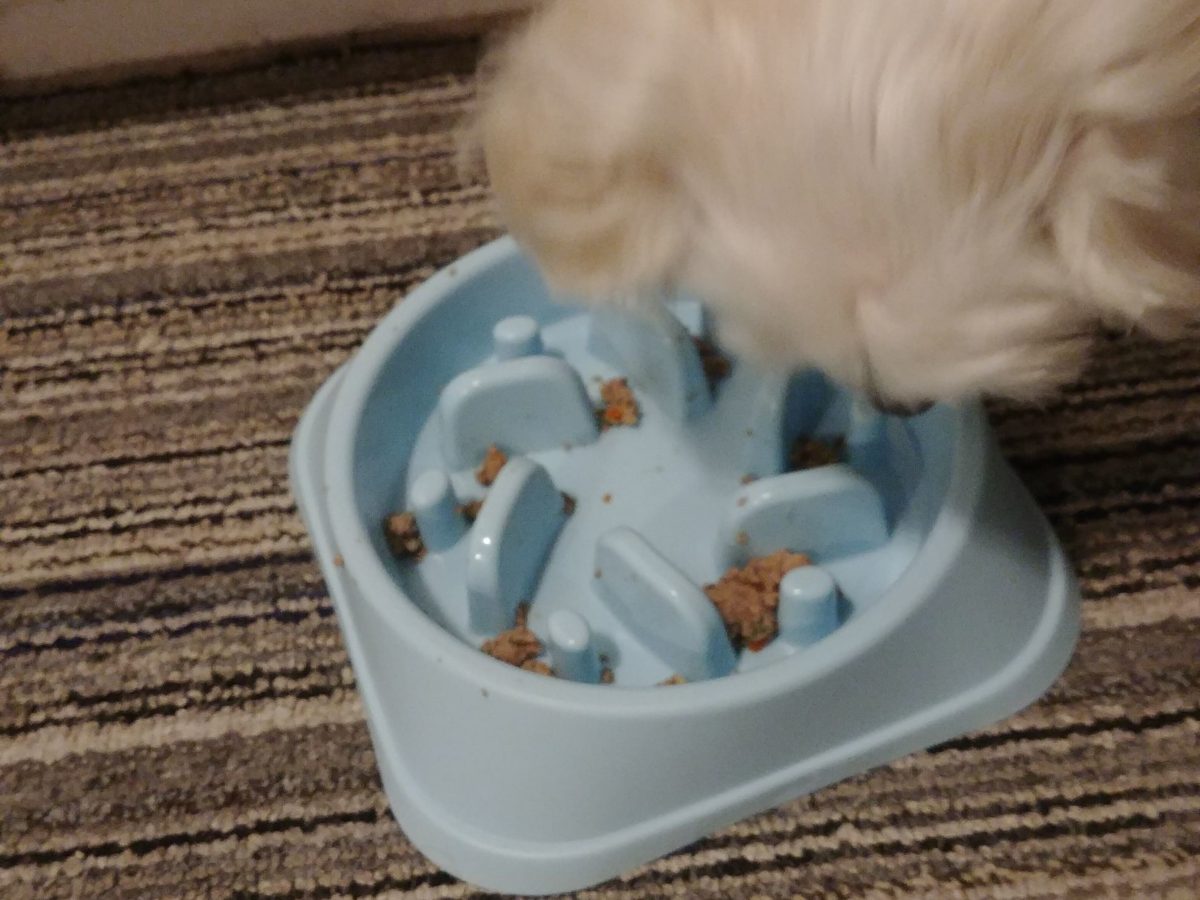 Pumpkin and probiotics influence different aspects of intestinal function, which makes their combined use appealing to some pet owners. Pumpkin supplies dietary fiber, while probiotics introduce selected microorganisms. Certain fibers can also serve as substrates for intestinal bacteria, a property associated with prebiotic activity.
However, ordinary pumpkin should not be assumed to act as a clinically effective prebiotic simply because it contains fiber. The fermentability and effects of dietary fibers vary, and there is limited direct veterinary evidence demonstrating that combining pumpkin with a commercial probiotic improves digestive outcomes more than either intervention alone.
Introducing both at the same time creates another practical difficulty. If the animal develops gas, loose stools, or reduced appetite, identifying which addition contributed to the change becomes difficult. When both are considered appropriate, introducing one at a time can make the response easier to evaluate.
The total amount added to the diet also matters. Large quantities of pumpkin or supplement treats can displace food that provides complete and balanced nutrition. Older pets with reduced appetite or declining muscle mass may be particularly vulnerable to unnecessary reductions in protein and calorie intake.
Special Considerations for Diabetic Pets and Animals With Chronic Illness
Dietary consistency is particularly relevant for diabetic dogs and cats. Meal composition, food intake, and feeding schedules can influence glucose regulation, especially in animals receiving insulin. Certain dietary fiber formulations have roles in diabetes management, but adding pumpkin should not be assumed to produce the same effects as a carefully selected therapeutic diet.
At BellenPaws, our experience managing feline diabetes has reinforced the practical value of consistent feeding routines and careful glucose records. We have managed Zippy through diabetic remission and continue managing Bentley with twice-daily insulin and structured monitoring. Those experiences make us especially attentive to changes in food intake, although they do not establish that pumpkin or probiotics improve diabetic control.
If a diabetic animal develops diarrhea, vomiting, or reduced appetite, its normal insulin and feeding routines may be affected. Owners should follow their established veterinary sick-day instructions and seek timely guidance when those instructions do not cover the situation. Insulin adjustments should not be made solely because a supplement has been introduced or digestive symptoms have appeared.
Kidney disease presents a different set of considerations. Animals with impaired kidney function may be more vulnerable to dehydration, while therapeutic renal diets are formulated to control specific nutrients. Adding substantial amounts of other foods can interfere with the intended nutritional balance.
Ingredient labels deserve attention for pets with kidney or heart disease. Some canned pumpkin products contain added salt, while pumpkin pie filling may contain sugar, spices, and other unsuitable ingredients. Unsalted, unseasoned pumpkin avoids these additions, although it still needs to fit the animal’s overall dietary requirements.
Introducing Digestive Supplements Into an Established Feeding Routine
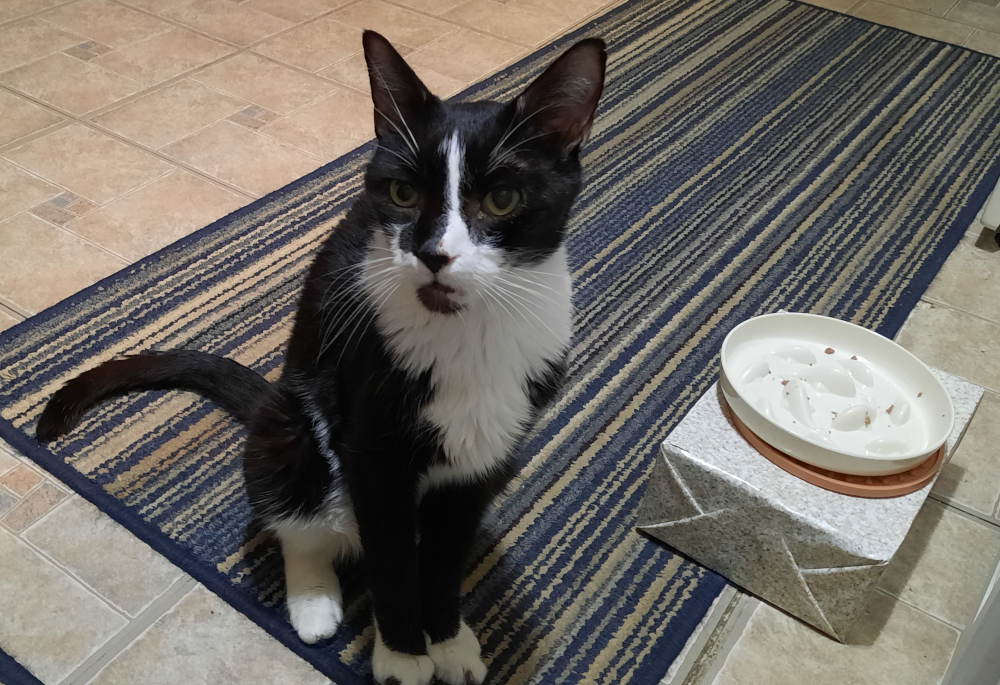 For pets whose dietary needs permit pumpkin, plain cooked pumpkin or unsweetened, unseasoned canned pumpkin is the simplest option. Products containing added salt, spices, sweeteners, or pie-filling ingredients should be avoided. Pumpkin should be cooked until soft, with the tough rind and seeds removed, rather than served as large pieces of raw squash.
There is no single serving size appropriate for every dog or cat. Body size, calorie requirements, digestive symptoms, and existing medical conditions all influence how much additional fiber may be suitable. A small quantity used as an occasional food addition is very different from the amount needed to achieve a therapeutic increase in dietary fiber.
Probiotics should be administered according to the instructions for the selected product and any guidance provided by the veterinary team. Some are designed to be mixed with food, while others come in capsules, powders, or pastes. Storage requirements should be followed carefully because excessive heat, moisture, or improper handling may reduce the viability of certain organisms.
Food acceptance is another consideration that becomes particularly relevant with older cats. An animal that refuses a meal because its smell or texture has changed may lose more nutritional benefit than the supplement could reasonably provide. For pets receiving medications with meals or following carefully timed feeding schedules, maintaining a dependable appetite may take priority over adding optional digestive products.
Recognizing Digestive Symptoms That Require Medical Attention
Persistent gastrointestinal symptoms should not be managed indefinitely through supplements. Recurrent diarrhea, ongoing constipation, unexplained weight loss, or changes in appetite may reflect conditions requiring examination and diagnostic testing. An older animal with several medical problems may also become dehydrated or nutritionally compromised more quickly during a digestive illness.
Prompt veterinary attention is warranted when diarrhea or constipation is accompanied by repeated vomiting, marked weakness, significant abdominal pain, or inability to retain food or water. Black, tarry stools and substantial bloody diarrhea also require urgent assessment. Repeated straining without producing stool, especially when accompanied by discomfort or vomiting, should not be treated by simply adding more fiber.
Cat owners must also distinguish difficulty defecating from difficulty urinating. A cat repeatedly visiting the litter box and producing little or no urine may have a urinary obstruction, which is a medical emergency. Male cats are particularly susceptible because of their urinary anatomy, and delaying treatment can become life-threatening.
Not every isolated soft bowel movement requires emergency care, particularly when an animal is eating normally, behaving comfortably, and remaining hydrated. The pattern of symptoms, their severity, and the animal’s medical history help determine the appropriate response. A senior pet with chronic illness may need assessment sooner than an otherwise healthy animal experiencing the same mild symptom.
Monitoring Stool Changes and Digestive Comfort
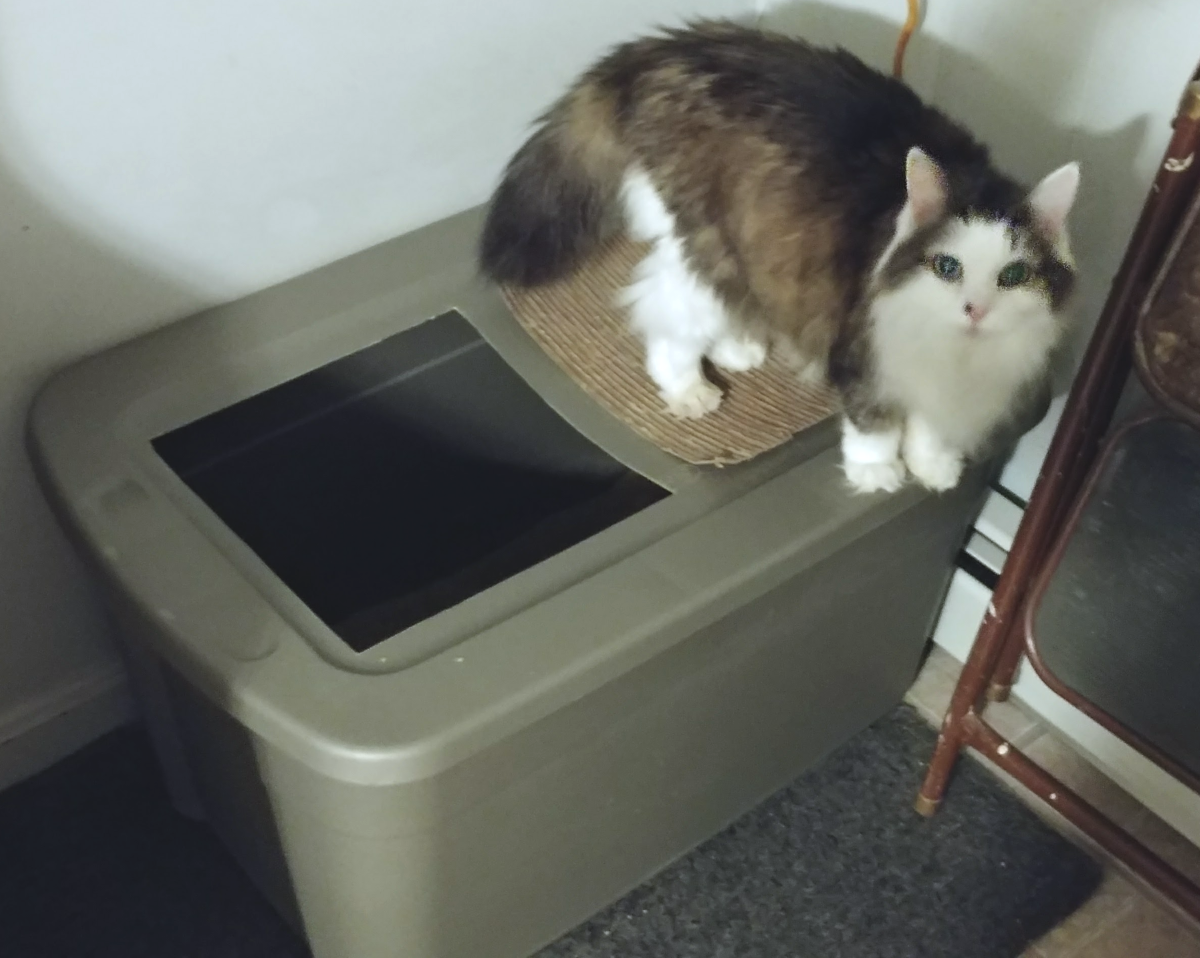 Recording bowel movements provides useful information when evaluating digestive problems or changes in diet. Stool consistency, frequency, straining, appetite, vomiting, and unusual drinking habits can help establish whether symptoms are improving or becoming more frequent. Notes about newly introduced foods, supplements, and medications add further context.
Stool descriptions should be reasonably specific. Soft but formed stools differ from frequent watery diarrhea, while small, hard stools differ from repeated unsuccessful attempts to defecate. Photographs can be useful when an unusual appearance is difficult to describe, particularly if the condition has improved before the veterinary appointment.
Households with multiple pets may find it difficult to determine which animal is experiencing digestive changes. Separate feeding locations, supervised bathroom opportunities, or temporary adjustments to litter box access may help identify the affected pet. Accurate observations are more useful than detailed records based on uncertainty about which animal produced a particular stool.
If pumpkin or a probiotic has been introduced, recording the amount, timing, and subsequent digestive changes can help evaluate whether it appears beneficial. An improvement lasting only a day or two may reflect the natural course of a temporary digestive disturbance rather than a reliable supplement effect. Persistent gas, reduced appetite, or worsening stools may indicate poor tolerance and should be included in any reassessment.
Building a Digestive Care Plan That Can Change With Your Pet’s Needs
An older pet’s digestive requirements may change as existing medical conditions progress or new medications become necessary. A food adjustment that was helpful several months earlier may no longer be appropriate if appetite, hydration, body weight, or intestinal function has changed. Periodic reassessment allows nutritional decisions to reflect the animal’s current health rather than continuing a routine simply because it once seemed beneficial.
Some pets with chronic digestive disorders benefit from veterinary therapeutic diets containing selected fiber sources and carefully controlled nutrient levels. Others require diagnostic evaluation, medication, or treatment directed at a specific disease. Pumpkin and probiotics may have a place within these plans, but their usefulness should be judged by meaningful outcomes such as more consistent bowel movements, adequate food intake, and improved digestive comfort.
The practical goal is to establish a feeding and care routine that remains manageable for both the animal and the household. That might involve a prescribed gastrointestinal diet, a well-supported probiotic, a carefully measured fiber supplement, or no additional products at all. Maintaining accurate records of what the pet eats and how its digestive system responds provides a sound basis for adjusting that routine when circumstances change.