
Love Should Not Be Measured in Extra Food
Pet obesity is one of those problems that sneaks in quietly. It rarely happens all at once. A few extra treats after dinner, a little more kibble because the bowl looked sad, a bite of chicken from the counter, a spoonful of canned food because those eyes were doing their job. Then one day, the collar feels tighter, the stairs look harder, and your best friend is resting more than playing.
That moment can sting. I know it does. As pet parents, food becomes one of the easiest ways to show love. We celebrate with food. We comfort with food. We apologize with food when we have been gone too long. The trouble is that our pets do not understand calories, arthritis risk, insulin resistance, heart strain, or why extra weight makes an older body work harder. They only understand the routine we create for them.
Managing obesity does not mean turning your home into a joyless ration camp. It does not mean making your dog or cat feel punished. It means learning how to feed with care instead of guilt. That shift matters. A healthy weight plan should feel like support, not deprivation.
Obesity Is Not Just a Cosmetic Issue
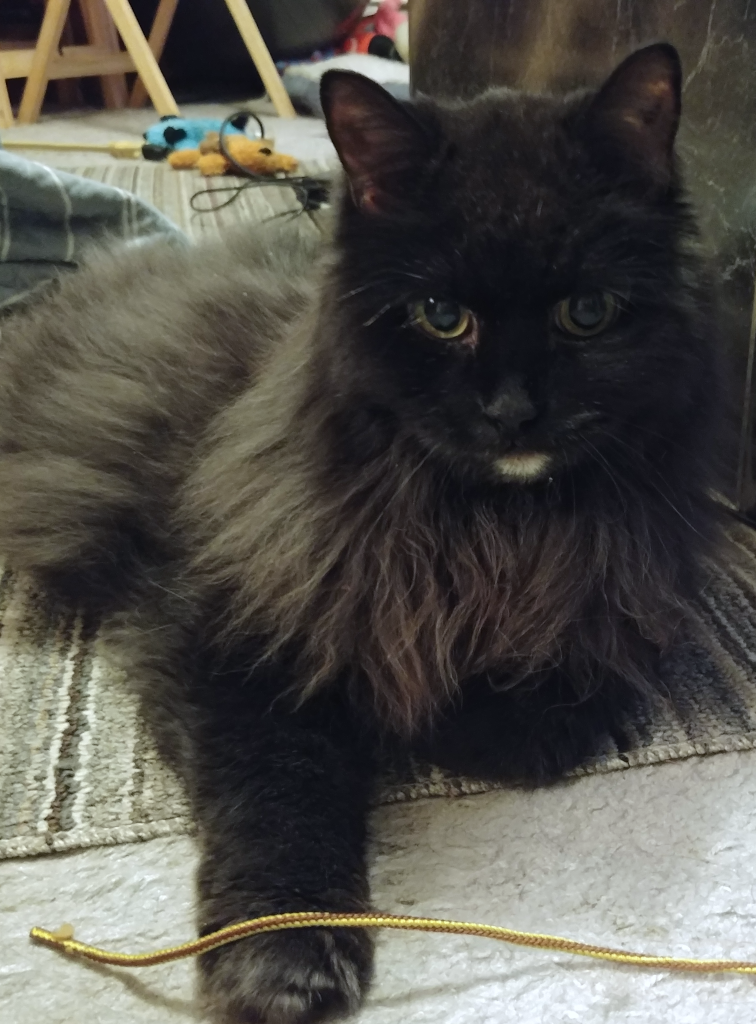 A chunky cat or round-bellied dog can look adorable. I get it. Some pets carry extra weight in a way that makes them seem softer, cuddlier, and more huggable. But extra fat is not harmless padding. It adds stress to joints, makes movement harder, and can worsen breathing, grooming, blood sugar control, and overall comfort.
For senior pets, the effects can show up faster. An older cat who is overweight may stop jumping onto favorite furniture. A dog who once loved walks may start lagging behind halfway down the block. Sometimes pet parents think their animal is just “getting old,” when weight is quietly making every normal activity harder.
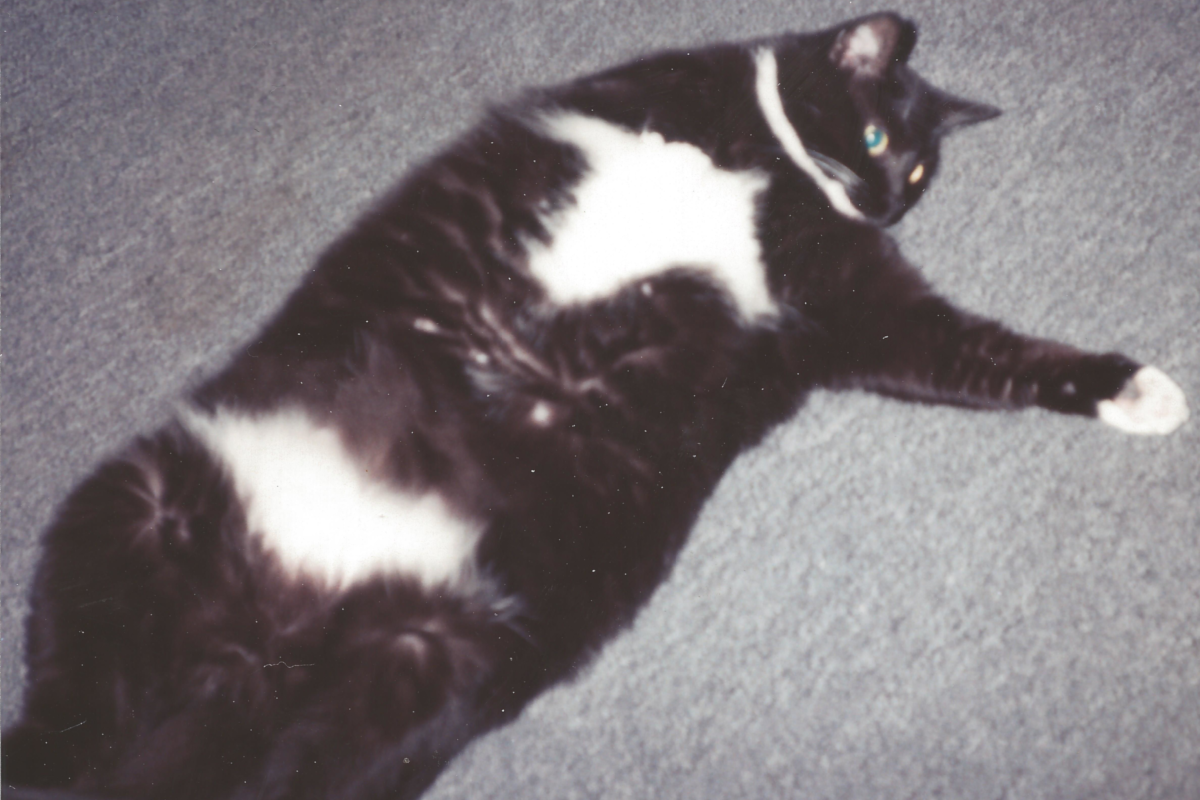
We saw weight struggles in our own home over the years. Bonnie dealt with obesity, and Blackie had obesity along with other health problems. Those experiences taught me that weight management is emotional. You are not just changing food. You are changing rituals, expectations, and the way your pet asks for attention.
That is why shame has no place here. Guilt does not help pets lose weight. A steady plan does.
Start With the Vet, Not the Measuring Cup
Before cutting food, changing brands, or switching to a diet formula, talk with your veterinarian. That step matters even more for seniors, diabetic pets, cats, and animals with kidney disease, thyroid disease, heart problems, arthritis, or digestive issues.
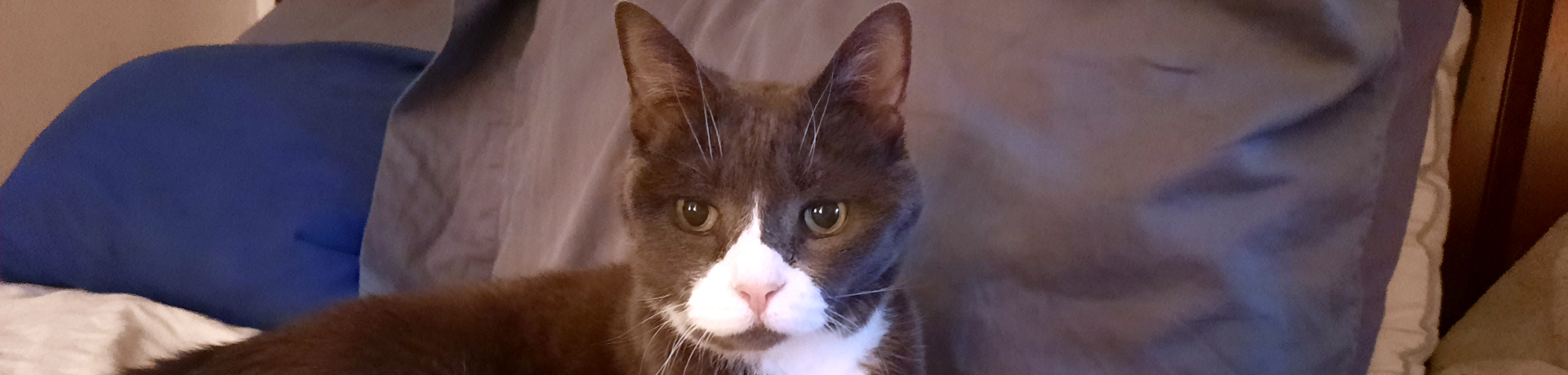
Weight gain can be tied to overfeeding, but it can also be linked with medical issues, medication changes, lower activity, pain, or hormonal problems. Hyperthyroid cats often lose weight, but treated thyroid disease, kidney disease, diabetes, and aging can make feeding decisions more complicated. A diabetic pet like our Bentley cannot be treated like a young, healthy pet who simply needs fewer snacks. His food, insulin, timing, appetite, and blood sugar patterns all live in the same neighborhood.
Your vet can help estimate a healthy target weight, check body condition, and suggest a safe rate of loss. For cats especially, crash dieting is dangerous. Cats need steady nutrition, and rapid weight loss can create serious liver problems. Dogs also need a plan that protects muscle and energy, not just a smaller number on the scale.
A good plan starts with information. Current weight. Body condition. Muscle condition. Health history. Food amounts. Treat habits. Activity level. From there, you can make changes without guessing.
Starving Is Not a Weight Loss Plan
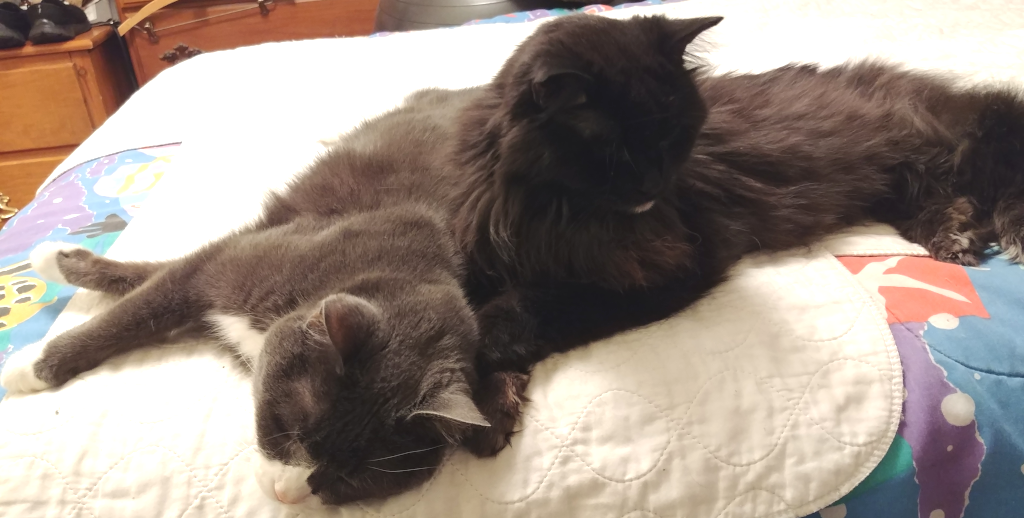 The worst weight loss plan is the one that makes your pet miserable. Simply cutting the bowl in half can backfire. Your pet may become anxious, beg more, raid trash, steal food, wake you up, or start guarding meals. Worse, they may lose muscle instead of fat if the diet is poorly balanced.
A better plan focuses on the right amount of the right food. Many pets need fewer calories, but they still need protein, nutrients, fiber, moisture, and satisfaction. That is where a vet-approved weight management food can help. These diets are often designed to provide more volume with fewer calories, while still giving the body the nutrients it needs.
For some pets, the answer is not a new food. It may be accurate measuring, fewer treats, better meal timing, or stopping the hidden calories that sneak in all day. Every household is different. Some pets gain weight because their meals are too large. Others gain because four people are “just giving one little treat,” and nobody realizes the pet is getting a buffet by sunset.
The goal is not hunger. The goal is controlled fullness.
Measure Like It Matters, Because It Does
Eyeballing pet food is a trap. Scoops vary. Bowls vary. A “cup” can become a heaping mountain without anyone meaning harm. For small pets, even tiny overages add up quickly. A few extra pieces of kibble may not look like much to us, but to a cat or small dog, it can be the difference between maintenance and slow weight gain.
Use an actual measuring cup, or better yet, a small kitchen scale. Weighing food in grams is more consistent than scooping. Once you know the daily amount, divide it into meals. That makes the plan easier to follow and helps prevent the “did I feed you already?” problem that pets are absolutely willing to exploit.
Write the amount down somewhere visible. Put it on the fridge, near the food bin, or in a shared phone note. Everyone in the house should know the daily limit. One person cannot manage a pet’s weight while another person is secretly running a snack casino in the living room.
For diabetic pets, tracking becomes even more useful. On BellenPaws, our free online pet diabetes tracker can help record blood sugar readings, insulin doses, food notes, and printable charts for vet visits. Even for non-diabetic pets, the habit of writing things down can reveal patterns you would otherwise miss.
Treats Need a Job
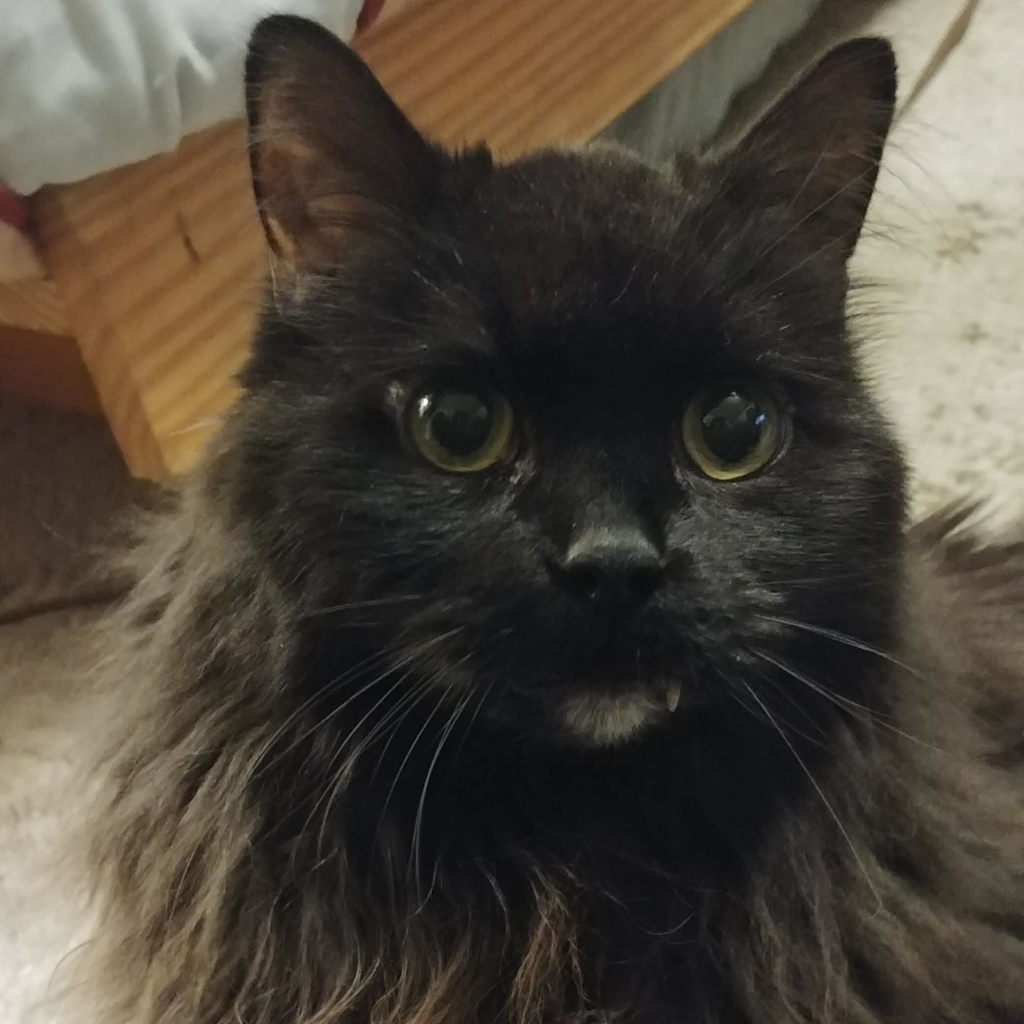 Treats are not evil. I will never be the person who says pets should never get treats. That feels cold, and it ignores the bond we have with them. Treats can help with training, medication, grooming, testing, nail trims, and trust. The problem starts when treats become constant background noise.
A treat should have a job. It can reward a behavior. It can make a medical task less stressful. It can mark bedtime. It can help an older pet feel included. But it should not be handed out every time a pet looks bored.
Break treats into tiny pieces. Most pets care more about the moment than the size. A pea-sized bite can mean just as much as a whole biscuit. For dogs, small pieces of safe vegetables may work, depending on the pet and the vet’s advice. For cats, a few pieces of their regular kibble can be reserved from the daily amount and used as treats.
The magic trick is simple. Treats come out of the daily calorie budget. They do not float in a separate universe where calories vanish.
Begging Is Often About Attention
Pets are brilliant little pattern readers. If meowing at the cabinet gets food, they will meow at the cabinet. If staring at your sandwich gets a bite, they will stare harder tomorrow. If pawing your leg gets a snack, congratulations, you have been trained.
A lot of begging is not true hunger. It is habit, boredom, attention-seeking, or routine. That does not mean your pet is being bad. It means they learned what works.
Replace food attention with non-food attention. Brush your cat. Sit on the floor with your dog. Offer a short play session. Walk to the mailbox together. Use a puzzle feeder. Hide a few pieces of kibble around the room. Give them a job that does not end in extra calories.
This matters because pets still need pleasure. Taking away snacks without replacing the ritual can feel harsh to them. Keep the love. Change the delivery method.
Movement Should Match the Body in Front of You
Exercise helps, but overweight pets should not be thrown into sudden intense activity. A heavy senior dog with sore joints does not need a forced march. A cat who has been sleeping most of the day will not turn into a tiny athlete overnight.
Start gently. For dogs, that may mean shorter, more frequent walks instead of one long walk. Five to ten minutes may be enough at first. Let the body adapt. Watch for limping, heavy panting, lagging, stiffness, or reluctance the next day.
For cats, movement usually works best as play. Wand toys, treat puzzles, food hunts, tunnels, and short chase games can help. Keep sessions brief. Cats often prefer bursts of play instead of long workouts. Even a few minutes several times a day can help an overweight cat reconnect with movement.
Senior pets may need pain support before they can move more. Arthritis is common, and many animals hide discomfort well. If your pet avoids stairs, struggles to stand, hesitates before jumping, or seems stiff after naps, ask your vet about pain management before assuming laziness.
Fullness Can Be Built Into the Meal
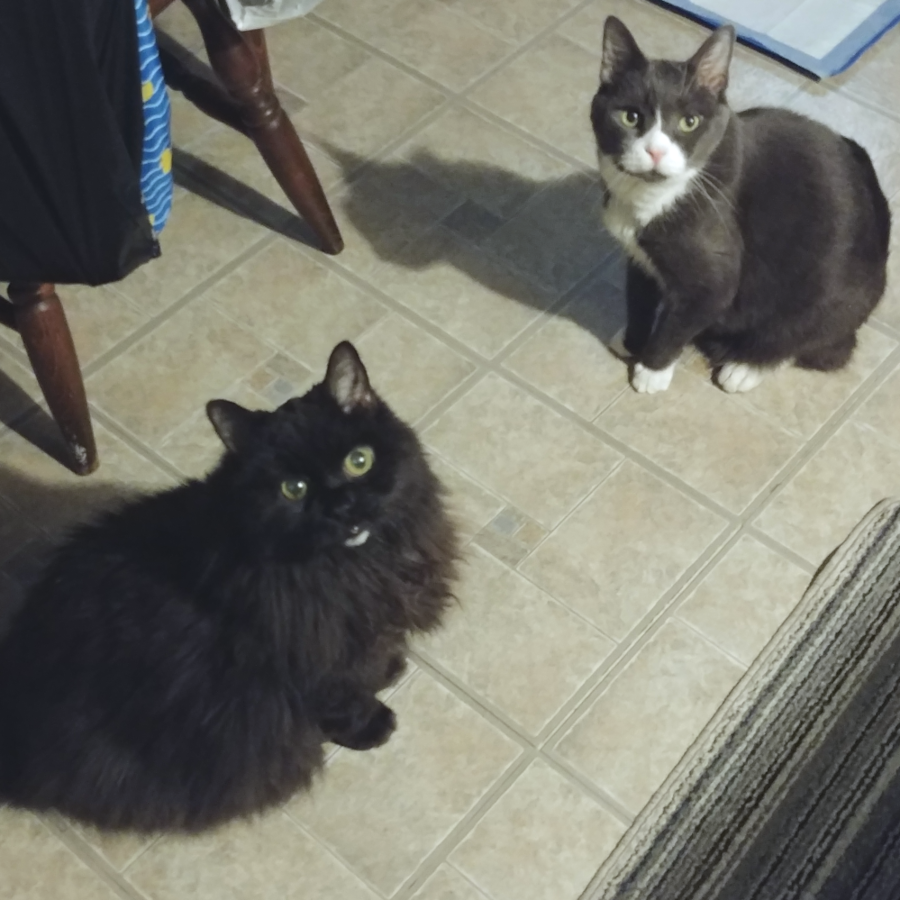 Some pets do better when their meals feel larger. That does not mean adding calories. It means adding volume in a safe, planned way.
For dogs, some vets may approve low-calorie additions like green beans, plain pumpkin, or extra water mixed into meals. These can help some dogs feel fuller without turning the bowl into a calorie bomb. Not every food is safe for every dog, and cats are a different story, so ask before adding extras.
Moisture can help too. Wet food may be useful for some pets because it often contains more water and can feel satisfying. For diabetic cats, low-carbohydrate wet food is often part of the broader conversation, but insulin, glucose readings, and vet guidance must be considered. Food changes can affect blood sugar. That is not something to wing.
Slow feeders and puzzle bowls can also help. They stretch mealtime and reduce gulping. A pet who finishes dinner in thirty seconds may feel cheated. A pet who works through a puzzle feeder for several minutes gets more mental engagement from the same measured amount.
Multi-Pet Homes Need Rules
Weight loss gets harder in a house with multiple animals. One pet needs fewer calories. Another is thin. One eats fast. Another grazes. One has kidney disease. Another has diabetes. One steals like a furry criminal with no remorse.
Free-feeding can become a problem in these homes. If food sits out all day, the pet who needs the least may eat the most. Meal feeding gives you more control. Separate rooms, baby gates, microchip feeders, raised feeding spots, and timed feeding routines can all help.
This can feel like a hassle at first. Then it becomes normal. In our house, with multiple pets and different medical needs, we learned that feeding systems matter. The bowl is not just a bowl anymore. It is part of care.
For diabetic pets, scheduled meals are often tied closely to insulin routines. For kidney pets, appetite and food type may be a daily concern. For overweight pets, portions matter. A shared bowl cannot respect all those needs.
Progress Is More Than the Scale
 The scale matters, but it is not the only sign of progress. A pet may move better before the number changes much. They may climb stairs more easily. They may groom better. They may breathe more comfortably. They may play longer or rise from bed with less effort.
Take photos from above and from the side every few weeks. Use the same angle and lighting. Ask your vet to show you how to feel ribs and judge waist shape. Body condition scoring is often more useful than obsessing over a single pound.
For small pets, tiny changes matter. A one-pound loss in a cat can be a big deal. A few ounces can matter. This is another reason to avoid crash plans. Slow loss protects the body and gives habits time to settle.
Keep a simple log. Date, weight, food amount, treats, activity, and any behavior changes. You do not need a complicated spreadsheet unless you love spreadsheets. A notebook works. A printable chart works. A shared note works. For diabetic pets, printable glucose curve forms and tracker charts can also help you show your vet how food changes and glucose patterns may be interacting.
The Human Side Is the Hardest Part
The pet usually adjusts faster than the people. That sounds funny, but it is true. We are the ones who feel guilty. We are the ones who miss handing over the extra bite. We are the ones who read disappointment into every stare.
Pets thrive on routine. Once the new routine becomes predictable, many settle in. The begging may spike at first because the old trick used to work. Stay calm. Offer attention. Stick to the plan. Do not turn one sad look into three extra snacks.
This is also where the whole family has to be honest. Secret feeding ruins progress. So does “just this once” every single day. If someone in the home cannot resist giving treats, give them a measured treat container for the day. Once it is empty, treats are done. No drama. No blame. Just a system.
Love is not the extra biscuit. Love is helping your pet breathe easier, walk farther, groom better, and stay comfortable in the body they have.
Senior Pets Deserve Comfort, Not Crash Diets
Senior pets need special care during weight loss. Their muscle matters. Their joints matter. Their appetite matters. Their medical history matters. A senior cat with kidney disease, a dog with arthritis, or a diabetic pet on insulin should never be pushed through a harsh diet plan copied from a random comment online.
Older pets can lose strength if calories are cut too aggressively or protein is not handled properly. They may also have dental pain, nausea, medication effects, or diseases that change appetite. Weight management in seniors should be steady, kind, and watched closely.
Comfort still counts. Soft bedding, easier access to litter boxes, ramps, non-slip rugs, raised bowls for some dogs, and shorter walks can all support the process. The more comfortable a pet feels, the more willing they may be to move.
This is not about chasing a perfect body shape. It is about reducing the burden extra weight places on an aging body.
Diabetic Pets Need Extra Care With Weight Changes
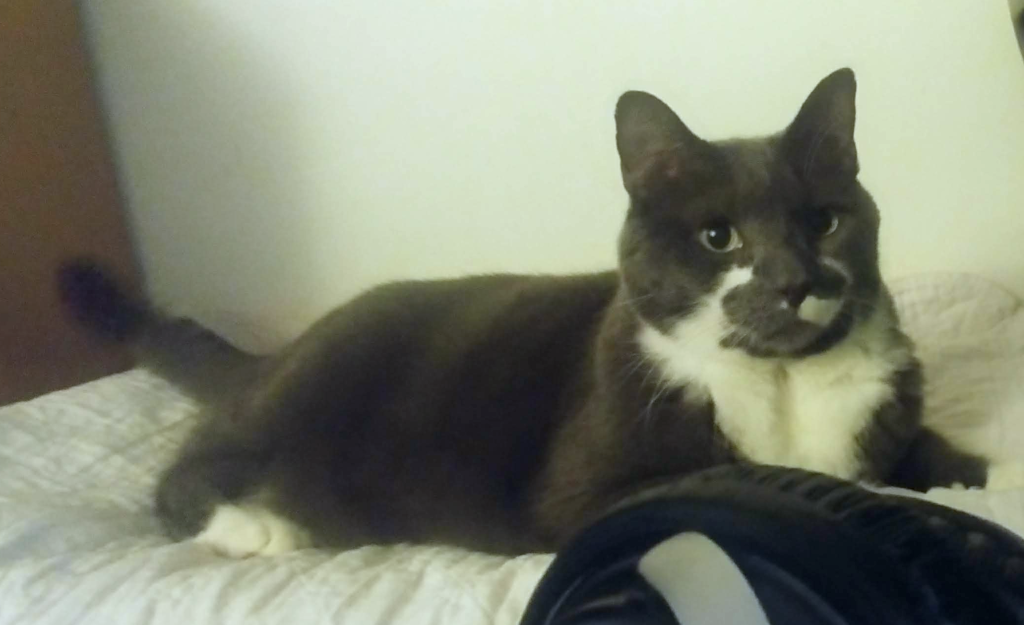 Obesity and diabetes often cross paths, especially in cats. Weight loss may help some diabetic pets, but food changes can alter insulin needs. That makes home tracking and vet communication very useful.
With Zippy, tight regulation helped him reach remission. With Bentley, we still live the twice-a-day insulin routine. Those experiences make me very cautious about sudden diet changes in diabetic pets. A lower-calorie food, a lower-carb food, a missed meal, or a big appetite change can affect glucose readings. That does not mean change is impossible. It means change should be watched.
For diabetic pets, weight management is not just “feed less.” It is timing, consistency, glucose data, insulin safety, and appetite awareness. Our free BellenPaws diabetes tracker was built with that kind of daily reality in mind, including printable charts you can bring to your vet.
A Better Bowl Is an Act of Love
A better bowl is measured. It is planned. It fits the pet’s health, age, and daily routine. It leaves room for small joys without letting food become the only language of affection.
Some pets will need prescription weight management diets. Some will need smaller portions of their current food. Some will need more moisture, more movement, fewer treats, or better household rules. Some will need bloodwork before any plan makes sense. The right answer depends on the animal in front of you.
The kindest weight loss plans do not punish pets for being overweight. They protect them from the slow discomfort that extra weight can bring. They replace guilt with structure. They replace random feeding with steady care. They let treats stay special without letting them quietly harm the animal we are trying so hard to love.