
A multi-level home can become difficult to manage when an aging dog or cat begins struggling with stairs. An animal that once moved freely between floors may start hesitating at the first step, stopping halfway up, or avoiding the staircase entirely. Eventually, even a familiar flight of stairs may become an obstacle that your pet can no longer manage safely.
For pet owners, this creates practical problems that extend well beyond helping an animal upstairs. Bedrooms, feeding areas, litter boxes, favorite resting spots, and access to the outdoors may all be located on different levels. A pet that can no longer reach these places needs a living arrangement that accommodates its physical limitations without unnecessarily disrupting established routines.
Fortunately, making a multi-level home manageable does not always require expensive renovations or specialized equipment. Rearranging living spaces, improving traction, and providing appropriate mobility assistance can help an animal remain comfortable and active. The best approach begins with understanding why stairs have become difficult and identifying which activities your pet can still perform safely.
Understanding Why Stairs Become Difficult
Climbing stairs requires strength, coordination, balance, and the ability to shift body weight between limbs. Descending can be particularly challenging because an animal must control its forward movement while supporting its weight. Joint pain, muscle weakness, neurological problems, and impaired vision can interfere with these movements, sometimes making one direction considerably harder than the other.
Osteoarthritis is a common reason older dogs develop difficulty using stairs. This degenerative joint disease involves progressive changes within affected joints that can produce pain, stiffness, and reduced mobility. The Cornell University College of Veterinary Medicine’s information on canine osteoarthritis identifies difficulty using stairs, reluctance to exercise, altered walking patterns, and trouble rising from a resting position among its possible signs.
Cats frequently demonstrate mobility problems differently. Rather than displaying an obvious limp, an older cat may stop visiting an upstairs bedroom, abandon a favorite elevated perch, or choose a downstairs sleeping location. These changes can develop gradually enough that owners initially interpret them as ordinary behavioral preferences.
The Cornell Feline Health Center’s guidance on senior cats explains that arthritis can interfere with access to litter boxes, food, and water, particularly when jumping or climbing stairs is necessary. An older cat that no longer travels between floors may be avoiding discomfort rather than simply losing interest in exploring the house.
Stair-related difficulties should not automatically be attributed to arthritis or normal aging. Spinal disease, previous injuries, neurological conditions, and illnesses affecting strength or coordination may produce similar problems. A veterinary examination can help identify the underlying cause and determine whether treatment or rehabilitation could improve mobility.
Sudden loss of movement deserves particular attention. An animal that abruptly cannot stand, develops paralysis, experiences severe pain, or becomes unable to walk without assistance needs emergency veterinary assessment. Until the cause is understood, avoid forcing the animal to walk or attempting unnecessary transfers that could worsen an injury.
Creating a Comfortable Living Area on One Floor
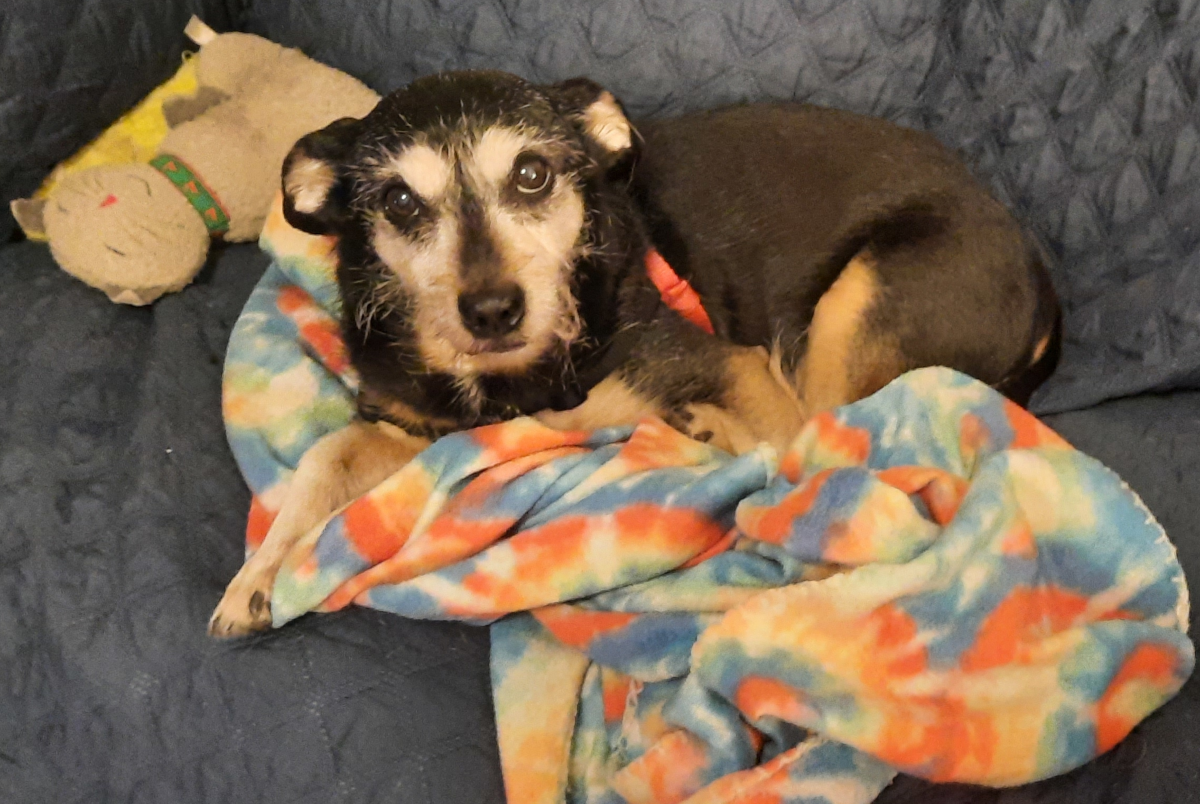 When stairs are no longer safe, establishing a primary living area on a single level is often the most practical solution. This allows your pet to reach essential resources without depending on someone to carry or assist them throughout the day. The arrangement may be temporary during recovery or become a permanent accommodation for an animal with lasting mobility limitations.
Start by identifying the floor where your pet already spends most of its time. Ideally, this area should provide convenient access to household activity, comfortable resting locations, and essential daily routines. A downstairs living room or family room often works well, particularly when an exterior door is nearby.
The primary living area should include food, water, bedding, and any other resources your pet uses regularly. Cats also need an accessible litter box positioned away from feeding areas and household disturbances. A scratching surface and a low resting platform may help preserve familiar activities without requiring the cat to jump or climb.
Dogs present a slightly different challenge because outdoor bathroom access may involve door thresholds, porch steps, or uneven walkways. A home with no stairs inside the primary living area can still present obstacles at the entrance. Examine the entire route between your dog’s resting place and the designated bathroom area, including surfaces that become slippery during rain, snow, or freezing weather.
Your pet’s social habits also matter when choosing a location. An animal accustomed to resting near the household may become unsettled if its new living space is separated from regular family activity. Whenever practical, arrange the resting area where your pet can continue participating in familiar routines without needing to move between floors.
Preventing Accidental Access to Staircases
Once a pet has difficulty using stairs, preventing unsupervised attempts becomes an important safety measure. Some animals continue trying to follow their owners upstairs despite physical limitations. Others may begin climbing successfully but lack the strength or confidence to descend.
Secure barriers or properly installed pet gates can restrict access to dangerous stairways. At the top of a staircase, a gate must be designed and installed for that location, since a barrier that shifts or collapses could create an additional hazard. Hardware-mounted gates are generally preferable to pressure-mounted barriers at the top of stairs, and installation should follow the manufacturer’s instructions.
Cats require additional consideration because many can jump over ordinary gates or squeeze through openings. A barrier suitable for a large dog may offer little protection for a determined cat. In some households, keeping a door closed or using a fully enclosed living area may be more reliable than depending on a conventional pet gate.
Stairway safety also involves the surrounding environment. Loose rugs, cluttered landings, and inadequate lighting can increase the likelihood of slipping or stumbling. Even when stair access is restricted, nearby walking areas should remain clear and provide enough room for an animal with reduced coordination to turn comfortably.
Improving Traction and Accessibility Throughout the Home
A pet that struggles with stairs may also have difficulty walking across smooth flooring. Hardwood, tile, and laminate surfaces offer relatively little traction, particularly for dogs with weakened hindquarters or cats experiencing joint discomfort. Slipping while standing or turning can make an already uncomfortable movement more difficult.
The American Animal Hospital Association’s 2022 pain-management guidelines recommend environmental modifications such as secure carpet runners, ramps, and steps to help animals maintain access to appropriate areas of the home. These accommodations support mobility and comfort, although they do not correct the underlying medical condition.
Place nonslip rugs or firmly secured carpet runners along routes your pet uses frequently. Pay particular attention to the spaces between bedding, food, water, and bathroom areas. Mats should remain flat against the floor because curled edges and sliding rugs can create additional tripping hazards.
Resting areas deserve similar attention. A supportive, well-padded bed with a low entrance is often easier to use than a deep-sided bed requiring the animal to climb over a raised edge. Position the bed away from drafts and heavy foot traffic while allowing enough room for your pet to stand, turn, and settle comfortably.
Lighting may also need adjustment, especially for animals with reduced vision. Dim hallways, changes in floor height, and unfamiliar obstacles can make movement more difficult. Nightlights and consistent furniture placement may help pets recognize familiar routes, particularly when moving around after dark.
Choosing Between Ramps, Pet Steps, and Carrying
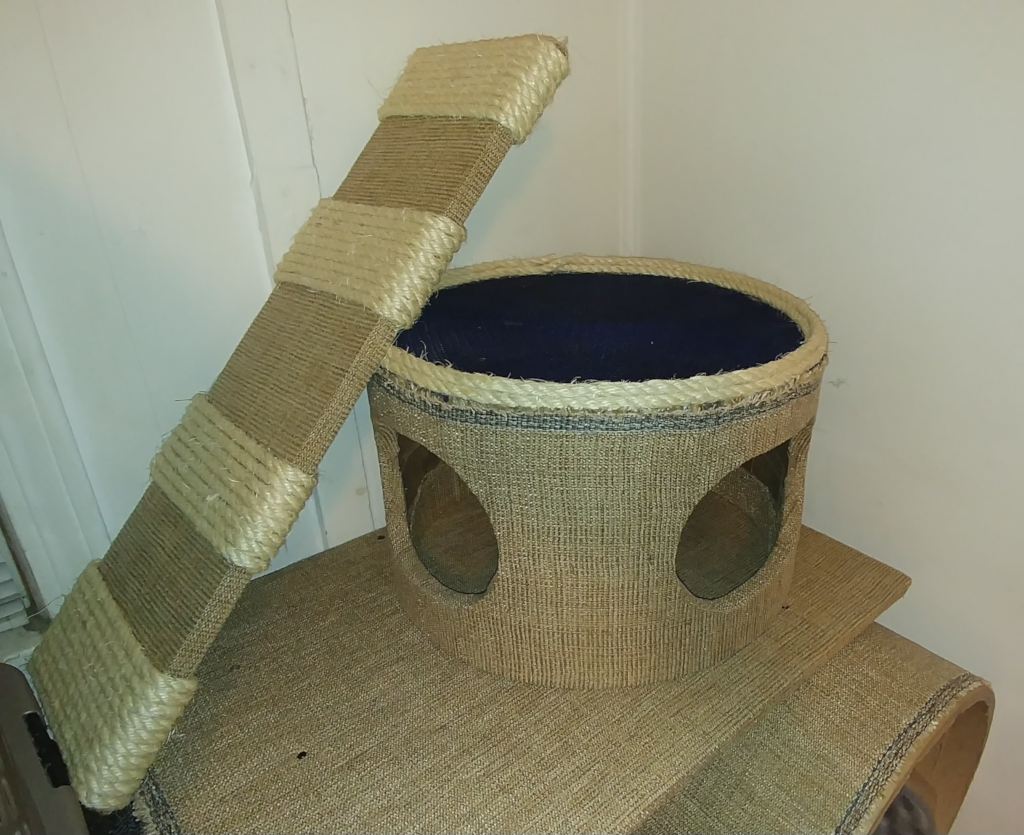 Pet ramps and small stair units can help some animals reach elevated surfaces, but their usefulness depends on the animal’s physical abilities and the height involved. A short ramp to a porch, sofa, or low platform is very different from attempting to replace an entire interior staircase. Long flights of household stairs usually lack the space necessary for a sufficiently gentle ramp.
A suitable ramp must be stable, wide enough for the animal, and covered with a surface that provides reliable traction. Its angle is particularly significant because a steep ramp may require considerable effort and become difficult to control during descent. Side rails or raised edges may provide additional protection where a fall from the side is possible.
Small pet stairs can be useful for animals that still tolerate stepping but have difficulty jumping. However, they may be unsuitable for pets with pronounced weakness, substantial joint pain, or impaired coordination. An animal that cannot safely manage ordinary stairs may also struggle with miniature steps, even when the individual rises are lower.
For cats, short ramps or stable intermediate platforms may restore access to favored resting places. Cats often value elevated locations, and providing a manageable route can preserve activities they previously enjoyed. The equipment should be securely positioned and should not shift when the cat steps onto it.
Carrying may be an option for smaller animals, although proper support is necessary. A cat or small dog generally needs support beneath the chest and hindquarters rather than being lifted by the front legs or allowed to hang unsupported. Animals with suspected spinal injuries, severe pain, or certain orthopedic conditions may require different handling precautions, so unnecessary lifting should be avoided until appropriate guidance is available.
Large dogs present a more complicated problem. Repeatedly carrying a heavy or struggling dog on a staircase can injure the owner and expose the animal to a dangerous fall. When carrying cannot be performed safely, maintaining a complete living arrangement on one floor is generally preferable to attempting difficult transfers.
Using Mobility Harnesses and Support Equipment
Support harnesses can help some dogs stand, walk, or negotiate small obstacles when they retain enough strength to participate in the movement. These devices are particularly useful when weakness affects the rear limbs, although full-body support may be necessary for animals with broader mobility limitations. Their purpose is to provide controlled assistance rather than suspend or drag the animal.
A properly fitted harness should distribute support without placing excessive pressure on painful areas. Different designs accommodate rear-limb weakness, front-limb problems, or the need for assistance at both ends of the body. The AAHA’s senior pet pain-management recommendations include fitted, padded harnesses among the accessories that may help improve mobility and everyday comfort.
However, a harness does not automatically make an entire staircase safe. A dog that loses balance or cannot reliably bear weight may be difficult for one person to control, particularly during descent. A veterinary rehabilitation professional can help determine whether assisted stair use is reasonable and demonstrate appropriate handling techniques.
Owners must also consider their own physical limitations. Repeated lifting, bending, and supporting an animal’s weight can cause back or shoulder injuries, particularly when assistance must be provided in a narrow stairwell. If a routine requires constant strenuous support, the household arrangement may need further modification.
Managing Litter Boxes and Bathroom Access
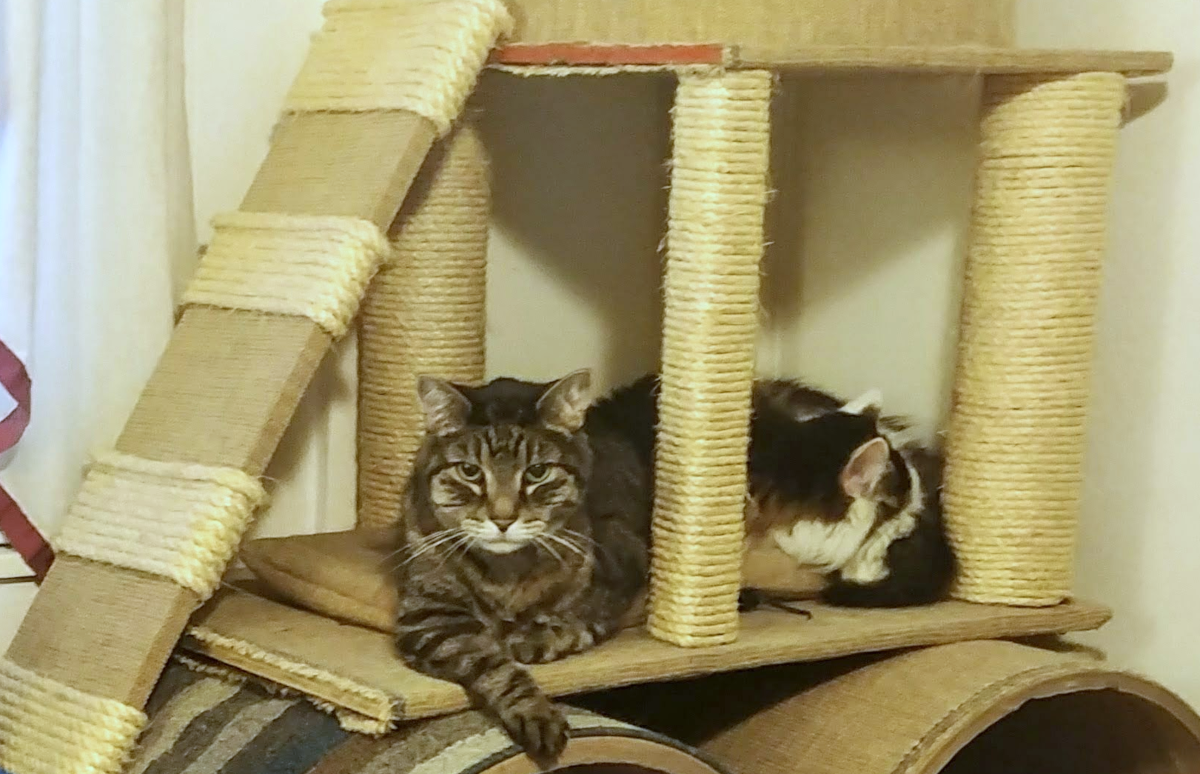 Changes in mobility can contribute to bathroom accidents when an animal can no longer reach its usual elimination area. This is especially relevant in multi-level homes where cats have become accustomed to using upstairs or basement litter boxes. A cat that cannot comfortably reach its usual box may begin eliminating elsewhere, even after years of reliable litter-box habits.
The Cornell Feline Health Center’s litter-box recommendations emphasize providing easily accessible boxes for cats with mobility problems and avoiding locations that require climbing stairs. Large, uncovered boxes with low entry points may also make it easier for cats with painful joints to enter, turn, and position themselves comfortably.
The American Association of Feline Practitioners, now known as the Feline Veterinary Medical Association, provides additional recommendations in its chronic pain patient-support guidance. These include accessible litter boxes, preferably at least one on each floor the cat uses, along with ramps, appropriate resting areas, and other modifications that accommodate reduced mobility.
If a cat still has safe access to several floors, providing litter boxes on each accessible level may reduce unnecessary travel. Once the cat is restricted to a single floor, suitable litter boxes must remain available there at all times. New elimination problems still deserve medical assessment because urinary, digestive, and other health conditions may occur alongside mobility limitations.
Dogs may need more frequent outdoor opportunities if reaching the yard now takes additional effort. Moving their resting area closer to the exit, installing an appropriate ramp over small exterior steps, or providing assistance across a difficult threshold may simplify the routine. Indoor absorbent pads can be useful in selected circumstances, although introducing them should take the dog’s established habits and mobility into account.
Bathroom access also deserves attention during nighttime hours. An older dog that needs assistance reaching the yard may be unable to wait until morning, while a cat with limited mobility should have uninterrupted access to its litter box. Planning around these circumstances can reduce avoidable accidents and unnecessary physical strain.
Maintaining Activity Without Requiring Stairs
Restricting staircase access does not mean an animal should automatically become inactive. Appropriate movement can help maintain muscle function, joint mobility, and physical conditioning. The amount and type of activity should reflect the underlying medical condition and what the animal can accomplish comfortably.
For dogs, this may involve shorter walks on level ground, gentle movement around the home, or supervised activities that do not require jumping. Cats may continue enjoying interactive play, scratching surfaces, and access to low perches. Sessions can be adjusted to the animal’s stamina rather than expecting the same performance it managed earlier in life.
Some pets benefit from structured veterinary rehabilitation. Depending on the condition, an individualized program may include controlled exercises, balance work, or other therapies intended to maintain function and improve comfort. Rehabilitation is particularly worth discussing when a pet has persistent weakness, orthopedic problems, or difficulty recovering normal movement after an injury.
Changes in physical activity may also affect weight and muscle condition. An animal that moves less may have different energy requirements, while chronic illness can sometimes contribute to unintended weight or muscle loss. Nutritional adjustments should account for the animal’s medical conditions, existing diet, and overall body condition rather than assuming reduced activity automatically requires less food.
Keeping Daily Care Organized Across Different Floors
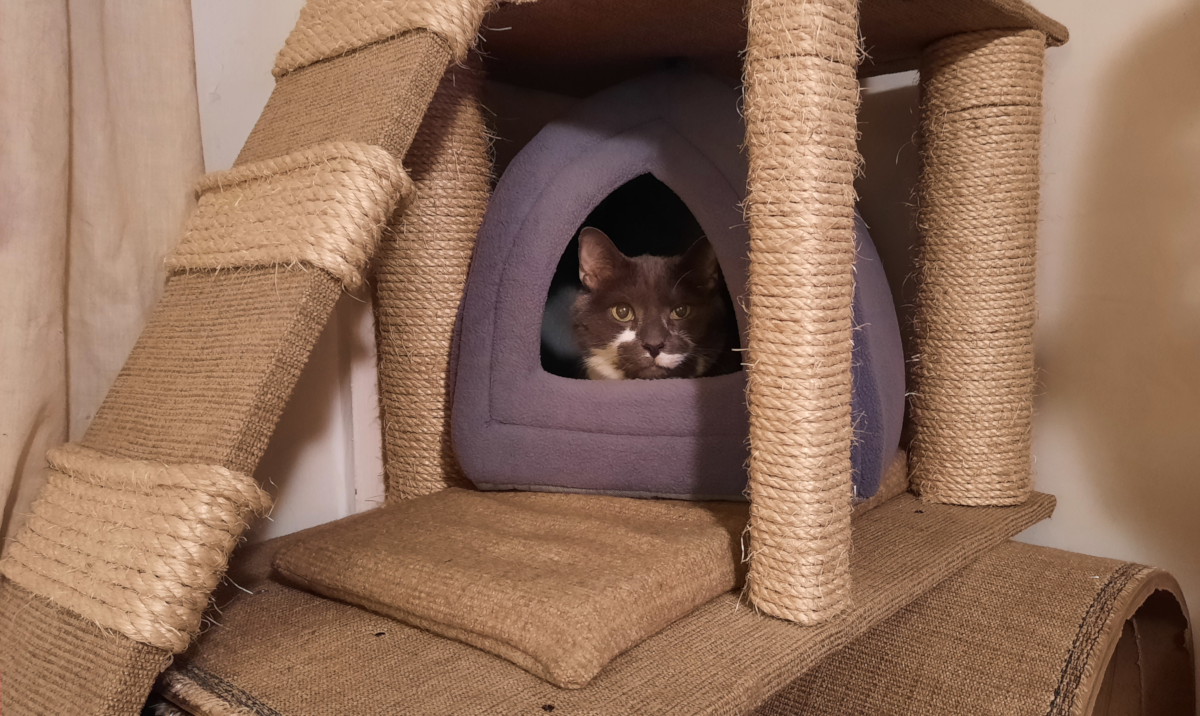 Multi-level homes introduce logistical problems when pet supplies are scattered throughout the house. Medications may be stored upstairs, grooming equipment may be in the basement, and food preparation may take place far from the animal’s new resting area. Repeated trips between floors can become inconvenient, particularly when an animal needs frequent attention.
Keeping commonly used supplies near the primary care area can simplify daily responsibilities. A small storage container for grooming tools, cleaning supplies, waste bags, and other routine items reduces unnecessary trips. Prescription medications should continue to be stored according to their specific requirements, including refrigeration, temperature protection, and security.
For pets with chronic conditions, maintaining consistent care becomes especially relevant. A diabetic cat receiving scheduled insulin injections and blood glucose monitoring, for example, may benefit from having its feeding and testing location on the same accessible level. An organized space can make it easier to maintain established schedules without repeatedly moving the animal.
Animals receiving assistance from several household members also benefit from a consistent plan. Everyone should understand which stairways are restricted, where essential supplies are located, and how the animal should be assisted when necessary. This reduces situations in which someone unintentionally allows a pet onto a staircase or attempts to lift an animal without understanding its limitations.
Recognizing When Mobility Needs Reassessment
Home modifications can improve comfort and accessibility, but they do not explain or correct the underlying cause of declining mobility. If a pet becomes increasingly reluctant to walk, has difficulty standing, develops a new limp, or begins falling, the change deserves attention even when the home has already been adapted.
Recording specific observations can make veterinary discussions more productive. Note whether the difficulty occurs while rising, turning, climbing, descending, or walking on particular surfaces. Short videos taken during ordinary movement can also help demonstrate problems that may not be obvious during a veterinary examination.
Some changes require more immediate attention than routine monitoring. Sudden inability to stand or walk, severe pain, paralysis, or weakness following a fall may indicate a serious condition requiring emergency assessment. VCA Animal Hospitals’ guidance on pain and limping identifies an inability to stand or walk without assistance as a reason to seek emergency care.
For animals with established chronic conditions, treatment and environmental arrangements may need adjustment as mobility changes. Pain management, rehabilitation, assistive equipment, and household modifications can sometimes be combined to maintain function. Their suitability depends on the animal’s diagnosis, other illnesses, medications, and response to treatment.
When Your Pet Can No Longer Visit Favorite Rooms
One of the less obvious consequences of restricting stair access is the loss of familiar spaces. A dog accustomed to sleeping beside its owner’s bed may suddenly need to remain downstairs. A cat that spent years resting in an upstairs window may no longer be able to reach it.
These preferences are worth considering when planning the new living arrangement. Moving a familiar bed downstairs, positioning a resting area near a window, or spending more time in the room where the animal now lives can preserve parts of its established routine. Keeping familiar bedding and maintaining consistent feeding and activity schedules may also help animals adjust to their new surroundings.
Some households can temporarily relocate a person’s sleeping arrangements to the accessible floor. Others may find that a pet remains comfortable sleeping independently, provided its needs are met and it is accustomed to the arrangement. The appropriate choice depends on the animal’s behavior, health, and the practical limitations of the household.
In homes with several pets, the new arrangement may change social interactions. A cat restricted to one floor may lose access to a preferred resting place away from other animals, while a dog with reduced mobility may have difficulty avoiding an energetic companion. Separate resting areas, unobstructed walking routes, and appropriate supervision can help prevent unwanted encounters.
Adapting the Home as Your Pet’s Abilities Change
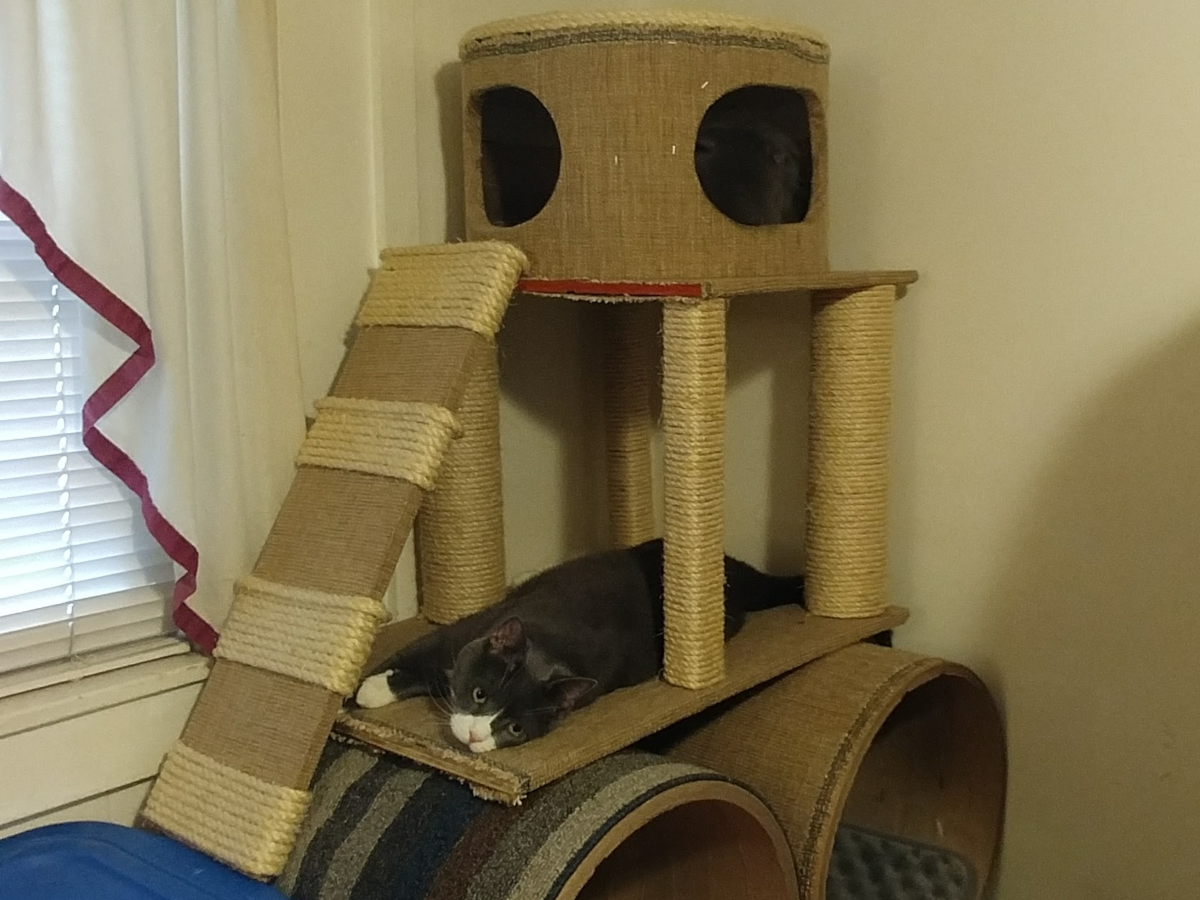 A living arrangement that works well today may need further adjustments as an animal’s condition develops. A dog that initially needs assistance only with porch steps may eventually have difficulty standing from its bed. A cat that comfortably uses a short ramp may later prefer resting places that require no climbing.
Reviewing the home’s layout periodically allows owners to identify new obstacles before they become recurring problems. Observe how easily the animal reaches food and water, enters its bed, changes position, and accesses its bathroom area. Pay attention to whether mobility equipment is genuinely helping or whether the animal has started avoiding it.
More substantial changes may become necessary when an animal requires assistance with nearly every movement. The caregiver’s ability to provide safe support, the animal’s comfort during handling, and the physical limitations of the house all influence which arrangements remain practical. Veterinary rehabilitation or home-care guidance may be useful when deciding whether additional equipment or a more restricted living space would be appropriate.
There is no requirement that an older pet continue using every room it once enjoyed. A single-level arrangement can provide appropriate access to food, water, comfortable resting areas, bathroom facilities, and regular interaction without requiring repeated attempts to manage difficult staircases. As an animal’s abilities change, the arrangement can be adjusted to preserve safe movement and participation in everyday household activities.