


A senior pet who suddenly looks a little unkempt can seem like a simple grooming problem. A coat that feels greasy, a few small mats behind the legs, nails clicking more loudly on the floor, or fur that no longer lies as smoothly as it once did may all tempt us to reach for a brush and treat the problem as cosmetic. Sometimes that is exactly what an older dog or cat needs, but a change in grooming can also be one of the first visible signs that something else has changed.
This distinction matters most with cats. Healthy cats usually devote a great deal of time to grooming, so a cat that stops cleaning certain areas, develops mats, or allows the coat to become oily may be telling us that bending, twisting, reaching, or simply feeling well enough to groom has become difficult. Veterinary guidance for senior cats specifically recognizes reduced grooming as a possible sign of pain, degenerative joint disease, reduced mobility, bladder discomfort, or other illness, rather than something that should automatically be dismissed as normal aging.
Dogs are different because they do not maintain their coats through self-grooming in the same way cats do, but aging can still change how well they keep themselves clean. Stiffness, weakness, skin disease, incontinence, cognitive changes, dental discomfort, or reduced mobility can make ordinary hygiene harder. In both species, grooming becomes more than coat care. It becomes a regular opportunity to notice changes in the body before they become harder to miss.
A Decline in Grooming Deserves Attention
 One of the easiest mistakes with an older pet is to explain every change with age. Veterinary senior-care guidance pushes back on that idea because aging itself is not a diagnosis, and many changes that appear to be “just getting old” can have a medical reason worth investigating. AAHA includes decreased grooming among signs that can accompany chronic pain in senior pets, while Cornell notes that older cats often groom less effectively and may develop matting, skin odor, or inflammation as a result.
The pattern can provide useful information. A cat that stops grooming over the lower back and hips may be having trouble twisting because of joint pain, while a pet that becomes generally unkempt along with weight loss, appetite changes, increased thirst, hiding, weakness, or altered litter box habits deserves a broader veterinary evaluation. Cornell also points out that a dull or patchy coat can occur when a sick cat stops grooming, so coat changes should be considered alongside the rest of the animal’s behavior and health.
This is one reason I like to think of grooming as part of a senior pet’s home health check. While brushing, you are already touching the skin, shoulders, spine, hips, feet, and belly, and that gives you a chance to notice tenderness, swelling, lumps, scabs, thinning hair, dandruff, odor, parasites, or a new reluctance to be handled. If a pet who normally enjoys brushing suddenly flinches, growls, turns to bite, or repeatedly moves away when one particular area is touched, that reaction is worth remembering and discussing with a veterinarian.
Start With Short, Gentle Brushing Sessions
Older pets often do better with several short grooming sessions than one long session. A dog with arthritis may become uncomfortable standing for twenty minutes, and a senior cat may tolerate brushing across the shoulders but become irritated when the brush reaches a painful lower back. Breaking the job into small pieces lets you stop before the pet becomes sore, frightened, or exhausted.
Choose the tool according to the coat and the pet’s tolerance rather than trying to remove the most hair in the least time. A soft bristle brush or gentle rubber grooming tool may work well for a short-coated animal, while a wide-tooth comb or appropriately sized slicker can help with longer coats if it is used lightly. Hold the skin near a tangle so the pulling force is not transferred directly to the body, and brush in small sections rather than dragging through resistance.
For many senior cats, daily or near-daily brushing is easier than waiting for loose hair and tangles to accumulate. Cornell recommends frequent grooming for older cats and notes that brushing helps remove loose hair while giving owners a regular chance to examine the coat and skin. VCA also recommends regular brushing or gentle massage for senior cats, especially when arthritis makes certain areas difficult to reach.
Position matters as much as the brush. A pet with weak hind legs may do better lying on a padded bed, sitting on a nonslip mat, or standing only briefly while you work on one side at a time. AAHA’s senior-care guidance recommends low-stress handling and attention to comfort because pain and mobility problems become more common with age.
Mats Need Patience, Not Force
 A mat is not simply loose fur that needs a stronger pull. Tight mats can tug continuously on the skin, trap moisture and debris, and hide irritation underneath, and older skin can be thinner and more vulnerable than it once was. Cornell notes that aging feline skin becomes thinner and less elastic, which is another reason aggressive brushing is a poor approach for a frail senior cat.
Small, loose tangles may sometimes be worked apart slowly with the fingers and then combed from the outer end toward the skin. Dense mats close to the skin are different. Scissors can easily cut skin that has been pulled up into the mat, especially on a thin or wrinkled senior animal, so tightly attached mats are often safer for a veterinarian or experienced groomer to clip away.
Repeated matting in the same place can also tell you something. Mats over the rump may appear because a cat cannot comfortably turn far enough to groom there, while mats under the chest, behind the front legs, or around the rear may develop because mobility has changed or because urine or fecal material is soiling the coat. The practical goal is to remove the mat, but the larger goal is to understand why it keeps forming.
Waterless Cleaning Can Reduce Stress
 Full baths can be difficult for older animals. Slippery tubs, lifting, prolonged standing, water temperature changes, blow dryers, and the physical effort of drying can turn a routine bath into a tiring event for a pet with arthritis, weakness, heart or respiratory problems, or anxiety. For light dirt, mild odor, or small areas that need cleaning, a pet-formulated waterless shampoo, grooming foam, or damp cloth can sometimes make hygiene easier.
The product matters. Use something specifically labeled for the species and follow the manufacturer’s directions, because cats in particular will later lick whatever remains on their coat. Human dry shampoos, strongly perfumed products, and homemade mixtures containing essential oils are poor choices for routine pet grooming. The ASPCA warns that concentrated essential oils can be harmful to dogs and cats, with cats especially sensitive to some exposures through the skin, ingestion, or inhalation.
Waterless products are best viewed as a cleaning tool, not a treatment for a skin problem. Persistent odor, redness, greasy scaling, sores, hair loss, repeated itching, or discharge from the skin can point to conditions that need veterinary assessment. If a veterinarian has prescribed a medicated shampoo or topical treatment, that plan takes priority over ordinary grooming products.
Spot cleaning is especially useful for pets that have trouble staying clean around the rear end or feet. AAHA recommends keeping senior pets clean and dry and paying extra attention to hygiene when mobility or incontinence makes self-care difficult. After cleaning, dry the area well rather than leaving damp fur against the skin.
Nail Care Becomes More Important With Age
Nails often need closer attention as activity decreases. A dog that once wore its nails down on long walks may no longer cover the same distance, while an older cat may use scratching posts less often and can develop thick, brittle, overgrown claws. Cornell specifically recommends checking senior cats’ nails weekly and trimming them when needed.
Overgrown nails are not only a cosmetic problem. They can catch on fabric, alter how a pet places a foot, and in severe cases curve into the paw pad. Cornell and VCA both warn that cat claws can grow into the pads, while VCA notes the same risk with dog dewclaws because those nails do not contact the ground.
Senior pets sometimes become less tolerant of foot handling because the toes, wrists, elbows, hips, or spine are painful. Instead of wrestling through all four feet, trim one or two nails at a time if that is what the pet comfortably allows. Small, frequent trims are also safer when the nails are dark and the quick cannot be easily seen.
If a nail is already curling toward the pad, has penetrated the skin, is split, bleeding, infected-looking, or painful to touch, that moves beyond ordinary maintenance. A veterinarian can deal with the nail itself and also examine the foot for infection, inflammation, or other problems. Thickened or oddly shaped nails that change suddenly also deserve a closer look rather than repeated trimming without an explanation.
Build Grooming Around the Pet’s Physical Limits
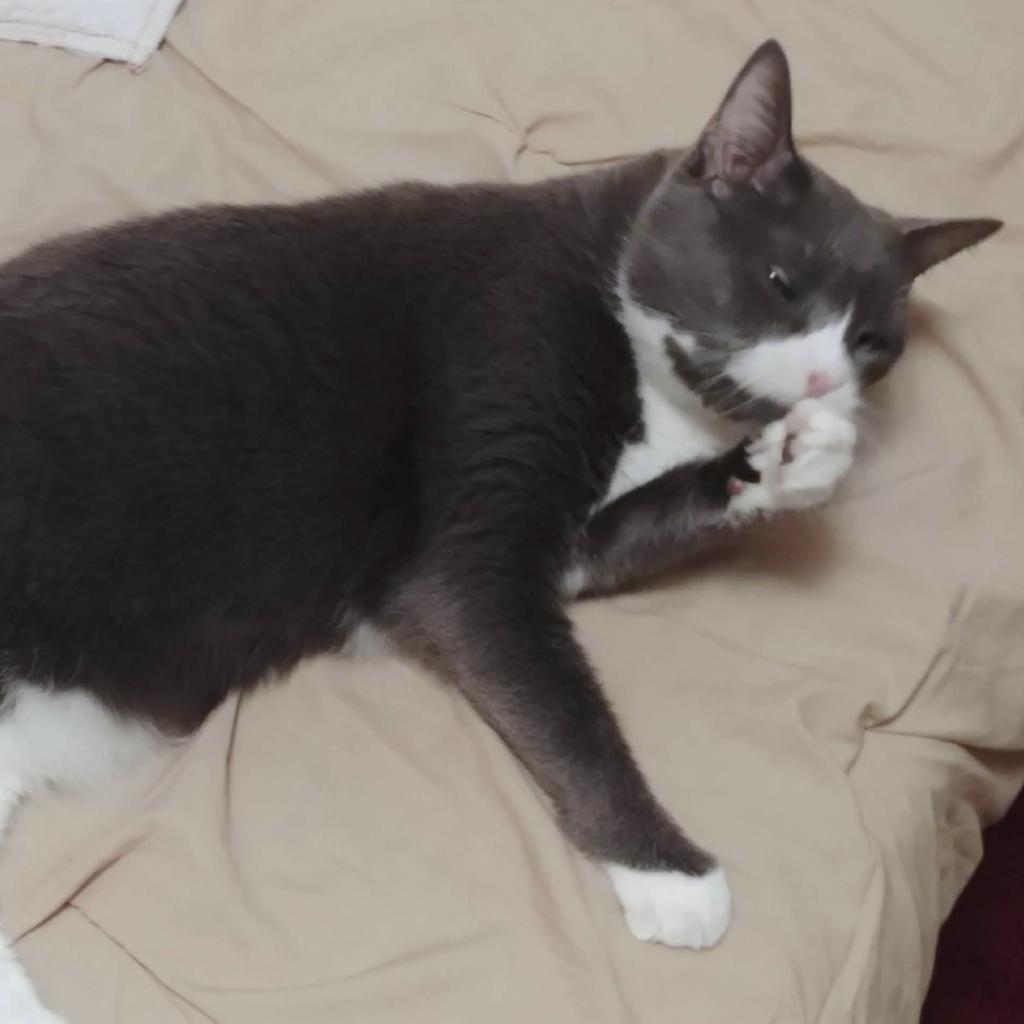 A senior grooming routine should adapt to the animal in front of you. Some older pets still enjoy a full brushing session, while others are more comfortable with two minutes after breakfast and another two minutes later in the day. The goal is not to complete every grooming task on a fixed schedule. The goal is to keep the coat, skin, and nails comfortable without turning care into a physical struggle.
Nonslip flooring can make a remarkable difference for a weak or arthritic dog. For cats, grooming on a favorite bed or stable surface can reduce the need to balance while being brushed. If lifting has become difficult, bring the supplies to the pet rather than repeatedly moving the pet to a grooming area.
Professional grooming can also remain part of senior care, but the setting may need to change. AAHA suggests that home or mobile grooming may reduce stress for some senior pets. A groomer should be told about mobility limits, painful areas, heart or breathing problems, skin conditions, anxiety, and any instructions from the veterinary team before the appointment begins.
Some animals reach a point where coat length itself becomes part of the management plan. A veterinarian or groomer may recommend a shorter, easier-to-maintain trim for a long-haired pet that repeatedly mats because arthritis or weakness prevents normal grooming. That is not giving up on appearance. It is choosing a coat that the pet can comfortably live in.
Let Grooming Tell You What Has Changed
One advantage of helping an older pet with grooming is that your hands learn the animal’s normal body. You notice which hip is more prominent, how thick the coat feels over the back, whether one paw is usually more sensitive, and how easily the pet can turn its head. Those observations can become useful information when something changes between veterinary visits.
Keep track of new patterns rather than trying to interpret a single bad grooming day. A cat that misses one grooming session after a stressful afternoon is different from a cat that stops cleaning the hindquarters for several weeks. A dog that needs an extra nail trim after becoming less active is different from a dog that suddenly cannot stand comfortably long enough to have its feet handled.
Veterinary care becomes especially appropriate when decreased grooming appears with reduced mobility, limping, hiding, appetite or weight changes, increased drinking or urination, elimination problems, skin inflammation, new odor, obvious pain, or a rapid change in behavior. Senior-care guidelines encourage regular monitoring because medical problems in older pets are often easier to address when changes are recognized early.
The brush, comb, cloth, and nail clippers are simple tools, but with a senior pet they can do more than keep an animal neat. Used gently and regularly, they help us provide the hands-on care an older body may no longer be able to manage alone, while also giving us a close view of changes that deserve attention. The best grooming routine is one that leaves the pet cleaner and more comfortable, and leaves the owner with a better sense of how that pet is moving, feeling, and coping from day to day.