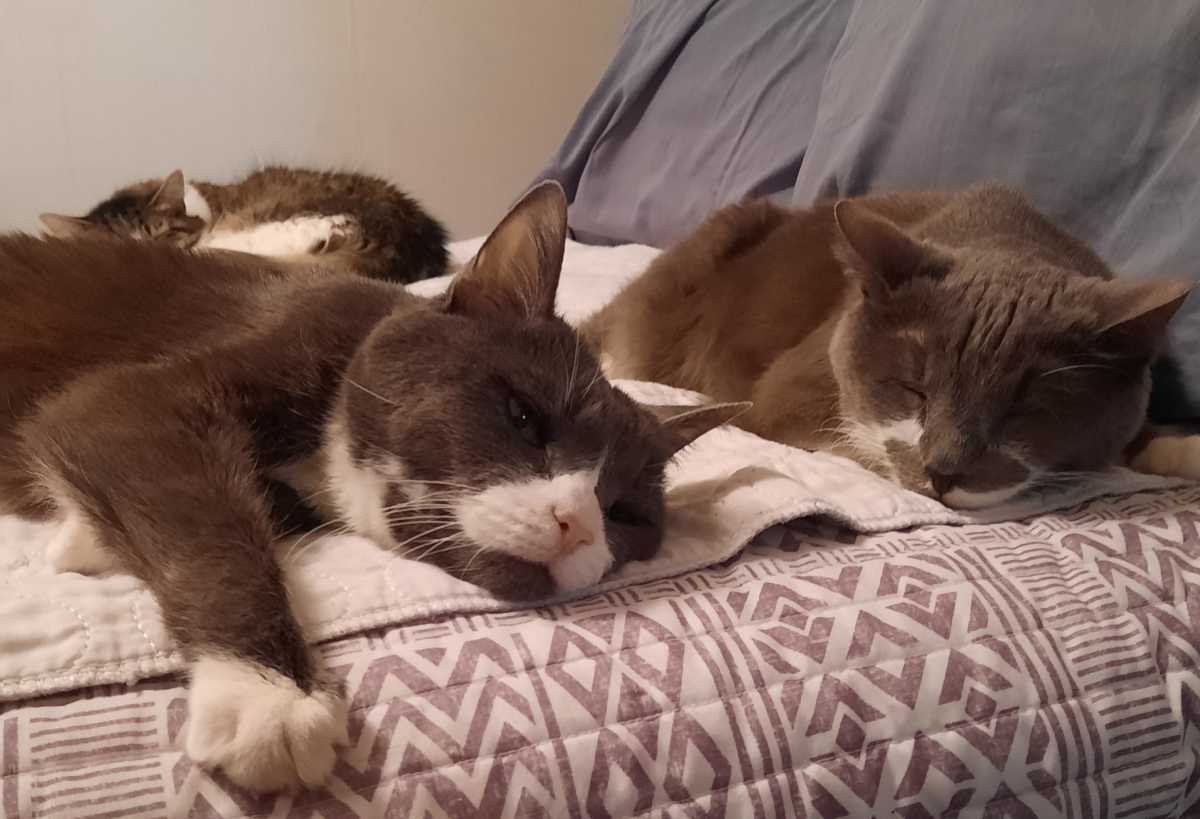

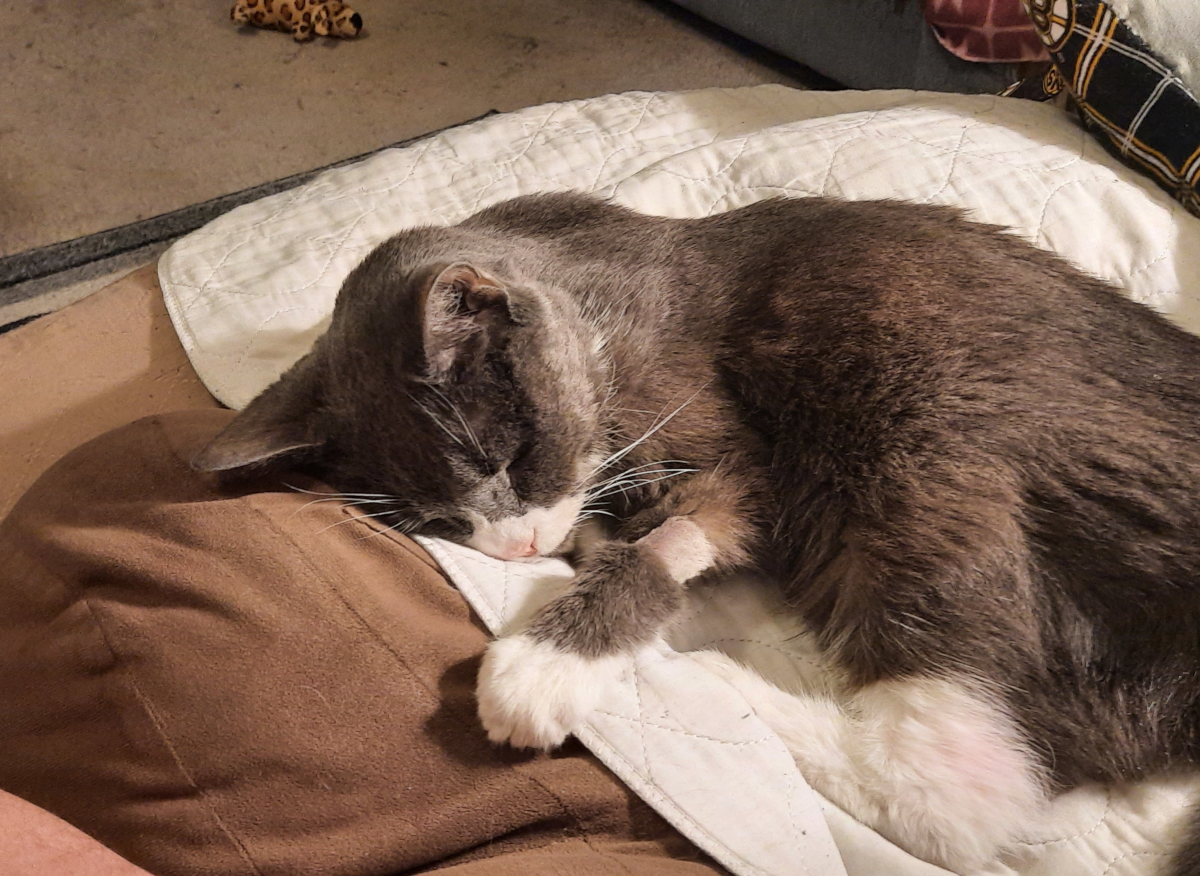
Caring for a sick dog or cat in a household with multiple pets sometimes requires changes to the way everyone shares the home. An infectious illness may require temporary isolation to protect other animals, while a pet recovering from surgery may need restricted activity and protection from an enthusiastic companion. In other circumstances, separation makes it easier to determine how much an animal is eating, monitor bathroom habits, or provide care without interference from other household pets.
Establishing a dedicated quarantine or recovery space involves more than finding an available room and closing the door. The animal still needs comfortable bedding, accessible food and water, appropriate bathroom facilities, and regular human interaction. The arrangement must also accommodate the owner’s daily responsibilities, particularly when an illness requires several weeks of treatment, frequent cleaning, or an established medication schedule.
Understanding Why Your Pet Needs a Separate Space
Although pet owners commonly use the word quarantine whenever an animal needs to be separated from others, there is a distinction between quarantine, isolation, and recovery confinement. Quarantine generally refers to separating an animal that may have been exposed to an infectious disease but is not necessarily showing symptoms. Isolation involves separating an animal with a suspected or confirmed contagious illness, while recovery confinement may be necessary for reasons unrelated to infection.
Conditions such as ringworm, certain respiratory infections, and some gastrointestinal infections may require precautions to protect other animals and, in some circumstances, people. The appropriate measures depend on how the infectious organism spreads, how long the animal remains contagious, and whether contaminated objects or surfaces contribute to transmission. A dog with a contagious respiratory infection, for example, may require different household precautions than a cat being treated for a fungal skin infection.
Other situations call for temporary separation because the household environment makes recovery or monitoring difficult. A senior cat with kidney disease may benefit from having an individual feeding area where food consumption can be measured, while a dog recovering from orthopedic surgery may need protection from rough play. An animal recovering from a noncontagious illness may still enjoy supervised interaction with household companions, provided those interactions are consistent with its medical and activity restrictions.
Establish the purpose, necessary precautions, and anticipated duration of separation with your veterinary team. Knowing whether the priority is infection control, restricted movement, uninterrupted rest, or individual monitoring will help you decide how much space your pet needs and how restrictive the arrangement should be.
Choosing the Right Room in Your Home
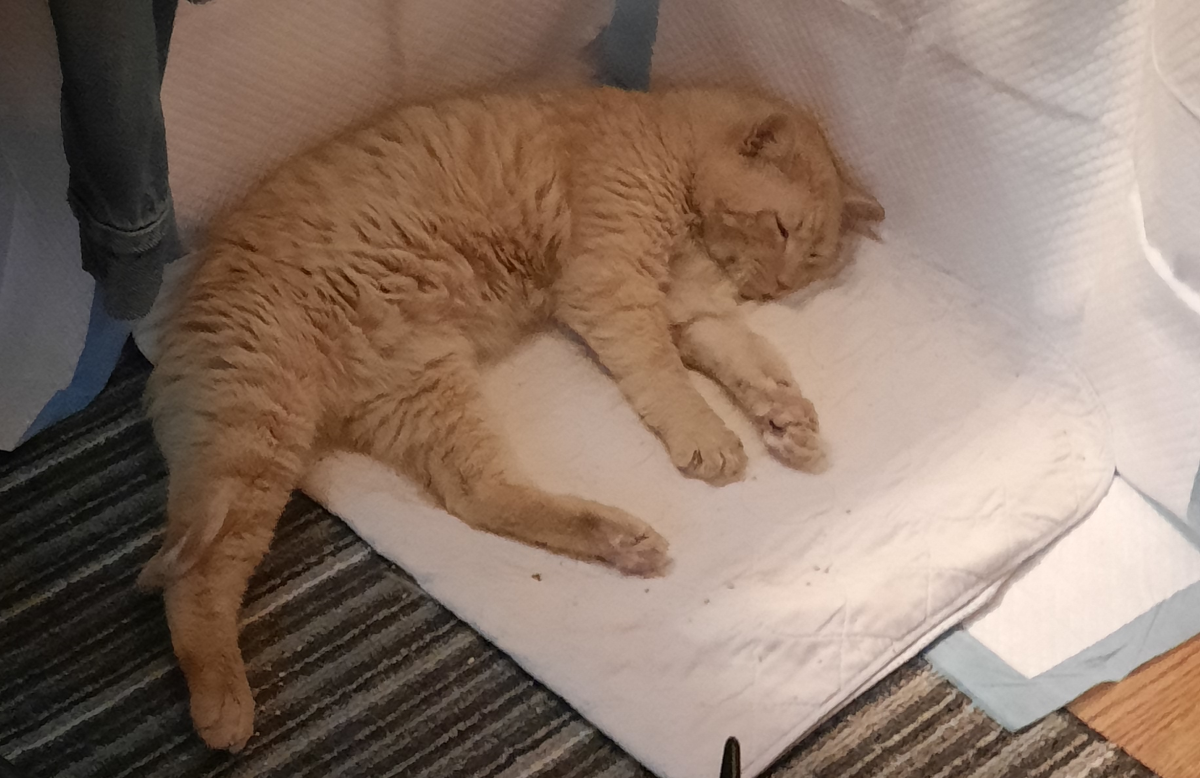 A spare bedroom, home office, bathroom, or another low-traffic area can often be converted into a suitable recovery room without purchasing specialized equipment. Look for a space with a secure door, comfortable temperatures, adequate ventilation, and sufficient lighting. The room should also be somewhere you can visit regularly, with enough floor space to arrange your pet’s belongings without creating obstacles.
Bathrooms are convenient because they contain washable surfaces and provide easy access to water, but they can have cold, slippery floors or become excessively humid after showers. Keep toilets closed, secure cleaning products and personal medications, and provide washable nonslip floor coverings. Consider how the bathroom is used by other household members, since frequent interruptions or shared use may make it unsuitable for infectious disease isolation.
A laundry room presents different challenges. Washing machines and dryers produce noise, vibration, and heat that may disturb an animal trying to rest, particularly one that is already uncomfortable or sensitive to unfamiliar sounds. If the laundry room is your only practical option, secure detergents and other chemicals, block access behind appliances, and determine whether the room can remain comfortable while your pet occupies it.
Rooms with carpeting and upholstered furniture deserve additional consideration when managing contagious illnesses, vomiting, diarrhea, or urinary accidents. Washable waterproof coverings with secure, nonslip surfaces can help protect flooring from ordinary accidents, although they do not replace disease-specific cleaning procedures. Certain infections may require environmental precautions that make a room with hard, washable surfaces a more suitable choice.
Creating a Comfortable and Accessible Resting Area
Arrange the sleeping area around your pet’s current physical abilities. An older dog with arthritis may struggle to climb into a heavily padded bed with raised sides, while a weak cat may have difficulty reaching an elevated sleeping platform that was previously a favorite resting spot. Illness, pain, and reduced strength can make familiar movements considerably more demanding.
The American Animal Hospital Association’s 2023 senior care guidelines for dogs and cats recommend environmental modifications that improve accessibility, mobility, and comfort. Supportive bedding, nonslip flooring, accessible resting areas, and lower-sided litter boxes are among the practical accommodations that may benefit older animals. These same considerations can help guide the arrangement of a temporary recovery room.
Provide bedding that offers adequate support without making it difficult for your pet to stand or change positions. Washable blankets and removable bed covers are particularly useful when an animal experiences urinary accidents, diarrhea, or other problems that require frequent bedding changes. Keep the resting area away from direct drafts, heating vents, and prolonged exposure to intense sunlight.
Avoid placing ordinary household heating pads, electric blankets, or hot water bottles directly against a sick animal. Pets experiencing weakness, reduced sensation, or restricted mobility may be unable to move away from excessive heat, increasing the risk of burns or overheating. If your pet needs supplemental warming for medical reasons, obtain instructions for an appropriate method.
Cats should also have access to a suitable hiding place. The AAFP and ISFM Feline Environmental Needs Guidelines identify secure retreats, familiar surroundings, and accessible environmental resources as components of feline well-being. An open carrier, washable covered bed, or disposable cardboard box positioned on the floor can provide privacy while allowing you to observe the animal and reach it when necessary.
Arranging Food, Water, and Bathroom Facilities
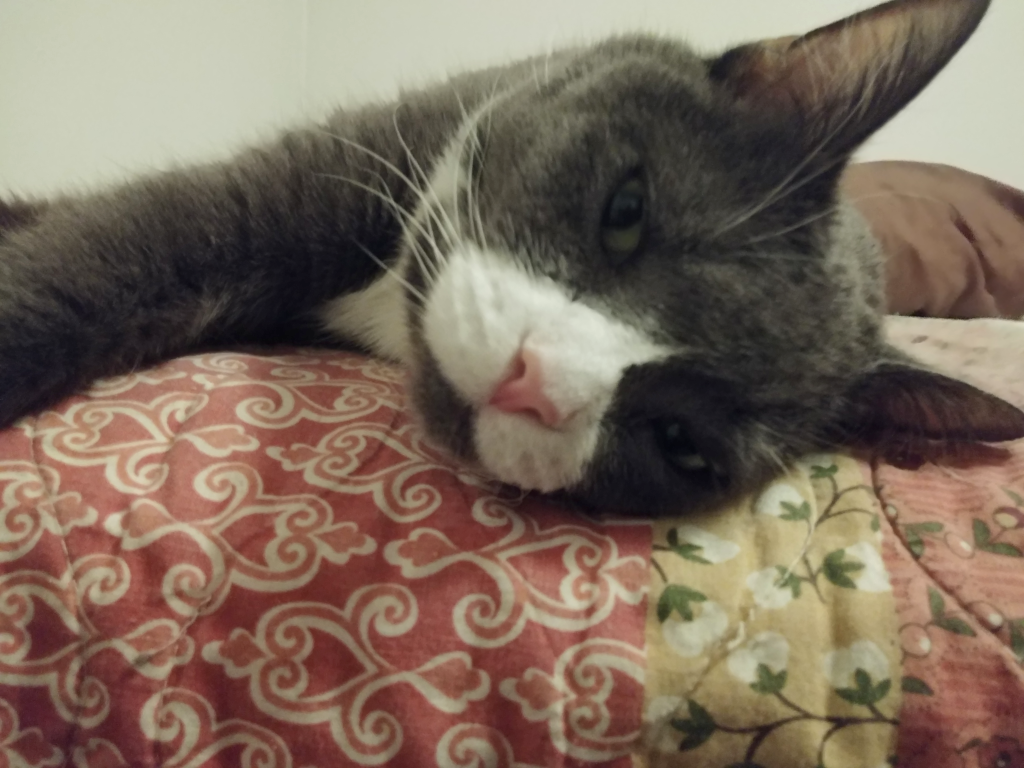 Food and water bowls should be stable, accessible, and positioned where the animal can approach them comfortably. In a feline recovery room, place the litter box away from feeding, drinking, and sleeping areas, and separate food and water stations where space permits. Even within a relatively small room, arranging these resources thoughtfully can make the environment more accommodating.
Senior cats may benefit from a litter box with a low entrance, particularly if they experience arthritis, weakness, or difficulty maintaining balance. The box should provide enough room for the cat to turn around and position itself comfortably. Unless there is a medical reason to change litter, continuing to use a familiar type can avoid introducing another unnecessary adjustment during illness.
Dogs will generally need regular opportunities to relieve themselves outside unless their medical condition requires another arrangement. When an infectious illness is involved, bathroom breaks should follow the precautions established for that particular disease. Avoiding shared yards, communal relief areas, dog parks, and contact with neighboring animals may be necessary during the isolation period.
Fresh drinking water should remain available unless a veterinarian has provided specific medical instructions otherwise. Never restrict access to water simply to reduce urinary accidents or make the room easier to maintain. Additional water stations may be helpful for animals with limited mobility, provided they do not create obstacles or increase the risk of slipping on spilled water.
Maintaining Familiarity in an Unfamiliar Space
Moving into a different room can be unsettling for cats that have established routines and preferred resting locations throughout the home. Dogs accustomed to spending much of their time near their owners may also become distressed when separated behind a closed door. Bringing familiar belongings into the room can help preserve some continuity without requiring an elaborate setup.
A favorite washable blanket, familiar bed, or easily cleaned toy may provide recognizable scents and textures. When infection is a concern, these belongings should remain dedicated to the isolated animal until they can be appropriately cleaned, disinfected, or discarded. Avoid exchanging bedding and toys between household pets during infectious disease isolation simply to maintain familiar scents.
Maintain a reasonably normal pattern of daylight and darkness. Shaded resting areas provide somewhere to retreat during the day, while a dim nightlight may help an older animal with some remaining vision find its water bowl or bathroom area overnight. Keep the furniture and essential supplies in consistent locations, especially when caring for a pet with impaired vision.
Avoid using strongly scented air fresheners, incense, and essential oil diffusers in the recovery room. Some products can irritate an animal’s respiratory tract, and certain essential oils can be harmful to dogs and cats depending on the substance and exposure. Removing waste promptly, replacing soiled bedding, and maintaining appropriate ventilation address the source of unpleasant odors without introducing unnecessary fragrances.
Preventing the Spread of Infection Within the Household
 When a pet has a contagious illness, physical separation is only one component of infection control. Hands, clothing, food bowls, bedding, and cleaning equipment can potentially transfer infectious material between rooms, depending on the organism involved. Organizing a consistent caregiving routine reduces opportunities for this type of indirect transmission.
Whenever practical, complete routine care for healthy household pets before attending to an animal in infectious disease isolation. Dedicate food bowls, litter scoops, bedding, grooming tools, and cleaning equipment to the isolated pet. Wash your hands with soap and running water after handling the animal, cleaning its surroundings, or coming into contact with waste and potentially contaminated belongings.
Ringworm is one example of an infection that requires attention to both animal and human health. Despite its name, ringworm is caused by fungi rather than a parasitic worm, and it can spread through contact with infected animals and contaminated materials. The Centers for Disease Control and Prevention’s ringworm prevention guidance recommends protective clothing when handling infected pets, thorough handwashing, appropriate environmental cleaning, and assessment of other household pets when indicated.
Additional precautions may include gloves, dedicated clothing, separate footwear, or restrictions on which household members provide care. Homes with young children, older adults, pregnant individuals, or people with weakened immune systems may require particular consideration when an infection can spread from animals to humans. Tell your veterinary team about relevant household circumstances so that precautions can be tailored to the actual disease and exposure risks.
Cleaning and Disinfecting the Quarantine Area
Cleaning and disinfecting serve different purposes. Cleaning removes dirt, food residue, bodily fluids, and other material from surfaces, while disinfection uses appropriate chemical or physical methods to kill or inactivate susceptible infectious organisms. Visible contamination should generally be removed before applying a disinfectant so that the product can work effectively.
The CDC’s guidance on cleaning and disinfecting pet supplies recommends cleaning and disinfecting pet belongings more frequently during illness. Wash bowls after wet-food meals, clean water bowls daily, remove soiled bedding promptly, and establish a regular cleaning schedule for litter boxes and other frequently used surfaces. The exact disinfection routine should reflect the medical condition and materials involved.
Not every disinfectant is effective against every infectious organism. Obtain disease-specific cleaning instructions when managing a contagious illness, rather than assuming a general-purpose household product will provide adequate protection. Follow the manufacturer’s directions regarding dilution, compatible surfaces, required contact time, ventilation, and rinsing.
Keep your pet away from the area being disinfected until the surfaces are safe to use. Never mix cleaning chemicals or apply household disinfectants directly to an animal’s coat, paws, or skin. A second set of bedding and washable supplies can make the cleaning process easier without leaving your pet without a comfortable resting area.
Establishing a Daily Care and Monitoring Routine
One practical advantage of a dedicated recovery space is the ability to observe an individual animal without interference from other household pets. In a multi-cat household, determining which animal ate from a particular bowl, produced an unusual stool, or vomited during the night can be surprisingly difficult. Temporary separation removes much of that uncertainty and allows observations to be associated with the correct animal.
A notebook or printed care sheet kept outside the room can help maintain accurate records, particularly when several family members participate in caregiving. Depending on the medical condition being managed, useful observations may include:
- Food offered and the amount consumed.
- Water consumption and noticeable changes in thirst.
- Urination frequency and approximate urine output.
- Bowel movements, stool consistency, and accidents.
- Episodes of vomiting, coughing, or sneezing.
- Changes in breathing, mobility, posture, or activity.
- Medication administration times.
- Blood glucose measurements, when part of an established monitoring plan.
- Changes in alertness and interaction.
Specific observations are generally more useful than broad impressions. Recording that a cat consumed approximately one-quarter of its usual breakfast provides more information than simply writing that its appetite was poor. Similarly, documenting when vomiting occurred in relation to feeding or medication may help a veterinarian evaluate the circumstances without relying entirely on an owner’s recollection several days later.
A pet camera can supplement direct observations, especially when an animal behaves differently in the presence of people. It may reveal whether the pet is getting up to drink, moving comfortably, or repeatedly attempting to use the bathroom. Cameras have limitations, however, and should never replace regular in-person assessments or the level of supervision required by the animal’s condition.
Special Considerations for Diabetic and Chronically Ill Pets
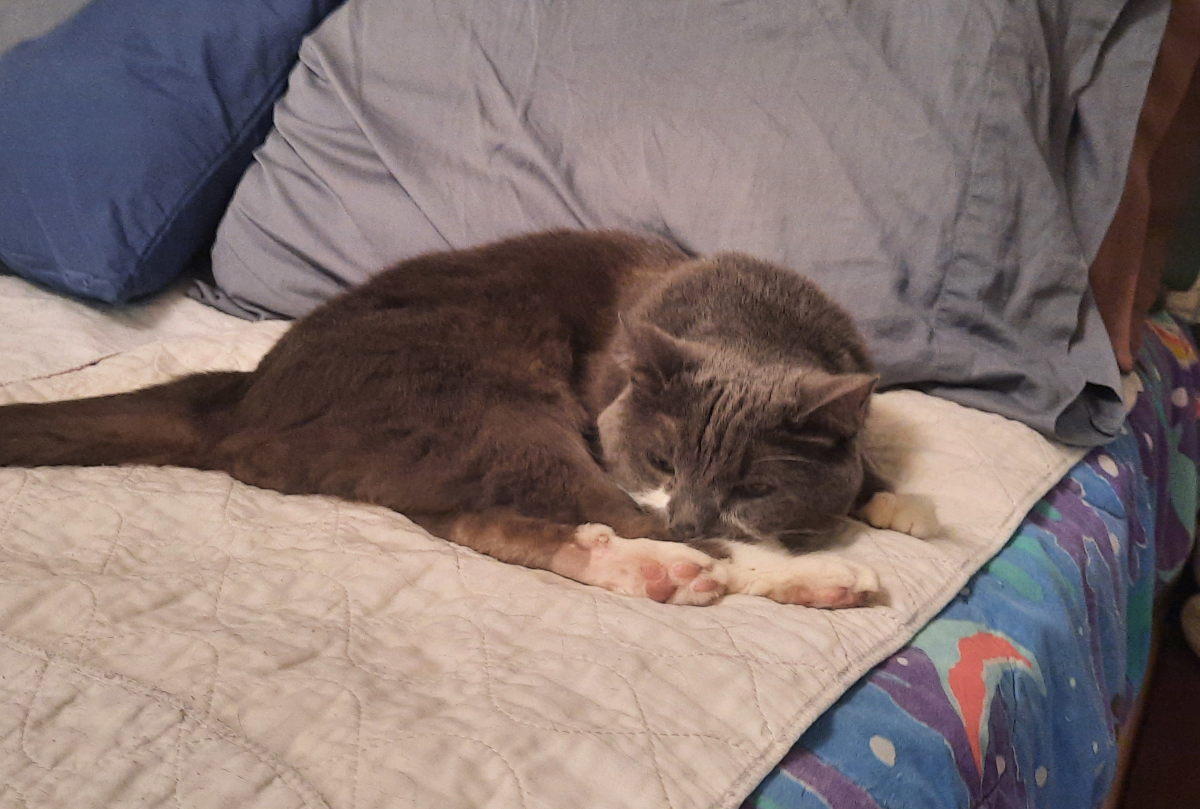 A separate recovery room can be particularly useful when caring for a diabetic animal experiencing another illness. Measuring food intake, documenting blood glucose readings, and maintaining an accurate medication schedule become more complicated when several animals share feeding areas. Individual access to food and water makes it easier to identify changes that might otherwise go unnoticed.
Illness, reduced food consumption, and stress can affect blood glucose regulation and complicate diabetes management. In an animal receiving insulin, reduced food intake can increase the risk of hypoglycemia, while illness may also disrupt glucose control in other ways. The American Animal Hospital Association’s 2026 diabetes management guidelines address the importance of individualized caregiver instructions for both diabetic cats and diabetic dogs.
Obtain prompt veterinary guidance if a diabetic pet refuses food, vomits, develops abnormal glucose readings, or becomes noticeably lethargic. Ideally, owners should already have written instructions explaining how to handle illness around scheduled medication times, including when to seek emergency care. Insulin and other diabetes medications should be managed according to those individualized instructions rather than a general dosing rule found online.
Animals with kidney disease, heart disease, hyperthyroidism, and other chronic conditions may also have established feeding, medication, and monitoring requirements. Organize the recovery room so that existing care remains manageable alongside the new illness. A clearly documented medication schedule is particularly useful when additional prescriptions have been introduced or several people are sharing caregiving responsibilities.
Providing Companionship During Isolation
A closed door should not mean that an animal spends the entire day without meaningful human contact. Subject to appropriate infection-control restrictions, spend time in the room outside scheduled feeding, cleaning, and medication visits. Reading a book, working on a laptop, or sitting quietly nearby allows a pet to experience familiar companionship without every interaction involving a medical procedure.
Allow the animal some control over physical interaction whenever its condition permits. A cat resting inside a covered bed may prefer quiet company, while a dog may settle more comfortably when someone sits within reach. Gentle affection, grooming, or limited enrichment may be appropriate, provided these activities do not interfere with prescribed activity restrictions, wound protection, or infection-control measures.
Persistent pacing, scratching at the door, repeated vocalization, and attempts to escape deserve attention. These behaviors may reflect confinement-related distress, but pain, discomfort, and worsening illness can also contribute to behavioral changes. If adjusting the environment and providing appropriate companionship do not resolve the problem, the animal’s medical condition and confinement arrangements may need reassessment.
Recognizing When Home Care Is No Longer Sufficient
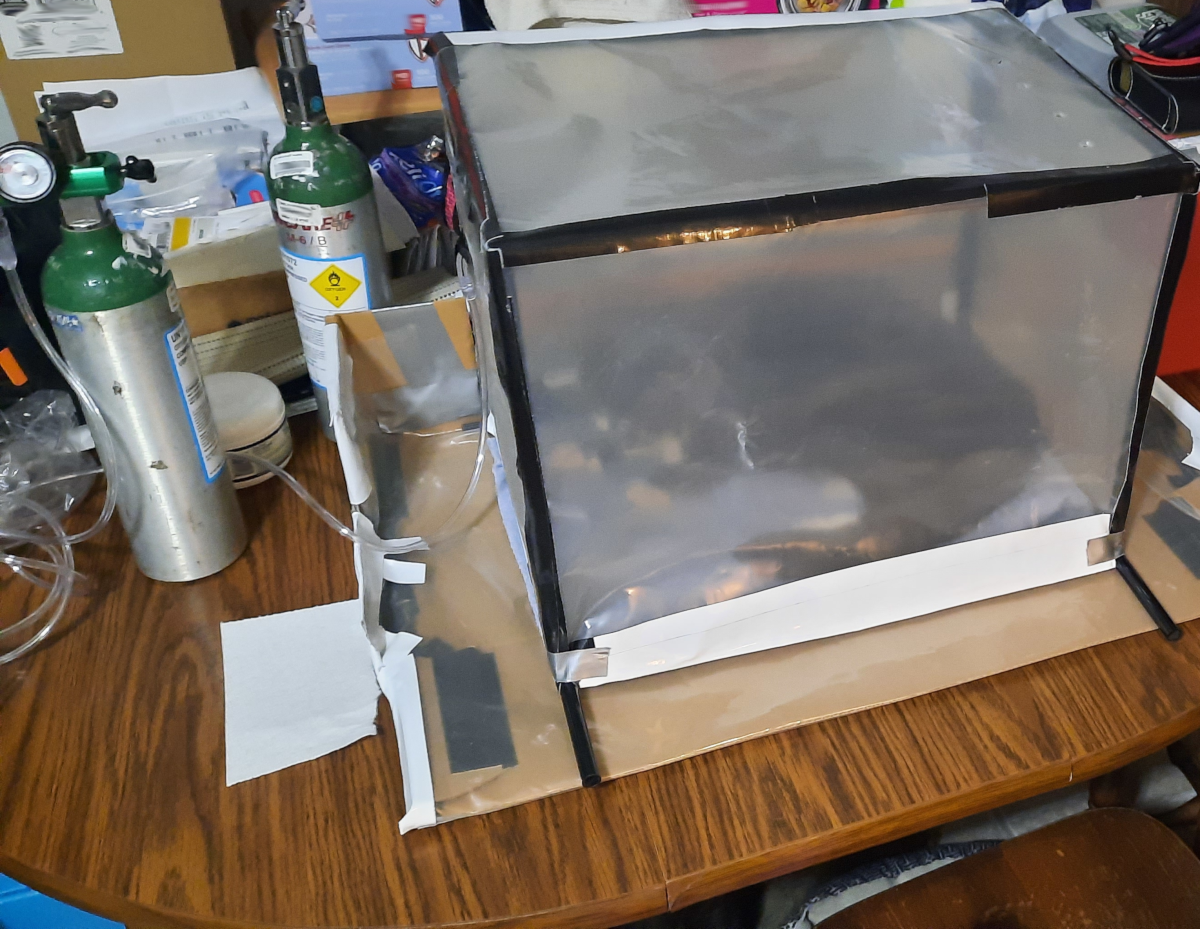 A well-prepared recovery room makes observation and supportive care easier, but it cannot provide the medical intervention an animal may need if its condition deteriorates. A meaningful reduction in appetite, repeated vomiting, increasing lethargy, or worsening mobility warrants timely attention, particularly when an animal is already receiving treatment. Do not assume that these changes are ordinary consequences of aging or temporary confinement.
The Merck Veterinary Manual’s guidance on dog and cat emergencies identifies several conditions requiring immediate treatment. Difficulty breathing, collapse, loss of consciousness, ongoing seizures, severe bleeding, and an inability to pass urine require emergency veterinary assessment. Open-mouth breathing in a cat is also an emergency warning sign, particularly when accompanied by visible respiratory effort.
Keep your regular veterinarian’s contact information, the nearest emergency veterinary hospital’s telephone number, and your pet’s medication information readily available. If an infectious illness is suspected, notify the receiving clinic before arrival whenever possible so that staff can prepare appropriate precautions. Do not allow those arrangements to unnecessarily delay emergency treatment.
Ending Quarantine and Returning to Normal Household Life
An animal appearing healthier does not necessarily mean that an infectious illness can no longer spread. Some infectious organisms continue to be shed after visible symptoms improve, while others can persist in the environment. Ending medical isolation should therefore depend on the diagnosed condition, treatment progress, and veterinary recommendations rather than outward appearance alone.
Once isolation is no longer medically necessary, clean the recovery room and its contents according to the precautions recommended for the illness. Washable bedding, food bowls, litter boxes, carriers, and other dedicated belongings should receive appropriate attention before being returned to general household use. Depending on the infection involved, items that cannot be adequately cleaned or disinfected may need to be discarded.
Reintroduction may require patience in households with multiple cats. An animal returning from isolation may carry unfamiliar scents associated with medications, veterinary visits, or its separate surroundings. Other cats may respond with avoidance, hissing, or defensive behavior even when they previously shared a comfortable relationship. Gradual, supervised interactions and access to separate resting areas can help prevent unnecessary confrontations.
Dogs recovering from illness or injury may also need protection from rough play and enthusiastic greetings after they return to shared household spaces. Medical clearance to end infectious disease isolation does not necessarily mean that physical activity restrictions have also ended. Continue to accommodate any remaining limitations as your pet resumes its usual routine.
Some features of the recovery room may deserve a permanent place in your home. An accessible litter box, individual feeding station, nonslip walkway, or supportive bed may have addressed difficulties that existed long before the recent illness. Observe how your pet uses these accommodations after returning to its normal surroundings, particularly if it continues to favor the modified resting or feeding areas. Keeping those options available can help an older animal maintain greater independence as its physical abilities change.