
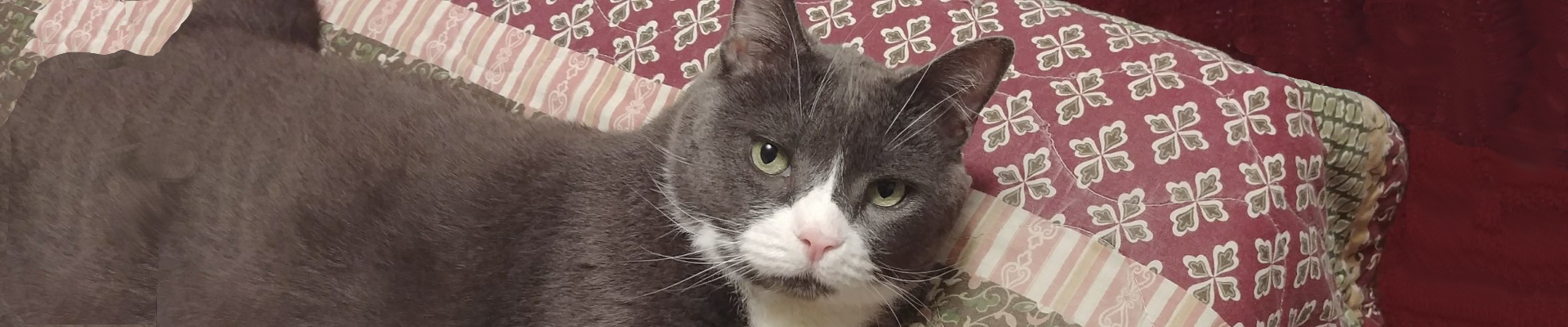
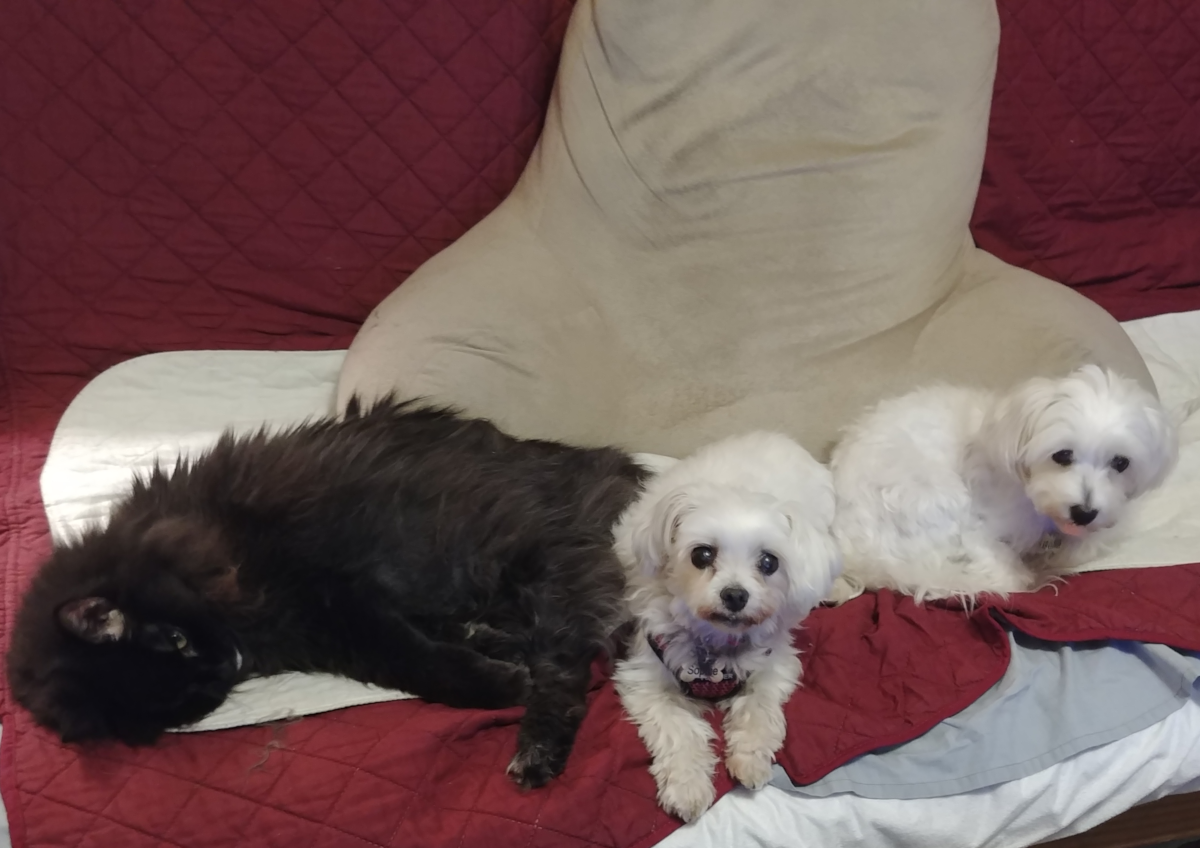
If you have ever looked into the eyes of a puppy or kitten and felt your heart melt instantly, you are not alone. That connection is powerful. It is the beginning of what we hope will be a lifelong bond filled with companionship, comfort, and unconditional love. But behind many of those bright eyes and soft fur coats, there is a side of the pet world that is harder to look at, and even harder to fully understand.
Commercial pet breeding sits right at the center of that tension. On one hand, it supplies the pets people bring into their homes and cherish deeply. On the other, it raises serious ethical concerns that every pet parent eventually has to wrestle with, whether they realize it or not.
Over the years, caring for animals like Belle and Bentley has taught me something simple but important. Every pet has a story before they come into our lives. The more we understand that story, the better choices we can make for the animals who will depend on us.
The Hidden Reality Behind High Volume Breeding
 Most people picture a happy, clean environment when they think of breeders. Maybe a family home with a few well cared for animals, each given attention and love. That kind of breeder does exist, and they can be responsible and ethical. But commercial breeding often operates on a very different scale.
In large scale operations, animals can be treated less like companions and more like production. Dogs and cats may be kept in confined spaces, bred repeatedly with little recovery time, and separated from their young earlier than is ideal. The focus tends to shift from health and well being to output and profit.
This is where ethical concerns begin to grow. When animals are seen primarily as a product, their individual needs can become secondary. Socialization may be limited. Medical care may be minimal. The emotional lives of these animals are often overlooked entirely.
It is not always obvious from the outside. A healthy looking puppy in a store or online listing does not always reflect the conditions it came from. That disconnect can make it difficult for well meaning pet parents to recognize what they are supporting.
The Long Term Impact on Pet Health
 One of the most heartbreaking parts of this issue is what it can mean for the animals themselves long after they leave those breeding environments. Poor breeding practices can lead to genetic health issues that may not show up until months or even years later.
I have seen firsthand how complex and demanding pet health can become. When Bentley was diagnosed with diabetes, it changed everything about our daily routine. It became a commitment that required patience, consistency, and a deep understanding of his needs. Now imagine adding preventable genetic issues into that mix, conditions that could have been reduced or avoided with more responsible breeding.
Commercial breeding operations that prioritize quantity over careful genetic selection may unintentionally pass along serious health problems. These can include joint issues, heart conditions, breathing difficulties, and metabolic disorders. For pet parents, that often means unexpected emotional and financial strain. For the pets, it can mean a lifetime of discomfort or medical management.
This is one of the core ethical questions. If we knowingly support systems that produce animals with a higher risk of suffering, even indirectly, what responsibility do we carry?
The Emotional Cost for Breeding Animals
We often focus on the puppies and kittens because they are the ones we see and bring home. But what about the animals used for breeding? Dogs and cats are deeply social, emotional creatures. They form bonds. They experience stress, fear, and comfort. In high volume breeding environments, those emotional needs are not always met.
Breeding animals may spend much of their lives in isolation or in overcrowded conditions. They may have limited interaction with humans beyond basic care. They may never experience the kind of home life we want for the pets we bring into our families.
That emotional deprivation is difficult to measure, but it matters. It shapes behavior, trust, and overall well being. When those animals are eventually retired or rehomed, they can carry the effects of that environment with them.
It is something I think about often. When we welcomed Belle into our lives, she had her own history, her own experiences before she became part of our family. Over time, we learned her rhythms, her quirks, and the ways she communicated comfort and stress. Every animal deserves that kind of understanding and patience, not just the ones who make it into loving homes early.
The Consumer Side of the Equation
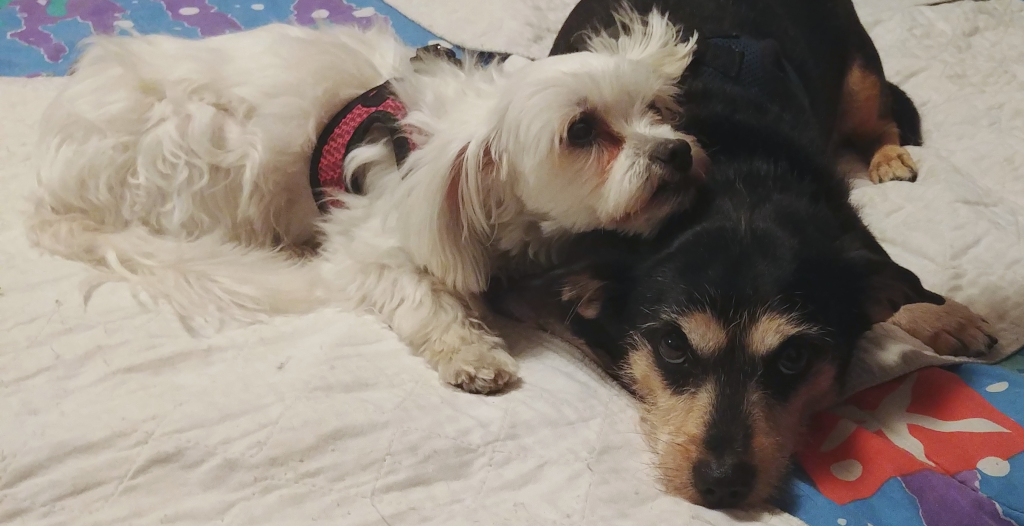 It can feel uncomfortable to acknowledge, but demand plays a major role in shaping the breeding industry. The desire for specific breeds, appearances, or even trends can drive production in ways that are not always aligned with animal welfare.
Certain breeds become popular, and suddenly there is a surge in breeding to meet that demand. When speed becomes a priority, careful practices can fall by the wayside. The cycle continues as long as there is a market for it.
This does not mean that wanting a specific breed is wrong. Many people choose breeds based on temperament, size, or compatibility with their lifestyle. But it does highlight the importance of how those pets are sourced.
There is a meaningful difference between a breeder who prioritizes health, limits the number of litters, and ensures proper care, and one who operates at a scale that makes individual attention nearly impossible. As pet parents, we are not just choosing a companion. We are participating in a system, whether we intend to or not.
Finding a More Compassionate Path Forward
The good news is that awareness gives us options. Once we understand the ethical concerns, we can make choices that align more closely with the kind of care and compassion we want for animals.
Adoption is one path that many families choose. Shelters and rescues are full of animals in need of homes, each with their own story and personality. Adopting does not just give a pet a second chance. It also helps reduce the demand that fuels large scale breeding operations.
For those who decide to go through a breeder, there are ways to approach that decision thoughtfully. Responsible breeders are usually transparent. They welcome questions. They allow you to see where the animals are raised. They focus on the health and temperament of their animals rather than just appearance.
They also tend to limit how often their animals are bred and prioritize placing them in suitable homes. That level of care often reflects a genuine respect for the animals, not just a business model.
The Role of Ongoing Care and Advocacy
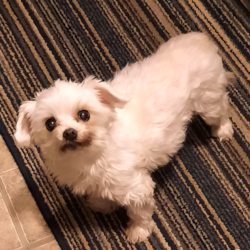 No matter where a pet comes from, what happens after they arrive in your home matters just as much. Providing proper nutrition, medical care, and emotional support can make a significant difference in their quality of life.
For those managing chronic conditions like diabetes, tools and consistency become part of that care. Keeping track of glucose levels, recognizing patterns, and working closely with a veterinarian all play a role. Having access to simple tools like glucose tracking charts or structured logs can make that process feel more manageable and less overwhelming.
It is something we learned through experience. Staying organized and consistent with Bentley’s care helped us feel more confident and gave him a better quality of life. It also reminded us that being a pet parent is not just about the happy moments. It is about showing up every day, especially when things are challenging.
Advocacy can also take many forms. It might be as simple as sharing what you have learned with another pet parent. It might mean supporting organizations that prioritize animal welfare. It might mean making thoughtful choices about where you get your next pet.
A Gentle Reflection for Pet Parents
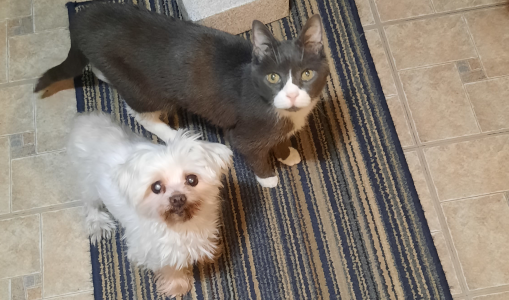 At the end of the day, this is not about guilt or judgment. Most of us brought our pets into our lives with nothing but love and good intentions. The goal is not to look backward and question those decisions, but to move forward with a deeper understanding.
Every pet deserves a life that is safe, comfortable, and filled with care. Every pet parent deserves the knowledge and support to provide that life. When we take the time to understand the ethical concerns around commercial breeding, we become part of a more compassionate future for animals.
It starts with awareness. It grows with intention. And it shows in the way we care for the animals who trust us with their lives.