Honoring a Pet’s Life While They’re Still Here
When we talk about honoring a pet’s life, many people immediately think of memorials, paw prints in clay, framed photos, or a favorite collar placed gently in a memory box. Those things matter.
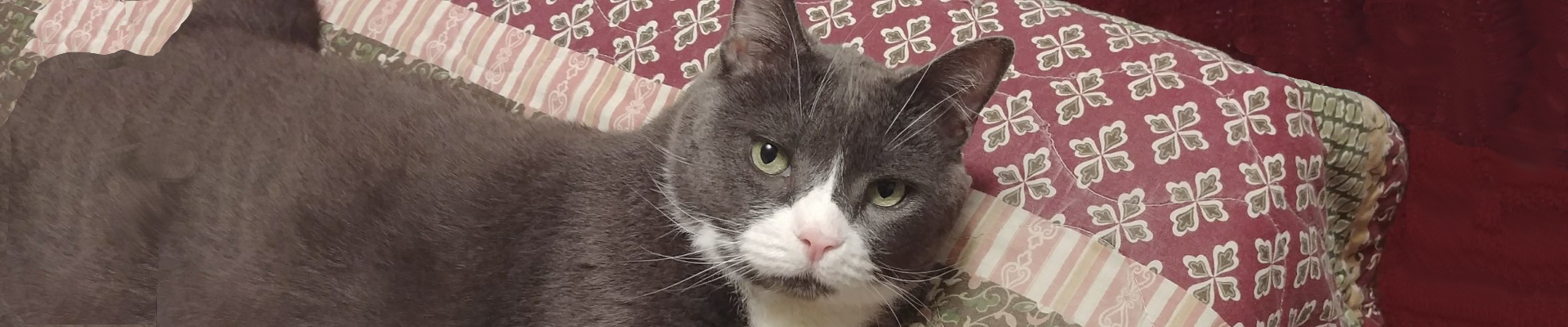
When we talk about honoring a pet’s life, many people immediately think of memorials, paw prints in clay, framed photos, or a favorite collar placed gently in a memory box. Those things matter.
When pets are young, they seem almost unstoppable. They run toward life with energy and curiosity, and we spend our days trying to keep up. As they age, something shifts. Their pace slows
When we first started sharing our lives with senior pets, we thought love was the most important ingredient in good care.
When a pet enters their senior years, food begins to matter in a different way. The bowl that once simply kept them full now plays a major role in how they feel each day.
If you share your home with a senior pet, you have likely felt it. That quiet awareness in the background. The understanding that time is no longer stretching out endlessly in front of you, but gently narrowing.
If you have loved a senior pet, you know something that cannot be taught in a classroom. You know what it feels like to watch a once-spry body slow down.
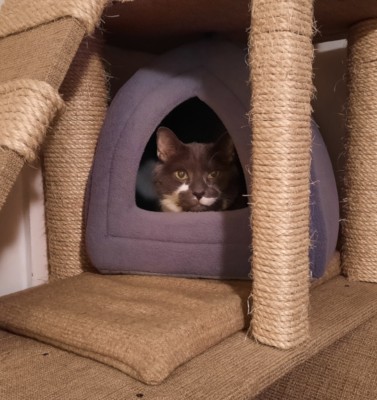
When people picture a cat tree, they often imagine a tall, carpeted tower bought from a pet store. While those can be useful, they are not the only option.
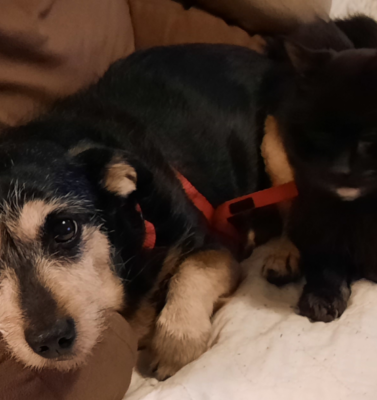
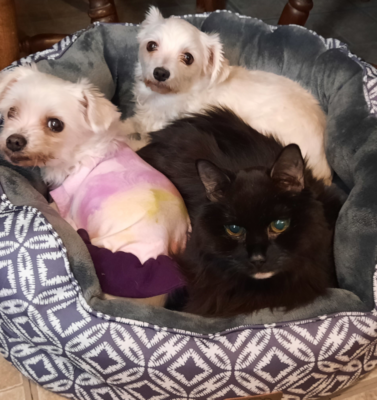
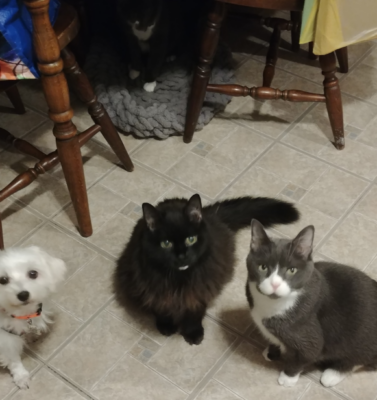
Living with multiple cats and dogs under one roof is a beautiful kind of chaos. The bowls line the kitchen floor. The sound of paws on hardwood echoes through the hallway.
Few sounds in the world are as comforting as a cat’s purr. It is soft, rhythmic, and deeply reassuring. Many of us associate it with cozy evenings, gentle head bumps, and the quiet trust that builds between a cat and their human over time.
When people think about emotional stress in cats, they often imagine extreme cases. Bald patches. Raw skin. Obvious overgrooming to the point where fur is gone. But emotional distress in cats does not always announce itself in dramatic ways. Sometimes it shows up quietly, persistently, and in ways that are …
For many pet owners, especially those who have loved animals for decades, free feeding dry food once felt like the easiest and most caring choice.
Living with more than one pet is a joy that fills a home with personality, routines, and a little chaos in the best possible way. When one of those pets is diagnosed with diabetes, the household dynamic changes.