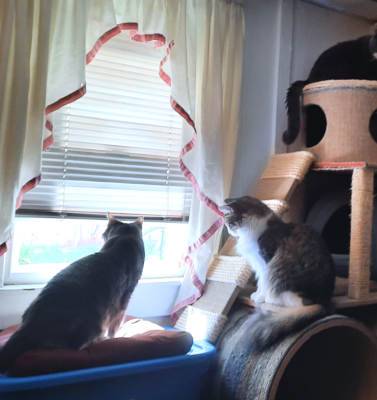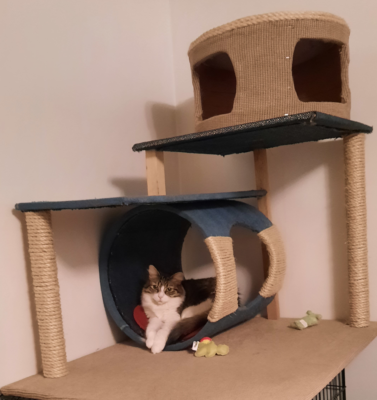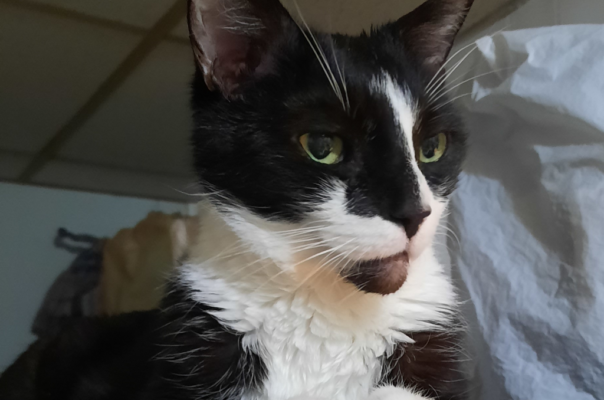
Transitioning a Semi-Feral Cat Into Indoor Life
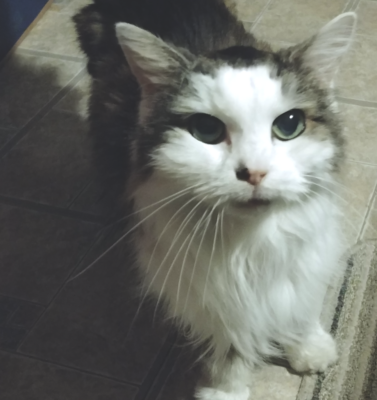
Bringing a semi-feral cat indoors is one of the most challenging and rewarding things a pet owner can do. It is not a quick process, and it is rarely linear.
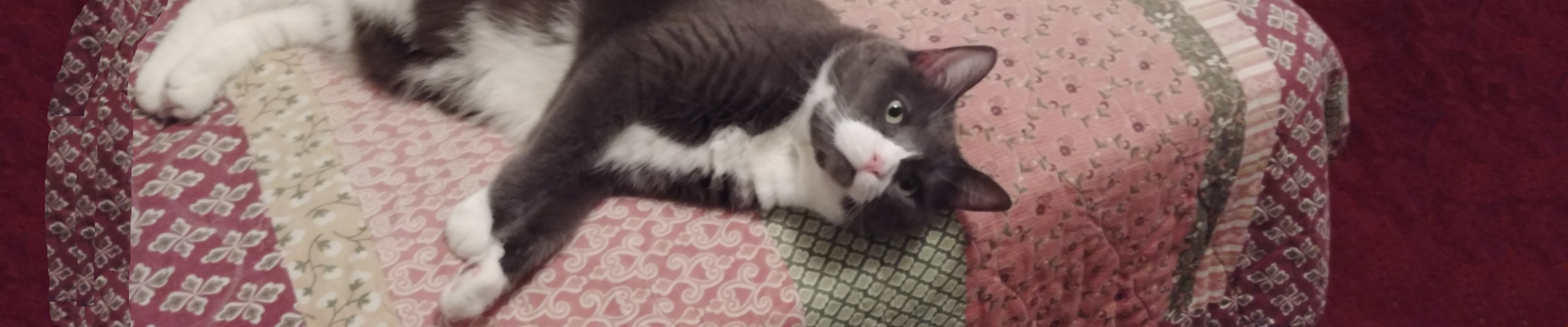
Bringing a semi-feral cat indoors is one of the most challenging and rewarding things a pet owner can do. It is not a quick process, and it is rarely linear.
A diabetes diagnosis can feel overwhelming, especially when it involves a senior cat who has already been through a lot.
When a pet is diagnosed with diabetes, one of the first things most owners hear is that blood sugar matters.
Living with pets long enough teaches you one important truth. They rarely announce when something is wrong.
There is a quiet moment that many pet owners remember clearly. It is the first time you realize your pet is no longer young.
Caring for a pet is one of the most rewarding experiences a person can have, but it can also become quietly exhausting, especially when that pet reaches their senior years or develops a chronic condition.
Scratching is one of those cat behaviors that people often associate with youth and energy. Kittens climb curtains.
Caring about animals often starts at home, with the pets we love and grow old with. Over time, many of us begin to notice the animals living just outside that circle.
Living with a senior cat is a quiet kind of devotion. It’s the slow mornings, the longer naps, the familiar routines that barely need words anymore.
When people first hear the word diabetes in relation to their pet, the reaction is almost universal: fear. Fear of needles. Fear of doing something wrong. Fear that life is about to shrink into schedules, alarms, and constant worry.
When people hear the phrase “senior-friendly home,” they often picture expensive renovations, ramps everywhere, or a house that suddenly feels more like a medical facility than a home.
When a cat reaches their senior years, the changes are rarely sudden. They arrive quietly, layered one on top of another.