
Why Stress Can Affect Blood Sugar in Diabetic Pets
Living with a diabetic pet often means learning to watch patterns that once seemed invisible. Food, insulin, activity, and timing all become part of a daily rhythm.
Nutrition and food for cats and dogs.
Living with a diabetic pet often means learning to watch patterns that once seemed invisible. Food, insulin, activity, and timing all become part of a daily rhythm.
As pets age, their bodies undergo changes similar to those in aging humans. Their metabolism slows, immune function declines, and organs may begin to show wear after years of faithful service.
Kidney disease stands as one of the most common and challenging health issues facing senior cats. While many cat owners diligently provide optimal nutrition throughout their cat’s life, kidney function naturally declines with age, often leading to chronic kidney disease (CKD) in a cat’s golden years.
Cats are creatures of habit, and their feeding routine is a crucial aspect of their overall health and well-being. Many cat owners opt for the convenience of free feeding dry food, leaving kibble available throughout the day for their feline companions.
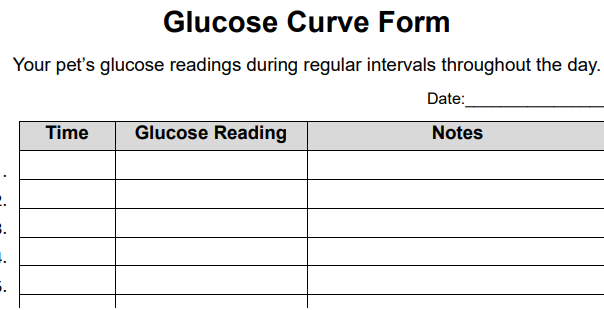
When your veterinarian diagnoses your beloved pet with diabetes mellitus, it can feel overwhelming. Suddenly, you’re learning about insulin injections, dietary changes, and glucose monitoring.
Senior cats, like most cats are masters of disguise when it comes to illness. Unlike their canine counterparts who often make their discomfort obvious, our feline friends have evolved to hide signs of weakness
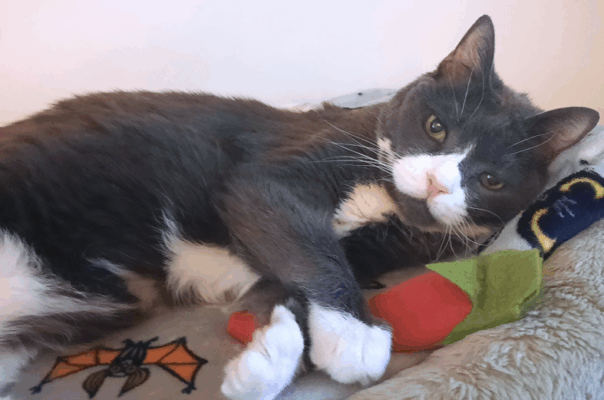
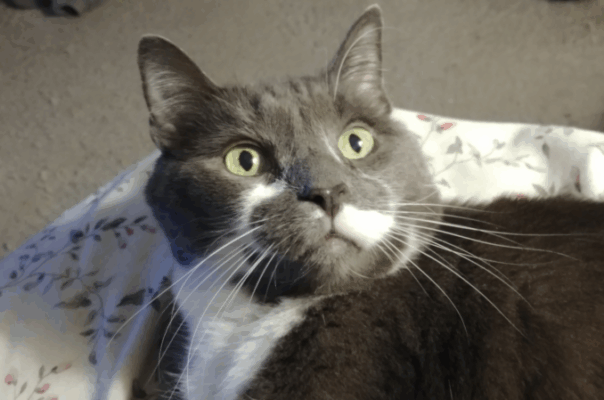
Belle and Paws have slimmed down quite a bit since they’ve joined us.