

There is something very humbling about earning the trust of an animal who has learned that the world is not always safe. A pet with a traumatic past may not come into your home wagging, purring, playing, or curling up beside you like the stories we wish every adoption could begin with. Sometimes they come in quietly. Sometimes they hide. Sometimes they flinch when a hand moves too quickly, freeze at certain sounds, guard food, avoid eye contact, or seem to live with one paw still in the life they survived before they met you.
For a loving pet parent, that can be heartbreaking. You want to show them right away that they are safe now. You want to explain that the loud voices are gone, the hunger is over, the loneliness has ended, and the hands reaching toward them now are gentle hands. But pets do not understand promises the way humans do. They understand patterns. They understand tone, space, routine, and repeated moments where nothing bad happens. That is where trust begins. Not in one grand gesture, but in the quiet repetition of safety.
At BellenPaws, we often write from the perspective of people who have loved animals through aging, illness, fear, and change. We are not veterinarians, but we are lifelong pet parents who know that some of the deepest bonds are built slowly. Whether you are caring for a senior rescue, a cat who hides under the bed, a dog who startles at footsteps, or a pet who came from neglect, patience is not just helpful. It is the foundation.
Trauma Does Not Always Look Like Fear
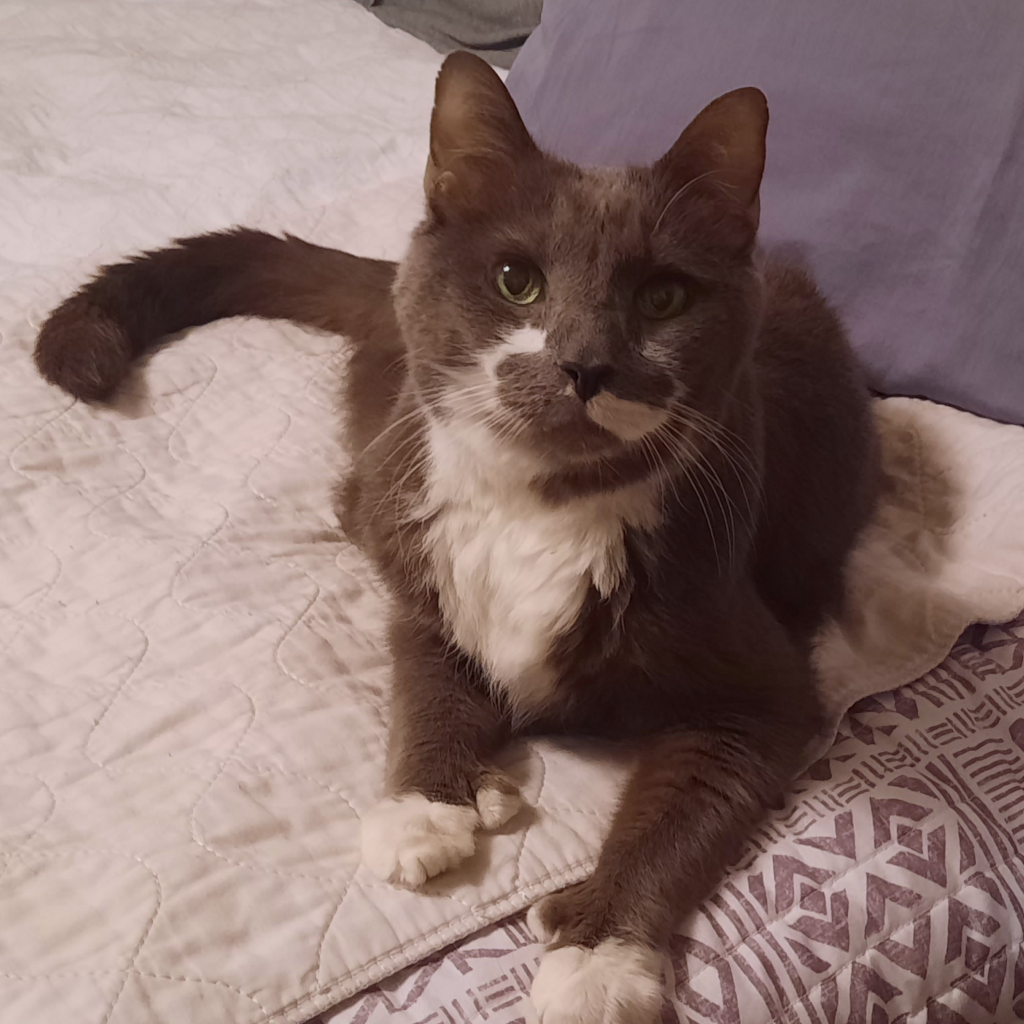 When people hear the word trauma, they often imagine a pet shaking in a corner or running away from human contact. That can happen, of course, but trauma can show itself in many quieter ways. Some pets become overly clingy because they are afraid of being abandoned again. Others seem distant, almost numb, as if they are afraid to invest in a new person or place. Some pets guard food because they have known hunger. Others panic when doors close, when voices rise, or when a certain object appears in the room.
A pet with a traumatic past may sleep lightly, react strongly to sudden movement, or struggle with being handled. Cats may hide for days or weeks, only coming out when the house is silent. Dogs may pace, pant, chew, bark, or shut down completely. These behaviors are not stubbornness or “bad manners.” They are often survival habits that once helped that animal get through something difficult.
This is one of the first mental shifts we have to make as pet parents. Instead of asking, “Why are they acting like this?” it helps to ask, “What are they afraid might happen?” That small change can soften our frustration and help us respond with compassion instead of correction.
With senior pets, this can become even more layered. An older animal may already be coping with sore joints, vision changes, hearing loss, dental discomfort, or medical conditions. If trauma is part of their history too, the world may feel even less predictable to them. A senior dog who cannot hear you approaching may startle more easily. A cat with discomfort may become defensive when touched. Fear and pain can look very similar, which is why it is always wise to involve a veterinarian if a pet’s behavior changes suddenly or seems extreme.
Trust-building begins with seeing the whole animal, not just the behavior.
Let Them Set the First Pace
One of the hardest parts of helping a traumatized pet is resisting the urge to rush closeness. When we love animals, we naturally want to comfort them with touch, hugs, kisses, and attention. But for some pets, being approached directly can feel frightening, even when our intentions are kind. They may not yet know the difference between a hand that helps and a hand that hurts.
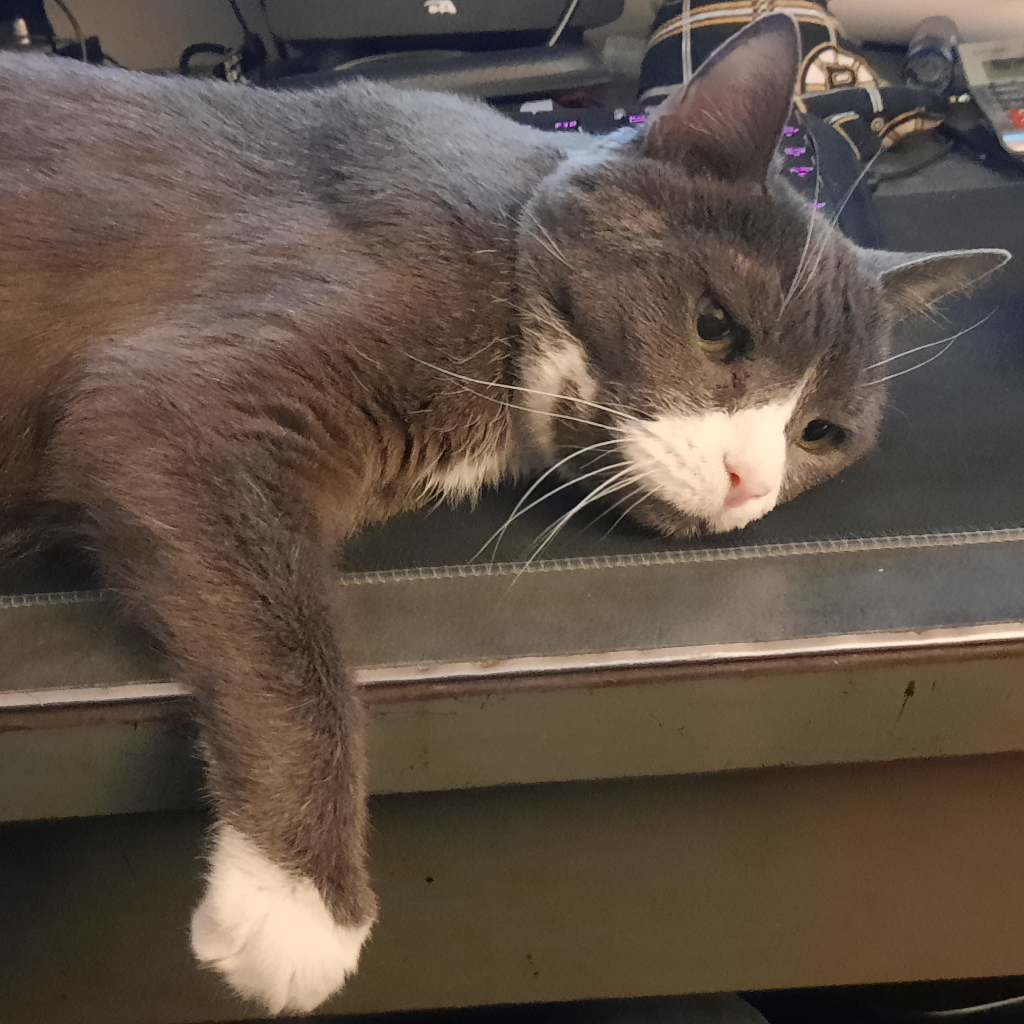 The safest early gift you can give them is space. That does not mean ignoring them. It means allowing them to exist near you without pressure. Sit in the same room and read. Talk softly without staring. Let them observe you moving through normal daily life. If they hide, let the hiding place be respected as long as it is safe. A frightened pet needs to know they have control over distance before they can feel brave enough to close that distance.
For cats especially, a small starter room can be incredibly helpful. A quiet room with food, water, litter, bedding, and safe hiding spots gives them a manageable world. Instead of being overwhelmed by an entire house, they can slowly learn one space, one scent, and one routine. Dogs may benefit from a calm corner, crate with the door left open, or bed in a low-traffic area where they can retreat without being bothered.
The first signs of trust may be tiny. A cat eating while you are in the room. A dog choosing to lie down instead of pacing. A pet blinking softly, stretching, sniffing your hand, or staying visible instead of disappearing. These moments may not look dramatic, but they matter. They are the early bricks in the bridge you are building.
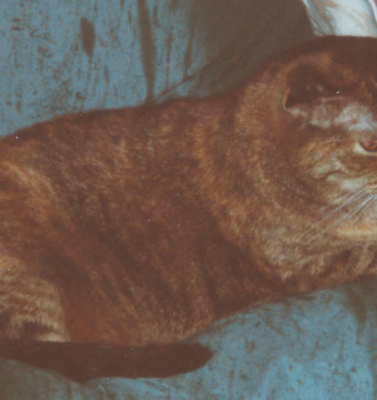
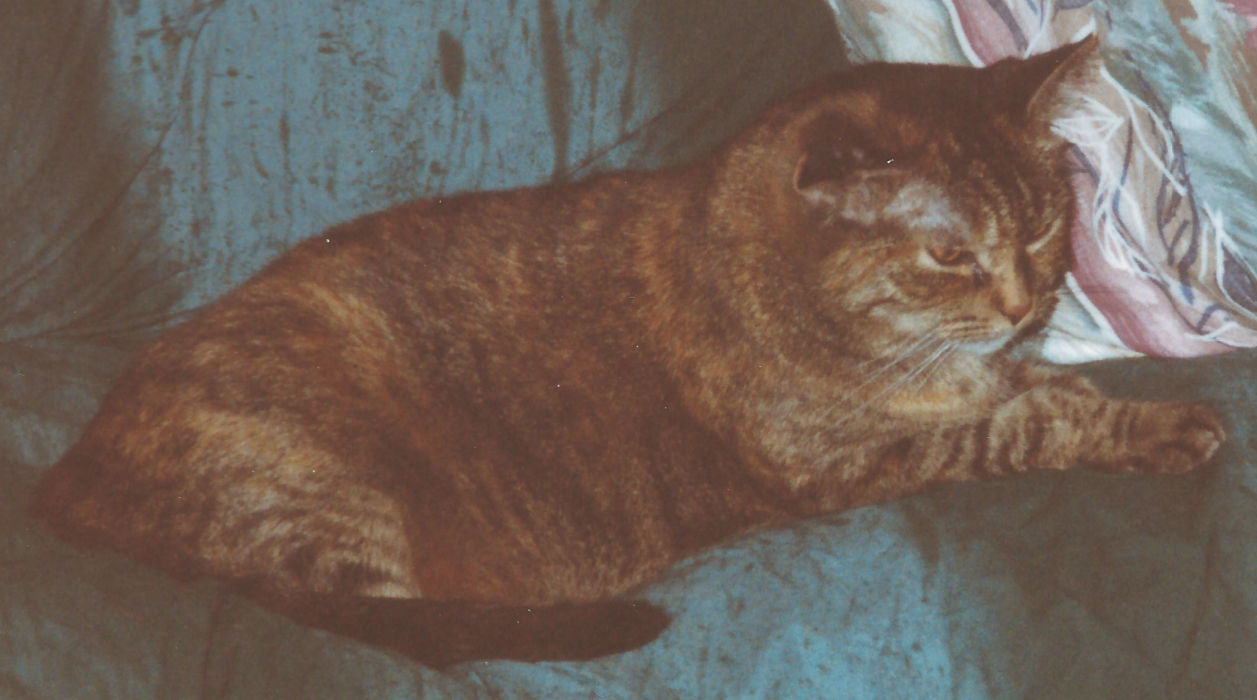
We saw this kind of slow trust many times with the cats we loved over the years. Belle, one of the founding hearts behind BellenPaws, taught us that cats often reveal their feelings in subtle ways. With animals like her, you learn to notice the small signals: a calmer posture, a slower blink, a willingness to stay nearby. Those little signs can feel like quiet victories.
Routine Becomes a Language of Safety
Pets who have lived through trauma often feel safest when life becomes predictable. They do not need every day to be perfect. They need it to make sense. Feeding around the same times, using the same gentle phrases, keeping sleeping areas consistent, and avoiding sudden chaos can help a nervous pet begin to relax.
 Routine tells them, “This is what happens here.” Breakfast comes. Water is available. The door opens, but they are not abandoned. The leash appears, but no one yanks or shouts. The hand reaches down, but it does not punish. Over time, the body begins to believe what the mind cannot understand yet.
This is especially important for pets with medical needs. A diabetic pet, for example, may need timed meals, glucose checks, injections, and close observation. For a pet with a traumatic past, medical care can feel intrusive at first. Gentle consistency matters. Using the same calm setup, the same soft voice, and rewards afterward can help turn necessary care into a predictable ritual rather than a frightening surprise.
With Bentley, who is currently managed on tight regulation and receives insulin twice a day, routine is not just convenient. It is part of care. Diabetic pets often do best when meals, testing, and insulin are handled with steady timing and calm confidence. For pet parents navigating diabetes, our BellenPaws diabetes tracker and printable glucose curve forms can help organize readings for vet discussions, but the emotional side matters too. A pet who trusts the rhythm of care is often easier to help.
Even outside of diabetes, tracking patterns can be useful. If a traumatized pet reacts strongly at certain times of day, around certain sounds, or during certain activities, writing those observations down can help you see what they are trying to tell you. Sometimes the trigger is not obvious until you step back and look at the pattern.
Gentle Handling Builds Confidence
Touch should be earned slowly, not assumed. Many traumatized pets are sensitive about being picked up, restrained, having paws touched, being brushed, or being approached from above. Even if they tolerate it, tolerance is not the same as trust. A pet may freeze because they are scared, not because they are comfortable.
 Start with the least threatening contact. Let them sniff your hand. Offer a treat from an open palm, or place it nearby if taking food from your hand is too much. Pet briefly in areas many animals tolerate better, such as the chest or side of the neck, while watching their body language. Stop before they feel the need to escape. Ending a touch session while the pet is still comfortable teaches them that contact does not have to become overwhelming.
Body language is your conversation. A relaxed pet may lean in, blink softly, wag loosely, knead, purr, or return after moving away. A stressed pet may turn their head, lick their lips, pin their ears, tuck their tail, widen their eyes, stiffen, growl, hiss, or try to leave. Respecting those signals is not “letting them win.” It is proving that you are listening.
For dogs, training should be built around encouragement and trust, not intimidation. Positive reinforcement, calm praise, food rewards, and short sessions are usually much better for frightened animals than harsh corrections. For cats, trust often grows through choice-based interaction, play, food routines, and allowing them to approach on their own terms.
If grooming, nail trims, carriers, harnesses, or medication are necessary, break the process into tiny steps. Let the brush sit nearby before using it. Let the carrier become a cozy resting place before it becomes transportation. Touch a paw briefly, reward, and stop. These tiny steps may feel slow, but they can prevent setbacks and help a pet feel more in control.
When Progress Feels Too Slow
There may be days when it feels like nothing is changing. You may wonder if your pet will ever relax, ever play, ever accept affection, or ever fully believe they are home. This is where compassion has to include patience for yourself too. Loving a traumatized pet can be emotionally heavy. You may feel rejected by an animal you are trying so hard to help.
 But trust is not always a straight line. Some pets make progress, then regress after a thunderstorm, a visitor, a vet appointment, a move, or a loud noise. That does not mean you failed. It means their nervous system is still learning. Healing often happens in layers.
Celebrate the quiet milestones. The first time they eat while you are nearby. The first time they sleep deeply. The first time they play for a few seconds. The first time they choose the couch instead of the closet. The first time they come to you not because they need food, but because they want your company.
It is also important to know when to ask for help. If a pet is biting, attacking, self-injuring, refusing food, urinating from fear, panicking intensely, or unable to settle, professional support matters. A veterinarian can check for pain or illness, and a qualified force-free trainer or veterinary behavior professional can help create a safe plan. Compassion does not mean handling everything alone.
For senior pets, extra medical attention is especially important. What looks like trauma may sometimes be pain, confusion, thyroid disease, vision loss, hearing changes, or another condition. Many of us who have loved older pets know how easily behavior and health can overlap. When in doubt, check the body while you care for the heart.
The Beautiful Moment When They Choose You
 There is a special kind of love that forms when a frightened animal finally decides you are safe. It may not look dramatic to anyone else. Maybe a cat climbs onto the bed after months of distance. Maybe a dog rests their head on your knee for the first time. Maybe a pet who once flinched now closes their eyes when you touch them. Those moments can undo you in the best way.
A pet with a traumatic past may never become the boldest animal in the room. They may always prefer quiet spaces, familiar people, predictable routines, or gentle handling. That is okay. The goal is not to erase who they are. The goal is to help them feel safe enough to become more fully themselves.
Trust is built in the ordinary moments: filling the bowl, speaking softly, respecting the hiding place, stopping when they ask you to stop, showing up again tomorrow. Over time, those ordinary moments become proof. They become the new history your pet carries.
And maybe that is the most beautiful part of loving an animal with a painful past. You cannot rewrite what happened before. But with patience, kindness, and steady care, you can help write what happens next.