
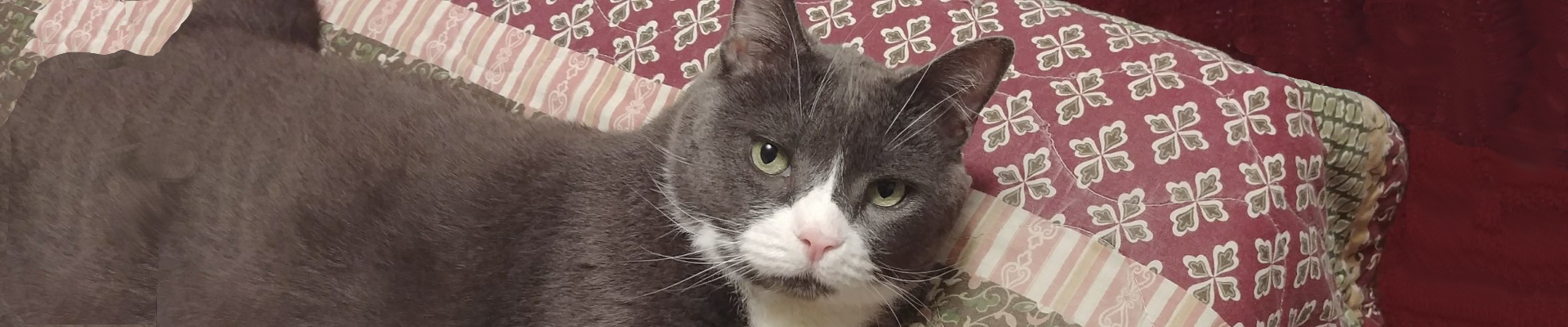
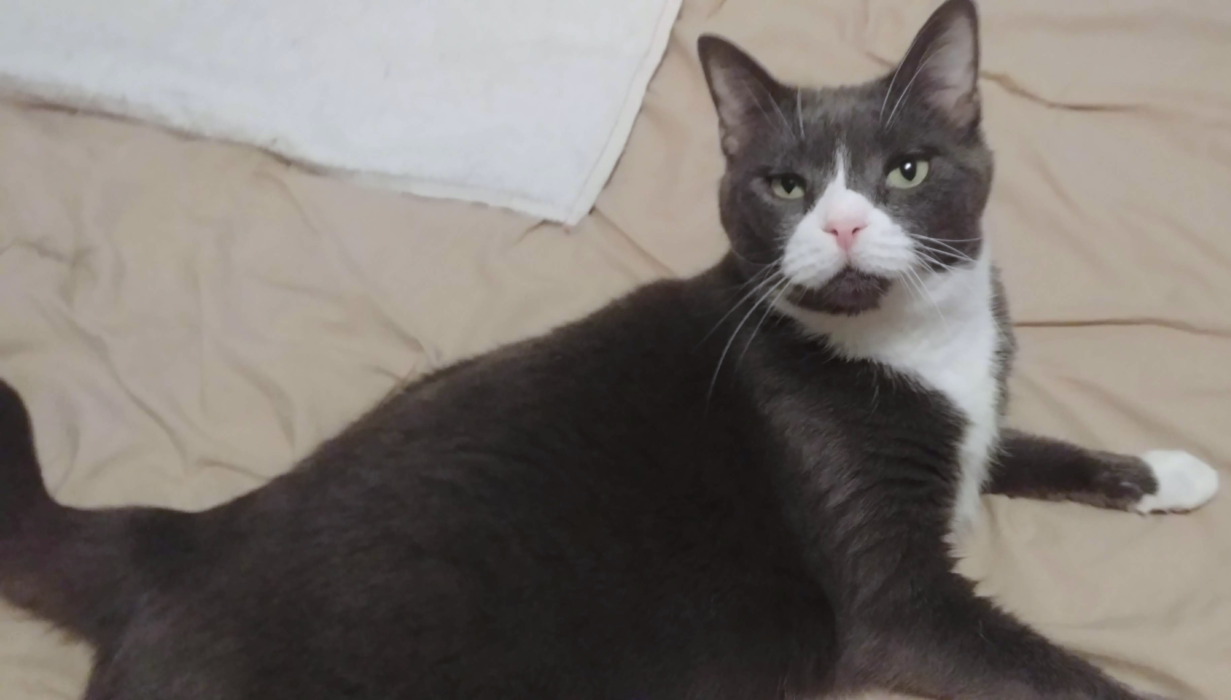
There is a quiet shift that happens when a pet gets older. It usually does not arrive all at once. One day, you simply notice that the stairs take a little longer, the naps last a little deeper, the zoomies are fewer, or the eyes that once scanned the room for mischief now look to you for reassurance. Our pets do not sit us down and tell us they are entering their senior years. They show us in small ways, and if we love them deeply, we learn to listen.
Creating a bucket list for an aging best friend is not about giving up. It is not about counting down the days or assuming the worst. In many ways, it is the opposite. It is about choosing to be present. It is about saying, “I see you. I know things are changing. Let’s make this chapter beautiful too.”
For senior dogs and cats, joy often becomes simpler, softer, and more meaningful. A younger dog might have wanted a long hike, a beach day, or an afternoon chasing a ball until everyone was tired. An older dog may be just as happy with a slow walk through familiar smells, a sunny spot in the yard, or a car ride with the window cracked just enough to bring in the world. A younger cat might have leapt to the highest shelf without thinking. A senior cat may now prefer a warm blanket near the window, a low-sided bed, or a gentle brushing session while you sit beside them.
A senior pet bucket list should not be built around what they used to love only. It should be built around who they are now.
Start With Comfort, Not Adventure
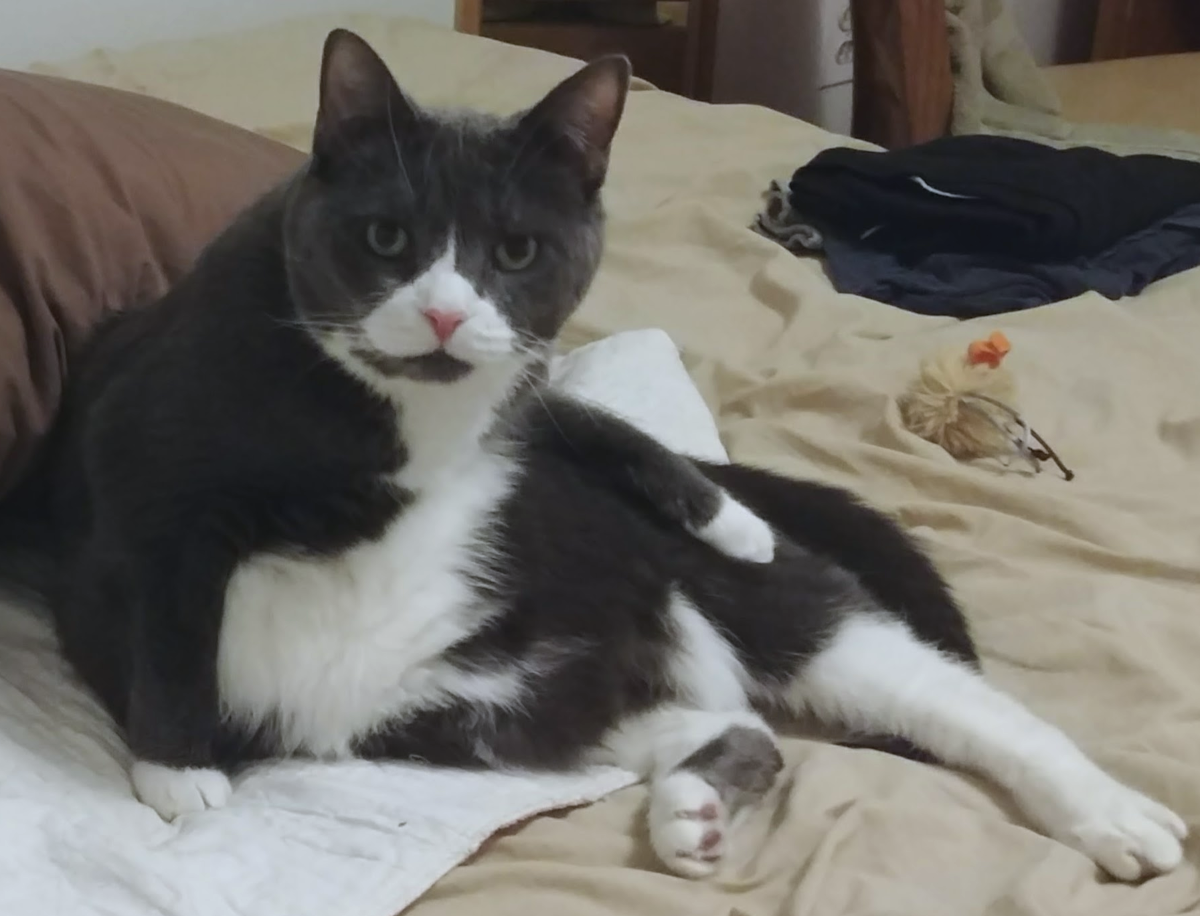 When people hear “bucket list,” they often think of big experiences. Road trips, special outings, new places, big memories. Those can absolutely be part of it, especially for pets who still enjoy that kind of activity. But for an aging pet, the best bucket list begins with comfort. Before we ask what exciting thing we can do for them, we should ask what makes their daily life feel safe, peaceful, and loved.
That may mean creating a softer sleeping space in the room where the family spends the most time. It may mean adding rugs or runners to slippery floors so an older dog can walk with confidence. It may mean giving a senior cat a set of steps to reach a favorite chair or window without having to jump. These little adjustments might not look exciting to us, but to a pet whose body is changing, they can feel like freedom.
I think about Belle, one of the senior cats behind the heart of BellenPaws. As she aged and dealt with health challenges, the most meaningful things were not grand gestures. They were the small routines that helped her feel steady. Familiar places, gentle attention, and watching for the little signs that told us what she needed. With senior pets, love often becomes less about doing more and more about noticing better.
A good bucket list should include comfort goals. Maybe your dog deserves a new orthopedic bed near the couch instead of being tucked away in another room. Maybe your cat needs a heated pad made for pets, placed safely and used according to the instructions. Maybe your pet would enjoy a quieter feeding area, a lower-entry litter box, or raised food and water bowls if your veterinarian agrees they are appropriate. These are not flashy moments, but they are acts of devotion.
Comfort also means respecting limits. If your senior dog once loved the park but now gets tired after ten minutes, the bucket list version of the park may be sitting on a bench together while they sniff the breeze. If your cat once loved active wand play but now prefers slower movement, the new version may be five gentle minutes of play followed by praise and a treat. The goal is not to recreate youth. The goal is to honor the pet in front of you.
Build Around Their Favorite Senses
Animals experience the world through scent, texture, sound, taste, and routine. A beautiful senior pet bucket list can be built around those senses in ways that feel safe and personal. For many aging dogs, smell is still one of life’s greatest pleasures. Even when walks become shorter, a “sniff walk” can be incredibly enriching. Instead of walking for distance, let your dog lead the pace. Let them investigate the same mailbox, patch of grass, or tree trunk for as long as they want. To us, it may look like nothing is happening. To them, it may be the neighborhood newspaper.
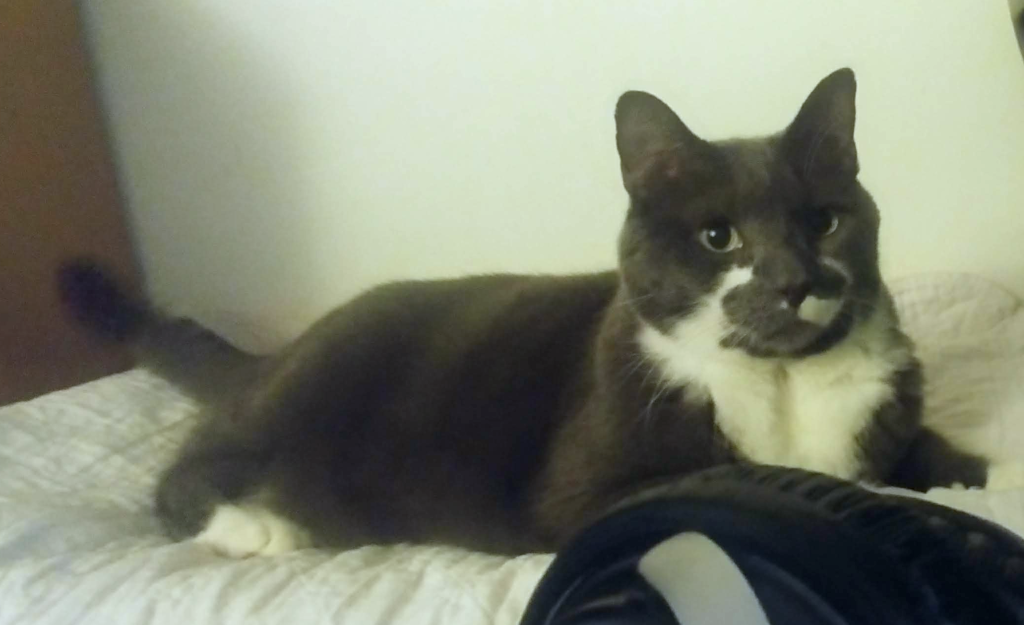 Cats have their own sensory joys. A sunny window with birds outside can be better than any expensive toy. A fresh cardboard box, a soft blanket, a little cat-safe grass, or a slow brushing session may become treasured rituals. Some senior cats still enjoy play, but they may prefer toys that move slowly along the floor rather than ones that demand jumping. The key is to make the activity fit their body, not the other way around.
Food can also be part of the bucket list, but this is where we have to be thoughtful. Treats are wonderful, but senior pets often come with medical concerns, sensitive stomachs, dental issues, kidney disease, diabetes, pancreatitis risk, food allergies, or medication schedules. A bucket list should never become a reason to ignore health needs. For diabetic pets especially, food choices matter deeply. If your pet has diabetes or another medical condition, check with your veterinarian before adding special treats or changing meals.
That does not mean food joy disappears. It just means we get creative within safe boundaries. A dog may enjoy a tiny portion of a vet-approved treat, a lick mat with appropriate food, or a special meal topper that fits their diet. A cat may enjoy a warmed meal, a bit of approved wet food, or simply being fed in a peaceful spot where they do not feel rushed. Sometimes the “treat” is not the food itself. It is the ceremony around it.
For diabetic pets like Bentley, who is currently on tight regulation and receives insulin twice a day, routine is part of love. The bucket list cannot be separated from the care plan. Joy has to live alongside consistency. That might mean celebrating the little rituals around testing, feeding, and insulin time with calm praise, affection, and comfort rather than random snacks that could throw off glucose numbers. At BellenPaws, this is why practical tools matter so much. A pet diabetes tracker, printable charts, and blank glucose curve forms can help pet parents spot patterns and share clearer information with their vet, which can make daily life feel less chaotic.
A bucket list should never make care harder. It should make life sweeter.
Make Memories They Can Actually Enjoy
One of the kindest things we can do for an older pet is stop measuring memories by human standards. We may want the perfect photo, the perfect outing, the perfect special day. Our pets usually want something much simpler. They want us. They want safety. They want familiar voices, gentle hands, good smells, cozy rest, and the quiet confidence that they are still included.
Photos can absolutely belong on the bucket list. Take them while your pet is resting in their favorite bed, looking out the window, sitting beside you, or enjoying a slow walk. Do not wait for a perfect day or a polished background. The photos that matter later are often the ordinary ones. The paw tucked under the chin. The gray muzzle. The sleepy eyes. The way they still lean into you.
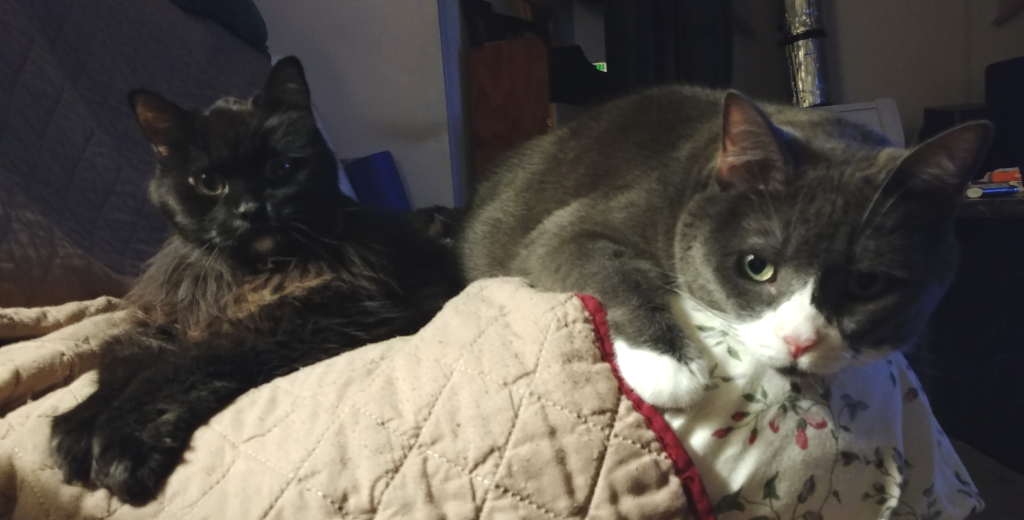 You can also create keepsakes without making the moment stressful. A paw print kit, a framed photo, a small memory box, or a written journal of favorite habits can become deeply meaningful. For pets who dislike handling, keep it simple. A keepsake should never feel like a battle. If your cat hates having their paws touched, do not turn a paw print into a wrestling match. Write down their quirks instead. Record the sound of their purr. Take a short video of them doing something they love.
Experiences can be gentle too. A senior dog may enjoy visiting a favorite quiet park during a low-traffic time of day. A cat may enjoy supervised porch time in a secure carrier, stroller, harness, or catio if they are already comfortable with that setup. A pet who loved car rides may enjoy a short drive around familiar streets. A pet who gets anxious in the car may prefer the adventure to come to them, such as a new blanket, a sunny window perch, or a peaceful afternoon with their favorite person nearby.
The best bucket list is not a checklist of impressive moments. It is a collection of meaningful ones. Maybe your dog gets a “yes day” within safe limits, where they choose the walking route, the nap spot, and the toy. Maybe your cat gets a whole afternoon of open curtains, warm laundry, and one-on-one attention. Maybe your pet gets a calm family visit from someone they love, as long as visitors understand the need for quiet voices and gentle handling.
Senior pets can become overwhelmed more easily. Too much noise, too much travel, too much touching, or too many people can turn a good idea into a stressful day. Watch their body language. If they move away, pant heavily, hide, tremble, flatten their ears, growl, stop engaging, or seem exhausted, it is okay to change the plan. A bucket list should be flexible enough to protect their peace.
Let the Bucket List Become a Love Language
The most powerful part of a senior pet bucket list is not the activity itself. It is the attention behind it. When we create one, we begin looking at our pets more closely. We notice what still lights them up. We notice what has become hard. We notice which routines soothe them and which ones need adjusting. In that way, the bucket list becomes less like a final project and more like a daily love language.
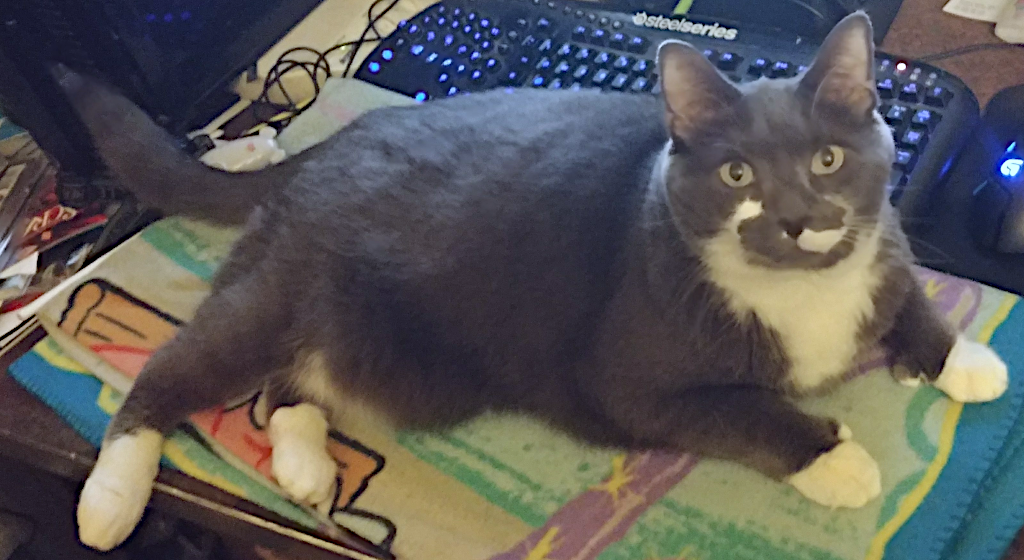 For some pets, the list may include little adventures: a picnic in the yard, a quiet beach visit, a stroller walk, a trip to a favorite drive-through for a plain, vet-approved treat, or a visit with a beloved friend. For others, it may be almost entirely home-based: extra cuddle time, a better bed, a window perch, a gentle grooming routine, soft music, warm blankets, or shorter but more frequent walks.
There is no wrong version if it is built around your pet’s comfort and safety.
It also helps to involve your veterinarian when your pet has health issues. Ask what activities are safe. Ask about pain management if your pet seems stiff or reluctant to move. Ask whether diet changes, treats, travel, or exercise limits need special consideration. Senior pets often hide discomfort, especially cats, so changes in behavior deserve attention. A bucket list should never replace medical care, but it can work beautifully beside it.
For diabetic pets, keep records as part of the journey. Blood glucose trends, meal notes, insulin timing, appetite changes, and behavior observations can all help you make better decisions with your vet. This is one reason BellenPaws offers free tracking tools and printable forms. When you are caring for a diabetic pet, good memories and good data can both be acts of love.
Most of all, give yourself grace. Loving an aging pet can be emotionally complicated. You may feel grateful, worried, hopeful, sad, and deeply protective all at once. That is normal. A bucket list can bring joy, but it can also bring tears because it asks us to admit that time is precious. The truth is, time was always precious. Senior pets simply make us feel it more clearly.
So start small. Choose one thing your pet would enjoy today. Not what they enjoyed five years ago. Not what looks best in a photo. Not what someone else says a bucket list should be. Choose something that fits their body, their personality, their health, and their heart.
Open the curtains for your cat. Take your dog on a slow sniff walk. Warm the blanket. Sit on the floor. Let them lean against you. Tell them they are loved, even if they already know.
Because in the end, the ultimate bucket list for an aging best friend is not about doing everything before goodbye. It is about making sure that every day we still have together feels seen, treasured, and full of love.