
Some pets eat like dinner is about to vanish. They dive into the bowl, gulp food in huge mouthfuls, barely chew, and then look around like they have survived some great emergency. For a young, healthy pet, that might seem funny at first. For a senior pet, a diabetic pet, a pet with stomach sensitivity, or a pet who regularly vomits after meals, fast eating can turn into a real problem.
Slow feed bowls are designed to make pets work a little more gently for their food. They are not fancy medical devices. They are not magic. They are simply bowls with ridges, grooves, raised shapes, or maze-like patterns that spread food out and slow down each bite. The goal is not to frustrate the pet. The goal is to keep mealtime calmer, safer, and easier on the body.
As someone who has lived with many cats and dogs over the years, including senior pets with kidney disease, hyperthyroidism, high blood pressure, obesity, cancer, blindness, and diabetes, I have learned that small changes in routine can matter more than they appear. A bowl may seem like a tiny thing, but for the right pet, it can change the whole rhythm of feeding.
Fast Eating Is More Than a Bad Habit
 Fast eating is often treated like a personality quirk. Some pets are dainty nibblers. Others inhale food like a vacuum cleaner with fur. I have seen both, and I can tell you the fast eaters are not always being “bad.” They may be anxious. They may have come from a background where food was limited. They may be competing with other pets in the house. They may feel discomfort, hunger spikes, or confusion around mealtime.
Dogs are famous for gulping food, but cats can do it too. Some cats scarf down wet food and then bring it right back up. Some crunch dry food only enough to swallow it. Others eat too fast because they are extremely hungry from a medical issue like diabetes or hyperthyroidism.
That last part matters. A pet who suddenly starts eating like they are starving should not be dismissed as greedy. We saw hunger changes with diabetic cats and hyperthyroid cats, and it was not about attitude. It was biology. If your pet’s appetite suddenly changes, especially alongside weight loss, vomiting, increased thirst, extra urination, restlessness, or weakness, that belongs on the vet’s radar. A slow feed bowl can help manage the behavior, but it should not be used to cover up a new symptom.
What Slow Feed Bowls Are Meant to Do
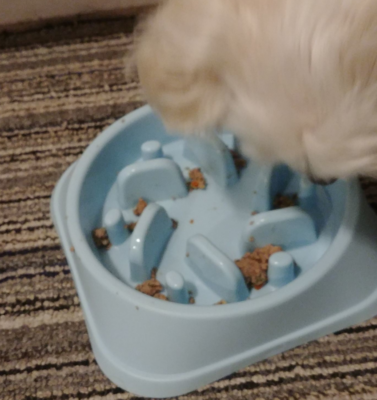
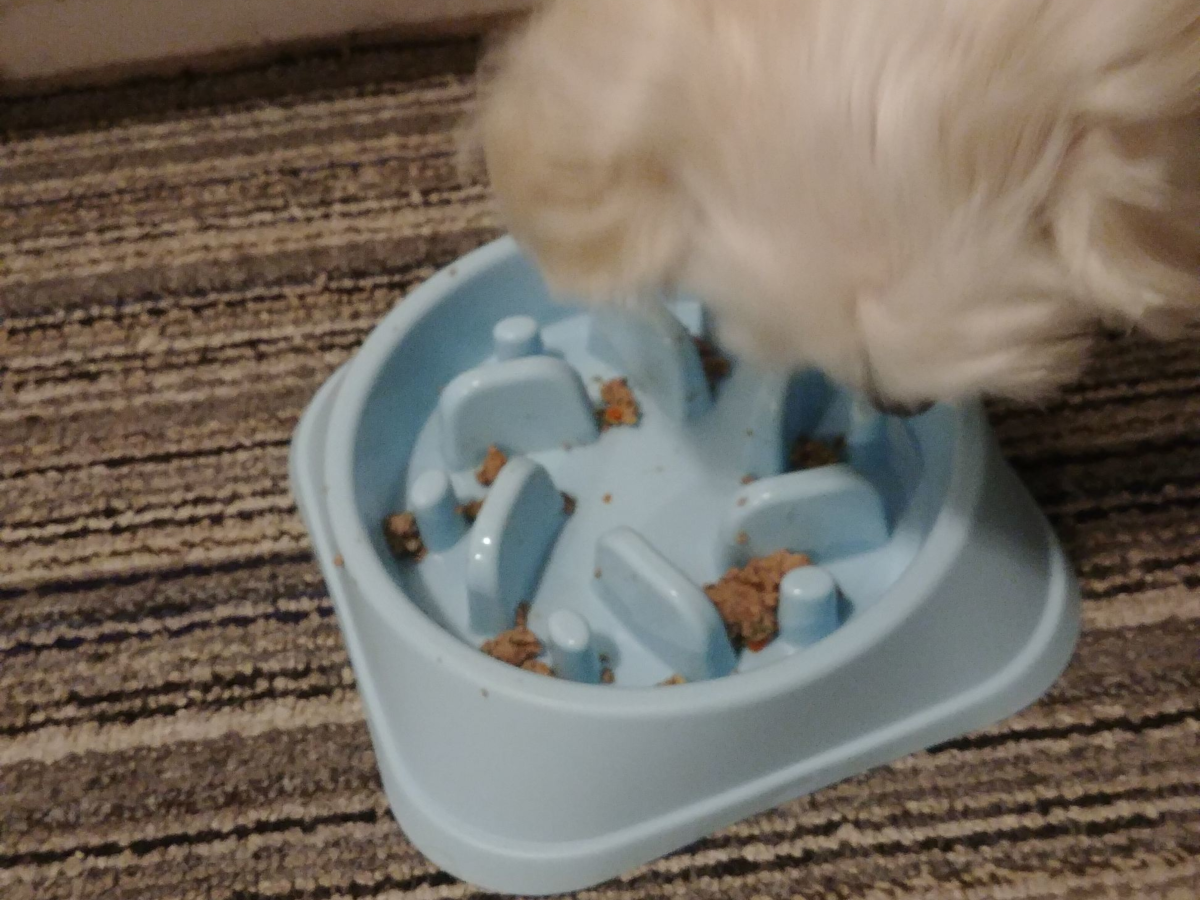
A slow feed bowl creates obstacles inside the dish. Instead of a flat bowl where a dog or cat can grab large mouthfuls at once, the food sits between raised sections. The pet has to lick, nudge, sniff, and pick up smaller amounts.
That slower pace can help with several common issues. It may reduce gulping. It may cut down on air swallowing. It may help pets who vomit shortly after eating because they overloaded their stomach too quickly. It may also make meals feel more mentally engaging, especially for pets who are bored or food-obsessed.
For dogs, slow feeders are often used to help with gulping, burping, regurgitation, and mealtime excitement. For cats, they can be useful for scarf-and-barf behavior, boredom eating, and slowing down dry food or thicker wet food. The best slow feed bowls do not punish the pet. They simply make the meal take a little longer.
The Pets Who May Benefit Most
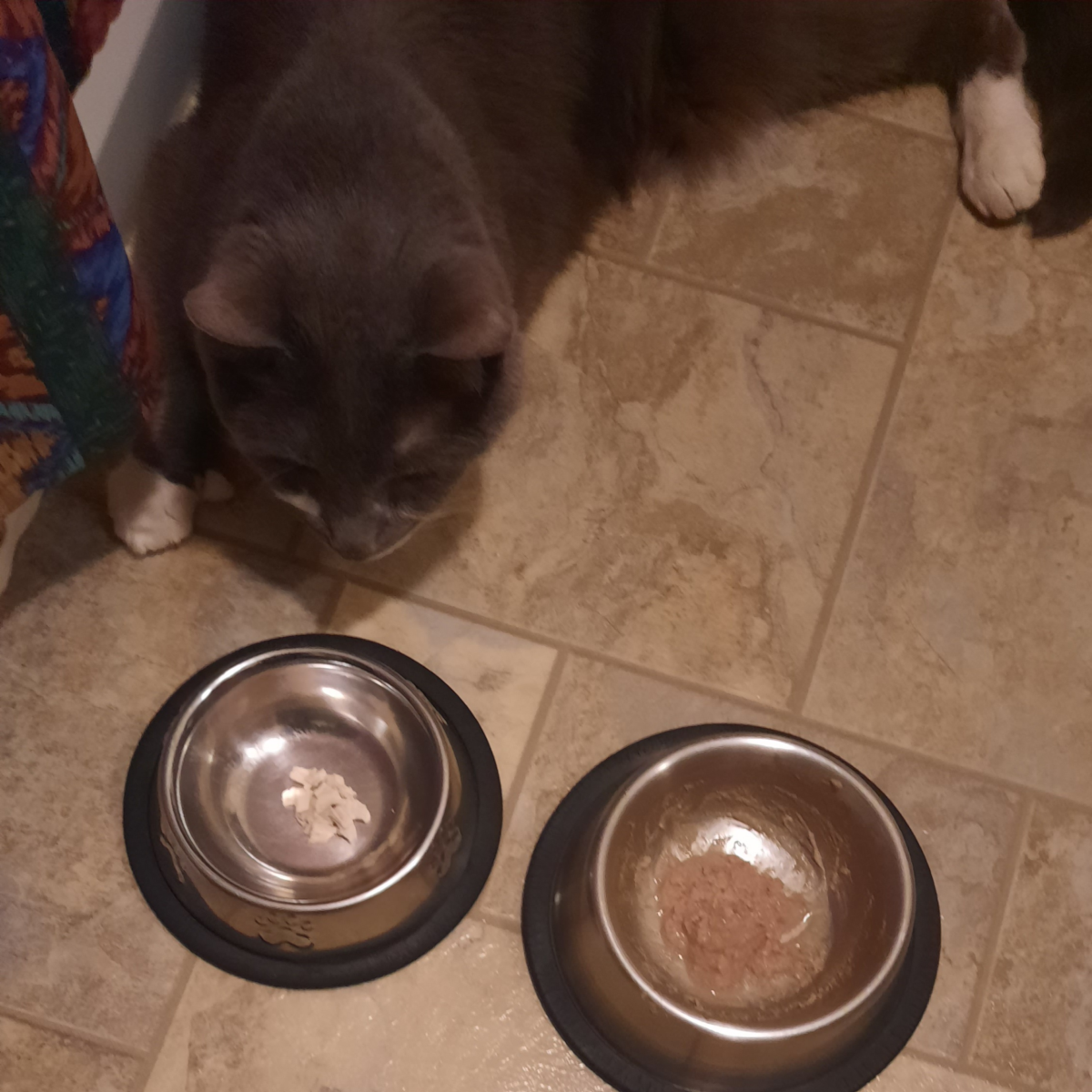 Senior pets can benefit from slower eating because their bodies may not handle sudden food intake as comfortably as they once did. An older dog with a sensitive stomach may feel better eating gradually. An older cat with kidney disease may already deal with nausea, appetite swings, or picky eating, so calm feeding matters.
Pets with diabetes may also benefit, but this needs a careful approach. With diabetic cats like Zippy, who reached remission through tight regulation, and Bentley, who still receives insulin twice a day, food timing and food amount matter a lot. A slow feed bowl can help keep a diabetic pet from gulping too fast, but it should not prevent the pet from finishing the needed meal before insulin.
That is the line I would never play games with. A diabetic pet needs a reliable feeding routine. If a slow feeder causes frustration, delays, or partial meals, it may not be the right tool for that pet at that time. For diabetic pets, I would rather start simple, watch closely, and keep notes.
That is one reason we offer a free online pet diabetes tracker on BellenPaws, along with printable charts and blank glucose curve forms. Patterns matter. If a bowl change affects appetite, timing, vomiting, or glucose numbers, writing it down can help you and your vet see what is really happening.
Overweight pets may also benefit from slow feeders. Bonnie and Blackie both dealt with obesity, and one thing I have learned is that food speed and food satisfaction are connected. A pet who finishes a meal in thirty seconds may still act hungry because the brain has not caught up yet. Slowing the meal can make feeding feel more complete without adding extra calories.
Vomiting After Meals
Some pets vomit shortly after eating because they ate too quickly. This is especially common when food comes back up looking mostly undigested. A slow feed bowl may help by forcing smaller bites and a slower pace.
That said, vomiting is not something I ignore in senior pets. Occasional scarf-and-barf is one thing. Frequent vomiting, repeated gagging, weight loss, hiding, dehydration, or poor appetite is different. Belle lived with dehydration and kidney disease, and Pebbles had kidney disease too, so I do not brush off stomach issues in older cats. They can go downhill faster than we want to admit. A slow feeder can be part of a practical plan, but it is not a substitute for medical care when vomiting becomes frequent or changes suddenly.
Gulping Air, Burping, and Belly Discomfort
Fast eaters often swallow air along with food. In dogs, this can lead to burping, gas, discomfort, and restlessness after meals. Some dogs pace after eating, lick their lips, or seem uneasy. A slower meal can reduce how much air they swallow.
Large, deep-chested dogs are often discussed in connection with bloat, which is a serious emergency. A slow feeder may help reduce gulping, but it should never be treated as a guarantee against bloat. If a dog has a swollen belly, unproductive retching, severe restlessness, drooling, weakness, or collapse, that is emergency territory.
For everyday gulpers, though, slowing the meal can make a visible difference. Meals become less frantic. The pet breathes better while eating. The stomach does not get hit with a pile of food all at once.
Choosing the Right Slow Feed Bowl
 The best bowl depends on the pet’s size, face shape, food type, age, and patience level. A young, energetic dog may enjoy a deeper maze bowl. A senior cat may need something shallow, gentle, and easy to access. A flat-faced dog or cat needs extra care because deep ridges can make eating harder than it should be.
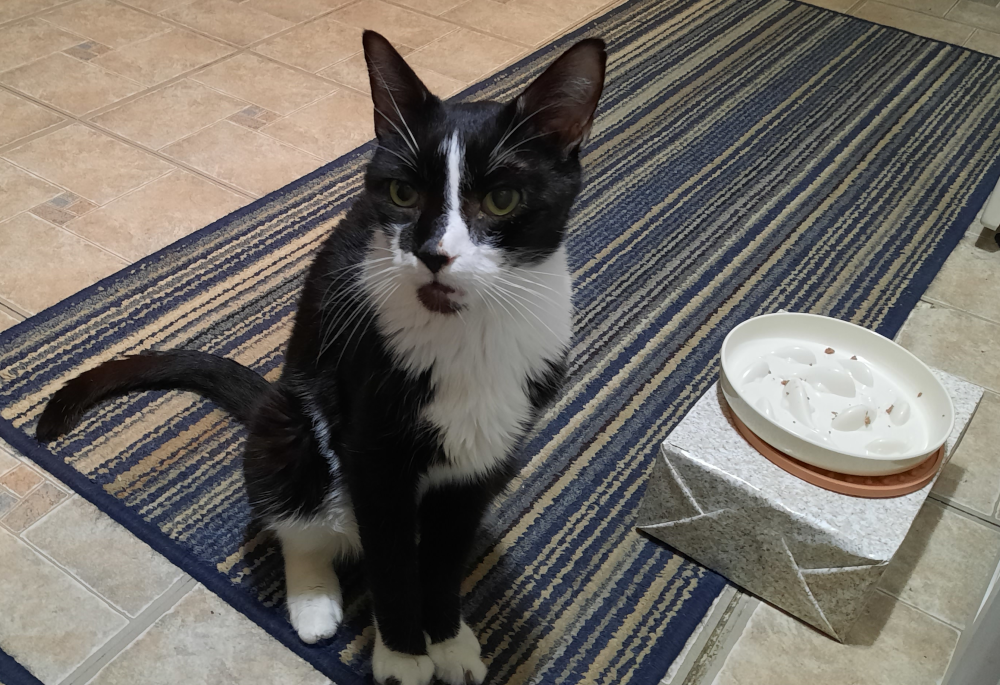
For cats, I usually prefer shallow slow feeders or lick mats rather than deep maze bowls. Cats can be sensitive about their whiskers rubbing against bowl sides, and some will simply walk away if eating feels annoying. A wide, low dish with gentle ridges may work better than a dramatic puzzle-style bowl.
For dogs, the bowl should match the dog’s muzzle. A small dog does not need tall obstacles. A large dog may need a heavier bowl that does not slide across the floor. If the dog becomes frantic and starts biting the plastic ridges, the design may be too difficult.
Material matters too. Stainless steel is durable and usually easier to keep clean. Ceramic can be sturdy but may chip. Plastic is common, but it can scratch over time, and scratches can hold grime. If you choose plastic, inspect it often and replace it when it gets rough or damaged.
Wet Food, Dry Food, and Mixed Meals
Slow feeders are not only for dry kibble. Many pets eat wet food, especially cats and diabetic pets. Wet food can be spread into shallow grooves, pressed gently into a lick mat, or divided into smaller sections of a slow bowl.
For diabetic cats, wet food is often part of a careful feeding plan. A slow feeder may help a cat eat more calmly, but the meal still needs to be accessible. If the food is packed too tightly into grooves, the cat may give up before eating enough. That can be risky if insulin is involved.
Dry food works well in many maze-style bowls because the pieces scatter into channels. Mixed meals can work too, but they can get messy. Some pet parents add a little water to wet food to make it easier to lick from grooves. That can also support hydration, which is helpful for many senior cats, but every pet has preferences. The main rule is simple. The pet should slow down, not struggle.
Introducing a Slow Feed Bowl Without Creating Stress
A slow feed bowl should be introduced gently. I would not take a pet who already feels anxious around food and suddenly make dinner difficult. Start with an easy pattern. Add only part of the meal to the slow feeder and place the rest in the normal bowl if needed. Let the pet learn. Some pets understand immediately. Others stare at the bowl like you have betrayed them. Cats are especially good at making you feel judged for your life choices.
For seniors, keep the first attempt short and calm. Watch posture, interest, and frustration. If a pet paws at the bowl, flips it, walks away, or seems upset, the bowl may be too hard. Try a shallower design, a lick mat, or a plain plate with the food spread out. Dogs may need supervision at first, especially if they chew the bowl. A slow feeder should not become a chew toy. If pieces break off, toss it.
Multi-Pet Homes and Food Competition
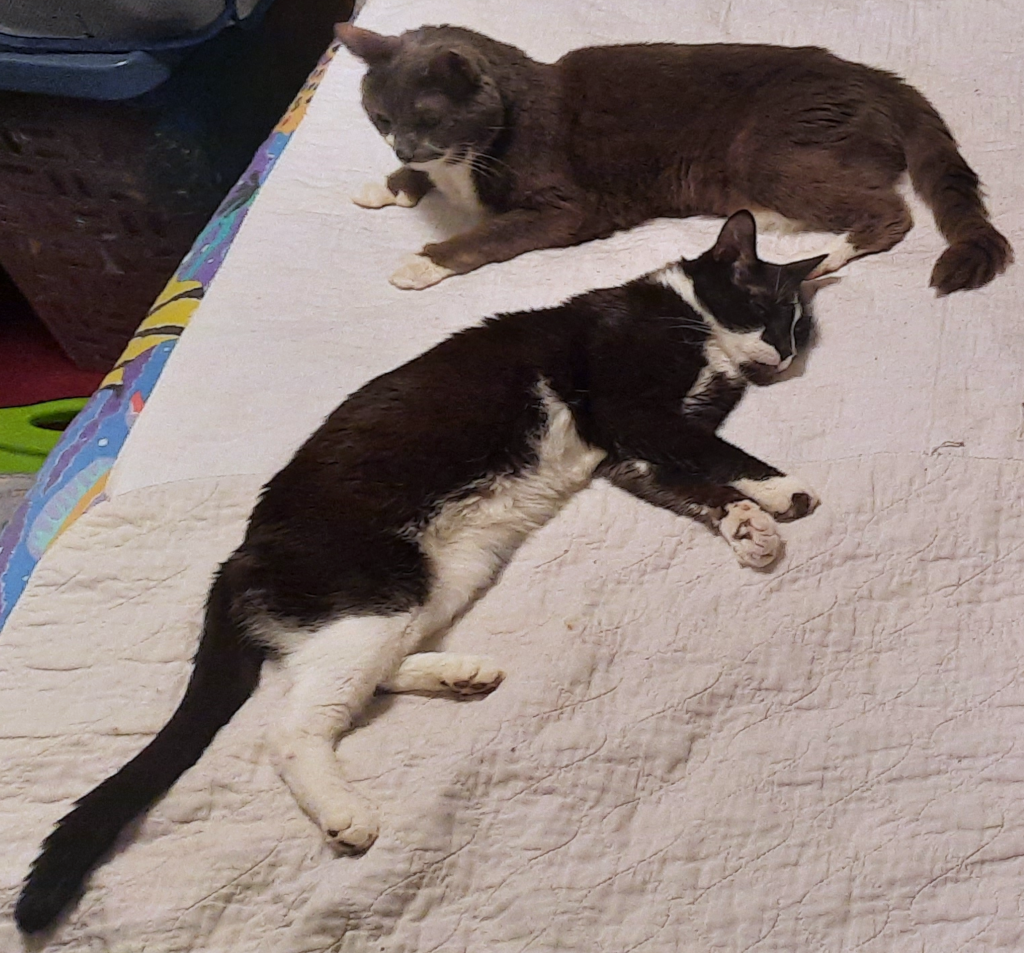 Fast eating often gets worse in homes with multiple pets. Even when no one is stealing food, some animals feel pressure just because another pet is nearby. They eat faster to protect the meal.
We have had many pets under one roof, and feeding peace matters. Sometimes the best slow feeder is not a bowl at all. It is separation. Feed one pet in the kitchen, one in a bedroom, one on a counter if that is safe for a cat, or one behind a gate. Give each animal breathing room.
This is especially true for diabetic pets. Bentley’s meals are not casual snacks. They are part of his insulin routine. A diabetic pet should not have to race another pet for food, and another pet should not be sneaking bites from a diabetic meal. Separate feeding can prevent chaos and help you track who ate what. A slow feed bowl in a crowded feeding area may only add frustration. Calm space comes first.
Slow Feeders for Senior Pets With Dental or Mobility Issues
Senior pets may have dental disease, jaw discomfort, arthritis, neck pain, vision loss, or general weakness. Cybil dealt with blindness, and that kind of issue changes how a pet interacts with the world. A bowl that seems clever to us may be confusing or hard for a pet who cannot see well.
For older pets, I like to think about comfort first. A raised bowl may help some dogs or cats, though not every pet needs one. A non-slip mat can keep the bowl stable. A shallow design can reduce strain. Softer food may be easier than dry food.
Pets with dental pain may avoid slow feeders because the obstacles make eating uncomfortable. If your pet drops food, chews on one side, paws at the mouth, drools, avoids hard food, or seems hesitant, the bowl is not the main issue. The mouth may need attention. Slow feeding should support the pet’s body, not make mealtime harder.
Cleaning Matters More Than People Think
Slow feed bowls have grooves, corners, ridges, and little pockets where food can stick. That means cleaning is not optional. Wet food residue can dry into crevices. Dry food oils can build up. Saliva gets everywhere. I prefer bowls that are dishwasher-safe or easy to scrub by hand. If a bowl has tight corners that cannot be cleaned well, I do not love it. Senior pets and diabetic pets deserve clean feeding equipment. Their bodies may already be working harder than they used to.
Lick mats also need careful cleaning. Some designs are cute but annoying to wash. Cute does not matter at 10 p.m. when you are scrubbing dried cat food out of tiny grooves. Simple often wins.
Signs the Bowl Is Helping
 A slow feed bowl is helping if meals take longer without distress. The pet stays interested. Vomiting after meals decreases. Burping or gulping improves. The pet seems calmer before and after eating. Weight management may become a little easier because meals feel less frantic.
For diabetic pets, the food routine should remain consistent. The pet should still eat the correct amount in the expected window. Glucose tracking should not become more confusing because of the bowl. If you start using a slow feeder and notice changes in appetite, meal timing, vomiting, or blood sugar patterns, write them down. Those little notes become useful later. Memory is not always reliable when you are tired, worried, and juggling shots, meals, medications, and vet visits.
Signs the Bowl Is Not the Right Fit
A slow feeder is not helping if your pet refuses meals, becomes stressed, bites the bowl, flips it over, guards food more aggressively, eats too little, or takes so long that medication timing becomes a problem. For diabetic pets, partial meals are a serious concern. If Bentley does not eat properly, that affects decisions around insulin. I would never want a feeding tool to interfere with the basics. Food first. Safety first. The clever bowl can wait.
Some pets do better with other methods. You can spread food thinly on a plate. You can split meals into smaller portions. You can feed in separate rooms. You can use a timed feeder for certain pets. You can hand-feed a few bites to settle an anxious animal, though that may create its own habits. The right answer is the one your pet can live with comfortably.
Slow Feed Bowls Are Tools, Not Personality Fixers
A pet who eats fast is not trying to annoy you. They are responding to hunger, habit, stress, competition, medical changes, or plain old excitement. Slow feed bowls can help, but they work best when we look at the whole situation.
Food speed is one clue. Appetite is another. Weight changes, thirst, urination, vomiting, stool changes, energy, and behavior all tell part of the story. Senior pets especially deserve that bigger view because aging can make small symptoms mean more. A slow feed bowl may be a simple purchase, but the thinking behind it is bigger than the bowl. It is about making mealtime safer and calmer for pets who depend on us to notice the details.