

Hearing that a cat has feline AIDS can immediately raise concerns about serious illness, contagious disease, and how much time that animal might have left. The name itself sounds frightening, particularly because most people associate AIDS with the human disease. Yet feline immunodeficiency virus (FIV) behaves differently, and a positive diagnosis does not automatically mean a cat is seriously ill or facing a shortened life.
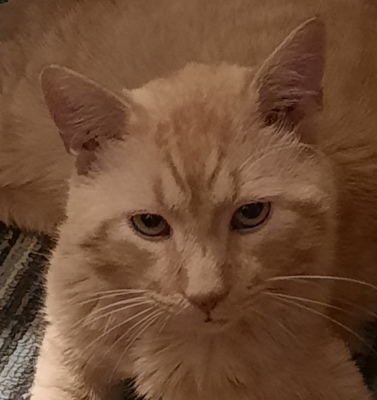
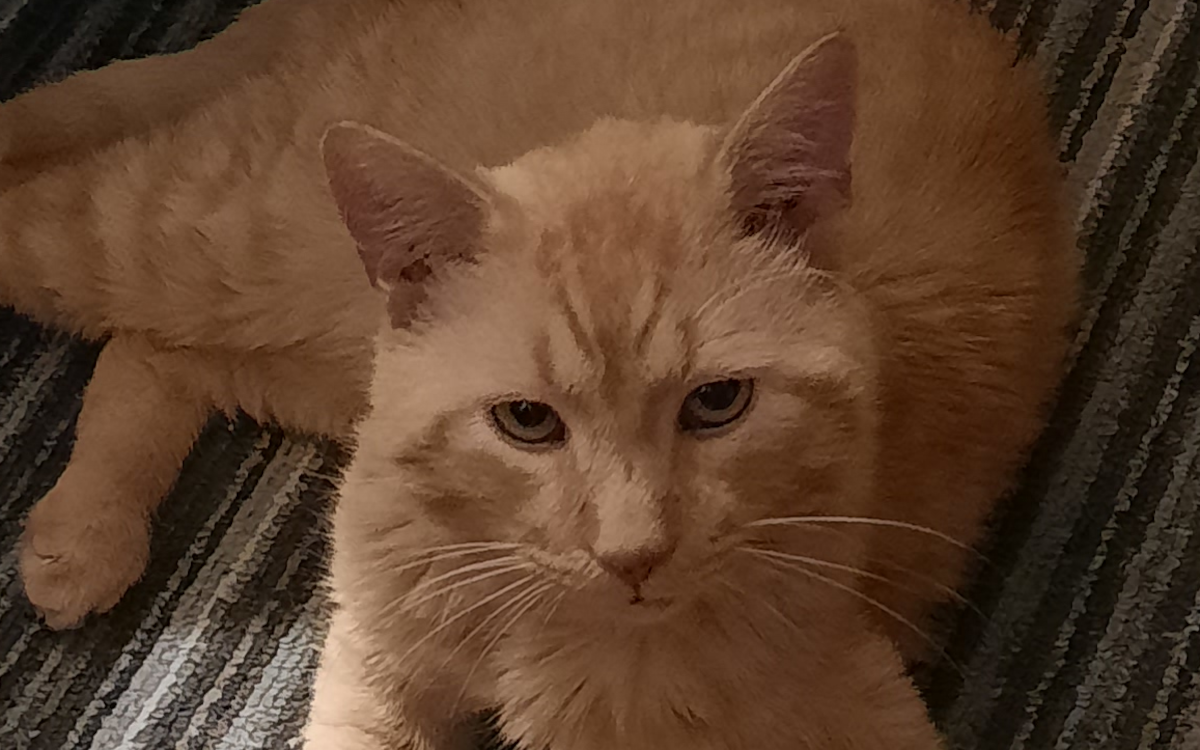
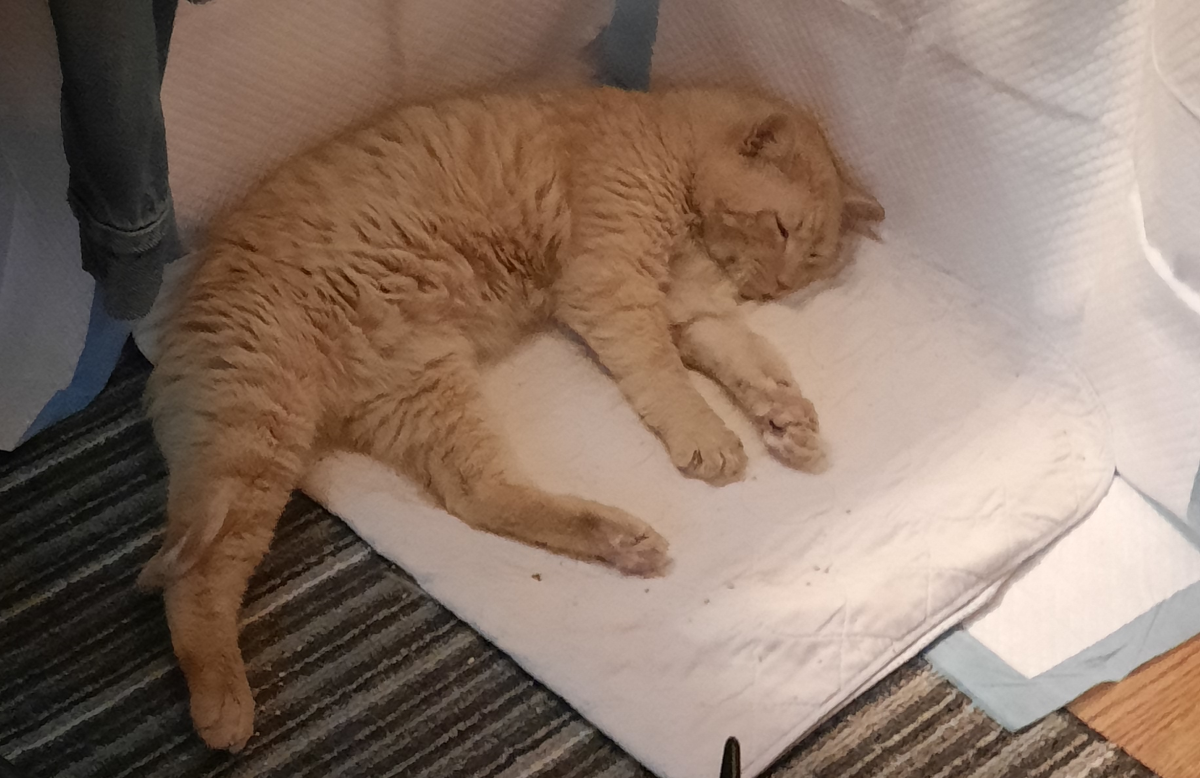
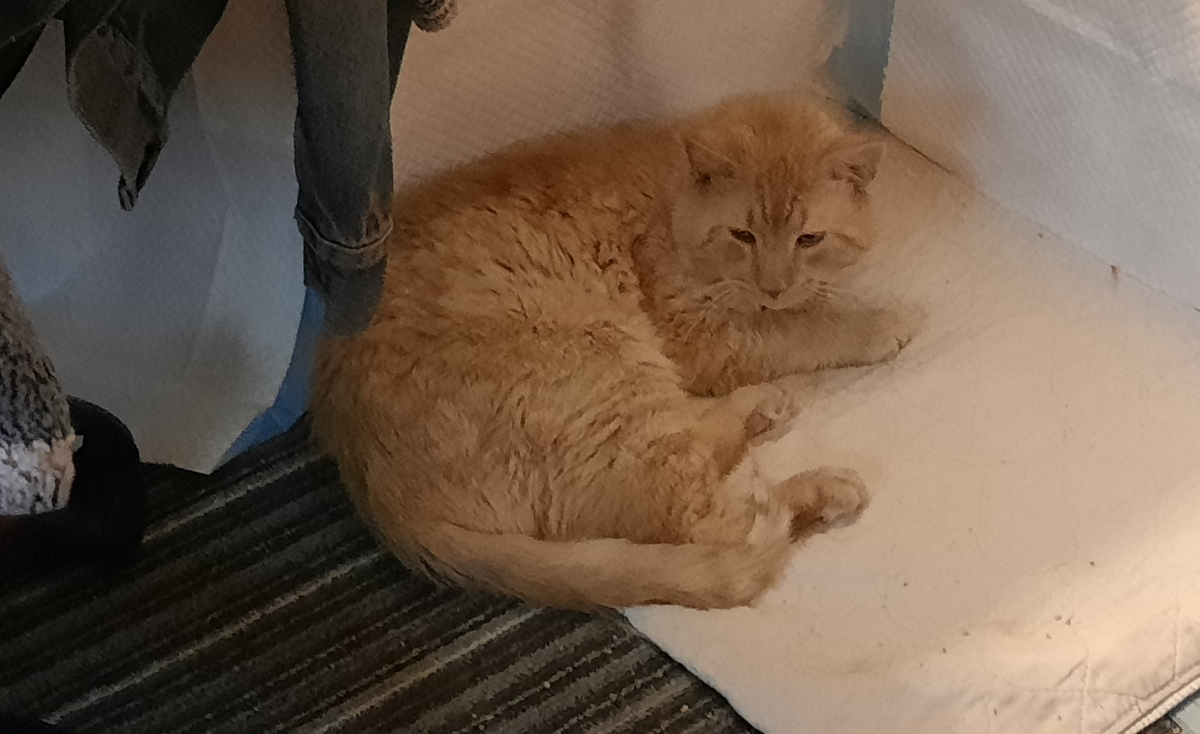
At BellenPaws, we have a personal reason to understand this distinction. Stanley, a formerly feral stray who appeared at a friend’s door looking for help, is FIV-positive and now lives with us. His medical history includes a massive oral infection requiring urgent dental attention, an enlarged heart with a murmur, and pneumonia. These are significant health concerns, but having FIV does not establish that the virus caused every one of them.
Stanley’s situation illustrates why understanding FIV matters. Cats carrying the virus can have complicated medical histories, particularly those that have spent considerable time outdoors without consistent veterinary care. Their FIV status is one part of the medical picture, and knowing what the virus actually does helps owners make informed decisions about treatment, household safety, and long-term care.
What Is Feline AIDS, and What Does FIV Actually Do?
Feline immunodeficiency virus is a retrovirus that infects cats and interferes with normal immune system function. It affects several types of immune cells, including certain white blood cells responsible for coordinating the body’s defenses against infection. Over time, these changes can make some cats more susceptible to illnesses that a healthy immune system would ordinarily control.
FIV is related to human immunodeficiency virus (HIV), which explains why it has historically been called feline AIDS. However, the viruses are distinct, and the comparison can create misconceptions about how the feline infection progresses. The term “feline AIDS” is increasingly discouraged because an FIV-positive diagnosis does not mean a cat has developed advanced immune deficiency.
The 2022 Australian and New Zealand veterinary guidelines on FIV specifically recommend retiring that terminology. Many infected cats remain clinically healthy for years, and some never develop severe illness attributable to the virus. FIV infection is generally lifelong, but its effects vary considerably between animals.
Veterinary descriptions commonly divide FIV infection into three phases. During the initial phase, a cat may experience a temporary fever, swollen lymph nodes, or reduced appetite, although these symptoms can be mild enough to escape notice. The infection then enters a prolonged period during which the cat may appear entirely healthy, sometimes for many years.
Some cats eventually develop progressive immune dysfunction, making recurrent infections and other medical complications more likely. The Cornell Feline Health Center’s explanation of FIV describes how secondary illnesses account for much of the clinical disease associated with advanced infection. These phases describe a possible progression, however, rather than a timetable that every infected cat follows.
How Does a Cat Become Infected With FIV?
 The primary route of FIV transmission is through bite wounds inflicted by an infected cat. Saliva containing the virus enters the injured animal’s tissues, allowing infection to become established. Ordinary proximity to an infected cat is not an efficient means of transmission.
This explains why outdoor cats, particularly unneutered males involved in territorial fights, have historically been at greater risk. A cat living outdoors may encounter unfamiliar animals, compete for territory, or sustain bite wounds that go unnoticed. Infection can occur years before the cat is eventually tested, making it difficult to determine precisely when or where exposure happened.
FIV can occasionally pass from an infected mother to her kittens, but this is relatively uncommon under natural conditions. Sexual transmission is not considered a major route of infection, unlike the situation with human HIV. There is also no evidence that ordinary activities such as sharing water bowls, using the same litter box, or grooming another cat are efficient routes of FIV transmission.
A cat does not need to appear sick to transmit the virus through a serious bite wound. An infected animal may remain outwardly healthy while carrying FIV throughout its life. Preventing aggressive encounters is therefore more useful than trying to identify potentially infected cats by their appearance.
Understanding an FIV-Positive Test Result
FIV is commonly identified through a blood test that detects antibodies produced in response to the virus. Many veterinary clinics use combination screening tests that check for both FIV and feline leukemia virus (FeLV). Although both are retroviruses, they are different infections with different patterns of transmission and disease.
A positive screening result in an otherwise healthy cat may warrant additional testing, especially when the animal has a low likelihood of exposure. Young kittens can temporarily test positive because they received antibodies from their infected mother without actually becoming infected. Previous FIV vaccination, where it has been available, may also complicate interpretation of certain antibody tests.
Timing matters with negative results as well. A cat tested shortly after an infected bite may not yet have developed detectable antibodies, so repeat testing may be necessary. The 2020 American Association of Feline Practitioners retrovirus guidelines recommend repeating antibody testing no earlier than 60 days after the last potential exposure when recent infection cannot be ruled out.
Confirmation can involve another antibody test or a molecular test, such as PCR, which looks for viral genetic material. However, PCR is not infallible, and a negative result does not always exclude infection. Test interpretation should account for the animal’s age, vaccination history, exposure risk, and clinical findings.
In the United States, an FIV vaccine is no longer commercially available, although vaccines remain available in certain other countries. Once infection has been established, a broader health assessment helps identify other conditions that might influence treatment or prognosis, including whether the cat is also infected with FeLV.
Can an FIV-Positive Cat Live With Other Cats?
 One of the most practical concerns involves households that already have several cats. Owners may worry that bringing an FIV-positive cat into their home will expose every other cat to infection. The actual risk depends heavily on the animals’ behavior, particularly whether they can live together without serious fighting.
Because bite wounds are the principal transmission route, cats that coexist peacefully generally present a low risk of spreading FIV. An infected cat can groom another cat, sleep beside a companion, or share household resources without those activities being considered significant transmission routes. Separate food dishes and litter boxes are not required solely to prevent FIV transmission, although individual resources can help reduce competition and conflict.
The risk is low rather than nonexistent, and preventing fights remains essential. The 2022 veterinary guidelines recognize that decisions about separating infected and uninfected household cats should consider whether aggression and bite wounds have occurred. Complete physical separation is the most reliable way to prevent transmission between cats of different FIV statuses.
Temperament matters more than simply counting how many animals live together. Cats that regularly fight, bite, or compete aggressively for resources are poor candidates for unrestricted mixed-status housing. A previously peaceful household can also develop conflict when a new animal arrives, particularly if introductions are rushed or resident cats become territorial.
Before introducing an FIV-positive cat, establishing the infection status of resident cats provides useful information. Gradual introductions, sufficient litter boxes, multiple feeding locations, and opportunities to retreat can help reduce conflict. These measures improve the living environment but cannot guarantee that fighting will never occur.
Households with cats of different FIV statuses should also consider whether the animals have a history of serious aggression. If biting or injurious fighting occurs, the cats should be physically separated rather than allowed to continue aggressive encounters. A behavior assessment may help determine whether a safer living arrangement is possible.
What About Households With Dogs?
Dogs cannot become infected with feline immunodeficiency virus. FIV is adapted to infect feline hosts rather than dogs or humans. A dog that lives with, drinks near, or plays with an FIV-positive cat does not face a risk of developing FIV.
The San Francisco SPCA’s FIV information confirms that the virus cannot be transmitted to people or dogs. Consequently, there is no FIV-related reason to isolate a positive cat from a compatible household dog.
Ordinary considerations about safe interactions still apply. A dog that chases, corners, or repeatedly frightens a cat may create unnecessary stress or cause physical injury. Providing elevated resting areas, accessible hiding places, and rooms where the cat can retreat allows both animals to share a household more comfortably.
For homes containing both dogs and multiple cats, the primary FIV transmission concern remains contact between cats capable of inflicting serious bites. Dogs are not a recognized source of FIV transmission to household cats.
Does FIV Shorten a Cat’s Lifespan?
 There is no fixed life expectancy associated with an FIV-positive diagnosis. Some cats develop serious complications that shorten their lives, while others live to advanced ages without experiencing substantial illness attributable to the infection. A cat diagnosed at five years old is not automatically expected to die within a predetermined number of years.
Veterinary research provides reasons for cautious optimism, although findings differ between studies. A 2018 study published in Preventive Veterinary Medicine compared survival among 53 FIV-positive cats, 40 FeLV-positive cats, 10 cats infected with both viruses, and 103 retrovirus-negative cats. The investigators found significantly poorer survival among cats with FeLV or combined infection, while the survival difference between FIV-positive and uninfected cats did not reach statistical significance.
That finding does not prove that FIV has no effect on longevity. The study involved a limited population from a referral clinic, and the estimated survival times were numerically different even where statistical significance was not demonstrated. Its results are encouraging, but they cannot predict the lifespan of an individual infected cat.
Larger investigations have reported somewhat different outcomes. The 2020 AAFP guidelines describe a study involving more than 1,000 FIV-positive cats and over 8,000 matched uninfected cats. Among animals not euthanized near diagnosis, median survival after the first test was approximately 4.9 years for infected cats compared with 6.0 years for uninfected controls.
These figures describe survival after testing, not a cat’s total expected lifespan or a countdown beginning at infection. Other studies reviewed in the guidelines found no statistically significant survival difference between infected and uninfected populations. Differences in study populations, medical histories, living conditions, and reasons for testing complicate direct comparisons.
A healthy FIV-positive cat can therefore live for many years, sometimes reaching its late teens or beyond. Significant immune dysfunction, persistent weight loss, severe infections, or certain cancers can worsen the outlook, while prompt identification and treatment of concurrent illness may improve an animal’s prospects. Responsible care offers meaningful benefits, but it cannot guarantee that longevity will remain unaffected.
Health Problems That May Develop in FIV-Positive Cats
FIV-positive cats experience many of the same illnesses as other cats, but impaired immune function may increase the likelihood or severity of certain conditions. Some infections may recur or respond more slowly to treatment. Recognizing these problems without automatically attributing every symptom to FIV is an important part of long-term care.
Dental Disease and Chronic Mouth Inflammation
Oral disease deserves particular attention because gingivitis, stomatitis, and other inflammatory conditions are frequently associated with FIV infection. Stomatitis refers to inflammation affecting tissues inside the mouth and can become extremely painful. Affected cats may drool, develop bad breath, struggle with eating, or avoid food because chewing hurts.
Stanley’s severe oral infection is a relevant example of why dental health deserves careful attention in a medically complicated cat. However, it would be inappropriate to conclude that FIV caused his infection simply because he tested positive. Dental disease has several possible causes, and determining the appropriate treatment requires examining the mouth and identifying the specific problems involved.
Respiratory, Skin, and Other Infections
Some FIV-positive cats develop recurring upper respiratory infections, skin infections, or other infectious illnesses. Owners might notice persistent nasal discharge, sneezing, wounds that heal poorly, or recurring areas of inflamed skin. These findings are not exclusive to FIV, but a history of immune dysfunction can influence how a veterinarian investigates and manages them.
Persistent fever, reduced appetite, and unexplained weight loss can indicate an illness requiring investigation. A cat that refuses food, becomes unusually lethargic, or develops signs of infection should receive timely veterinary assessment, particularly if it has other medical conditions. Severe breathing difficulty, collapse, or marked weakness warrants emergency attention, regardless of FIV status.
Cancer and Other Complications
FIV infection is associated with an increased risk of certain cancers, particularly lymphoma. Some infected cats also develop neurological abnormalities or immune-related blood disorders. These complications are less predictable than routine infections and cannot be reliably anticipated from an FIV test result alone.
An older FIV-positive cat may also develop kidney disease, hyperthyroidism, diabetes, arthritis, or heart disease independently of the virus. Assuming that every new symptom represents FIV progression risks overlooking another condition that may be treatable. A proper assessment considers the complete medical history rather than concentrating exclusively on retroviral status.
Caring for an FIV-Positive Cat at Home
 Most FIV-positive cats do not require daily medication specifically for the virus. There is currently no definitive cure, and although certain antiviral medications have shown benefits in selected clinical situations, evidence supporting routine long-term treatment remains limited. Veterinary care generally concentrates on preventive health, early identification of illness, and managing conditions as they develop.
Veterinary examinations at least every six months are recommended in the AAFP retrovirus guidelines, even when an infected cat appears healthy. These visits provide opportunities to assess weight, examine the mouth and lymph nodes, and identify changes that might otherwise go unnoticed. The guidelines also recommend annual blood counts, blood chemistry testing, and urinalysis for FIV-positive cats, with additional testing when clinical findings warrant it.
Nutrition is another practical consideration. FIV-positive cats generally benefit from a complete, balanced diet appropriate for their age and medical circumstances rather than a special diet based solely on their viral status. Raw meat and unpasteurized dairy products should be avoided because potentially immune-compromised cats may be more vulnerable to foodborne infections.
Keeping an infected cat indoors or within a secure outdoor enclosure serves two purposes. It limits exposure to unfamiliar cats that might carry infectious diseases, and it prevents opportunities for the infected animal to transmit FIV through fights. Neutering, appropriate parasite prevention, and an individualized vaccination plan further support preventive care.
At home, consistent observations can provide information that a brief veterinary examination may not reveal. Recording changes in weight, appetite, drinking, litter box habits, and activity can help distinguish an isolated incident from a developing pattern. Owners do not need elaborate equipment to recognize that a cat has gradually lost weight, begun avoiding food, or experienced repeated episodes of illness.
The household environment also deserves attention, particularly for cats adjusting to indoor living after spending time outdoors. Scratching surfaces, climbing opportunities, quiet resting places, and predictable routines can provide stimulation without forcing interactions with other animals. For cats with medical limitations, those arrangements should also account for mobility, energy levels, and access to essential resources.
Living With FIV as a Cat Grows Older
A positive FIV diagnosis should remain part of a cat’s permanent medical history, but it should not become the explanation for every health change that occurs during aging. Older cats are already more likely to develop chronic illnesses, and those conditions may require different monitoring and treatment approaches. Kidney function, dental health, body weight, and cardiovascular findings may become just as relevant to long-term care as the viral infection itself.
For a cat such as Stanley, whose history includes significant dental, respiratory, and cardiac concerns, medical decisions need to account for several conditions rather than one diagnosis. Treatments that may be appropriate for one problem can require additional precautions when another disease is present. The same principle applies to any FIV-positive senior cat managing kidney disease, diabetes, or other chronic health issues.
A cat’s comfort, ability to eat, mobility, interest in normal activities, and response to treatment provide meaningful information about daily well-being. An animal may have a positive FIV test while remaining active and comfortable for years, just as an uninfected cat can develop serious age-related illness. Periodic reassessment helps determine which problems can be treated effectively and where additional support may be needed.
FIV status alone is not an appropriate reason to euthanize an otherwise healthy cat. Many FIV-positive animals are suitable for adoption, including older cats that might otherwise be overlooked because of a misunderstood diagnosis. Their medical needs, behavior, and compatibility with a prospective household deserve individual consideration.
For households welcoming an FIV-positive cat, establishing a reliable medical baseline is particularly useful. Previous records, confirmed test results, current weight, dental findings, and laboratory values give future veterinary examinations something meaningful to compare against. As the cat ages, that information can help identify new disease, evaluate treatment responses, and determine whether changes represent a temporary illness, an independent chronic condition, or a possible complication of FIV.
Maintaining these records also makes transitions between veterinarians or emergency clinics easier, particularly when several medical problems are being managed simultaneously. An accurate medication history, recent laboratory results, and documentation of previous infections can prevent unnecessary repetition of tests and help clinicians make better-informed decisions. For cats living with FIV, that continuity of care becomes especially valuable when an unexpected illness requires attention.