
Constipation is a common concern in cats living with chronic kidney disease (CKD), particularly when dehydration makes normal bowel movements difficult. A cat that previously passed stool regularly may begin producing small, hard pellets, spending longer in the litter box, or going several days between bowel movements. These changes sometimes develop gradually, and the problem may already be uncomfortable before an owner notices anything unusual.
For cats with CKD, constipation can interfere with appetite, contribute to nausea, and complicate an already demanding treatment routine. Dehydration is often a contributing factor, although electrolyte imbalances, medication effects, and reduced intestinal movement may also play a role. Understanding these connections can help owners recognize developing problems and participate more effectively in managing their cat’s digestive health.
Why Chronic Kidney Disease Can Cause Constipation
Healthy kidneys regulate the body’s water balance partly by adjusting how concentrated the urine becomes. As kidney function declines, the kidneys gradually lose some of their ability to conserve water, causing many cats with CKD to produce larger quantities of dilute urine. Affected cats often compensate by drinking more, but increased water consumption does not always replace everything lost through urination.
The large intestine normally absorbs water from material moving through the digestive tract. When a cat becomes dehydrated, additional water may be absorbed from the intestinal contents, leaving feces drier and harder to pass. Stool that remains in the colon for an extended period continues losing moisture, making subsequent bowel movements increasingly difficult.
The 2026 iCatCare consensus guidelines on feline chronic kidney disease identify chronic dehydration as a likely primary contributor to constipation associated with CKD. The guidelines also recognize that impaired intestinal movement may contribute, although the underlying mechanisms have not been fully established. Constipation appears to be a frequent clinical concern in affected cats, but its exact prevalence has not been determined.
Potassium imbalances can further complicate digestive function. Some cats with CKD develop hypokalemia, meaning their blood potassium concentration is abnormally low. Potassium supports normal muscle activity, including the contractions that move material through the intestines, so a deficiency may contribute to weakness and constipation. Certain medications and phosphate binders may also affect bowel habits, depending on the product and the cat’s individual response.
Recognizing the Early Signs of Constipation
 Normal bowel movement frequency varies with diet, food intake, and individual habits. Many cats defecate daily, while others follow a somewhat different schedule without experiencing digestive problems. A sustained change from an established pattern is often more informative than the number of bowel movements alone.
Constipated cats may produce unusually small stools, hard pellets, or feces that appear noticeably drier than normal. Some repeatedly enter the litter box, strain, or remain in a squatting position without passing anything. Others begin avoiding the box or defecating nearby because the process has become uncomfortable.
As constipation progresses, additional symptoms may include reduced appetite, vomiting, abdominal discomfort, and decreased activity. Occasionally, small amounts of liquid fecal material can pass around retained stool, creating the appearance of diarrhea. These signs can also occur with other medical problems, making it unsafe to assume that every change in elimination is caused by constipation.
The Merck Veterinary Manual’s discussion of constipation and obstipation explains how prolonged fecal retention can become progressively harder to resolve. Severe constipation may advance to obstipation, a condition in which retained stool cannot be passed normally. Repeated episodes can also be associated with abnormal enlargement and impaired function of the colon.
Distinguishing Constipation From Urinary Obstruction
Straining in the litter box does not necessarily indicate difficulty passing stool. Cats experiencing urinary problems may repeatedly squat, vocalize, or produce little or nothing, making the behavior difficult to distinguish from constipation. Male cats are particularly vulnerable to urethral obstruction because of their narrower urinary anatomy.
A cat repeatedly attempting to urinate while producing little or no urine requires immediate emergency veterinary attention. Urinary obstruction can rapidly produce dangerous electrolyte disturbances and kidney injury, and it cannot be safely managed at home. The Cornell Feline Health Center’s guidance on feline lower urinary tract disease explains the signs associated with this emergency.
Suspected constipation also warrants prompt assessment when a cat repeatedly strains without producing stool, develops significant abdominal discomfort, vomits repeatedly, or stops eating. Even without these symptoms, contacting a veterinary practice is reasonable when approximately 48 hours have passed without a bowel movement, especially for a cat with CKD. Waiting longer may allow feces to become more difficult to pass while reduced food and fluid intake complicate the underlying kidney condition.
Maintaining Hydration to Support Normal Bowel Movements
Addressing dehydration is a central part of managing constipation associated with kidney disease. If a cat continues losing more water than it can replace, stool-softening treatments may provide incomplete or temporary relief. The 2026 iCatCare guidelines recommend correcting hydration problems and relevant potassium deficiencies before introducing oral osmotic stool softeners.
One practical approach is increasing the moisture supplied through food. Wet cat food contains substantially more water than dry food, allowing cats to obtain additional fluid during regular meals. The Cornell Feline Health Center’s information on feline hydration explains how food moisture contributes to overall water intake and why cats with kidney disease are particularly susceptible to dehydration.
For cats already eating a suitable wet renal diet, mixing a little additional water into meals may be helpful. Changes should preserve the food’s appeal and avoid reducing the amount actually consumed. Cats with CKD frequently experience appetite problems, and adequate calorie intake remains a major concern throughout treatment.
Water accessibility also deserves attention, particularly when arthritis or limited mobility makes moving around the home difficult. Multiple clean water stations, wide drinking bowls, and locations near preferred resting areas may encourage more frequent drinking. Some cats prefer circulating fountains, although individual responses vary and a fountain does not guarantee increased consumption.
When Additional Fluid Support Is Necessary
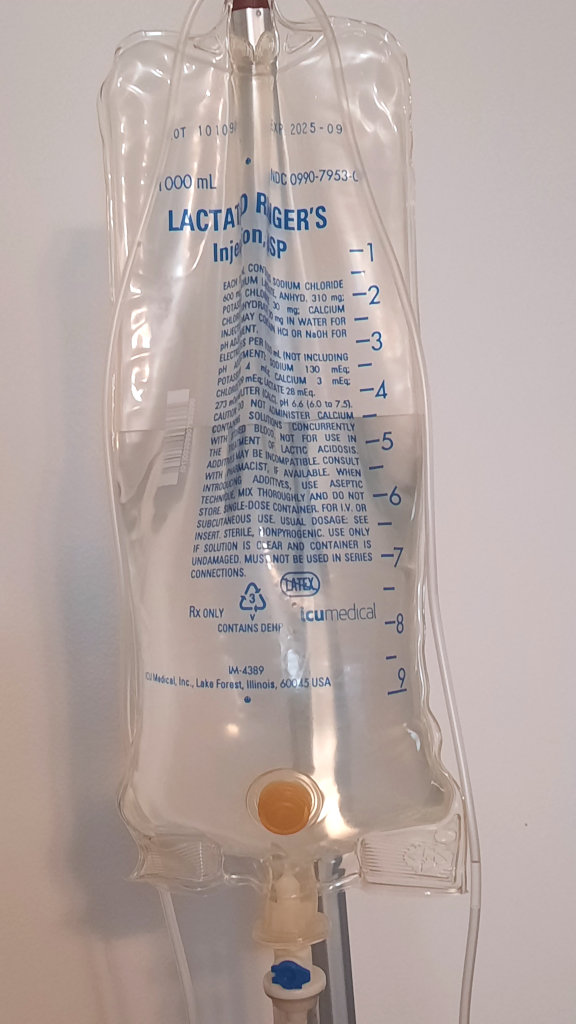 A cat can drink frequently and still become dehydrated because its kidneys cannot adequately conserve water. Signs may include weakness, reduced appetite, dry or tacky gums, and decreased activity, although these observations are not specific to dehydration. Skin elasticity becomes less reliable in older cats because age-related changes can cause the skin to return slowly even when hydration is adequate.
Veterinary fluid therapy may be necessary when drinking and dietary moisture are insufficient. Intravenous fluids are commonly used when dehydration is substantial or a cat is acutely unwell, while some stable cats receive subcutaneous fluids beneath the skin as part of ongoing CKD management. Owners can sometimes learn to administer prescribed subcutaneous fluids at home after receiving appropriate instruction.
Fluid administration requires individual planning because excessive amounts can produce dangerous complications, particularly in cats with concurrent heart disease or impaired fluid handling. A cat’s body weight, hydration status, cardiovascular health, laboratory results, and treatment response all influence the appropriate plan. Subcutaneous fluids should never be introduced or increased simply because constipation has developed.
Treating Constipation When Hydration Alone Is Not Enough
Some cats continue experiencing constipation even after dehydration has been addressed. Others already have enough retained stool that additional water intake alone is unlikely to restore comfortable bowel movements. The next treatment depends on the severity of fecal retention, the cat’s overall condition, and whether normal intestinal movement has been affected.
A veterinary examination may include abdominal palpation to assess retained feces and discomfort. Abdominal radiographs can help determine the amount of accumulated stool, evaluate colon size, and identify abnormalities that might interfere with normal elimination. Blood testing may also reveal potassium disturbances or other complications requiring attention.
Two medications commonly used for feline constipation are lactulose and polyethylene glycol 3350, often called PEG 3350. Both are osmotic laxatives that help retain water within the intestines, making feces softer and easier to pass. They differ in formulation and tolerability, which can influence whether a cat accepts treatment consistently.
Lactulose is usually supplied as a liquid, while PEG 3350 is available as a powder that can be mixed with food. Lactulose may produce gas or abdominal bloating in some cats, while excessive laxative effects from either medication can cause loose stools or diarrhea. Additional fluid losses are particularly undesirable when a cat already struggles with hydration.
Although PEG 3350 has demonstrated stool-softening effects in healthy cats, the 2026 iCatCare guidelines acknowledge that its effectiveness specifically in cats with CKD has not been evaluated in clinical studies. Its use in these patients therefore reflects established veterinary prescribing experience rather than direct evidence from controlled CKD-specific trials. Medication selection and adjustments should account for stool consistency, hydration, other treatments, and the cat’s response.
Cats with persistent constipation may sometimes benefit from medications that stimulate movement through the colon. Cisapride is one such treatment used in feline medicine when impaired intestinal motility is contributing to the problem. It is generally considered as part of a broader treatment plan, and an existing fecal impaction may need to be relieved before medications intended to stimulate intestinal movement can be effective.
Why Human Enemas and Home Remedies Can Be Dangerous
 Severe constipation sometimes requires veterinary enemas or manual removal of impacted feces, which may involve sedation or anesthesia. Attempting to treat a substantial fecal impaction with increasingly large amounts of oral laxatives can delay effective treatment and potentially worsen dehydration. The severity of the obstruction and the cat’s clinical condition determine the appropriate intervention.
Human sodium phosphate enemas, including common Fleet formulations, must never be administered to cats. These products can produce life-threatening electrolyte disturbances, including dangerously elevated blood phosphorus and reduced calcium concentrations. Enemas should only be administered at home when a veterinarian has specifically prescribed an appropriate preparation and provided the necessary training.
Oral mineral oil is another treatment that owners should avoid. If accidentally inhaled into the respiratory tract, mineral oil can cause aspiration pneumonia. Products commonly used for human constipation should not be assumed safe for cats, particularly those with impaired kidney function or other chronic medical conditions.
Dietary Fiber and Constipation in Cats With CKD
Fiber can be useful in managing certain forms of feline constipation, but the amount and type matter. Some fibers help retain moisture in stool, while others increase fecal bulk and may encourage intestinal contractions. Their effects depend partly on hydration and how effectively the colon moves its contents.
A dehydrated cat with a large accumulation of hard stool may not benefit from additional bulk. Increasing fiber under those circumstances can make elimination more difficult, especially when intestinal movement is already impaired. Cats with significant colonic enlargement may require a different nutritional approach from those experiencing occasional mild constipation.
Pumpkin and psyllium are frequently discussed as dietary fiber sources. Both may have a place in feline constipation management, but their usefulness depends on adequate hydration, tolerance, and the specific digestive problem being treated. Neither should be introduced automatically as a remedy for every constipated cat with kidney disease.
Kidney diets add another consideration because they are formulated to meet particular nutritional requirements. Therapeutic renal foods generally emphasize phosphorus control while providing a carefully designed balance of nutrients. The Cornell Feline Health Center’s CKD management guidance describes the evidence supporting renal diets and their role in managing kidney disease.
Replacing an established kidney diet with a generic high-fiber formula solely to improve bowel movements may compromise those nutritional goals. Some cats can benefit from an appropriate fiber adjustment while continuing their renal diet, whereas others respond better to medication or changes in hydration support. Maintaining adequate food intake remains especially important when evaluating dietary alternatives.
Other Conditions That Can Contribute to Constipation
Kidney disease does not explain every episode of constipation in an older cat. Arthritis, spinal discomfort, previous pelvic injuries, or neurological disorders can interfere with normal elimination. Pain may make entering the litter box or maintaining a comfortable defecating posture difficult, encouraging a cat to delay bowel movements.
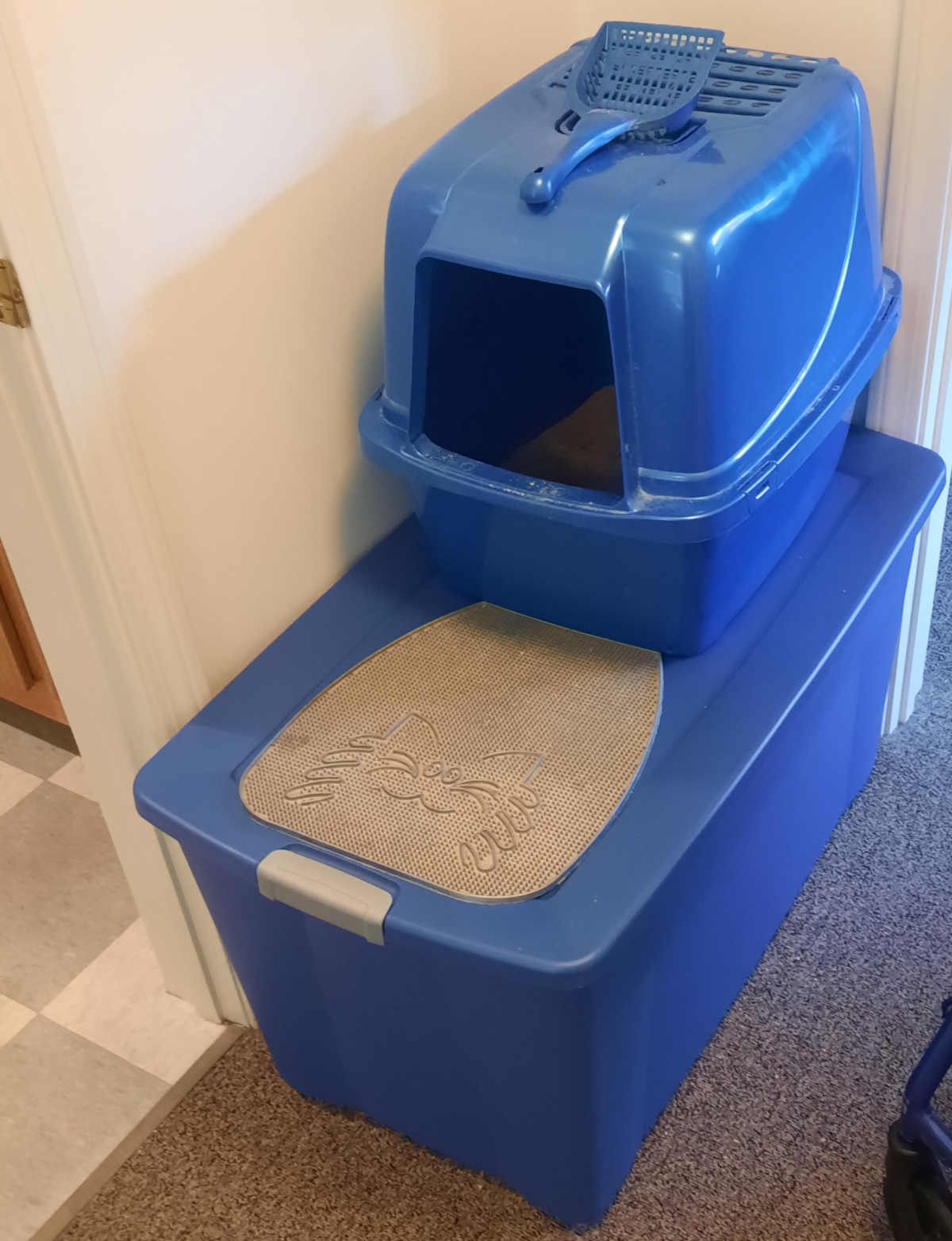
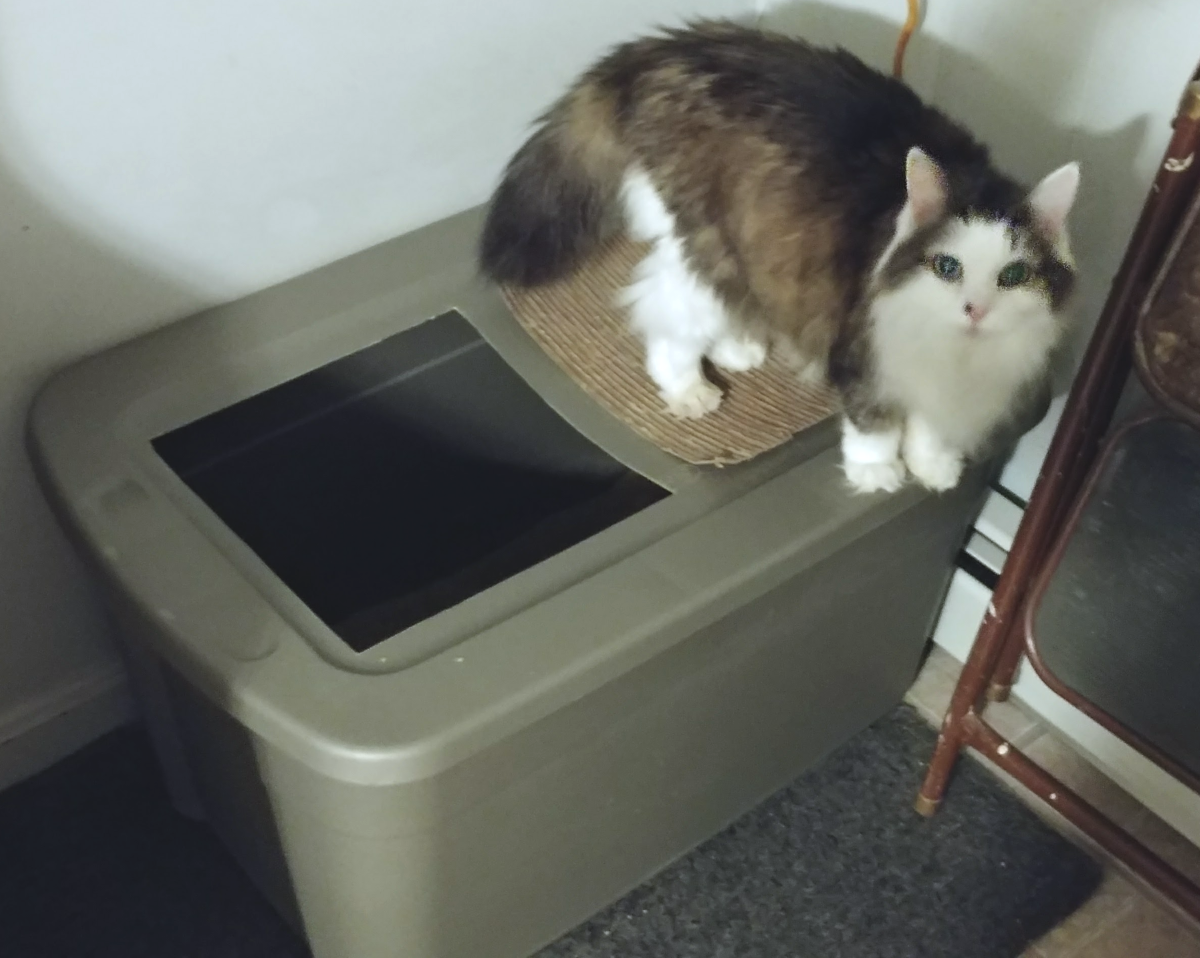
Litter box modifications can reduce unnecessary physical effort. A spacious box with a low entrance allows easier access, while a stable, non-slip surface can help cats that struggle with balance or mobility. Keeping boxes clean and placing them in convenient locations may also help prevent avoidance related to discomfort or competition with other cats.
Medication effects deserve consideration when constipation develops or becomes more frequent. Certain pain medications, supplements, and other treatments may alter intestinal movement or stool consistency. Reviewing the complete medication and supplement list can help identify possible contributors without making unsupervised changes to treatments needed for other conditions.
Persistent constipation may also require investigation of electrolyte disturbances, abnormalities affecting the colon, or physical restrictions within the pelvis. The Cornell Feline Health Center’s overview of constipation identifies several conditions that can interfere with normal bowel function. Determining which factors are present is more useful than repeatedly treating hard stools without examining why they keep developing.
Understanding the Risk of Megacolon
 Megacolon is a condition in which the colon becomes abnormally enlarged and loses much of its ability to move fecal material effectively. It may develop in association with prolonged or recurrent constipation, although some cats develop the condition without an identifiable underlying cause. Once substantial colonic dysfunction is established, correcting dehydration and softening stool may no longer provide adequate relief.
Cats with megacolon may experience recurring episodes of severe constipation that require increasingly intensive treatment. Some initially respond to medications and dietary adjustments but eventually become difficult to manage medically. Persistent fecal retention can substantially interfere with appetite, comfort, and normal elimination.
The American College of Veterinary Surgeons’ explanation of feline megacolon describes medical management and surgical treatment options. When medications no longer provide adequate relief, subtotal colectomy, which removes most of the affected colon, may be recommended. Surgery is a significant decision, particularly for a cat with CKD, because anesthesia, hydration, and concurrent medical conditions require careful consideration.
Recurring constipation does not mean a cat will inevitably develop megacolon. However, repeated episodes requiring enemas or manual fecal removal warrant reassessment of colon function and the existing treatment plan. Identifying persistent enlargement or declining motility can influence whether continued medical treatment remains appropriate.
Monitoring Bowel Habits at Home
Managing CKD often involves tracking appetite, drinking, urination, body weight, and medication schedules. Recording bowel movements adds useful information because changes in stool consistency or frequency may occur alongside fluctuations in hydration. A simple daily record can help distinguish an isolated irregularity from a developing pattern.
Useful observations include the date of each bowel movement, approximate stool size, consistency, and any visible straining. Recording whether the cat produced normal formed stools, unusually dry pellets, or no stool despite repeated attempts provides more context than noting litter box visits alone. Changes in appetite, vomiting, or activity can be recorded alongside these observations.
For example, a cat may continue defecating regularly while its stools gradually become smaller and harder. Another may pass normal-looking stool but begin going significantly longer between bowel movements. These differences can help determine whether the main concern involves stool moisture, frequency, or a possible disturbance in intestinal movement.
Monitoring becomes more complicated in households with several cats. Observing litter box visits when practical or temporarily providing separate facilities may help identify which animal is experiencing difficulty. Cameras can sometimes be useful, but they should be positioned without disturbing the animals or interfering with normal litter box behavior.
A written record becomes especially valuable after a treatment change. If fluids, laxatives, or dietary adjustments have been prescribed, documenting subsequent bowel movements helps establish whether the cat is responding as intended. Persistent straining, worsening stool dryness, or diarrhea may indicate that the current approach needs reassessment.
Adjusting Constipation Management as Kidney Disease Progresses
 Chronic kidney disease can change over time, and a constipation management plan may need to change with it. A cat that previously maintained regular bowel movements may begin experiencing problems as urinary water losses increase, appetite declines, or an electrolyte disturbance develops. Treatments that were effective earlier may become less suitable when other medical conditions or medications are introduced.
Follow-up examinations provide an opportunity to evaluate hydration, body weight, potassium concentrations, and the effectiveness of existing treatments. For cats receiving subcutaneous fluids, these assessments can also help determine whether the prescribed schedule remains appropriate. Changes in bowel habits should be considered alongside kidney function and nutritional intake rather than interpreted as an isolated digestive concern.
One useful pattern to document is whether constipation improves shortly after prescribed fluid treatment but returns before the next scheduled administration. This observation does not establish that additional fluids are needed, but it may help the veterinary team evaluate the adequacy and timing of hydration support. Constipation that persists despite satisfactory hydration may instead direct attention toward colonic motility, medication effects, or another contributing condition.
Long-term management also requires balancing treatment effectiveness with what the cat will consistently tolerate. A prescribed medication that repeatedly causes food refusal or becomes impossible to administer may interfere with other aspects of kidney care. Discussing alternative formulations, administration methods, or treatment strategies can help maintain comfortable bowel movements without sacrificing nutrition or creating unnecessary stress.
Changes in stool consistency should be interpreted alongside appetite, hydration, body weight, and the cat’s overall condition. A return to softer, more regular stools is encouraging, but continued straining or progressive difficulty passing feces warrants attention even when bowel movements still occur. These ongoing observations help determine whether constipation remains manageable with the current plan or whether further examination of intestinal function is necessary.