

Chronic kidney disease can affect a cat in ways that extend well beyond the kidneys themselves. As kidney function declines, some cats develop anemia, a condition in which the blood cannot carry enough oxygen to meet the body’s needs. The resulting weakness, fatigue, and reduced appetite can make everyday activities more difficult, especially when a cat is already managing other health problems.
Vitamin B12 injections are sometimes included in the supportive treatment of chronically ill cats. B12 is involved in normal blood cell production and several essential metabolic processes, but its effectiveness depends on the reason supplementation is needed. A cat with a genuine B12 deficiency may benefit from treatment, while one whose anemia is primarily caused by inadequate erythropoietin production from diseased kidneys may require an entirely different approach.
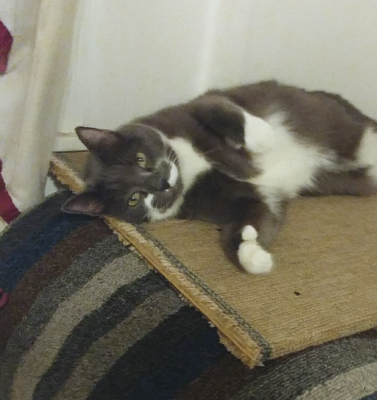
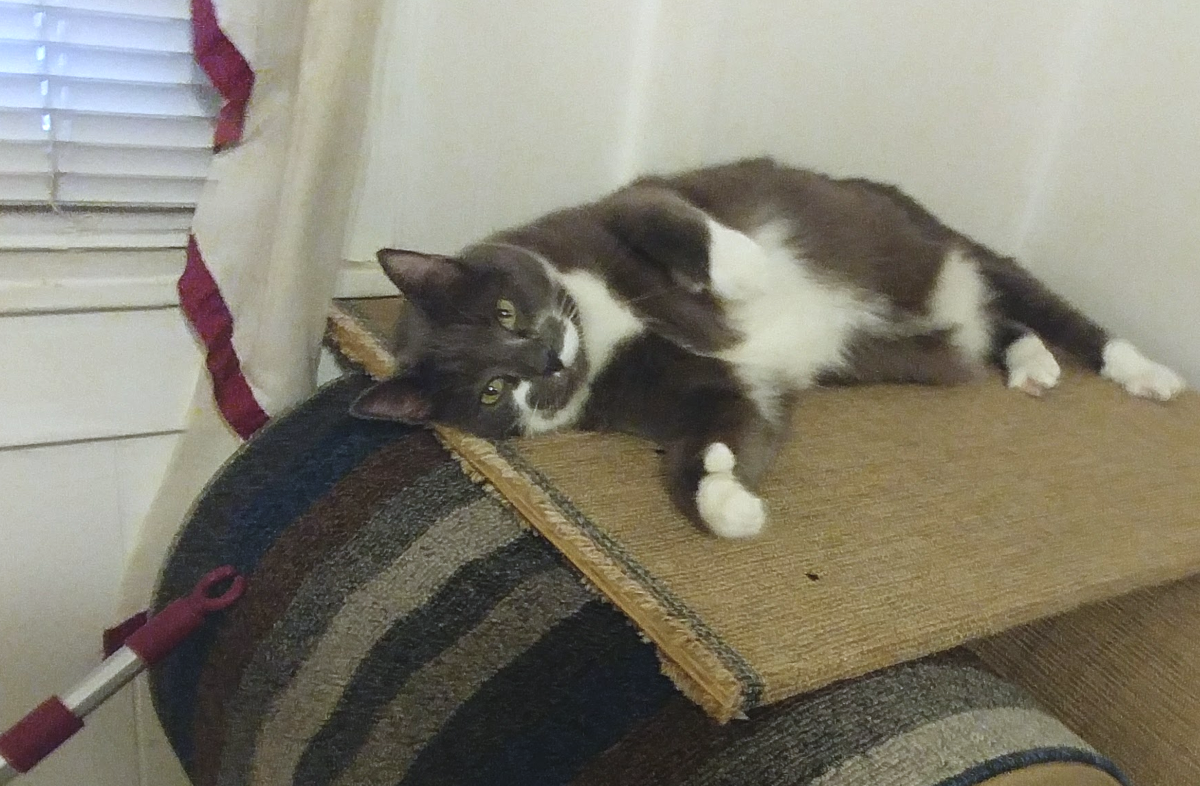
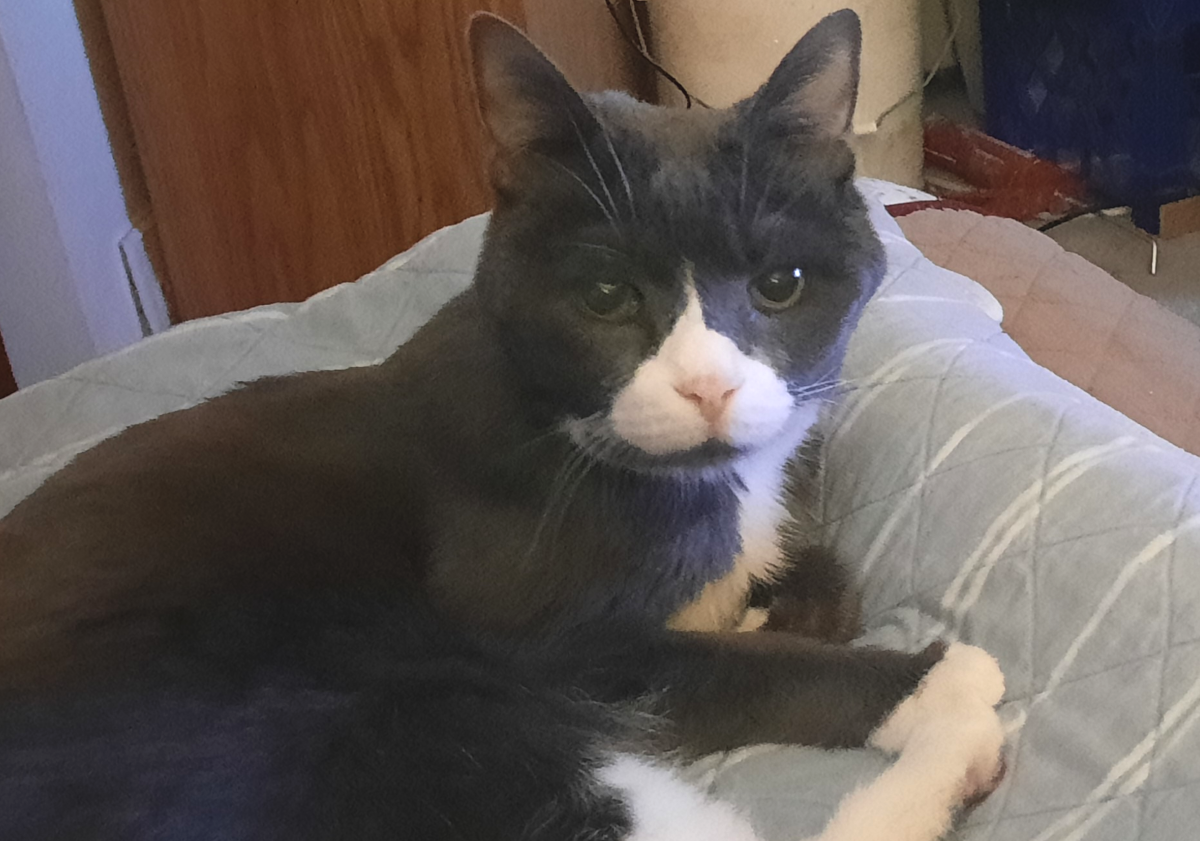
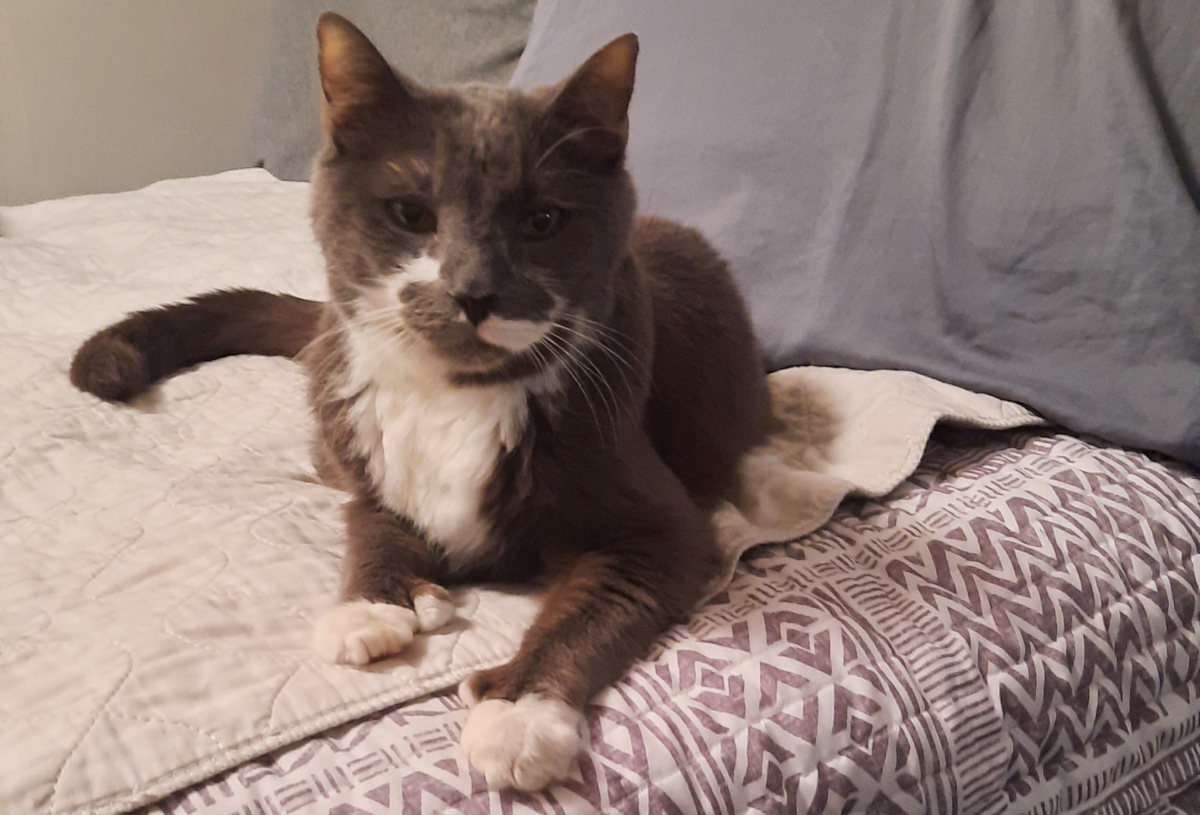
We became particularly interested in vitamin B12 through our experiences caring for Belle and Paws, the two senior rescue cats who inspired BellenPaws. Both received B12 injections during their later years, and after approximately 12 weeks, we noticed a difference for the better. We cannot say that B12 alone was responsible for their improvement, but the experience encouraged us to look more closely at how this vitamin supports feline health and where it fits into the management of chronic illness.
Understanding Why Kidney Disease Causes Anemia
 Healthy kidneys do more than filter waste products from the bloodstream. They also produce erythropoietin, a hormone that tells the bone marrow to manufacture red blood cells. These cells contain hemoglobin, which transports oxygen from the lungs to tissues throughout the body. When red blood cell production becomes inadequate, the resulting anemia can affect energy levels, physical endurance, and appetite.
As chronic kidney disease progresses, the kidneys may produce less erythropoietin. Without sufficient stimulation from this hormone, the bone marrow produces fewer replacement red blood cells. Veterinarians describe this as nonregenerative anemia, meaning the body is not mounting an adequate response to its reduced red blood cell numbers.
Other factors can make anemia more complicated in cats with kidney disease. Chronic inflammation can interfere with iron availability, while gastrointestinal bleeding, concurrent illnesses, or nutritional problems may contribute to a declining red blood cell count. A cat may therefore have more than one reason for becoming anemic, even when kidney disease is the primary diagnosis.
The 2026 International Cat Care consensus guidelines for feline chronic kidney disease identify anemia as a significant complication that deserves attention during disease management. Moderate to severe anemia can contribute to lethargy, weakness, and reduced food intake. The guidelines also recognize that anemia can negatively affect quality of life, making its severity and underlying cause relevant considerations when planning treatment.
Anemia can be difficult to recognize from behavior alone because its symptoms overlap with those of kidney disease. A cat that becomes less active might be anemic, nauseated, dehydrated, or experiencing low potassium levels. Hyperthyroidism, high blood pressure, and other conditions common in older cats can further complicate the picture. Laboratory testing helps determine which problems are present rather than relying on symptoms to identify a single cause.
What Vitamin B12 Actually Does for a Cat’s Body
Vitamin B12, also called cobalamin, is a water-soluble vitamin involved in normal cellular metabolism and the production of healthy blood cells. It supports processes necessary for DNA synthesis and normal cell division, making it especially relevant to tissues where cells are continually replaced. The bone marrow is one such tissue because it must constantly produce new blood cells.
The Merck Veterinary Manual’s discussion of anemia in cats identifies B12 among the nutrients required for normal red blood cell production. Severe nutritional deficiencies can contribute to inadequate blood cell formation, although vitamin B12 deficiency is not the usual explanation for anemia associated with chronic kidney disease.
The difference lies in how these problems develop. Vitamin B12 provides support for the cellular processes involved in blood cell production, while erythropoietin signals the bone marrow to increase red blood cell production. A cat needs both adequate nutrients and appropriate hormonal stimulation to maintain normal red blood cell numbers.
Correcting a B12 deficiency can remove one obstacle to normal blood cell formation, but it does not restore the kidneys’ ability to produce erythropoietin. This explains why a cat might have sufficient circulating B12 and still experience progressively worsening anemia as kidney function declines. It also explains why supplementation can be helpful for a cat with an additional nutritional or absorption problem without serving as a complete treatment for kidney-related anemia.
Severe B12 deficiency has been associated with serious blood cell abnormalities in individual cats, but such cases should not be treated as representative of typical feline kidney disease. Evidence supporting supplementation for confirmed deficiency is considerably stronger than evidence suggesting routine B12 injections improve anemia in cats whose B12 status is already adequate.
Why Some Chronically Ill Cats Develop B12 Deficiency
 Cats obtain vitamin B12 primarily through animal-derived foods. After a cat eats, the vitamin must pass through several digestive processes before it can be absorbed in the ileum, the final section of the small intestine. Successful absorption depends on intrinsic factor, a protein produced predominantly by the feline pancreas.
Disease affecting the small intestine or the pancreas can interfere with this process. Cats with chronic enteropathies, which are persistent disorders affecting the intestines, may have difficulty absorbing B12 even when their food contains adequate amounts. Exocrine pancreatic insufficiency, a condition in which the pancreas does not produce enough digestive enzymes and related substances, can also contribute to deficiency.
The Texas A&M University Gastrointestinal Laboratory’s information on cobalamin explains the relationship between digestive disease, impaired B12 absorption, and tissue-level deficiency. Its clinical information describes improved body weight and reduced gastrointestinal symptoms in certain cats with severe deficiency following supplementation. These findings support correcting deficiencies in affected cats, but they do not establish that B12 injections will produce similar improvements in every cat with kidney disease.
A cat with chronic kidney disease may also experience poor appetite or reduced food intake, which can contribute to nutritional difficulties. However, kidney disease does not automatically mean the cat is B12 deficient. A nutritionally complete renal diet should provide essential vitamins when consumed in appropriate amounts, although individual health conditions may still affect nutrient intake or absorption.
The relationship between kidney function and circulating B12 is more complicated than it might initially appear. A 2024 study examining cobalamin transport proteins in cats found particularly high concentrations of a B12 transport protein in some cats with advanced chronic kidney disease, often alongside elevated circulating B12. The study was exploratory and did not establish whether these findings reflected adequate vitamin availability inside tissues or a functional problem with B12 metabolism.
These findings reinforce the need to interpret B12 measurements in their clinical context. A low serum cobalamin concentration can support concern about deficiency, while a normal or elevated concentration requires consideration of recent supplementation and concurrent disease. Neither kidney disease nor anemia, by itself, confirms that additional B12 is needed.
Why B12 Injections Are Sometimes Preferred
Veterinarians commonly administer injectable B12 as cyanocobalamin, often using a subcutaneous injection beneath the skin. This method delivers the vitamin without requiring absorption through the digestive tract. It can be particularly useful when intestinal disease or pancreatic dysfunction interferes with the cat’s ability to absorb B12 from food or oral supplements.
Injections can also be practical for cats that resist oral medication or already receive several treatments. Some caregivers find an occasional prescribed injection easier to manage than another daily oral product, although individual cats vary considerably in their tolerance of handling. The best method depends on the medical reason for supplementation and how reliably treatment can be administered.
Injectable treatment is not necessarily more effective than oral supplementation for every cat with a deficiency. A 2024 randomized clinical trial published in the Journal of Veterinary Internal Medicine evaluated oral and subcutaneous cyanocobalamin in 48 cats with low B12 concentrations associated with chronic gastrointestinal disease or exocrine pancreatic insufficiency.
Both treatment approaches normalized circulating cobalamin concentrations in the cats studied. Most cats with elevated methylmalonic acid, a substance that can accumulate when cellular B12 function is impaired, also showed normalization of that measurement. The cats received other medical and dietary interventions, so the trial does not establish that B12 supplementation alone improved their symptoms or that either approach treats kidney-related anemia.
The choice between oral and injectable supplementation should therefore reflect the individual cat’s diagnosis, the suspected absorption problem, and the intended treatment goal. Repeated injections may be appropriate for one cat, while oral supplementation may be reasonable for another. Neither method should be assumed to correct anemia caused primarily by inadequate erythropoietin production.
Our Experience With Belle and Paws After 12 Weeks
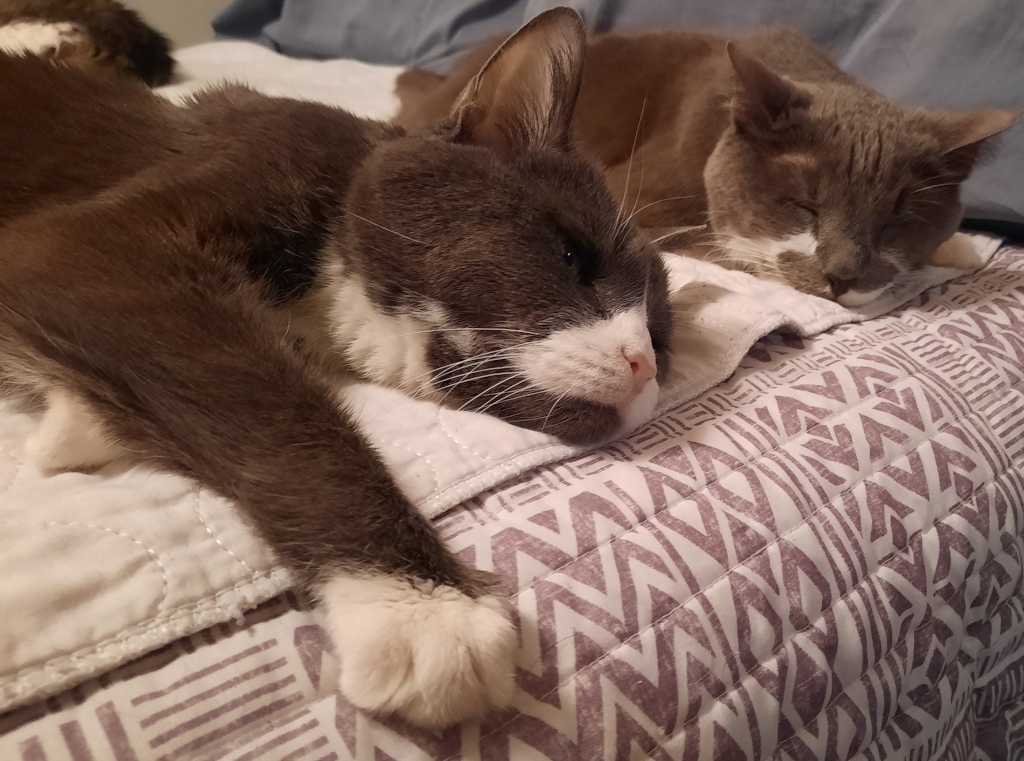 Belle and Paws both received B12 injections during their senior years, when managing their health required attention to several medical concerns. Belle lived with chronic kidney disease, hypertension, and hyperthyroidism, while Paws also had a history of hyperthyroidism and high blood pressure. Their medical histories were not identical, and their experiences should not be treated as evidence that both had the same underlying cause for needing supplementation.
After approximately 12 weeks of injections, we noticed that both cats were doing better. It was an encouraging observation, particularly because ongoing medical care can make it difficult to judge whether a particular treatment is helping. We do not have a basis for attributing the improvement solely to B12, nor can we conclude from that experience that the injections corrected anemia.
That experience still has value from a caregiving perspective. When an animal is receiving ongoing treatment, changes in daily behavior can provide information about comfort and overall well-being that may not be apparent from an individual laboratory measurement. Those observations become more useful when considered alongside the cat’s medical history, other treatments, and blood test results.
The approximately 12-week period is specific to what we noticed with Belle and Paws. It should not be interpreted as a standard waiting period for vitamin B12 to produce an effect. Cats with confirmed deficiencies may respond on different schedules, and the timing of clinical improvement depends on the underlying condition and any other treatment being provided.
Recognizing Meaningful Changes During Treatment
Cats with chronic illness can have considerable variation in their daily activity and appetite. An unusually active afternoon or a particularly quiet morning may not indicate a lasting medical change. Looking at behavior over several days or weeks is often more informative than concentrating on individual moments.
Appetite is one useful observation because poor food intake is common in cats with kidney disease. Recording whether a cat finishes familiar portions, accepts meals consistently, or begins leaving more food behind provides information that can be compared with body weight and veterinary findings. An improved appetite may indicate better overall well-being, although it does not establish that anemia or B12 status has improved.
Changes in activity may also be noticeable. A cat that voluntarily moves between resting places more often, spends more time interacting with its surroundings, or resumes familiar activities may be feeling better. These observations are worth documenting without assuming they identify the treatment responsible.
Body weight provides another useful measurement, particularly because cats with kidney disease may lose weight gradually. Using the same scale under similar conditions can make trends easier to recognize. Weight stability or gain may be encouraging when a cat previously struggled to maintain adequate intake, but changes in hydration can also affect the number on the scale.
Owners should remain attentive to symptoms that require more immediate attention. Increasing weakness, persistently poor appetite, or noticeably pale gums in a cat with known anemia warrant prompt veterinary assessment. Collapse, severe breathing difficulty, or an inability to stand require emergency care rather than continued observation at home.
Using Blood Tests to Determine Whether Anemia Is Improving
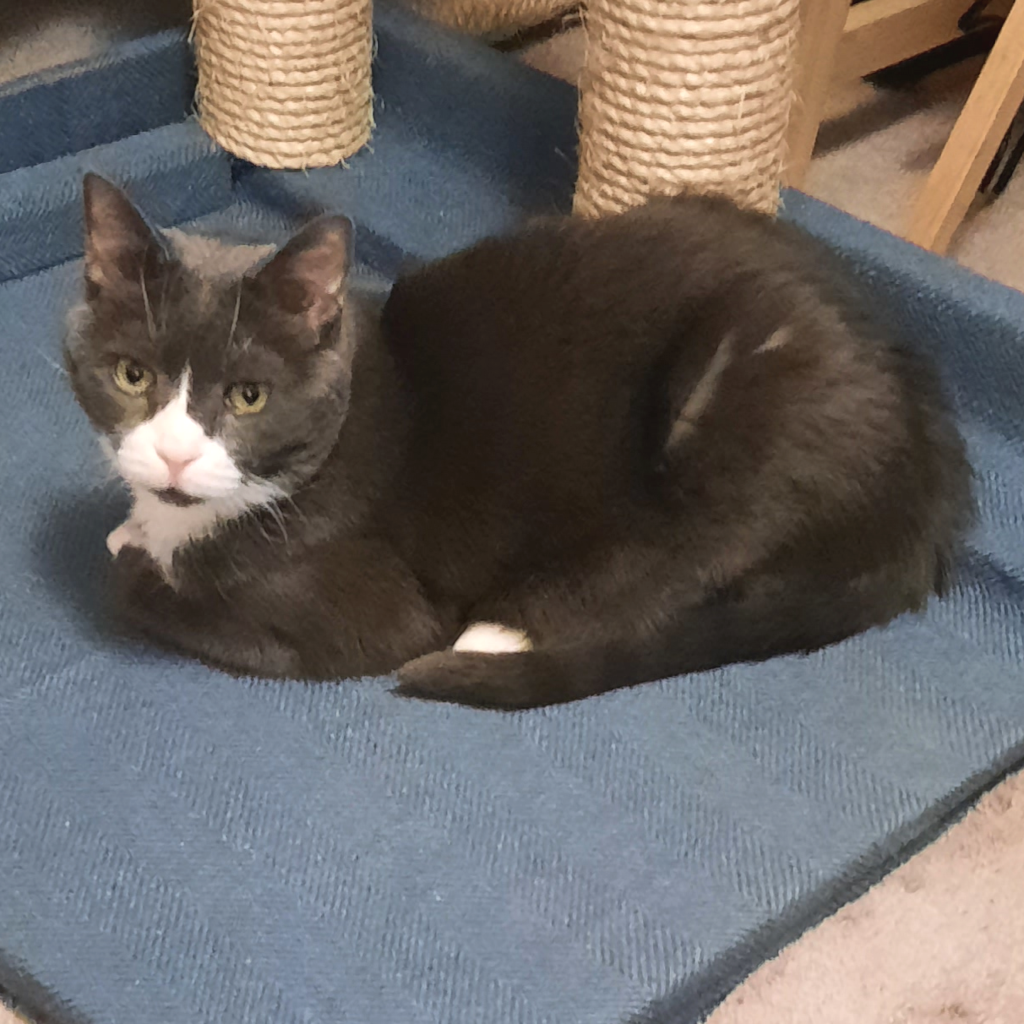 Behavioral improvement is meaningful, but blood testing is necessary to establish whether a cat’s anemia has changed. A complete blood count, commonly called a CBC, provides several measurements that help veterinarians evaluate circulating blood cells. Among the most relevant are hematocrit, hemoglobin, and red blood cell count.
Hematocrit describes the percentage of blood volume occupied by red blood cells. It may also be reported as packed cell volume, or PCV, which is commonly used when monitoring treatment for anemia. A declining hematocrit can indicate worsening anemia, while an increase may reflect improved red blood cell numbers, although hydration and other clinical factors can influence interpretation.
Reticulocytes provide additional information because they are immature red blood cells recently released into circulation. Their numbers help veterinarians determine whether the bone marrow is responding appropriately to anemia. A low reticulocyte response in an anemic cat supports concern about inadequate red blood cell production, which is characteristic of many cases of kidney-related anemia.
If B12 deficiency is suspected, serum cobalamin testing may be included in the evaluation. Additional testing might address iron availability, kidney function, inflammatory disease, or other possible contributors to anemia. The appropriate combination depends on the cat’s medical history and the pattern of abnormalities already identified.
Keeping copies of laboratory reports can make long-term care more manageable. Recording the dates of B12 injections and other treatment changes alongside blood results may help identify trends and clarify when improvement began. This information is especially useful when a cat is receiving several medications or supportive treatments, since changes occurring together can otherwise be difficult to interpret.
When Kidney-Related Anemia Requires More Than B12
Some cats with chronic kidney disease develop anemia that cannot be adequately addressed through nutritional support. If insufficient erythropoietin production is a major cause, treatment may need to focus specifically on stimulating red blood cell formation. The severity of anemia, its effect on the cat’s daily functioning, and the presence of other medical conditions all influence the decision.
One established treatment option is darbepoetin, an erythropoiesis-stimulating medication that helps encourage red blood cell production. Another option is molidustat, an oral medication that works by affecting the body’s response to oxygen availability and stimulating processes involved in red blood cell production. These medications have different mechanisms and monitoring requirements, and neither is appropriate for every cat.
The 2026 feline kidney disease guidelines discuss both approaches, including the need to monitor red blood cell measurements and blood pressure. Potential complications vary by medication and can include an excessive rise in red blood cell concentration or other adverse effects. Treatment must therefore be adjusted according to veterinary assessment rather than symptoms or home observations alone.
Iron availability also influences the body’s ability to produce hemoglobin and healthy red blood cells. Cats receiving treatments that stimulate red blood cell production may need iron support, particularly when available iron is insufficient to meet increased demand. However, anemia does not automatically mean a cat should receive an iron supplement, and unnecessary supplementation can create additional problems.
In severe cases, a blood transfusion may be needed to provide more immediate support while the underlying problem is investigated or treated. A transfusion does not correct the cause of kidney-related anemia, and its necessity depends on the cat’s clinical condition rather than a single blood measurement. These situations require individualized medical decisions, particularly when hypertension or other complications are present.
For cats already receiving B12 injections, persistent or worsening anemia should prompt a reassessment of its cause. A normal B12 concentration alongside a declining hematocrit may indicate that supplementation is not addressing the main problem. Further investigation can help determine whether kidney-related erythropoietin deficiency or another condition requires attention.
Managing B12 Injections at Home With Belle and Paws
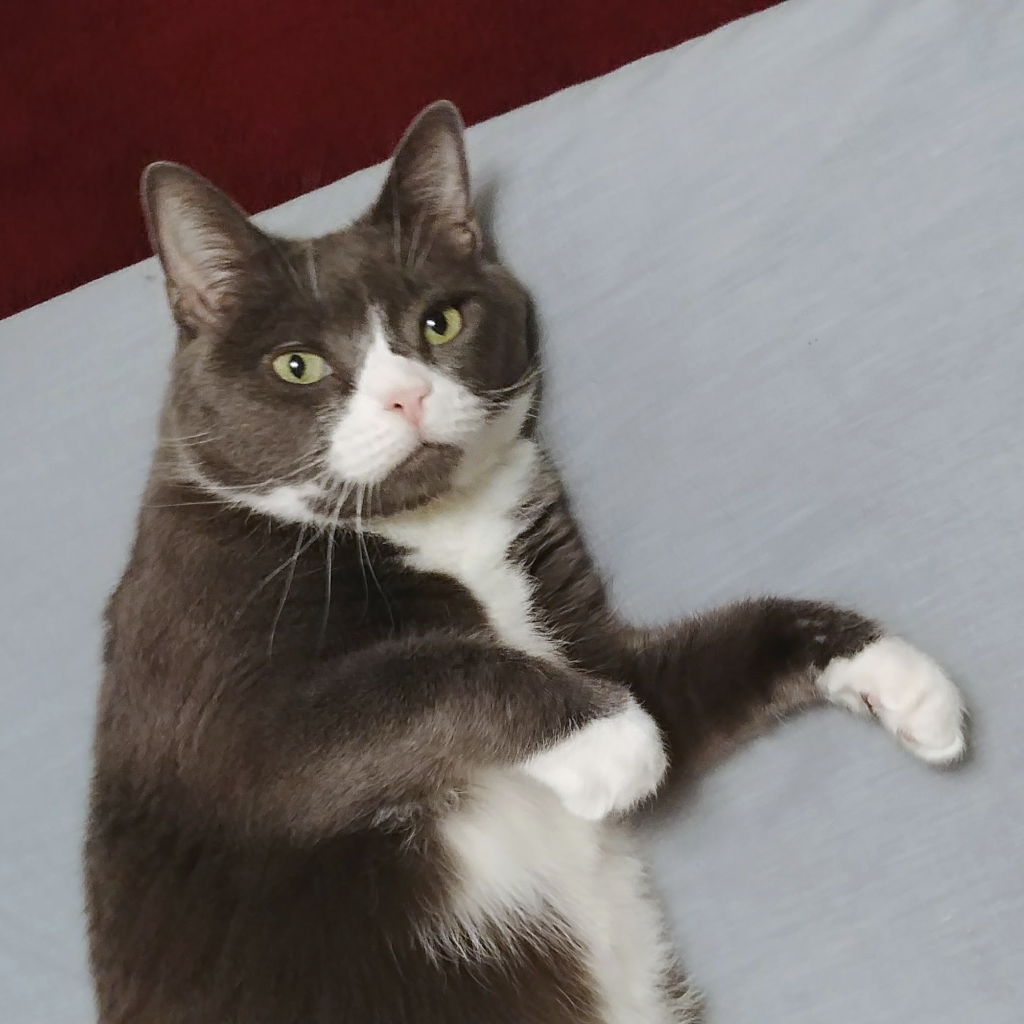 When Belle and Paws were prescribed vitamin B12 injections, we administered them ourselves at home as part of their regular care. Having experience caring for cats with chronic medical conditions helped us establish a consistent routine, but following the veterinarian’s instructions remained essential. We paid attention to the prescribed concentration, amount, injection technique, and schedule to make sure each cat received the treatment intended for them. Subcutaneous injections, which are given beneath the skin, can become a manageable part of home care once a caregiver has received proper instruction.
We also made a point of keeping their treatment organized. With two cats receiving injections, maintaining a written record helped us keep track of when each dose was administered and avoid confusion between their schedules. This was particularly helpful because Belle and Paws had other medical conditions that required ongoing attention. We handled and stored their B12 according to the instructions provided and disposed of used needles in an appropriate sharps container rather than placing them in household trash.
Our approach was to keep each injection as calm and straightforward as possible while paying attention to how Belle and Paws responded. Some cats tolerate subcutaneous injections with little difficulty, while others may become uncomfortable with restraint or repeated handling. We understood the importance of watching for unusual reactions, including persistent swelling, significant discomfort, or changes in behavior following an injection. These observations were part of making sure their treatment remained appropriate and manageable.
Administering B12 at home also allowed us to incorporate the injections into their existing care routines without requiring a veterinary visit for every dose. For anyone considering home injections, having the veterinary team demonstrate the proper technique and explain the equipment can make the process much more approachable. Our experience with Belle and Paws showed us that an organized routine could make prescribed injectable treatment practical, even when caring for two senior cats with complicated medical histories.
Evaluating Whether Continued Supplementation Is Necessary
The reason B12 supplementation was prescribed should guide how its effectiveness is evaluated. A cat with an ongoing intestinal absorption disorder may continue to require supplementation after its circulating B12 concentration improves. A cat receiving treatment for a suspected temporary deficiency may instead undergo reassessment to determine whether additional supplementation is needed.
Serum cobalamin measurements can help evaluate the response, although the timing of testing matters. Recent injections can elevate circulating concentrations, potentially making a result difficult to interpret without knowing when supplementation was administered. Veterinarians may also consider the cat’s digestive symptoms, nutritional status, and other laboratory findings when deciding whether treatment remains appropriate.
Anemia requires a separate assessment because improvements in B12 status and red blood cell production do not necessarily occur together. A cat can have a normal B12 concentration while remaining anemic from chronic kidney disease. Conversely, a cat receiving appropriate treatment for kidney-related anemia may still have an unrelated gastrointestinal condition that requires cobalamin supplementation.
For Belle and Paws, the improvement we observed after approximately three months remains a genuine part of their medical history. It encouraged us to appreciate the potential value of supportive treatment while recognizing the difficulty of identifying exactly what produces improvement when several medical problems are involved. Their experience also demonstrates why a treatment response should be evaluated in the context of the animal receiving it.
One of the most useful decisions during ongoing care is establishing what a particular treatment is expected to accomplish. If B12 is prescribed to correct a documented deficiency, follow-up testing can help determine whether that deficiency has been addressed. If anemia remains the primary concern, changes in hematocrit, reticulocyte production, and clinical condition provide more relevant evidence about whether red blood cell production is improving.
This distinction becomes especially valuable when a cat is receiving multiple treatments and repeated veterinary visits are physically or financially demanding. Clear treatment goals can help prioritize the measurements that matter, identify when a therapy needs reassessment, and avoid continuing an intervention solely because it was started months earlier. For a cat living with chronic kidney disease, that clarity allows supportive care and anemia treatment to be evaluated on their own merits, with decisions based on the condition being treated and the response actually observed.