How Aging Impacts Diabetes Management in Pets
When a pet is diagnosed with diabetes, life changes sometimes suddenly, sometimes gradually. Meals become scheduled.

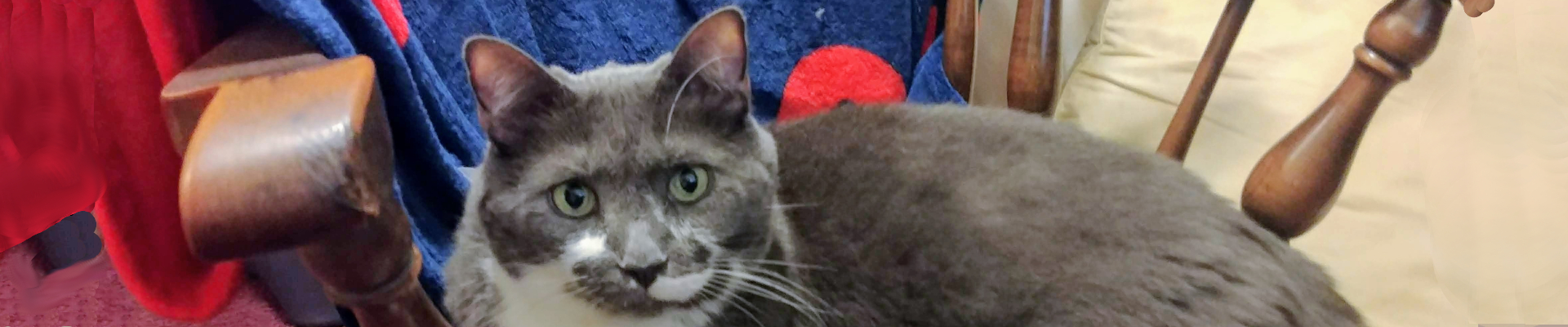
When a pet is diagnosed with diabetes, life changes sometimes suddenly, sometimes gradually. Meals become scheduled.
As our pets grow older, their needs change in ways that are sometimes subtle and sometimes impossible to ignore. A dog who once leapt onto the couch without thinking may hesitate or circle first.
One of the quiet realities of sharing life with a senior cat is noticing the small changes that happen long before anything feels urgent. A coat that once looked glossy may start to look dull.
If you have shared your life with both young pets and seniors, you have probably noticed something that is hard to put into words. The way an older pet connects to you feels different.
If you have ever shared your home with a cat, you have probably noticed how quickly expectations form. Friends joke about cats curling up in laps. Social media is full of photos of purring bundles draped across knees and chests.
Living with animals long enough teaches you something no training manual ever fully captures: behavior is communication. Especially with senior pets, what looks like “bad behavior” is often a message, not a mistake.
One of the most confusing and emotional changes many people notice as their dog grows older is a shift in body shape. A dog who once looked solid and strong may start to appear thinner in some places and heavier in others.
When cats age, the changes are often quiet. They do not complain. They do not announce that something feels different. Instead, they adapt, sometimes so well that it takes us a while to notice anything has changed at all.
If you have lived with a pet long enough, you may have noticed something quietly beautiful happen as the years pass. The pet who once bounced off the walls, ignored cuddles, or treated affection like a brief pit stop slowly transforms into a softer, more present companion.
When a pet needs a medical procedure, most owners focus on the physical side of things. The appointment, the diagnosis, the medication, the recovery instructions.
There is something undeniably powerful about the moment a person locks eyes with a puppy or kitten through the glass of a pet store enclosure. Tiny paws press against the window, tails wag, whiskers twitch, and a sign nearby promises unconditional love.
As pets grow older, grooming often becomes more complicated than it was in their younger years. What once felt like a simple brush session or quick nail trim can turn into a stressful experience for both pet and owner.