

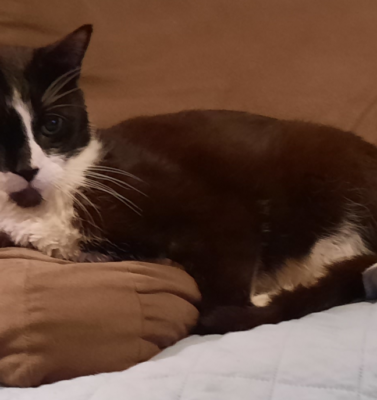
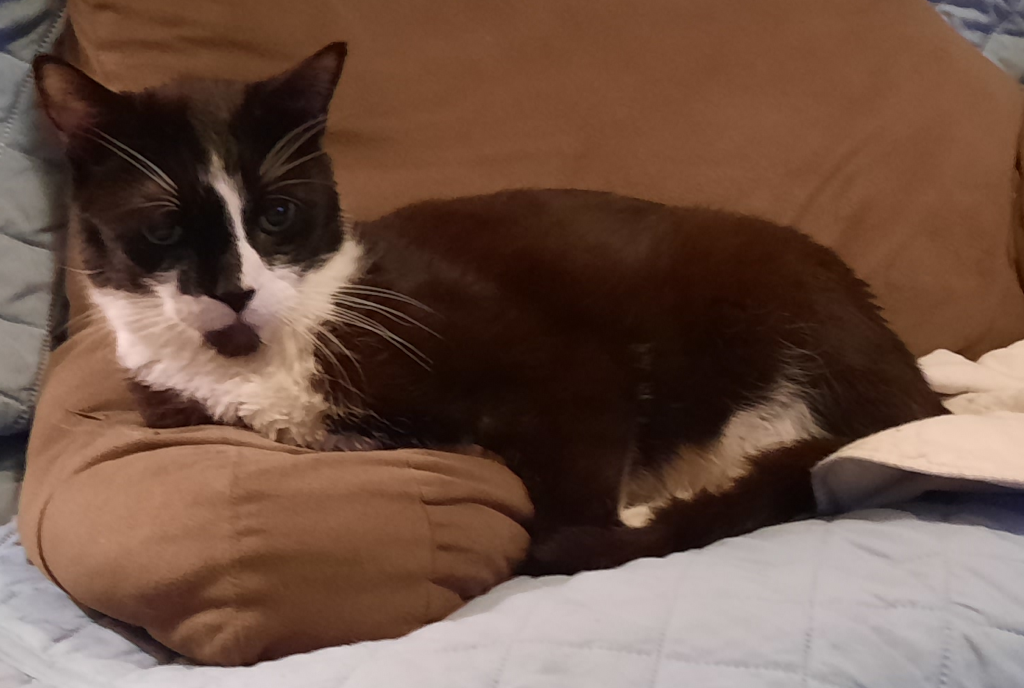
When a pet enters their senior years, food begins to matter in a different way. The bowl that once simply kept them full now plays a major role in how they feel each day. Energy levels, mobility, digestion, and especially blood sugar stability all become more sensitive to what goes into that bowl.
For those caring for senior pets, and especially for pets with diabetes, diet can feel overwhelming. Labels are confusing. Advice online often conflicts. Some recommendations sound overly technical. We are not veterinarians, but we have walked this road with our own cats and dogs, including diabetic companions like Zippy and Bentley. What we have learned is that steady glucose levels rarely come from dramatic changes. They come from thoughtful, consistent habits.
Stable blood sugar is not about perfection. It is about rhythm, balance, and paying attention.
Why Stable Glucose Matters More in Senior Years
 As pets age, their bodies become less efficient at regulating blood sugar. The pancreas may not produce insulin as effectively, or the body may not respond to insulin as it once did. For diabetic pets, this imbalance is already present. For others, it can slowly develop over time.
When glucose levels spike too high, pets may drink more water, urinate more frequently, and feel tired or weak. When glucose drops too low, they can become shaky, disoriented, or worse. Senior pets are often less resilient than younger ones, which means swings in blood sugar can hit harder and take longer to recover from.
- A stable glucose pattern helps support:
- Steady energy throughout the day
- Healthier weight management
- Better immune function
- Reduced stress on organs such as kidneys and liver
- Overall comfort and quality of life
For diabetic pets, stability also makes insulin dosing more predictable. When food intake is consistent, insulin works more reliably.
Consistency Is the First and Most Powerful Change
Before talking about ingredients, it is important to talk about routine. Senior pets thrive on predictability. Their metabolism adjusts to regular feeding times and portion sizes. Feeding at the same times each day supports more stable glucose curves. Large, irregular meals can cause noticeable spikes. Skipping meals or feeding randomly can create drops or unpredictable swings.
With our diabetic cats, we learned that timing matters almost as much as the food itself. Meals were given at the same hours each day. Insulin followed a reliable schedule. Over time, their bodies responded with more predictable glucose readings.
If you are tracking glucose, whether through your veterinarian or using tools like printable glucose curve forms or a diabetes tracker, consistency makes the data meaningful. Random feeding patterns create random charts.
Portion Control and Weight Management
Excess weight makes it harder for the body to use insulin properly. This is true in humans and it is true in pets. Many senior pets slow down physically while their appetite stays the same. Without adjusting portions, weight gain can happen quietly.
Stable glucose levels are closely tied to maintaining a healthy weight. Even small reductions in excess weight can improve insulin sensitivity. That does not mean crash dieting or sudden calorie cuts. It means measured portions and gradual adjustments.
Using a measuring cup instead of eyeballing portions can make a big difference. Some pet parents are surprised to learn they have been overfeeding by a small amount each meal. Over weeks and months, those small amounts add up.
For senior pets that have lost too much weight, especially those with diabetes or kidney disease, the goal shifts. In that case, calorie-dense but appropriate foods may be necessary to maintain body condition. Stability still matters, but so does adequate nourishment.
Choosing the Right Carbohydrates
 Carbohydrates are often discussed in conversations about blood sugar. Not all carbohydrates are equal. Some are digested quickly and can raise blood sugar rapidly. Others digest more slowly and create a gentler rise.
In many diabetic cats, lower carbohydrate diets are often recommended because cats are naturally more meat-focused in their dietary needs. Dogs can handle carbohydrates more efficiently, but quality still matters.
Foods high in simple sugars or fillers can contribute to spikes. Diets with complex carbohydrates and fiber tend to produce steadier changes in blood glucose. Fiber slows digestion and helps prevent rapid rises after meals.
This does not mean every senior pet needs an extremely low carbohydrate diet. It means reading labels carefully and being aware of ingredients. Ingredients listed first make up the largest portion of the food. Looking for quality protein sources and minimizing unnecessary fillers can support stability. Any major diet change should be gradual. Sudden shifts can upset digestion and alter glucose patterns unexpectedly. Transitioning over several days allows the body to adapt.
The Role of Protein in Senior Pets
Protein supports muscle mass, immune function, and overall strength. As pets age, maintaining muscle becomes more important. Muscle tissue helps regulate glucose more effectively than fat tissue. Adequate protein in the diet supports both blood sugar control and physical strength. Senior pets who lose muscle mass may struggle more with glucose regulation.
That said, certain conditions such as kidney disease require adjustments in protein intake. This is where working with a veterinarian is essential. What works for one senior pet may not be appropriate for another. For many diabetic pets without advanced kidney disease, quality protein becomes a cornerstone of stable nutrition.
Healthy Fats and Satiety
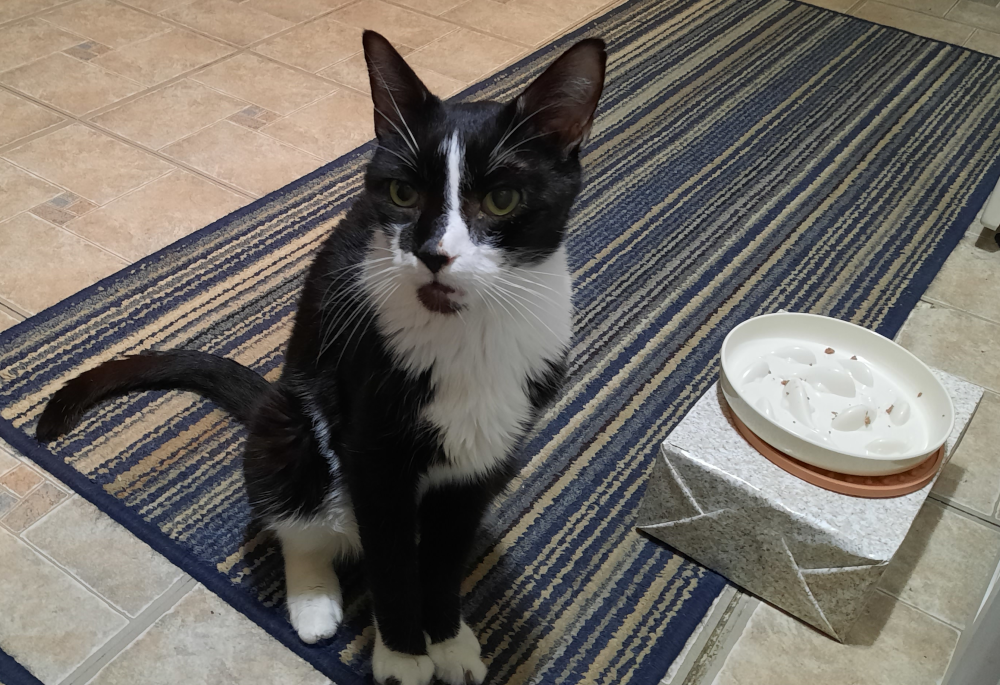 Fats provide energy without directly raising blood sugar. In moderation, they can help pets feel satisfied between meals. Feeling satisfied reduces begging behavior and decreases the temptation to offer extra treats that may disrupt glucose balance.
However, fats are calorie-dense. Too much can contribute to weight gain or digestive upset. The goal is balance, not excess. Choosing foods with balanced fat content rather than extremely high-fat formulations often works best for senior pets who are less active.
Treats Without the Roller Coaster
Treats are part of bonding. We understand that completely eliminating them can feel harsh. The key is choosing treats that do not trigger glucose swings. Small portions of the pet’s regular food can serve as treats. For some pets, freeze-dried meat treats without added sugars are an option. Avoiding treats high in simple carbohydrates or sweeteners helps prevent unexpected spikes.
In diabetic pets, even small treats can influence glucose readings. When tracking numbers, it is helpful to note treat timing. This makes it easier to identify patterns. Consistency applies here too. Giving treats at predictable times rather than randomly throughout the day helps maintain stability.
Hydration and Its Impact on Glucose
Water plays a quiet but essential role in overall health. Proper hydration supports kidney function and helps the body manage glucose more effectively. Senior pets may not drink as readily as they once did. Diabetic pets may drink more due to elevated blood sugar. Ensuring fresh water is always available is simple but vital.
For cats, incorporating wet food can increase overall fluid intake. This can be especially helpful for those with kidney concerns in addition to glucose issues.
Monitoring Makes Adjustments Possible
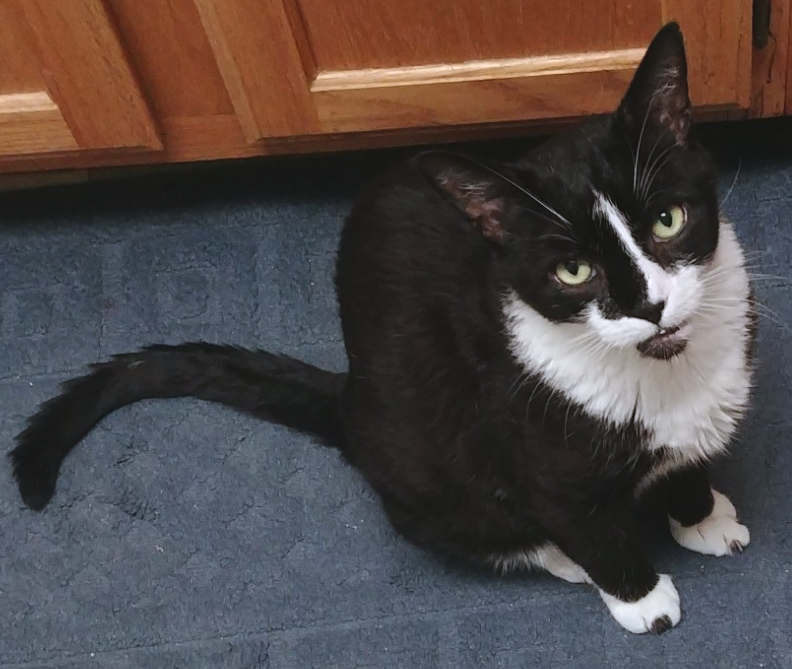 One of the most empowering tools for managing stable glucose is tracking. Recording glucose readings, whether daily or during periodic curves, provides a clearer picture of how diet affects your pet. When we tracked Bentley’s glucose readings, patterns began to emerge. Certain foods led to steadier curves. Minor portion changes altered his numbers slightly. Without recording those readings, we would have been guessing.
Printable tracking sheets or digital trackers allow pet parents to see trends rather than isolated numbers. Trends guide smarter conversations with veterinarians and make diet adjustments more informed. Monitoring also builds confidence. Instead of reacting emotionally to one high or low reading, you begin to see the bigger picture.
Adjusting Diet After Diagnosis
When a pet is newly diagnosed with diabetes, the urge to change everything immediately is strong. It is natural to want fast improvement. However, slow and steady adjustments are often safer. Switching foods, changing feeding times, and beginning insulin all at once can make it difficult to know what is affecting what. Gradual diet transitions allow you to observe how your pet responds.
Some pets respond quickly to diet changes alone. Others require insulin alongside dietary management. There is no one-size-fits-all approach.
Emotional Support Matters Too
Diet is not only about nutrients. It is about caregiving. Senior pets sense routine, calm, and stress. Feeding time should not feel frantic or fearful. When Everly passed from an infection, we were reminded again how fragile life can be. Stability in daily routines became even more meaningful. Food, medications, and gentle care are small acts of love repeated each day.
For diabetic pets especially, feeding and insulin schedules become part of your life rhythm. Over time, they feel less clinical and more like normal routine.
Building a Hub of Knowledge and Community
Caring for senior pets with glucose concerns can feel isolating. Many pet parents quietly manage insulin, food schedules, and glucose checks without knowing others are doing the same. That is why educational hubs and tracking tools matter. Being able to convert your pet’s age to human years, print glucose curve forms, or log readings in a tracker gives structure to what can otherwise feel overwhelming.
Stable glucose levels are not achieved by one miracle ingredient. They are supported by consistent feeding times, balanced nutrients, thoughtful portion control, appropriate treats, proper hydration, and ongoing monitoring. Most of all, they are supported by attentive caregivers who are willing to learn and adapt.
A Gentle Reminder
 Every senior pet is unique. What works beautifully for one may need adjustment for another. Conditions such as kidney disease, thyroid disorders, or cancer can change dietary needs significantly. Always involve your veterinarian when making substantial changes.
Still, there is power in informed, compassionate caregiving. With patience and consistency, diet can become one of your strongest tools for supporting stable glucose levels.
Senior pets have given us years of loyalty and love. Supporting their health in these later chapters is not about chasing perfection. It is about providing steady, reliable care that helps them feel comfortable and secure.
Stable glucose is part of that comfort. And with thoughtful diet changes, it is often within reach.